PHEV role in railway electrification support
AUG 14, 20259 MIN READ
Generate Your Research Report Instantly with AI Agent
Patsnap Eureka helps you evaluate technical feasibility & market potential.
PHEV Railway Background
The integration of Plug-in Hybrid Electric Vehicles (PHEVs) in railway electrification support represents a significant technological advancement in the transportation sector. This innovative approach combines the benefits of electric and diesel-powered locomotives, offering a versatile solution to the challenges faced in railway electrification.
Historically, railway systems have relied heavily on diesel-powered locomotives, particularly in areas where full electrification was not economically viable or technically feasible. However, the increasing focus on environmental sustainability and the need to reduce carbon emissions have driven the search for alternative propulsion methods in the railway industry.
PHEVs in railway applications emerged as a promising solution, bridging the gap between traditional diesel locomotives and fully electric trains. These hybrid systems typically consist of an electric motor, a diesel engine, and a battery pack, allowing for flexible operation in both electrified and non-electrified sections of the railway network.
The development of PHEV technology for railways has been influenced by advancements in automotive hybrid systems, as well as the growing expertise in energy storage and power electronics. This cross-industry technology transfer has accelerated the adoption of hybrid solutions in the railway sector, leading to improved efficiency and reduced environmental impact.
One of the key drivers for PHEV adoption in railways is the potential for significant fuel savings and emissions reduction. By utilizing electric power where available and switching to diesel operation in non-electrified sections, these hybrid locomotives can optimize energy consumption and minimize their carbon footprint.
Moreover, PHEVs offer a practical solution for railway operators facing the challenges of partial network electrification. Instead of undertaking costly and time-consuming full electrification projects, PHEVs allow for a gradual transition, providing immediate benefits while infrastructure improvements continue.
The role of PHEVs in railway electrification support extends beyond mere propulsion. These vehicles can also serve as mobile power sources, potentially supporting the electrification process itself by providing temporary power to sections under construction or maintenance. This dual functionality enhances the versatility and value proposition of PHEV technology in the railway sector.
As the technology continues to evolve, PHEVs are expected to play an increasingly important role in the future of railway transportation. Their ability to operate efficiently in diverse environments, coupled with ongoing improvements in battery technology and energy management systems, positions PHEVs as a key component in the transition towards more sustainable and flexible railway operations.
Historically, railway systems have relied heavily on diesel-powered locomotives, particularly in areas where full electrification was not economically viable or technically feasible. However, the increasing focus on environmental sustainability and the need to reduce carbon emissions have driven the search for alternative propulsion methods in the railway industry.
PHEVs in railway applications emerged as a promising solution, bridging the gap between traditional diesel locomotives and fully electric trains. These hybrid systems typically consist of an electric motor, a diesel engine, and a battery pack, allowing for flexible operation in both electrified and non-electrified sections of the railway network.
The development of PHEV technology for railways has been influenced by advancements in automotive hybrid systems, as well as the growing expertise in energy storage and power electronics. This cross-industry technology transfer has accelerated the adoption of hybrid solutions in the railway sector, leading to improved efficiency and reduced environmental impact.
One of the key drivers for PHEV adoption in railways is the potential for significant fuel savings and emissions reduction. By utilizing electric power where available and switching to diesel operation in non-electrified sections, these hybrid locomotives can optimize energy consumption and minimize their carbon footprint.
Moreover, PHEVs offer a practical solution for railway operators facing the challenges of partial network electrification. Instead of undertaking costly and time-consuming full electrification projects, PHEVs allow for a gradual transition, providing immediate benefits while infrastructure improvements continue.
The role of PHEVs in railway electrification support extends beyond mere propulsion. These vehicles can also serve as mobile power sources, potentially supporting the electrification process itself by providing temporary power to sections under construction or maintenance. This dual functionality enhances the versatility and value proposition of PHEV technology in the railway sector.
As the technology continues to evolve, PHEVs are expected to play an increasingly important role in the future of railway transportation. Their ability to operate efficiently in diverse environments, coupled with ongoing improvements in battery technology and energy management systems, positions PHEVs as a key component in the transition towards more sustainable and flexible railway operations.
Market Demand Analysis
The market demand for Plug-in Hybrid Electric Vehicles (PHEVs) in railway electrification support is experiencing significant growth, driven by the global push for sustainable transportation solutions and the need to reduce carbon emissions in the railway sector. As governments worldwide implement stricter environmental regulations, railway operators are increasingly seeking innovative technologies to meet these standards while maintaining operational efficiency.
The railway industry's transition towards electrification has created a unique opportunity for PHEVs to play a crucial role in supporting this shift. PHEVs offer a flexible solution that combines the benefits of electric propulsion with the reliability of conventional diesel engines, making them particularly attractive for railway applications where full electrification may not be immediately feasible or cost-effective.
One of the key drivers of market demand for PHEVs in railway electrification support is their ability to operate in both electrified and non-electrified sections of track. This versatility allows railway operators to gradually transition their fleets without the need for immediate, extensive infrastructure upgrades. As a result, PHEVs are seen as a bridge technology that can facilitate the phased implementation of railway electrification projects.
The market for PHEVs in this sector is also being fueled by the increasing focus on reducing operational costs and improving energy efficiency. PHEVs offer the potential for significant fuel savings compared to traditional diesel locomotives, especially in scenarios where partial electrification is available. This economic benefit is particularly appealing to railway operators looking to optimize their operational expenses while meeting environmental targets.
Furthermore, the demand for PHEVs in railway applications is being driven by their potential to enhance operational flexibility. These vehicles can seamlessly switch between electric and diesel power, allowing for uninterrupted service in areas with varying levels of electrification infrastructure. This capability is especially valuable in regions where the electrification of railway networks is still in progress or where certain routes may never be fully electrified due to geographical or economic constraints.
The market for PHEVs in railway electrification support is also benefiting from advancements in battery technology and energy management systems. These improvements are leading to increased range, power output, and overall performance of PHEV locomotives, making them more competitive with traditional diesel engines and more attractive to potential buyers.
As the railway industry continues to evolve, the demand for PHEVs is expected to grow further, particularly in emerging markets where railway electrification projects are gaining momentum. The ability of PHEVs to provide a cost-effective and environmentally friendly solution for railway operators transitioning towards electrification positions them as a key technology in the ongoing transformation of the global railway sector.
The railway industry's transition towards electrification has created a unique opportunity for PHEVs to play a crucial role in supporting this shift. PHEVs offer a flexible solution that combines the benefits of electric propulsion with the reliability of conventional diesel engines, making them particularly attractive for railway applications where full electrification may not be immediately feasible or cost-effective.
One of the key drivers of market demand for PHEVs in railway electrification support is their ability to operate in both electrified and non-electrified sections of track. This versatility allows railway operators to gradually transition their fleets without the need for immediate, extensive infrastructure upgrades. As a result, PHEVs are seen as a bridge technology that can facilitate the phased implementation of railway electrification projects.
The market for PHEVs in this sector is also being fueled by the increasing focus on reducing operational costs and improving energy efficiency. PHEVs offer the potential for significant fuel savings compared to traditional diesel locomotives, especially in scenarios where partial electrification is available. This economic benefit is particularly appealing to railway operators looking to optimize their operational expenses while meeting environmental targets.
Furthermore, the demand for PHEVs in railway applications is being driven by their potential to enhance operational flexibility. These vehicles can seamlessly switch between electric and diesel power, allowing for uninterrupted service in areas with varying levels of electrification infrastructure. This capability is especially valuable in regions where the electrification of railway networks is still in progress or where certain routes may never be fully electrified due to geographical or economic constraints.
The market for PHEVs in railway electrification support is also benefiting from advancements in battery technology and energy management systems. These improvements are leading to increased range, power output, and overall performance of PHEV locomotives, making them more competitive with traditional diesel engines and more attractive to potential buyers.
As the railway industry continues to evolve, the demand for PHEVs is expected to grow further, particularly in emerging markets where railway electrification projects are gaining momentum. The ability of PHEVs to provide a cost-effective and environmentally friendly solution for railway operators transitioning towards electrification positions them as a key technology in the ongoing transformation of the global railway sector.
Technical Challenges
The integration of Plug-in Hybrid Electric Vehicles (PHEVs) in railway electrification support faces several significant technical challenges. These obstacles must be addressed to fully realize the potential of PHEVs in this application.
One of the primary challenges is the development of efficient and reliable power management systems. These systems must seamlessly coordinate between the electric and diesel power sources, optimizing energy usage while maintaining consistent power output. The complexity of this task increases when considering the varied operational conditions of railway systems, including different load requirements, terrain, and weather conditions.
Battery technology presents another critical challenge. Current battery systems often struggle to meet the high power demands and long operational hours required in railway applications. Improving energy density, charging speed, and cycle life of batteries is crucial for PHEVs to be viable in this context. Additionally, the harsh operating environment of railways, including vibrations and temperature fluctuations, puts extra stress on battery systems, necessitating robust designs and materials.
The integration of PHEV technology with existing railway infrastructure poses significant technical hurdles. Retrofitting current locomotives or developing new PHEV-specific rolling stock requires careful engineering to balance weight distribution, space utilization, and overall vehicle dynamics. Furthermore, the interface between PHEVs and railway electrification systems must be standardized to ensure compatibility and safety across different networks and regions.
Thermal management is another key challenge, particularly in high-power applications like railways. Efficient cooling systems for both the electric drivetrain and the internal combustion engine are essential to maintain optimal performance and longevity of components. This becomes even more critical when considering the confined spaces and weight limitations in railway vehicles.
Control systems and software development present ongoing challenges. Advanced algorithms are needed to optimize power distribution, predict energy requirements, and manage regenerative braking effectively. These systems must also be capable of real-time adaptation to changing conditions and be robust enough to handle the rigors of railway operations.
Lastly, the challenge of scalability and manufacturability cannot be overlooked. Developing PHEV systems that can be cost-effectively produced at scale, while meeting the stringent safety and reliability standards of the railway industry, is a significant hurdle. This includes not only the vehicles themselves but also the supporting infrastructure for maintenance, charging, and system integration.
Addressing these technical challenges requires a multidisciplinary approach, combining expertise from electrical engineering, mechanical engineering, materials science, and software development. As research progresses and technologies advance, overcoming these obstacles will pave the way for wider adoption of PHEVs in railway electrification support, potentially revolutionizing the efficiency and sustainability of rail transport.
One of the primary challenges is the development of efficient and reliable power management systems. These systems must seamlessly coordinate between the electric and diesel power sources, optimizing energy usage while maintaining consistent power output. The complexity of this task increases when considering the varied operational conditions of railway systems, including different load requirements, terrain, and weather conditions.
Battery technology presents another critical challenge. Current battery systems often struggle to meet the high power demands and long operational hours required in railway applications. Improving energy density, charging speed, and cycle life of batteries is crucial for PHEVs to be viable in this context. Additionally, the harsh operating environment of railways, including vibrations and temperature fluctuations, puts extra stress on battery systems, necessitating robust designs and materials.
The integration of PHEV technology with existing railway infrastructure poses significant technical hurdles. Retrofitting current locomotives or developing new PHEV-specific rolling stock requires careful engineering to balance weight distribution, space utilization, and overall vehicle dynamics. Furthermore, the interface between PHEVs and railway electrification systems must be standardized to ensure compatibility and safety across different networks and regions.
Thermal management is another key challenge, particularly in high-power applications like railways. Efficient cooling systems for both the electric drivetrain and the internal combustion engine are essential to maintain optimal performance and longevity of components. This becomes even more critical when considering the confined spaces and weight limitations in railway vehicles.
Control systems and software development present ongoing challenges. Advanced algorithms are needed to optimize power distribution, predict energy requirements, and manage regenerative braking effectively. These systems must also be capable of real-time adaptation to changing conditions and be robust enough to handle the rigors of railway operations.
Lastly, the challenge of scalability and manufacturability cannot be overlooked. Developing PHEV systems that can be cost-effectively produced at scale, while meeting the stringent safety and reliability standards of the railway industry, is a significant hurdle. This includes not only the vehicles themselves but also the supporting infrastructure for maintenance, charging, and system integration.
Addressing these technical challenges requires a multidisciplinary approach, combining expertise from electrical engineering, mechanical engineering, materials science, and software development. As research progresses and technologies advance, overcoming these obstacles will pave the way for wider adoption of PHEVs in railway electrification support, potentially revolutionizing the efficiency and sustainability of rail transport.
Current PHEV Solutions
01 Power management systems for PHEVs
Advanced power management systems are crucial for optimizing the performance of plug-in hybrid electric vehicles. These systems control the distribution of power between the electric motor and internal combustion engine, manage battery charging, and improve overall energy efficiency. They often incorporate intelligent algorithms to predict driving conditions and adjust power output accordingly.- Power management systems for PHEVs: Advanced power management systems are crucial for optimizing the performance of plug-in hybrid electric vehicles. These systems control the distribution of power between the electric motor and internal combustion engine, manage battery charging, and improve overall energy efficiency. They also incorporate intelligent algorithms to predict and adapt to driving conditions, enhancing the vehicle's range and fuel economy.
- Charging infrastructure and systems for PHEVs: Developing efficient charging infrastructure is essential for the widespread adoption of PHEVs. This includes the design of charging stations, smart grid integration, and fast-charging technologies. Advanced charging systems may incorporate features like wireless charging, vehicle-to-grid (V2G) capabilities, and intelligent scheduling to optimize charging times and reduce grid load.
- Battery technology advancements for PHEVs: Improving battery technology is crucial for enhancing the performance and range of PHEVs. This involves developing high-capacity, long-lasting batteries with faster charging capabilities. Research focuses on new battery chemistries, thermal management systems, and battery management systems to optimize performance, safety, and lifespan of PHEV batteries.
- Drivetrain and transmission innovations for PHEVs: Advancements in drivetrain and transmission technologies are key to improving PHEV efficiency and performance. This includes the development of integrated electric drive units, multi-speed transmissions for electric motors, and advanced power split devices. These innovations aim to optimize power delivery, reduce energy losses, and enhance the overall driving experience of PHEVs.
- Control strategies and software for PHEVs: Sophisticated control strategies and software are essential for maximizing the efficiency and performance of PHEVs. This includes developing advanced algorithms for energy management, predictive control systems, and adaptive driving modes. These control strategies optimize the interaction between the electric and combustion powertrains, improve fuel economy, and enhance the overall driving experience.
02 Charging infrastructure and methods for PHEVs
Developing efficient charging infrastructure is essential for the widespread adoption of PHEVs. This includes the design of charging stations, integration with smart grids, and implementation of fast-charging technologies. Advanced charging methods, such as wireless charging and vehicle-to-grid systems, are also being explored to enhance convenience and grid stability.Expand Specific Solutions03 Drivetrain and transmission systems for PHEVs
Innovative drivetrain and transmission systems are being developed to improve the performance and efficiency of PHEVs. These include advanced hybrid transmissions, dual-clutch systems, and continuously variable transmissions (CVTs) specifically designed for hybrid powertrains. The goal is to seamlessly integrate the electric motor and internal combustion engine for optimal power delivery and fuel economy.Expand Specific Solutions04 Battery technology and management for PHEVs
Advancements in battery technology are crucial for improving the electric range and overall performance of PHEVs. This includes the development of high-capacity lithium-ion batteries, thermal management systems, and battery monitoring technologies. Battery management systems are designed to optimize charging cycles, extend battery life, and ensure safe operation under various conditions.Expand Specific Solutions05 Control strategies and algorithms for PHEVs
Sophisticated control strategies and algorithms are being developed to optimize the operation of PHEVs. These include predictive energy management systems, adaptive cruise control, and intelligent driving mode selection. Machine learning and artificial intelligence techniques are increasingly being applied to improve vehicle efficiency, performance, and driver assistance features in PHEVs.Expand Specific Solutions
Key Industry Players
The PHEV role in railway electrification support is in an early development stage, with a growing market potential as the transportation sector seeks sustainable solutions. The technology's maturity varies among key players, with established automotive companies like Ford, Johnson Controls, and BMW leveraging their hybrid vehicle expertise. Emerging specialists such as Ballard Power Systems and PowerHydrant are advancing specific PHEV applications for rail. Major rail manufacturers like CRRC are also exploring integration possibilities. The market size is expected to expand as rail operators increasingly adopt hybrid technologies to reduce emissions and improve efficiency in non-electrified sections of railway networks.
Ford Motor Co.
Technical Solution: Ford Motor Co. has adapted its PHEV technology from the automotive sector to support railway electrification. Their system utilizes a modular approach, incorporating high-capacity lithium-ion batteries and efficient electric motors derived from their passenger vehicle PHEV platforms. Ford's technology allows for the electrification of existing diesel locomotives, creating hybrid systems that can operate on both electrified and non-electrified tracks. The company has developed advanced power management software that optimizes energy use between the electric and diesel systems, reducing fuel consumption by up to 25% compared to traditional diesel locomotives[7][8]. Ford's PHEV railway solution also includes a pantograph system for charging batteries from overhead lines when available, maximizing the use of existing electrification infrastructure.
Strengths: Leverages existing automotive PHEV technology, reduces fuel consumption, adaptable to existing locomotives. Weaknesses: Limited experience in the railway sector, potential challenges in scaling up for heavy-duty railway applications.
Ballard Power Systems, Inc.
Technical Solution: Ballard Power Systems, Inc. has developed a hydrogen fuel cell-based PHEV system for railway applications. Their technology combines hydrogen fuel cells with battery storage, providing a zero-emission alternative for railway electrification support. The system allows trains to operate on non-electrified tracks by using hydrogen as the primary energy source, with batteries providing additional power during peak demand and storing energy from regenerative braking. Ballard's fuel cell technology offers quick refueling times, typically under 20 minutes, and provides a longer range compared to battery-only solutions[5][6]. The company has successfully demonstrated this technology in several pilot projects, showing its potential to reduce greenhouse gas emissions and dependence on fossil fuels in the railway sector.
Strengths: Zero-emission operation, long range, quick refueling. Weaknesses: Limited hydrogen infrastructure, higher costs compared to traditional systems, safety concerns related to hydrogen storage and handling.
Core PHEV Technologies
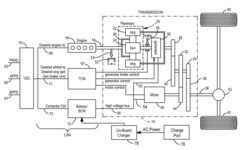
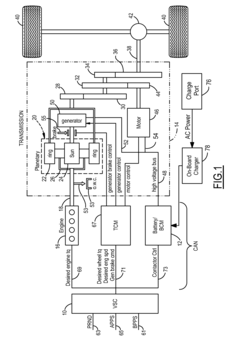
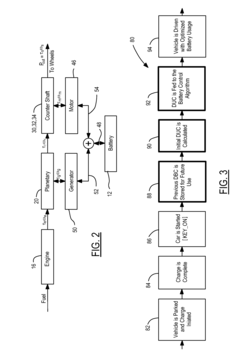
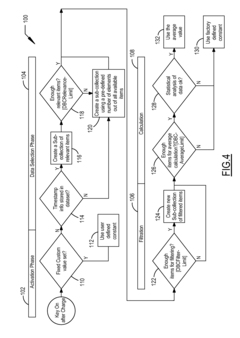
Adaptive Initial Estimation and Dynamic Determination and Update of Distance Until Charge of a Plug-In Hybrid Electric Vehicle
PatentActiveUS20110184600A1
Innovation
- A method and system that dynamically control battery usage based on the estimated or user-provided 'distance until charge' (DUC) value, utilizing historical data and real-time information from navigation systems to optimize battery depletion and charging strategies.
Systems and methods for reducing release of undesired evaporative emissions in plug-in hybrid electric vehicles
PatentActiveUS20210156331A1
Innovation
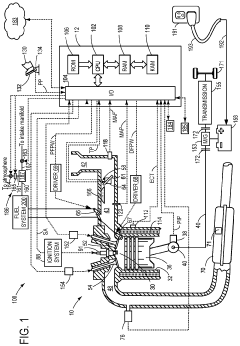
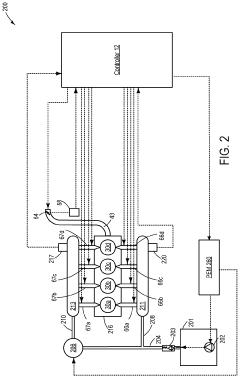
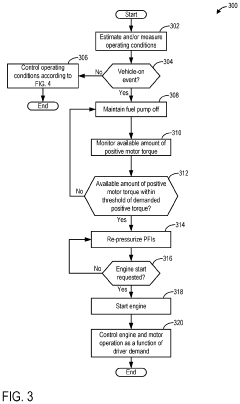
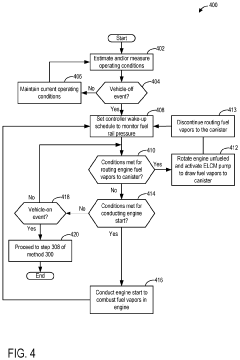
- A method is implemented to control the fuel pump in PHEVs by maintaining it off during vehicle-on events and commanding its activation based on predicted engine-start requests, taking into account driver demand and available motor torque, and learning commonly traveled routes to optimize engine start times, thereby reducing fuel injector re-pressurization during electric-only mode.
Environmental Impact
The environmental impact of Plug-in Hybrid Electric Vehicles (PHEVs) in railway electrification support is a crucial aspect to consider when evaluating their role in this sector. PHEVs offer a unique opportunity to reduce emissions and improve energy efficiency in railway operations, particularly in areas where full electrification is not feasible or cost-effective.
One of the primary environmental benefits of using PHEVs in railway electrification support is the reduction of greenhouse gas emissions. By utilizing electric power for a significant portion of their operation, PHEVs can substantially decrease the carbon footprint of railway systems compared to traditional diesel locomotives. This is especially important in urban areas and sensitive ecosystems where air quality is a major concern.
Furthermore, PHEVs contribute to noise reduction in railway operations. Electric motors are significantly quieter than diesel engines, leading to decreased noise pollution in areas surrounding railway lines. This improvement in acoustic environment can have positive effects on both human health and local wildlife.
The use of PHEVs also promotes energy efficiency in railway systems. These vehicles can optimize their power source based on operational conditions, switching between electric and hybrid modes to maximize efficiency. This flexibility allows for better energy management and can lead to reduced overall energy consumption in railway operations.
Additionally, PHEVs can play a role in supporting the integration of renewable energy sources into railway electrification systems. By utilizing smart charging technologies, PHEVs can be charged during periods of high renewable energy generation, further reducing the carbon intensity of railway operations and supporting the broader transition to clean energy.
However, it is important to consider the full lifecycle environmental impact of PHEVs in railway applications. This includes the production and disposal of batteries, which can have significant environmental implications. Proper recycling and disposal protocols must be established to mitigate these impacts and ensure the overall environmental benefit of PHEV adoption in railway systems.
The implementation of PHEVs in railway electrification support also has the potential to reduce the need for extensive overhead electrification infrastructure in certain areas. This can lead to decreased habitat disruption and visual impact on landscapes, particularly in environmentally sensitive regions or areas of natural beauty.
In conclusion, while PHEVs offer substantial environmental benefits in railway electrification support, a comprehensive assessment of their lifecycle impact is necessary to ensure their implementation aligns with broader sustainability goals in the transportation sector.
One of the primary environmental benefits of using PHEVs in railway electrification support is the reduction of greenhouse gas emissions. By utilizing electric power for a significant portion of their operation, PHEVs can substantially decrease the carbon footprint of railway systems compared to traditional diesel locomotives. This is especially important in urban areas and sensitive ecosystems where air quality is a major concern.
Furthermore, PHEVs contribute to noise reduction in railway operations. Electric motors are significantly quieter than diesel engines, leading to decreased noise pollution in areas surrounding railway lines. This improvement in acoustic environment can have positive effects on both human health and local wildlife.
The use of PHEVs also promotes energy efficiency in railway systems. These vehicles can optimize their power source based on operational conditions, switching between electric and hybrid modes to maximize efficiency. This flexibility allows for better energy management and can lead to reduced overall energy consumption in railway operations.
Additionally, PHEVs can play a role in supporting the integration of renewable energy sources into railway electrification systems. By utilizing smart charging technologies, PHEVs can be charged during periods of high renewable energy generation, further reducing the carbon intensity of railway operations and supporting the broader transition to clean energy.
However, it is important to consider the full lifecycle environmental impact of PHEVs in railway applications. This includes the production and disposal of batteries, which can have significant environmental implications. Proper recycling and disposal protocols must be established to mitigate these impacts and ensure the overall environmental benefit of PHEV adoption in railway systems.
The implementation of PHEVs in railway electrification support also has the potential to reduce the need for extensive overhead electrification infrastructure in certain areas. This can lead to decreased habitat disruption and visual impact on landscapes, particularly in environmentally sensitive regions or areas of natural beauty.
In conclusion, while PHEVs offer substantial environmental benefits in railway electrification support, a comprehensive assessment of their lifecycle impact is necessary to ensure their implementation aligns with broader sustainability goals in the transportation sector.
Cost-Benefit Analysis
The cost-benefit analysis of PHEVs in railway electrification support reveals a complex interplay of economic, environmental, and operational factors. Initial investment costs for PHEV locomotives are generally higher than conventional diesel locomotives due to the advanced hybrid powertrain and battery systems. However, these upfront costs are often offset by significant long-term operational savings.
Fuel efficiency improvements of PHEVs can lead to substantial reductions in operating expenses. The ability to switch between electric and diesel power allows for optimal energy usage, particularly in partially electrified networks. This flexibility results in lower fuel consumption and reduced maintenance costs associated with diesel engine operation.
Environmental benefits represent a crucial aspect of the cost-benefit equation. PHEVs contribute to reduced greenhouse gas emissions and air pollutants, especially in urban areas and tunnels where they can operate in zero-emission electric mode. These environmental advantages may translate into economic benefits through carbon credits or compliance with stringent emission regulations.
Infrastructure costs play a significant role in the analysis. PHEVs can potentially reduce the need for full electrification of railway lines, offering a more cost-effective solution for routes with lower traffic density or challenging terrain. This can lead to substantial savings in overhead line installation and maintenance costs.
Operational flexibility is another key benefit. PHEVs can seamlessly transition between electrified and non-electrified sections, eliminating the need for locomotive changes and reducing journey times. This improved efficiency can result in increased capacity and revenue generation potential for railway operators.
Lifecycle costs of PHEVs should be considered, including battery replacement and disposal. While these may present additional expenses, advancements in battery technology are continually improving lifespan and reducing replacement frequency.
The cost-benefit ratio of PHEVs in railway electrification support varies depending on specific route characteristics, energy prices, and regulatory environments. In many scenarios, the long-term economic and environmental benefits outweigh the initial investment costs, making PHEVs an attractive option for railway operators seeking to modernize their fleets and reduce their carbon footprint.
Fuel efficiency improvements of PHEVs can lead to substantial reductions in operating expenses. The ability to switch between electric and diesel power allows for optimal energy usage, particularly in partially electrified networks. This flexibility results in lower fuel consumption and reduced maintenance costs associated with diesel engine operation.
Environmental benefits represent a crucial aspect of the cost-benefit equation. PHEVs contribute to reduced greenhouse gas emissions and air pollutants, especially in urban areas and tunnels where they can operate in zero-emission electric mode. These environmental advantages may translate into economic benefits through carbon credits or compliance with stringent emission regulations.
Infrastructure costs play a significant role in the analysis. PHEVs can potentially reduce the need for full electrification of railway lines, offering a more cost-effective solution for routes with lower traffic density or challenging terrain. This can lead to substantial savings in overhead line installation and maintenance costs.
Operational flexibility is another key benefit. PHEVs can seamlessly transition between electrified and non-electrified sections, eliminating the need for locomotive changes and reducing journey times. This improved efficiency can result in increased capacity and revenue generation potential for railway operators.
Lifecycle costs of PHEVs should be considered, including battery replacement and disposal. While these may present additional expenses, advancements in battery technology are continually improving lifespan and reducing replacement frequency.
The cost-benefit ratio of PHEVs in railway electrification support varies depending on specific route characteristics, energy prices, and regulatory environments. In many scenarios, the long-term economic and environmental benefits outweigh the initial investment costs, making PHEVs an attractive option for railway operators seeking to modernize their fleets and reduce their carbon footprint.
Unlock deeper insights with Patsnap Eureka Quick Research — get a full tech report to explore trends and direct your research. Try now!
Generate Your Research Report Instantly with AI Agent
Supercharge your innovation with Patsnap Eureka AI Agent Platform!