Proteostasis modulation by lithium orotate: Mechanisms and implications
AUG 19, 20259 MIN READ
Generate Your Research Report Instantly with AI Agent
Patsnap Eureka helps you evaluate technical feasibility & market potential.
Lithium Orotate Background and Objectives
Lithium orotate, a compound consisting of lithium and orotic acid, has garnered significant attention in recent years for its potential role in modulating proteostasis. The concept of proteostasis, or protein homeostasis, refers to the complex network of cellular mechanisms that maintain the proper balance of protein synthesis, folding, and degradation. This delicate equilibrium is crucial for cellular health and function, and its disruption has been implicated in various neurodegenerative disorders and age-related diseases.
The historical context of lithium as a therapeutic agent dates back to the mid-20th century when its mood-stabilizing properties were first discovered. Since then, lithium has been widely used in the treatment of bipolar disorder and other psychiatric conditions. However, the traditional lithium carbonate formulation has been associated with various side effects and a narrow therapeutic window, prompting researchers to explore alternative forms of lithium delivery.
Lithium orotate emerged as a promising alternative due to its enhanced bioavailability and potentially reduced side effect profile. The orotate form is believed to facilitate better cellular uptake of lithium, potentially allowing for lower dosages while maintaining therapeutic efficacy. This characteristic has sparked interest in investigating lithium orotate's effects beyond its established psychiatric applications, particularly in the realm of proteostasis modulation.
The primary objective of research into lithium orotate's impact on proteostasis is to elucidate the underlying mechanisms by which this compound influences cellular protein management. This includes investigating its effects on protein synthesis, folding, and degradation pathways, as well as its potential to mitigate proteotoxic stress. Understanding these mechanisms could provide valuable insights into the development of novel therapeutic strategies for diseases characterized by protein misfolding and aggregation.
Furthermore, researchers aim to explore the implications of lithium orotate-mediated proteostasis modulation in various physiological and pathological contexts. This encompasses its potential neuroprotective effects, its role in cellular stress responses, and its impact on longevity and aging processes. By comprehensively examining these aspects, scientists hope to uncover new applications for lithium orotate in the treatment of neurodegenerative disorders, metabolic diseases, and age-related conditions.
The evolving landscape of proteostasis research, coupled with the unique properties of lithium orotate, presents an exciting frontier in biomedical science. As we delve deeper into the intricate relationship between lithium orotate and cellular protein homeostasis, we stand at the threshold of potentially groundbreaking discoveries that could revolutionize our approach to managing a wide array of health conditions.
The historical context of lithium as a therapeutic agent dates back to the mid-20th century when its mood-stabilizing properties were first discovered. Since then, lithium has been widely used in the treatment of bipolar disorder and other psychiatric conditions. However, the traditional lithium carbonate formulation has been associated with various side effects and a narrow therapeutic window, prompting researchers to explore alternative forms of lithium delivery.
Lithium orotate emerged as a promising alternative due to its enhanced bioavailability and potentially reduced side effect profile. The orotate form is believed to facilitate better cellular uptake of lithium, potentially allowing for lower dosages while maintaining therapeutic efficacy. This characteristic has sparked interest in investigating lithium orotate's effects beyond its established psychiatric applications, particularly in the realm of proteostasis modulation.
The primary objective of research into lithium orotate's impact on proteostasis is to elucidate the underlying mechanisms by which this compound influences cellular protein management. This includes investigating its effects on protein synthesis, folding, and degradation pathways, as well as its potential to mitigate proteotoxic stress. Understanding these mechanisms could provide valuable insights into the development of novel therapeutic strategies for diseases characterized by protein misfolding and aggregation.
Furthermore, researchers aim to explore the implications of lithium orotate-mediated proteostasis modulation in various physiological and pathological contexts. This encompasses its potential neuroprotective effects, its role in cellular stress responses, and its impact on longevity and aging processes. By comprehensively examining these aspects, scientists hope to uncover new applications for lithium orotate in the treatment of neurodegenerative disorders, metabolic diseases, and age-related conditions.
The evolving landscape of proteostasis research, coupled with the unique properties of lithium orotate, presents an exciting frontier in biomedical science. As we delve deeper into the intricate relationship between lithium orotate and cellular protein homeostasis, we stand at the threshold of potentially groundbreaking discoveries that could revolutionize our approach to managing a wide array of health conditions.
Market Analysis for Proteostasis Modulators
The market for proteostasis modulators has been experiencing significant growth in recent years, driven by the increasing prevalence of age-related diseases and neurodegenerative disorders. Proteostasis, the balance between protein production, folding, and degradation, is crucial for cellular health and function. As the global population ages, the demand for therapies targeting proteostasis-related conditions is expected to rise substantially.
Lithium orotate, a compound known for its potential in modulating proteostasis, has garnered attention in the pharmaceutical and nutraceutical industries. Its mechanisms of action, including the regulation of autophagy and the enhancement of protein folding capacity, position it as a promising candidate for various therapeutic applications. The market for lithium orotate and similar proteostasis modulators spans across multiple sectors, including neurology, oncology, and metabolic disorders.
In the neurodegenerative disease segment, proteostasis modulators show particular promise. Alzheimer's disease, Parkinson's disease, and amyotrophic lateral sclerosis (ALS) are key target areas where proteostasis modulation could potentially slow disease progression or alleviate symptoms. The market for these conditions is substantial and growing, with millions of patients worldwide seeking effective treatments.
The oncology sector also presents significant opportunities for proteostasis modulators. Cancer cells often exhibit altered proteostasis, making them vulnerable to interventions that disrupt this balance. Compounds that can selectively target cancer cells through proteostasis modulation are highly sought after, potentially offering new avenues for cancer therapy with reduced side effects compared to traditional chemotherapies.
Metabolic disorders represent another promising market for proteostasis modulators. Conditions such as diabetes and obesity involve disruptions in cellular protein homeostasis. Therapies that can restore proper proteostasis in metabolic tissues could offer novel treatment options for these widespread health issues.
The competitive landscape for proteostasis modulators is diverse, with both large pharmaceutical companies and smaller biotechnology firms investing in research and development. Several proteostasis-targeting drugs are currently in clinical trials, indicating a robust pipeline and growing market interest. The potential for combination therapies, where proteostasis modulators are used alongside existing treatments, further expands the market possibilities.
Geographically, North America and Europe lead in terms of research and development activities related to proteostasis modulation. However, the Asia-Pacific region is expected to show rapid growth in this market, driven by increasing healthcare expenditure and a rising prevalence of age-related diseases. The global nature of proteostasis-related disorders suggests a worldwide market potential for effective modulators.
Lithium orotate, a compound known for its potential in modulating proteostasis, has garnered attention in the pharmaceutical and nutraceutical industries. Its mechanisms of action, including the regulation of autophagy and the enhancement of protein folding capacity, position it as a promising candidate for various therapeutic applications. The market for lithium orotate and similar proteostasis modulators spans across multiple sectors, including neurology, oncology, and metabolic disorders.
In the neurodegenerative disease segment, proteostasis modulators show particular promise. Alzheimer's disease, Parkinson's disease, and amyotrophic lateral sclerosis (ALS) are key target areas where proteostasis modulation could potentially slow disease progression or alleviate symptoms. The market for these conditions is substantial and growing, with millions of patients worldwide seeking effective treatments.
The oncology sector also presents significant opportunities for proteostasis modulators. Cancer cells often exhibit altered proteostasis, making them vulnerable to interventions that disrupt this balance. Compounds that can selectively target cancer cells through proteostasis modulation are highly sought after, potentially offering new avenues for cancer therapy with reduced side effects compared to traditional chemotherapies.
Metabolic disorders represent another promising market for proteostasis modulators. Conditions such as diabetes and obesity involve disruptions in cellular protein homeostasis. Therapies that can restore proper proteostasis in metabolic tissues could offer novel treatment options for these widespread health issues.
The competitive landscape for proteostasis modulators is diverse, with both large pharmaceutical companies and smaller biotechnology firms investing in research and development. Several proteostasis-targeting drugs are currently in clinical trials, indicating a robust pipeline and growing market interest. The potential for combination therapies, where proteostasis modulators are used alongside existing treatments, further expands the market possibilities.
Geographically, North America and Europe lead in terms of research and development activities related to proteostasis modulation. However, the Asia-Pacific region is expected to show rapid growth in this market, driven by increasing healthcare expenditure and a rising prevalence of age-related diseases. The global nature of proteostasis-related disorders suggests a worldwide market potential for effective modulators.
Current Challenges in Proteostasis Modulation
Proteostasis modulation presents several significant challenges in the field of cellular biology and therapeutic development. One of the primary obstacles is the complexity of the proteostasis network itself, which involves numerous interconnected pathways and regulatory mechanisms. This intricate system makes it difficult to predict the full range of effects that may result from modulating specific components.
The dynamic nature of proteostasis poses another challenge. Cellular protein homeostasis is constantly adjusting to internal and external stimuli, making it challenging to develop interventions that can effectively and sustainably influence this system. Additionally, the balance between protein synthesis, folding, and degradation varies across different cell types and tissues, necessitating targeted approaches for specific conditions or diseases.
Another significant hurdle is the potential for unintended consequences when manipulating proteostasis. Altering one aspect of the system may lead to compensatory changes in other pathways, potentially resulting in adverse effects or reduced efficacy of interventions. This complexity makes it challenging to develop therapies that can selectively modulate proteostasis without disrupting essential cellular functions.
The development of reliable biomarkers for assessing proteostasis status and the efficacy of modulatory interventions remains a critical challenge. Without such markers, it becomes difficult to monitor the effects of potential therapies and optimize treatment strategies. This limitation hampers both preclinical research and clinical trials in the field of proteostasis modulation.
Furthermore, the translation of proteostasis modulation strategies from in vitro studies to in vivo models and ultimately to human patients presents significant obstacles. The proteostasis network can behave differently in various experimental settings, making it challenging to predict the effectiveness and safety of interventions in complex biological systems.
The long-term effects of proteostasis modulation are also poorly understood, particularly in the context of chronic diseases or aging. Developing interventions that can sustainably improve proteostasis over extended periods without causing detrimental side effects remains a major challenge in the field.
Lastly, the development of targeted delivery methods for proteostasis modulators, such as lithium orotate, presents technical challenges. Ensuring that these compounds reach the intended cellular compartments or tissues while minimizing off-target effects is crucial for maximizing therapeutic efficacy and minimizing potential side effects.
The dynamic nature of proteostasis poses another challenge. Cellular protein homeostasis is constantly adjusting to internal and external stimuli, making it challenging to develop interventions that can effectively and sustainably influence this system. Additionally, the balance between protein synthesis, folding, and degradation varies across different cell types and tissues, necessitating targeted approaches for specific conditions or diseases.
Another significant hurdle is the potential for unintended consequences when manipulating proteostasis. Altering one aspect of the system may lead to compensatory changes in other pathways, potentially resulting in adverse effects or reduced efficacy of interventions. This complexity makes it challenging to develop therapies that can selectively modulate proteostasis without disrupting essential cellular functions.
The development of reliable biomarkers for assessing proteostasis status and the efficacy of modulatory interventions remains a critical challenge. Without such markers, it becomes difficult to monitor the effects of potential therapies and optimize treatment strategies. This limitation hampers both preclinical research and clinical trials in the field of proteostasis modulation.
Furthermore, the translation of proteostasis modulation strategies from in vitro studies to in vivo models and ultimately to human patients presents significant obstacles. The proteostasis network can behave differently in various experimental settings, making it challenging to predict the effectiveness and safety of interventions in complex biological systems.
The long-term effects of proteostasis modulation are also poorly understood, particularly in the context of chronic diseases or aging. Developing interventions that can sustainably improve proteostasis over extended periods without causing detrimental side effects remains a major challenge in the field.
Lastly, the development of targeted delivery methods for proteostasis modulators, such as lithium orotate, presents technical challenges. Ensuring that these compounds reach the intended cellular compartments or tissues while minimizing off-target effects is crucial for maximizing therapeutic efficacy and minimizing potential side effects.
Lithium Orotate Mechanisms of Action
01 Lithium orotate for proteostasis regulation
Lithium orotate is used to regulate proteostasis, which is the balance of protein production, folding, and degradation in cells. This compound may help maintain cellular health by modulating protein homeostasis mechanisms, potentially offering therapeutic benefits for various disorders related to protein misfolding or aggregation.- Lithium orotate as a proteostasis regulator: Lithium orotate is investigated as a potential regulator of proteostasis, which is the cellular process of maintaining protein homeostasis. This compound may help in stabilizing protein structures, preventing misfolding, and enhancing cellular protein quality control mechanisms, potentially offering therapeutic benefits in various protein-related disorders.
- Use of lithium orotate in neurodegenerative diseases: Lithium orotate is explored for its potential neuroprotective properties in the context of neurodegenerative diseases. It may help in maintaining proteostasis in neuronal cells, potentially slowing down or preventing the progression of conditions characterized by protein aggregation and neuronal loss.
- Lithium orotate in combination therapies: Research is conducted on combining lithium orotate with other compounds or therapeutic approaches to enhance its proteostasis-regulating effects. These combination therapies may offer synergistic benefits in managing protein homeostasis and addressing various cellular stress conditions.
- Formulations and delivery methods for lithium orotate: Various formulations and delivery methods are developed to optimize the bioavailability and efficacy of lithium orotate as a proteostasis regulator. These may include novel drug delivery systems, controlled-release formulations, or targeted delivery approaches to enhance its therapeutic potential.
- Lithium orotate in cellular stress response: Studies investigate the role of lithium orotate in modulating cellular stress response pathways related to proteostasis. This compound may influence heat shock proteins, unfolded protein response, or other stress-related cellular mechanisms, potentially offering protective effects against various cellular stressors.
02 Lithium orotate in neurodegenerative disease treatment
The application of lithium orotate in treating neurodegenerative diseases is explored, focusing on its potential to enhance proteostasis and neuroprotection. This approach may help in managing conditions such as Alzheimer's and Parkinson's disease by promoting protein quality control and reducing cellular stress.Expand Specific Solutions03 Combination therapy with lithium orotate
Lithium orotate is investigated in combination with other compounds or therapies to enhance its effects on proteostasis. These combinations may synergistically improve cellular health, potentially offering more effective treatments for disorders associated with protein homeostasis disruption.Expand Specific Solutions04 Lithium orotate formulations for improved bioavailability
Novel formulations of lithium orotate are developed to enhance its bioavailability and efficacy in regulating proteostasis. These formulations may include specific delivery systems or modifications to improve cellular uptake and targeted action within the body.Expand Specific Solutions05 Lithium orotate in cellular stress response
The role of lithium orotate in modulating cellular stress response pathways related to proteostasis is investigated. This compound may help activate protective mechanisms that enhance protein folding, reduce aggregation, and improve overall cellular resilience to stress-induced damage.Expand Specific Solutions
Key Players in Proteostasis Research
The field of proteostasis modulation by lithium orotate is in an early developmental stage, with a growing market potential due to its implications for various diseases. The technology's maturity is still evolving, with key players like Proteostasis Therapeutics, Inc. and Seed Health, Inc. leading research efforts. Academic institutions such as The Johns Hopkins University School of Medicine and The University of California, San Francisco are contributing significantly to advancing the understanding of proteostasis mechanisms. While the market size is not yet substantial, increasing interest in lithium orotate's potential therapeutic applications suggests a promising future for this emerging field.
The Johns Hopkins University School of Medicine
Technical Solution: The Johns Hopkins University School of Medicine conducts comprehensive research on lithium orotate's mechanisms in proteostasis modulation. Their approach combines molecular biology, biochemistry, and advanced imaging techniques to elucidate the compound's effects on cellular protein homeostasis. Studies from their labs have shown that lithium orotate influences multiple aspects of the proteostasis network, including protein synthesis, folding, and degradation pathways. They've identified that lithium orotate can inhibit glycogen synthase kinase-3β (GSK-3β), a key regulator of cellular proteostasis[4]. This inhibition leads to increased activation of heat shock factor 1 (HSF1), promoting the expression of molecular chaperones. Furthermore, their research suggests that lithium orotate enhances autophagy through the mTOR-independent pathway, potentially offering a novel therapeutic strategy for neurodegenerative disorders characterized by protein aggregation[5][6].
Strengths: Access to cutting-edge research facilities and interdisciplinary expertise, allowing for comprehensive investigation of complex biological mechanisms. Weaknesses: As an academic institution, may face challenges in translating research findings into commercial applications.
The Regents of the University of California
Technical Solution: The University of California system, through its various campuses, conducts extensive research on proteostasis modulation by lithium orotate. Their approach integrates studies from molecular biology, neuroscience, and pharmacology to understand the compound's effects on cellular protein homeostasis. Research from UC labs has demonstrated that lithium orotate influences multiple proteostasis pathways, including the ubiquitin-proteasome system and autophagy. They've shown that lithium orotate can enhance the clearance of aggregation-prone proteins by upregulating autophagy through the inhibition of inositol monophosphatase[7]. Additionally, their studies indicate that lithium orotate may modulate the endoplasmic reticulum (ER) stress response, potentially protecting cells from proteotoxic stress[8]. The UC system's research also explores the neuroprotective effects of lithium orotate, suggesting its potential in treating neurodegenerative disorders characterized by protein misfolding and aggregation[9].
Strengths: Broad research capabilities across multiple campuses, allowing for diverse approaches and collaborative studies. Extensive experience in translational research. Weaknesses: Large institutional structure may lead to slower adaptation to new research directions or technologies.
Innovative Approaches in Proteostasis Modulation
Bifunctional molecules for targeted protein degradation
PatentWO2023242597A1
Innovation
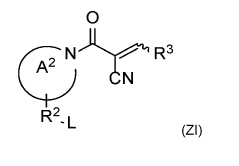
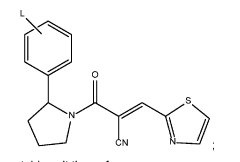
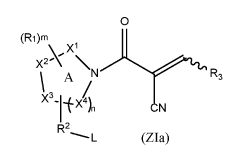
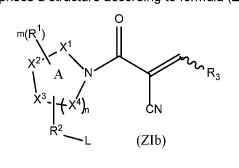
- Development of novel bifunctional molecules with a general structure of TBL – L – Z, where TBL is a target protein binding ligand, L is a linker, and Z is a warhead that modulates proteasomal degradation, acting through an alternative mechanism distinct from classical PROTAC approaches, enabling effective degradation of a wide range of target proteins.
Bifunctional molecules for targeted protein degradation
PatentWO2023242597A1
Innovation
- Development of novel bifunctional molecules with a general structure of TBL – L – Z, where TBL is a target protein binding ligand, L is a linker, and Z is a warhead that modulates proteasomal degradation, acting through an alternative mechanism distinct from classical PROTAC approaches, enabling effective degradation of a wide range of target proteins.
Safety and Efficacy Considerations
The safety and efficacy considerations of lithium orotate in proteostasis modulation are crucial aspects that require thorough examination. Lithium orotate, a compound consisting of lithium and orotic acid, has shown promising potential in modulating proteostasis, the cellular process of maintaining protein homeostasis. However, its use necessitates careful evaluation of both safety profiles and efficacy measures.
From a safety perspective, lithium orotate appears to have a more favorable profile compared to traditional lithium carbonate used in psychiatric treatments. The orotate form allows for lower dosages while maintaining therapeutic effects, potentially reducing the risk of lithium toxicity. Nevertheless, long-term studies on lithium orotate's safety are limited, and monitoring of serum lithium levels remains essential to prevent adverse effects.
Renal function is a primary concern in lithium therapy, and preliminary data suggest that lithium orotate may have less impact on kidney function than lithium carbonate. However, regular renal function tests are still recommended for patients using lithium orotate, especially in long-term treatment regimens. Thyroid function should also be monitored, as lithium can affect thyroid hormone production.
Regarding efficacy, lithium orotate has demonstrated promising results in modulating proteostasis pathways. It has been shown to enhance autophagy, a cellular process crucial for removing damaged proteins and organelles. This mechanism may contribute to its potential neuroprotective effects and its role in managing neurodegenerative disorders.
Studies have indicated that lithium orotate may be effective in stabilizing mood disorders and improving cognitive function, possibly due to its impact on proteostasis. However, more robust clinical trials are needed to establish its efficacy conclusively in various neurological and psychiatric conditions.
The optimal dosage for lithium orotate in proteostasis modulation is still under investigation. Current research suggests that lower doses than those used with lithium carbonate may be effective, but standardization of dosing protocols is necessary for consistent clinical outcomes.
Interactions with other medications and supplements should be carefully considered when using lithium orotate. Its effects on proteostasis pathways may influence the metabolism and efficacy of other drugs, necessitating close monitoring and potential dose adjustments.
In conclusion, while lithium orotate shows promise in proteostasis modulation with potentially improved safety profiles, comprehensive long-term studies are essential to fully establish its safety and efficacy. Clinicians should approach its use with caution, employing regular monitoring and individualized treatment plans to optimize outcomes while minimizing risks.
From a safety perspective, lithium orotate appears to have a more favorable profile compared to traditional lithium carbonate used in psychiatric treatments. The orotate form allows for lower dosages while maintaining therapeutic effects, potentially reducing the risk of lithium toxicity. Nevertheless, long-term studies on lithium orotate's safety are limited, and monitoring of serum lithium levels remains essential to prevent adverse effects.
Renal function is a primary concern in lithium therapy, and preliminary data suggest that lithium orotate may have less impact on kidney function than lithium carbonate. However, regular renal function tests are still recommended for patients using lithium orotate, especially in long-term treatment regimens. Thyroid function should also be monitored, as lithium can affect thyroid hormone production.
Regarding efficacy, lithium orotate has demonstrated promising results in modulating proteostasis pathways. It has been shown to enhance autophagy, a cellular process crucial for removing damaged proteins and organelles. This mechanism may contribute to its potential neuroprotective effects and its role in managing neurodegenerative disorders.
Studies have indicated that lithium orotate may be effective in stabilizing mood disorders and improving cognitive function, possibly due to its impact on proteostasis. However, more robust clinical trials are needed to establish its efficacy conclusively in various neurological and psychiatric conditions.
The optimal dosage for lithium orotate in proteostasis modulation is still under investigation. Current research suggests that lower doses than those used with lithium carbonate may be effective, but standardization of dosing protocols is necessary for consistent clinical outcomes.
Interactions with other medications and supplements should be carefully considered when using lithium orotate. Its effects on proteostasis pathways may influence the metabolism and efficacy of other drugs, necessitating close monitoring and potential dose adjustments.
In conclusion, while lithium orotate shows promise in proteostasis modulation with potentially improved safety profiles, comprehensive long-term studies are essential to fully establish its safety and efficacy. Clinicians should approach its use with caution, employing regular monitoring and individualized treatment plans to optimize outcomes while minimizing risks.
Regulatory Landscape for Lithium Compounds
The regulatory landscape for lithium compounds is complex and multifaceted, reflecting the diverse applications and potential risks associated with these substances. In the United States, the Food and Drug Administration (FDA) plays a crucial role in overseeing the use of lithium compounds in pharmaceutical products. Lithium carbonate and lithium citrate are approved for the treatment of bipolar disorder, subject to strict regulations regarding dosage, labeling, and monitoring of patient health.
For dietary supplements containing lithium orotate, the regulatory framework is less stringent. These products fall under the Dietary Supplement Health and Education Act (DSHEA) of 1994, which allows for their sale without premarket approval from the FDA. However, manufacturers must ensure product safety and adhere to good manufacturing practices. The FDA retains the authority to take action against unsafe or mislabeled products.
Internationally, regulatory approaches to lithium compounds vary. The European Medicines Agency (EMA) has approved lithium carbonate for use in bipolar disorder, with similar safety protocols to those in the US. In contrast, some countries have more restrictive policies on lithium-containing supplements, reflecting concerns about potential health risks and the need for medical supervision.
Environmental regulations also impact the lithium industry, particularly in relation to mining and processing. The extraction of lithium from brine and hard rock sources is subject to environmental impact assessments and permitting processes in many jurisdictions. These regulations aim to mitigate potential ecological damage and ensure sustainable resource management.
Occupational health and safety regulations govern the handling of lithium compounds in industrial settings. Organizations such as the Occupational Safety and Health Administration (OSHA) in the US set exposure limits and safety protocols for workers in lithium-related industries.
As research into novel applications of lithium compounds, including lithium orotate, continues to evolve, regulatory frameworks may need to adapt. The potential therapeutic benefits of lithium in areas such as neuroprotection and proteostasis modulation may prompt regulatory bodies to reassess current guidelines and develop new standards for emerging applications.
For dietary supplements containing lithium orotate, the regulatory framework is less stringent. These products fall under the Dietary Supplement Health and Education Act (DSHEA) of 1994, which allows for their sale without premarket approval from the FDA. However, manufacturers must ensure product safety and adhere to good manufacturing practices. The FDA retains the authority to take action against unsafe or mislabeled products.
Internationally, regulatory approaches to lithium compounds vary. The European Medicines Agency (EMA) has approved lithium carbonate for use in bipolar disorder, with similar safety protocols to those in the US. In contrast, some countries have more restrictive policies on lithium-containing supplements, reflecting concerns about potential health risks and the need for medical supervision.
Environmental regulations also impact the lithium industry, particularly in relation to mining and processing. The extraction of lithium from brine and hard rock sources is subject to environmental impact assessments and permitting processes in many jurisdictions. These regulations aim to mitigate potential ecological damage and ensure sustainable resource management.
Occupational health and safety regulations govern the handling of lithium compounds in industrial settings. Organizations such as the Occupational Safety and Health Administration (OSHA) in the US set exposure limits and safety protocols for workers in lithium-related industries.
As research into novel applications of lithium compounds, including lithium orotate, continues to evolve, regulatory frameworks may need to adapt. The potential therapeutic benefits of lithium in areas such as neuroprotection and proteostasis modulation may prompt regulatory bodies to reassess current guidelines and develop new standards for emerging applications.
Unlock deeper insights with Patsnap Eureka Quick Research — get a full tech report to explore trends and direct your research. Try now!
Generate Your Research Report Instantly with AI Agent
Supercharge your innovation with Patsnap Eureka AI Agent Platform!