

PTFE’s Impact on Electronic Component Manufacturing
JUN 27, 20258 MIN READ
Generate Your Research Report Instantly with AI Agent
PatSnap Eureka helps you evaluate technical feasibility & market potential.
PTFE in Electronics: Background and Objectives
Polytetrafluoroethylene (PTFE), commonly known as Teflon, has played a pivotal role in the evolution of electronic component manufacturing since its accidental discovery by Roy Plunkett in 1938. This synthetic fluoropolymer has revolutionized the industry due to its unique properties, including exceptional chemical resistance, low friction coefficient, and excellent dielectric characteristics.
The development of PTFE in electronics can be traced back to the 1950s when its potential for insulation in high-frequency applications was first recognized. As electronic devices became more compact and sophisticated, the demand for materials that could withstand extreme conditions while maintaining electrical integrity grew exponentially. PTFE emerged as a solution to many of these challenges, offering unparalleled performance in various electronic applications.
Over the decades, PTFE has undergone significant advancements in its formulation and manufacturing processes. These improvements have led to the creation of specialized grades tailored for specific electronic applications, such as thin-film coatings for printed circuit boards (PCBs) and high-purity variants for semiconductor manufacturing.
The primary objective of incorporating PTFE in electronic component manufacturing is to enhance the reliability, performance, and longevity of electronic devices. By leveraging PTFE's unique properties, manufacturers aim to address critical issues such as signal integrity, thermal management, and moisture resistance in increasingly complex electronic systems.
As we look towards the future, the role of PTFE in electronics is expected to expand further. The ongoing trend towards miniaturization, higher operating frequencies, and more demanding environmental conditions in electronic devices presents new challenges that PTFE and its derivatives are well-positioned to address. Research efforts are focused on developing novel PTFE composites and nanostructured materials that can meet the evolving requirements of next-generation electronic components.
The integration of PTFE in electronic manufacturing processes has also led to significant advancements in production techniques. From precision etching of PTFE-based substrates to the development of PTFE-compatible adhesives, the material has driven innovation across the entire manufacturing ecosystem. These technological strides have not only improved product quality but have also contributed to more efficient and cost-effective production methods in the electronics industry.
The development of PTFE in electronics can be traced back to the 1950s when its potential for insulation in high-frequency applications was first recognized. As electronic devices became more compact and sophisticated, the demand for materials that could withstand extreme conditions while maintaining electrical integrity grew exponentially. PTFE emerged as a solution to many of these challenges, offering unparalleled performance in various electronic applications.
Over the decades, PTFE has undergone significant advancements in its formulation and manufacturing processes. These improvements have led to the creation of specialized grades tailored for specific electronic applications, such as thin-film coatings for printed circuit boards (PCBs) and high-purity variants for semiconductor manufacturing.
The primary objective of incorporating PTFE in electronic component manufacturing is to enhance the reliability, performance, and longevity of electronic devices. By leveraging PTFE's unique properties, manufacturers aim to address critical issues such as signal integrity, thermal management, and moisture resistance in increasingly complex electronic systems.
As we look towards the future, the role of PTFE in electronics is expected to expand further. The ongoing trend towards miniaturization, higher operating frequencies, and more demanding environmental conditions in electronic devices presents new challenges that PTFE and its derivatives are well-positioned to address. Research efforts are focused on developing novel PTFE composites and nanostructured materials that can meet the evolving requirements of next-generation electronic components.
The integration of PTFE in electronic manufacturing processes has also led to significant advancements in production techniques. From precision etching of PTFE-based substrates to the development of PTFE-compatible adhesives, the material has driven innovation across the entire manufacturing ecosystem. These technological strides have not only improved product quality but have also contributed to more efficient and cost-effective production methods in the electronics industry.
Market Analysis for PTFE in Electronics
The global market for PTFE in electronics manufacturing has experienced significant growth in recent years, driven by the increasing demand for high-performance materials in electronic components. PTFE, known for its excellent dielectric properties, chemical resistance, and thermal stability, has become a crucial material in various electronic applications.
The electronics industry's rapid advancement, particularly in areas such as 5G technology, Internet of Things (IoT) devices, and miniaturization of components, has fueled the demand for PTFE. The material's low dielectric constant and dissipation factor make it ideal for high-frequency applications, which are becoming more prevalent in modern electronic devices.
In the printed circuit board (PCB) sector, PTFE-based laminates have gained traction due to their superior performance in high-speed, high-frequency applications. These laminates offer improved signal integrity and reduced signal loss, which are critical factors in the development of advanced electronic systems.
The semiconductor industry has also embraced PTFE for its unique properties. The material is used in various semiconductor manufacturing processes, including as a coating for equipment components and in the production of ultra-pure chemicals used in chip fabrication. This has led to increased demand from semiconductor manufacturers and equipment suppliers.
The automotive electronics sector represents another significant market for PTFE. As vehicles become more electrified and incorporate advanced driver assistance systems (ADAS), the need for reliable, high-performance materials like PTFE in electronic components has grown substantially.
Geographically, Asia-Pacific dominates the PTFE market in electronics manufacturing, with China, Japan, and South Korea being the major contributors. The region's strong presence in electronics production and the continuous expansion of manufacturing capabilities have driven the demand for PTFE.
North America and Europe also represent significant markets, particularly in high-end electronics and aerospace applications. These regions are at the forefront of developing cutting-edge technologies that require advanced materials like PTFE.
Looking ahead, the market for PTFE in electronics is expected to continue its growth trajectory. The ongoing trend towards miniaturization, the development of 5G and future wireless technologies, and the increasing adoption of electric vehicles are all factors that will likely sustain the demand for PTFE in electronic component manufacturing.
The electronics industry's rapid advancement, particularly in areas such as 5G technology, Internet of Things (IoT) devices, and miniaturization of components, has fueled the demand for PTFE. The material's low dielectric constant and dissipation factor make it ideal for high-frequency applications, which are becoming more prevalent in modern electronic devices.
In the printed circuit board (PCB) sector, PTFE-based laminates have gained traction due to their superior performance in high-speed, high-frequency applications. These laminates offer improved signal integrity and reduced signal loss, which are critical factors in the development of advanced electronic systems.
The semiconductor industry has also embraced PTFE for its unique properties. The material is used in various semiconductor manufacturing processes, including as a coating for equipment components and in the production of ultra-pure chemicals used in chip fabrication. This has led to increased demand from semiconductor manufacturers and equipment suppliers.
The automotive electronics sector represents another significant market for PTFE. As vehicles become more electrified and incorporate advanced driver assistance systems (ADAS), the need for reliable, high-performance materials like PTFE in electronic components has grown substantially.
Geographically, Asia-Pacific dominates the PTFE market in electronics manufacturing, with China, Japan, and South Korea being the major contributors. The region's strong presence in electronics production and the continuous expansion of manufacturing capabilities have driven the demand for PTFE.
North America and Europe also represent significant markets, particularly in high-end electronics and aerospace applications. These regions are at the forefront of developing cutting-edge technologies that require advanced materials like PTFE.
Looking ahead, the market for PTFE in electronics is expected to continue its growth trajectory. The ongoing trend towards miniaturization, the development of 5G and future wireless technologies, and the increasing adoption of electric vehicles are all factors that will likely sustain the demand for PTFE in electronic component manufacturing.
PTFE Technology: Current State and Challenges
Polytetrafluoroethylene (PTFE) has become a cornerstone material in electronic component manufacturing, revolutionizing the industry with its unique properties. Currently, PTFE technology is widely adopted in various applications, including printed circuit boards (PCBs), connectors, and high-frequency components. Its exceptional dielectric properties, low dissipation factor, and high-temperature resistance make it invaluable in the production of high-performance electronic devices.
Despite its widespread use, PTFE technology faces several challenges in the electronic manufacturing sector. One of the primary issues is the material's inherent non-stick nature, which can complicate bonding and adhesion processes. This characteristic, while beneficial in many applications, poses difficulties when integrating PTFE components with other materials or during surface treatments.
Another significant challenge is the precision control of PTFE's thermal expansion during manufacturing processes. The material's high coefficient of thermal expansion can lead to dimensional instability, potentially causing misalignment or stress in complex electronic assemblies. This issue becomes particularly critical in the production of miniaturized components and high-density interconnects.
The etching and metallization of PTFE surfaces present additional technical hurdles. Achieving strong and reliable metal-to-PTFE adhesion is crucial for creating conductive pathways in PCBs and other electronic components. Current methods often involve complex chemical treatments or plasma processes, which can be costly and time-consuming.
Environmental concerns also pose challenges to PTFE technology in electronic manufacturing. While PTFE itself is inert and non-toxic, the production process traditionally involves the use of perfluorooctanoic acid (PFOA), a persistent organic pollutant. The industry is actively seeking alternative manufacturing methods and formulations to address these environmental issues.
In terms of performance, there is an ongoing push to enhance PTFE's electrical properties further, particularly in high-frequency and high-speed applications. As electronic devices continue to operate at higher frequencies and data rates, the demand for materials with even lower dielectric constants and loss tangents grows.
Lastly, the integration of PTFE with advanced manufacturing techniques, such as 3D printing and additive manufacturing, remains a challenge. Developing methods to effectively print or additively manufacture PTFE components could open new possibilities for custom, complex geometries in electronic designs.
These challenges collectively drive ongoing research and development efforts in PTFE technology for electronic component manufacturing. Innovations in surface modification, composite formulations, and processing techniques are actively being pursued to overcome these limitations and expand the material's capabilities in the electronics industry.
Despite its widespread use, PTFE technology faces several challenges in the electronic manufacturing sector. One of the primary issues is the material's inherent non-stick nature, which can complicate bonding and adhesion processes. This characteristic, while beneficial in many applications, poses difficulties when integrating PTFE components with other materials or during surface treatments.
Another significant challenge is the precision control of PTFE's thermal expansion during manufacturing processes. The material's high coefficient of thermal expansion can lead to dimensional instability, potentially causing misalignment or stress in complex electronic assemblies. This issue becomes particularly critical in the production of miniaturized components and high-density interconnects.
The etching and metallization of PTFE surfaces present additional technical hurdles. Achieving strong and reliable metal-to-PTFE adhesion is crucial for creating conductive pathways in PCBs and other electronic components. Current methods often involve complex chemical treatments or plasma processes, which can be costly and time-consuming.
Environmental concerns also pose challenges to PTFE technology in electronic manufacturing. While PTFE itself is inert and non-toxic, the production process traditionally involves the use of perfluorooctanoic acid (PFOA), a persistent organic pollutant. The industry is actively seeking alternative manufacturing methods and formulations to address these environmental issues.
In terms of performance, there is an ongoing push to enhance PTFE's electrical properties further, particularly in high-frequency and high-speed applications. As electronic devices continue to operate at higher frequencies and data rates, the demand for materials with even lower dielectric constants and loss tangents grows.
Lastly, the integration of PTFE with advanced manufacturing techniques, such as 3D printing and additive manufacturing, remains a challenge. Developing methods to effectively print or additively manufacture PTFE components could open new possibilities for custom, complex geometries in electronic designs.
These challenges collectively drive ongoing research and development efforts in PTFE technology for electronic component manufacturing. Innovations in surface modification, composite formulations, and processing techniques are actively being pursued to overcome these limitations and expand the material's capabilities in the electronics industry.
Current PTFE Applications in Electronics
01 PTFE manufacturing processes
Various methods for producing PTFE are described, including polymerization techniques, extrusion processes, and molding methods. These processes aim to improve the quality, efficiency, and properties of the resulting PTFE materials.- PTFE manufacturing processes: Various methods for producing PTFE are described, including polymerization techniques, extrusion processes, and molding methods. These processes aim to improve the quality, efficiency, and properties of the resulting PTFE materials.
- PTFE composite materials: PTFE is often combined with other materials to create composite structures with enhanced properties. These composites may include fillers, reinforcing agents, or other polymers to improve mechanical strength, thermal stability, or specific functional characteristics.
- Surface modification of PTFE: Techniques for modifying the surface of PTFE materials are explored to enhance properties such as adhesion, wettability, or biocompatibility. These modifications may involve chemical treatments, plasma processing, or the application of coatings.
- PTFE in membrane technology: PTFE is utilized in the development of advanced membrane technologies for various applications, including filtration, separation, and gas diffusion. These membranes exploit PTFE's unique properties such as chemical resistance and hydrophobicity.
- PTFE applications in specific industries: The use of PTFE in specialized applications across different industries is explored. This includes its use in automotive components, electronics, medical devices, and industrial equipment, leveraging its non-stick, low friction, and insulating properties.
02 PTFE composite materials
The development of PTFE-based composite materials is explored, combining PTFE with other substances to enhance its properties or create new functionalities. These composites may include fillers, reinforcing agents, or other polymers to improve mechanical strength, thermal stability, or electrical properties.Expand Specific Solutions03 Surface modification of PTFE
Techniques for modifying the surface of PTFE materials are discussed, including chemical treatments, plasma treatments, and coating methods. These modifications aim to improve adhesion, wettability, or other surface properties of PTFE for specific applications.Expand Specific Solutions04 PTFE applications in various industries
The use of PTFE in diverse industrial applications is explored, including its implementation in cookware, textiles, electronics, automotive parts, and medical devices. The unique properties of PTFE, such as its non-stick nature and chemical resistance, make it suitable for a wide range of uses.Expand Specific Solutions05 Recycling and environmental considerations of PTFE
Methods for recycling PTFE and addressing environmental concerns related to its production and disposal are discussed. This includes techniques for reprocessing PTFE waste, reducing environmental impact during manufacturing, and developing more sustainable PTFE alternatives.Expand Specific Solutions
Key Players in PTFE and Electronics Industry
The PTFE market in electronic component manufacturing is in a mature growth phase, with a global market size expected to reach several billion dollars by 2025. The technology's maturity is evident in its widespread adoption across various electronic applications. Key players like DAIKIN INDUSTRIES Ltd., DuPont de Nemours, Inc., and The Chemours Co. are driving innovation in PTFE formulations and applications. These companies are focusing on developing high-performance PTFE variants tailored for specific electronic needs, such as improved dielectric properties and thermal management. The competitive landscape is characterized by ongoing research and development efforts to enhance PTFE's properties and expand its applications in emerging electronic technologies, including 5G infrastructure and advanced semiconductor packaging.
DAIKIN INDUSTRIES Ltd.
Technical Solution: Daikin has pioneered PTFE innovations for electronic applications, focusing on miniaturization and high-performance materials. Their NEOFLON™ PTFE series offers ultra-low dielectric constants and superior heat resistance for high-frequency applications[4]. Daikin has developed PTFE micropowders that enhance the tribological properties of electronic components, reducing wear in moving parts[5]. They have also introduced PTFE dispersions for thin-film coatings on electronic substrates, improving moisture resistance and electrical insulation[6]. Daikin's research includes PTFE-based composite materials that combine electrical properties with improved mechanical strength for robust electronic packaging.
Strengths: Strong focus on high-performance PTFE for electronics, innovative PTFE micropowder technology. Weaknesses: Limited presence in some global markets, potential regulatory challenges with fluoropolymers.
DuPont de Nemours, Inc.
Technical Solution: DuPont has developed advanced PTFE formulations specifically for electronic component manufacturing. Their Teflon™ PTFE fluoropolymer resins offer excellent dielectric properties, low dissipation factors, and high-temperature stability[1]. DuPont's PTFE materials are used in high-frequency circuit boards, semiconductor packaging, and cable insulation. They have introduced nano-filled PTFE composites that enhance thermal conductivity while maintaining electrical insulation properties[2]. DuPont's PTFE coatings for electronic components provide chemical resistance and non-stick properties, reducing contamination risks in manufacturing processes[3].
Strengths: Extensive R&D capabilities, wide range of PTFE formulations tailored for electronics. Weaknesses: Higher cost compared to some alternatives, potential environmental concerns with PFAS.
Key Innovations in PTFE for Electronics
Tetrafluoroethylene/hexafluoropropylene copolymer and the production method thereof, and electrical wire
PatentActiveUS20100314154A1
Innovation
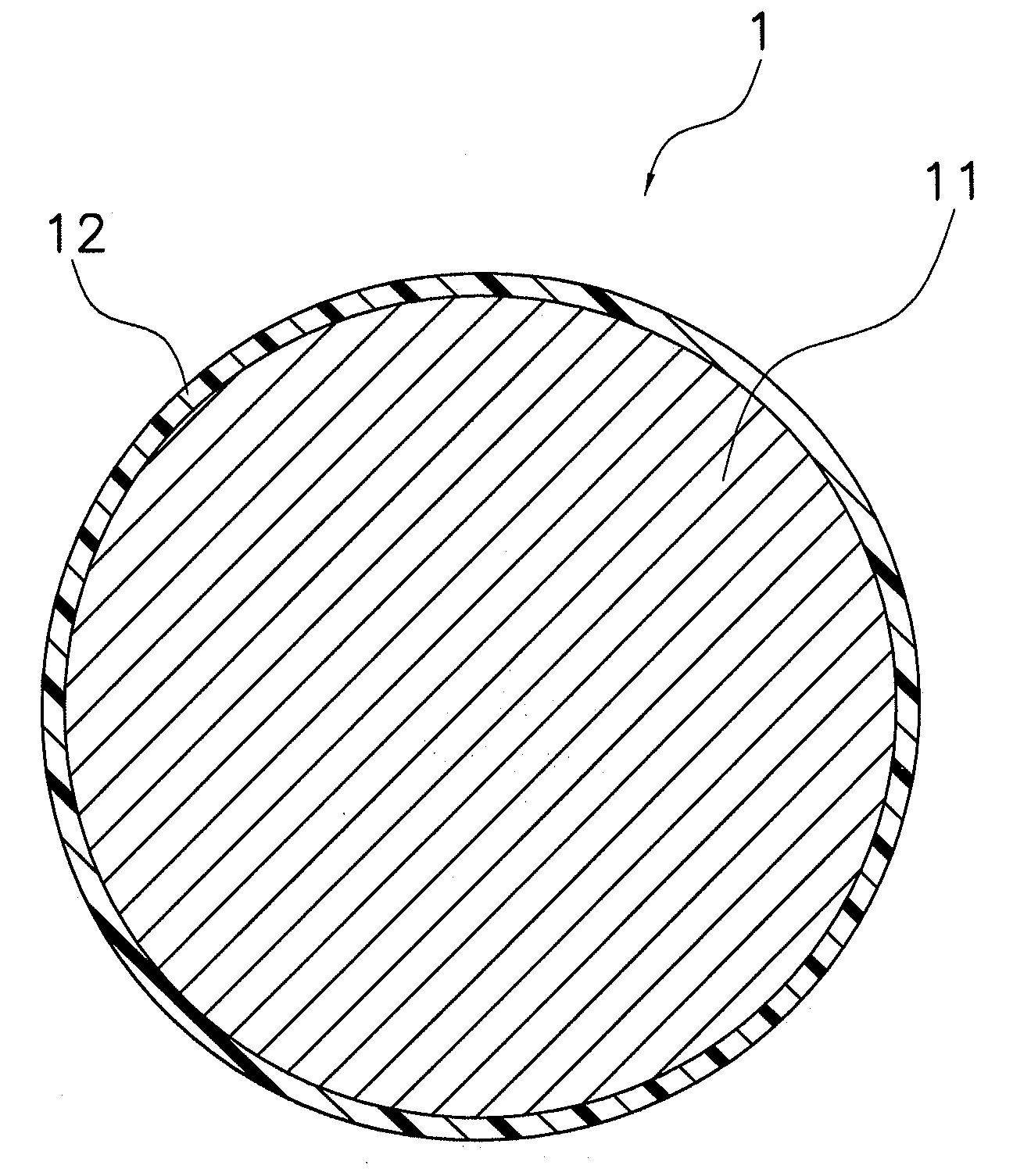
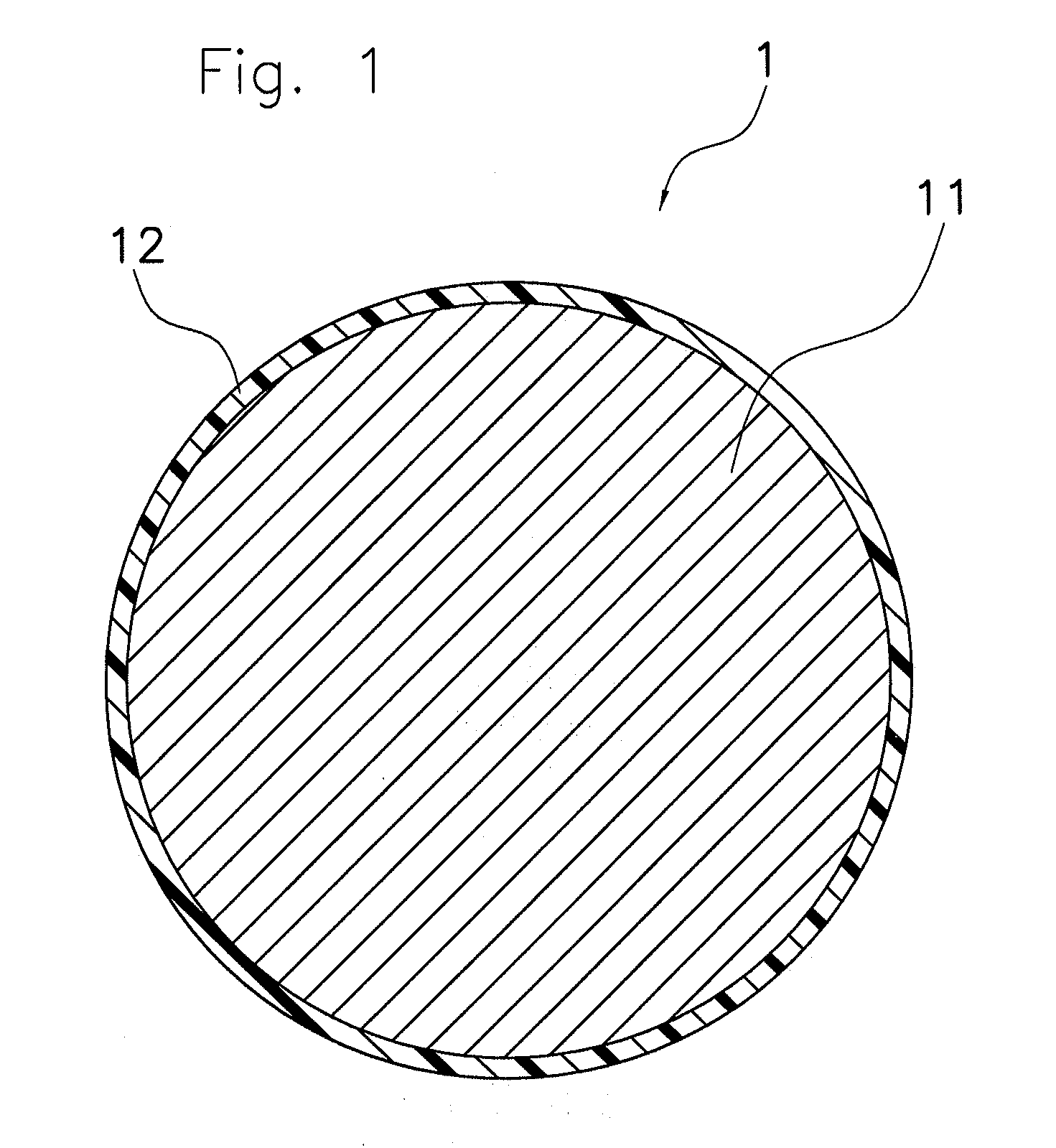
- A tetrafluoroethylene/hexafluoropropylene copolymer (FEP) is developed with a specific composition and processing method that includes copolymerizing TFE and HFP with a third monomer like perfluorovinylether, optimizing the weight ratio and melting point to improve moldability and reduce defects, achieved through a multistage polymerization process and careful control of melt flow rate and viscosity.
PTFE composite powder, preparation method thereof, and composite material containing the same
PatentInactiveUS20240174820A1
Innovation
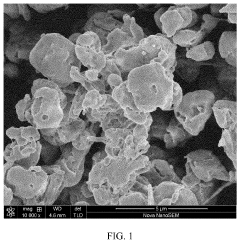
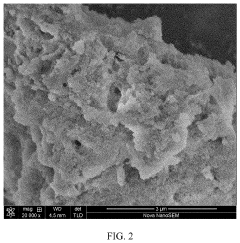
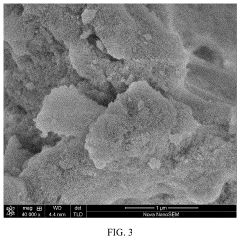
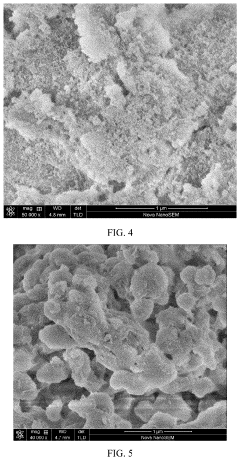
- A PTFE composite powder is developed by coating an inorganic powder layer on the PTFE powder, followed by a surface treatment agent, which improves compatibility with various polymers and enhances interface bonding, using a method that avoids sodium-naphthalene treatment and requires simpler, more environmentally friendly processes.
Environmental Impact of PTFE in Electronics
The environmental impact of PTFE in electronics manufacturing is a growing concern as the industry continues to expand. PTFE, or polytetrafluoroethylene, is widely used in electronic components due to its excellent dielectric properties and chemical resistance. However, its production and disposal processes pose significant environmental challenges.
The manufacturing of PTFE involves the use of perfluorooctanoic acid (PFOA), a persistent organic pollutant. PFOA has been linked to various health issues and environmental contamination. While efforts have been made to phase out PFOA in PTFE production, alternative processes may still have environmental implications that require further study.
During the use phase of electronic components containing PTFE, the material's stability ensures minimal environmental impact. However, the end-of-life stage presents substantial challenges. PTFE is non-biodegradable and can persist in the environment for extended periods. When electronic waste containing PTFE is incinerated, it can release harmful fluorinated compounds, contributing to air pollution and potential health risks.
Recycling PTFE from electronic components is technically challenging and economically unfeasible in many cases. This leads to a significant portion of PTFE-containing electronic waste being landfilled, where it can potentially leach harmful substances into soil and groundwater over time.
The electronic industry's rapid growth and short product lifecycles exacerbate these environmental concerns. The increasing demand for PTFE in high-frequency and high-temperature applications is driving up production volumes, potentially amplifying the environmental footprint of this material.
Efforts to mitigate the environmental impact of PTFE in electronics are ongoing. Research into alternative materials with similar properties but lower environmental impact is gaining momentum. Additionally, improved recycling technologies and more stringent regulations on electronic waste management are being developed to address the end-of-life issues associated with PTFE-containing components.
The industry is also exploring ways to reduce the amount of PTFE used in electronic components through design optimization and material substitution where possible. This approach not only lessens the environmental burden but can also lead to cost savings and improved product performance in some cases.
The manufacturing of PTFE involves the use of perfluorooctanoic acid (PFOA), a persistent organic pollutant. PFOA has been linked to various health issues and environmental contamination. While efforts have been made to phase out PFOA in PTFE production, alternative processes may still have environmental implications that require further study.
During the use phase of electronic components containing PTFE, the material's stability ensures minimal environmental impact. However, the end-of-life stage presents substantial challenges. PTFE is non-biodegradable and can persist in the environment for extended periods. When electronic waste containing PTFE is incinerated, it can release harmful fluorinated compounds, contributing to air pollution and potential health risks.
Recycling PTFE from electronic components is technically challenging and economically unfeasible in many cases. This leads to a significant portion of PTFE-containing electronic waste being landfilled, where it can potentially leach harmful substances into soil and groundwater over time.
The electronic industry's rapid growth and short product lifecycles exacerbate these environmental concerns. The increasing demand for PTFE in high-frequency and high-temperature applications is driving up production volumes, potentially amplifying the environmental footprint of this material.
Efforts to mitigate the environmental impact of PTFE in electronics are ongoing. Research into alternative materials with similar properties but lower environmental impact is gaining momentum. Additionally, improved recycling technologies and more stringent regulations on electronic waste management are being developed to address the end-of-life issues associated with PTFE-containing components.
The industry is also exploring ways to reduce the amount of PTFE used in electronic components through design optimization and material substitution where possible. This approach not only lessens the environmental burden but can also lead to cost savings and improved product performance in some cases.
PTFE Regulatory Compliance in Electronics
The regulatory landscape surrounding PTFE in electronic component manufacturing is complex and evolving. Manufacturers must navigate a web of international, national, and industry-specific regulations to ensure compliance and maintain market access.
At the global level, the Stockholm Convention on Persistent Organic Pollutants (POPs) has implications for PTFE production and use. While PTFE itself is not listed as a POP, certain precursor chemicals used in its manufacture, such as perfluorooctanoic acid (PFOA), are regulated. This has led to industry-wide efforts to develop PFOA-free PTFE manufacturing processes.
In the European Union, the Registration, Evaluation, Authorisation and Restriction of Chemicals (REACH) regulation impacts PTFE use in electronics. REACH requires manufacturers to register chemicals and provide safety data. Some PTFE-related substances are subject to authorization or restriction under REACH, necessitating careful management of supply chains and product formulations.
The EU's Restriction of Hazardous Substances (RoHS) Directive, while not directly regulating PTFE, sets limits on certain hazardous substances in electrical and electronic equipment. Manufacturers must ensure that PTFE-containing components do not contribute to exceeding these limits, particularly for substances like lead or cadmium that may be present as impurities.
In the United States, the Environmental Protection Agency (EPA) regulates PTFE-related chemicals under the Toxic Substances Control Act (TSCA). The EPA has issued Significant New Use Rules (SNURs) for certain long-chain perfluorinated substances, which can affect PTFE production and use in electronics.
Industry standards also play a crucial role in PTFE compliance. The IPC (Association Connecting Electronics Industries) has developed standards for the use of PTFE in printed circuit boards and other electronic components. These standards address issues such as material properties, testing methods, and performance requirements.
Manufacturers must also consider end-of-life regulations, such as the EU's Waste Electrical and Electronic Equipment (WEEE) Directive. While PTFE is generally considered inert, its presence in electronic waste may impact recycling processes and require specific handling procedures.
As environmental concerns grow, there is increasing pressure for more stringent regulations on per- and polyfluoroalkyl substances (PFAS), a broad class of chemicals that includes PTFE. This regulatory trend may lead to additional compliance requirements for PTFE use in electronics in the future.
At the global level, the Stockholm Convention on Persistent Organic Pollutants (POPs) has implications for PTFE production and use. While PTFE itself is not listed as a POP, certain precursor chemicals used in its manufacture, such as perfluorooctanoic acid (PFOA), are regulated. This has led to industry-wide efforts to develop PFOA-free PTFE manufacturing processes.
In the European Union, the Registration, Evaluation, Authorisation and Restriction of Chemicals (REACH) regulation impacts PTFE use in electronics. REACH requires manufacturers to register chemicals and provide safety data. Some PTFE-related substances are subject to authorization or restriction under REACH, necessitating careful management of supply chains and product formulations.
The EU's Restriction of Hazardous Substances (RoHS) Directive, while not directly regulating PTFE, sets limits on certain hazardous substances in electrical and electronic equipment. Manufacturers must ensure that PTFE-containing components do not contribute to exceeding these limits, particularly for substances like lead or cadmium that may be present as impurities.
In the United States, the Environmental Protection Agency (EPA) regulates PTFE-related chemicals under the Toxic Substances Control Act (TSCA). The EPA has issued Significant New Use Rules (SNURs) for certain long-chain perfluorinated substances, which can affect PTFE production and use in electronics.
Industry standards also play a crucial role in PTFE compliance. The IPC (Association Connecting Electronics Industries) has developed standards for the use of PTFE in printed circuit boards and other electronic components. These standards address issues such as material properties, testing methods, and performance requirements.
Manufacturers must also consider end-of-life regulations, such as the EU's Waste Electrical and Electronic Equipment (WEEE) Directive. While PTFE is generally considered inert, its presence in electronic waste may impact recycling processes and require specific handling procedures.
As environmental concerns grow, there is increasing pressure for more stringent regulations on per- and polyfluoroalkyl substances (PFAS), a broad class of chemicals that includes PTFE. This regulatory trend may lead to additional compliance requirements for PTFE use in electronics in the future.
Unlock deeper insights with PatSnap Eureka Quick Research — get a full tech report to explore trends and direct your research. Try now!
Generate Your Research Report Instantly with AI Agent
Supercharge your innovation with PatSnap Eureka AI Agent Platform!