

PVDF Development: Reducing Processing Costs in Mass Production
PVDF Tech Evolution
Polyvinylidene fluoride (PVDF) has undergone significant technological evolution since its discovery in 1948. Initially developed as a high-performance thermoplastic, PVDF's unique properties, including excellent chemical resistance, thermal stability, and piezoelectric characteristics, have driven its continuous advancement.
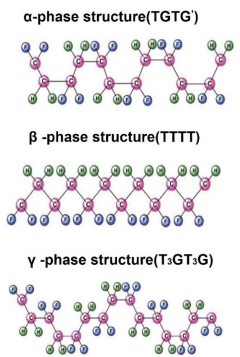
In the 1960s and 1970s, researchers focused on understanding PVDF's crystalline structure and polymorphism, leading to the identification of its various phases (α, β, γ, δ). This knowledge laid the foundation for tailoring PVDF's properties for specific applications. The 1980s saw the development of PVDF copolymers, such as PVDF-HFP and PVDF-TrFE, which expanded the material's versatility and application range.
The 1990s marked a significant shift towards process optimization and cost reduction. Manufacturers began exploring alternative synthesis routes and more efficient polymerization techniques. This period also saw the introduction of melt processing methods, which offered advantages over traditional solution-based processes in terms of scalability and environmental impact.
The early 2000s brought advancements in nanocomposite technology, with researchers incorporating various nanofillers into PVDF matrices to enhance mechanical, thermal, and electrical properties. This innovation opened up new applications in areas such as energy storage and sensing technologies.
In recent years, the focus has shifted towards sustainable production methods and reducing the environmental footprint of PVDF manufacturing. This includes the development of greener solvents, solvent-free processing techniques, and the exploration of bio-based alternatives for certain PVDF applications.
The current challenge in PVDF development lies in reducing processing costs for mass production while maintaining or improving material performance. Researchers are investigating novel polymerization catalysts to increase reaction efficiency and reduce energy consumption. Additionally, there is a growing interest in continuous manufacturing processes, which promise to significantly reduce production times and costs.
Emerging technologies, such as 3D printing and electrospinning, are also being adapted for PVDF processing, offering new possibilities for customized production and nanostructured materials. These advancements are expected to play a crucial role in the future evolution of PVDF technology, potentially revolutionizing its manufacturing landscape and expanding its application domains.
Market Demand Analysis
The market demand for PVDF (Polyvinylidene Fluoride) has been steadily increasing across various industries due to its unique properties, including chemical resistance, thermal stability, and excellent mechanical strength. The global PVDF market is projected to experience significant growth in the coming years, driven by expanding applications in sectors such as automotive, electronics, construction, and renewable energy.
In the automotive industry, PVDF is gaining traction as a material for fuel system components, wiring insulation, and protective coatings. The shift towards electric vehicles has further boosted demand, as PVDF is used in lithium-ion battery separators and electrode binders. This trend is expected to continue as the automotive sector increasingly adopts electrification technologies.
The electronics sector represents another major market for PVDF, particularly in the production of piezoelectric sensors, transducers, and capacitors. With the growing integration of smart technologies and IoT devices, the demand for PVDF in electronic applications is anticipated to rise substantially.
In the construction industry, PVDF-based coatings and membranes are becoming increasingly popular due to their durability and weather resistance. The material's ability to withstand harsh environmental conditions makes it ideal for architectural applications, especially in regions prone to extreme weather events.
The renewable energy sector, particularly solar and wind power, has emerged as a significant driver of PVDF demand. PVDF films are widely used in photovoltaic backsheets, while PVDF coatings protect wind turbine blades from erosion and environmental damage. As global efforts to combat climate change intensify, the demand for PVDF in renewable energy applications is expected to surge.
Despite the growing market demand, the high processing costs associated with PVDF production remain a significant challenge. The complex manufacturing process, involving specialized equipment and stringent quality control measures, contributes to elevated production expenses. This factor has limited the widespread adoption of PVDF in cost-sensitive applications and markets.
Reducing processing costs in mass production of PVDF is crucial for expanding its market reach and unlocking new application areas. Industry stakeholders are actively seeking innovative solutions to optimize production processes, enhance efficiency, and lower overall manufacturing costs. Success in this endeavor could potentially lead to a substantial increase in market penetration across various sectors, further driving the growth of the global PVDF market.
PVDF Production Hurdles
The production of PVDF (Polyvinylidene Fluoride) faces several significant hurdles that contribute to its high processing costs in mass production. One of the primary challenges is the high cost of raw materials, particularly vinylidene fluoride monomer, which is derived from chlorodifluoromethane. The production of this monomer involves complex and energy-intensive processes, leading to elevated input costs for PVDF manufacturers.
Another major hurdle is the energy-intensive nature of PVDF polymerization. The process typically requires high temperatures and pressures, resulting in substantial energy consumption and associated costs. Additionally, the need for specialized equipment capable of withstanding the corrosive nature of fluoropolymers adds to the capital expenditure and maintenance costs in PVDF production facilities.
The purification and post-processing stages of PVDF production also present challenges. Achieving the high purity levels required for many applications necessitates multiple purification steps, each adding to the overall production costs. Furthermore, the conversion of PVDF resin into usable forms, such as films, fibers, or coatings, often involves additional processing steps that further increase expenses.
Environmental and safety considerations pose another set of hurdles in PVDF production. The handling and disposal of fluorinated compounds require strict safety protocols and specialized waste management procedures, which add to operational costs. Compliance with increasingly stringent environmental regulations also necessitates investments in emission control technologies and sustainable production practices.
The limited scalability of current PVDF production methods presents a challenge for mass production. Traditional batch processes are often employed, which can be less efficient and more labor-intensive compared to continuous production methods. Developing and implementing continuous flow processes for PVDF production could potentially reduce costs but requires significant research and development investment.
Lastly, the variability in PVDF grades and the need for customization to meet specific application requirements add complexity to the production process. Manufacturers must maintain the flexibility to produce various PVDF formulations, which can lead to increased changeover times, reduced economies of scale, and higher inventory costs. Overcoming these hurdles to reduce processing costs in mass production of PVDF requires innovative approaches in process engineering, material science, and supply chain management.
Current Cost Reduction
01 PVDF processing methods and equipment
Various processing methods and equipment are used for PVDF, including extrusion, injection molding, and specialized machinery. These techniques aim to optimize the production process and reduce costs associated with PVDF processing. Innovations in equipment design and processing techniques can lead to improved efficiency and lower overall processing costs.- PVDF processing methods: Various processing methods are employed for PVDF, including extrusion, injection molding, and film casting. These techniques affect the final properties and costs of PVDF products. Optimizing processing parameters such as temperature, pressure, and cooling rates can improve efficiency and reduce overall processing costs.
- PVDF composite materials: Incorporating additives or blending PVDF with other polymers can enhance its properties and potentially reduce processing costs. These composite materials may offer improved mechanical strength, thermal stability, or electrical properties while maintaining the desirable characteristics of PVDF.
- PVDF recycling and reprocessing: Developing efficient recycling and reprocessing methods for PVDF can significantly reduce overall processing costs. This includes techniques for separating PVDF from other materials, purifying recycled PVDF, and reprocessing it into new products without significant loss of properties.
- Energy-efficient PVDF processing: Implementing energy-efficient processing techniques can help reduce the overall costs associated with PVDF production. This may involve optimizing heating and cooling systems, utilizing waste heat recovery, or developing low-energy processing methods specific to PVDF.
- PVDF membrane fabrication: Specialized techniques for fabricating PVDF membranes, such as phase inversion or electrospinning, can impact processing costs. Optimizing these processes to reduce material waste, improve production speed, and enhance membrane quality can lead to more cost-effective PVDF membrane production.
02 PVDF material composition and additives
The composition of PVDF and the use of additives can significantly impact processing costs. Researchers are exploring various formulations and additives to enhance processability, reduce energy consumption during manufacturing, and improve the overall cost-effectiveness of PVDF production. Optimizing the material composition can lead to more efficient processing and lower costs.Expand Specific Solutions03 Energy-efficient PVDF processing techniques
Developing energy-efficient processing techniques for PVDF is crucial for reducing overall costs. This includes optimizing heating and cooling processes, implementing advanced control systems, and utilizing alternative energy sources. By minimizing energy consumption during processing, manufacturers can significantly lower production expenses and improve sustainability.Expand Specific Solutions04 Recycling and reprocessing of PVDF
Implementing effective recycling and reprocessing methods for PVDF can help reduce raw material costs and minimize waste. Researchers are developing techniques to reclaim and reprocess PVDF from various sources, including industrial scrap and end-of-life products. These efforts aim to create a more circular economy for PVDF and lower overall processing costs.Expand Specific Solutions05 Automation and process optimization in PVDF manufacturing
Incorporating automation and advanced process optimization techniques in PVDF manufacturing can lead to significant cost reductions. This includes implementing smart manufacturing systems, artificial intelligence, and machine learning algorithms to optimize production parameters, reduce human error, and increase overall efficiency. These advancements can help minimize labor costs and improve product quality.Expand Specific Solutions
Key PVDF Manufacturers
The PVDF development landscape for reducing processing costs in mass production is characterized by a competitive market in its growth phase. The industry is witnessing increased attention from major players like Applied Materials, Arkema, and Tokyo Electron, indicating a maturing technology with significant potential. The market size is expanding as PVDF finds applications in various sectors, including semiconductors and electronics. Companies such as Semiconductor Manufacturing International (Shanghai) Corp. and GLOBALFOUNDRIES are actively involved, suggesting a focus on integrating PVDF into semiconductor manufacturing processes. The technology's maturity is progressing, with research institutions like MIT and industry leaders like Lam Research contributing to advancements, aiming to optimize PVDF processing for cost-effective mass production.
Arkema, Inc.
Toray Industries, Inc.
PVDF Innovations
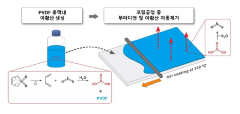
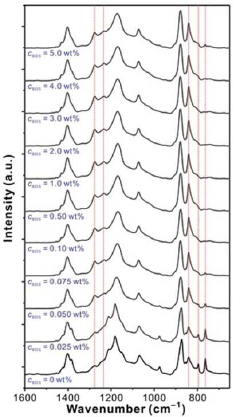
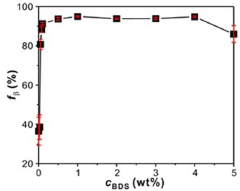
- A method involving the addition of specific acids during the PVDF manufacturing process, followed by solvent removal and coagulation, to enhance the beta phase ratio without leaving impurities, using acids like sulfuric acid, sulfamic acid, and their precursor materials like butadiene sulfone, in solvents such as dimethylformamide, to stabilize and evaporate during processing.
- The process involves radical polymerization of vinylidene fluoride in aqueous dispersion using a persulphate as an initiator, followed by washing to reduce surfactant residues below 300 ppm, and then adding sodium acetate and potassium alkylsulphonate to enhance thermal stability, ensuring the PVDF powder is free from undesirable surfactant effects.
Environmental Impact
The environmental impact of PVDF (Polyvinylidene Fluoride) production and processing is a critical consideration in the development of cost-effective mass production methods. As efforts to reduce processing costs intensify, it is essential to evaluate and mitigate potential environmental consequences.
PVDF production involves the use of fluorine-containing compounds, which can have significant environmental implications if not properly managed. The synthesis process typically requires energy-intensive steps and may generate greenhouse gas emissions, contributing to climate change concerns. Additionally, the use of solvents and other chemicals in PVDF processing can lead to air and water pollution if not adequately controlled.
However, recent advancements in PVDF production techniques have shown promise in reducing environmental impact. For instance, the development of solvent-free processing methods has the potential to minimize chemical waste and emissions. These innovative approaches not only address environmental concerns but also align with cost reduction goals by eliminating the need for expensive solvents and associated waste treatment processes.
The durability and long lifespan of PVDF products contribute positively to their environmental profile. PVDF's resistance to weathering, chemicals, and UV radiation means that products made from this material often have extended service lives, reducing the need for frequent replacements and thereby conserving resources in the long term.
Recycling and end-of-life considerations are becoming increasingly important in PVDF development. While PVDF is not as easily recyclable as some other polymers, research into effective recycling methods is ongoing. Advancements in this area could significantly improve the material's environmental footprint and potentially create new revenue streams from recycled PVDF.
Energy efficiency in PVDF processing is another area where environmental impact and cost reduction intersect. Optimizing production processes to reduce energy consumption not only lowers operating costs but also decreases the carbon footprint associated with PVDF manufacturing. This may involve the implementation of more efficient heating and cooling systems, as well as the use of renewable energy sources in production facilities.
As regulations around environmental protection become more stringent globally, PVDF manufacturers are increasingly focusing on developing cleaner production methods. This includes exploring bio-based alternatives for certain components of PVDF production, which could potentially reduce reliance on petrochemical feedstocks and associated environmental impacts.
In conclusion, while efforts to reduce processing costs in PVDF mass production are crucial for economic viability, they must be balanced with environmental considerations. The industry's challenge lies in developing innovative solutions that simultaneously address cost reduction and environmental sustainability, ensuring that PVDF remains a competitive and responsible choice in various applications.
Supply Chain Optimization
Supply chain optimization plays a crucial role in reducing processing costs for PVDF mass production. By streamlining the entire supply chain, from raw material procurement to final product delivery, manufacturers can significantly improve efficiency and reduce overall expenses.
One key aspect of supply chain optimization is the strategic sourcing of raw materials. Establishing long-term partnerships with reliable suppliers can lead to more favorable pricing and consistent quality. Implementing a just-in-time inventory system can help minimize storage costs and reduce the risk of material obsolescence. Additionally, exploring alternative suppliers and diversifying the supply base can mitigate risks associated with supply chain disruptions.
Optimizing transportation and logistics is another critical factor in reducing processing costs. Consolidating shipments, optimizing routes, and leveraging intermodal transportation can lead to substantial savings. Implementing advanced tracking systems and real-time visibility tools can improve inventory management and reduce lead times, ultimately lowering carrying costs.
Vertical integration within the supply chain can also contribute to cost reduction. By bringing certain production processes in-house or partnering closely with suppliers, manufacturers can eliminate intermediaries and reduce transaction costs. This approach can also lead to better quality control and faster response times to market demands.
Leveraging technology and data analytics is essential for effective supply chain optimization. Implementing advanced planning and scheduling systems can help optimize production schedules and resource allocation. Predictive analytics can forecast demand more accurately, reducing overproduction and inventory holding costs. Blockchain technology can enhance transparency and traceability throughout the supply chain, potentially reducing compliance costs and improving overall efficiency.
Collaboration and information sharing among supply chain partners is crucial for identifying and eliminating inefficiencies. Establishing a collaborative planning, forecasting, and replenishment (CPFR) system can lead to better alignment of production and demand, reducing excess inventory and stockouts. Regular performance reviews and continuous improvement initiatives can help identify bottlenecks and implement cost-saving measures across the supply chain.
By focusing on these key areas of supply chain optimization, PVDF manufacturers can significantly reduce processing costs in mass production, improving their competitive position in the market and enhancing overall profitability.