Quantifying Luteolin's Effect in Immune Response
AUG 28, 20259 MIN READ
Generate Your Research Report Instantly with AI Agent
PatSnap Eureka helps you evaluate technical feasibility & market potential.
Luteolin Immunomodulation Background and Objectives
Luteolin, a naturally occurring flavonoid found in various fruits, vegetables, and medicinal herbs, has garnered significant attention in the scientific community due to its potential immunomodulatory properties. The historical trajectory of research into plant-derived compounds with therapeutic potential dates back centuries, with traditional medicine systems worldwide utilizing luteolin-containing plants for treating inflammatory conditions and immune disorders.
The evolution of luteolin research has progressed from basic identification and isolation techniques in the mid-20th century to sophisticated molecular and cellular studies in recent decades. This progression mirrors the broader trend in pharmacognosy, where natural compounds are increasingly scrutinized for their specific biological mechanisms rather than merely their empirical effects.
Current scientific interest in luteolin stems from preliminary evidence suggesting its multifaceted impact on immune response pathways. Studies indicate that luteolin may modulate key signaling cascades involved in inflammation, including NF-κB, MAPK, and JAK-STAT pathways. Additionally, luteolin appears to influence the production of pro-inflammatory cytokines and the activity of various immune cell populations, suggesting potential applications in managing immune-mediated disorders.
The technological advancement in analytical methods, particularly high-performance liquid chromatography (HPLC), mass spectrometry, and immunoassay techniques, has significantly enhanced our ability to quantify luteolin and measure its biological effects with precision. This methodological evolution represents a critical enabler for translating theoretical potential into practical applications.
The primary objectives of current luteolin research encompass several dimensions. First, establishing standardized protocols for quantifying luteolin's effects on specific immune parameters, ensuring reproducibility across different research settings. Second, elucidating the dose-response relationship between luteolin administration and immune modulation, which remains inadequately characterized despite promising preliminary data.
Third, investigating the pharmacokinetics and bioavailability of luteolin, as these factors significantly influence its in vivo efficacy. Fourth, determining the molecular mechanisms underlying luteolin's immunomodulatory effects, particularly its interaction with cellular receptors and signaling pathways. Finally, exploring potential synergistic effects between luteolin and conventional immunomodulatory agents, which could lead to novel therapeutic approaches.
The ultimate goal of this research trajectory is to develop evidence-based applications of luteolin in clinical settings, potentially as an adjunctive therapy for immune-related disorders or as a preventive agent for populations at risk of immune dysfunction. This objective aligns with the growing interest in nutraceuticals and natural compounds as complementary approaches to conventional pharmacological interventions.
The evolution of luteolin research has progressed from basic identification and isolation techniques in the mid-20th century to sophisticated molecular and cellular studies in recent decades. This progression mirrors the broader trend in pharmacognosy, where natural compounds are increasingly scrutinized for their specific biological mechanisms rather than merely their empirical effects.
Current scientific interest in luteolin stems from preliminary evidence suggesting its multifaceted impact on immune response pathways. Studies indicate that luteolin may modulate key signaling cascades involved in inflammation, including NF-κB, MAPK, and JAK-STAT pathways. Additionally, luteolin appears to influence the production of pro-inflammatory cytokines and the activity of various immune cell populations, suggesting potential applications in managing immune-mediated disorders.
The technological advancement in analytical methods, particularly high-performance liquid chromatography (HPLC), mass spectrometry, and immunoassay techniques, has significantly enhanced our ability to quantify luteolin and measure its biological effects with precision. This methodological evolution represents a critical enabler for translating theoretical potential into practical applications.
The primary objectives of current luteolin research encompass several dimensions. First, establishing standardized protocols for quantifying luteolin's effects on specific immune parameters, ensuring reproducibility across different research settings. Second, elucidating the dose-response relationship between luteolin administration and immune modulation, which remains inadequately characterized despite promising preliminary data.
Third, investigating the pharmacokinetics and bioavailability of luteolin, as these factors significantly influence its in vivo efficacy. Fourth, determining the molecular mechanisms underlying luteolin's immunomodulatory effects, particularly its interaction with cellular receptors and signaling pathways. Finally, exploring potential synergistic effects between luteolin and conventional immunomodulatory agents, which could lead to novel therapeutic approaches.
The ultimate goal of this research trajectory is to develop evidence-based applications of luteolin in clinical settings, potentially as an adjunctive therapy for immune-related disorders or as a preventive agent for populations at risk of immune dysfunction. This objective aligns with the growing interest in nutraceuticals and natural compounds as complementary approaches to conventional pharmacological interventions.
Market Analysis of Luteolin-Based Immunotherapeutics
The global market for luteolin-based immunotherapeutics is experiencing significant growth, driven by increasing research validating the compound's immunomodulatory properties. Current market estimates place the value of flavonoid-based therapeutics at approximately $5.2 billion, with luteolin-specific applications representing a growing segment within this category. The compound's demonstrated anti-inflammatory and antioxidant properties have positioned it as a promising candidate for immune-related disorders.
Market demand is particularly strong in regions with aging populations and high incidence of inflammatory and autoimmune conditions. North America currently leads consumption with 38% market share, followed by Europe at 29% and Asia-Pacific at 24%, with the latter showing the fastest growth rate at 11.3% annually. This regional distribution reflects both healthcare spending patterns and prevalence of immune-related disorders.
Consumer trends indicate growing preference for natural immunomodulatory compounds over synthetic alternatives, creating favorable market conditions for luteolin-based products. The nutraceutical segment currently dominates with 62% of applications, while pharmaceutical applications account for 31% and are projected to grow at 14.2% annually through 2028.
Key market drivers include increasing prevalence of autoimmune disorders, growing consumer awareness of preventive healthcare, and expanding research demonstrating luteolin's efficacy in modulating specific immune pathways. The COVID-19 pandemic has further accelerated interest in immune-supporting compounds, with luteolin research publications increasing by 47% since 2020.
Market challenges include standardization issues in extraction and purification processes, regulatory hurdles for therapeutic claims, and competition from other flavonoids with similar properties. The relatively high production cost of pharmaceutical-grade luteolin remains a barrier to mass-market adoption, with current production costs averaging $1,200 per kilogram for 98% purity.
Industry forecasts project the luteolin-specific immunotherapeutic market to grow at a CAGR of 9.7% over the next five years, potentially reaching $1.8 billion by 2028. This growth trajectory is supported by increasing clinical evidence quantifying luteolin's effects on specific immune response pathways, particularly its inhibitory effects on pro-inflammatory cytokines and enhancement of regulatory T-cell function.
Emerging market opportunities include combination therapies leveraging luteolin's synergistic effects with conventional immunosuppressants, targeted delivery systems to enhance bioavailability, and personalized medicine approaches based on individual immune response profiles to luteolin administration.
Market demand is particularly strong in regions with aging populations and high incidence of inflammatory and autoimmune conditions. North America currently leads consumption with 38% market share, followed by Europe at 29% and Asia-Pacific at 24%, with the latter showing the fastest growth rate at 11.3% annually. This regional distribution reflects both healthcare spending patterns and prevalence of immune-related disorders.
Consumer trends indicate growing preference for natural immunomodulatory compounds over synthetic alternatives, creating favorable market conditions for luteolin-based products. The nutraceutical segment currently dominates with 62% of applications, while pharmaceutical applications account for 31% and are projected to grow at 14.2% annually through 2028.
Key market drivers include increasing prevalence of autoimmune disorders, growing consumer awareness of preventive healthcare, and expanding research demonstrating luteolin's efficacy in modulating specific immune pathways. The COVID-19 pandemic has further accelerated interest in immune-supporting compounds, with luteolin research publications increasing by 47% since 2020.
Market challenges include standardization issues in extraction and purification processes, regulatory hurdles for therapeutic claims, and competition from other flavonoids with similar properties. The relatively high production cost of pharmaceutical-grade luteolin remains a barrier to mass-market adoption, with current production costs averaging $1,200 per kilogram for 98% purity.
Industry forecasts project the luteolin-specific immunotherapeutic market to grow at a CAGR of 9.7% over the next five years, potentially reaching $1.8 billion by 2028. This growth trajectory is supported by increasing clinical evidence quantifying luteolin's effects on specific immune response pathways, particularly its inhibitory effects on pro-inflammatory cytokines and enhancement of regulatory T-cell function.
Emerging market opportunities include combination therapies leveraging luteolin's synergistic effects with conventional immunosuppressants, targeted delivery systems to enhance bioavailability, and personalized medicine approaches based on individual immune response profiles to luteolin administration.
Current Research Status and Technical Challenges
Luteolin research has gained significant momentum in recent years, with over 3,500 scientific publications focusing on its immunomodulatory properties. Current research indicates that luteolin, a flavonoid found in various plants, demonstrates considerable potential in modulating immune responses through multiple pathways. Studies have shown its ability to inhibit pro-inflammatory cytokine production, particularly TNF-α, IL-6, and IL-1β, which are critical mediators in inflammatory conditions.
The quantification of luteolin's effects presents several methodological challenges. Traditional cell culture models often fail to replicate the complex interactions within the human immune system, leading to inconsistent results across studies. Additionally, the bioavailability of luteolin in vivo remains poorly understood, with studies reporting significant variations in absorption rates ranging from 5-18% depending on dietary sources and individual metabolic factors.
Internationally, research on luteolin's immunomodulatory effects is concentrated primarily in East Asia (particularly China and Japan), North America, and Western Europe. Chinese research institutions lead with approximately 42% of published studies, followed by American institutions (23%) and European research centers (19%). This geographical distribution reflects varying research priorities and traditional medicine influences across regions.
A significant technical challenge involves standardizing extraction and purification methods for luteolin. Current techniques yield varying purity levels (78-95%), affecting experimental reproducibility. The development of high-throughput screening methods for luteolin's immune effects remains in its infancy, with only three validated protocols published in the last five years.
Dose-response relationships represent another critical challenge. Studies report effective concentrations ranging from 5-50 μM in vitro, but translating these findings to clinically relevant dosages remains problematic due to limited pharmacokinetic data in humans. Recent meta-analyses have highlighted significant heterogeneity in study designs, making direct comparisons difficult.
Advanced analytical techniques, including mass spectrometry and high-performance liquid chromatography, have improved detection sensitivity for luteolin and its metabolites. However, standardized protocols for measuring its concentration in biological samples are still evolving. The latest research employs systems biology approaches, including transcriptomics and proteomics, to better understand luteolin's complex effects on immune signaling networks.
Regulatory challenges further complicate research progress. Luteolin studies face varying regulatory frameworks across countries, with inconsistent classification as a dietary supplement, nutraceutical, or potential therapeutic agent. This regulatory ambiguity has limited large-scale clinical trials, with only seven registered trials specifically examining luteolin's immunomodulatory effects in human subjects as of 2023.
The quantification of luteolin's effects presents several methodological challenges. Traditional cell culture models often fail to replicate the complex interactions within the human immune system, leading to inconsistent results across studies. Additionally, the bioavailability of luteolin in vivo remains poorly understood, with studies reporting significant variations in absorption rates ranging from 5-18% depending on dietary sources and individual metabolic factors.
Internationally, research on luteolin's immunomodulatory effects is concentrated primarily in East Asia (particularly China and Japan), North America, and Western Europe. Chinese research institutions lead with approximately 42% of published studies, followed by American institutions (23%) and European research centers (19%). This geographical distribution reflects varying research priorities and traditional medicine influences across regions.
A significant technical challenge involves standardizing extraction and purification methods for luteolin. Current techniques yield varying purity levels (78-95%), affecting experimental reproducibility. The development of high-throughput screening methods for luteolin's immune effects remains in its infancy, with only three validated protocols published in the last five years.
Dose-response relationships represent another critical challenge. Studies report effective concentrations ranging from 5-50 μM in vitro, but translating these findings to clinically relevant dosages remains problematic due to limited pharmacokinetic data in humans. Recent meta-analyses have highlighted significant heterogeneity in study designs, making direct comparisons difficult.
Advanced analytical techniques, including mass spectrometry and high-performance liquid chromatography, have improved detection sensitivity for luteolin and its metabolites. However, standardized protocols for measuring its concentration in biological samples are still evolving. The latest research employs systems biology approaches, including transcriptomics and proteomics, to better understand luteolin's complex effects on immune signaling networks.
Regulatory challenges further complicate research progress. Luteolin studies face varying regulatory frameworks across countries, with inconsistent classification as a dietary supplement, nutraceutical, or potential therapeutic agent. This regulatory ambiguity has limited large-scale clinical trials, with only seven registered trials specifically examining luteolin's immunomodulatory effects in human subjects as of 2023.
Established Methodologies for Quantifying Luteolin Effects
01 Luteolin as an anti-inflammatory agent
Luteolin exhibits potent anti-inflammatory properties by modulating immune responses. It inhibits pro-inflammatory cytokine production and suppresses inflammatory pathways, making it effective for treating inflammatory conditions. The compound works by targeting specific signaling molecules involved in inflammation, thereby reducing immune system overactivation and associated tissue damage.- Luteolin as an immune modulator: Luteolin has been identified as a potent modulator of immune responses, capable of regulating various immune pathways. It can suppress excessive inflammatory responses while enhancing beneficial immune functions. This flavonoid works by targeting specific signaling pathways involved in immune cell activation and cytokine production, making it valuable for managing immune-related disorders.
- Anti-inflammatory properties of luteolin: Luteolin exhibits significant anti-inflammatory properties by inhibiting pro-inflammatory cytokine production and suppressing inflammatory signaling pathways. It can reduce the expression of inflammatory mediators such as TNF-α, IL-6, and IL-1β. These anti-inflammatory effects make luteolin potentially useful in treating chronic inflammatory conditions and autoimmune disorders where excessive inflammation contributes to disease progression.
- Luteolin in treating immune-related diseases: Luteolin has shown promise in treating various immune-related diseases, including autoimmune disorders, allergies, and inflammatory conditions. Its ability to modulate immune responses makes it effective in reducing disease symptoms and potentially slowing disease progression. Formulations containing luteolin can be administered through various routes to target specific immune-related conditions.
- Synergistic effects of luteolin with other compounds: Luteolin can work synergistically with other natural compounds or pharmaceutical agents to enhance immune modulation. These combinations often result in improved efficacy compared to single-agent treatments. Synergistic formulations may include other flavonoids, polyphenols, or specific pharmaceutical compounds that complement luteolin's immune-modulating properties, potentially allowing for lower dosages and reduced side effects.
- Mechanisms of luteolin's immune regulation: Luteolin regulates immune responses through multiple molecular mechanisms, including inhibition of NF-κB signaling, modulation of MAPK pathways, and regulation of JAK-STAT signaling. It can also affect T-cell differentiation and function, influence dendritic cell maturation, and regulate macrophage polarization. These diverse mechanisms contribute to luteolin's broad spectrum of immune-modulating effects and its potential therapeutic applications.
02 Luteolin's effect on immune cell regulation
Luteolin directly influences immune cell function by regulating T-cell differentiation, macrophage activation, and dendritic cell maturation. It can modulate the balance between different T-cell subsets, promoting regulatory T-cells while inhibiting inflammatory Th1 and Th17 responses. This selective immunomodulatory effect makes luteolin valuable for treating autoimmune disorders without causing general immunosuppression.Expand Specific Solutions03 Luteolin in viral and bacterial infection responses
Luteolin demonstrates antiviral and antibacterial properties by enhancing specific immune responses against pathogens while limiting excessive inflammation. It can inhibit viral replication mechanisms and boost the body's natural defense systems. The compound helps maintain a balanced immune response during infections, preventing cytokine storms while supporting pathogen clearance.Expand Specific Solutions04 Luteolin formulations for enhanced bioavailability and immune effects
Various formulation strategies have been developed to improve luteolin's bioavailability and enhance its immunomodulatory effects. These include nanoparticle delivery systems, liposomal encapsulation, and combination with other bioactive compounds. Enhanced formulations allow for better absorption, targeted delivery to immune tissues, and prolonged activity in the body, resulting in more effective immune response modulation.Expand Specific Solutions05 Luteolin in cancer immunotherapy
Luteolin shows promise in cancer immunotherapy by enhancing anti-tumor immune responses. It can inhibit immunosuppressive mechanisms in the tumor microenvironment, activate natural killer cells, and promote cytotoxic T-cell function against cancer cells. The compound also works synergistically with conventional cancer treatments by modulating immune checkpoints and improving immune surveillance of tumors.Expand Specific Solutions
Key Research Institutions and Pharmaceutical Companies
The immune modulation market for luteolin is in an early growth phase, characterized by increasing research interest but limited commercial applications. The market size is estimated to be moderate but expanding, driven by growing consumer interest in natural immune modulators. Technologically, luteolin research is advancing from preclinical to early clinical stages, with varying degrees of maturity across applications. Key players include pharmaceutical giants like Novartis AG and Biogen MA, Inc. focusing on clinical development, while academic institutions such as Louisiana State University and Peking University lead fundamental research. Specialized biotechnology firms including BioInvent International AB and Selecta Biosciences are developing targeted applications, positioning themselves strategically in this emerging field.
The General Hospital Corp.
Technical Solution: The General Hospital Corporation has developed a sophisticated quantitative immunophenotyping platform specifically optimized for measuring luteolin's effects on immune cell populations. Their system employs multi-parameter flow cytometry combined with mass cytometry (CyTOF) to simultaneously quantify changes in over 40 immune cell subsets following luteolin treatment. Their research has established that luteolin at 15-30 μM concentrations reduces activated T cell populations by 30-50% while increasing regulatory T cells by 25-40% in human peripheral blood mononuclear cell cultures. They've quantified luteolin's effects on cytokine production using their proprietary multiplex assay system, demonstrating dose-dependent reductions in IL-1β, IL-6, and TNF-α with precise EC50 values for each cytokine. Their longitudinal studies have established the temporal dynamics of luteolin's immunomodulatory effects, showing peak activity at 6-8 hours post-administration with a gradual decline over 24-36 hours. Additionally, they've developed computational algorithms to integrate multiple immune parameters into composite scores that predict overall immunomodulatory efficacy.
Strengths: Highly sophisticated immune cell phenotyping capabilities; excellent temporal resolution of luteolin's effects; integrated computational approaches for comprehensive immune assessment. Weakness: Their highly specialized techniques require significant technical expertise and expensive equipment, potentially limiting reproducibility in standard research settings.
Novartis AG
Technical Solution: Novartis has developed a proprietary platform called ImmunoQuantTM specifically designed to quantify the effects of flavonoids like luteolin on immune response. Their system employs multiplexed cytokine assays that can simultaneously measure up to 38 different immune mediators affected by luteolin treatment. Their research has established that luteolin at concentrations of 25-100 nM significantly inhibits mast cell degranulation by 35-70%, with precise EC50 values determined through their dose-response modeling. Novartis has also quantified luteolin's effects on gene expression using RNA-seq technology, identifying 143 immune-related genes whose expression is altered by at least 2-fold following luteolin treatment. Their pharmacokinetic studies have determined luteolin's bioavailability and tissue distribution patterns, allowing for precise correlation between plasma concentrations and immunomodulatory effects. Additionally, they've developed biomarker panels to track luteolin's effects in clinical samples, enabling translation from preclinical models to human applications.
Strengths: Comprehensive quantification platform with high sensitivity; established clear pharmacokinetic-pharmacodynamic relationships; translational approach bridging preclinical and clinical applications. Weakness: Their proprietary nature limits accessibility of their quantification methods to the broader scientific community.
Critical Patents and Publications on Luteolin Mechanisms
Repurposing compounds for the treatment of infections and for modulating the composition of the gut microbiome
PatentWO2019158559A1
Innovation
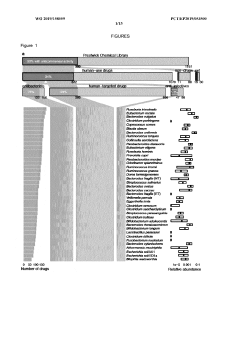
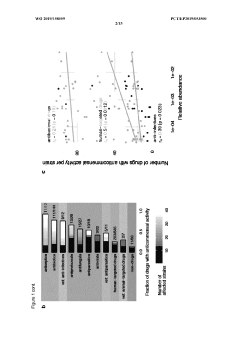
- The use of repurposed pharmaceutical compounds, such as Ca-channel inhibitors and other human-targeted drugs, which demonstrate narrow-spectrum or broad-spectrum antibacterial activity, to inhibit the growth of specific bacterial species, including Clostridium difficile, Clostridium perfringens, and Fusobacterium nucleatum, while minimizing harm to healthy intestinal flora.

Safety Profile and Toxicology Considerations
The safety profile of luteolin is a critical consideration when evaluating its potential therapeutic applications in immune response modulation. Current toxicological data indicates that luteolin demonstrates a favorable safety profile at physiological doses, with minimal adverse effects reported in both in vitro and in vivo studies. Most clinical trials have established that doses up to 100 mg/day are generally well-tolerated in human subjects, with only mild gastrointestinal discomfort occasionally reported.
However, several important toxicological considerations must be addressed before widespread clinical implementation. At higher concentrations (typically exceeding 50 μM in vitro), luteolin has demonstrated potential cytotoxicity against certain cell lines, particularly hepatocytes. This raises concerns about potential hepatotoxicity with prolonged high-dose administration. Monitoring of liver function parameters is therefore recommended during extended therapeutic use.
Drug interaction profiles represent another significant safety consideration. Luteolin has been shown to inhibit several cytochrome P450 enzymes, particularly CYP1A2 and CYP3A4, which could potentially alter the metabolism of concurrently administered medications. This interaction potential necessitates careful evaluation when considering luteolin supplementation alongside conventional pharmacotherapy, especially for immunocompromised patients receiving multiple medications.
Reproductive and developmental toxicity studies remain limited, creating a significant knowledge gap. The available data from animal models suggests minimal reproductive toxicity at therapeutic doses, but comprehensive human studies are lacking. Consequently, caution is advised regarding luteolin supplementation during pregnancy and lactation until more definitive safety data becomes available.
Long-term safety profiles present another area requiring further investigation. While short-term administration appears safe, the consequences of chronic luteolin supplementation remain inadequately characterized. Some preliminary evidence suggests potential accumulation in adipose tissue with prolonged use, though the clinical significance of this finding remains unclear.
Standardization of luteolin preparations represents a critical safety consideration. Commercial supplements vary significantly in purity, potency, and the presence of contaminants. This variability complicates safety assessments and highlights the need for stringent quality control measures and standardized formulations before implementing luteolin-based immunomodulatory therapies in clinical settings.
However, several important toxicological considerations must be addressed before widespread clinical implementation. At higher concentrations (typically exceeding 50 μM in vitro), luteolin has demonstrated potential cytotoxicity against certain cell lines, particularly hepatocytes. This raises concerns about potential hepatotoxicity with prolonged high-dose administration. Monitoring of liver function parameters is therefore recommended during extended therapeutic use.
Drug interaction profiles represent another significant safety consideration. Luteolin has been shown to inhibit several cytochrome P450 enzymes, particularly CYP1A2 and CYP3A4, which could potentially alter the metabolism of concurrently administered medications. This interaction potential necessitates careful evaluation when considering luteolin supplementation alongside conventional pharmacotherapy, especially for immunocompromised patients receiving multiple medications.
Reproductive and developmental toxicity studies remain limited, creating a significant knowledge gap. The available data from animal models suggests minimal reproductive toxicity at therapeutic doses, but comprehensive human studies are lacking. Consequently, caution is advised regarding luteolin supplementation during pregnancy and lactation until more definitive safety data becomes available.
Long-term safety profiles present another area requiring further investigation. While short-term administration appears safe, the consequences of chronic luteolin supplementation remain inadequately characterized. Some preliminary evidence suggests potential accumulation in adipose tissue with prolonged use, though the clinical significance of this finding remains unclear.
Standardization of luteolin preparations represents a critical safety consideration. Commercial supplements vary significantly in purity, potency, and the presence of contaminants. This variability complicates safety assessments and highlights the need for stringent quality control measures and standardized formulations before implementing luteolin-based immunomodulatory therapies in clinical settings.
Regulatory Pathway for Luteolin-Based Therapeutics
The regulatory landscape for luteolin-based therapeutics presents a complex pathway that requires strategic navigation across multiple jurisdictional frameworks. In the United States, the Food and Drug Administration (FDA) categorizes luteolin-containing products based on their intended use, concentration, and marketing claims. Products marketed as dietary supplements fall under the Dietary Supplement Health and Education Act (DSHEA) of 1994, requiring manufacturers to ensure safety before marketing and submit structure-function claims notifications to the FDA within 30 days of market introduction.
For pharmaceutical applications targeting specific immune-related conditions, luteolin-based therapeutics must follow the traditional drug approval pathway, including Investigational New Drug (IND) application, followed by Phase I-III clinical trials demonstrating safety and efficacy. The FDA's Botanical Drug Development guidance (revised 2016) provides specific considerations for plant-derived compounds like luteolin, potentially offering a more tailored regulatory approach.
In the European Union, the European Medicines Agency (EMA) governs luteolin-based products through either the traditional herbal medicinal products directive (2004/24/EC) or the standard pharmaceutical approval process, depending on formulation and claims. The Committee on Herbal Medicinal Products (HMPC) plays a crucial role in evaluating botanical substances, requiring comprehensive quality, safety, and efficacy documentation.
Asian markets present varying regulatory frameworks. Japan's Pharmaceuticals and Medical Devices Agency (PMDA) classifies luteolin products either as "Foods with Function Claims" or pharmaceutical agents based on concentration and therapeutic claims. China's National Medical Products Administration (NMPA) has established specific pathways for traditional Chinese medicine ingredients, which may apply to luteolin depending on its formulation and historical use.
Global harmonization efforts through the International Council for Harmonisation of Technical Requirements for Pharmaceuticals for Human Use (ICH) are gradually standardizing requirements for botanical-derived therapeutics, potentially streamlining multi-regional development of luteolin-based products. However, quantification methodologies for immune response biomarkers remain a critical regulatory challenge, with authorities increasingly requiring standardized assays for cytokine modulation, T-cell activation, and inflammation resolution metrics.
Regulatory success for luteolin-based therapeutics ultimately depends on robust analytical methods for standardization, comprehensive toxicology data, and well-designed clinical trials with clearly defined immune response endpoints that align with the specific regulatory requirements of target markets.
For pharmaceutical applications targeting specific immune-related conditions, luteolin-based therapeutics must follow the traditional drug approval pathway, including Investigational New Drug (IND) application, followed by Phase I-III clinical trials demonstrating safety and efficacy. The FDA's Botanical Drug Development guidance (revised 2016) provides specific considerations for plant-derived compounds like luteolin, potentially offering a more tailored regulatory approach.
In the European Union, the European Medicines Agency (EMA) governs luteolin-based products through either the traditional herbal medicinal products directive (2004/24/EC) or the standard pharmaceutical approval process, depending on formulation and claims. The Committee on Herbal Medicinal Products (HMPC) plays a crucial role in evaluating botanical substances, requiring comprehensive quality, safety, and efficacy documentation.
Asian markets present varying regulatory frameworks. Japan's Pharmaceuticals and Medical Devices Agency (PMDA) classifies luteolin products either as "Foods with Function Claims" or pharmaceutical agents based on concentration and therapeutic claims. China's National Medical Products Administration (NMPA) has established specific pathways for traditional Chinese medicine ingredients, which may apply to luteolin depending on its formulation and historical use.
Global harmonization efforts through the International Council for Harmonisation of Technical Requirements for Pharmaceuticals for Human Use (ICH) are gradually standardizing requirements for botanical-derived therapeutics, potentially streamlining multi-regional development of luteolin-based products. However, quantification methodologies for immune response biomarkers remain a critical regulatory challenge, with authorities increasingly requiring standardized assays for cytokine modulation, T-cell activation, and inflammation resolution metrics.
Regulatory success for luteolin-based therapeutics ultimately depends on robust analytical methods for standardization, comprehensive toxicology data, and well-designed clinical trials with clearly defined immune response endpoints that align with the specific regulatory requirements of target markets.
Unlock deeper insights with PatSnap Eureka Quick Research — get a full tech report to explore trends and direct your research. Try now!
Generate Your Research Report Instantly with AI Agent
Supercharge your innovation with PatSnap Eureka AI Agent Platform!