

Advanced materials for lightweight PHEV components
AUG 14, 20259 MIN READ
Generate Your Research Report Instantly with AI Agent
PatSnap Eureka helps you evaluate technical feasibility & market potential.
PHEV Lightweighting Goals
The lightweighting goals for Plug-in Hybrid Electric Vehicles (PHEVs) are driven by the imperative to enhance energy efficiency, extend electric range, and reduce overall environmental impact. These objectives are crucial for meeting increasingly stringent emissions regulations and consumer demands for improved fuel economy.
A primary target for PHEV lightweighting is to achieve a 20-30% reduction in vehicle mass compared to conventional internal combustion engine vehicles. This ambitious goal necessitates a comprehensive approach, targeting all major vehicle components and systems. The focus is on replacing traditional materials with advanced lightweight alternatives without compromising safety, performance, or cost-effectiveness.
For the powertrain, the aim is to reduce the weight of both the electric and combustion components. This includes developing lighter batteries with higher energy density, more compact electric motors, and optimized internal combustion engines. The target is to decrease powertrain weight by up to 25% while maintaining or improving performance characteristics.
In terms of vehicle structure, the goal is to implement advanced high-strength steels, aluminum alloys, and composite materials to reduce the weight of the body-in-white by 30-40%. This involves redesigning structural components to optimize material usage and enhance load-bearing efficiency while meeting or exceeding safety standards.
For interior and exterior components, the objective is to utilize lightweight plastics, natural fiber composites, and advanced polymer blends to achieve weight reductions of 15-20%. This extends to seats, dashboards, trim pieces, and even non-structural body panels.
The suspension and chassis systems are targeted for a 25-35% weight reduction through the use of materials such as carbon fiber reinforced plastics, titanium alloys, and advanced aluminum alloys. This includes lighter wheels, brake components, and suspension arms that maintain rigidity and performance.
An overarching goal is to integrate these lightweight materials and designs in a way that is scalable for mass production. This involves developing new manufacturing processes, joining techniques, and quality control methods that can be implemented in high-volume production environments while keeping costs competitive.
Ultimately, the PHEV lightweighting goals aim to create a virtuous cycle where reduced weight leads to smaller, lighter powertrains, which in turn allows for further weight reductions in supporting structures and systems. This holistic approach is essential for achieving the significant weight reductions necessary to meet future mobility and sustainability requirements.
A primary target for PHEV lightweighting is to achieve a 20-30% reduction in vehicle mass compared to conventional internal combustion engine vehicles. This ambitious goal necessitates a comprehensive approach, targeting all major vehicle components and systems. The focus is on replacing traditional materials with advanced lightweight alternatives without compromising safety, performance, or cost-effectiveness.
For the powertrain, the aim is to reduce the weight of both the electric and combustion components. This includes developing lighter batteries with higher energy density, more compact electric motors, and optimized internal combustion engines. The target is to decrease powertrain weight by up to 25% while maintaining or improving performance characteristics.
In terms of vehicle structure, the goal is to implement advanced high-strength steels, aluminum alloys, and composite materials to reduce the weight of the body-in-white by 30-40%. This involves redesigning structural components to optimize material usage and enhance load-bearing efficiency while meeting or exceeding safety standards.
For interior and exterior components, the objective is to utilize lightweight plastics, natural fiber composites, and advanced polymer blends to achieve weight reductions of 15-20%. This extends to seats, dashboards, trim pieces, and even non-structural body panels.
The suspension and chassis systems are targeted for a 25-35% weight reduction through the use of materials such as carbon fiber reinforced plastics, titanium alloys, and advanced aluminum alloys. This includes lighter wheels, brake components, and suspension arms that maintain rigidity and performance.
An overarching goal is to integrate these lightweight materials and designs in a way that is scalable for mass production. This involves developing new manufacturing processes, joining techniques, and quality control methods that can be implemented in high-volume production environments while keeping costs competitive.
Ultimately, the PHEV lightweighting goals aim to create a virtuous cycle where reduced weight leads to smaller, lighter powertrains, which in turn allows for further weight reductions in supporting structures and systems. This holistic approach is essential for achieving the significant weight reductions necessary to meet future mobility and sustainability requirements.
Market Demand Analysis
The market demand for advanced materials in lightweight PHEV components has been experiencing significant growth in recent years, driven by the increasing adoption of plug-in hybrid electric vehicles (PHEVs) and the push for improved fuel efficiency and reduced emissions. As governments worldwide implement stricter environmental regulations and consumers become more environmentally conscious, automakers are focusing on developing lighter, more efficient vehicles to meet these demands.
The PHEV market has shown robust growth, with global sales reaching over 2.5 million units in 2021, representing a year-over-year increase of 70%. This trend is expected to continue, with projections indicating that PHEVs could account for up to 20% of new vehicle sales by 2030 in major automotive markets. The demand for lightweight materials in PHEVs is particularly strong, as reducing vehicle weight directly contributes to improved fuel economy and extended electric range.
Key components that benefit from advanced lightweight materials include body structures, chassis components, battery enclosures, and powertrain elements. The automotive industry is actively seeking materials that offer high strength-to-weight ratios, improved durability, and enhanced performance characteristics. This has led to a growing demand for advanced composites, high-strength alloys, and engineered plastics specifically designed for PHEV applications.
The market for lightweight materials in the automotive sector, including PHEVs, is projected to reach a value of over $100 billion by 2025. Within this market, advanced composites are expected to see the highest growth rate, driven by their superior strength-to-weight properties and increasing cost-effectiveness in high-volume production.
Geographically, the demand for advanced materials for PHEV components is strongest in regions with well-established automotive industries and supportive government policies. Asia-Pacific, particularly China and Japan, leads in PHEV adoption and consequently in the demand for lightweight materials. Europe follows closely, with countries like Germany and France showing significant growth in both PHEV sales and advanced material utilization. North America, while lagging slightly behind in PHEV adoption, is seeing increased interest and investment in lightweight material technologies for electric and hybrid vehicles.
The market demand is further influenced by consumer preferences for vehicles with longer electric ranges and improved performance. As battery technology advances, there is a corresponding need for lighter vehicle structures to offset the weight of larger battery packs, driving innovation in materials science and manufacturing processes.
In conclusion, the market demand for advanced materials in lightweight PHEV components is robust and growing, driven by regulatory pressures, consumer preferences, and technological advancements. This trend is expected to continue, offering significant opportunities for material suppliers, automotive manufacturers, and technology developers in the coming years.
The PHEV market has shown robust growth, with global sales reaching over 2.5 million units in 2021, representing a year-over-year increase of 70%. This trend is expected to continue, with projections indicating that PHEVs could account for up to 20% of new vehicle sales by 2030 in major automotive markets. The demand for lightweight materials in PHEVs is particularly strong, as reducing vehicle weight directly contributes to improved fuel economy and extended electric range.
Key components that benefit from advanced lightweight materials include body structures, chassis components, battery enclosures, and powertrain elements. The automotive industry is actively seeking materials that offer high strength-to-weight ratios, improved durability, and enhanced performance characteristics. This has led to a growing demand for advanced composites, high-strength alloys, and engineered plastics specifically designed for PHEV applications.
The market for lightweight materials in the automotive sector, including PHEVs, is projected to reach a value of over $100 billion by 2025. Within this market, advanced composites are expected to see the highest growth rate, driven by their superior strength-to-weight properties and increasing cost-effectiveness in high-volume production.
Geographically, the demand for advanced materials for PHEV components is strongest in regions with well-established automotive industries and supportive government policies. Asia-Pacific, particularly China and Japan, leads in PHEV adoption and consequently in the demand for lightweight materials. Europe follows closely, with countries like Germany and France showing significant growth in both PHEV sales and advanced material utilization. North America, while lagging slightly behind in PHEV adoption, is seeing increased interest and investment in lightweight material technologies for electric and hybrid vehicles.
The market demand is further influenced by consumer preferences for vehicles with longer electric ranges and improved performance. As battery technology advances, there is a corresponding need for lighter vehicle structures to offset the weight of larger battery packs, driving innovation in materials science and manufacturing processes.
In conclusion, the market demand for advanced materials in lightweight PHEV components is robust and growing, driven by regulatory pressures, consumer preferences, and technological advancements. This trend is expected to continue, offering significant opportunities for material suppliers, automotive manufacturers, and technology developers in the coming years.
Advanced Materials State
The field of advanced materials for lightweight PHEV components has seen significant progress in recent years, driven by the automotive industry's push for improved fuel efficiency and reduced emissions. Current state-of-the-art materials focus on three primary categories: advanced high-strength steels, lightweight alloys, and composite materials.
Advanced high-strength steels (AHSS) have emerged as a crucial material for vehicle lightweighting. These steels offer superior strength-to-weight ratios compared to conventional steels, allowing for thinner gauge materials to be used without compromising structural integrity. The latest generations of AHSS, including dual-phase, transformation-induced plasticity, and martensitic steels, are being increasingly adopted in PHEV body structures and chassis components.
Lightweight alloys, particularly aluminum and magnesium alloys, have gained traction in PHEV applications. Aluminum alloys are widely used in body panels, chassis components, and powertrain systems due to their excellent strength-to-weight ratio and corrosion resistance. Recent advancements in aluminum alloy development have focused on improving formability and joining techniques to enhance their applicability in complex automotive structures.
Composite materials, especially carbon fiber reinforced polymers (CFRP), represent the cutting edge of lightweight materials for PHEVs. CFRPs offer exceptional strength and stiffness at a fraction of the weight of traditional metals. While their high cost has limited widespread adoption, ongoing research is focused on developing more cost-effective manufacturing processes and recycling techniques to make CFRP more economically viable for mass-market PHEVs.
Nanotechnology is playing an increasingly important role in advanced materials development. Nanocomposites, which incorporate nanoscale reinforcements into polymer matrices, are showing promise for enhancing the mechanical and thermal properties of lightweight components. Additionally, nanomaterials are being explored for their potential to improve battery performance and energy storage capabilities in PHEVs.
Multimaterial design approaches are gaining prominence, combining different advanced materials to optimize performance and weight reduction. This strategy allows engineers to leverage the unique properties of various materials in different parts of the vehicle, resulting in more efficient and lighter overall structures.
Additive manufacturing technologies are enabling new possibilities in the design and production of lightweight PHEV components. 3D printing techniques allow for the creation of complex geometries and optimized structures that were previously impossible or impractical to manufacture using traditional methods.
Despite these advancements, challenges remain in the widespread implementation of advanced materials in PHEVs. These include high material costs, complex manufacturing processes, and the need for new joining and assembly techniques. Ongoing research is focused on addressing these challenges to make advanced lightweight materials more accessible and cost-effective for mass-market PHEVs.
Advanced high-strength steels (AHSS) have emerged as a crucial material for vehicle lightweighting. These steels offer superior strength-to-weight ratios compared to conventional steels, allowing for thinner gauge materials to be used without compromising structural integrity. The latest generations of AHSS, including dual-phase, transformation-induced plasticity, and martensitic steels, are being increasingly adopted in PHEV body structures and chassis components.
Lightweight alloys, particularly aluminum and magnesium alloys, have gained traction in PHEV applications. Aluminum alloys are widely used in body panels, chassis components, and powertrain systems due to their excellent strength-to-weight ratio and corrosion resistance. Recent advancements in aluminum alloy development have focused on improving formability and joining techniques to enhance their applicability in complex automotive structures.
Composite materials, especially carbon fiber reinforced polymers (CFRP), represent the cutting edge of lightweight materials for PHEVs. CFRPs offer exceptional strength and stiffness at a fraction of the weight of traditional metals. While their high cost has limited widespread adoption, ongoing research is focused on developing more cost-effective manufacturing processes and recycling techniques to make CFRP more economically viable for mass-market PHEVs.
Nanotechnology is playing an increasingly important role in advanced materials development. Nanocomposites, which incorporate nanoscale reinforcements into polymer matrices, are showing promise for enhancing the mechanical and thermal properties of lightweight components. Additionally, nanomaterials are being explored for their potential to improve battery performance and energy storage capabilities in PHEVs.
Multimaterial design approaches are gaining prominence, combining different advanced materials to optimize performance and weight reduction. This strategy allows engineers to leverage the unique properties of various materials in different parts of the vehicle, resulting in more efficient and lighter overall structures.
Additive manufacturing technologies are enabling new possibilities in the design and production of lightweight PHEV components. 3D printing techniques allow for the creation of complex geometries and optimized structures that were previously impossible or impractical to manufacture using traditional methods.
Despite these advancements, challenges remain in the widespread implementation of advanced materials in PHEVs. These include high material costs, complex manufacturing processes, and the need for new joining and assembly techniques. Ongoing research is focused on addressing these challenges to make advanced lightweight materials more accessible and cost-effective for mass-market PHEVs.
Current Lightweighting
01 Lightweight materials for vehicle components
Advanced materials are being developed to reduce the weight of various vehicle components, including body panels, chassis, and interior parts. These lightweight materials, such as high-strength steel, aluminum alloys, and carbon fiber composites, help improve fuel efficiency and overall vehicle performance while maintaining structural integrity and safety standards.- Lightweight materials for vehicle components: Advanced materials are being developed to reduce the weight of various vehicle components, including body panels, chassis, and interior parts. These lightweight materials, such as high-strength steel, aluminum alloys, and carbon fiber composites, help improve fuel efficiency and overall vehicle performance while maintaining structural integrity and safety standards.
- Nanocomposites for weight reduction: Nanocomposites are being utilized to create advanced materials with enhanced strength-to-weight ratios. These materials incorporate nanoparticles or nanostructures into polymer matrices, resulting in lightweight yet durable components for various applications, including aerospace, automotive, and consumer electronics.
- Weight-saving techniques in construction: Advanced materials and design techniques are being employed in the construction industry to reduce the weight of buildings and infrastructure. This includes the use of lightweight concrete, innovative structural designs, and composite materials to achieve weight savings without compromising structural integrity or safety.
- Lightweight materials for energy storage: Research is focused on developing lightweight materials for energy storage applications, such as batteries and fuel cells. These advanced materials aim to increase energy density while reducing overall weight, making them particularly valuable for electric vehicles and portable electronic devices.
- Weight reduction in aerospace applications: Advanced materials are being developed and implemented in aerospace applications to reduce the weight of aircraft and spacecraft components. This includes the use of lightweight alloys, composite materials, and innovative manufacturing techniques to improve fuel efficiency, payload capacity, and overall performance of aerospace vehicles.
02 Nanotechnology in weight reduction
Nanotechnology is being applied to create advanced materials with enhanced properties for weight reduction. Nanocomposites and nanostructured materials are being developed to provide superior strength-to-weight ratios, improved thermal and electrical conductivity, and better corrosion resistance, making them ideal for various applications in aerospace, automotive, and consumer electronics industries.Expand Specific Solutions03 Smart materials for weight-sensitive applications
Advanced smart materials are being developed for weight-sensitive applications. These materials can change their properties in response to external stimuli, such as temperature, pressure, or electric fields. Examples include shape memory alloys, piezoelectric materials, and magnetorheological fluids, which can be used in adaptive structures, sensors, and actuators to optimize weight distribution and performance in various systems.Expand Specific Solutions04 Biomimetic materials for lightweight structures
Researchers are developing advanced materials inspired by nature to create lightweight yet strong structures. These biomimetic materials mimic the structural properties of natural materials like bone, spider silk, and plant stems. By replicating nature's efficient designs, engineers can create materials with exceptional strength-to-weight ratios for use in construction, aerospace, and other industries where weight reduction is crucial.Expand Specific Solutions05 Advanced manufacturing techniques for lightweight components
Innovative manufacturing techniques are being developed to produce lightweight components using advanced materials. These methods include additive manufacturing (3D printing), advanced forming processes, and hybrid manufacturing techniques. These processes allow for the creation of complex geometries, optimized material distribution, and the integration of multiple materials to achieve significant weight reductions in various products and structures.Expand Specific Solutions
Key PHEV Players
The research on advanced materials for lightweight PHEV components is in a growth phase, with increasing market size driven by the automotive industry's shift towards electrification. The technology is maturing, but still evolving, as evidenced by ongoing research efforts from major players. Companies like GM Global Technology Operations, Hitachi, and Hyundai Motor are actively developing lightweight materials, while chemical giants such as BASF, Dow Global Technologies, and LANXESS are contributing advanced polymer solutions. Academic institutions like Fudan University and research organizations like the Agency for Science, Technology & Research are also involved, indicating a collaborative ecosystem pushing the boundaries of material science for PHEV applications.
Dow Global Technologies LLC
Technical Solution: Dow has developed advanced polymer composites for PHEV components, focusing on lightweight materials that maintain strength and durability. Their approach includes the use of carbon fiber reinforced polymers (CFRP) and glass fiber reinforced polymers (GFRP) to replace traditional metal parts. These materials offer significant weight reduction, up to 50% compared to steel, while maintaining or even improving structural integrity[1]. Dow's proprietary resin systems enhance the bonding between fibers and matrix, resulting in improved mechanical properties and resistance to environmental factors[2]. The company has also developed thermoplastic olefin (TPO) compounds specifically designed for PHEV battery enclosures, providing excellent impact resistance and thermal management properties[3].
Strengths: Significant weight reduction, improved fuel efficiency, enhanced structural integrity. Weaknesses: Higher material costs, complex manufacturing processes, potential challenges in recycling composite materials.
GM Global Technology Operations LLC
Technical Solution: GM has invested heavily in lightweight materials research for PHEVs, focusing on a multi-material approach. They have developed an advanced mixed-material body structure that combines ultra-high-strength steels, aluminum, magnesium, and composites[1]. GM's innovative joining technologies allow for the effective combination of these diverse materials, resulting in weight reductions of up to 350 pounds (158 kg) in some vehicle models[2]. The company has also pioneered the use of carbon fiber reinforced thermoplastics (CFRTP) for structural components, which offer rapid cycle times and improved recyclability compared to traditional thermoset composites[3]. Additionally, GM has developed nano-engineered materials, such as graphene-enhanced polymers, to further reduce weight while improving strength and electrical conductivity in certain PHEV components[4].
Strengths: Comprehensive multi-material approach, significant weight reduction, improved fuel efficiency. Weaknesses: Complex supply chain management, higher initial costs, potential challenges in large-scale implementation.
Core Material Innovations
High Capacity, Long Cycle Life Battery Anode Materials, Compositions and Methods
PatentPendingUS20230015795A1
Innovation
- Formulating silicon-containing battery anode materials with high silicon and carbon content using novel PDC precursor formulations that incorporate silicon at the molecular level, optimizing silicon, carbon, and oxygen content to enhance specific capacity and cycle life, while minimizing structural distortion.
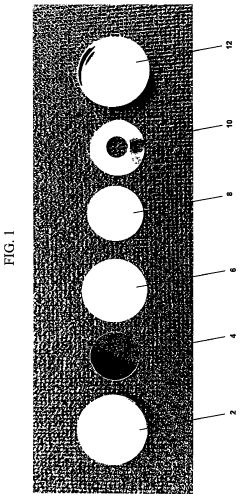
Hybrid vehicle.
PatentInactiveIN1132DEL2006A
Innovation
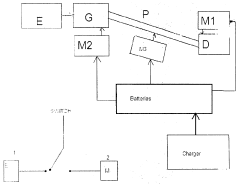
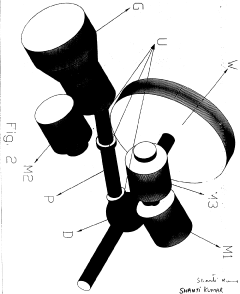
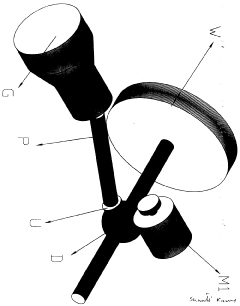
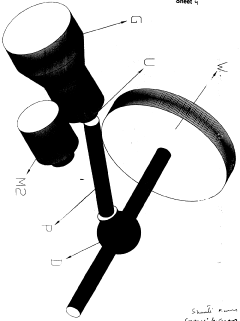
- A PHEV design that allows easy switching between engine and electric modes using a simple selector switch and a propeller shaft with universal joints and sprocket collar for power transmission, eliminating the need for extensive electronic controls and enabling user-controlled mode transitions.
Environmental Impact
The environmental impact of lightweight materials for PHEV components is a critical consideration in the development and adoption of these advanced technologies. The use of lightweight materials in PHEVs can significantly reduce vehicle weight, leading to improved fuel efficiency and reduced emissions during operation. This weight reduction can result in a decrease in energy consumption and greenhouse gas emissions throughout the vehicle's lifecycle.
Advanced materials such as carbon fiber reinforced polymers (CFRP), aluminum alloys, and high-strength steels offer substantial weight savings compared to traditional materials. For example, CFRP can provide up to 50% weight reduction compared to steel, while maintaining or even improving structural integrity. This weight reduction translates directly into lower fuel consumption and reduced CO2 emissions during the use phase of the vehicle.
However, the environmental benefits of lightweight materials must be evaluated in the context of their entire lifecycle. The production of advanced materials often requires more energy-intensive processes compared to conventional materials. For instance, the production of carbon fiber is typically more energy-intensive than steel production. This higher energy demand during manufacturing can potentially offset some of the environmental gains achieved during the vehicle's use phase.
To address this concern, researchers are focusing on developing more sustainable production methods for advanced materials. This includes exploring renewable energy sources for manufacturing processes, improving material recycling techniques, and optimizing production efficiency. Additionally, efforts are being made to increase the use of recycled materials in PHEV components, further reducing the environmental footprint of these vehicles.
The end-of-life phase of lightweight PHEV components also presents both challenges and opportunities. While some advanced materials may be more difficult to recycle than traditional materials, ongoing research is aimed at developing innovative recycling technologies. For example, new methods for recycling carbon fiber composites are being explored, which could significantly improve the overall lifecycle environmental impact of these materials.
Furthermore, the use of lightweight materials in PHEVs contributes to the broader goal of electrification in the automotive industry. By enabling longer electric driving ranges and improved overall efficiency, these materials play a crucial role in the transition towards more sustainable transportation systems. This transition has far-reaching environmental implications, including reduced dependence on fossil fuels and improved urban air quality.
Advanced materials such as carbon fiber reinforced polymers (CFRP), aluminum alloys, and high-strength steels offer substantial weight savings compared to traditional materials. For example, CFRP can provide up to 50% weight reduction compared to steel, while maintaining or even improving structural integrity. This weight reduction translates directly into lower fuel consumption and reduced CO2 emissions during the use phase of the vehicle.
However, the environmental benefits of lightweight materials must be evaluated in the context of their entire lifecycle. The production of advanced materials often requires more energy-intensive processes compared to conventional materials. For instance, the production of carbon fiber is typically more energy-intensive than steel production. This higher energy demand during manufacturing can potentially offset some of the environmental gains achieved during the vehicle's use phase.
To address this concern, researchers are focusing on developing more sustainable production methods for advanced materials. This includes exploring renewable energy sources for manufacturing processes, improving material recycling techniques, and optimizing production efficiency. Additionally, efforts are being made to increase the use of recycled materials in PHEV components, further reducing the environmental footprint of these vehicles.
The end-of-life phase of lightweight PHEV components also presents both challenges and opportunities. While some advanced materials may be more difficult to recycle than traditional materials, ongoing research is aimed at developing innovative recycling technologies. For example, new methods for recycling carbon fiber composites are being explored, which could significantly improve the overall lifecycle environmental impact of these materials.
Furthermore, the use of lightweight materials in PHEVs contributes to the broader goal of electrification in the automotive industry. By enabling longer electric driving ranges and improved overall efficiency, these materials play a crucial role in the transition towards more sustainable transportation systems. This transition has far-reaching environmental implications, including reduced dependence on fossil fuels and improved urban air quality.
Cost-Benefit Analysis
The cost-benefit analysis of implementing advanced materials for lightweight PHEV components reveals a complex interplay of economic factors. Initially, the adoption of these materials often entails higher upfront costs due to the expenses associated with research, development, and specialized manufacturing processes. For instance, carbon fiber reinforced polymers (CFRP) and advanced high-strength steels (AHSS) typically command premium prices compared to traditional materials like standard steel or aluminum.
However, these increased initial investments can be offset by significant long-term benefits. The primary advantage lies in the substantial weight reduction achieved through the use of these advanced materials. This weight reduction directly translates to improved fuel efficiency and extended electric range for PHEVs. Studies have shown that a 10% reduction in vehicle weight can lead to a 6-8% increase in fuel economy. Over the lifetime of a vehicle, this improved efficiency can result in substantial fuel cost savings for consumers and reduced emissions for environmental benefit.
Moreover, the use of lightweight materials can enhance overall vehicle performance, including acceleration, handling, and braking. This improvement in driving dynamics can contribute to increased customer satisfaction and potentially higher market demand, indirectly benefiting manufacturers through increased sales and brand loyalty.
From a manufacturing perspective, while the initial tooling and process adaptations for advanced materials may be costly, they can lead to long-term production efficiencies. For example, the use of advanced composites can allow for part consolidation, reducing the number of components and assembly steps required. This simplification of the manufacturing process can result in lower labor costs and improved production throughput over time.
It's also crucial to consider the lifecycle costs of these materials. While some advanced materials may be more expensive to produce initially, they often offer superior durability and corrosion resistance. This increased longevity can reduce maintenance and replacement costs over the vehicle's lifespan, providing additional value to both manufacturers and consumers.
The environmental impact of these materials should also be factored into the cost-benefit analysis. While the production of some advanced materials may have a higher environmental footprint initially, the reduced vehicle weight and consequent lower emissions over the vehicle's lifetime can often more than compensate for this, resulting in a net positive environmental impact.
However, these increased initial investments can be offset by significant long-term benefits. The primary advantage lies in the substantial weight reduction achieved through the use of these advanced materials. This weight reduction directly translates to improved fuel efficiency and extended electric range for PHEVs. Studies have shown that a 10% reduction in vehicle weight can lead to a 6-8% increase in fuel economy. Over the lifetime of a vehicle, this improved efficiency can result in substantial fuel cost savings for consumers and reduced emissions for environmental benefit.
Moreover, the use of lightweight materials can enhance overall vehicle performance, including acceleration, handling, and braking. This improvement in driving dynamics can contribute to increased customer satisfaction and potentially higher market demand, indirectly benefiting manufacturers through increased sales and brand loyalty.
From a manufacturing perspective, while the initial tooling and process adaptations for advanced materials may be costly, they can lead to long-term production efficiencies. For example, the use of advanced composites can allow for part consolidation, reducing the number of components and assembly steps required. This simplification of the manufacturing process can result in lower labor costs and improved production throughput over time.
It's also crucial to consider the lifecycle costs of these materials. While some advanced materials may be more expensive to produce initially, they often offer superior durability and corrosion resistance. This increased longevity can reduce maintenance and replacement costs over the vehicle's lifespan, providing additional value to both manufacturers and consumers.
The environmental impact of these materials should also be factored into the cost-benefit analysis. While the production of some advanced materials may have a higher environmental footprint initially, the reduced vehicle weight and consequent lower emissions over the vehicle's lifetime can often more than compensate for this, resulting in a net positive environmental impact.
Unlock deeper insights with PatSnap Eureka Quick Research — get a full tech report to explore trends and direct your research. Try now!
Generate Your Research Report Instantly with AI Agent
Supercharge your innovation with PatSnap Eureka AI Agent Platform!