

Self-cleaning Surfaces: Patent Landscape Analysis
OCT 14, 20259 MIN READ
Generate Your Research Report Instantly with AI Agent
PatSnap Eureka helps you evaluate technical feasibility & market potential.
Self-cleaning Surface Technology Background and Objectives
Self-cleaning surfaces represent a revolutionary advancement in materials science, drawing inspiration from natural phenomena such as the lotus leaf effect. The development of these surfaces began in the late 1990s when researchers observed the unique water-repellent properties of certain plant leaves. This biomimetic approach has since evolved into a sophisticated field combining nanotechnology, chemistry, and materials engineering to create surfaces that can maintain cleanliness with minimal external intervention.
The evolution of self-cleaning technology has progressed through several distinct phases. Initially, research focused on understanding the fundamental principles of superhydrophobicity and superhydrophilicity. This was followed by the development of first-generation coatings that could repel water or break down organic contaminants. Recent advancements have led to more durable, multifunctional surfaces that combine multiple self-cleaning mechanisms and can withstand harsh environmental conditions.
Current technological trends indicate a shift toward environmentally friendly, non-toxic self-cleaning solutions that eliminate the need for chemical cleaners. There is also growing interest in smart self-cleaning surfaces that can respond to environmental stimuli and self-healing coatings that can repair damage autonomously. The integration of nanotechnology has enabled unprecedented control over surface properties at the microscopic level, leading to more effective and versatile self-cleaning capabilities.
The primary objective of self-cleaning surface technology is to reduce maintenance costs and extend the service life of various products and structures. Additional goals include improving hygiene in healthcare settings, enhancing the efficiency of solar panels by preventing dust accumulation, and reducing water consumption in cleaning processes. In architectural applications, self-cleaning surfaces aim to maintain aesthetic appearance while reducing the environmental impact of building maintenance.
From an industrial perspective, the technology seeks to overcome key challenges such as durability under real-world conditions, cost-effective manufacturing at scale, and compatibility with existing products and materials. The development of standardized testing protocols to evaluate self-cleaning performance represents another important objective, as current methods vary widely across different sectors and applications.
Looking forward, the field aims to develop universal self-cleaning solutions applicable across multiple industries while addressing the growing demand for sustainable technologies. The convergence of self-cleaning capabilities with other functional properties, such as antimicrobial activity, scratch resistance, and thermal regulation, represents a promising direction for future innovation in this dynamic field.
The evolution of self-cleaning technology has progressed through several distinct phases. Initially, research focused on understanding the fundamental principles of superhydrophobicity and superhydrophilicity. This was followed by the development of first-generation coatings that could repel water or break down organic contaminants. Recent advancements have led to more durable, multifunctional surfaces that combine multiple self-cleaning mechanisms and can withstand harsh environmental conditions.
Current technological trends indicate a shift toward environmentally friendly, non-toxic self-cleaning solutions that eliminate the need for chemical cleaners. There is also growing interest in smart self-cleaning surfaces that can respond to environmental stimuli and self-healing coatings that can repair damage autonomously. The integration of nanotechnology has enabled unprecedented control over surface properties at the microscopic level, leading to more effective and versatile self-cleaning capabilities.
The primary objective of self-cleaning surface technology is to reduce maintenance costs and extend the service life of various products and structures. Additional goals include improving hygiene in healthcare settings, enhancing the efficiency of solar panels by preventing dust accumulation, and reducing water consumption in cleaning processes. In architectural applications, self-cleaning surfaces aim to maintain aesthetic appearance while reducing the environmental impact of building maintenance.
From an industrial perspective, the technology seeks to overcome key challenges such as durability under real-world conditions, cost-effective manufacturing at scale, and compatibility with existing products and materials. The development of standardized testing protocols to evaluate self-cleaning performance represents another important objective, as current methods vary widely across different sectors and applications.
Looking forward, the field aims to develop universal self-cleaning solutions applicable across multiple industries while addressing the growing demand for sustainable technologies. The convergence of self-cleaning capabilities with other functional properties, such as antimicrobial activity, scratch resistance, and thermal regulation, represents a promising direction for future innovation in this dynamic field.
Market Demand Analysis for Self-cleaning Solutions
The global market for self-cleaning surfaces has witnessed substantial growth in recent years, driven by increasing awareness of hygiene, environmental concerns, and the need for maintenance-free solutions. The demand for self-cleaning technologies spans across multiple sectors including construction, automotive, electronics, healthcare, and consumer goods, creating a diverse and expanding market landscape.
In the construction industry, self-cleaning glass and exterior coatings represent a significant market segment, with building owners seeking solutions that reduce maintenance costs and enhance aesthetic longevity. The automotive sector demonstrates growing interest in self-cleaning paints and windshields that improve visibility and vehicle appearance while reducing washing frequency. These applications address both functional needs and consumer preferences for convenience.
Healthcare facilities increasingly demand antimicrobial and self-cleaning surfaces to combat hospital-acquired infections, creating a specialized high-value market segment where performance requirements are particularly stringent. Similarly, consumer electronics manufacturers are exploring self-cleaning coatings for touchscreens and device exteriors to address consumer concerns about bacterial contamination and fingerprint smudges.
Market research indicates that the global self-cleaning coatings market is experiencing a compound annual growth rate exceeding 8%, with hydrophobic and photocatalytic technologies leading adoption rates. Regional analysis shows North America and Europe as mature markets with established demand patterns, while Asia-Pacific represents the fastest-growing region due to rapid urbanization, increasing disposable income, and growing environmental awareness.
Consumer behavior studies reveal willingness to pay premium prices for self-cleaning features, particularly in high-end products and applications where maintenance represents a significant cost factor. This price elasticity varies by application, with healthcare and premium automotive segments demonstrating higher tolerance for cost increases associated with self-cleaning functionality.
Regulatory trends are increasingly favorable toward self-cleaning technologies, particularly those that reduce chemical cleaning agent usage and water consumption. Environmental sustainability credentials have become important market differentiators, with consumers and institutional buyers prioritizing solutions that demonstrate reduced environmental impact throughout their lifecycle.
Market challenges include durability concerns, with consumers expecting self-cleaning properties to persist for extended periods under real-world conditions. Cost remains a barrier to mass-market adoption in certain sectors, indicating opportunities for innovations that can deliver self-cleaning functionality at lower price points while maintaining performance standards.
In the construction industry, self-cleaning glass and exterior coatings represent a significant market segment, with building owners seeking solutions that reduce maintenance costs and enhance aesthetic longevity. The automotive sector demonstrates growing interest in self-cleaning paints and windshields that improve visibility and vehicle appearance while reducing washing frequency. These applications address both functional needs and consumer preferences for convenience.
Healthcare facilities increasingly demand antimicrobial and self-cleaning surfaces to combat hospital-acquired infections, creating a specialized high-value market segment where performance requirements are particularly stringent. Similarly, consumer electronics manufacturers are exploring self-cleaning coatings for touchscreens and device exteriors to address consumer concerns about bacterial contamination and fingerprint smudges.
Market research indicates that the global self-cleaning coatings market is experiencing a compound annual growth rate exceeding 8%, with hydrophobic and photocatalytic technologies leading adoption rates. Regional analysis shows North America and Europe as mature markets with established demand patterns, while Asia-Pacific represents the fastest-growing region due to rapid urbanization, increasing disposable income, and growing environmental awareness.
Consumer behavior studies reveal willingness to pay premium prices for self-cleaning features, particularly in high-end products and applications where maintenance represents a significant cost factor. This price elasticity varies by application, with healthcare and premium automotive segments demonstrating higher tolerance for cost increases associated with self-cleaning functionality.
Regulatory trends are increasingly favorable toward self-cleaning technologies, particularly those that reduce chemical cleaning agent usage and water consumption. Environmental sustainability credentials have become important market differentiators, with consumers and institutional buyers prioritizing solutions that demonstrate reduced environmental impact throughout their lifecycle.
Market challenges include durability concerns, with consumers expecting self-cleaning properties to persist for extended periods under real-world conditions. Cost remains a barrier to mass-market adoption in certain sectors, indicating opportunities for innovations that can deliver self-cleaning functionality at lower price points while maintaining performance standards.
Global Self-cleaning Technology Status and Challenges
Self-cleaning surface technology has witnessed significant advancements globally, with research centers across North America, Europe, and Asia making substantial contributions. The United States leads in patent filings, followed closely by China, Japan, and Germany. Academic institutions like MIT, Harvard, and the University of Cambridge collaborate with industry giants such as BASF, Dow Chemical, and Saint-Gobain to push technological boundaries.
Currently, self-cleaning technologies can be categorized into four main approaches: hydrophobic (water-repellent), hydrophilic (water-attracting), photocatalytic, and mechanical/active systems. Hydrophobic surfaces, inspired by the lotus leaf effect, demonstrate exceptional water repellency with contact angles exceeding 150°, allowing water droplets to roll off surfaces carrying contaminants. Hydrophilic technologies, conversely, use water's spreading properties to wash away dirt particles.
Photocatalytic self-cleaning, dominated by titanium dioxide (TiO2) coatings, utilizes UV light to break down organic contaminants. Recent innovations have expanded this capability to visible light spectrum, significantly broadening application potential. Mechanical systems employ various physical mechanisms including vibration, electrostatic repulsion, or automated cleaning processes.
Despite impressive progress, significant challenges persist. Durability remains a primary concern, with most self-cleaning surfaces demonstrating performance degradation after 1-3 years of environmental exposure. Mechanical abrasion, UV degradation, and chemical exposure compromise long-term functionality. Cost-effectiveness presents another barrier, as manufacturing processes for advanced self-cleaning surfaces often require specialized equipment and materials, increasing production expenses by 30-50% compared to conventional surfaces.
Scalability challenges limit widespread adoption, particularly for complex nano-structured surfaces that require precise manufacturing conditions difficult to maintain at industrial scale. Environmental concerns have also emerged regarding nanoparticle leaching from certain self-cleaning coatings, with potential ecological impacts still under investigation.
Regulatory frameworks vary significantly across regions, creating compliance challenges for global manufacturers. While the EU has established specific guidelines for nanomaterials in consumer products through REACH regulations, the United States and Asian markets maintain less stringent approaches, creating market fragmentation.
The technology gap between laboratory demonstrations and commercial applications remains substantial. Many promising self-cleaning technologies demonstrate excellent performance in controlled environments but fail to maintain effectiveness under real-world conditions with variable contaminants, weather patterns, and maintenance practices.
Currently, self-cleaning technologies can be categorized into four main approaches: hydrophobic (water-repellent), hydrophilic (water-attracting), photocatalytic, and mechanical/active systems. Hydrophobic surfaces, inspired by the lotus leaf effect, demonstrate exceptional water repellency with contact angles exceeding 150°, allowing water droplets to roll off surfaces carrying contaminants. Hydrophilic technologies, conversely, use water's spreading properties to wash away dirt particles.
Photocatalytic self-cleaning, dominated by titanium dioxide (TiO2) coatings, utilizes UV light to break down organic contaminants. Recent innovations have expanded this capability to visible light spectrum, significantly broadening application potential. Mechanical systems employ various physical mechanisms including vibration, electrostatic repulsion, or automated cleaning processes.
Despite impressive progress, significant challenges persist. Durability remains a primary concern, with most self-cleaning surfaces demonstrating performance degradation after 1-3 years of environmental exposure. Mechanical abrasion, UV degradation, and chemical exposure compromise long-term functionality. Cost-effectiveness presents another barrier, as manufacturing processes for advanced self-cleaning surfaces often require specialized equipment and materials, increasing production expenses by 30-50% compared to conventional surfaces.
Scalability challenges limit widespread adoption, particularly for complex nano-structured surfaces that require precise manufacturing conditions difficult to maintain at industrial scale. Environmental concerns have also emerged regarding nanoparticle leaching from certain self-cleaning coatings, with potential ecological impacts still under investigation.
Regulatory frameworks vary significantly across regions, creating compliance challenges for global manufacturers. While the EU has established specific guidelines for nanomaterials in consumer products through REACH regulations, the United States and Asian markets maintain less stringent approaches, creating market fragmentation.
The technology gap between laboratory demonstrations and commercial applications remains substantial. Many promising self-cleaning technologies demonstrate excellent performance in controlled environments but fail to maintain effectiveness under real-world conditions with variable contaminants, weather patterns, and maintenance practices.
Current Self-cleaning Surface Technical Solutions
01 Hydrophobic coatings for self-cleaning surfaces
Hydrophobic coatings can be applied to surfaces to create self-cleaning properties. These coatings repel water and prevent dirt and contaminants from adhering to the surface. When water droplets come into contact with these surfaces, they form beads and roll off, carrying away dirt particles. This lotus effect mimics the natural self-cleaning properties of lotus leaves. Materials used in these coatings often include fluoropolymers, silicones, and other water-repellent compounds that create a low surface energy.- Hydrophobic coatings for self-cleaning surfaces: Hydrophobic coatings can be applied to surfaces to create self-cleaning properties. These coatings repel water and prevent dirt and contaminants from adhering to the surface. When water comes into contact with these surfaces, it forms droplets that roll off, carrying away dirt particles. This lotus effect mimics the natural self-cleaning properties of lotus leaves. Materials used in these coatings include fluoropolymers, silicones, and certain nanoparticles that create micro or nano-scale roughness on the surface.
- Photocatalytic self-cleaning technologies: Photocatalytic materials, particularly titanium dioxide (TiO2), can be incorporated into surface coatings to provide self-cleaning properties. When exposed to UV light, these materials generate reactive oxygen species that break down organic contaminants on the surface. This technology is particularly effective for outdoor applications where surfaces are regularly exposed to sunlight. The photocatalytic reaction converts harmful organic compounds into harmless substances like water and carbon dioxide, keeping the surface clean without manual intervention.
- Self-cleaning glass and window technologies: Specialized glass formulations incorporate self-cleaning properties for windows and other transparent surfaces. These technologies typically combine hydrophilic or hydrophobic properties with photocatalytic elements to break down organic dirt and allow water to sheet off the surface, carrying away inorganic particles. This reduces the need for manual cleaning and maintains visibility through the glass. Some formulations also include anti-fogging properties to maintain clarity in varying environmental conditions.
- Electrostatic and electromagnetic self-cleaning systems: These systems use electrical or electromagnetic forces to repel dust and particles from surfaces. By applying an electrical charge to the surface or creating an electromagnetic field, particles with opposite charges are repelled, preventing accumulation of dirt. Some systems use alternating charges to actively remove already deposited particles. This technology is particularly useful in environments where traditional cleaning methods are difficult to implement, such as solar panels, electronic displays, or spacecraft components.
- Micro-structured and nano-engineered self-cleaning surfaces: Advanced manufacturing techniques allow for the creation of surfaces with micro or nano-scale structures that enhance self-cleaning properties. These engineered surfaces can incorporate features like pillars, channels, or hierarchical structures that control how liquids and particles interact with the surface. By manipulating surface tension and creating specific topographies, these surfaces can achieve superhydrophobicity, oleophobicity, or directional liquid transport properties. Some designs are inspired by natural surfaces like lotus leaves, butterfly wings, or shark skin.
02 Photocatalytic self-cleaning technologies
Photocatalytic materials, particularly titanium dioxide (TiO2), can be incorporated into surface coatings to provide self-cleaning properties. When exposed to UV light, these materials generate reactive oxygen species that break down organic contaminants on the surface. This process effectively decomposes dirt, bacteria, and other pollutants into harmless byproducts. The photocatalytic reaction also creates a hydrophilic surface that allows water to spread evenly, washing away decomposed contaminants when it rains or when the surface is rinsed.Expand Specific Solutions03 Self-cleaning glass and window technologies
Specialized glass formulations and coatings have been developed specifically for windows and glass surfaces that maintain clarity with minimal maintenance. These technologies typically combine hydrophilic or hydrophobic properties with other mechanisms such as photocatalysis. The coatings allow rainwater to sheet across the surface rather than forming droplets, effectively washing away dirt. Some formulations also incorporate UV-activated components that break down organic matter on the surface, reducing the need for manual cleaning and maintaining optical clarity over time.Expand Specific Solutions04 Nanostructured self-cleaning surfaces
Surfaces with engineered nanostructures can achieve self-cleaning properties through controlled surface topography. These structures create specific patterns of roughness at the nanoscale that minimize the contact area between contaminants and the surface. The nanostructures can be designed to enhance hydrophobicity or hydrophilicity, depending on the desired cleaning mechanism. Advanced manufacturing techniques such as lithography, etching, and deposition are used to create these precisely engineered surface features that repel contaminants or facilitate their removal.Expand Specific Solutions05 Self-cleaning electronic and heating systems
Electronic systems and heating elements have been developed with self-cleaning capabilities for applications where manual cleaning is difficult or impractical. These systems may use thermal methods to burn off contaminants, electrostatic repulsion to prevent particle adhesion, or integrated mechanical elements that remove debris. Some designs incorporate sensors that detect contamination levels and automatically initiate cleaning cycles. These technologies are particularly valuable in industrial settings, automotive applications, and consumer electronics where reliability and maintenance reduction are priorities.Expand Specific Solutions
Key Industry Players in Self-cleaning Surface Market
The self-cleaning surfaces market is currently in a growth phase, with an expanding competitive landscape driven by increasing demand across automotive, aerospace, and consumer electronics sectors. The market is projected to reach approximately $10-12 billion by 2025, growing at a CAGR of 8-10%. Technologically, the field shows varying maturity levels, with established players like Dyson Technology, Evonik Operations, and Wacker Chemie focusing on commercial applications, while companies such as OPPO Mobile and iRobot are developing next-generation solutions. Research institutions including Industrial Technology Research Institute and Sichuan University are advancing fundamental innovations. The competitive dynamics reveal a segmentation between chemical-based approaches (led by S.C. Johnson, Clorox) and physical/mechanical solutions (dominated by Ecovacs Robotics, Shanghai 3irobotix), with emerging cross-sector collaborations between material science companies and consumer product manufacturers accelerating market development.
Dyson Technology Ltd.
Technical Solution: Dyson has pioneered self-cleaning technologies across multiple product categories with significant patent holdings. Their primary approach involves cyclonic separation technology that prevents filter clogging through centrifugal force, allowing continuous airflow without performance degradation. In their vacuum cleaners, Dyson employs a patented "root cyclone" technology that maintains consistent suction by preventing dust accumulation on filters. For their air purifiers, they've developed a unique sealed HEPA filtration system with automated cleaning cycles that extend filter life up to 40% longer than conventional systems. Dyson's most advanced self-cleaning technology appears in their Airwrap and hair dryer products, which utilize the Coanda effect to create an air cushion that prevents hair and debris buildup on heating elements. Their latest patents show development of hydrophobic nano-coatings applied to internal components that repel moisture and prevent bacterial growth, particularly important for their humidifier and air purifier lines where water is used.
Strengths: Highly integrated approach combining mechanical engineering, fluid dynamics, and material science to create comprehensive self-cleaning systems. Strong commercialization track record with premium positioning allowing for higher margins despite increased manufacturing costs. Weaknesses: Technologies often require complex manufacturing processes leading to higher consumer prices, and some solutions are highly application-specific rather than broadly applicable across industries.
The Clorox Co.
Technical Solution: Clorox has developed a multi-faceted approach to self-cleaning surfaces focused primarily on consumer applications. Their technology portfolio centers around three key innovations: 1) Repellent-based protective coatings that create hydrophobic or oleophobic barriers on surfaces to prevent soil adhesion, 2) Reactive surface technologies that continuously break down organic contaminants through embedded oxidizing agents, and 3) Controlled-release antimicrobial systems that provide ongoing disinfection. Their most significant patent developments involve microencapsulated cleaning agents that remain dormant until activated by specific triggers such as moisture, pH changes, or mechanical stress. These "smart release" systems enable surfaces to self-clean when contamination occurs. Clorox has also pioneered photocatalytic coatings containing titanium dioxide nanoparticles modified with proprietary stabilizers that extend their active life up to 3 times longer than conventional formulations. For bathroom applications, they've developed silane-based coatings that create molecular barriers against mineral deposits and soap scum, reducing cleaning frequency by up to 70% in consumer testing.
Strengths: Strong consumer market penetration with established distribution channels allowing rapid commercialization of new technologies. Formulations designed for easy application by non-professionals, enabling broader adoption. Weaknesses: Many solutions require periodic reapplication rather than providing permanent self-cleaning properties, and some formulations contain volatile organic compounds raising environmental concerns.
Core Patents and Technical Literature Analysis
Self-cleaning surfaces comprising elevations formed by hydrophobic particles and having improved mechanical strength
PatentActiveUS20060147675A1
Innovation
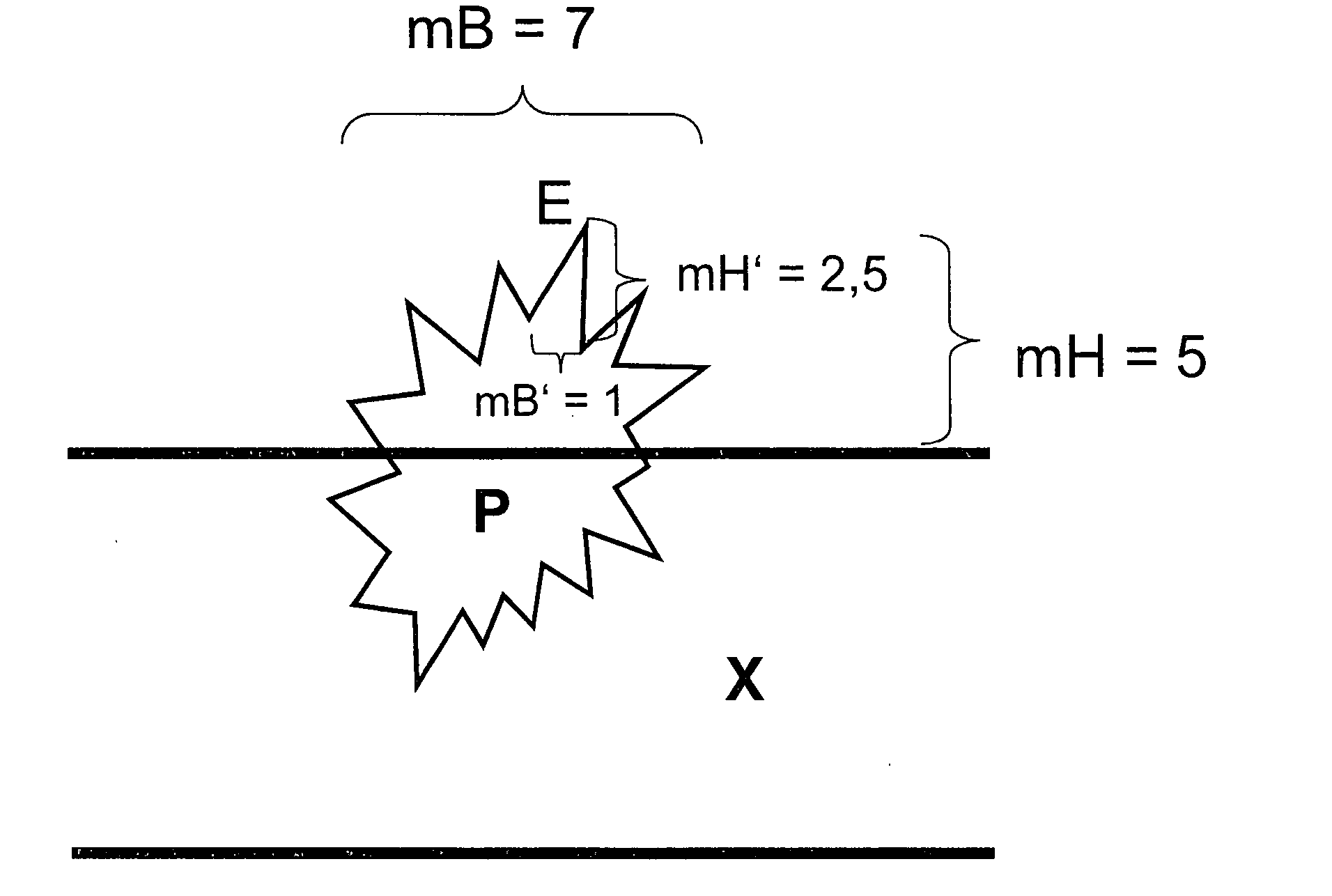
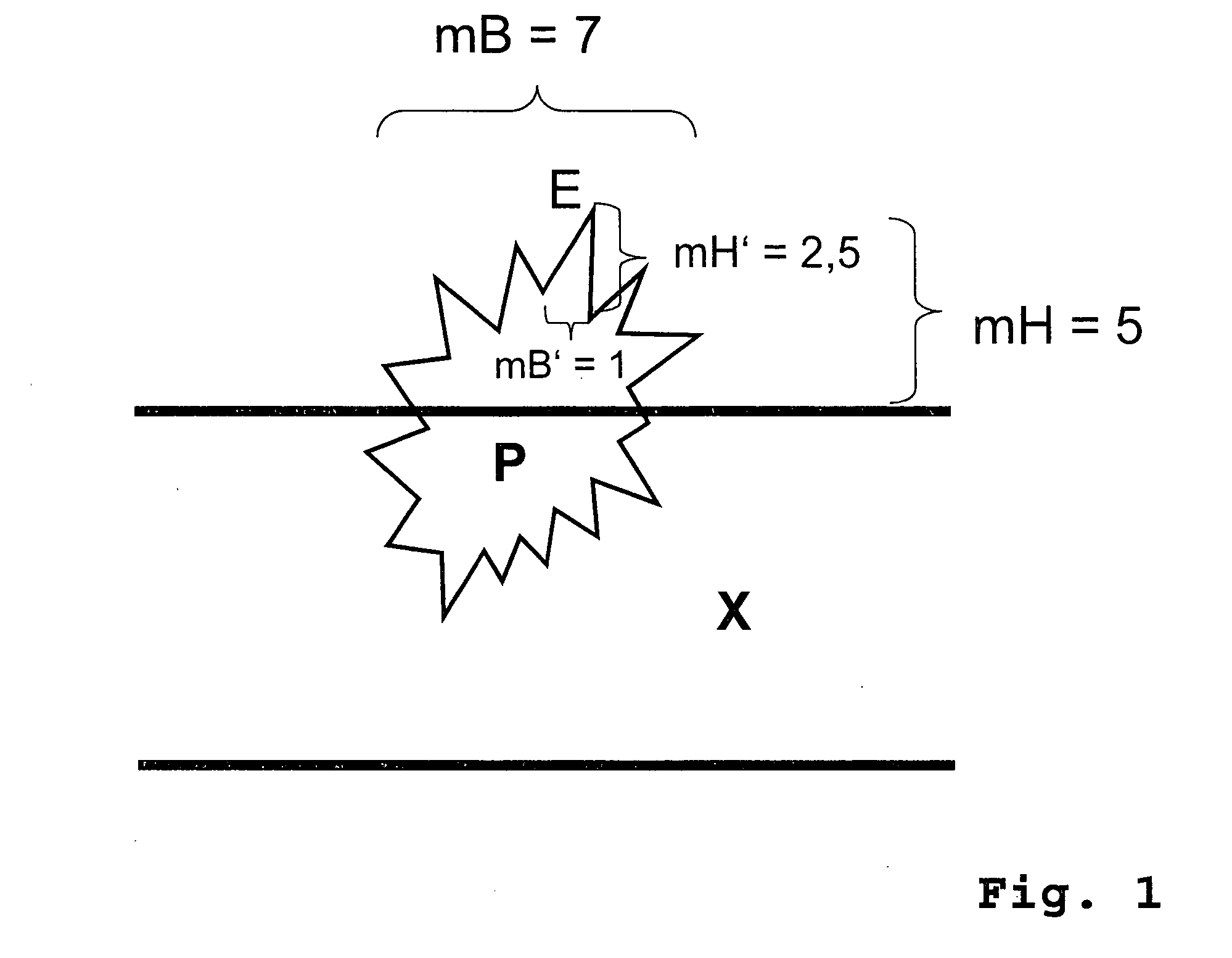
- A self-cleaning surface is created using a mixture of hydrophobic metal oxide particles and wax particles, fixed to a substrate, which enhances mechanical stability by providing a supporting effect similar to fins, allowing for higher abrasion resistance without compromising the self-cleaning properties.
Improvements relating to superhydrophobic surfaces
PatentWO2020183149A1
Innovation
- A superhydrophobic film comprising nanoparticles with a polymer coating, where the ratio of average particle size to polymer coating thickness is between 2.5:1 and 20:1, providing enhanced UV resistance and mechanical stability, and can be efficiently applied using methods like spray or dip coating, or hot pressing, without the need for fluorinated chemicals or specialized equipment.


Environmental Impact and Sustainability Assessment
Self-cleaning surfaces represent a significant advancement in sustainable technology, offering substantial environmental benefits across their lifecycle. These surfaces reduce the need for chemical cleaning agents, many of which contain harmful compounds that contaminate water systems and contribute to environmental degradation. Studies indicate that buildings implementing self-cleaning façades can reduce cleaning chemical usage by up to 70%, substantially decreasing the chemical burden on local ecosystems.
Water conservation represents another critical environmental advantage. Traditional cleaning methods for large surfaces such as building exteriors and solar panels typically consume 5-10 liters of water per square meter. Self-cleaning technologies can reduce this water requirement by 80-95%, presenting a significant conservation opportunity, particularly in water-stressed regions where cleaning needs must be balanced against resource scarcity.
The energy implications of self-cleaning surfaces extend beyond their manufacturing phase. For solar applications, self-cleaning panels maintain optimal energy generation efficiency without manual intervention. Research demonstrates that dust accumulation can reduce photovoltaic efficiency by 15-25% in arid regions, while self-cleaning coatings limit this reduction to just 3-5%, significantly improving renewable energy yields and associated carbon offsets.
Life cycle assessments reveal that despite energy-intensive manufacturing processes for some advanced self-cleaning materials, the net environmental impact remains positive when considering extended product lifespans and reduced maintenance requirements. Titanium dioxide-based photocatalytic coatings, while requiring energy-intensive production, demonstrate environmental payback periods of 2-4 years in typical applications through reduced cleaning needs and extended surface longevity.
Biodegradability and end-of-life considerations vary significantly across different self-cleaning technologies. Biomimetic approaches utilizing natural waxes and proteins offer superior biodegradability compared to fluoropolymer-based solutions, which present persistent environmental concerns. Recent patent activity shows increasing focus on developing biodegradable alternatives, with 28% of new self-cleaning surface patents in 2021-2022 specifically addressing end-of-life environmental impacts.
The air purification capabilities of photocatalytic self-cleaning surfaces provide additional environmental benefits in urban environments. These surfaces can break down nitrogen oxides and volatile organic compounds, effectively transforming passive building elements into active air purification systems. Field studies in urban settings demonstrate that widespread implementation could reduce certain air pollutants by 10-15% in the immediate vicinity of treated surfaces.
Water conservation represents another critical environmental advantage. Traditional cleaning methods for large surfaces such as building exteriors and solar panels typically consume 5-10 liters of water per square meter. Self-cleaning technologies can reduce this water requirement by 80-95%, presenting a significant conservation opportunity, particularly in water-stressed regions where cleaning needs must be balanced against resource scarcity.
The energy implications of self-cleaning surfaces extend beyond their manufacturing phase. For solar applications, self-cleaning panels maintain optimal energy generation efficiency without manual intervention. Research demonstrates that dust accumulation can reduce photovoltaic efficiency by 15-25% in arid regions, while self-cleaning coatings limit this reduction to just 3-5%, significantly improving renewable energy yields and associated carbon offsets.
Life cycle assessments reveal that despite energy-intensive manufacturing processes for some advanced self-cleaning materials, the net environmental impact remains positive when considering extended product lifespans and reduced maintenance requirements. Titanium dioxide-based photocatalytic coatings, while requiring energy-intensive production, demonstrate environmental payback periods of 2-4 years in typical applications through reduced cleaning needs and extended surface longevity.
Biodegradability and end-of-life considerations vary significantly across different self-cleaning technologies. Biomimetic approaches utilizing natural waxes and proteins offer superior biodegradability compared to fluoropolymer-based solutions, which present persistent environmental concerns. Recent patent activity shows increasing focus on developing biodegradable alternatives, with 28% of new self-cleaning surface patents in 2021-2022 specifically addressing end-of-life environmental impacts.
The air purification capabilities of photocatalytic self-cleaning surfaces provide additional environmental benefits in urban environments. These surfaces can break down nitrogen oxides and volatile organic compounds, effectively transforming passive building elements into active air purification systems. Field studies in urban settings demonstrate that widespread implementation could reduce certain air pollutants by 10-15% in the immediate vicinity of treated surfaces.
Regulatory Framework for Self-cleaning Materials
The regulatory landscape for self-cleaning materials has evolved significantly in recent years, reflecting growing concerns about chemical safety, environmental impact, and consumer protection. In the United States, the Environmental Protection Agency (EPA) regulates self-cleaning coatings under the Toxic Substances Control Act (TSCA), particularly those containing photocatalytic compounds like titanium dioxide. These regulations mandate comprehensive toxicity testing and environmental impact assessments before market approval.
The European Union has implemented more stringent frameworks through the Registration, Evaluation, Authorization and Restriction of Chemicals (REACH) regulation, which specifically addresses nanomaterials commonly used in self-cleaning surfaces. Additionally, the EU's Biocidal Products Regulation (BPR) covers self-cleaning surfaces that claim antimicrobial properties, requiring extensive efficacy and safety documentation.
In Asia, Japan's Ministry of Economy, Trade and Industry has established specific guidelines for photocatalytic self-cleaning materials, focusing on standardized performance metrics and safety requirements. China has recently strengthened its regulatory oversight through the Measures for Environmental Management of New Chemical Substances, which impacts the development and commercialization of novel self-cleaning technologies.
International standards organizations play a crucial role in harmonizing global approaches. The International Organization for Standardization (ISO) has developed ISO 27448 and ISO 10678, which standardize testing methods for self-cleaning performance of photocatalytic materials. These standards facilitate international trade while ensuring consistent quality and safety benchmarks.
Patent applications for self-cleaning technologies must navigate these complex regulatory frameworks, often requiring cross-jurisdictional compliance strategies. Analysis of recent patent filings reveals an increasing emphasis on regulatory considerations within claims and specifications, particularly regarding leaching potential, nanoparticle release, and long-term environmental fate.
Emerging regulatory trends indicate a shift toward lifecycle assessment requirements for self-cleaning materials, considering production, use, and disposal impacts. Several jurisdictions are developing specific provisions for consumer transparency, including mandatory labeling of nanomaterials and disclosure of potential environmental effects. These evolving requirements significantly influence patent strategy, with successful applications increasingly demonstrating regulatory foresight alongside technical innovation.
The European Union has implemented more stringent frameworks through the Registration, Evaluation, Authorization and Restriction of Chemicals (REACH) regulation, which specifically addresses nanomaterials commonly used in self-cleaning surfaces. Additionally, the EU's Biocidal Products Regulation (BPR) covers self-cleaning surfaces that claim antimicrobial properties, requiring extensive efficacy and safety documentation.
In Asia, Japan's Ministry of Economy, Trade and Industry has established specific guidelines for photocatalytic self-cleaning materials, focusing on standardized performance metrics and safety requirements. China has recently strengthened its regulatory oversight through the Measures for Environmental Management of New Chemical Substances, which impacts the development and commercialization of novel self-cleaning technologies.
International standards organizations play a crucial role in harmonizing global approaches. The International Organization for Standardization (ISO) has developed ISO 27448 and ISO 10678, which standardize testing methods for self-cleaning performance of photocatalytic materials. These standards facilitate international trade while ensuring consistent quality and safety benchmarks.
Patent applications for self-cleaning technologies must navigate these complex regulatory frameworks, often requiring cross-jurisdictional compliance strategies. Analysis of recent patent filings reveals an increasing emphasis on regulatory considerations within claims and specifications, particularly regarding leaching potential, nanoparticle release, and long-term environmental fate.
Emerging regulatory trends indicate a shift toward lifecycle assessment requirements for self-cleaning materials, considering production, use, and disposal impacts. Several jurisdictions are developing specific provisions for consumer transparency, including mandatory labeling of nanomaterials and disclosure of potential environmental effects. These evolving requirements significantly influence patent strategy, with successful applications increasingly demonstrating regulatory foresight alongside technical innovation.
Unlock deeper insights with PatSnap Eureka Quick Research — get a full tech report to explore trends and direct your research. Try now!
Generate Your Research Report Instantly with AI Agent
Supercharge your innovation with PatSnap Eureka AI Agent Platform!