Technological synergies between PHEV and microgrid systems
AUG 14, 20259 MIN READ
Generate Your Research Report Instantly with AI Agent
Patsnap Eureka helps you evaluate technical feasibility & market potential.
PHEV-Microgrid Synergy Background and Objectives
The synergy between Plug-in Hybrid Electric Vehicles (PHEVs) and microgrid systems represents a significant advancement in the integration of transportation and energy sectors. This technological convergence has emerged as a response to the growing need for sustainable energy solutions and the increasing electrification of transportation.
PHEVs, which combine internal combustion engines with rechargeable battery packs, have gained traction as an intermediate step towards full vehicle electrification. These vehicles offer the flexibility of operating on both electricity and conventional fuel, addressing range anxiety concerns while reducing overall emissions. Concurrently, microgrid systems have evolved as localized power networks capable of operating independently or in conjunction with the main grid, enhancing energy resilience and efficiency.
The intersection of these two technologies presents a unique opportunity to leverage the strengths of both systems. PHEVs, with their substantial battery capacity, can potentially serve as mobile energy storage units within a microgrid framework. This synergy aims to optimize energy distribution, improve grid stability, and maximize the utilization of renewable energy sources.
The primary objective of exploring PHEV-microgrid synergies is to create a more robust, flexible, and sustainable energy ecosystem. By integrating PHEVs into microgrid systems, we seek to enhance load balancing capabilities, provide emergency power supply during outages, and facilitate the integration of intermittent renewable energy sources such as solar and wind power.
Furthermore, this technological convergence aims to address several key challenges in both the transportation and energy sectors. These include reducing greenhouse gas emissions, mitigating the impact of peak energy demand, improving overall energy efficiency, and enhancing the resilience of power distribution networks.
The development of PHEV-microgrid synergies also aligns with broader global initiatives to combat climate change and transition towards a low-carbon economy. As countries worldwide set ambitious targets for renewable energy adoption and electric vehicle penetration, the integration of these technologies becomes increasingly crucial.
In the context of smart cities and sustainable urban development, PHEV-microgrid synergies play a pivotal role in shaping the future of urban energy systems. This technological integration supports the concept of vehicle-to-grid (V2G) and vehicle-to-home (V2H) applications, where PHEVs can actively participate in energy management strategies, potentially reducing electricity costs for consumers and providing additional revenue streams for vehicle owners.
PHEVs, which combine internal combustion engines with rechargeable battery packs, have gained traction as an intermediate step towards full vehicle electrification. These vehicles offer the flexibility of operating on both electricity and conventional fuel, addressing range anxiety concerns while reducing overall emissions. Concurrently, microgrid systems have evolved as localized power networks capable of operating independently or in conjunction with the main grid, enhancing energy resilience and efficiency.
The intersection of these two technologies presents a unique opportunity to leverage the strengths of both systems. PHEVs, with their substantial battery capacity, can potentially serve as mobile energy storage units within a microgrid framework. This synergy aims to optimize energy distribution, improve grid stability, and maximize the utilization of renewable energy sources.
The primary objective of exploring PHEV-microgrid synergies is to create a more robust, flexible, and sustainable energy ecosystem. By integrating PHEVs into microgrid systems, we seek to enhance load balancing capabilities, provide emergency power supply during outages, and facilitate the integration of intermittent renewable energy sources such as solar and wind power.
Furthermore, this technological convergence aims to address several key challenges in both the transportation and energy sectors. These include reducing greenhouse gas emissions, mitigating the impact of peak energy demand, improving overall energy efficiency, and enhancing the resilience of power distribution networks.
The development of PHEV-microgrid synergies also aligns with broader global initiatives to combat climate change and transition towards a low-carbon economy. As countries worldwide set ambitious targets for renewable energy adoption and electric vehicle penetration, the integration of these technologies becomes increasingly crucial.
In the context of smart cities and sustainable urban development, PHEV-microgrid synergies play a pivotal role in shaping the future of urban energy systems. This technological integration supports the concept of vehicle-to-grid (V2G) and vehicle-to-home (V2H) applications, where PHEVs can actively participate in energy management strategies, potentially reducing electricity costs for consumers and providing additional revenue streams for vehicle owners.
Market Analysis for PHEV-Microgrid Integration
The integration of Plug-in Hybrid Electric Vehicles (PHEVs) and microgrid systems represents a significant market opportunity with substantial growth potential. This synergy addresses key challenges in both the automotive and energy sectors, offering solutions for sustainable transportation and grid stability.
The global PHEV market is experiencing rapid expansion, with projections indicating continued growth over the next decade. This growth is driven by increasing environmental concerns, government incentives, and advancements in battery technology. Concurrently, the microgrid market is also witnessing substantial development, fueled by the need for resilient and decentralized power systems.
The convergence of these two markets creates a unique value proposition. PHEVs can serve as mobile energy storage units, providing additional capacity and flexibility to microgrid systems. This integration allows for more efficient use of renewable energy sources, load balancing, and enhanced grid stability during peak demand periods or power outages.
Market analysis reveals several key drivers for PHEV-microgrid integration. First, the increasing adoption of smart grid technologies and the Internet of Things (IoT) enables seamless communication between vehicles and grid infrastructure. This connectivity facilitates real-time energy management and optimizes the use of available resources.
Second, the growing emphasis on renewable energy integration and carbon reduction targets creates a favorable environment for PHEV-microgrid synergies. These integrated systems can help utilities and businesses meet sustainability goals while improving overall energy efficiency.
Third, the rising frequency of extreme weather events and natural disasters underscores the importance of resilient power systems. PHEV-microgrid integration offers a solution for emergency power supply and grid stabilization during critical situations.
From a consumer perspective, the integration of PHEVs with microgrids presents opportunities for cost savings and increased energy independence. Vehicle-to-grid (V2G) technology allows PHEV owners to sell excess energy back to the grid or power their homes during outages, creating new revenue streams and enhancing energy security.
However, the market also faces challenges. The high initial costs of both PHEVs and microgrid infrastructure may slow adoption rates, particularly in developing economies. Additionally, regulatory frameworks and standardization issues need to be addressed to ensure seamless integration and interoperability across different systems and regions.
Despite these challenges, the long-term market outlook for PHEV-microgrid integration remains positive. As technology costs continue to decrease and supportive policies are implemented, the market is expected to expand significantly. This growth will likely be accompanied by the emergence of new business models and service offerings, further driving innovation and market penetration in the coming years.
The global PHEV market is experiencing rapid expansion, with projections indicating continued growth over the next decade. This growth is driven by increasing environmental concerns, government incentives, and advancements in battery technology. Concurrently, the microgrid market is also witnessing substantial development, fueled by the need for resilient and decentralized power systems.
The convergence of these two markets creates a unique value proposition. PHEVs can serve as mobile energy storage units, providing additional capacity and flexibility to microgrid systems. This integration allows for more efficient use of renewable energy sources, load balancing, and enhanced grid stability during peak demand periods or power outages.
Market analysis reveals several key drivers for PHEV-microgrid integration. First, the increasing adoption of smart grid technologies and the Internet of Things (IoT) enables seamless communication between vehicles and grid infrastructure. This connectivity facilitates real-time energy management and optimizes the use of available resources.
Second, the growing emphasis on renewable energy integration and carbon reduction targets creates a favorable environment for PHEV-microgrid synergies. These integrated systems can help utilities and businesses meet sustainability goals while improving overall energy efficiency.
Third, the rising frequency of extreme weather events and natural disasters underscores the importance of resilient power systems. PHEV-microgrid integration offers a solution for emergency power supply and grid stabilization during critical situations.
From a consumer perspective, the integration of PHEVs with microgrids presents opportunities for cost savings and increased energy independence. Vehicle-to-grid (V2G) technology allows PHEV owners to sell excess energy back to the grid or power their homes during outages, creating new revenue streams and enhancing energy security.
However, the market also faces challenges. The high initial costs of both PHEVs and microgrid infrastructure may slow adoption rates, particularly in developing economies. Additionally, regulatory frameworks and standardization issues need to be addressed to ensure seamless integration and interoperability across different systems and regions.
Despite these challenges, the long-term market outlook for PHEV-microgrid integration remains positive. As technology costs continue to decrease and supportive policies are implemented, the market is expected to expand significantly. This growth will likely be accompanied by the emergence of new business models and service offerings, further driving innovation and market penetration in the coming years.
Current Challenges in PHEV-Microgrid Synergy
The integration of Plug-in Hybrid Electric Vehicles (PHEVs) and microgrid systems presents several significant challenges that need to be addressed for successful synergy. One of the primary obstacles is the lack of standardized communication protocols between PHEVs and microgrid infrastructure. This absence of uniformity hinders seamless integration and efficient energy exchange, limiting the potential benefits of the combined system.
Another critical challenge lies in the complex power management required to balance the energy flow between PHEVs and microgrids. The unpredictable nature of PHEV charging patterns and varying energy demands of the microgrid make it difficult to optimize power distribution and maintain grid stability. This complexity is further compounded by the need to integrate renewable energy sources, which often have intermittent output.
The current battery technology in PHEVs also poses limitations. While advancements have been made, the energy storage capacity and charging speeds of PHEV batteries are still not optimal for fully leveraging the potential of microgrid integration. This constraint affects the ability of PHEVs to serve as effective mobile energy storage units within the microgrid ecosystem.
Infrastructure readiness is another significant hurdle. Many existing microgrids and power distribution systems are not equipped to handle bi-directional power flow, which is essential for vehicle-to-grid (V2G) applications. Upgrading this infrastructure requires substantial investments and careful planning to ensure compatibility and safety.
Regulatory frameworks and policies also present challenges. The lack of clear guidelines and incentives for PHEV-microgrid integration in many regions creates uncertainty for stakeholders and slows down adoption. Issues such as energy pricing, grid access, and liability in case of system failures need to be addressed through comprehensive regulatory measures.
Cybersecurity concerns pose a growing challenge as the integration of PHEVs and microgrids increases the number of potential entry points for cyber attacks. Protecting the system from unauthorized access and ensuring the integrity of data exchanges between vehicles and the grid is crucial for maintaining system reliability and user trust.
Lastly, there is a need for advanced forecasting and scheduling algorithms to predict PHEV charging demands and microgrid energy availability. Current models often struggle to accurately account for the dynamic nature of both PHEVs and renewable energy sources within microgrids, leading to suboptimal energy management and potential grid instabilities.
Another critical challenge lies in the complex power management required to balance the energy flow between PHEVs and microgrids. The unpredictable nature of PHEV charging patterns and varying energy demands of the microgrid make it difficult to optimize power distribution and maintain grid stability. This complexity is further compounded by the need to integrate renewable energy sources, which often have intermittent output.
The current battery technology in PHEVs also poses limitations. While advancements have been made, the energy storage capacity and charging speeds of PHEV batteries are still not optimal for fully leveraging the potential of microgrid integration. This constraint affects the ability of PHEVs to serve as effective mobile energy storage units within the microgrid ecosystem.
Infrastructure readiness is another significant hurdle. Many existing microgrids and power distribution systems are not equipped to handle bi-directional power flow, which is essential for vehicle-to-grid (V2G) applications. Upgrading this infrastructure requires substantial investments and careful planning to ensure compatibility and safety.
Regulatory frameworks and policies also present challenges. The lack of clear guidelines and incentives for PHEV-microgrid integration in many regions creates uncertainty for stakeholders and slows down adoption. Issues such as energy pricing, grid access, and liability in case of system failures need to be addressed through comprehensive regulatory measures.
Cybersecurity concerns pose a growing challenge as the integration of PHEVs and microgrids increases the number of potential entry points for cyber attacks. Protecting the system from unauthorized access and ensuring the integrity of data exchanges between vehicles and the grid is crucial for maintaining system reliability and user trust.
Lastly, there is a need for advanced forecasting and scheduling algorithms to predict PHEV charging demands and microgrid energy availability. Current models often struggle to accurately account for the dynamic nature of both PHEVs and renewable energy sources within microgrids, leading to suboptimal energy management and potential grid instabilities.
Existing PHEV-Microgrid Integration Solutions
01 Integration of PHEVs with microgrid systems
Plug-in Hybrid Electric Vehicles (PHEVs) can be integrated with microgrid systems to enhance energy efficiency and grid stability. This integration allows for bidirectional power flow, enabling PHEVs to act as mobile energy storage units. When connected to the microgrid, PHEVs can provide power during peak demand periods or absorb excess energy during off-peak hours, contributing to load balancing and grid optimization.- Integration of PHEVs with microgrid systems: This involves the seamless integration of Plug-in Hybrid Electric Vehicles (PHEVs) with microgrid systems. The integration allows for bidirectional power flow, enabling PHEVs to act as both energy consumers and providers. This system can enhance grid stability, provide backup power during outages, and optimize energy distribution within the microgrid.
- Smart charging and discharging strategies for PHEVs in microgrids: This focuses on developing intelligent algorithms and control systems for managing the charging and discharging of PHEVs within a microgrid. These strategies aim to balance grid load, minimize peak demand, and maximize the use of renewable energy sources. They also consider factors such as electricity prices, grid conditions, and vehicle owner preferences.
- Vehicle-to-Grid (V2G) technology for PHEVs in microgrids: This technology enables PHEVs to feed power back to the grid when needed. V2G systems allow PHEVs to serve as mobile energy storage units, providing ancillary services to the microgrid such as frequency regulation, voltage support, and peak shaving. This bidirectional energy flow can improve grid resilience and increase the integration of renewable energy sources.
- Energy management systems for PHEV-integrated microgrids: These systems are designed to optimize the overall energy flow within a microgrid that includes PHEVs. They coordinate the power generation, storage, and consumption across various components of the microgrid, including renewable sources, stationary storage, and PHEVs. The goal is to maximize efficiency, reduce costs, and ensure reliable power supply.
- Renewable energy integration with PHEVs in microgrid systems: This approach focuses on leveraging PHEVs to enhance the integration of renewable energy sources within microgrids. PHEVs can act as flexible energy storage units, helping to balance the intermittent nature of renewable sources like solar and wind. This integration can lead to increased renewable energy utilization and reduced reliance on conventional power sources.
02 Smart charging and discharging strategies for PHEVs in microgrids
Advanced algorithms and control systems are developed to manage the charging and discharging of PHEVs within microgrid environments. These strategies optimize the timing and rate of energy transfer between vehicles and the grid, considering factors such as electricity prices, grid demand, and vehicle usage patterns. This intelligent management helps to maximize the benefits of PHEV integration while minimizing stress on the microgrid infrastructure.Expand Specific Solutions03 Renewable energy integration with PHEV-microgrid systems
The combination of PHEVs, microgrids, and renewable energy sources creates a synergistic system for sustainable energy management. Solar panels, wind turbines, and other renewable sources can be integrated into the microgrid to charge PHEVs and supply local energy needs. This integration reduces reliance on fossil fuels, decreases carbon emissions, and enhances the overall resilience and sustainability of the energy ecosystem.Expand Specific Solutions04 Vehicle-to-Grid (V2G) technology in PHEV-microgrid systems
Vehicle-to-Grid (V2G) technology enables PHEVs to not only receive power from the microgrid but also feed power back into the grid when needed. This bidirectional energy flow allows PHEVs to serve as distributed energy resources, providing ancillary services such as frequency regulation and voltage support to the microgrid. V2G technology enhances grid stability and creates new opportunities for PHEV owners to participate in energy markets.Expand Specific Solutions05 Energy management and optimization in PHEV-microgrid systems
Advanced energy management systems are developed to optimize the operation of PHEV-microgrid integrated systems. These systems utilize real-time data, predictive analytics, and machine learning algorithms to forecast energy demand, manage power flow, and coordinate the charging and discharging of PHEVs. The goal is to maximize energy efficiency, reduce operational costs, and ensure reliable power supply while minimizing environmental impact.Expand Specific Solutions
Key Players in PHEV and Microgrid Industries
The technological synergies between PHEV and microgrid systems are in an early development stage, with the market showing significant growth potential. The integration of these technologies is gaining traction as the automotive and energy sectors converge. Companies like Johnson Controls, Ford Global Technologies, and Honda Motor Co. are at the forefront of PHEV development, while firms such as NEC Corp. and Sumitomo Electric Industries are advancing microgrid technologies. The synergy between these systems is still evolving, with varying levels of technological maturity across different aspects of integration. Research institutions like Indian Institute of Technology Delhi and National Institute of Technology Patna are contributing to the advancement of these technologies, indicating a growing focus on R&D in this field.
Ford Global Technologies LLC
Technical Solution: Ford has developed an innovative Vehicle-to-Grid (V2G) system for PHEVs that integrates seamlessly with microgrid systems. Their technology allows PHEVs to not only draw power from the grid but also feed excess energy back, creating a bidirectional power flow. This system utilizes advanced power electronics and smart charging algorithms to optimize energy transfer between vehicles and the microgrid[1]. Ford's solution includes a proprietary Energy Management System (EMS) that coordinates charging schedules based on grid demand, electricity prices, and user preferences[3]. The company has also implemented machine learning algorithms to predict energy consumption patterns and adjust the system's behavior accordingly, enhancing overall efficiency[5].
Strengths: Established automotive expertise, large-scale manufacturing capabilities, and extensive R&D resources. Weaknesses: Relatively new to the energy sector, potential challenges in integrating with existing utility infrastructure.
Honda Motor Co., Ltd.
Technical Solution: Honda has developed a comprehensive PHEV-microgrid integration system called "Honda Smart Home System" (HSHS). This technology combines PHEVs with residential solar panels, stationary batteries, and smart home energy management systems. HSHS utilizes AI-driven algorithms to optimize energy flow between the vehicle, home, and grid[2]. Honda's system includes a unique feature called "Power Exporter 9000," which allows PHEVs to serve as mobile power sources during emergencies or grid outages[4]. The company has also implemented blockchain technology to facilitate secure and transparent energy transactions between PHEV owners and the microgrid[6].
Strengths: Strong brand recognition, diverse product portfolio including both automotive and power equipment. Weaknesses: Limited experience in large-scale grid management, potential regulatory challenges in different markets.
Core Innovations in PHEV-Microgrid Synergy
I-moped: intelligent moped vehicles moves using hybrid technology
PatentInactiveIN201821029069A
Innovation
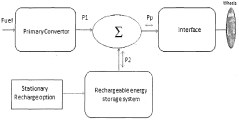
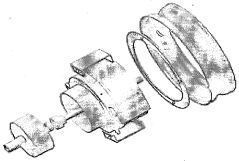
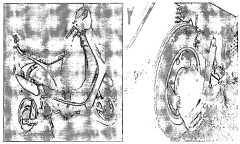
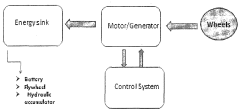
- A hybrid electric moped using a two-stroke internal combustion engine and a hub motor, integrated with a regenerative braking system and wind power generation, where the vehicle automatically switches to a petrol fuel source when the battery is low, optimizing energy and fuel consumption through a multi-mode approach.
Plugin hybrid electric vehicle with v2g optimization system
PatentActiveUS20090229900A1
Innovation
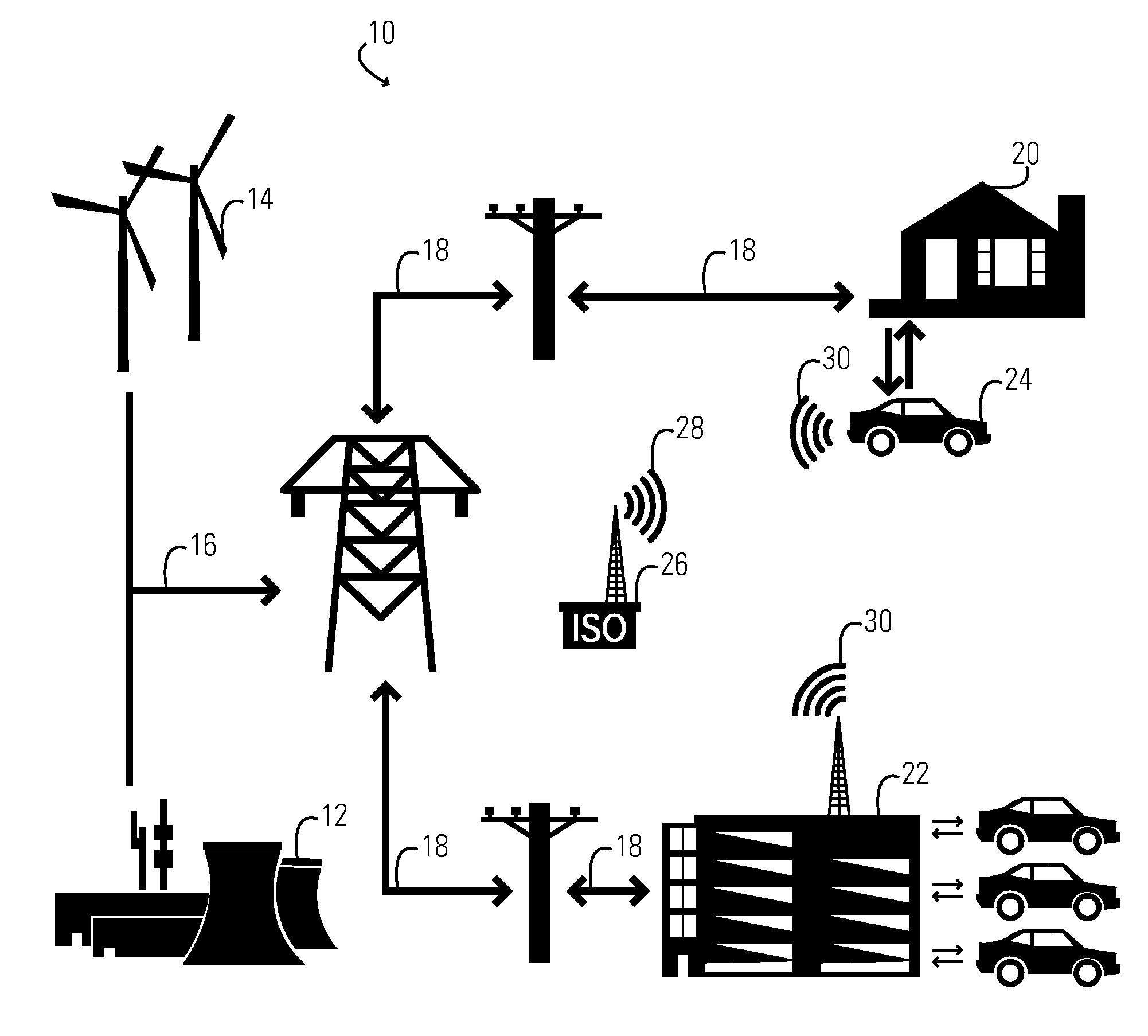
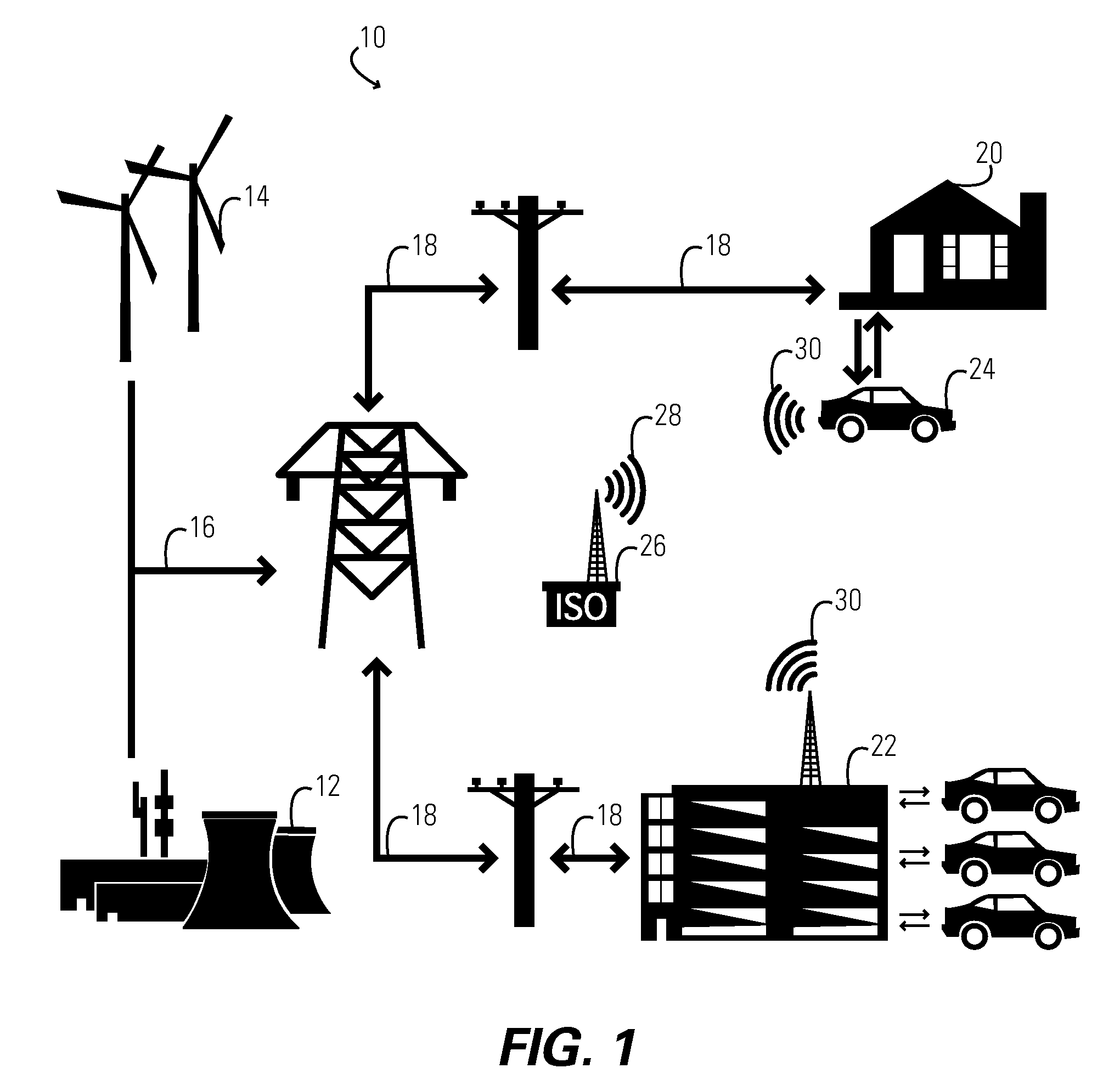
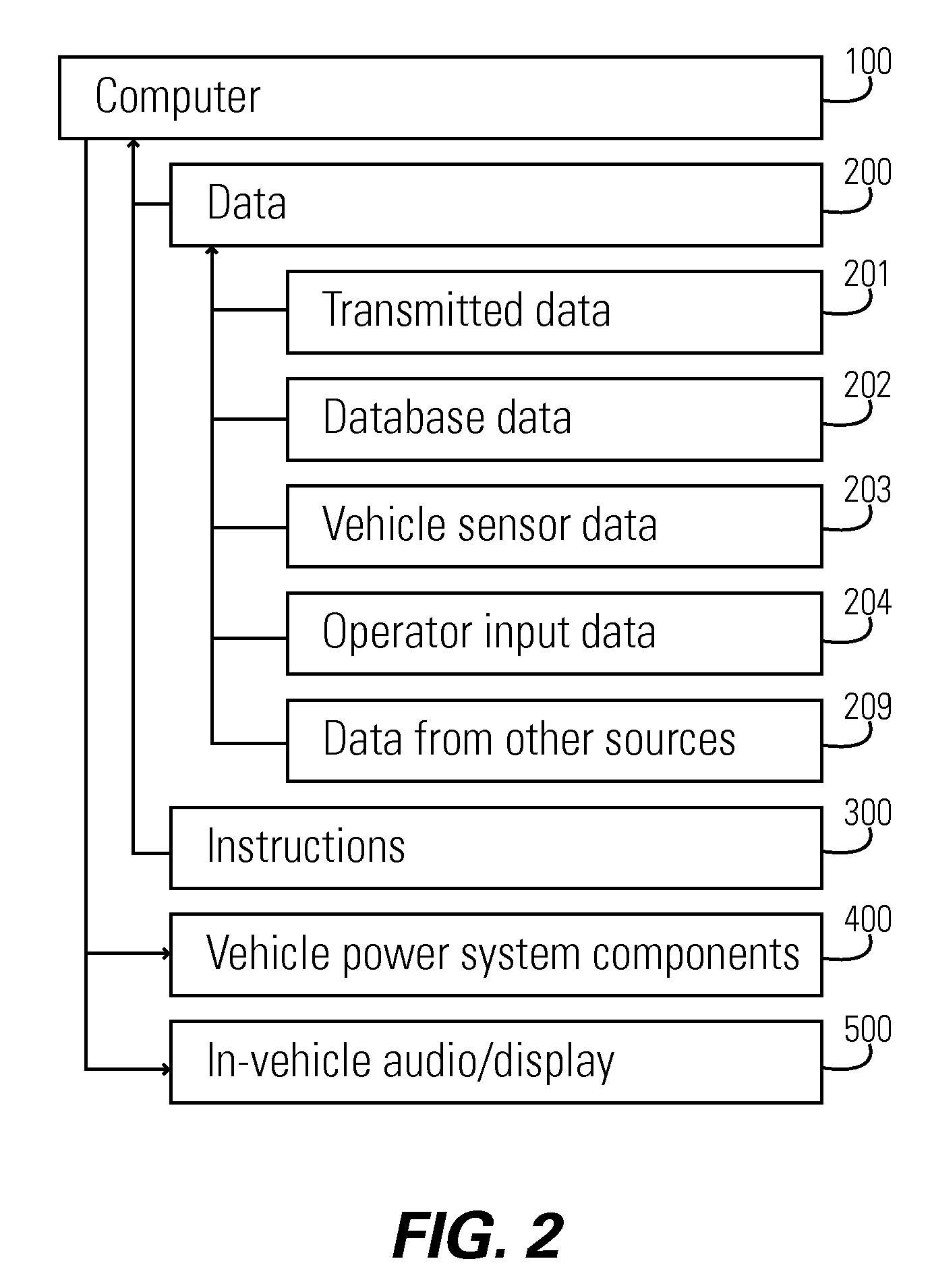
- A system that includes a plug-in hybrid electric vehicle (PHEV) with a computer that receives data on expected grid conditions and driver needs, controlling battery charging and discharging to optimize state of charge, allowing the vehicle to act as a power source or storage unit, and providing economic benefits to drivers.
Regulatory Framework for PHEV-Microgrid Systems
The regulatory framework for PHEV-microgrid systems is a complex and evolving landscape that plays a crucial role in shaping the integration of plug-in hybrid electric vehicles (PHEVs) with microgrid technologies. This framework encompasses a wide range of policies, standards, and guidelines designed to ensure the safe, efficient, and sustainable operation of these interconnected systems.
At the federal level, key regulations include the Energy Independence and Security Act of 2007, which provides a foundation for smart grid development and integration of electric vehicles. The Federal Energy Regulatory Commission (FERC) has also issued orders, such as Order No. 2222, that aim to remove barriers to the participation of distributed energy resources, including PHEVs, in wholesale electricity markets.
State-level regulations vary significantly across jurisdictions, with some states taking a more proactive approach to PHEV-microgrid integration. For example, California has implemented aggressive policies to promote electric vehicle adoption and microgrid development, including the Electric Program Investment Charge (EPIC) program and the Self-Generation Incentive Program (SGIP).
Technical standards play a crucial role in ensuring interoperability and safety. The Society of Automotive Engineers (SAE) has developed standards such as J1772 for EV charging connectors, while the Institute of Electrical and Electronics Engineers (IEEE) has established standards like IEEE 1547 for interconnecting distributed resources with electric power systems.
Cybersecurity regulations are becoming increasingly important as PHEV-microgrid systems become more interconnected. The North American Electric Reliability Corporation (NERC) has developed Critical Infrastructure Protection (CIP) standards that address cybersecurity concerns in the power sector, which may have implications for PHEV-microgrid systems.
Environmental regulations also impact PHEV-microgrid integration. The Environmental Protection Agency's (EPA) Clean Power Plan and various state-level renewable portfolio standards indirectly influence the adoption of these technologies by promoting cleaner energy sources and grid modernization.
As the technology continues to evolve, regulatory frameworks must adapt to address new challenges and opportunities. This includes developing guidelines for vehicle-to-grid (V2G) services, establishing protocols for data sharing and privacy protection, and creating incentive structures that encourage optimal use of PHEV batteries for grid support.
The successful integration of PHEVs with microgrid systems will require ongoing collaboration between policymakers, industry stakeholders, and technical experts to ensure that regulations keep pace with technological advancements while promoting innovation and protecting consumer interests.
At the federal level, key regulations include the Energy Independence and Security Act of 2007, which provides a foundation for smart grid development and integration of electric vehicles. The Federal Energy Regulatory Commission (FERC) has also issued orders, such as Order No. 2222, that aim to remove barriers to the participation of distributed energy resources, including PHEVs, in wholesale electricity markets.
State-level regulations vary significantly across jurisdictions, with some states taking a more proactive approach to PHEV-microgrid integration. For example, California has implemented aggressive policies to promote electric vehicle adoption and microgrid development, including the Electric Program Investment Charge (EPIC) program and the Self-Generation Incentive Program (SGIP).
Technical standards play a crucial role in ensuring interoperability and safety. The Society of Automotive Engineers (SAE) has developed standards such as J1772 for EV charging connectors, while the Institute of Electrical and Electronics Engineers (IEEE) has established standards like IEEE 1547 for interconnecting distributed resources with electric power systems.
Cybersecurity regulations are becoming increasingly important as PHEV-microgrid systems become more interconnected. The North American Electric Reliability Corporation (NERC) has developed Critical Infrastructure Protection (CIP) standards that address cybersecurity concerns in the power sector, which may have implications for PHEV-microgrid systems.
Environmental regulations also impact PHEV-microgrid integration. The Environmental Protection Agency's (EPA) Clean Power Plan and various state-level renewable portfolio standards indirectly influence the adoption of these technologies by promoting cleaner energy sources and grid modernization.
As the technology continues to evolve, regulatory frameworks must adapt to address new challenges and opportunities. This includes developing guidelines for vehicle-to-grid (V2G) services, establishing protocols for data sharing and privacy protection, and creating incentive structures that encourage optimal use of PHEV batteries for grid support.
The successful integration of PHEVs with microgrid systems will require ongoing collaboration between policymakers, industry stakeholders, and technical experts to ensure that regulations keep pace with technological advancements while promoting innovation and protecting consumer interests.
Environmental Impact Assessment
The integration of Plug-in Hybrid Electric Vehicles (PHEVs) and microgrid systems presents significant potential for environmental benefits. This synergy can lead to reduced greenhouse gas emissions, improved air quality, and enhanced energy efficiency. PHEVs, when connected to microgrids, can serve as mobile energy storage units, facilitating the integration of renewable energy sources and reducing reliance on fossil fuels.
One of the primary environmental advantages of this technological synergy is the potential for decreased carbon emissions. By utilizing the energy stored in PHEV batteries during peak demand periods, microgrids can reduce their dependence on traditional power plants, which often rely on fossil fuels. This shift towards cleaner energy sources can significantly lower the carbon footprint of both transportation and electricity generation sectors.
Furthermore, the combination of PHEVs and microgrids can enhance the overall efficiency of the energy system. The bidirectional charging capability of PHEVs allows for vehicle-to-grid (V2G) technology, enabling excess energy stored in vehicle batteries to be fed back into the microgrid. This feature not only maximizes the use of renewable energy but also helps to stabilize the grid during periods of high demand or intermittent renewable energy generation.
The environmental impact of this synergy extends to air quality improvements in urban areas. As PHEVs rely more on electricity from microgrids, which can increasingly be powered by renewable sources, there is a corresponding reduction in tailpipe emissions. This shift can lead to decreased levels of particulate matter, nitrogen oxides, and other pollutants associated with conventional internal combustion engines.
Additionally, the integration of PHEVs and microgrids can contribute to the mitigation of the urban heat island effect. By reducing the need for large, centralized power plants and promoting distributed energy generation, this synergy can help lower the heat output in urban environments, potentially leading to more comfortable and sustainable cities.
However, it is essential to consider the life cycle environmental impacts of both PHEVs and microgrid components. The production of batteries for PHEVs and the manufacturing of renewable energy technologies for microgrids can have significant environmental footprints. Proper recycling and disposal processes for these components must be developed and implemented to maximize the net environmental benefits of this technological synergy.
In conclusion, the environmental impact assessment of the synergy between PHEVs and microgrid systems reveals substantial potential for positive outcomes. While challenges remain, particularly in terms of life cycle considerations, the overall environmental benefits of this integration are promising and warrant further research and development to optimize their implementation and maximize their positive impact on the environment.
One of the primary environmental advantages of this technological synergy is the potential for decreased carbon emissions. By utilizing the energy stored in PHEV batteries during peak demand periods, microgrids can reduce their dependence on traditional power plants, which often rely on fossil fuels. This shift towards cleaner energy sources can significantly lower the carbon footprint of both transportation and electricity generation sectors.
Furthermore, the combination of PHEVs and microgrids can enhance the overall efficiency of the energy system. The bidirectional charging capability of PHEVs allows for vehicle-to-grid (V2G) technology, enabling excess energy stored in vehicle batteries to be fed back into the microgrid. This feature not only maximizes the use of renewable energy but also helps to stabilize the grid during periods of high demand or intermittent renewable energy generation.
The environmental impact of this synergy extends to air quality improvements in urban areas. As PHEVs rely more on electricity from microgrids, which can increasingly be powered by renewable sources, there is a corresponding reduction in tailpipe emissions. This shift can lead to decreased levels of particulate matter, nitrogen oxides, and other pollutants associated with conventional internal combustion engines.
Additionally, the integration of PHEVs and microgrids can contribute to the mitigation of the urban heat island effect. By reducing the need for large, centralized power plants and promoting distributed energy generation, this synergy can help lower the heat output in urban environments, potentially leading to more comfortable and sustainable cities.
However, it is essential to consider the life cycle environmental impacts of both PHEVs and microgrid components. The production of batteries for PHEVs and the manufacturing of renewable energy technologies for microgrids can have significant environmental footprints. Proper recycling and disposal processes for these components must be developed and implemented to maximize the net environmental benefits of this technological synergy.
In conclusion, the environmental impact assessment of the synergy between PHEVs and microgrid systems reveals substantial potential for positive outcomes. While challenges remain, particularly in terms of life cycle considerations, the overall environmental benefits of this integration are promising and warrant further research and development to optimize their implementation and maximize their positive impact on the environment.
Unlock deeper insights with Patsnap Eureka Quick Research — get a full tech report to explore trends and direct your research. Try now!
Generate Your Research Report Instantly with AI Agent
Supercharge your innovation with Patsnap Eureka AI Agent Platform!