

Testing Conformal Coating Efficacy in Marine Environments
SEP 17, 20259 MIN READ
Generate Your Research Report Instantly with AI Agent
PatSnap Eureka helps you evaluate technical feasibility & market potential.
Marine Conformal Coating Background and Objectives
Conformal coating technology has evolved significantly over the past five decades, transitioning from simple protective layers to sophisticated engineered materials designed specifically for harsh environmental conditions. In marine environments, electronic components face unique challenges including salt spray, high humidity, temperature fluctuations, and biological growth that can rapidly degrade unprotected circuits. The historical development of marine conformal coatings began in the 1960s with basic acrylic and silicone formulations, progressing through enhanced urethane and epoxy variants in the 1980s-1990s, to today's advanced nano-engineered coatings with self-healing properties.
The marine electronics sector has experienced exponential growth, with the global marine electronics market projected to reach $7.8 billion by 2025, driving demand for more effective protective solutions. Current technological trends focus on developing coatings that not only protect against corrosion but also offer enhanced thermal management, reduced application thickness, and improved adhesion properties while maintaining flexibility under mechanical stress.
Testing methodologies for conformal coating efficacy have similarly evolved from basic salt spray tests to comprehensive multi-parameter evaluation protocols that simulate real-world marine conditions. The primary objective of marine conformal coating testing is to establish reliable predictive models that correlate accelerated laboratory testing with actual field performance across various marine environments ranging from tropical to arctic conditions.
Key technical objectives for advancing marine conformal coating testing include: developing standardized test protocols specifically calibrated for marine environments; establishing quantifiable performance metrics that accurately predict coating longevity; creating non-destructive evaluation methods for in-service assessment; and formulating computational models that can simulate coating behavior under complex environmental interactions.
The integration of IoT sensors and real-time monitoring capabilities represents an emerging frontier, potentially enabling continuous assessment of coating performance in operational environments. This approach aims to bridge the gap between laboratory testing and real-world performance by providing data-driven insights into degradation mechanisms and failure modes.
Regulatory considerations further shape the technical landscape, with increasing restrictions on volatile organic compounds (VOCs) and certain halogenated compounds driving innovation toward environmentally sustainable formulations that maintain or exceed performance standards. The technical challenge lies in developing testing methodologies that can effectively evaluate these new eco-friendly alternatives against traditional solutions across the full spectrum of marine environmental stressors.
The marine electronics sector has experienced exponential growth, with the global marine electronics market projected to reach $7.8 billion by 2025, driving demand for more effective protective solutions. Current technological trends focus on developing coatings that not only protect against corrosion but also offer enhanced thermal management, reduced application thickness, and improved adhesion properties while maintaining flexibility under mechanical stress.
Testing methodologies for conformal coating efficacy have similarly evolved from basic salt spray tests to comprehensive multi-parameter evaluation protocols that simulate real-world marine conditions. The primary objective of marine conformal coating testing is to establish reliable predictive models that correlate accelerated laboratory testing with actual field performance across various marine environments ranging from tropical to arctic conditions.
Key technical objectives for advancing marine conformal coating testing include: developing standardized test protocols specifically calibrated for marine environments; establishing quantifiable performance metrics that accurately predict coating longevity; creating non-destructive evaluation methods for in-service assessment; and formulating computational models that can simulate coating behavior under complex environmental interactions.
The integration of IoT sensors and real-time monitoring capabilities represents an emerging frontier, potentially enabling continuous assessment of coating performance in operational environments. This approach aims to bridge the gap between laboratory testing and real-world performance by providing data-driven insights into degradation mechanisms and failure modes.
Regulatory considerations further shape the technical landscape, with increasing restrictions on volatile organic compounds (VOCs) and certain halogenated compounds driving innovation toward environmentally sustainable formulations that maintain or exceed performance standards. The technical challenge lies in developing testing methodologies that can effectively evaluate these new eco-friendly alternatives against traditional solutions across the full spectrum of marine environmental stressors.
Market Analysis for Marine-Grade Protective Coatings
The marine protective coatings market is experiencing robust growth, driven by expanding maritime activities and increasing awareness of asset protection in harsh environments. Currently valued at approximately $6.2 billion globally, this market is projected to grow at a compound annual growth rate of 4.7% through 2028, reflecting the essential nature of these solutions for marine applications.
The demand for conformal coatings in marine environments stems primarily from five key sectors: naval vessels, commercial shipping, offshore structures, recreational marine craft, and port infrastructure. Each segment presents unique requirements and growth trajectories. Naval defense spending continues to increase globally, with nations investing heavily in fleet modernization programs that incorporate advanced protective technologies. The commercial shipping sector, despite periodic fluctuations, maintains steady demand for protective coatings that extend vessel lifespan and reduce maintenance costs.
Offshore structures represent a particularly demanding application environment, with oil and gas platforms, wind farms, and emerging blue economy installations requiring exceptional protection against corrosion and biofouling. This segment is expected to show the highest growth rate at 5.8% annually, driven by renewable energy marine installations.
Geographically, the Asia-Pacific region dominates the market with approximately 42% share, led by shipbuilding powerhouses China, South Korea, and Japan. Europe follows at 28%, with particular strength in specialized high-performance coatings. North America accounts for 21% of the market, with strong demand from naval applications and offshore energy.
Customer requirements are evolving rapidly, with increasing emphasis on environmentally compliant formulations that meet stringent VOC regulations and reduce ecological impact. Performance expectations continue to rise, with buyers seeking longer service intervals, improved adhesion in submerged conditions, and enhanced resistance to ultraviolet degradation. Cost-effectiveness remains paramount, with lifecycle cost increasingly prioritized over initial application expense.
Emerging trends include the development of self-healing coating technologies, incorporation of nanotechnology for enhanced performance, and smart coatings with embedded sensors for real-time condition monitoring. Biocide-free antifouling solutions are gaining traction as environmental regulations tighten globally. Additionally, the market is seeing increased demand for coatings specifically engineered for extreme environments, including deep-sea applications and arctic conditions.
The competitive landscape features both established multinational corporations and specialized regional players, with ongoing consolidation through strategic acquisitions. Recent supply chain disruptions have highlighted vulnerabilities in raw material sourcing, prompting manufacturers to diversify suppliers and explore alternative formulations.
The demand for conformal coatings in marine environments stems primarily from five key sectors: naval vessels, commercial shipping, offshore structures, recreational marine craft, and port infrastructure. Each segment presents unique requirements and growth trajectories. Naval defense spending continues to increase globally, with nations investing heavily in fleet modernization programs that incorporate advanced protective technologies. The commercial shipping sector, despite periodic fluctuations, maintains steady demand for protective coatings that extend vessel lifespan and reduce maintenance costs.
Offshore structures represent a particularly demanding application environment, with oil and gas platforms, wind farms, and emerging blue economy installations requiring exceptional protection against corrosion and biofouling. This segment is expected to show the highest growth rate at 5.8% annually, driven by renewable energy marine installations.
Geographically, the Asia-Pacific region dominates the market with approximately 42% share, led by shipbuilding powerhouses China, South Korea, and Japan. Europe follows at 28%, with particular strength in specialized high-performance coatings. North America accounts for 21% of the market, with strong demand from naval applications and offshore energy.
Customer requirements are evolving rapidly, with increasing emphasis on environmentally compliant formulations that meet stringent VOC regulations and reduce ecological impact. Performance expectations continue to rise, with buyers seeking longer service intervals, improved adhesion in submerged conditions, and enhanced resistance to ultraviolet degradation. Cost-effectiveness remains paramount, with lifecycle cost increasingly prioritized over initial application expense.
Emerging trends include the development of self-healing coating technologies, incorporation of nanotechnology for enhanced performance, and smart coatings with embedded sensors for real-time condition monitoring. Biocide-free antifouling solutions are gaining traction as environmental regulations tighten globally. Additionally, the market is seeing increased demand for coatings specifically engineered for extreme environments, including deep-sea applications and arctic conditions.
The competitive landscape features both established multinational corporations and specialized regional players, with ongoing consolidation through strategic acquisitions. Recent supply chain disruptions have highlighted vulnerabilities in raw material sourcing, prompting manufacturers to diversify suppliers and explore alternative formulations.
Current Challenges in Marine Environment Protection
Marine environments present some of the most challenging conditions for electronic systems and protective coatings. The aggressive combination of high humidity, salt spray, temperature fluctuations, and biological growth creates a perfect storm for accelerated corrosion and material degradation. Traditional protective measures often fail prematurely when exposed to these harsh conditions, leading to significant economic losses in maritime industries, offshore energy production, and naval operations.
Salt spray remains one of the primary challenges, as sodium chloride particles can penetrate microscopic imperfections in conformal coatings, creating pathways for moisture ingress and subsequent corrosion of underlying electronic components. Current testing protocols struggle to accurately simulate the complex interaction between salt crystallization cycles and coating materials over extended periods.
Temperature cycling in marine environments—ranging from freezing conditions to intense solar heating—induces thermal expansion and contraction that can compromise coating adhesion and create microcracks. These physical stresses are particularly problematic for rigid coating formulations that lack sufficient elasticity to accommodate substrate movement.
Biofouling presents another significant challenge, as marine microorganisms can colonize surfaces and produce acidic metabolites that degrade coating integrity. The development of antifouling properties in conformal coatings must balance efficacy against environmental impact, as many traditional biocides have been restricted due to their ecological effects on marine ecosystems.
UV radiation exposure in marine settings accelerates polymer degradation through photochemical reactions, leading to yellowing, embrittlement, and eventual coating failure. This degradation pathway is particularly concerning for offshore applications where maintenance access is limited and replacement costs are prohibitive.
Water immersion testing protocols currently fail to account for the dynamic nature of marine environments, where wave action, tidal cycles, and varying depths create complex hydrostatic pressure profiles that can force moisture through protective barriers. Standard laboratory immersion tests rarely replicate these conditions adequately.
The increasing focus on sustainability and environmental compliance has restricted the use of many effective coating components, including certain solvents, flame retardants, and corrosion inhibitors. This regulatory landscape necessitates the development of new formulations that maintain performance while meeting stringent environmental standards.
Accelerated testing methodologies represent perhaps the most pressing challenge, as the correlation between laboratory results and real-world performance remains imprecise. Current testing standards struggle to compress decades of marine exposure into manageable timeframes while maintaining predictive validity, creating uncertainty in product development and qualification processes.
Salt spray remains one of the primary challenges, as sodium chloride particles can penetrate microscopic imperfections in conformal coatings, creating pathways for moisture ingress and subsequent corrosion of underlying electronic components. Current testing protocols struggle to accurately simulate the complex interaction between salt crystallization cycles and coating materials over extended periods.
Temperature cycling in marine environments—ranging from freezing conditions to intense solar heating—induces thermal expansion and contraction that can compromise coating adhesion and create microcracks. These physical stresses are particularly problematic for rigid coating formulations that lack sufficient elasticity to accommodate substrate movement.
Biofouling presents another significant challenge, as marine microorganisms can colonize surfaces and produce acidic metabolites that degrade coating integrity. The development of antifouling properties in conformal coatings must balance efficacy against environmental impact, as many traditional biocides have been restricted due to their ecological effects on marine ecosystems.
UV radiation exposure in marine settings accelerates polymer degradation through photochemical reactions, leading to yellowing, embrittlement, and eventual coating failure. This degradation pathway is particularly concerning for offshore applications where maintenance access is limited and replacement costs are prohibitive.
Water immersion testing protocols currently fail to account for the dynamic nature of marine environments, where wave action, tidal cycles, and varying depths create complex hydrostatic pressure profiles that can force moisture through protective barriers. Standard laboratory immersion tests rarely replicate these conditions adequately.
The increasing focus on sustainability and environmental compliance has restricted the use of many effective coating components, including certain solvents, flame retardants, and corrosion inhibitors. This regulatory landscape necessitates the development of new formulations that maintain performance while meeting stringent environmental standards.
Accelerated testing methodologies represent perhaps the most pressing challenge, as the correlation between laboratory results and real-world performance remains imprecise. Current testing standards struggle to compress decades of marine exposure into manageable timeframes while maintaining predictive validity, creating uncertainty in product development and qualification processes.
Existing Testing Methodologies for Marine Applications
01 Protective properties of conformal coatings
Conformal coatings provide protection to electronic components against environmental factors such as moisture, dust, chemicals, and temperature fluctuations. The efficacy of these coatings is measured by their ability to prevent corrosion, electrical leakage, and mechanical damage. Different coating materials offer varying levels of protection, with some specialized formulations providing enhanced resistance to specific environmental challenges.- Conformal coating materials and compositions: Various materials and compositions are used for conformal coatings to protect electronic components from environmental factors. These include polymeric materials, silicones, acrylics, polyurethanes, and epoxies, each offering different properties in terms of moisture resistance, chemical protection, and thermal stability. The composition can be tailored to specific application requirements, with additives incorporated to enhance particular protective characteristics.
- Application methods and techniques: Different application methods significantly impact conformal coating efficacy. Techniques include spray coating, dip coating, brush application, and automated selective coating. Each method offers varying degrees of precision, coverage uniformity, and thickness control. Advanced application systems can optimize coating distribution in complex geometries and ensure consistent protection across circuit boards and electronic assemblies.
- Environmental protection capabilities: Conformal coatings provide protection against various environmental factors that can damage electronic components. These include moisture resistance, protection against dust and particulates, chemical resistance, and thermal insulation. The efficacy of these protective properties depends on coating thickness, material selection, and application quality. Enhanced formulations can provide specialized protection against specific environmental challenges such as salt spray, humidity, and temperature fluctuations.
- Testing and qualification methods: Various testing methodologies are employed to evaluate conformal coating efficacy. These include accelerated aging tests, thermal cycling, humidity testing, salt spray exposure, and electrical insulation resistance measurements. Standardized testing protocols help quantify protection levels and ensure coatings meet industry specifications. Advanced analytical techniques can identify potential failure modes and optimize coating performance for specific operating environments.
- Specialized coating technologies for specific applications: Specialized conformal coating technologies have been developed for specific applications with unique requirements. These include coatings for high-frequency electronics, automotive components, aerospace applications, and medical devices. Advanced formulations may incorporate nanomaterials, self-healing properties, or flame-retardant characteristics. Some coatings are designed for extreme environments, offering enhanced protection against radiation, vacuum conditions, or chemical exposure.
02 Application methods and coverage quality
The method of applying conformal coatings significantly impacts their efficacy. Techniques include spraying, dipping, brushing, and automated selective coating. Each method affects coating thickness uniformity, penetration into complex geometries, and overall coverage quality. Proper application ensures complete coverage without voids, bubbles, or thin spots that could compromise protection. Advanced application technologies can optimize coating distribution even on densely populated circuit boards.Expand Specific Solutions03 Material composition and performance characteristics
The chemical composition of conformal coatings determines their performance characteristics. Common materials include acrylics, silicones, polyurethanes, epoxies, and parylene, each with distinct properties. Material selection affects dielectric strength, thermal resistance, flexibility, adhesion, and chemical resistance. Advanced formulations may incorporate additives for enhanced UV resistance, flame retardancy, or self-healing capabilities, directly impacting the coating's protective efficacy and longevity.Expand Specific Solutions04 Testing and qualification methods
Standardized testing protocols are essential for evaluating conformal coating efficacy. These include environmental stress tests (temperature cycling, humidity exposure), electrical tests (insulation resistance, dielectric withstanding voltage), and mechanical tests (adhesion, abrasion resistance). Accelerated aging tests help predict long-term performance under various conditions. Qualification methods ensure coatings meet industry standards and specific application requirements, providing reliable data on protective capabilities.Expand Specific Solutions05 Specialized applications and emerging technologies
Conformal coatings are increasingly being developed for specialized applications with unique protection requirements. These include coatings for harsh automotive environments, aerospace applications, medical devices, and renewable energy systems. Emerging technologies incorporate nanomaterials, self-healing polymers, and environmentally friendly formulations. Advanced coatings may offer multifunctional properties such as thermal management, EMI shielding, or antimicrobial protection, expanding their protective efficacy beyond traditional functions.Expand Specific Solutions
Leading Manufacturers and Research Institutions
The marine conformal coating market is currently in a growth phase, characterized by increasing demand for protective solutions in harsh environments. The global market size is estimated to be expanding at a CAGR of 5-7%, driven by maritime infrastructure development and offshore energy projects. Technologically, the field shows moderate maturity with ongoing innovation. Leading players include established industrial coating specialists like Nordson Corp., 3M Innovative Properties, and Wacker Chemie AG, who offer advanced polymer-based solutions. Research institutions such as Dalian Maritime University and China Ship Research and Design Center are advancing testing methodologies, while specialized companies like HzO and Xiamen Sunrui Ship Coating are developing niche marine-specific formulations. The competitive landscape features collaboration between academic institutions and industry players to enhance coating performance in increasingly demanding marine applications.
Nordson Corp.
Technical Solution: Nordson has developed advanced automated conformal coating systems specifically designed for testing and applying protective coatings in marine environments. Their technology includes precision dispensing equipment that ensures uniform coating thickness and complete coverage of PCBs and electronic components. Nordson's selective coating systems utilize advanced vision systems and closed-loop feedback mechanisms to verify coating quality in real-time, which is crucial for marine applications where reliability is paramount. Their testing methodology incorporates environmental simulation chambers that can replicate harsh marine conditions including salt spray, high humidity, and temperature cycling to evaluate coating performance before deployment. The company has also pioneered UV-curable conformal coating formulations that provide excellent moisture and chemical resistance while allowing for rapid curing and inspection using their integrated UV inspection systems.
Strengths: Nordson's systems offer precise application control with automated inspection capabilities, reducing human error and ensuring consistent quality. Their integrated testing approach allows for comprehensive validation before deployment in actual marine environments. Weaknesses: Their systems require significant capital investment and specialized training, potentially limiting accessibility for smaller manufacturers or research institutions.
3M Innovative Properties Co.
Technical Solution: 3M has developed a comprehensive approach to testing conformal coating efficacy in marine environments through their Advanced Marine Protection System. Their methodology incorporates multi-layer protection strategies using fluoropolymer-based conformal coatings that demonstrate exceptional resistance to salt spray, humidity, and chemical exposure. 3M's testing protocols include accelerated aging tests that simulate years of marine exposure in compressed timeframes, allowing for rapid evaluation of long-term performance. Their proprietary Novec Electronic Grade Coatings provide thin-film protection (typically 1-2 microns) while maintaining excellent dielectric properties and moisture resistance. 3M has also developed specialized test equipment that can measure coating penetration into complex geometries and under components, ensuring complete protection even in difficult-to-reach areas. Their testing regimen includes thermal shock resistance (from -65°C to +150°C), salt fog exposure (per ASTM B117), and mixed flowing gas testing to simulate industrial marine atmospheres.
Strengths: 3M's coatings offer excellent moisture barrier properties while maintaining thin film profiles that don't interfere with thermal dissipation. Their extensive testing protocols provide high confidence in long-term performance prediction. Weaknesses: Some of their high-performance coatings require specialized application equipment and controlled environments, which may increase implementation costs for manufacturers.
Key Innovations in Coating Formulation and Testing
Conformal Coating
PatentInactiveUS20080216704A1
Innovation
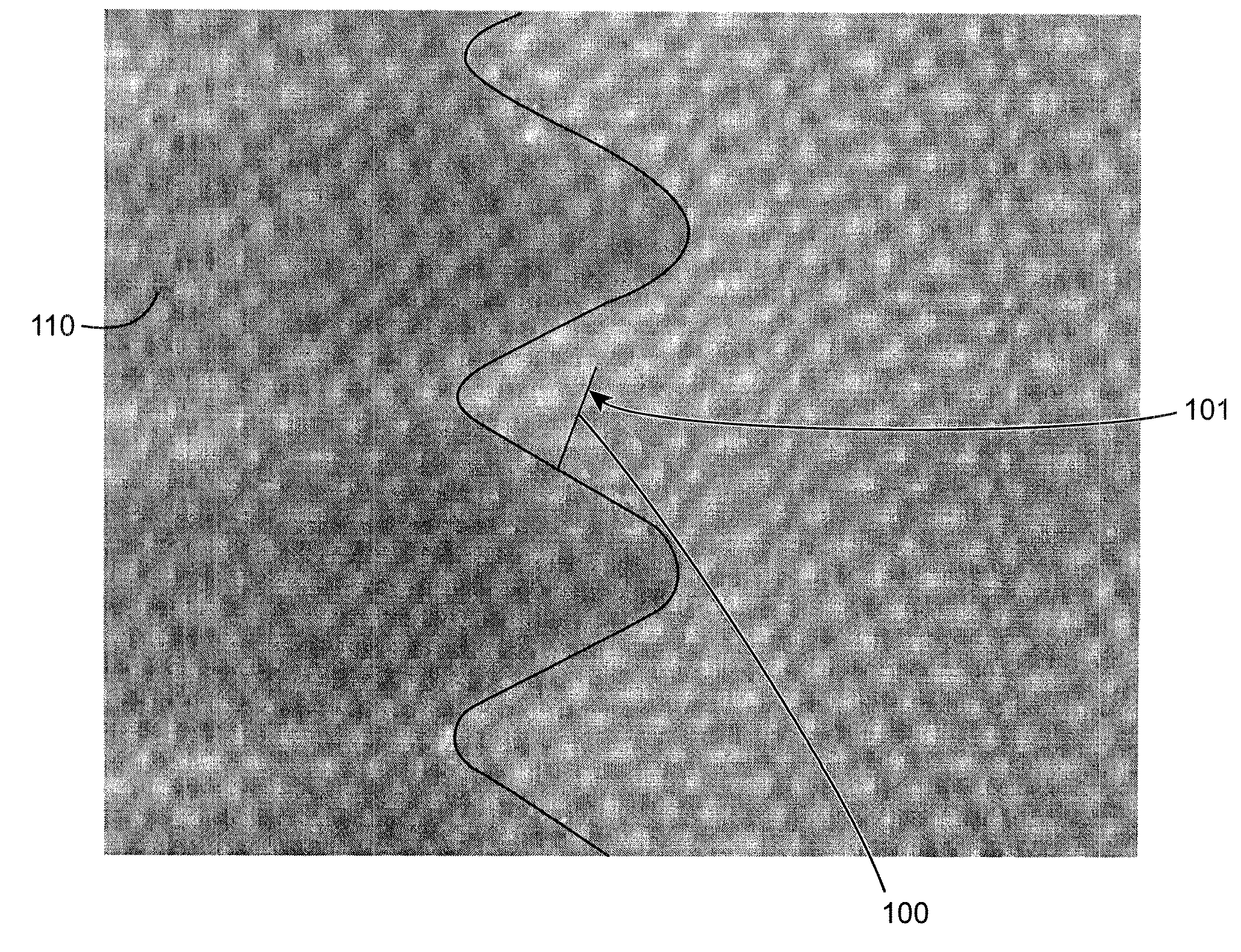
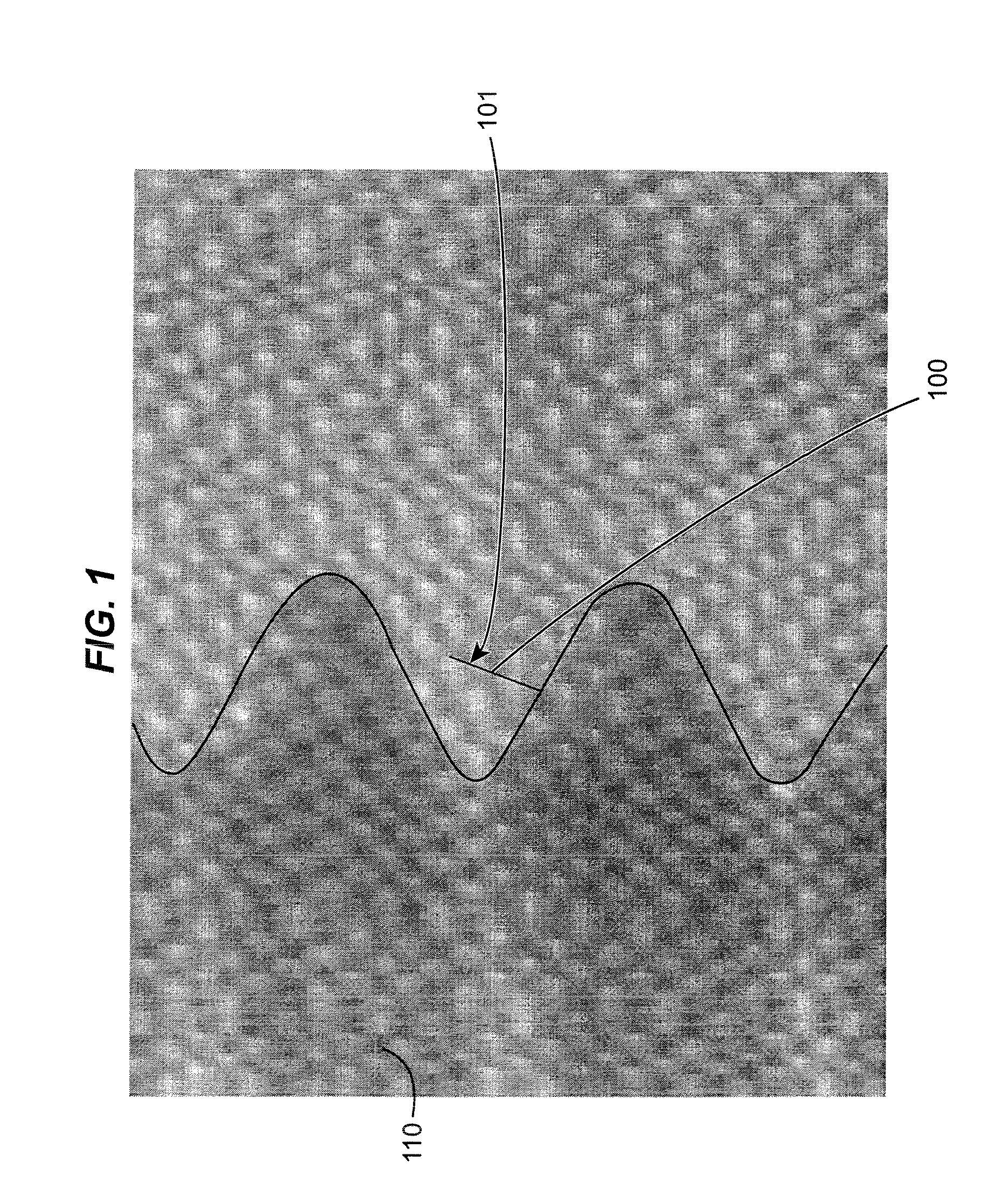
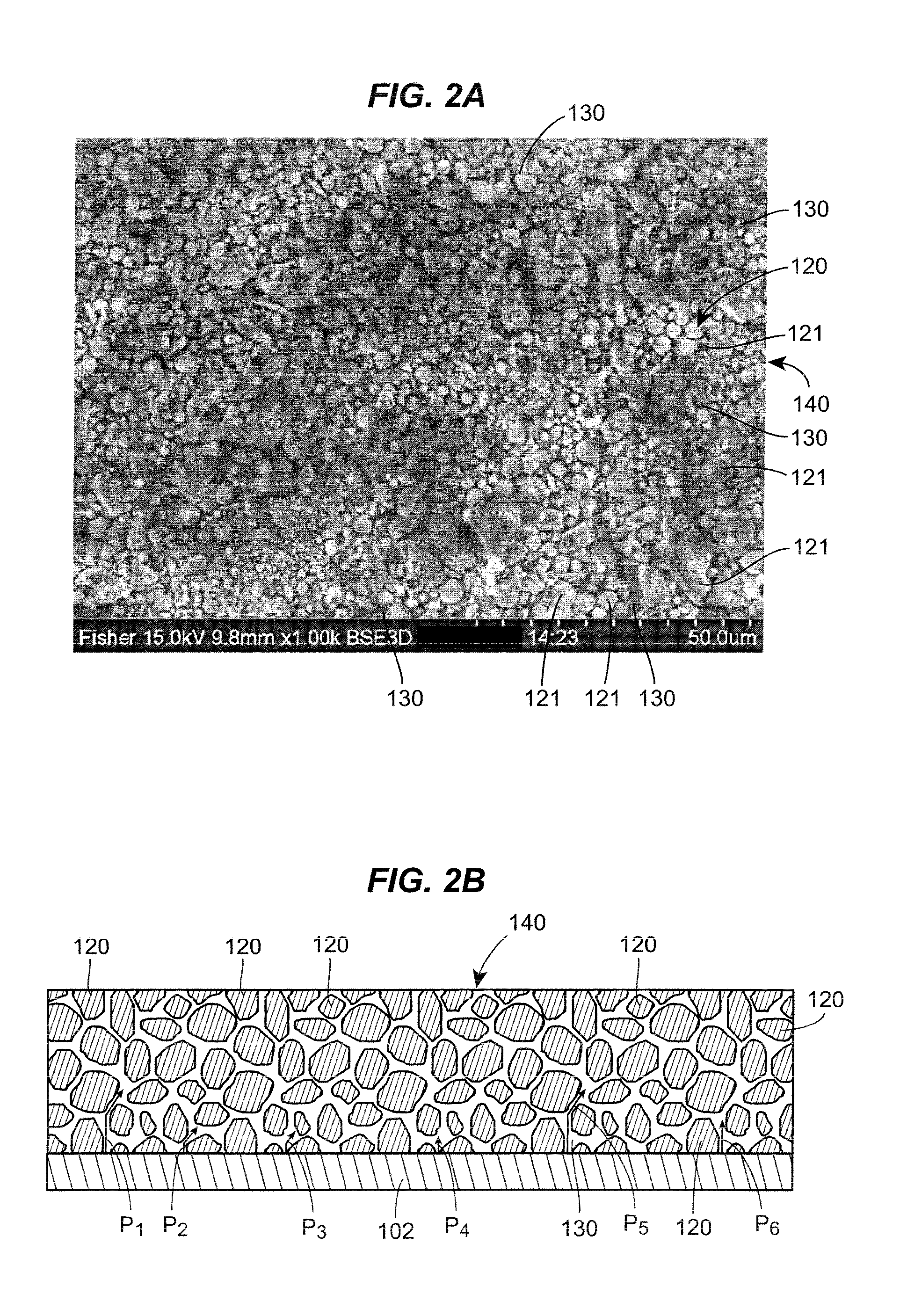
- A multi-phase conformal coating system comprising a binding layer and electrically non-conductive particulates that form a tortuous path to inhibit the growth of conductive crystalline structures, providing sufficient hardness to block or deflect their growth.
Method for protecting electronic components
PatentInactiveEP0928127B1
Innovation
- A plastic and metal foil laminated barrier with a desiccant element is used to create a sealed pocket around the electronic components, where the desiccant element includes a case with inlet and outlet orifices, a normally open interior valve, and heating means to selectively regenerate the desiccant material, ensuring effective moisture absorption and release.


Environmental Impact and Sustainability Considerations
The environmental impact of conformal coating testing in marine environments extends beyond the immediate performance evaluation. Traditional testing methods often involve harsh chemicals and processes that can contribute to marine pollution when improperly managed. Recent studies indicate that approximately 15-20% of coating materials used in testing procedures may eventually enter marine ecosystems through runoff, disposal, or equipment cleaning processes.
Sustainable alternatives are emerging in the conformal coating testing industry. Water-based testing solutions have shown promising results with up to 70% reduction in volatile organic compound (VOC) emissions compared to conventional solvent-based methods. Additionally, biodegradable testing compounds derived from plant-based materials are gaining traction, offering comparable efficacy while decomposing naturally in marine environments within 2-3 months rather than persisting for decades.
Life cycle assessment (LCA) of conformal coating testing reveals significant environmental footprint differences between methodologies. Accelerated testing protocols that simulate years of marine exposure in compressed timeframes can reduce resource consumption by 40-60% compared to traditional long-term exposure tests. Furthermore, closed-loop testing systems that capture and recycle testing solutions demonstrate potential for reducing water consumption by up to 85% and chemical usage by 70%.
Regulatory frameworks worldwide are increasingly addressing the environmental aspects of marine testing procedures. The International Maritime Organization's guidelines now recommend sustainable testing practices, while the European Union's REACH regulations specifically limit certain chemicals commonly used in conformal coating testing. Companies adopting environmentally responsible testing methodologies have reported 15-30% improvements in regulatory compliance scores and stakeholder perception.
The economic implications of sustainable testing approaches present a complex picture. Initial implementation costs for environmentally friendly testing systems average 30-40% higher than conventional setups, but operational costs typically decrease by 20-25% over a five-year period due to reduced waste management expenses and lower material consumption. Organizations pioneering sustainable testing methodologies have documented enhanced brand reputation and competitive advantage in markets with environmentally conscious consumers and regulatory environments.
Sustainable alternatives are emerging in the conformal coating testing industry. Water-based testing solutions have shown promising results with up to 70% reduction in volatile organic compound (VOC) emissions compared to conventional solvent-based methods. Additionally, biodegradable testing compounds derived from plant-based materials are gaining traction, offering comparable efficacy while decomposing naturally in marine environments within 2-3 months rather than persisting for decades.
Life cycle assessment (LCA) of conformal coating testing reveals significant environmental footprint differences between methodologies. Accelerated testing protocols that simulate years of marine exposure in compressed timeframes can reduce resource consumption by 40-60% compared to traditional long-term exposure tests. Furthermore, closed-loop testing systems that capture and recycle testing solutions demonstrate potential for reducing water consumption by up to 85% and chemical usage by 70%.
Regulatory frameworks worldwide are increasingly addressing the environmental aspects of marine testing procedures. The International Maritime Organization's guidelines now recommend sustainable testing practices, while the European Union's REACH regulations specifically limit certain chemicals commonly used in conformal coating testing. Companies adopting environmentally responsible testing methodologies have reported 15-30% improvements in regulatory compliance scores and stakeholder perception.
The economic implications of sustainable testing approaches present a complex picture. Initial implementation costs for environmentally friendly testing systems average 30-40% higher than conventional setups, but operational costs typically decrease by 20-25% over a five-year period due to reduced waste management expenses and lower material consumption. Organizations pioneering sustainable testing methodologies have documented enhanced brand reputation and competitive advantage in markets with environmentally conscious consumers and regulatory environments.
Regulatory Standards and Compliance Requirements
The marine environment presents one of the most challenging conditions for electronic components, necessitating strict adherence to regulatory standards and compliance requirements for conformal coating applications. IPC-CC-830C serves as the primary international standard governing conformal coating materials and processes, establishing baseline performance criteria for moisture and insulation resistance, flexibility, and adhesion properties specifically relevant to marine exposures. This standard has been supplemented by the more recent IPC-HDBK-830, which provides detailed guidance on selection, application, and testing methodologies for harsh environments.
For marine applications, additional compliance with IEC 60068-2-52 is mandatory, as it specifically addresses salt mist testing protocols that simulate accelerated marine corrosion conditions. This standard defines six severity levels, with marine electronics typically requiring compliance with levels 3 or 4, depending on proximity to saltwater and expected exposure intensity. Similarly, MIL-STD-810H Method 509.7 outlines salt fog testing requirements for military-grade marine equipment, establishing more rigorous performance thresholds.
The UL 746E standard focuses on the flammability and electrical insulation properties of conformal coatings, which becomes particularly relevant in marine environments where moisture can compromise electrical safety. This standard requires coatings to maintain their protective properties after extended exposure to humidity and temperature cycling, conditions routinely encountered in marine settings.
Regional regulations add another layer of complexity, with the European Union's RoHS and REACH directives restricting certain chemical compounds commonly found in older conformal coating formulations. These regulations have driven the development of environmentally friendly alternatives that maintain performance standards while eliminating restricted substances. Similarly, China's GB/T 2423.17 standard establishes specific requirements for electronic components used in maritime applications within Asian markets.
Testing protocols must be documented and traceable to maintain certification compliance. ISO 9001:2015 quality management systems typically govern the overall testing process, requiring detailed documentation of test methods, equipment calibration records, and results validation. For marine applications, additional certification from classification societies such as DNV GL, Lloyd's Register, or American Bureau of Shipping may be required, each with their own supplementary standards for electronic protection systems.
Compliance verification requires periodic testing and recertification, typically on a 12-36 month cycle depending on the specific standard and application criticality. Test results must demonstrate continued conformance to established performance metrics, with particular emphasis on coating integrity after exposure to simulated marine conditions including salt spray, humidity cycling, and temperature extremes.
For marine applications, additional compliance with IEC 60068-2-52 is mandatory, as it specifically addresses salt mist testing protocols that simulate accelerated marine corrosion conditions. This standard defines six severity levels, with marine electronics typically requiring compliance with levels 3 or 4, depending on proximity to saltwater and expected exposure intensity. Similarly, MIL-STD-810H Method 509.7 outlines salt fog testing requirements for military-grade marine equipment, establishing more rigorous performance thresholds.
The UL 746E standard focuses on the flammability and electrical insulation properties of conformal coatings, which becomes particularly relevant in marine environments where moisture can compromise electrical safety. This standard requires coatings to maintain their protective properties after extended exposure to humidity and temperature cycling, conditions routinely encountered in marine settings.
Regional regulations add another layer of complexity, with the European Union's RoHS and REACH directives restricting certain chemical compounds commonly found in older conformal coating formulations. These regulations have driven the development of environmentally friendly alternatives that maintain performance standards while eliminating restricted substances. Similarly, China's GB/T 2423.17 standard establishes specific requirements for electronic components used in maritime applications within Asian markets.
Testing protocols must be documented and traceable to maintain certification compliance. ISO 9001:2015 quality management systems typically govern the overall testing process, requiring detailed documentation of test methods, equipment calibration records, and results validation. For marine applications, additional certification from classification societies such as DNV GL, Lloyd's Register, or American Bureau of Shipping may be required, each with their own supplementary standards for electronic protection systems.
Compliance verification requires periodic testing and recertification, typically on a 12-36 month cycle depending on the specific standard and application criticality. Test results must demonstrate continued conformance to established performance metrics, with particular emphasis on coating integrity after exposure to simulated marine conditions including salt spray, humidity cycling, and temperature extremes.
Unlock deeper insights with PatSnap Eureka Quick Research — get a full tech report to explore trends and direct your research. Try now!
Generate Your Research Report Instantly with AI Agent
Supercharge your innovation with PatSnap Eureka AI Agent Platform!