Gel Electrophoresis in Mitochondria-Targeted Studies: Trends
JUL 1, 20259 MIN READ
Generate Your Research Report Instantly with AI Agent
Patsnap Eureka helps you evaluate technical feasibility & market potential.
Mitochondrial Gel Electrophoresis Background and Objectives
Gel electrophoresis has been a cornerstone technique in molecular biology for decades, playing a crucial role in the separation and analysis of nucleic acids and proteins. In recent years, this method has gained significant traction in mitochondrial research, owing to the growing recognition of mitochondria's pivotal role in cellular function and disease processes.
The evolution of gel electrophoresis techniques for mitochondrial studies can be traced back to the early 1980s when researchers first began to isolate and analyze mitochondrial DNA. Since then, the field has witnessed remarkable advancements, driven by the need for more precise and efficient methods to study mitochondrial components and their functions.
One of the primary objectives in the application of gel electrophoresis to mitochondrial research is to enhance our understanding of mitochondrial DNA structure, replication, and inheritance patterns. This includes the analysis of mitochondrial genome variations, deletions, and mutations, which are implicated in various genetic disorders and age-related diseases.
Another key goal is to improve the resolution and sensitivity of protein separation techniques for mitochondrial proteomics. This is particularly important given the complex nature of the mitochondrial proteome and the need to identify and characterize low-abundance proteins that may play critical roles in mitochondrial function.
The development of specialized gel electrophoresis methods for mitochondrial studies aims to overcome several challenges inherent to mitochondrial research. These include the need for techniques that can handle the unique properties of mitochondrial DNA, such as its circular structure and high copy number, as well as methods that can effectively separate and analyze the diverse array of mitochondrial proteins.
Recent trends in gel electrophoresis for mitochondria-targeted studies have focused on improving the speed, resolution, and reproducibility of separations. This has led to the development of novel gel formulations, electrophoresis conditions, and detection methods tailored specifically for mitochondrial components.
Furthermore, there is a growing emphasis on integrating gel electrophoresis with other analytical techniques, such as mass spectrometry and next-generation sequencing, to provide more comprehensive insights into mitochondrial biology. This interdisciplinary approach is expected to yield more robust and informative results, enabling researchers to unravel the complexities of mitochondrial function and dysfunction in various physiological and pathological contexts.
As we look to the future, the continued refinement and innovation in gel electrophoresis techniques for mitochondrial research promise to unlock new avenues for understanding mitochondrial biology and its implications in health and disease. The field is poised for exciting developments that will further enhance our ability to probe the intricacies of these vital cellular organelles.
The evolution of gel electrophoresis techniques for mitochondrial studies can be traced back to the early 1980s when researchers first began to isolate and analyze mitochondrial DNA. Since then, the field has witnessed remarkable advancements, driven by the need for more precise and efficient methods to study mitochondrial components and their functions.
One of the primary objectives in the application of gel electrophoresis to mitochondrial research is to enhance our understanding of mitochondrial DNA structure, replication, and inheritance patterns. This includes the analysis of mitochondrial genome variations, deletions, and mutations, which are implicated in various genetic disorders and age-related diseases.
Another key goal is to improve the resolution and sensitivity of protein separation techniques for mitochondrial proteomics. This is particularly important given the complex nature of the mitochondrial proteome and the need to identify and characterize low-abundance proteins that may play critical roles in mitochondrial function.
The development of specialized gel electrophoresis methods for mitochondrial studies aims to overcome several challenges inherent to mitochondrial research. These include the need for techniques that can handle the unique properties of mitochondrial DNA, such as its circular structure and high copy number, as well as methods that can effectively separate and analyze the diverse array of mitochondrial proteins.
Recent trends in gel electrophoresis for mitochondria-targeted studies have focused on improving the speed, resolution, and reproducibility of separations. This has led to the development of novel gel formulations, electrophoresis conditions, and detection methods tailored specifically for mitochondrial components.
Furthermore, there is a growing emphasis on integrating gel electrophoresis with other analytical techniques, such as mass spectrometry and next-generation sequencing, to provide more comprehensive insights into mitochondrial biology. This interdisciplinary approach is expected to yield more robust and informative results, enabling researchers to unravel the complexities of mitochondrial function and dysfunction in various physiological and pathological contexts.
As we look to the future, the continued refinement and innovation in gel electrophoresis techniques for mitochondrial research promise to unlock new avenues for understanding mitochondrial biology and its implications in health and disease. The field is poised for exciting developments that will further enhance our ability to probe the intricacies of these vital cellular organelles.
Market Analysis for Mitochondrial Research Tools
The market for mitochondrial research tools, particularly those related to gel electrophoresis techniques, has experienced significant growth in recent years. This expansion is driven by the increasing focus on mitochondrial biology in various fields, including neurodegenerative diseases, cancer research, and aging studies. The global market for mitochondrial research tools is estimated to reach several hundred million dollars by 2025, with a compound annual growth rate (CAGR) exceeding 8%.
Gel electrophoresis, a fundamental technique in mitochondrial studies, continues to be a key driver in this market. The demand for advanced gel electrophoresis systems and reagents specifically tailored for mitochondrial research has risen substantially. This growth is attributed to the technique's ability to separate and analyze mitochondrial proteins and DNA with high resolution and reproducibility.
The market is segmented into various product categories, including gel electrophoresis equipment, reagents, and consumables. Among these, the reagents segment holds the largest market share due to its recurring nature and continuous demand in research laboratories. Specialized mitochondrial isolation kits and fluorescent dyes for mitochondrial staining have shown particularly strong growth within this segment.
Geographically, North America dominates the market for mitochondrial research tools, followed by Europe and Asia-Pacific. The United States, in particular, leads in terms of research funding and technological advancements in this field. However, emerging economies in Asia, such as China and India, are experiencing rapid growth in mitochondrial research activities, presenting significant market opportunities.
Key market trends include the development of high-throughput gel electrophoresis systems capable of processing multiple samples simultaneously, thus increasing efficiency in mitochondrial studies. There is also a growing demand for miniaturized gel electrophoresis devices, which offer advantages in terms of reduced sample volume requirements and faster analysis times.
The competitive landscape of the mitochondrial research tools market is characterized by the presence of both large life science companies and specialized biotechnology firms. Major players are investing heavily in research and development to introduce innovative products and maintain their market position. Collaborations between academic institutions and industry partners are also becoming more prevalent, driving technological advancements in the field.
Looking ahead, the market for mitochondrial research tools, especially those related to gel electrophoresis, is expected to continue its growth trajectory. This expansion will be fueled by ongoing research into mitochondrial dysfunction in various diseases and the potential of mitochondria-targeted therapies. As the field evolves, there will likely be an increased demand for more sophisticated and specialized tools, presenting both challenges and opportunities for market players.
Gel electrophoresis, a fundamental technique in mitochondrial studies, continues to be a key driver in this market. The demand for advanced gel electrophoresis systems and reagents specifically tailored for mitochondrial research has risen substantially. This growth is attributed to the technique's ability to separate and analyze mitochondrial proteins and DNA with high resolution and reproducibility.
The market is segmented into various product categories, including gel electrophoresis equipment, reagents, and consumables. Among these, the reagents segment holds the largest market share due to its recurring nature and continuous demand in research laboratories. Specialized mitochondrial isolation kits and fluorescent dyes for mitochondrial staining have shown particularly strong growth within this segment.
Geographically, North America dominates the market for mitochondrial research tools, followed by Europe and Asia-Pacific. The United States, in particular, leads in terms of research funding and technological advancements in this field. However, emerging economies in Asia, such as China and India, are experiencing rapid growth in mitochondrial research activities, presenting significant market opportunities.
Key market trends include the development of high-throughput gel electrophoresis systems capable of processing multiple samples simultaneously, thus increasing efficiency in mitochondrial studies. There is also a growing demand for miniaturized gel electrophoresis devices, which offer advantages in terms of reduced sample volume requirements and faster analysis times.
The competitive landscape of the mitochondrial research tools market is characterized by the presence of both large life science companies and specialized biotechnology firms. Major players are investing heavily in research and development to introduce innovative products and maintain their market position. Collaborations between academic institutions and industry partners are also becoming more prevalent, driving technological advancements in the field.
Looking ahead, the market for mitochondrial research tools, especially those related to gel electrophoresis, is expected to continue its growth trajectory. This expansion will be fueled by ongoing research into mitochondrial dysfunction in various diseases and the potential of mitochondria-targeted therapies. As the field evolves, there will likely be an increased demand for more sophisticated and specialized tools, presenting both challenges and opportunities for market players.
Current Challenges in Mitochondrial Gel Electrophoresis
Mitochondrial gel electrophoresis faces several significant challenges that hinder its effectiveness in studying mitochondria-targeted processes. One of the primary issues is the difficulty in isolating pure mitochondrial fractions without contamination from other cellular components. This contamination can lead to inaccurate results and misinterpretation of data, particularly when analyzing mitochondrial proteins or DNA.
Another challenge lies in the preservation of mitochondrial integrity during the isolation and electrophoresis process. Mitochondria are delicate organelles, and the harsh conditions often employed in gel electrophoresis can disrupt their structure and function. This disruption can alter the migration patterns of mitochondrial components, leading to inconsistent or unreliable results.
The resolution of mitochondrial proteins in gel electrophoresis also presents a significant hurdle. Many mitochondrial proteins are highly hydrophobic and tend to aggregate during the electrophoresis process, resulting in poor separation and unclear bands. This issue is particularly pronounced when dealing with membrane-bound mitochondrial proteins, which are crucial for understanding mitochondrial function but notoriously difficult to resolve in gels.
Furthermore, the detection of low-abundance mitochondrial proteins remains a challenge. Many important regulatory proteins in mitochondria are present in small quantities, making them difficult to visualize using standard gel electrophoresis techniques. This limitation often necessitates the use of more sensitive detection methods or pre-concentration steps, which can introduce additional complexities and potential sources of error.
The analysis of mitochondrial DNA (mtDNA) through gel electrophoresis also faces unique challenges. The circular nature of mtDNA and its relatively small size compared to nuclear DNA can make it difficult to achieve clear separation and accurate sizing. Additionally, the presence of multiple copies of mtDNA in each mitochondrion can complicate quantitative analyses.
Reproducibility is another significant concern in mitochondrial gel electrophoresis. Variations in sample preparation, running conditions, and even environmental factors can lead to inconsistent results between experiments. This variability makes it challenging to compare results across different studies or laboratories, hindering the broader progress of mitochondrial research.
Lastly, the interpretation of mitochondrial gel electrophoresis results requires specialized knowledge and experience. The complex nature of mitochondrial biology, combined with the technical intricacies of gel electrophoresis, demands a high level of expertise to accurately analyze and interpret the data. This requirement can limit the accessibility of the technique and slow down the pace of mitochondrial research.
Another challenge lies in the preservation of mitochondrial integrity during the isolation and electrophoresis process. Mitochondria are delicate organelles, and the harsh conditions often employed in gel electrophoresis can disrupt their structure and function. This disruption can alter the migration patterns of mitochondrial components, leading to inconsistent or unreliable results.
The resolution of mitochondrial proteins in gel electrophoresis also presents a significant hurdle. Many mitochondrial proteins are highly hydrophobic and tend to aggregate during the electrophoresis process, resulting in poor separation and unclear bands. This issue is particularly pronounced when dealing with membrane-bound mitochondrial proteins, which are crucial for understanding mitochondrial function but notoriously difficult to resolve in gels.
Furthermore, the detection of low-abundance mitochondrial proteins remains a challenge. Many important regulatory proteins in mitochondria are present in small quantities, making them difficult to visualize using standard gel electrophoresis techniques. This limitation often necessitates the use of more sensitive detection methods or pre-concentration steps, which can introduce additional complexities and potential sources of error.
The analysis of mitochondrial DNA (mtDNA) through gel electrophoresis also faces unique challenges. The circular nature of mtDNA and its relatively small size compared to nuclear DNA can make it difficult to achieve clear separation and accurate sizing. Additionally, the presence of multiple copies of mtDNA in each mitochondrion can complicate quantitative analyses.
Reproducibility is another significant concern in mitochondrial gel electrophoresis. Variations in sample preparation, running conditions, and even environmental factors can lead to inconsistent results between experiments. This variability makes it challenging to compare results across different studies or laboratories, hindering the broader progress of mitochondrial research.
Lastly, the interpretation of mitochondrial gel electrophoresis results requires specialized knowledge and experience. The complex nature of mitochondrial biology, combined with the technical intricacies of gel electrophoresis, demands a high level of expertise to accurately analyze and interpret the data. This requirement can limit the accessibility of the technique and slow down the pace of mitochondrial research.
State-of-the-Art Gel Electrophoresis Methods
01 Gel composition and preparation
Various gel compositions and preparation methods are used in gel electrophoresis. These include specific formulations of agarose, polyacrylamide, and other polymers to create gels with desired properties for different separation applications. The composition and preparation of the gel matrix are crucial for achieving optimal resolution and separation of molecules.- Gel composition and preparation: Various gel compositions and preparation methods are used in gel electrophoresis. These include specific formulations of agarose, polyacrylamide, or other polymers to create gels with desired properties for different applications. The composition and preparation of the gel can significantly affect the separation and resolution of molecules during electrophoresis.
- Electrophoresis apparatus design: Innovations in electrophoresis apparatus design focus on improving efficiency, reproducibility, and ease of use. These designs may include novel electrode configurations, buffer circulation systems, or temperature control mechanisms. Some apparatuses are designed for specific applications or to accommodate different gel formats.
- Detection and analysis methods: Advanced detection and analysis methods are developed to improve the sensitivity and accuracy of gel electrophoresis results. These may include fluorescence-based detection, image analysis software, or integration with other analytical techniques. Some methods focus on real-time monitoring of the electrophoresis process or automated data interpretation.
- Sample preparation and loading techniques: Improved sample preparation and loading techniques are crucial for obtaining high-quality results in gel electrophoresis. These may include methods for concentrating samples, removing interfering substances, or enhancing the stability of molecules during electrophoresis. Some techniques focus on precise and reproducible sample loading into gel wells.
- Specialized electrophoresis applications: Gel electrophoresis techniques are adapted for specialized applications in various fields. These may include methods for separating specific types of molecules, such as proteins or nucleic acids, or techniques optimized for particular research or diagnostic purposes. Some applications focus on miniaturization or integration with other analytical processes.
02 Electrophoresis apparatus design
Innovations in electrophoresis apparatus design focus on improving efficiency, reproducibility, and ease of use. These designs may include features such as integrated cooling systems, adjustable voltage controls, and specialized buffer chambers. Advanced apparatus designs aim to enhance separation quality and increase throughput for various analytical applications.Expand Specific Solutions03 Detection and imaging techniques
Various detection and imaging techniques are employed in gel electrophoresis to visualize and analyze separated molecules. These may include fluorescence detection, UV absorption, and staining methods. Advanced imaging systems and software are used to capture, process, and analyze the results of gel electrophoresis experiments, improving sensitivity and quantification capabilities.Expand Specific Solutions04 Sample preparation and loading
Innovations in sample preparation and loading techniques aim to improve the efficiency and accuracy of gel electrophoresis. These may include automated sample loading systems, specialized sample buffers, and methods for concentrating or purifying samples prior to electrophoresis. Proper sample preparation and loading are critical for achieving high-quality separations and reproducible results.Expand Specific Solutions05 Specialized electrophoresis techniques
Various specialized electrophoresis techniques have been developed for specific applications or to improve separation capabilities. These may include pulsed-field gel electrophoresis, two-dimensional gel electrophoresis, and capillary gel electrophoresis. These techniques offer enhanced resolution, separation of complex mixtures, or analysis of specific types of molecules.Expand Specific Solutions
Key Players in Mitochondrial Research Equipment
The field of gel electrophoresis for mitochondria-targeted studies is in a mature stage of development, with a well-established market and proven technologies. The global market size for this sector is estimated to be in the hundreds of millions of dollars, driven by increasing research in mitochondrial diseases and aging. Key players like Novartis AG, Life Technologies Corp. (now part of Thermo Fisher Scientific), and Applied Biosystems LLC dominate the market with advanced products and solutions. Academic institutions such as the University of Rochester and Brandeis University contribute significantly to research advancements. The technology's maturity is evident in its widespread adoption across pharmaceutical companies, research institutions, and diagnostic laboratories, with ongoing innovations focusing on improving resolution, sensitivity, and automation.
Life Technologies Corp.
Technical Solution: Life Technologies Corp. has developed advanced gel electrophoresis systems specifically designed for mitochondria-targeted studies. Their innovative approach includes the use of high-resolution agarose gels combined with specialized buffers that enhance the separation of mitochondrial proteins and DNA. The company has also introduced automated gel electrophoresis platforms that integrate sample loading, running, and imaging processes, significantly reducing hands-on time and improving reproducibility[1]. Additionally, they have developed fluorescent dyes and stains that are particularly sensitive to mitochondrial nucleic acids and proteins, allowing for enhanced visualization and quantification of mitochondrial components[3].
Strengths: High-resolution separation, automated systems for improved efficiency, specialized mitochondrial stains. Weaknesses: Potentially higher cost compared to traditional methods, may require specialized training for optimal use.
3M Innovative Properties Co.
Technical Solution: 3M Innovative Properties Co. has developed novel electrophoresis materials and techniques for mitochondrial studies. Their approach includes the creation of specialized membrane-based electrophoresis systems that allow for rapid separation and direct transfer of mitochondrial proteins onto blotting membranes. This technology significantly reduces the time required for Western blot analysis of mitochondrial proteins[5]. Additionally, 3M has introduced new polymer matrices for gel electrophoresis that offer improved resolution for both mitochondrial DNA and proteins, while requiring lower voltages and shorter run times[6].
Strengths: Rapid analysis, efficient protein transfer for downstream applications, energy-efficient electrophoresis. Weaknesses: May require adaptation of existing protocols, potentially limited to specific types of mitochondrial analyses.
Innovations in Mitochondria-Specific Electrophoresis
Mitochondria-Targeted Antioxidant Prodrugs and Methods of Use
PatentInactiveUS20090306125A1
Innovation
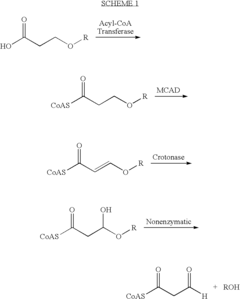
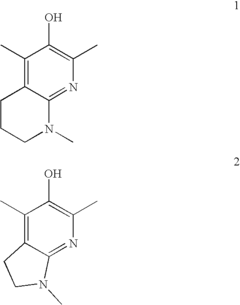
- Development of a mitochondria-targeted antioxidant prodrug that is activated by mitochondrial fatty acid beta-oxidation enzymes, allowing for selective delivery and activation of antioxidants within the mitochondria to mitigate oxidative damage and dysfunction.


Genes involved in mitochondrial biogenesis
PatentWO2008098995A2
Innovation
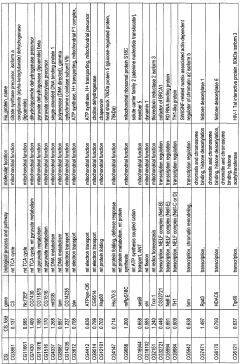
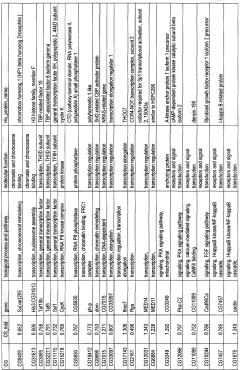
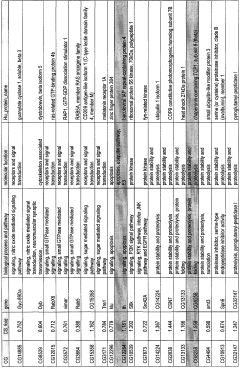
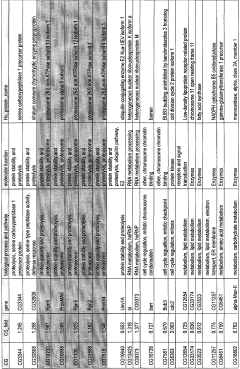
- Identification of human orthologs of Drosophila genes involved in mitochondrial biogenesis, which can serve as targets for therapeutic modulation using methods such as antibodies, antisense oligonucleotides, and RNA interference to treat or prevent conditions related to mitochondrial dysfunction.
Regulatory Considerations for Research Tools
Regulatory considerations play a crucial role in the development and application of research tools, particularly in the field of gel electrophoresis for mitochondria-targeted studies. As these techniques continue to evolve, it is essential to navigate the complex landscape of regulations to ensure compliance and maintain the integrity of scientific research.
One of the primary regulatory bodies overseeing research tools is the Food and Drug Administration (FDA). The FDA's Center for Devices and Radiological Health (CDRH) is responsible for regulating medical devices, including certain research tools used in laboratory settings. For gel electrophoresis equipment and reagents, manufacturers must adhere to Good Manufacturing Practices (GMP) and quality control standards to ensure product safety and efficacy.
In the context of mitochondria-targeted studies, researchers must also consider regulations related to the handling of biological materials. The Centers for Disease Control and Prevention (CDC) and the National Institutes of Health (NIH) provide guidelines for biosafety levels and proper handling of potentially hazardous materials, which may be relevant when working with mitochondrial samples.
Ethical considerations are another important aspect of regulatory compliance in research. Institutional Review Boards (IRBs) play a critical role in ensuring that studies involving human subjects or tissues adhere to ethical standards and protect participant rights. For mitochondria-targeted studies using human samples, researchers must obtain appropriate informed consent and follow protocols approved by their institution's IRB.
International regulations also come into play, especially for collaborative research or when sourcing materials from different countries. The European Union's In Vitro Diagnostic Regulation (IVDR) and the Medical Device Regulation (MDR) impact the development and use of research tools, including those used in gel electrophoresis. Researchers and manufacturers must navigate these regulations to ensure compliance across borders.
As the field of mitochondria-targeted studies advances, new regulatory challenges may emerge. For instance, the increasing use of artificial intelligence and machine learning in data analysis may necessitate additional regulatory oversight to ensure data privacy and integrity. Researchers and manufacturers must stay informed about evolving regulations and adapt their practices accordingly.
In conclusion, regulatory considerations for research tools in gel electrophoresis for mitochondria-targeted studies encompass a wide range of factors, from equipment safety to ethical research practices. Staying abreast of these regulations and implementing robust compliance strategies is essential for advancing scientific knowledge while maintaining the highest standards of research integrity.
One of the primary regulatory bodies overseeing research tools is the Food and Drug Administration (FDA). The FDA's Center for Devices and Radiological Health (CDRH) is responsible for regulating medical devices, including certain research tools used in laboratory settings. For gel electrophoresis equipment and reagents, manufacturers must adhere to Good Manufacturing Practices (GMP) and quality control standards to ensure product safety and efficacy.
In the context of mitochondria-targeted studies, researchers must also consider regulations related to the handling of biological materials. The Centers for Disease Control and Prevention (CDC) and the National Institutes of Health (NIH) provide guidelines for biosafety levels and proper handling of potentially hazardous materials, which may be relevant when working with mitochondrial samples.
Ethical considerations are another important aspect of regulatory compliance in research. Institutional Review Boards (IRBs) play a critical role in ensuring that studies involving human subjects or tissues adhere to ethical standards and protect participant rights. For mitochondria-targeted studies using human samples, researchers must obtain appropriate informed consent and follow protocols approved by their institution's IRB.
International regulations also come into play, especially for collaborative research or when sourcing materials from different countries. The European Union's In Vitro Diagnostic Regulation (IVDR) and the Medical Device Regulation (MDR) impact the development and use of research tools, including those used in gel electrophoresis. Researchers and manufacturers must navigate these regulations to ensure compliance across borders.
As the field of mitochondria-targeted studies advances, new regulatory challenges may emerge. For instance, the increasing use of artificial intelligence and machine learning in data analysis may necessitate additional regulatory oversight to ensure data privacy and integrity. Researchers and manufacturers must stay informed about evolving regulations and adapt their practices accordingly.
In conclusion, regulatory considerations for research tools in gel electrophoresis for mitochondria-targeted studies encompass a wide range of factors, from equipment safety to ethical research practices. Staying abreast of these regulations and implementing robust compliance strategies is essential for advancing scientific knowledge while maintaining the highest standards of research integrity.
Sustainability in Gel Electrophoresis Practices
Sustainability in gel electrophoresis practices for mitochondria-targeted studies has become increasingly important as researchers seek to minimize environmental impact while maintaining high-quality results. This focus on sustainability encompasses several key areas, including the reduction of hazardous waste, energy conservation, and the development of eco-friendly alternatives to traditional materials.
One of the primary concerns in sustainable gel electrophoresis is the management of toxic chemicals commonly used in the process. Efforts are being made to replace harmful substances like ethidium bromide with safer alternatives such as SYBR Safe or GelRed. These newer staining agents not only reduce environmental risks but also enhance laboratory safety for researchers working on mitochondrial studies.
Energy consumption is another critical aspect of sustainability in gel electrophoresis. Researchers are exploring ways to optimize run times and voltage settings to minimize power usage without compromising separation quality. Some laboratories have implemented automated systems that can perform electrophoresis during off-peak hours, taking advantage of lower energy costs and potentially greener energy sources.
The development of reusable and recyclable materials for gel electrophoresis is gaining traction. Innovations in this area include the creation of long-lasting, high-performance agarose gels that can be used multiple times, reducing waste and resource consumption. Additionally, some companies are now offering recycling programs for used gel cassettes and other plastic components, further minimizing the environmental footprint of mitochondrial research.
Water conservation is also a key focus in sustainable gel electrophoresis practices. Researchers are investigating methods to reduce buffer volumes and exploring the potential of dry electrophoresis systems that require minimal liquid components. These approaches not only conserve water but also decrease the amount of contaminated waste produced during experiments.
The trend towards miniaturization in gel electrophoresis aligns well with sustainability goals. Microfluidic devices and lab-on-a-chip technologies allow for the analysis of mitochondrial samples using significantly smaller volumes of reagents and materials. This reduction in scale translates to less waste generation and lower energy requirements, making these methods particularly attractive for sustainable research practices.
Lastly, the adoption of digital imaging and analysis tools is contributing to sustainability efforts in gel electrophoresis. By reducing the need for physical printouts and enabling more efficient data storage and sharing, these digital solutions help decrease paper waste and improve the overall environmental impact of mitochondrial research workflows.
One of the primary concerns in sustainable gel electrophoresis is the management of toxic chemicals commonly used in the process. Efforts are being made to replace harmful substances like ethidium bromide with safer alternatives such as SYBR Safe or GelRed. These newer staining agents not only reduce environmental risks but also enhance laboratory safety for researchers working on mitochondrial studies.
Energy consumption is another critical aspect of sustainability in gel electrophoresis. Researchers are exploring ways to optimize run times and voltage settings to minimize power usage without compromising separation quality. Some laboratories have implemented automated systems that can perform electrophoresis during off-peak hours, taking advantage of lower energy costs and potentially greener energy sources.
The development of reusable and recyclable materials for gel electrophoresis is gaining traction. Innovations in this area include the creation of long-lasting, high-performance agarose gels that can be used multiple times, reducing waste and resource consumption. Additionally, some companies are now offering recycling programs for used gel cassettes and other plastic components, further minimizing the environmental footprint of mitochondrial research.
Water conservation is also a key focus in sustainable gel electrophoresis practices. Researchers are investigating methods to reduce buffer volumes and exploring the potential of dry electrophoresis systems that require minimal liquid components. These approaches not only conserve water but also decrease the amount of contaminated waste produced during experiments.
The trend towards miniaturization in gel electrophoresis aligns well with sustainability goals. Microfluidic devices and lab-on-a-chip technologies allow for the analysis of mitochondrial samples using significantly smaller volumes of reagents and materials. This reduction in scale translates to less waste generation and lower energy requirements, making these methods particularly attractive for sustainable research practices.
Lastly, the adoption of digital imaging and analysis tools is contributing to sustainability efforts in gel electrophoresis. By reducing the need for physical printouts and enabling more efficient data storage and sharing, these digital solutions help decrease paper waste and improve the overall environmental impact of mitochondrial research workflows.
Unlock deeper insights with Patsnap Eureka Quick Research — get a full tech report to explore trends and direct your research. Try now!
Generate Your Research Report Instantly with AI Agent
Supercharge your innovation with Patsnap Eureka AI Agent Platform!