

Method for indexing and acquiring semantic net information
An acquisition method and technology of the Semantic Web, applied in the computer field, can solve the problems of disordered and complex query results, and achieve the effects of good versatility and portability, small disk overhead, and high efficiency.
Patent Information
- Authority / Receiving Office
- CN · China
- Patent Type
- Patents(China)
- Current Assignee / Owner
- Publication Date
- 2008-12-10
- Estimated Expiration
- Not applicable · inactive patent
Smart Images
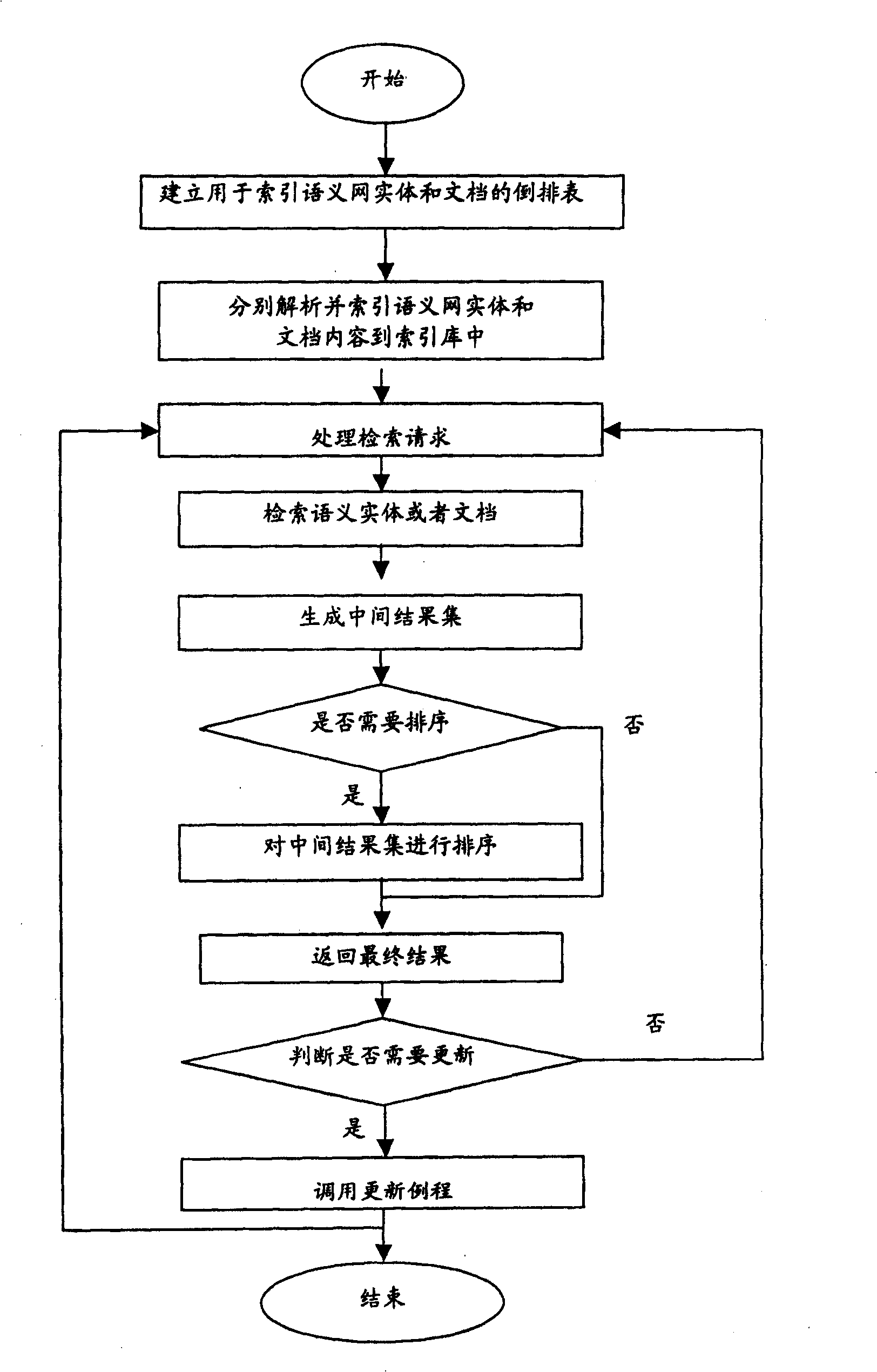
Figure 1 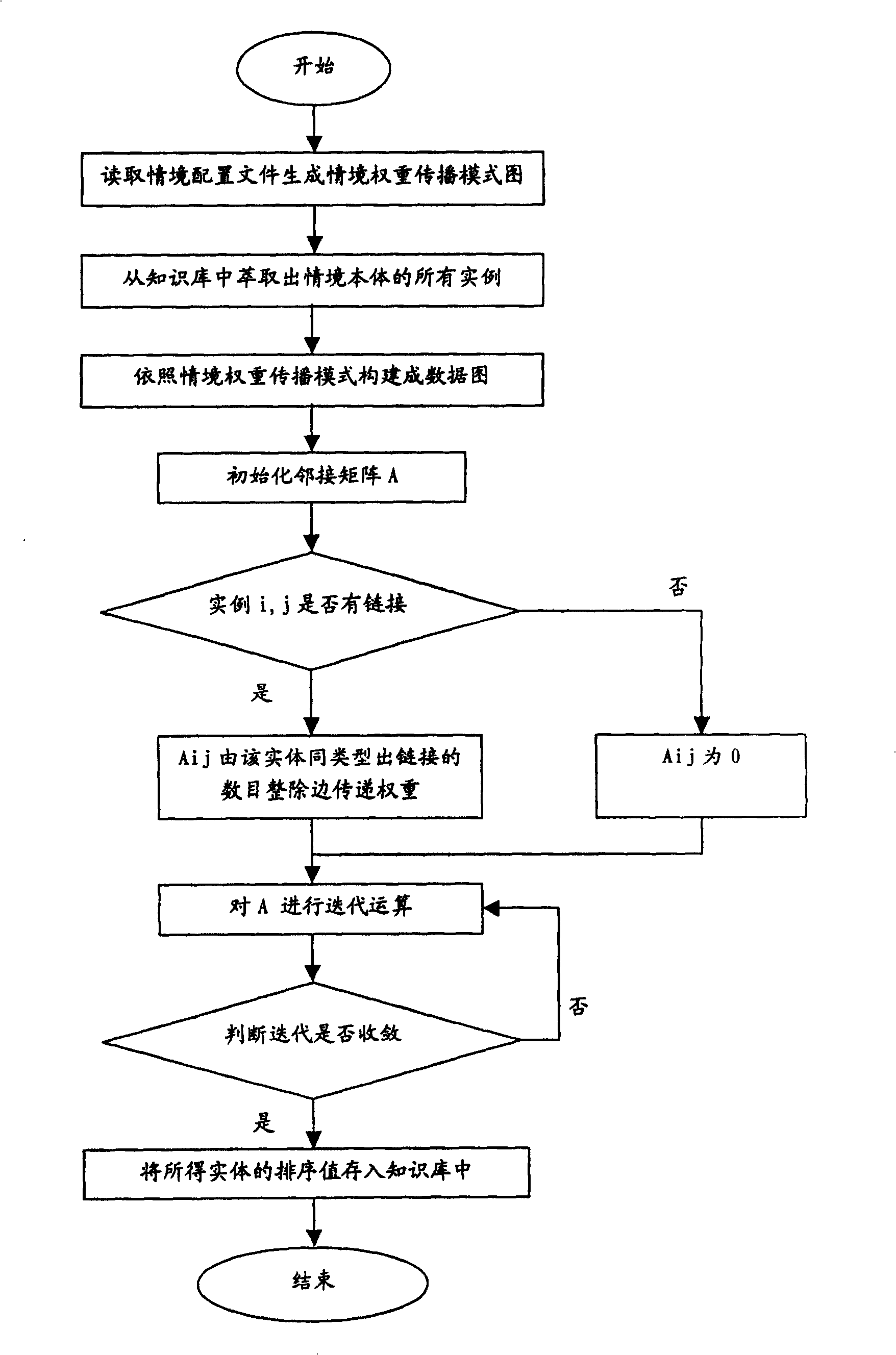
Figure 2 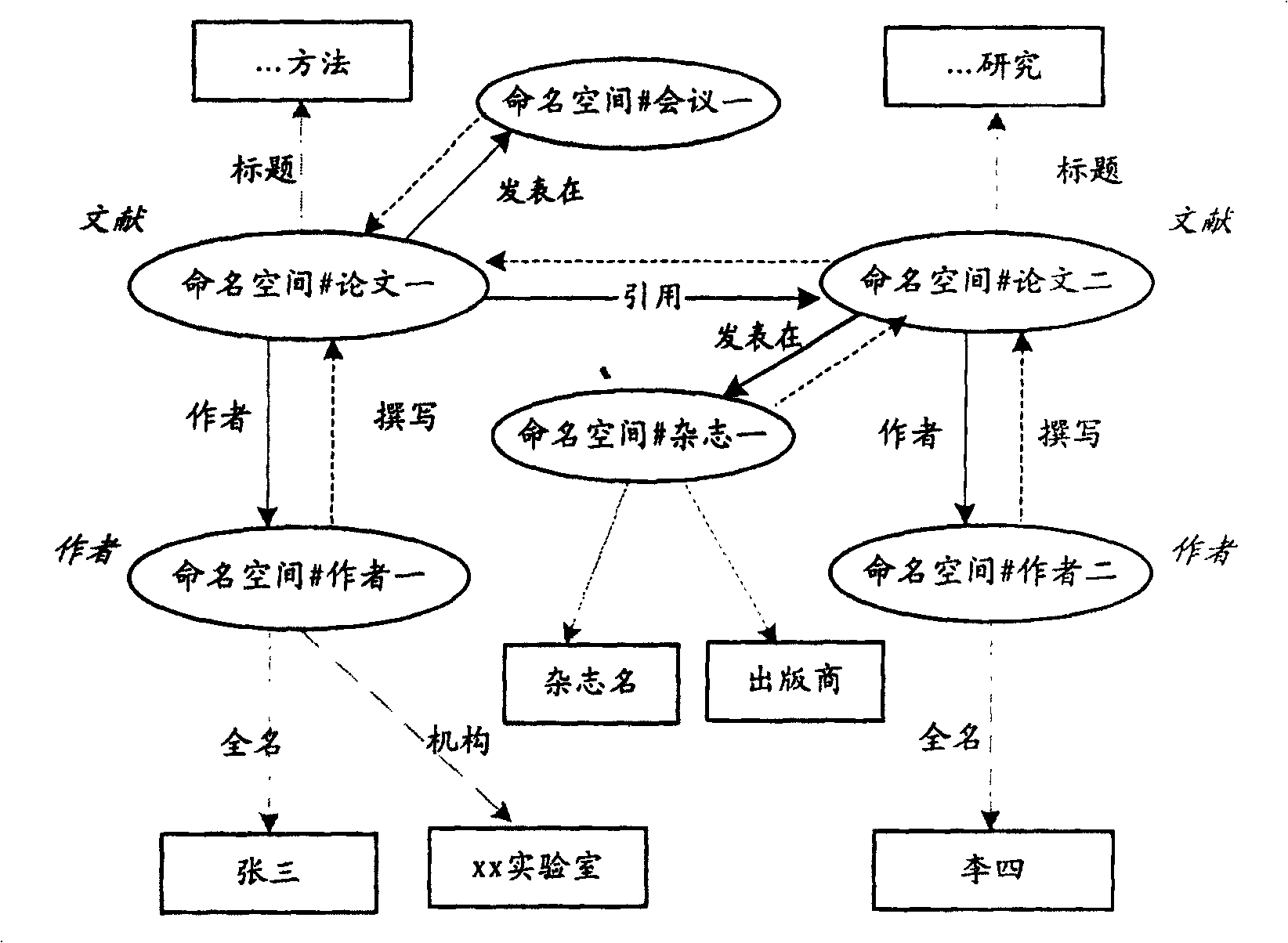
Figure 3
Abstract
Description
technical field
[0001] The invention belongs to the information storage and retrieval technology in the field of computer technology, and specifically relates to an index and acquisition method of semantic web information, which effectively stores semantic data generated by applications and provides acquisition means. Background technique
[0002] The goal of the Semantic Web is to turn the information on the network into a form that machines can understand, making the World Wide Web intelligent and automatic. Around this goal, many new technologies have been born, such as ontology language RDF / OWL and so on. These new technologies bring new approaches to application information management. Ontology can effectively solve the problem of information heterogeneity, clearly explain domain concepts, and encapsulate application data semantically. The application itself has strong domain characteristics, and ontology technology can play a role in it. As more and more application...
Examples
Embodiment Construction
[0024] The present invention will be further described below in conjunction with the accompanying drawings and specific embodiments.
[0025] The invention adopts the inverted list to index the semantic web entity and document content, and determines the importance of a semantic web entity by calculating its influence in the domain ontology, and sorts the retrieval results according to the importance. The invention includes two main parts, that is, firstly establishes posting lists for indexing semantic web entities and documents, and then adds specific content to the two posting lists respectively; secondly, obtains information based on the established posting lists. The specific steps are described in detail below:
[0026] Step (1): Create an inverted list for indexing Semantic Web entities and documents. Wherein, the entity posting list ① includes the following fields: URI (Uniform Resource Identifier), path, path length, type, metadata, sorting value; the document postin...