
Transmitting method of cell downlink signal for realizing cell subdomain allocation
A domain configuration and cell technology, applied in the direction of transmission control/equalization, etc., can solve the problems of unable to meet the high performance requirements of the base station supporting the cell domain configuration mode, power waste, and prone to overload protection
Patent Information
- Authority / Receiving Office
- CN · China
- Patent Type
- Applications(China)
- Current Assignee / Owner
- Publication Date
- 2010-06-09
- Estimated Expiration
- Not applicable · inactive patent
Smart Images
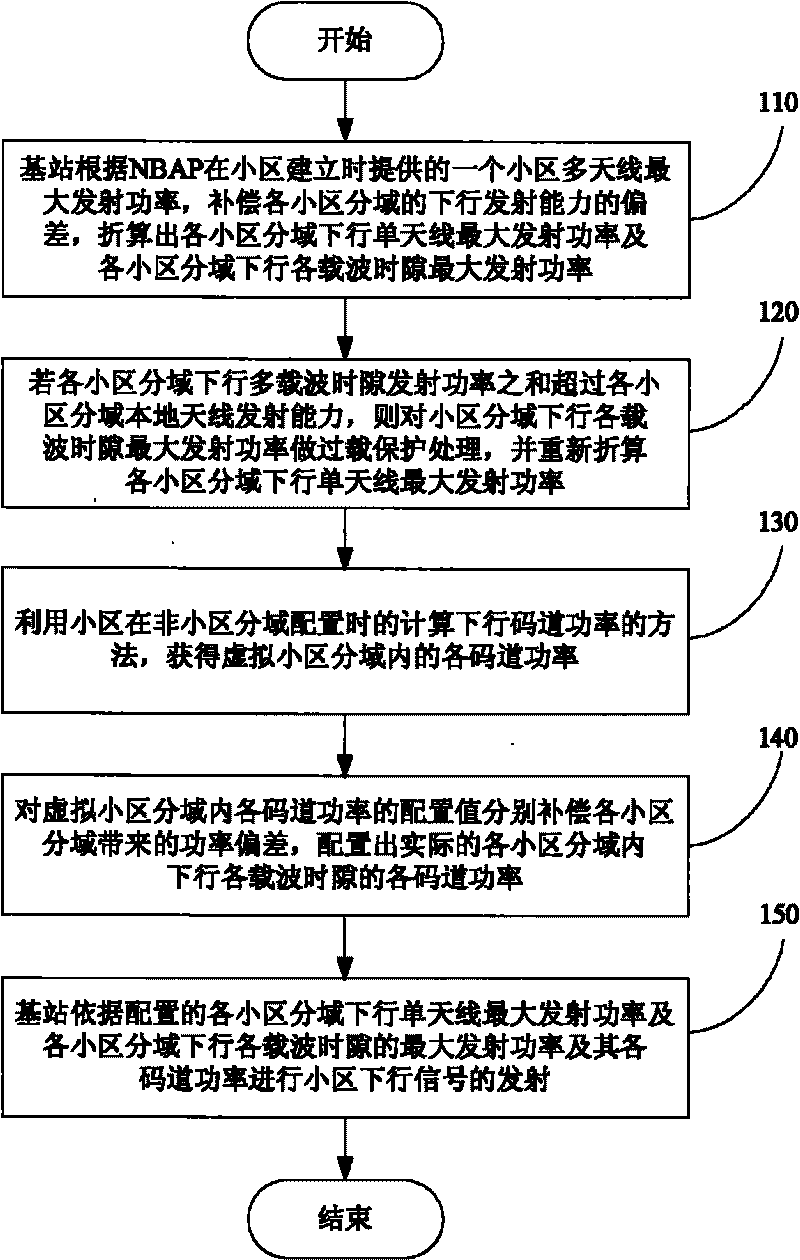
Figure 1 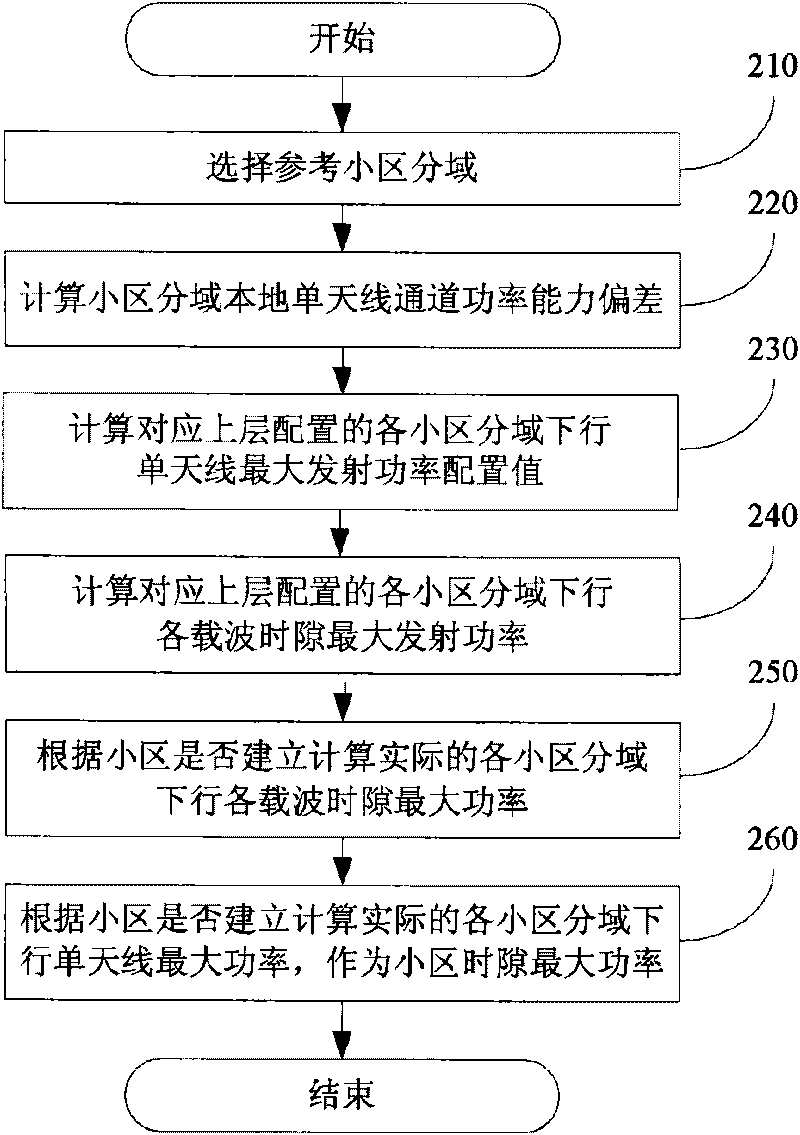
Figure 2 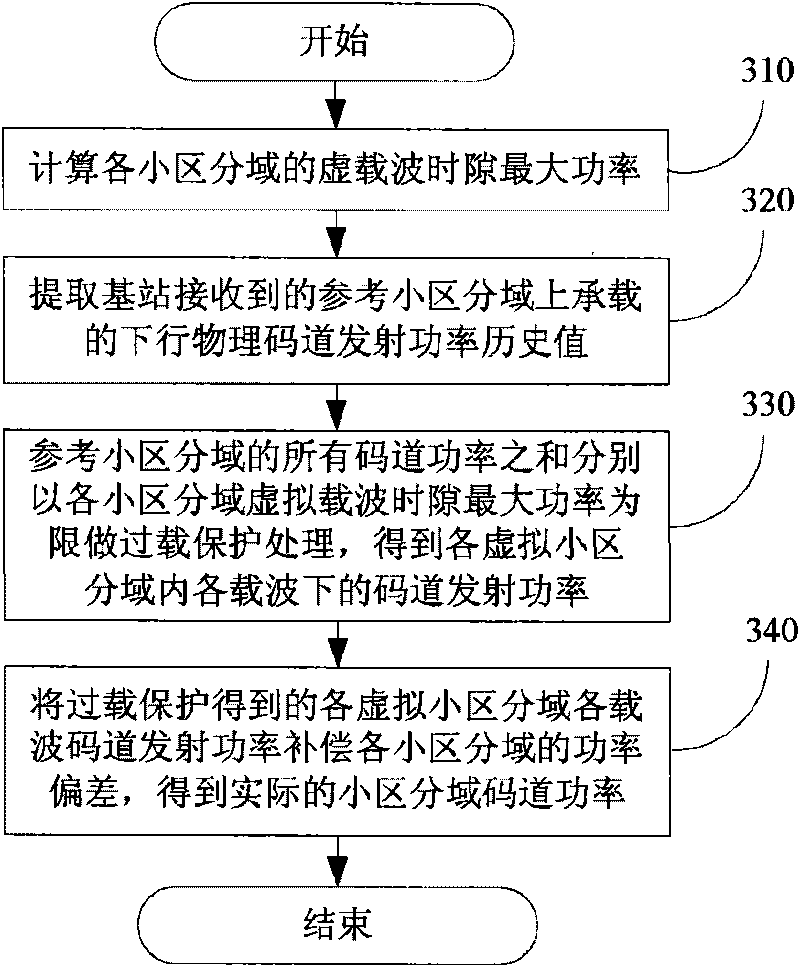
Figure 3
Abstract
Description
technical field
[0001] The present invention relates to the power configuration and transmission method of a downlink signal of a base station to a cell in a wireless communication system, in particular to a third-generation mobile communication system, such as Time Division Code Division Multiple Access (TD-CDMA, Time Division-Code Division Multiple Access), Time Division Synchronization Code In a mobile communication system such as TD-SCDMA, Time Division-Synchronous Code Division Multiple Access, a base station pair supports a Cell Portion (CP, Cell Portion) configuration mode to realize a cell downlink signal transmission method. Background technique
[0002] The 3GPP protocol requires the cell to support the configuration mode of the cell area. It is a networking method between the full macro base station networking and the full radio remote. Different cell areas in the same cell cover different areas. Different cell areas use different types of remote radio unit (RRU...
Examples
Embodiment Construction
[0066] The method for transmitting a downlink signal of a cell configured in a cell area provided by the present invention includes:
[0067] a. The base station side compensates the power deviation of each cell area according to the maximum transmission power of the cell, and obtains the actual configuration power of each cell area; performs overload protection processing on the actual configuration power of each cell area to ensure that the same cell area The sum of the multi-carrier time slot transmit power of each cell area does not exceed the local antenna channel transmission capability of each cell area, so as to determine the final downlink carrier time slot power and corresponding cell power of each cell area; then use non-cell area The method for calculating the downlink code channel power in a cell under domain configuration, obtains the virtual code channel power in the reference cell area; then compensates the power deviation of each cell area for the virtual code ...