
New use of known pharmacologically active chemical compounds
A technique for use, medicinal salts, in the field of food supplements or feed supplements
Patent Information
- Authority / Receiving Office
- CN · China
- Patent Type
- Applications(China)
- Current Assignee / Owner
- Publication Date
- 2010-06-09
- Estimated Expiration
- Not applicable · inactive patent
Smart Images
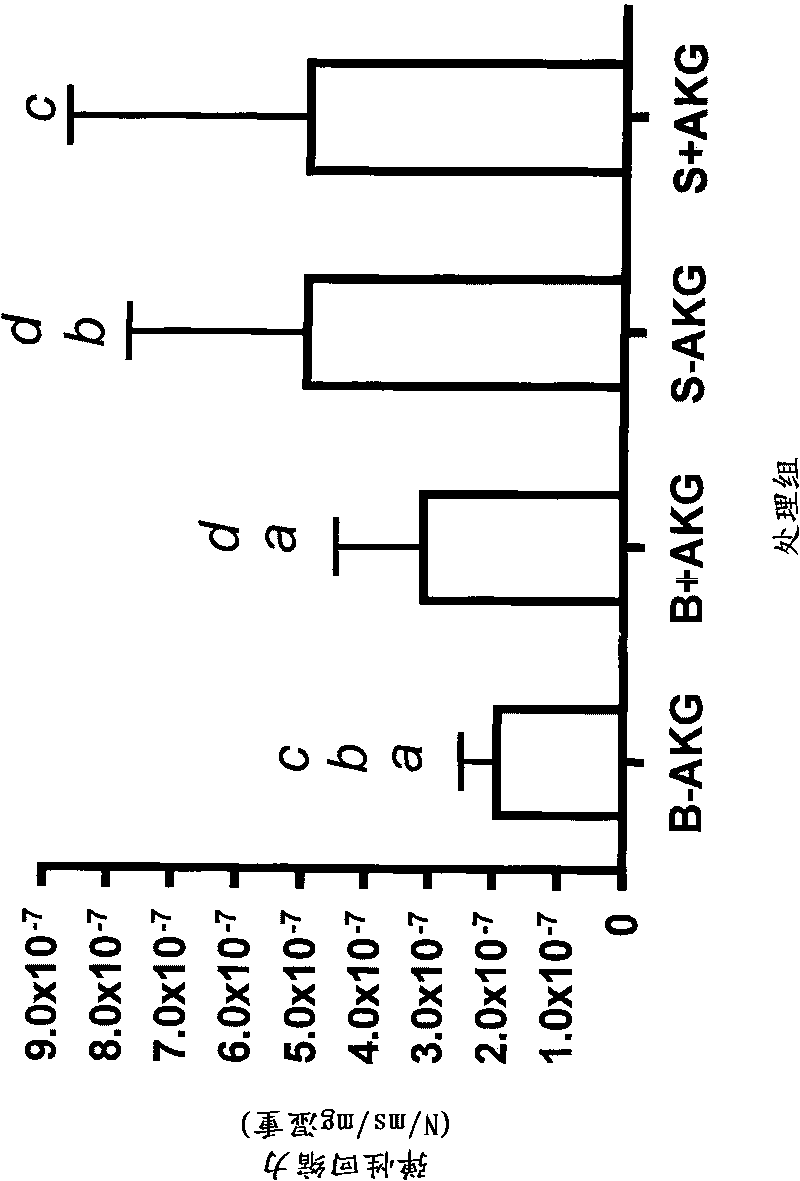
Figure 1 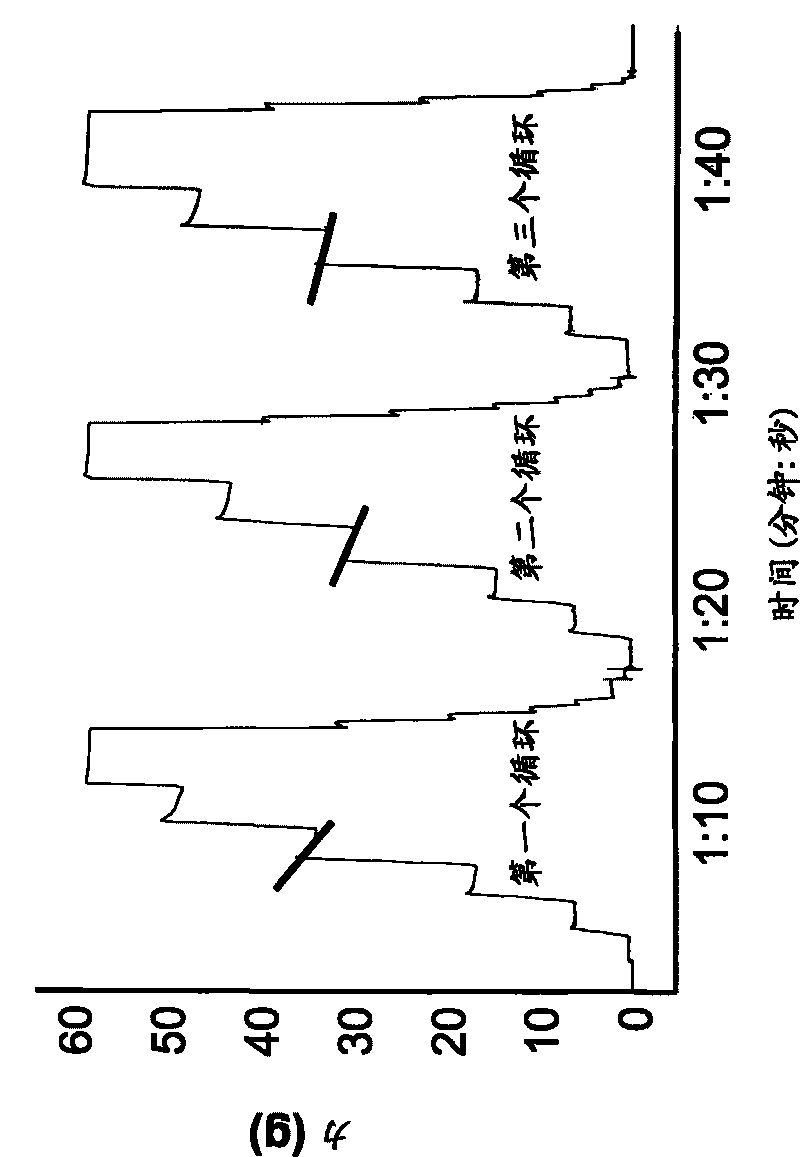
Figure 2 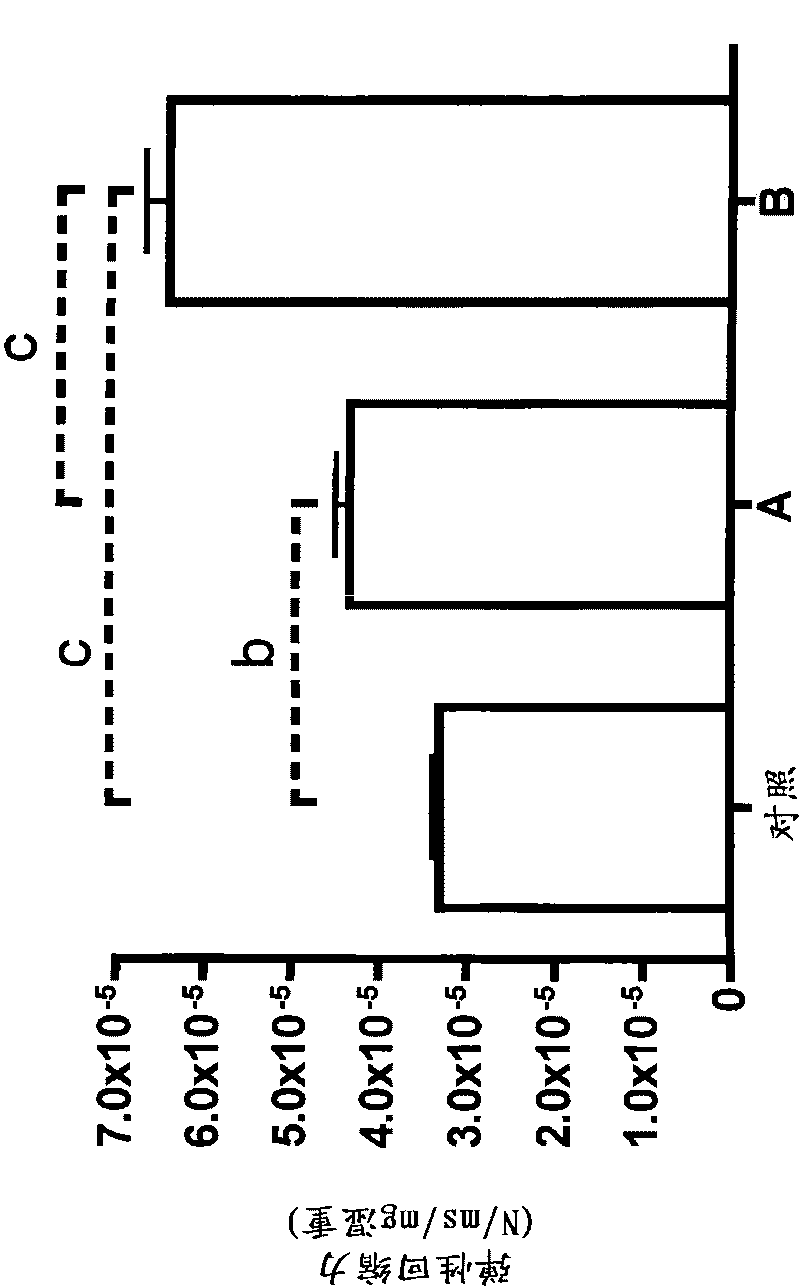
Figure 3
Abstract
Description
technical field
[0001] The present invention relates to novel uses of known pharmacologically active compounds. More specifically, the present invention relates to the preparation of alpha-ketoglutarate, its amides, salts and mixtures thereof for therapeutically increasing in vivo the elasticity of blood vessels, especially arterial elasticity, in a subject in need thereof. Novel use in pharmaceutical preparations or food or feed supplements. Background technique
[0002] gastric surgery
[0003] With obesity steadily increasing in the Western world, invasive forms of weight loss are increasingly promising as a means of reducing mortality and ameliorating comorbidities. In fact, some advocate interventional weight loss as the only acceptable way to lose weight, since a 1992 NIH statement reported nonsurgical success rates of 5% or less in obese patients. Gastric bypass surgery has been shown to reduce excess body weight by up to 70%, with long-term weight loss lasting 10-...
Examples
Embodiment 1
[0087] The purpose of this study was to address 1) the effect of bypass surgery connecting the esophagus to the duodenum on arterial elasticity in rats; 2) the long-term effects of this procedure on blood pressure; and 3) the role of AKG intake in reversing bypass surgery Any beneficial effect on any resulting changes in arterial elasticity.
[0088] Preparation of animals and aorta
[0089] Adult male Sprague Dawley rats bred in the animal facility of the Department of Comparative Physiology, Lund University were used. Animals were reared under the same conditions, 12 / 12 photoperiod, and animal body weight was 479 ± 5 g. Rats were fed rodent pellets (Altromin no. 1314 Spezialfutterwerke, Lage, Germany) ad libitum and had free access to water. Rats were grouped as follows: bypass surgery, no administration of AKG (B-AKG) (n=6); bypass surgery, administration of AKG (B+AKG) (n=11); sham operation, no administration of AKG (S- AKG) (n=12); Sham, administered AKG (S+AKG) (n=12...
Embodiment 2
[0134] method
[0135] The purpose of this study was to clarify whether the effects observed in the study of Example 1 were limited to subjects who had undergone gastric surgery. Now, experimental subjects who needed to increase arterial elasticity for more general reasons, namely increasing age, were studied.
[0136] local ethical license
[0137] This study was approved by the Lund University Ethical Review Committee for Animal Experimentation (Ethical License M14-05) and was performed in accordance with European Community rules concerning the protection of laboratory animals.
[0138] Preparation of animals and aorta
[0139] Female NMRI mice (50 weeks old at the start of the experiment) were housed in the animal facility of the Department of Cell and Organism Biology, Lund University, Sweden. Animals were housed under the same conditions, 12 / 12 hr photoperiod. Mice were fed rodent pellets (Altromin no. 1314 Spezialfutterwerke, Lage, Germany) and had free access to wat...