
Dynamic time slot allocation access method for networking of frequency-hopping radio station
A technology of dynamic time slots and access methods, which is applied in access restrictions, electrical components, wireless communications, etc., can solve the problems of reduced efficiency and low use efficiency, and achieve the effects of reducing overhead, fewer numbers, and reducing errors
Patent Information
- Authority / Receiving Office
- CN · China
- Patent Type
- Patents(China)
- Current Assignee / Owner
- Publication Date
- 2013-09-18
Smart Images
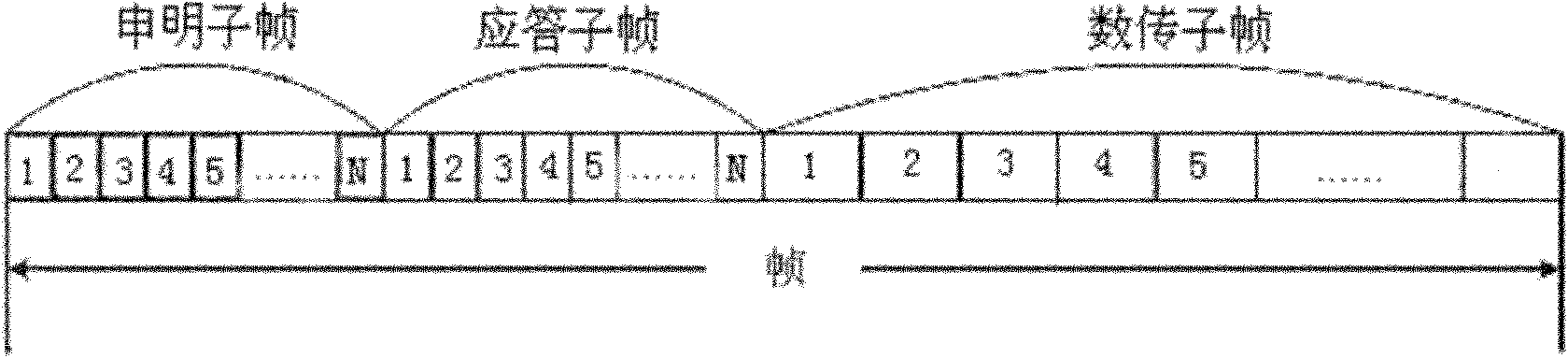
Figure 1 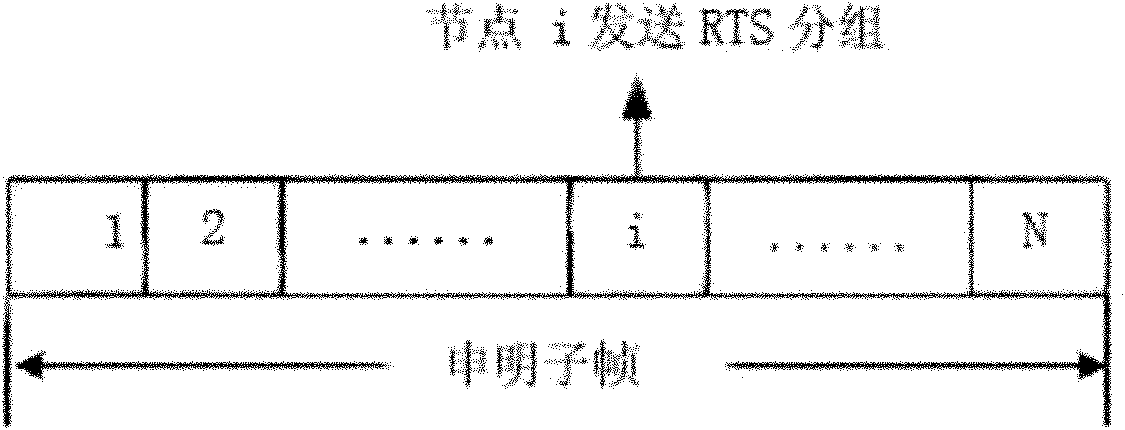
Figure 2 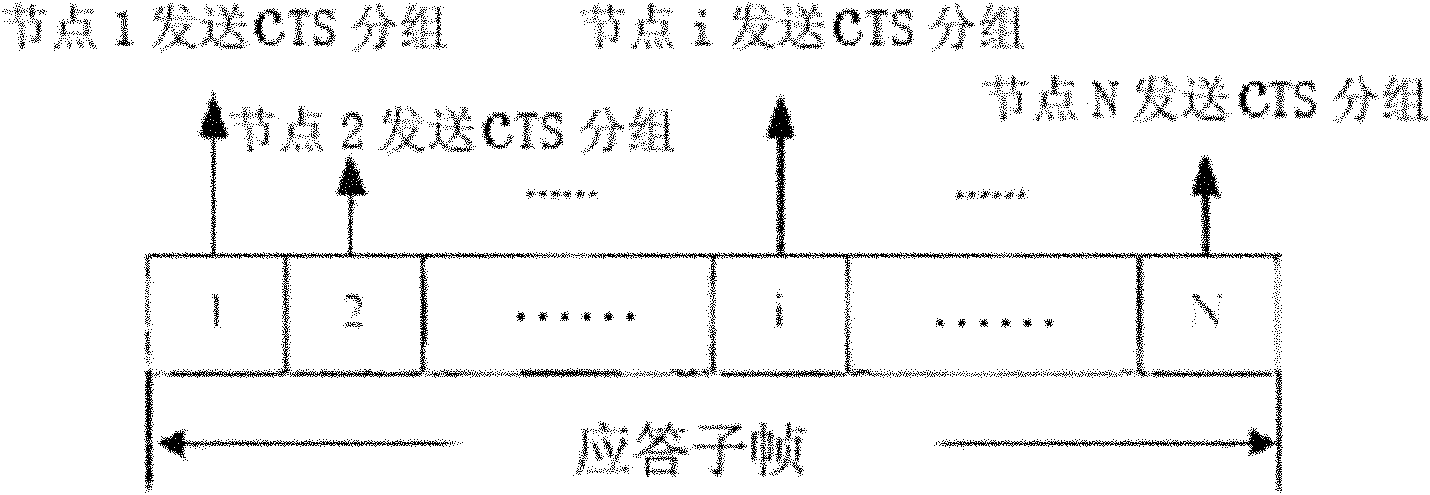
Figure 3
Abstract
Description
technical field
[0001] The invention relates to a time slot access method of a mobile communication network system, in particular to a dynamic time slot allocation access method of a frequency hopping radio station network. Background technique
[0002] Among all the applications and services of mobile wireless communication, the usage rate of wireless channel and the total traffic of wireless network are the most urgent content to be improved in system design. In the wireless communication network system, when the number of nodes or the number of local nodes changes greatly, the use efficiency of many static or quasi-static time slot access methods is very low, and the use of CSMA-type competitive access methods The efficiency is improved compared with the static or quasi-static time slot access method, but when the number of nodes is large, the efficiency also plummets. Contents of the invention
[0003] In order to overcome the shortcomings and deficiencies of the prio...
Examples
Embodiment
[0029] The dynamic time slot allocation and access method of the frequency hopping radio station of the present invention, after the main station and the cluster stations are connected, first search for networking, after the networking is successful, it automatically enters the steps of business declaration, business response and data transmission, as follows Each step is described in detail:
[0030] Step (1) Search for network construction: the master station sends synchronization information hop by hop in its own time slot (L frequency points), and each slave station enters a long search process (length L+1), and receives the master station in a fixed frequency window. Station network synchronization information. After the slave station captures the network access synchronization information of the master station, it updates its own system information, keeps in sync with the master station, and broadcasts the information in its own time slot; The frequency pattern remains ...