
Side information estimating method oriented to distributed coding and decoding of multimedia sensor network
一种传感网、边信息的技术,应用在图像通信、数字视频信号修改、气候可持续性等方向,能够解决数据量大等问题,达到压缩率高、低码率、能耗低的效果
Patent Information
- Authority / Receiving Office
- CN · China
- Patent Type
- Patents(China)
- Current Assignee / Owner
- Publication Date
- 2014-05-07
- Estimated Expiration
- Not applicable · inactive patent
Smart Images
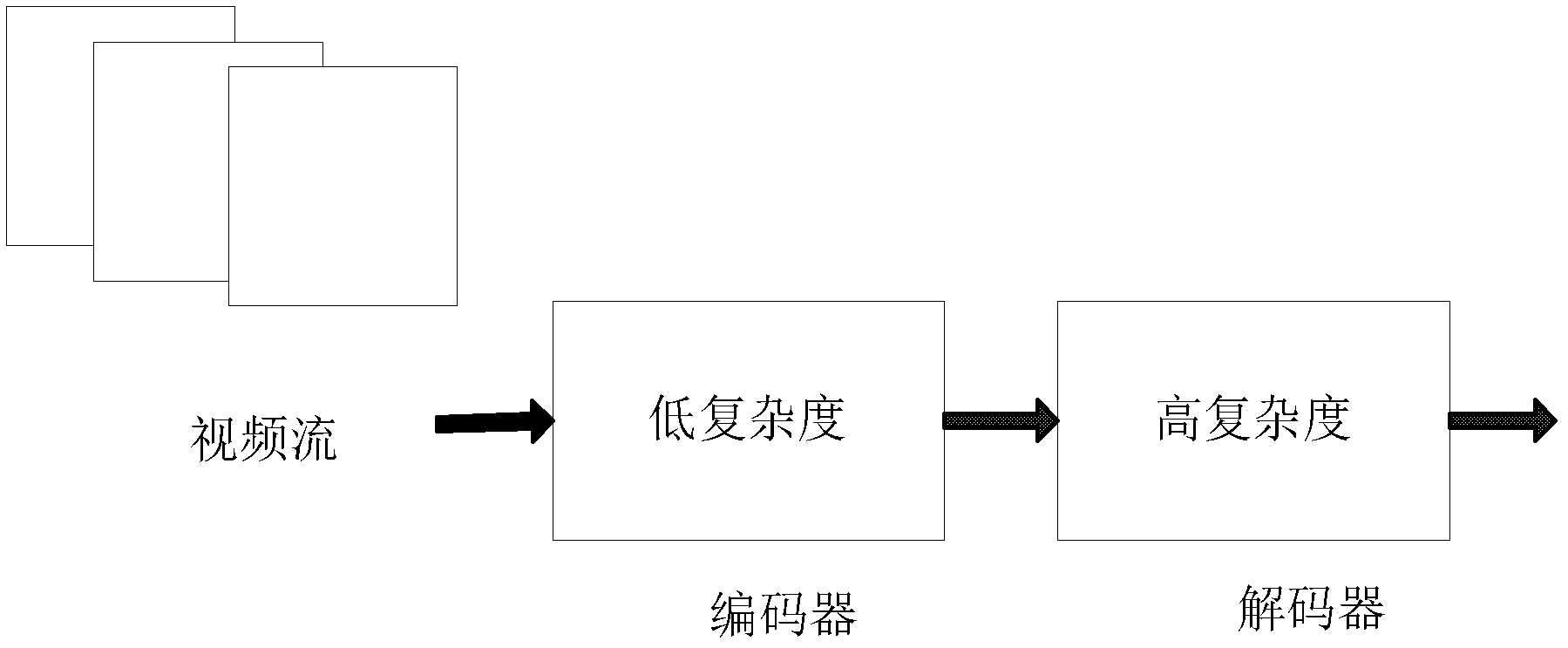
Figure 1 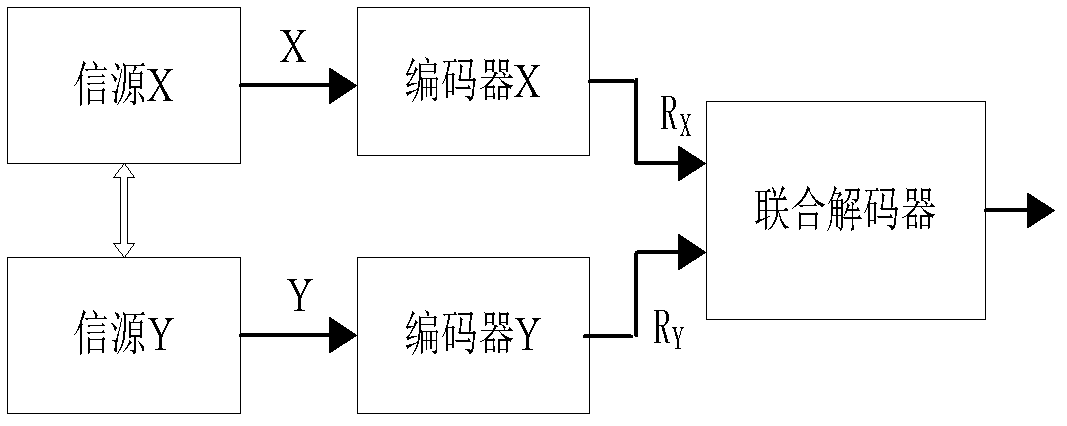
Figure 2 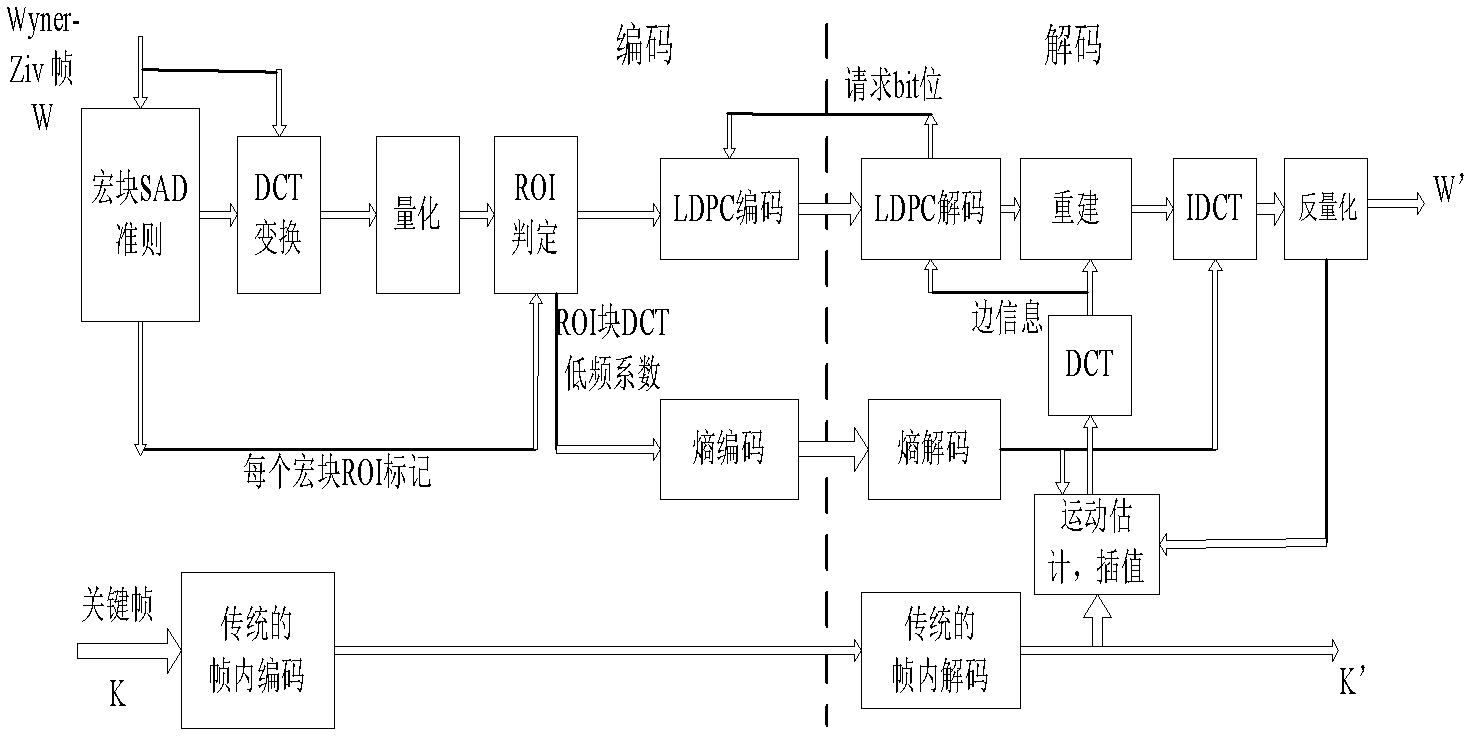
Figure 3
Abstract
Description
technical field
[0001] The invention is a technical solution for multimedia data compression in wireless multimedia sensor networks (Wireless Multimedia Sensor Networks, WMSN). A side information estimation method based on discrete cosine transform low-frequency coefficients is adopted to reduce energy consumption of nodes as much as possible while improving the quality of decoded images, and belongs to the technical field of computer wireless communication. Background technique
[0002] In recent years, with the rapid development of wireless multimedia communication technology, some new video application requirements have begun to appear, such as: wireless PC cameras, mobile video phones, wireless video surveillance, wireless multimedia sensor networks, etc. In these new video applications, due to the limitations of power supply, storage capacity, computing power, and communication capabilities, wireless video terminals not only require low-complexity encoding, but also req...
Examples
Embodiment Construction
[0047] Based on the Wyner-Ziv distributed video coding scheme, this method extracts the intense motion area through the ROI judgment criterion and extracts the DCT low-frequency coefficients of the area for Huffman decoding and compression. The decoding end uses the decoded DCT low-frequency coefficients to perform bidirectional motion estimation. Perform DCT hash (discrete cosine transform low-frequency coefficient) motion interpolation to generate the best side information, and the rest of the area is based on LDPC distributed codec, thereby reducing the bit rate while improving the decoded image quality, reducing node processing and transmission energy consumption, Realize optimized video transmission and prolong the life cycle of the entire network.
[0048] This method is based on the Wyner-Ziv distributed video coding scheme, and divides the video sequence into two different frames: key frame (Key Frame, K frame) and Wyner-Ziv frame (WZ frame). The traditional JPEG codin...