
Combined Bed Methanol to Gasoline Process
A methanol-to-gasoline and combined-bed technology is applied in the petroleum industry, the preparation of liquid hydrocarbon mixtures, and biological raw materials. process, the effect of reducing production costs
Patent Information
- Authority / Receiving Office
- CN · China
- Patent Type
- Patents(China)
- Current Assignee / Owner
- Publication Date
- 2017-07-04
Smart Images
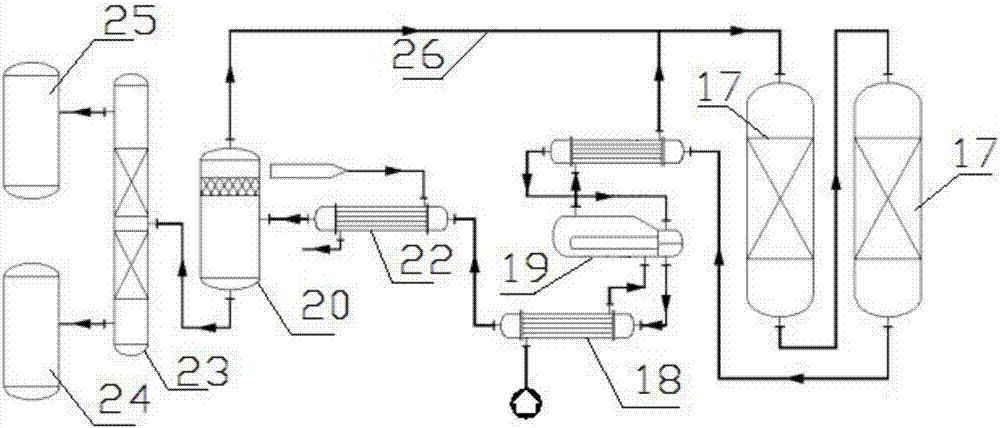
Figure 1 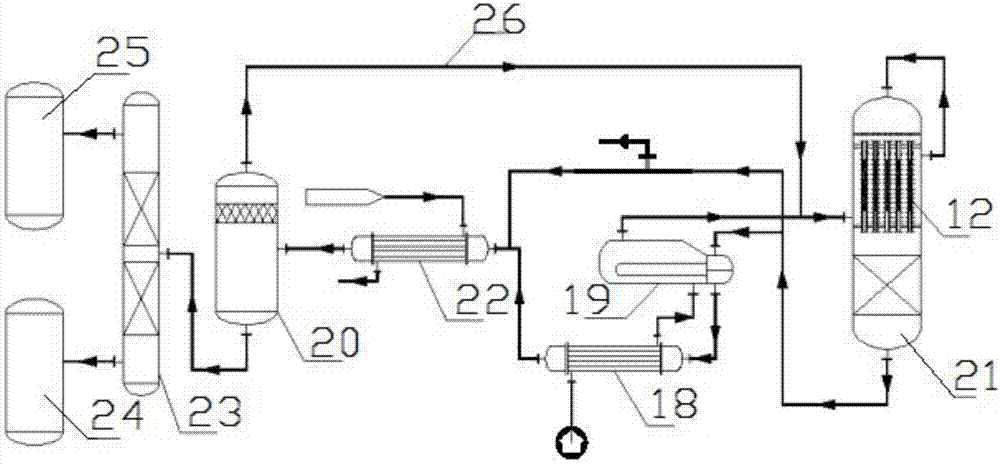
Figure 2 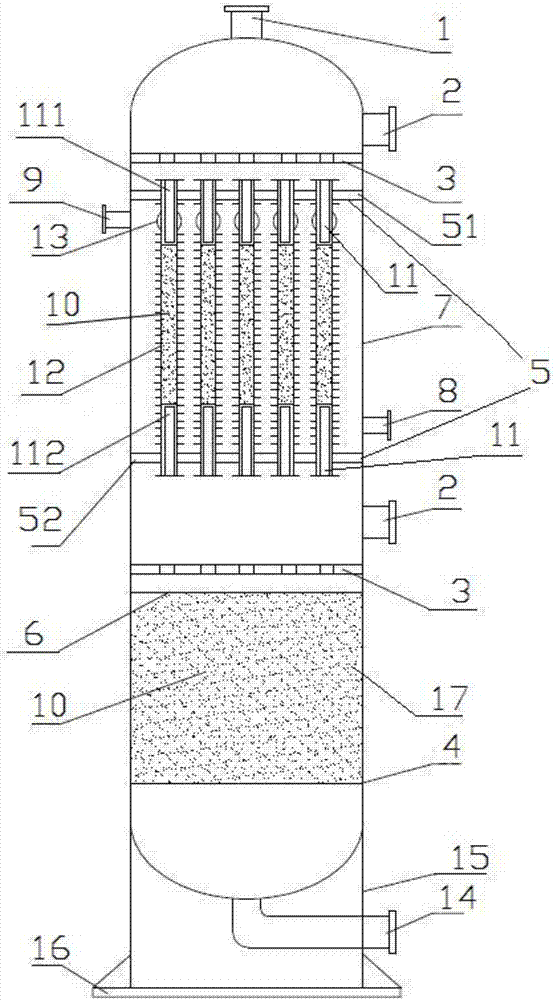
Figure 3
Abstract
Description
technical field
[0001] The invention relates to the field of chemical process flow, in particular to a combined bed methanol-to-gasoline process. Background technique
[0002] Combined bed methanol to gasoline is a strong exothermic reaction, and there are currently reactors including fixed bed reactors, fluidized bed reactors and multi-tubular reactors. The disadvantages of fixed-bed reactors in use are: the released heat cannot be well removed from the reactor, resulting in runaway temperatures, and it is necessary to use a circulating gas that is more than 7 times larger than the feed methanol for temperature control, which seriously affects the quality of the reaction products. The stability and the service life of the catalyst shorten the regeneration period of the catalyst, and the process and equipment are complex, high energy consumption, and high investment; the disadvantages of the fluidized bed reactor in use are: the catalyst entrained in the reaction product nee...
Examples
Embodiment Construction
[0034] The implementation of the present invention will be described in detail below in conjunction with the accompanying drawings, but they do not constitute a limitation to the present invention, and are only examples. At the same time, the advantages of the present invention are clearer and easier to understand through the description.
[0035] Referring to the accompanying drawings, it can be seen that the combined bed methanol-to-gasoline process comprises the following process steps:
[0036] Step 1: preheating the raw material methanol through a preheater 18;
[0037] Step 2: input the preheated raw material methanol into the evaporator 19, and the gasification temperature is 120-160°C, so that the raw material methanol reaches a complete gasification state;
[0038] Step 3: The gasification raw material methanol output in the evaporator 19 and the recycle gas 26 output by the gas-liquid separator 20 are input into the combined constant temperature reactor 21 from the ...