
Method for preparing silane crosslinking polyethylene insulating material for 10 kV or below wires and cables through one step
A polyethylene insulation material and polyethylene insulation technology, applied in the direction of organic insulators, plastic/resin/wax insulators, etc., can solve problems such as large gaps, achieve high insulation resistance, reduce cold flow, enhance chemical resistance and stability. The effect of solvent resistance
Patent Information
- Authority / Receiving Office
- CN · China
- Patent Type
- Applications(China)
- Current Assignee / Owner
- Publication Date
- 2016-10-12
- Estimated Expiration
- Not applicable · inactive patent
Smart Images
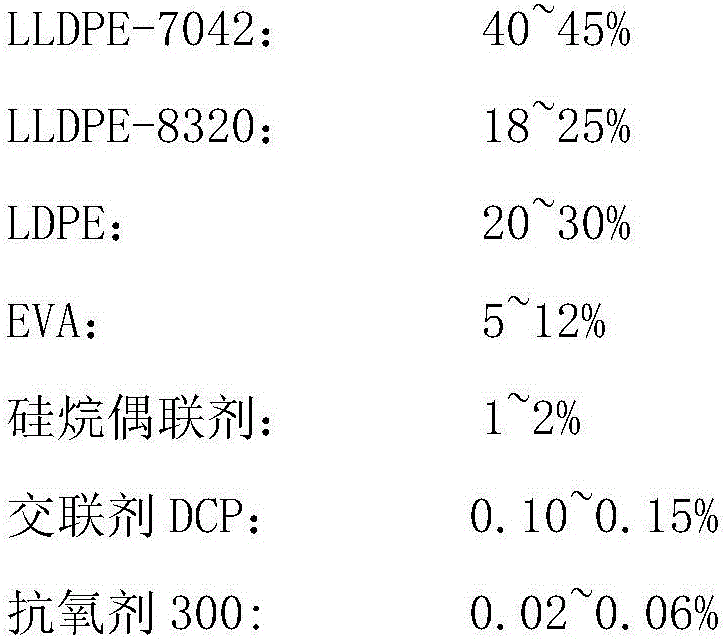
Figure 1 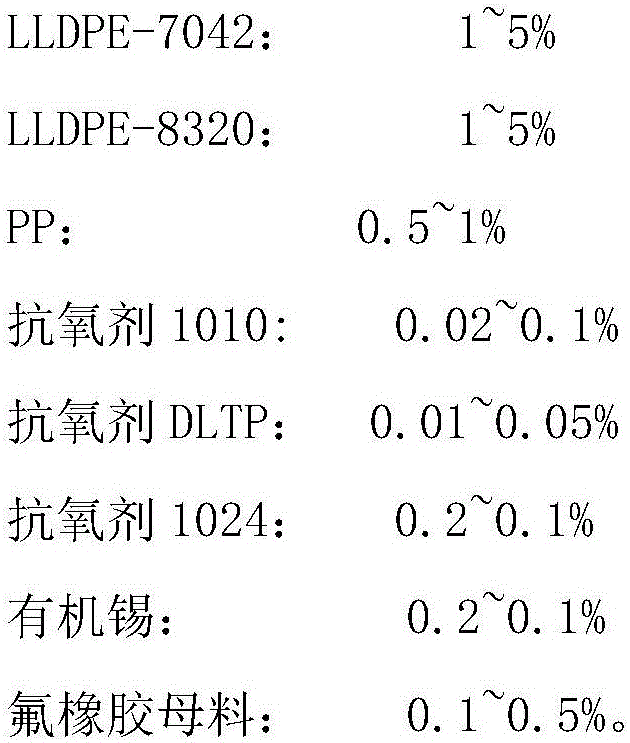
Figure 2 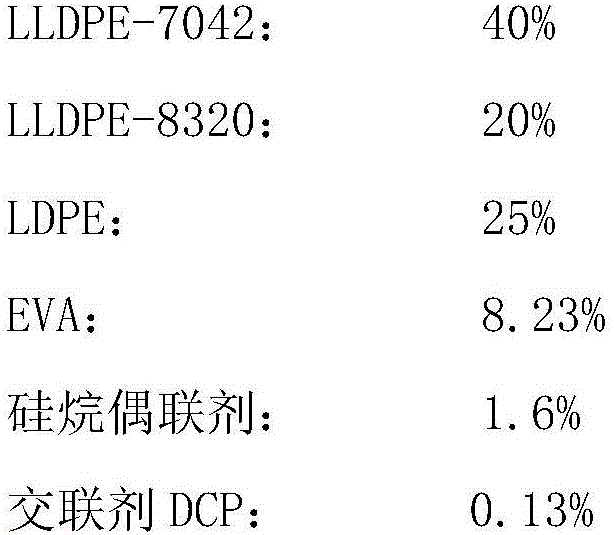
Figure 3
Abstract
Description
technical field
[0001] The invention relates to the field of insulating materials, in particular to silane cross-linked polyethylene insulating materials for wires and cables of 10kV and below. Background technique
[0002] The types of polyolefins used in the cable industry mainly include PE, PP, EVA and EEA, etc. Among them, the relatively large amount and long application history are mainly PE, which include HDPE, MDPE, LDPE, LLDPE and cross-linked XLPE. Their application Needless to say. The current application and development trends of polyolefins in the industry mainly focus on the following aspects:
[0003] (1) Serialization and perfection of halogen-free and low-smoke materials
[0004] Halogen-free, low-smoke, flame-retardant cable materials have been developing rapidly in recent years, and thermoplastic materials that meet the requirements of the IEC92-359 standard have been more and more widely used. With the requirements of cables for oil platforms, nuclear p...
Examples
Embodiment 1
[0045] Silane cross-linked polyethylene insulating material for wires and cables of 10kV and below, which is prepared from the following components by weight percentage:
[0046]
[0047] The two-step method for preparing silane cross-linked polyethylene insulating materials for wires and cables of 10kV and below is mainly composed of two parts, one is the preparation of catalyst masterbatch, and the other is the preparation of finished products.
[0048] 1. Preparation of catalyst masterbatch: The catalyst masterbatch accounts for 5% of the total material composition, and the specific formula is as follows:
[0049]
[0050] Stir the above materials (total 50 kg) in the mixer, first stir at low speed for 1 minute and then at high speed for 3 minutes, then pour them into the hopper of the extruder (extruder temperature: 140~180°C), after twin-screw extrusion After being cooled in a cooling water tank, the pellets are dried after being blown by a fan, and the pellets are ...
Embodiment 2
[0061] Silane cross-linked polyethylene insulating material for wires and cables of 10kV and below, which is prepared from the following components by weight percentage:
[0062]
[0063] The insulating material mentioned above was prepared by the two-step method of Example 1.
Embodiment 3
[0065] Silane cross-linked polyethylene insulating material for wires and cables of 10kV and below, which is prepared from the following components by weight percentage:
[0066]
[0067]
[0068] A method for preparing silane cross-linked polyethylene insulating materials for wires and cables of 10kV and below in one step. It mainly consists of two parts, one is the preparation of catalyst masterbatch, and the other is the preparation of finished products.
[0069] 1. Preparation of catalyst masterbatch: The catalyst masterbatch accounts for 5% of the total material composition, and the specific formula is as follows:
[0070]
[0071] Stir the above materials (total 50 kg) in the mixer, first stir at low speed for 1 minute and then at high speed for 3 minutes, then pour them into the hopper of the extruder (extruder temperature: 140~180°C), after twin-screw extrusion After being cooled in a cooling water tank, the pellets are dried after being blown by a fan, and t...