
Parallel rotor structure hybrid excitation motor brushless electric excitation rotor magnetic poles
A hybrid excitation motor, rotor magnetic pole technology, applied in synchronous generators, electrical components, electromechanical devices, etc., can solve the problems of uneven thickness of end sheath binding, irregular shape of end windings, and inability to be effectively utilized, etc. Achieve the effect of improving the air gap magnetic field adjustment ability, increasing the total area of the air gap, and improving space utilization.
Patent Information
- Authority / Receiving Office
- CN · China
- Patent Type
- Patents(China)
- Current Assignee / Owner
- Publication Date
- 2018-07-13
Smart Images
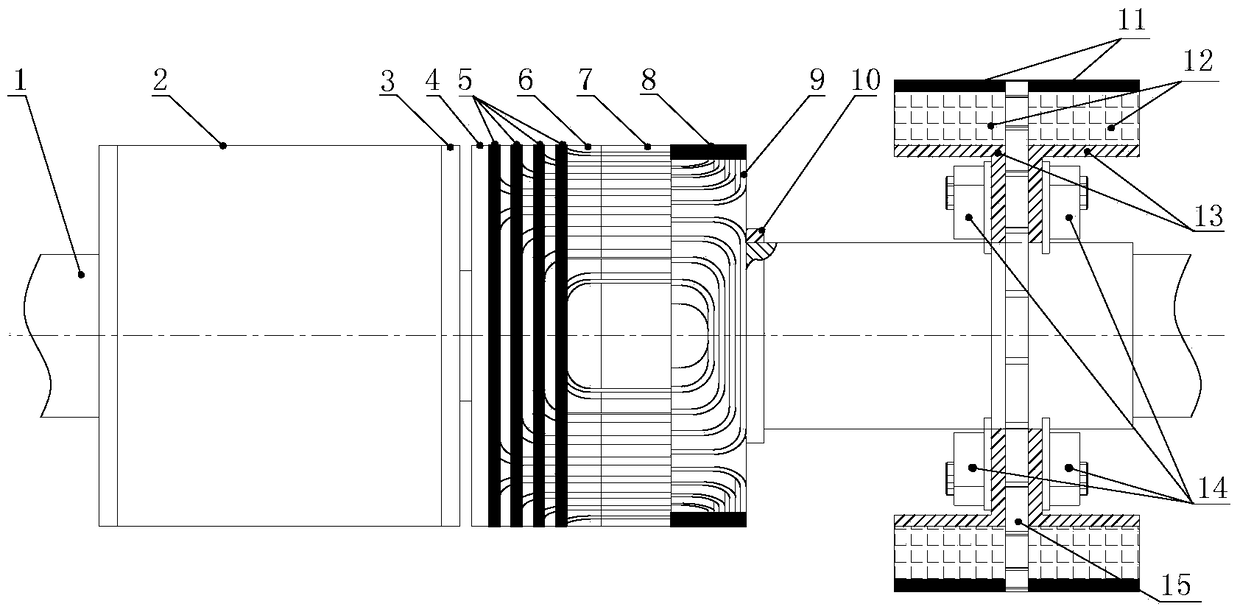
Figure 1 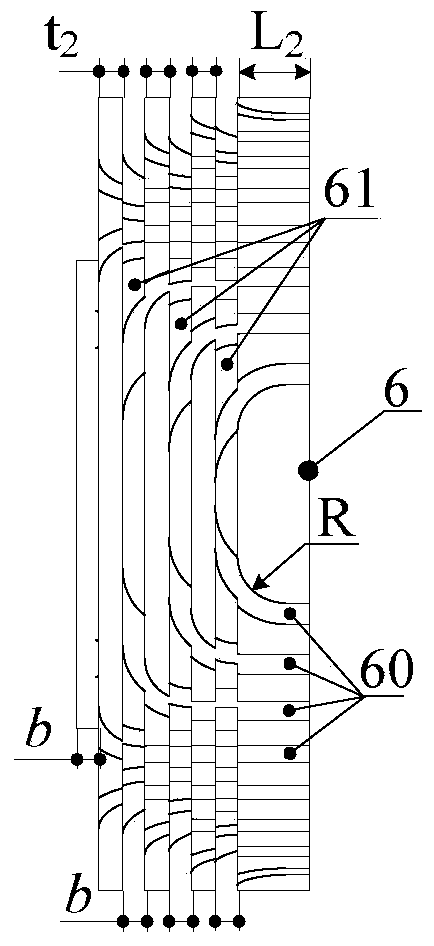
Figure 2 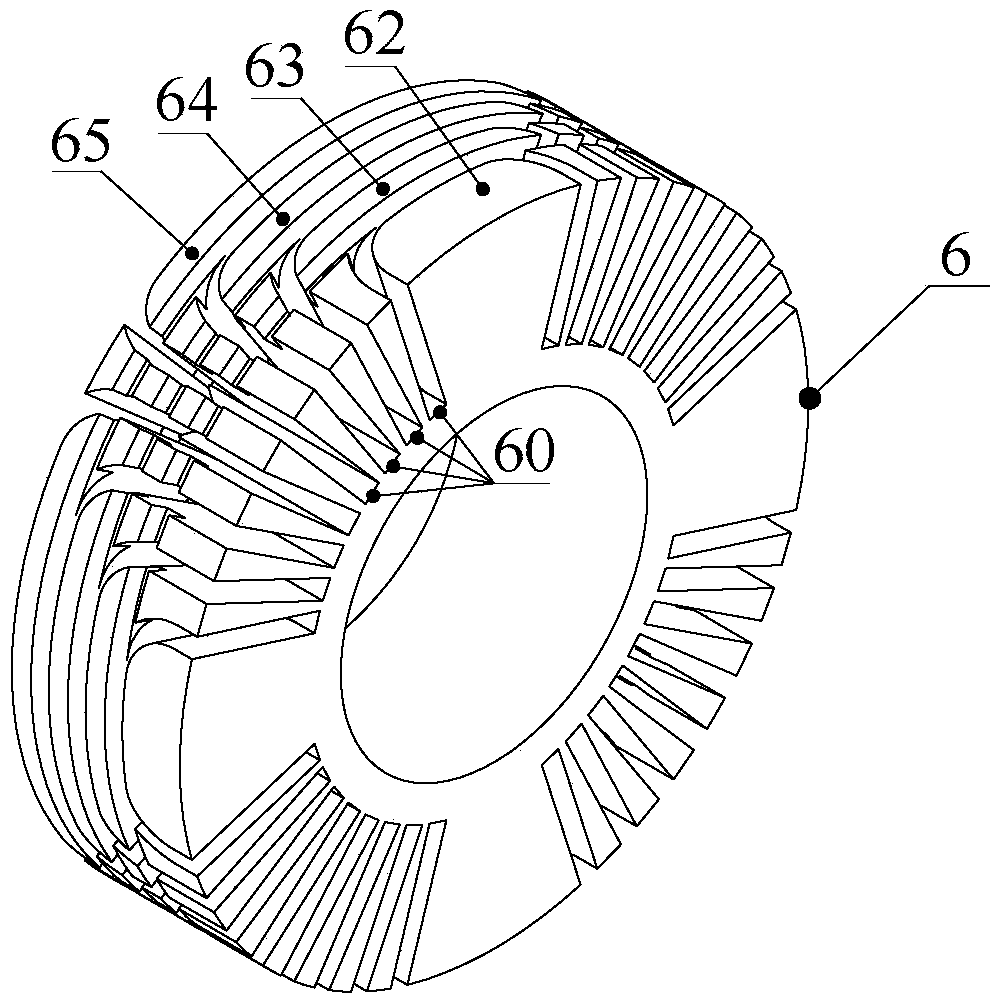
Figure 3
Abstract
Description
technical field
[0001] The invention relates to a brushless electric excitation rotor magnetic pole of a parallel rotor structure hybrid excitation motor. Background technique
[0002] Hybrid excitation motor combines the advantages of permanent magnet motor and electric excitation motor. It not only has the advantages of high efficiency and high power density of permanent magnet synchronous motor, but also has the ability of electric excitation motor to adjust the air gap magnetic field. The fields of automobiles, ships and aviation power supply systems have received extensive attention. In the existing hybrid excitation motor topology, the permanent magnet rotor and the electric excitation rotor are coaxially arranged in parallel, and the electric excitation winding is located on the rotor structure. Because of its relatively simple structure, the adjusting magnetic flux generated by the electric excitation rotor does not need to pass through the permanent magnets. There ...
Examples
Embodiment Construction
[0026] The technical solution of the present invention will be described in detail below in conjunction with the accompanying drawings.
[0027] Such as figure 1 As shown, a brushless electric excitation rotor pole of a parallel rotor structure hybrid excitation motor is composed of a straight section core pole 7 and an end core pole 6 located between the permanent magnet rotor pole 2 and the straight section iron core pole 7; the straight section iron core The electric excitation rotor poles composed of magnetic poles 7 and end core poles 6 are coaxially arranged with the rotating armature core 15 of the exciter and the permanent magnet rotor poles 2; the electric excitation winding 9 adopts a rotary rectification power supply system to realize brushless power supply. The electric excitation rotor poles and the permanent magnet rotor poles 2 share a set of stator windings, and the number of poles of the two is the same. The end core poles 6 and the straight section core poles...