
An RFID card reader transceiver device and system
A transceiver system and transceiver technology, applied in transmission systems, cooperating devices, instruments, etc., can solve problems such as large carrier signal interference and limit receiver sensitivity, achieve load balance, improve reading sensitivity and reading distance. , Improve the effect of reading and writing distance
Patent Information
- Authority / Receiving Office
- CN · China
- Patent Type
- Patents(China)
- Current Assignee / Owner
- Publication Date
- 2022-03-15
Smart Images
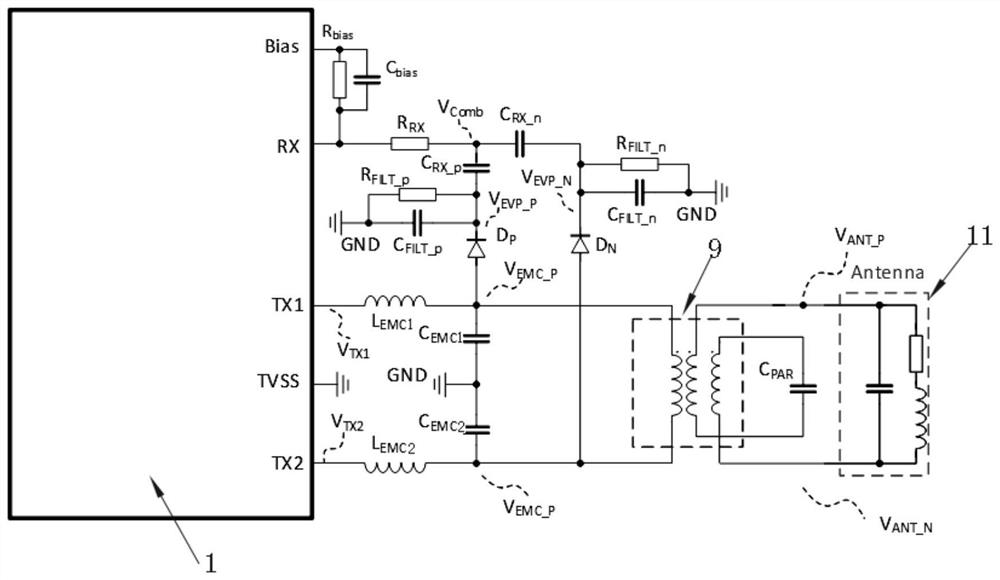
Figure 1 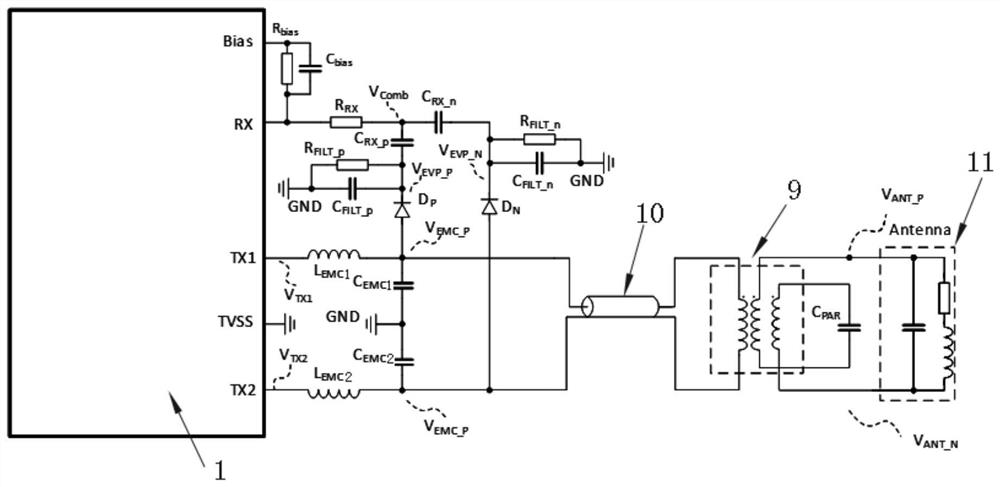
Figure 2 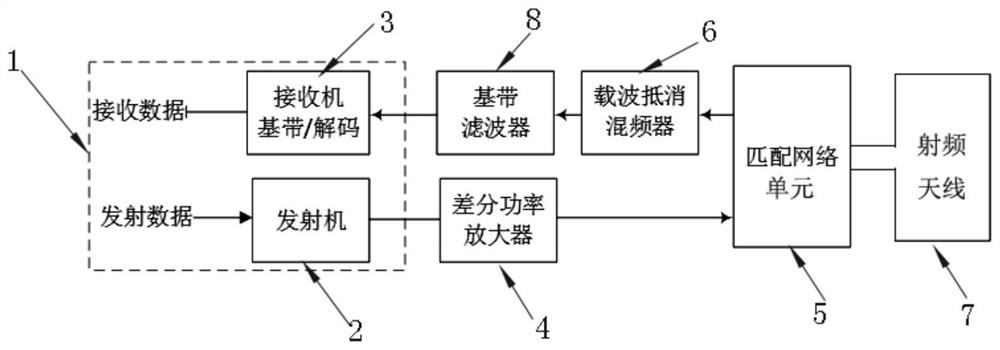
Figure 3
Abstract
Description
technical field
[0001] The invention relates to the technical field of near-field communication, in particular to an RFID card reader transceiver device and system. Background technique
[0002] RFID (Radio Frequency Identification) is the English abbreviation of Radio Frequency Identification. Generally speaking, an RFID card reader is an automatic identification device that can read electronic tag data. According to the frequency of reading tags, it can be divided into low-frequency, high-frequency, and ultra-high-frequency card readers. The RFID card reader needs to be used together with the RFID antenna to read the tag information. As a non-contact automatic identification technology, RFID radio frequency identification automatically identifies target objects and obtains relevant data through radio frequency signals. The identification work does not require manual intervention and can work in various harsh environments. RFID technology can identify high-speed moving ob...
Examples
Embodiment Construction
[0024] The implementation of the present invention will be illustrated by specific specific examples below, and those skilled in the art can easily understand other advantages and effects of the present invention from the contents disclosed in this specification.
[0025]It should be noted that the structures, proportions, sizes, etc. shown in the drawings attached to this specification are only used to match the content disclosed in the specification, for those who are familiar with this technology to understand and read, and are not used to limit the implementation of the present invention. Limiting conditions, so there is no technical substantive meaning, any modification of structure, change of proportional relationship or adjustment of size, without affecting the effect and purpose of the present invention, should still fall within the scope of the present invention. The disclosed technical content must be within the scope covered. At the same time, terms such as "upper",...