
A kind of electrolytic solution suitable for silicon carbon negative electrode and lithium ion battery comprising the electrolytic solution
An electrolyte and negative electrode technology, applied in secondary batteries, secondary battery repair/maintenance, circuits, etc., can solve the problems of SEI film instability, battery capacity decay, SEI damage, etc., to inhibit reduction and decomposition, and improve discharge capacity. , the effect of reducing the interface impedance
Patent Information
- Authority / Receiving Office
- CN · China
- Patent Type
- Patents(China)
- Current Assignee / Owner
- Publication Date
- 2021-03-26
Smart Images
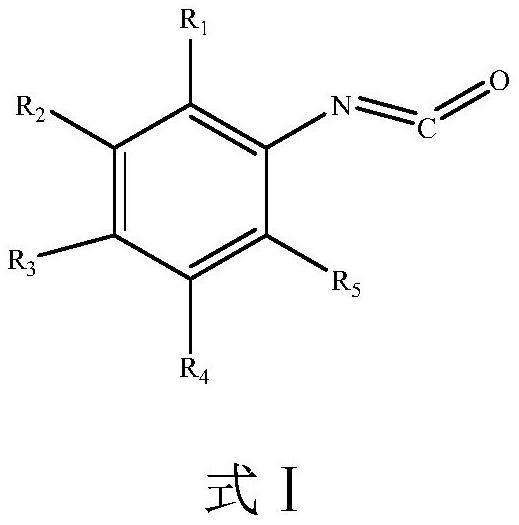
Figure 1 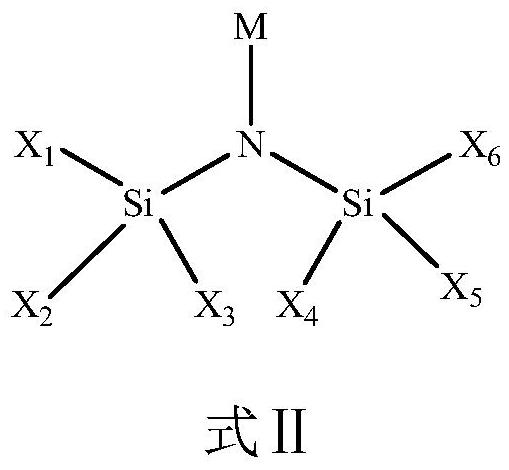
Figure 2 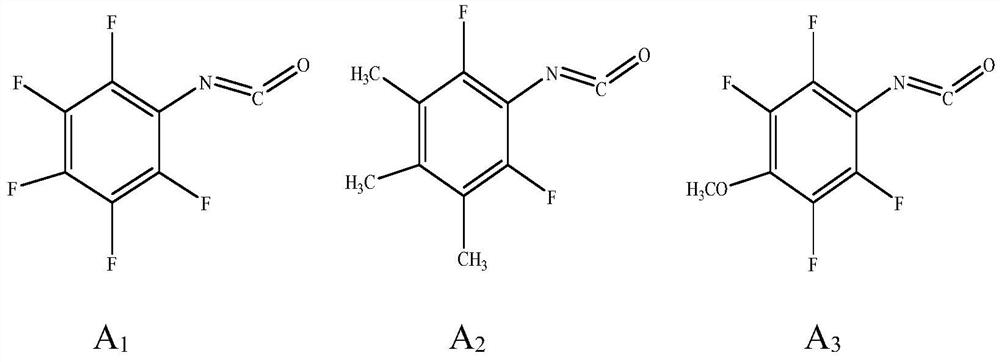
Figure 3
Abstract
Description
technical field
[0001] The invention relates to the technical field of lithium ion batteries, in particular to an electrolyte suitable for a silicon-carbon negative electrode and a lithium ion battery containing the electrolyte. Background technique
[0002] Lithium-ion batteries are widely used in 3C digital, electric tools, aerospace, energy storage, power vehicles and other fields due to their advantages such as high specific energy, no memory effect, and long cycle life. The rapid development of electronic information technology and consumer products has a great impact on lithium-ion batteries. Battery energy density performance puts forward higher requirements. At present, commercial lithium-ion batteries mainly use graphite as the negative electrode material, but the maximum theoretical specific capacity of graphite is only 372mAh / g, which is comparable to positive electrode materials such as lithium cobaltate, lithium manganate, lithium iron phosphate, and nickel-coba...
Examples
Embodiment 1
[0041] Preparation of electrolyte: In a glove box filled with argon, mix ethylene carbonate, diethyl carbonate and ethyl methyl carbonate according to the mass ratio of EC:DEC:EMC=2:3:3, and then add to the mixed solution Slowly add 12.5wt% lithium hexafluorophosphate (LiPF 6 ), based on 0.5wt% lithium bisoxalate borate (LiBOB) based on the total mass of the electrolyte and 2.5wt% lithium difluorooxalate borate (LiDFOB) based on the total mass of the electrolyte, and finally add 2.0wt% based on the total mass of the electrolyte Fluorophenylisocyanate compounds having the structure shown in formula I, 0.5wt% disilazide-based compounds having the structure shown in formula II, 5.0wt% fluoroethylene carbonate (FEC) and 0.5wt% 1, 3-propanediol cyclic sulfate (PCS), after being stirred uniformly, obtains the lithium-ion battery electrolyte of embodiment 1.
[0042] Preparation of soft-pack battery: stack the prepared positive electrode sheet, separator, and negative electrode shee...
Embodiment 2-12 and comparative example 1-8
[0044] In Examples 2-12 and Comparative Examples 1-8, except that the composition ratio of the components of the electrolyte is in accordance with the additives shown in Table 1, the others are the same as in Example 1.
[0045] Table 1 embodiment 1-12 and the composition ratio of each component of the electrolyte of comparative example 1-8
[0046]
[0047]
[0048]
[0049] The following performance tests were carried out on the full batteries prepared in Examples 1-12 and Comparative Examples 1-8:
[0050] 1) Cycling performance test at room temperature: At 25°C, charge the divided battery to 4.2V at 1C constant current and constant voltage, with a cut-off current of 0.05C, then discharge at 1C constant current to 3.0V, and cycle accordingly, charge / Calculate the capacity retention rate of the 1000th cycle after discharging 1000 cycles, the calculation formula is as follows:
[0051] 1000th cycle capacity retention rate (%)=(1000th cycle discharge capacity / first ...