
A kind of battery electrolyte additive, electrolyte containing the additive and application thereof
An electrolyte additive and electrolyte technology, applied in the field of lithium-ion batteries, can solve the problems of poor performance at room temperature and high temperature, and achieve the effects of reducing reactivity, improving high-temperature storage and high-temperature cycle performance, and preventing the decomposition process.
Patent Information
- Authority / Receiving Office
- CN · China
- Patent Type
- Patents(China)
- Current Assignee / Owner
- Publication Date
- 2021-01-01
Smart Images
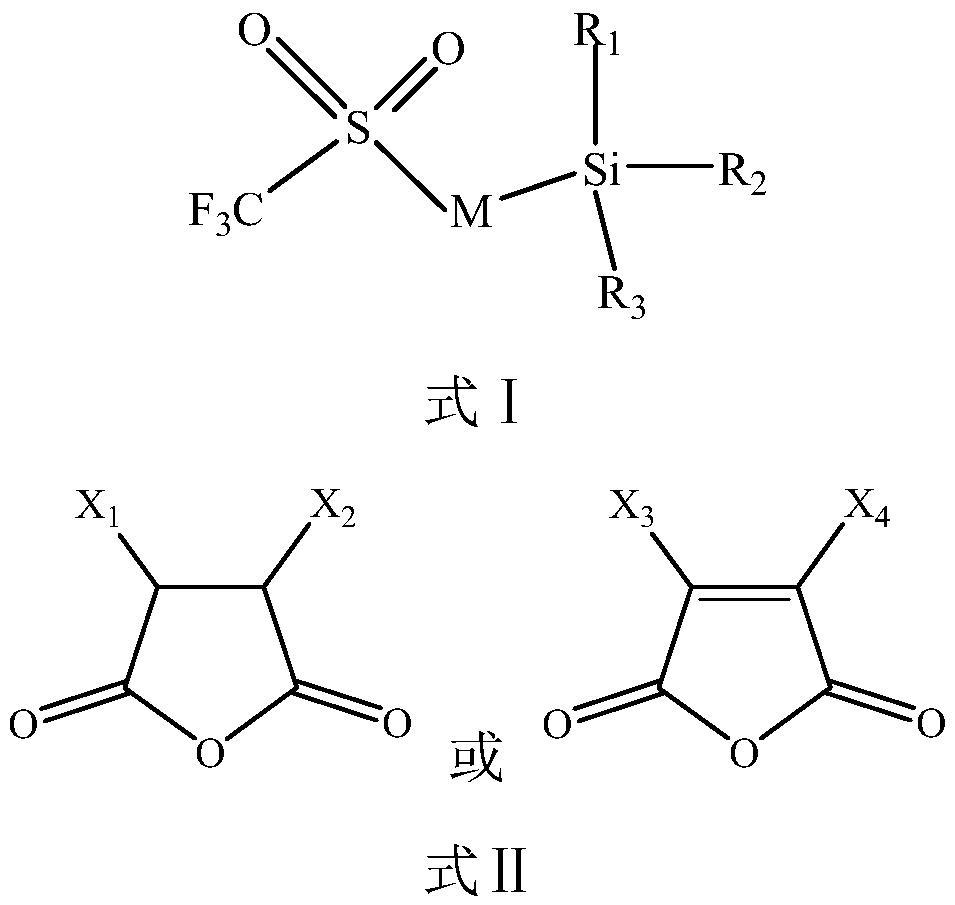
Figure 1 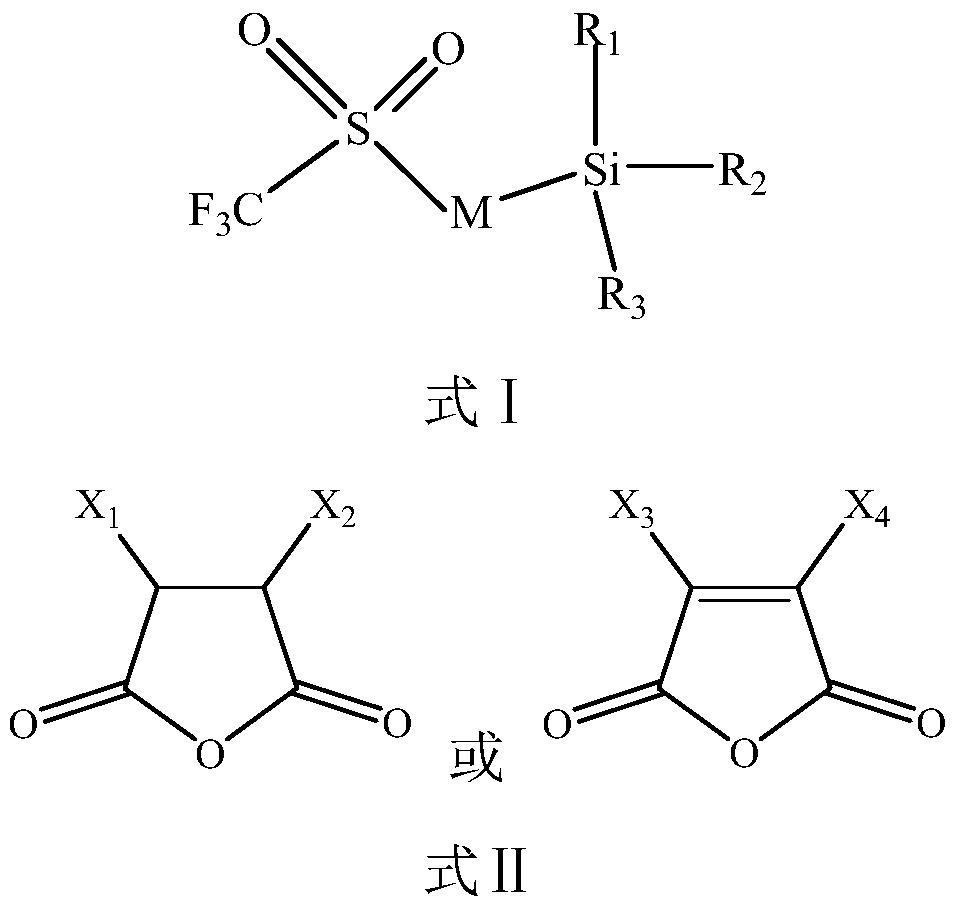
Figure 2 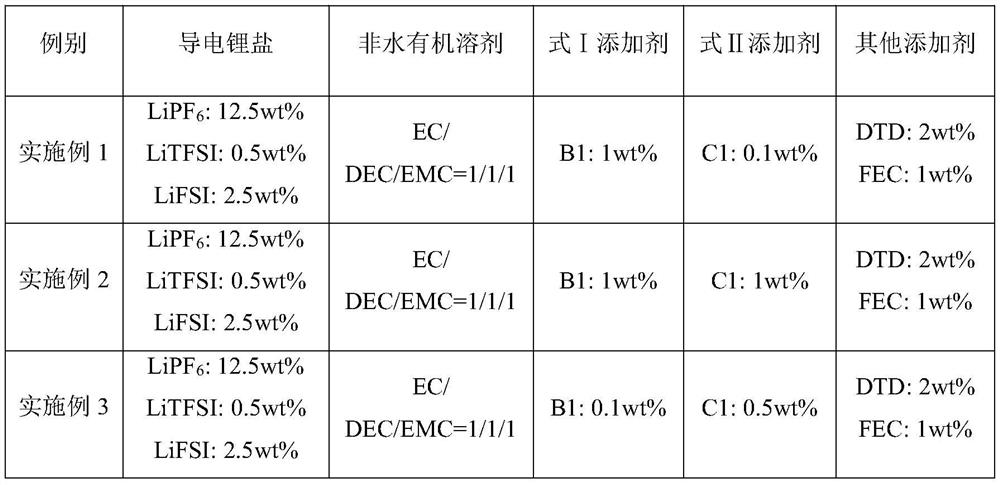
Figure 3
Abstract
Description
technical field
[0001] The invention relates to the technical field of lithium ion batteries, in particular to a battery electrolyte additive, an electrolyte containing the additive and applications thereof. Background technique
[0002] Due to the advantages of high operating voltage, high energy density, long cycle life and environmental friendliness, lithium-ion batteries are widely used in 3C digital, power tools, aerospace, energy storage, power vehicles and other fields. With the rapid development of electronic information technology and consumer products, higher requirements are put forward for the performance of lithium-ion batteries in all aspects, and the development of electrolytes with excellent comprehensive properties such as high rate, long cycle life, high capacity and high retention rate The system is one of the important goals of developing high-performance lithium-ion batteries, and it is also one of the important ways to improve the energy density of lith...
Examples
Embodiment 1
[0056] Preparation of electrolyte: In a glove box filled with argon, mix ethylene carbonate, diethyl carbonate and ethyl methyl carbonate according to the mass ratio of EC:DEC:EMC=1:1:1, and then add to the mixed solution Slowly add 12.5wt% lithium hexafluorophosphate based on the total weight of the electrolyte, 0.5wt% lithium bisfluorosulfonimide (LiTFSI) based on the total weight of the electrolyte and 2.5wt% lithium bisfluorosulfonimide based on the total weight of the electrolyte (LiFSI), finally add 1.0wt% of the compound with the structure shown in formula I based on the total weight of the electrolyte, 0.1wt% of the cyclic anhydride compound shown in the formula II, 2.0wt% vinyl sulfate (DTD) and 1.0 wt% fluoroethylene carbonate (FEC), and stir to obtain the lithium-ion battery electrolyte of Example 1.
[0057] Preparation of lithium-ion battery: stack the prepared positive electrode sheet, separator, and negative electrode sheet in order, so that the separator is in ...
Embodiment 2-12
[0058] Embodiment 2-12 and comparative example 1-9
[0059] In Examples 2-12 and Comparative Examples 1-9, except that the proportions of the components of the electrolyte are added as shown in Table 1, the others are the same as in Example 1. In addition, the structural formulas of the additives of formula I and additives of formula II in each embodiment are shown in Table 2.
[0060] Table 1 embodiment 1-12 and the composition ratio of each component of the electrolyte of comparative example 1-9
[0061]
[0062]
[0063]
[0064] Structural formula Ⅰ and structural formula Ⅱ specific material description in the embodiment of table 2
[0065]
[0066]
[0067] Performance Testing
[0068] Performance tests were performed on the batteries prepared in Examples 1-12 and Comparative Examples 1-9.
[0069] (1) Cycling performance test at room temperature: At 25°C, charge the divided battery to 4.35V at 1C constant current and constant voltage, with a cut-off cur...