
A rotary muscle stretching device and method
A stretching device and a rotating technology, applied in the field of biomechanics, can solve problems such as failure of health care, ligament rupture or fracture, and damage to physical health, and achieve easy promotion, relieve neck and shoulder pain, and increase flexibility. Effect
Patent Information
- Authority / Receiving Office
- CN · China
- Patent Type
- Applications(China)
- Current Assignee / Owner
- Publication Date
- 2020-04-07
Smart Images
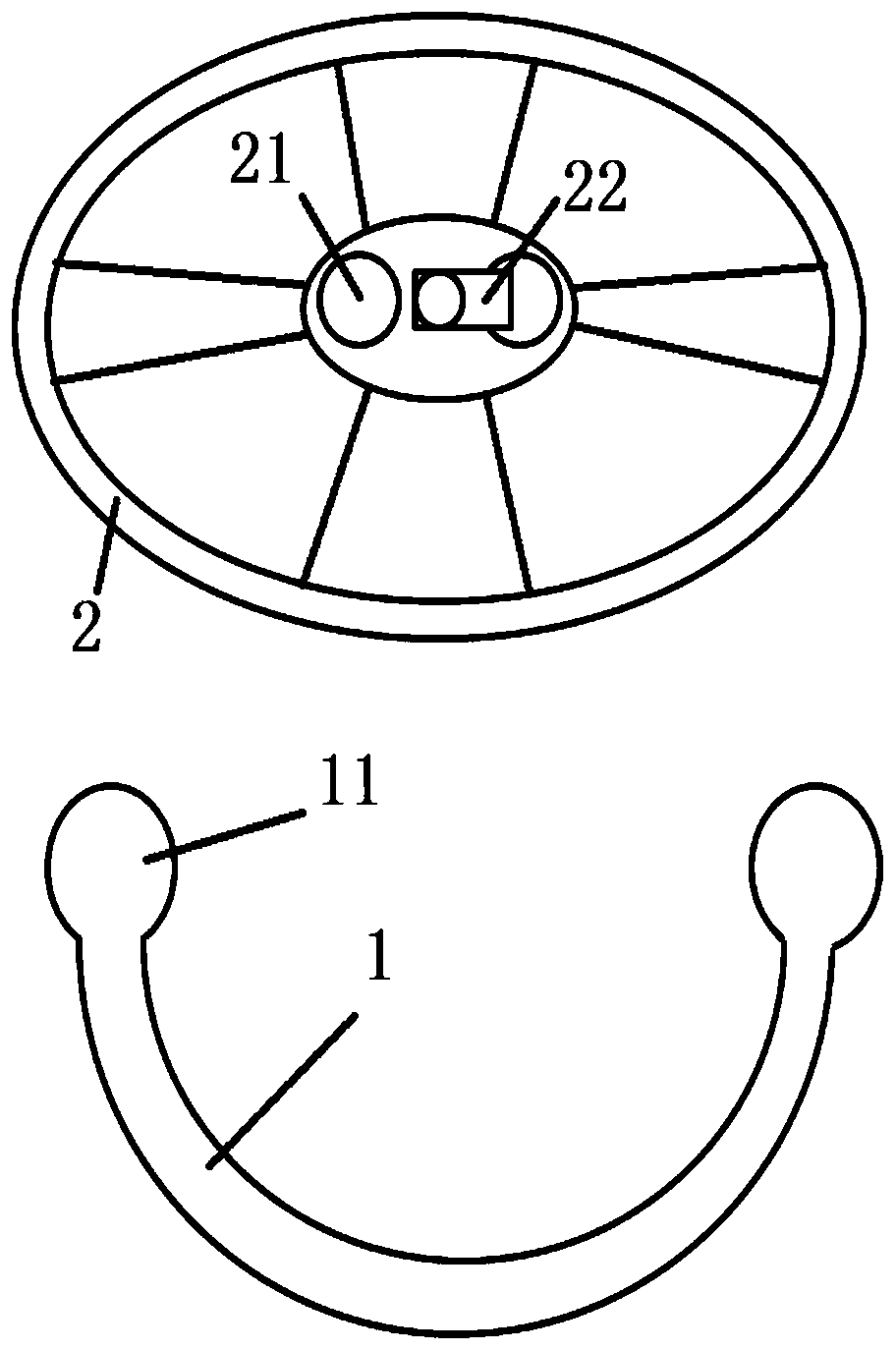
Figure 1 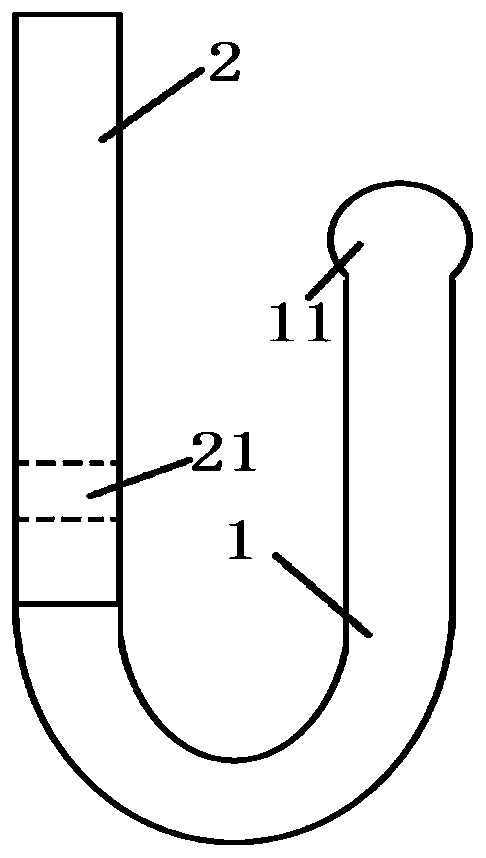
Figure 2
Abstract
Description
technical field
[0001] The invention relates to a rotary muscle stretching device and method, belonging to the technical field of biomechanics. Background technique
[0002] The normal posture and line of force of the human body are the foundation of health. Problems with the line of force will cause small changes in joint position, changes in soft tissue tension, and changes in posture, and these changes will cause ligament and muscle pain over time, and in severe cases, nerve compression symptoms.
[0003] Muscle stretching can change the muscle tension of the body, promote blood circulation, speed up metabolism, and reduce sports injuries and fatigue. Correct muscle stretching can change the body's line of force and posture, increase body flexibility, and eliminate pain.
[0004] At present, the main method is the axial stretching method, which will cause strong pain and is difficult to persist, especially for the elderly with poor flexibility, it is easy to cause probl...
Examples
Embodiment 1
[0021] A rotating muscle stretching device such as figure 1 , 2 As shown, it includes: an elastic band 1, used to fix the part to be stretched, a rotating part 2, and the rotating part 2 is used to tighten the elastic band 1, and fix the two ends of the elastic band 1, and rotate the rotating part 2 to be stretched part to stretch.
[0022] Such as figure 1 As shown, one end of the elastic band 1 is fixedly connected to the rotating part 2 , and the other end of the elastic band 1 is provided with a protrusion 11 , and the protrusion 11 is used for clamping the elastic band 1 on the rotating part 2 .
[0023] Such as figure 2 As shown, both ends of the elastic band 1 are provided with protrusions 11 ; the rotating part 2 is provided with two holes 21 with a radius smaller than the protrusions 11 , and the protrusions 11 are clamped on the rotating part 2 through the holes 21 .
[0024] The rotary muscle stretching device also includes a clamping part 22 for adjusting the ...
Embodiment 2
[0027] This embodiment discloses a rotary muscle stretching method, which includes the following steps: S1 tightens the part to be tested with an elastic band 1; S2 tightens both ends of the elastic band 1, and fixes both ends of the elastic band 1, Rotate the end of the elastic band 1 clockwise to a predetermined angle, keep it for a predetermined time, and restore it; S3 rotate the end of the elastic band 1 counterclockwise to a predetermined angle, hold it for a predetermined time, and restore it; S4 Repeat steps S2-S3 for a predetermined number of times Finally, complete the muscle stretching of the part to be tested. This method is based on the principle of biomechanics. By rotating and stretching different parts of the limbs, the biomechanical structure of the human body is changed, so as to increase the flexibility of soft tissues, reduce muscle tension, change the posture of the human body, and relieve neck and shoulder pain, knee pain, low back pain and foot pain. The...
Embodiment 3
[0030] In the supine position, the subject is relaxed, lying face up, and the thigh is stretched.
[0031] (1) Put the hip joint in a flexed and externally rotated position, support the outer side of the knee joint with an object with a certain hardness, flex the lower leg naturally, and keep the sole of the foot facing the inner side of the body.
[0032] (2) Divide the thigh into upper, middle and lower sections, wrap the elastic belt 1 around the middle of the thigh and fix it, the rotating part 2 fixes the elastic belt 1, the longitudinal axis of the rotating part 2 is perpendicular to the longitudinal axis of the thigh, and rotate clockwise Part 2 makes the elastic band 1 drive the muscles of the rear thigh group, the inner group, the front group muscles and the outer group muscles to rotate clockwise simultaneously. The rotation angle ranges from 5°--45°, hold for 10-30 seconds, release the rotation force, and restore the muscle group to its original position. The size ...