
Acetic acid for enhancing or modifying aroma of aroma chemicals
By adding an appropriate amount of acetic acid to the aromatic chemicals to adjust its preparation process, the problems of high cost of fragrance development and difficulty in changing in the prior art are solved, and economical and environmentally friendly aroma enhancement and change effects are achieved.
Patent Information
- Application Number
- CN202380082553.3
- Authority / Receiving Office
- CN · China
- Patent Type
- Applications(China)
- Current Assignee / Owner
- Priority Date
- 2022-11-30
- Filing Date
- 2023-11-29
- Publication Date
- 2025-07-11
AI Technical Summary
The prior art has the problem of high cost and uneco-friendly development of new spices, and existing spices are difficult to simply change to adapt to market trends, and methods to increase spice strength are not economical and environmentally friendly enough.
By adding 50 to 600 ppm of acetic acid relative to the total weight to the aromatic chemical, the preparation process of the aromatic chemical is adjusted to enhance or change its aromatic, the aromatic chemical of the acetate or propionate group is mixed with the acetic acid, and components such as antioxidants and deodorizing actives are added to form a composition to enhance or change the aromatic.
It has achieved the strengthening or changing the aromatic effect of aromatic chemicals while maintaining environmental protection and economicality, improving the adaptability and economicality of spices, and reducing the cost of developing new spices.
Smart Images
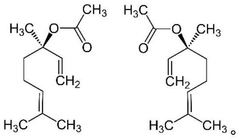
Figure BDA0005426475730000161 
Figure BDA0005426475730000162 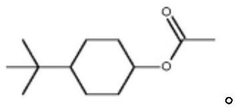
Figure BDA0005426475730000163
Abstract
Description
[0001] The present invention relates to the use of acetic acid for enhancing and / or modifying the aroma, preferably the fragrance, of aroma chemicals containing one or more acetate or propionate groups (i.e., acetic acid ester or propionic acid ester groups); to the use of a composition comprising acetic acid and at least one aroma chemical containing one or more acetate or propionate groups as an aroma composition, preferably as a perfume; to a method for enhancing and / or modifying the aroma of an aroma chemical containing one or more acetate or propionate groups, the method being carried out by providing a composition containing the aroma chemical and acetic acid in an amount of 50 to 600 ppm relative to the total weight of the acetic acid and the aroma chemical; to a composition comprising at least one aroma chemical containing one or more acetate or propionate groups, an amount of acetic acid in the range of 50 to 600 ppm relative to the total weight of the acetic acid and the one or more aroma chemicals, and at least one additional component selected from the group consisting of: aroma chemicals different from the aroma chemical containing one or more acetate or propionate groups, non-aroma chemical carriers, antioxidants, and deodorizing active agents; to a method for preparing an aroma chemical composition; and to a method for imparting an aroma to a composition. Background Art
[0002] Aroma chemicals, especially perfumes, are of great interest especially in the fields of cosmetics and cleaning and laundry compositions.
[0003] The market for aroma chemicals is constantly changing. Customers and retailers are constantly looking for new perfumes that meet current trends. However, the development of new perfumes is a risky and expensive business. New products have to be carefully characterized, the developed routes have to be economically viable, and the final products have to be biodegradable and toxicologically harmless. From a sustainability perspective, it would also be advantageous if existing and established perfumes could simply be modified rather than having to be completely re-developed each time. Additionally or alternatively, it would be advantageous if the intensity of existing perfume components could be increased in a simple way so that less material could be used.
[0004] Therefore, the object of the present invention is to find a way to enhance and / or modify the aroma of known aroma chemicals. In addition, the substance used for this purpose should combine well with the known aroma chemicals, be economically available, environmentally friendly, and toxicologically harmless.
[0005] EP 099844B1 relates to a process for the preparation of 4-tert-butylcyclohexyl acetate, which has a woody and fruity fragrance and is used as a perfume in soaps, detergents or shampoos. The acetate will have a cis-isomer content of at least 90% and will contain less than 50 ppm of acetic acid, since it is stated that the desired fragrance cannot be obtained if the content of acetic acid exceeds 50 ppm. In the comparative example, 4-tert-butylcyclohexyl acetate containing 94 ppm of acetic acid was prepared.
[0006] Surprisingly, it has been found that when used in certain concentrations, acetic acid advantageously enhances and / or modifies the aroma, in particular the fragrance, of known aroma chemicals having an acetate or propionate group. By way of example only, in the case of 1,4-butanediol diacetate, its fragrance is enhanced by the presence of a certain concentration of acetic acid and is also perceived as more natural or "greener". This advantageous effect is observed when both acetic acid and the corresponding aroma chemical are mixed and when, in the preparation, purification or separation process of an aroma chemical having one or more acetate groups, the resulting product contains a certain amount of acetic acid. Summary of the Invention
[0007] The present invention relates to the use of acetic acid for enhancing and / or modifying the aroma, preferably the fragrance, of aroma chemicals (I) containing one or more acetate or propionate groups (i.e., acetic acid ester or propionic acid ester groups) or mixtures of different aroma chemicals (I), wherein acetic acid is used in an amount of 50 to 600 ppm relative to the total weight of acetic acid and said one or more aroma chemicals (I).
[0008] Aroma chemicals containing one or more acetate or propionate groups are also abbreviated as aroma chemicals (I).
[0009] The present invention also relates to the use of a composition comprising acetic acid and at least one aroma chemical (I) containing one or more acetate or propionate groups (i.e., acetic acid ester or propionic acid ester groups) as an aroma composition, preferably as a perfume, wherein acetic acid is comprised in an amount of 50 to 600 ppm relative to the total weight of acetic acid and said one or more aroma chemicals (I).
[0010] The present invention furthermore relates to a method for enhancing and / or modifying the aroma, preferably the fragrance, of an aroma chemical (I) containing one or more acetate or propionate groups (i.e., acetic acid ester or propionic acid ester group) or a mixture of different aroma chemicals (I), which comprises providing a composition containing at least one of said aroma chemicals and acetic acid in an amount of 50 to 600 ppm relative to the total weight of acetic acid and said one or more aroma chemicals (I). Preferably, if the composition contains less than 100 ppm of acetic acid, the aroma chemical (I) is not 4-tert-butylcyclohexyl acetate.
[0011] The present invention furthermore relates to a composition comprising
[0012] - at least one aroma chemical (I) containing one or more acetate or propionate groups (i.e., acetic acid ester or propionic acid ester group),
[0013] - acetic acid in an amount of 50 to 600 ppm relative to the total weight of acetic acid and said one or more aroma chemicals (I), and
[0014] - at least one further component selected from the group consisting of: an aroma chemical different from said aroma chemical (I) containing one or more acetate or propionate groups, a non-aromatic chemical carrier, an antioxidant, and a deodorizing active agent.
[0015] Preferably, if the composition contains less than 100 ppm of acetic acid, the aroma chemical (I) is not 4-tert-butylcyclohexyl acetate.
[0016] An aroma chemical different from the aroma chemical (I) containing one or more acetate or propionate groups is also abbreviated below as aroma chemical (II).
[0017] In another aspect, the present invention relates to a method for preparing an aromatic chemical composition, which comprises incorporating at least one aromatic chemical (I) containing one or more acetate or propionate groups and acetic acid into the composition, the amount of acetic acid being such that it (= acetic acid) is present in the composition in an amount of 50 to 600 ppm relative to the total weight of acetic acid and the one or more aromatic chemicals (I); or mixing at least one aromatic chemical (I) containing one or more acetate or propionate groups with acetic acid, simultaneously or continuously with other components of the composition or with a pre-formed mixture of a part of other components of the composition, the amount of acetic acid being such that it (= acetic acid) is present in the resulting composition in an amount of 50 to 600 ppm relative to the total weight of acetic acid and the one or more aromatic chemicals (I). Preferably, if acetic acid is present in the resulting composition in an amount less than 100 ppm, the aromatic chemical (I) is not 4-tert-butylcyclohexyl acetate.
[0018] In yet another aspect, the present invention relates to a method for imparting aroma, preferably fragrance, to a composition, which comprises incorporating at least one aromatic chemical (I) containing one or more acetate or propionate groups and acetic acid into the composition, the amount of acetic acid being such that it (= acetic acid) is present in the resulting composition in an amount of 50 to 600 ppm relative to the total weight of acetic acid and the one or more aromatic chemicals (I); or comprises mixing at least one aromatic chemical (I) containing one or more acetate or propionate groups with acetic acid, simultaneously or continuously with other components of the composition or with a pre-formed mixture of a part of other components of the composition, the amount of acetic acid being such that it (= acetic acid) is present in the resulting composition in an amount of 50 to 600 ppm relative to the total weight of acetic acid and the one or more aromatic chemicals (I). Preferably, if acetic acid is present in the resulting composition in an amount less than 100 ppm, the aromatic chemical (I) is not 4-tert-butylcyclohexyl acetate. Detailed Description
[0019] definition:
[0020] In the context of the present invention, the term "aromatic" refers to sensory properties and includes odor and / or flavor.
[0021] The term "aromatic chemical" refers to a substance used to obtain an aromatic effect (the term "aromatic effect" is used interchangeably with the term "fragrance note" herein) and includes its use for obtaining an olfactory and / or flavor effect. The term "olfactory effect" or "odor effect" refers to an odor effect without any positive or negative judgment, while the terms "aromatic effect" or "fragrance effect" (used interchangeably herein) as used herein relate to an odor effect that is generally pleasant. Thus, "fragrance" or "aroma" refers to an aromatic chemical that mainly causes a pleasant odor effect. Flavor refers to an aromatic chemical that causes a taste effect.
[0022] The term "aromatic property" refers to the overall aromatic effect of an aromatic chemical and is constituted by the individual aromatic effects of the aromatic chemical.
[0023] The term "aromatic composition" as used herein refers to a composition that causes an aroma. The term aromatic composition includes an "odor composition" and / or a "flavor composition". An odor composition is a composition that mainly causes an odor effect, while a flavor composition is a composition that mainly causes a taste effect.
[0024] The term "odor composition" includes a "fragrance composition" or an "aroma composition" (used interchangeably herein), which mainly causes an odor effect that is generally pleasant.
[0025] "Pleasant odor", "pleasant odor effect", "pleasant odor characteristic", "odor effect that is felt to be pleasant", and similar terms are all expressions of pleasure that describe the pleasantness and clarity of the odor effect conveyed by an aromatic chemical. The more general expression of pleasure, "favorable sensory characteristic" or "favorable sensory property", describes the pleasantness and clarity of the sensory effect conveyed by an aromatic chemical. For the purposes of the present invention, the terms "sensory" and "sensory" relate to olfactory or flavor characteristics. "Pleasantness" and "clarity" are terms familiar to those skilled in the art (perfumers). Pleasantness generally refers to a spontaneously induced, positively perceived, pleasant sensory effect. However, "pleasant" is not necessarily synonymous with "sweet". "Pleasant" can also be the odor of musk or sandalwood. "Clarity" generally refers to a spontaneously induced sensory effect that, for the same test panel, reproducibly evokes the same specific thing. For example, a substance can have an odor that spontaneously evokes "apple": the odor will then clearly be "apple". If the apple odor is very pleasant because the odor evokes, for example, a sweet, fully ripe apple, then the odor will be called "pleasant". However, the odor of a typical sour apple can also be clear. If two reactions occur after smelling the substance, in this instance therefore a pleasant and clear apple odor, then the substance has particularly favorable sensory properties.
[0026] The term "odor - intense substance" refers to a substance or an aroma chemical that exhibits a strong odor effect. A strong odor effect should be understood to mean those properties of an aroma chemical that allow for an obvious perception even at very low gas - space concentrations.
[0027] The intensity can be determined via threshold determination. The threshold is the concentration of the substance in the relevant gas space at which a representative test panel can just still perceive the odor effect, although the odor effect no longer needs to be defined. Substance classes that may belong to the class of the most odor - intense known substances (i.e., having a very low odor threshold) are thiols, whose thresholds are typically in the ppb / m 3 range.
[0028] However, in the context of enhancing the aroma of an aroma chemical (I) by acetic acid (alternatively expressed: enhancing the intensity of its aroma), the intensity is a relative value determined compared to the base aroma of the aroma chemical (I) without acetic acid (or with an acetic - acid amount below the lower limit of the said range).
[0029] The term "enhancing the aroma of an aroma chemical (I) containing one or more acetate or propionate groups" should thus be understood as enhancing the aroma characteristics (i.e., feeling the aroma as stronger and more intense) of the aroma chemical (I) compared to the said aroma chemical (I) without acetic acid (or with an acetic - acid amount below the lower limit of the said range). Compared to the said aroma chemical (I) without acetic acid (or with an acetic - acid amount below the lower limit of the said range), the enhancement can be 10%, 20%, 30%, 40%, 50% or more. In one embodiment, the enhancement is at least 80% or at least 100%.
[0030] The expression "altering the aroma of an aroma chemical (I) containing one or more acetate or propionate groups" should be understood as altering its aroma characteristics or attributes compared to the said aroma chemical (I) without acetic acid (or with an acetic - acid amount below the lower limit of the said range). This alteration makes the aroma continue to feel pleasant and agreeable. In particular, acetic acid is not perceived because the substance is usually felt as unpleasant or even corrosive. By way of example only, adding acetic acid in the said amount to 1,4 - butanediol diacetate changes the latter's aroma from a fruity - sweet type to a more natural and greener character. Such an aroma alteration is beneficial, for example, for household - care compositions such as laundry detergents, where a natural green aroma is usually associated with cleanliness.
[0031] The more general terms "booster", "boosting" or "boost" are used herein to describe the action of enhancing and / or altering the aroma of an aroma chemical or a composition. The term "enhancing" includes an improvement in the pleasantness and / or clarity and / or intensity of the aroma. The term "altering" includes an alteration of the aroma attributes.
[0032] When applications featuring top notes are required, where the odor needs to be transmitted particularly quickly and strongly, a promoter effect is particularly desired in the fragrance composition, for example in deodorants, air fresheners or in the flavoring part of chewing gum.
[0033] The term "persistence" describes the evaporation behavior of aroma chemicals over time. Persistence can be determined, for example, by applying the aroma chemical to a test strip and subsequently performing an olfactory evaluation of the odor effect of the test strip. For aroma chemicals with high persistence, the panel can still identify that the time span of the aroma effect is long.
[0034] The term "fastness" describes the interaction of aroma chemicals with surfaces (such as skin or textiles), especially after subsequent treatment of the surface (such as washing). Fastness can be determined, for example, by washing a textile with a textile detergent composition containing the aroma chemical and then performing an olfactory evaluation of the textile (wet textile) directly after washing and of the dry textile after long-term storage.
[0035] The term "stability" describes the behavior of aroma chemicals upon contact with oxygen, light and / or other substances. Aroma chemicals with high stability retain their aromatic properties over a long period of time, preferably in various compositions and under various storage conditions.
[0036] In order to impart a persistent aromatic effect to a composition or to a surface treated with the composition, the persistence, fastness and stability of the aroma chemicals in the composition should preferably be high.
[0037] The terms "compound" and "substance" are used synonymously throughout the present invention.
[0038] In the context of the present invention, the term "acetate group" relates to the acetate group (-O-C(=O)-CH3) (and not to the salts of acetic acid), and the term "propionate group" relates to the propionate group (-O-C(=O)-CH2CH3) (and not to the salts of propionic acid). Aroma chemicals (I) containing one or more acetate or propionate groups thus contain one or more acetylated or propionylated hydroxyl groups.
[0039] Unless otherwise stated, where the amount or concentration of a component is given in "ppm", this corresponds to 1 g of the component / 1,000,000 g of the reference system (or 1 mg / kg). Thus, 1 ppm corresponds to 0.0001% by weight relative to the reference system. Thus, 1 ppm of acetic acid corresponds to 0.0001% by weight relative to the total weight of one or more aroma chemicals (I) and acetic acid.
[0040] Unless otherwise stated or apparent from the context, the following comments on preferred embodiments regarding various features (such as the amount of acetic acid, aroma chemicals containing acetate or propionate groups, etc.) apply to the context of the uses and methods of the present invention and to the context of the compositions of the present invention.
[0041] Embodiments of the present invention (Ex)
[0042] General and preferred embodiments E.x are summarized in the following non-exhaustive list. Further preferred embodiments become apparent from the paragraphs following this list.
[0043] E.1. Use of acetic acid for enhancing and / or modifying the aroma of an aroma chemical (I) containing one or more acetate or propionate groups or a mixture of different aroma chemicals (I), wherein acetic acid is used in an amount of 50 to 600 ppm relative to the total weight of acetic acid and said one or more aroma chemicals (I).
[0044] E.2. The use according to embodiment E.1, which is for enhancing and / or modifying the fragrance of an aroma chemical (I) containing one or more acetate or propionate groups or a mixture of different aroma chemicals (I).
[0045] E.3. The use according to embodiment E.2, which is for enhancing the fragrance of an aroma chemical (I) containing one or more acetate or propionate groups or a mixture of different aroma chemicals (I).
[0046] E.4. Use of a composition comprising acetic acid and at least one aroma chemical (I) containing one or more acetate or propionate groups as an aroma composition, wherein acetic acid is comprised in an amount of 50 to 600 ppm relative to the total weight of acetic acid and said one or more aroma chemicals (I).
[0047] E.5. The use according to embodiment E.4, which is the use of a composition comprising acetic acid and at least one aroma chemical (I) containing one or more acetate or propionate groups as a perfume, wherein acetic acid is comprised in an amount of 50 to 600 ppm relative to the total weight of acetic acid and said one or more aroma chemicals (I).
[0048] E.6. Use according to any one of the foregoing embodiments, wherein acetic acid is used or comprised in an amount of 70 to 600 ppm relative to the total weight of acetic acid and said one or more aromatic chemicals (I).
[0049] E.7. Use according to embodiment E.6, wherein acetic acid is used or comprised in an amount of 70 to 550 ppm relative to the total weight of acetic acid and said one or more aromatic chemicals (I).
[0050] E.8. Use according to embodiment E.7, wherein acetic acid is used or comprised in an amount of 80 to 500 ppm relative to the total weight of acetic acid and said one or more aromatic chemicals (I).
[0051] E.9. Use according to embodiment E.8, wherein acetic acid is used or comprised in an amount of 80 to 150 ppm relative to the total weight of acetic acid and said one or more aromatic chemicals (I).
[0052] E.10. Use according to embodiment E.6, wherein acetic acid is used or comprised in an amount of 100 to 550 ppm relative to the total weight of acetic acid and said one or more aromatic chemicals (I).
[0053] E.11. Use according to embodiment E.10, wherein acetic acid is used or comprised in an amount of 100 to 500 ppm, preferably 150 to 500 ppm, relative to the total weight of acetic acid and said one or more aromatic chemicals (I).
[0054] E.12. Use according to embodiment E.11, wherein acetic acid is used or comprised in an amount of 150 to 400 ppm relative to the total weight of acetic acid and said one or more aromatic chemicals (I).
[0055] E.13. Use according to embodiment E.12, wherein acetic acid is used or comprised in an amount of 200 to 300 ppm relative to the total weight of acetic acid and said one or more aromatic chemicals (I).
[0056] E.14. Use according to any one of the foregoing embodiments, wherein the aromatic chemical (I) containing one or more acetate or propionate groups is an aromatic chemical containing one or more acetate groups.
[0057] E.15. Use according to any one of the foregoing embodiments, wherein if acetic acid is used or comprised in an amount less than 100 ppm, the aromatic chemical (I) is not 4-tert-butylcyclohexyl acetate.
[0058] E.16. Use according to embodiment E.15, wherein the aromatic chemical (I) is not 4-tert-butylcyclohexyl acetate.
[0059] E.17. Use according to any one of Examples E.1 to E.13, E.15 and E.16, wherein the aroma chemical (I) containing one or more acetate or propionate groups is selected from the group consisting of: 1,4-butanediol diacetate, 1,4-butanediol monoacetate, 1,4-butanediol dipropionate, 1,4-butanediol monopropionate, neopentyl glycol diacetate, neopentyl glycol monoacetate, isoamyl acetate, linalyl acetate, 2-tert-butylcyclohexyl acetate, 4-tert-butylcyclohexyl acetate, benzyl acetate, citronellyl acetate, geranyl acetate, neryl acetate, tetrahydrogeranyl acetate, hexyl acetate, 2-octyl acetate, 2-phenylethyl acetate, α-terpinyl acetate, tricyclodecenyl acetate, borneol acetate, isoborneol acetate, cis-3-hexenyl acetate (leaf alcohol acetate), and mixtures of two or more of these aroma chemicals.
[0060] E.18. Use according to Example E.17, wherein the aroma chemical (I) containing one or more acetate or propionate groups is selected from the group consisting of: 1,4-butanediol diacetate, 1,4-butanediol monoacetate, neopentyl glycol diacetate, neopentyl glycol monoacetate, isoamyl acetate, linalyl acetate, 2-tert-butylcyclohexyl acetate, 4-tert-butylcyclohexyl acetate, benzyl acetate, citronellyl acetate, geranyl acetate, neryl acetate, tetrahydrogeranyl acetate, hexyl acetate, 2-octyl acetate, 2-phenylethyl acetate, α-terpinyl acetate, tricyclodecenyl acetate, borneol acetate, isoborneol acetate, cis-3-hexenyl acetate, and mixtures of two or more of these aroma chemicals.
[0061] E.19. Use according to Example E.18, wherein the aroma chemical (I) containing one or more acetate or propionate groups is selected from the group consisting of: 1,4-butanediol diacetate, neopentyl glycol diacetate, isoamyl acetate, linalyl acetate, 4-tert-butylcyclohexyl acetate, benzyl acetate, citronellyl acetate, geranyl acetate, hexyl acetate, 2-octyl acetate, 2-phenylethyl acetate, α-terpinyl acetate, isoborneol acetate, cis-3-hexenyl acetate, and mixtures of two or more of these aroma chemicals.
[0062] E.20. Use according to embodiment E.18, wherein the aroma chemical (I) containing one or more acetate or propionate groups is selected from the group consisting of: 1,4-butanediol diacetate, a mixture of 1,4-butanediol diacetate and 1,4-butanediol monoacetate, neopentyl glycol diacetate, a mixture of neopentyl glycol diacetate and neopentyl glycol monoacetate, isoamyl acetate, linalyl acetate, benzyl acetate, citronellyl acetate, hexyl acetate, 2-phenylethyl acetate, α-terpinyl acetate, and mixtures of two or more of these aroma chemicals.
[0063] E.21. Use according to embodiment E.20, wherein the aroma chemical (I) containing one or more acetate or propionate groups is selected from the group consisting of: 1,4-butanediol diacetate, neopentyl glycol diacetate, isoamyl acetate, linalyl acetate, benzyl acetate, citronellyl acetate, hexyl acetate, 2-phenylethyl acetate, α-terpinyl acetate, and mixtures of two or more of these aroma chemicals.
[0064] E.22. Use according to embodiment E.21, wherein the aroma chemical (I) containing one or more acetate or propionate groups is 1,4-butanediol diacetate.
[0065] E.23. Use according to any one of the preceding embodiments, wherein the aroma chemical (I) containing one or more acetate or propionate groups is selected from the group consisting of: 1,4-butanediol diacetate, a mixture of 1,4-butanediol diacetate and 1,4-butanediol monoacetate, isoamyl acetate, and mixtures of two or more of these aroma chemicals; and acetic acid is used or comprised in an amount of 70 to 550 ppm, preferably 80 to 500 ppm, specifically 80 to 150 ppm, for example about 100 ppm, relative to the total weight of acetic acid and the one or more aroma chemicals.
[0066] E.24. Use according to any one of the preceding embodiments, wherein the aroma chemical (I) containing one or more acetate or propionate groups is selected from the group consisting of: neopentyl glycol diacetate, a mixture of neopentyl glycol diacetate and neopentyl glycol monoacetate, linalyl acetate, benzyl acetate, citronellyl acetate, α-terpinyl acetate, and mixtures of two or more of these aroma chemicals, and acetic acid is used or comprised in an amount of 100 to 550 ppm, preferably 150 to 500 ppm, more preferably 150 to 400 ppm, especially 200 to 300 ppm, for example about 200 ppm, relative to the total weight of acetic acid and the one or more aroma chemicals.
[0067] E.25. Use according to any one of the preceding embodiments, wherein the aroma chemical (I) containing one or more acetate or propionate groups is selected from the group consisting of hexyl acetate, 2-phenylethyl acetate, and mixtures thereof, and acetic acid is used or comprised in an amount of 70 to 550 ppm, preferably 80 to 500 ppm, more preferably 80 to 300 ppm, especially 100 to 200 ppm, for example about 200 ppm, based on the total weight of acetic acid and the one or more aroma chemicals.
[0068] E.26. Use according to any one of the preceding embodiments, for a composition selected from the group consisting of perfume compositions, body care compositions, products for oral or dental hygiene, hygiene products, cleaning compositions, textile detergent compositions, compositions for aroma dispensers, foods, food supplements, pharmaceutical compositions, and crop protection compositions.
[0069] E.27. A method for enhancing and / or altering the aroma of an aroma chemical (I) containing one or more acetate or propionate groups or a mixture of different aroma chemicals (I) as defined in any one of Examples E.1 and E.14 to E.22, which comprises providing a composition containing at least one of said aroma chemicals (I) and acetic acid in an amount of 50 to 600 ppm based on the total weight of acetic acid and the one or more aroma chemicals.
[0070] E.28. The method according to Example E.27, wherein if acetic acid is comprised in an amount less than 100 ppm, the aroma chemical (I) is not 4-tert-butylcyclohexyl acetate.
[0071] E.29. The use according to Example E.28, wherein the aroma chemical (I) is not 4-tert-butylcyclohexyl acetate.
[0072] E.30. The method according to any one of Examples E.27 to E.29, for enhancing and / or altering the fragrance of an aroma chemical (I) containing one or more acetate or propionate groups or a mixture of different aroma chemicals (I) as defined in any one of Examples E.1 and E.14 to E.19.
[0073] E.31. The method according to Example E.30, for enhancing the fragrance of an aroma chemical (I) containing one or more acetate or propionate groups or a mixture of different aroma chemicals (I) as defined in any one of Examples E.1 and E.14 to E.22.
[0074] E.32. The method according to any one of embodiments E.27 to E.31, which comprises providing a composition containing said one or more aromatic chemicals (I) and acetic acid in an amount of 70 to 600 ppm relative to the total weight of acetic acid and said one or more aromatic chemicals (I).
[0075] E.33. The method according to embodiment E.32, which comprises providing a composition containing said one or more aromatic chemicals (I) and acetic acid in an amount of 70 to 550 ppm relative to the total weight of acetic acid and said one or more aromatic chemicals (I).
[0076] E.34. The method according to embodiment E.33, which comprises providing a composition containing said one or more aromatic chemicals (I) and acetic acid in an amount of 80 to 500 ppm relative to the total weight of acetic acid and said one or more aromatic chemicals (I).
[0077] E.35. The method according to embodiment E.34, which comprises providing a composition containing said one or more aromatic chemicals (I) and acetic acid in an amount of 80 to 150 ppm relative to the total weight of acetic acid and said one or more aromatic chemicals (I).
[0078] E.36. The method according to embodiment E.33, which comprises providing a composition containing said one or more aromatic chemicals (I) and acetic acid in an amount of 100 to 550 ppm relative to the total weight of acetic acid and said one or more aromatic chemicals (I).
[0079] E.37. The method according to embodiment E.36, which comprises providing a composition containing said one or more aromatic chemicals (I) and acetic acid in an amount of 100 to 500 ppm, preferably 150 to 500 ppm, relative to the total weight of acetic acid and said one or more aromatic chemicals (I).
[0080] E.38. The method according to embodiment E.37, which comprises providing a composition containing said one or more aromatic chemicals (I) and acetic acid in an amount of 150 to 400 ppm relative to the total weight of acetic acid and said one or more aromatic chemicals (I).
[0081] E.39. The method according to embodiment E.38, which comprises providing a composition containing said one or more aromatic chemicals (I) and acetic acid in an amount of 200 to 300 ppm relative to the total weight of acetic acid and said one or more aromatic chemicals (I).
[0082] E.40. The method according to any one of embodiments E.27 to E.31, which comprises adding acetic acid to the one or more aromatic chemicals (I) in an amount such that a composition is obtained which comprises the one or more aromatic chemicals (I) and acetic acid in an amount of 50 to 600 ppm relative to the total weight of the acetic acid and the one or more aromatic chemicals (I);
[0083] Alternatively, in the case where the one or more aromatic chemicals (I) contain one or more acetate groups prepared using acetic acid or a derivative thereof, the reaction, purification and / or separation conditions during the preparation of the one or more aromatic chemicals (I) are adjusted so as to obtain a composition which contains the one or more aromatic chemicals (I) and acetic acid in an amount of 50 to 600 ppm relative to the total weight of the acetic acid and the one or more aromatic chemicals (I).
[0084] E.41. The method according to embodiment E.40, which comprises adding acetic acid to the one or more aromatic chemicals (I) in an amount such that a composition is obtained which comprises the aromatic chemicals (I) and acetic acid in an amount of 70 to 600 ppm relative to the total weight of the acetic acid and the one or more aromatic chemicals (I);
[0085] Alternatively, in the case where the one or more aromatic chemicals (I) contain one or more acetate groups prepared using acetic acid or a derivative thereof, the reaction, purification and / or separation conditions during the preparation of the one or more aromatic chemicals (I) are adjusted so as to obtain a composition which contains the one or more aromatic chemicals and acetic acid in an amount of 70 to 600 ppm relative to the total weight of the acetic acid and the one or more aromatic chemicals (I).
[0086] E.42. The method according to embodiment E.41, which comprises adding acetic acid to the one or more aromatic chemicals (I) in an amount such that a composition is obtained which comprises the one or more aromatic chemicals (I) and acetic acid in an amount of 70 to 550 ppm relative to the total weight of the acetic acid and the one or more aromatic chemicals (I);
[0087] Alternatively, in the case where the one or more aromatic chemicals (I) contain one or more acetate groups prepared using acetic acid or a derivative thereof, the reaction, purification and / or separation conditions during the preparation of the one or more aromatic chemicals (I) are adjusted so as to obtain a composition which contains the one or more aromatic chemicals (I) and acetic acid in an amount of 70 to 550 ppm relative to the total weight of the acetic acid and the aromatic chemicals.
[0088] E.43. The method according to embodiment E.42, which comprises adding acetic acid to said one or more aromatic chemicals (I) in an amount such that a composition is obtained comprising said one or more aromatic chemicals (I) and acetic acid in an amount of 80 to 500 ppm relative to the total weight of acetic acid and said one or more aromatic chemicals (I);
[0089] Alternatively, in the case where said one or more aromatic chemicals (I) contain one or more acetate groups prepared using acetic acid or a derivative thereof, the reaction, purification, and / or separation conditions during the preparation of said one or more aromatic chemicals (I) are adjusted so as to obtain a composition containing said one or more aromatic chemicals (I) and acetic acid in an amount of 80 to 500 ppm relative to the total weight of acetic acid and said one or more aromatic chemicals.
[0090] E.44. The method according to embodiment E.43, which comprises adding acetic acid to said one or more aromatic chemicals (I) in an amount such that a composition is obtained comprising said one or more aromatic chemicals (I) and acetic acid in an amount of 80 to 150 ppm relative to the total weight of acetic acid and said one or more aromatic chemicals (I);
[0091] Alternatively, in the case where said one or more aromatic chemicals (I) contain one or more acetate groups prepared using acetic acid or a derivative thereof, the reaction, purification, and / or separation conditions during the preparation of said one or more aromatic chemicals (I) are adjusted so as to obtain a composition containing said one or more aromatic chemicals (I) and acetic acid in an amount of 80 to 150 ppm relative to the total weight of acetic acid and said one or more aromatic chemicals.
[0092] E.45. The method according to embodiment E.42, which comprises adding acetic acid to said one or more aromatic chemicals (I) in an amount such that a composition is obtained comprising said one or more aromatic chemicals (I) and acetic acid in an amount of 100 to 550 ppm relative to the total weight of acetic acid and said one or more aromatic chemicals (I);
[0093] Alternatively, in the case where said one or more aromatic chemicals (I) contain one or more acetate groups prepared using acetic acid or a derivative thereof, the reaction, purification, and / or separation conditions during the preparation of said one or more aromatic chemicals (I) are adjusted so as to obtain a composition containing said one or more aromatic chemicals (I) and acetic acid in an amount of 100 to 550 ppm relative to the total weight of acetic acid and said one or more aromatic chemicals.
[0094] E.46. The method according to embodiment E.45, which comprises adding acetic acid to the one or more aromatic chemicals (I) in an amount such that a composition is obtained which comprises the one or more aromatic chemicals (I) and acetic acid in an amount of 100 to 500 ppm, preferably 150 to 500 ppm, relative to the total weight of acetic acid and the one or more aromatic chemicals (I);
[0095] Alternatively, in the case where the one or more aromatic chemicals (I) contain one or more acetate groups prepared using acetic acid or its derivatives, the reaction, purification and / or separation conditions during the preparation of the one or more aromatic chemicals (I) are adjusted so as to obtain a composition which contains the one or more aromatic chemicals (I) and acetic acid in an amount of 100 to 500 ppm, preferably 150 to 500 ppm, relative to the total weight of acetic acid and the one or more aromatic chemicals.
[0096] E.47. The method according to embodiment E.46, which comprises adding acetic acid to the one or more aromatic chemicals (I) in an amount such that a composition is obtained which comprises the one or more aromatic chemicals (I) and acetic acid in an amount of 150 to 400 ppm relative to the total weight of acetic acid and the one or more aromatic chemicals (I);
[0097] Alternatively, in the case where the one or more aromatic chemicals (I) contain one or more acetate groups prepared using acetic acid or its derivatives, the reaction, purification and / or separation conditions during the preparation of the one or more aromatic chemicals (I) are adjusted so as to obtain a composition which contains the one or more aromatic chemicals (I) and acetic acid in an amount of 150 to 400 ppm relative to the total weight of acetic acid and the one or more aromatic chemicals.
[0098] E.48. The method according to embodiment E.47, which comprises adding acetic acid to the one or more aromatic chemicals (I) in an amount such that a composition is obtained which comprises the one or more aromatic chemicals (I) and acetic acid in an amount of 200 to 300 ppm relative to the total weight of acetic acid and the one or more aromatic chemicals (I);
[0099] Alternatively, in the case where the one or more aromatic chemicals (I) contain one or more acetate groups prepared using acetic acid or its derivatives, the reaction, purification and / or separation conditions during the preparation of the one or more aromatic chemicals (I) are adjusted so as to obtain a composition which contains the one or more aromatic chemicals and acetic acid in an amount of 200 to 300 ppm relative to the total weight of acetic acid and the one or more aromatic chemicals (I).
[0100] E.49. The method according to any one of embodiments E.27 to E.48, wherein the aroma chemical (I) containing one or more acetate or propionate groups is selected from the group consisting of: 1,4-butanediol diacetate, a mixture of 1,4-butanediol diacetate and 1,4-butanediol monoacetate, isoamyl acetate, and a mixture of two or more of these aroma chemicals, and the resulting composition contains acetic acid in an amount of 70 to 550 ppm, preferably 80 to 500 ppm, specifically 80 to 150 ppm, for example about 100 ppm, based on the total weight of acetic acid and the one or more aroma chemicals.
[0101] E.50. The method according to any one of embodiments E.27 to E.49, wherein the aroma chemical (I) containing one or more acetate or propionate groups is selected from the group consisting of: neopentyl glycol diacetate, a mixture of neopentyl glycol diacetate and neopentyl glycol monoacetate, isoamyl acetate, linalyl acetate, benzyl acetate, citronellyl acetate, α-terpinyl acetate, and a mixture of two or more of these aroma chemicals, and the resulting composition contains acetic acid in an amount of 100 to 550 ppm, preferably 150 to 500 ppm, more preferably 150 to 400 ppm, especially 200 to 300 ppm, for example about 200 ppm, based on the total weight of acetic acid and the one or more aroma chemicals.
[0102] E.51. The method according to any one of embodiments E.27 to E.49, wherein the aroma chemical (I) containing one or more acetate or propionate groups is selected from the group consisting of: hexyl acetate, 2-phenylethyl acetate, and mixtures thereof, and the resulting composition contains acetic acid in an amount of 70 to 550 ppm, preferably 80 to 500 ppm, more preferably 80 to 300 ppm, especially 100 to 200 ppm, for example about 200 ppm, based on the total weight of acetic acid and the one or more aroma chemicals.
[0103] E.52. A composition comprising
[0104] - at least one aroma chemical (I) containing one or more acetate or propionate groups as defined in any one of embodiments E.1 and E.14 to E.22,
[0105] - acetic acid in an amount of 50 to 600 ppm based on the total weight of acetic acid and the one or more aroma chemicals (I), and
[0106] - at least one additional component selected from the group consisting of: an aroma chemical (II) different from the aroma compound (I), a non-aromatic chemical carrier, an antioxidant, and a deodorizing active agent.
[0107] E.53. The composition according to embodiment E.52, wherein if acetic acid is included in an amount of less than 100 ppm, the aroma chemical (I) is not 4-tert-butylcyclohexyl acetate.
[0108] E.54. The use according to embodiment E.53, wherein the aroma chemical (I) is not 4-tert-butylcyclohexyl acetate.
[0109] E.55. The composition according to any one of embodiments E.52 to E.54, comprising acetic acid in an amount of 70 to 600 ppm relative to the total weight of acetic acid and the one or more aroma chemicals (I).
[0110] E.56. The composition according to embodiment E.55, comprising acetic acid in an amount of 70 to 550 ppm relative to the total weight of acetic acid and the one or more aroma chemicals (I).
[0111] E.57. The composition according to embodiment E.56, comprising acetic acid in an amount of 80 to 500 ppm relative to the total weight of acetic acid and the one or more aroma chemicals (I).
[0112] E.58. The composition according to embodiment E.57, comprising acetic acid in an amount of 80 to 150 ppm relative to the total weight of acetic acid and the one or more aroma chemicals (I).
[0113] E.59. The composition according to embodiment E.55, comprising acetic acid in an amount of 100 to 550 ppm relative to the total weight of acetic acid and the one or more aroma chemicals (I).
[0114] E.60. The composition according to embodiment E.59, comprising acetic acid in an amount of 100 to 500 ppm, preferably 150 to 500 ppm, relative to the total weight of acetic acid and the one or more aroma chemicals (I).
[0115] E.61. The composition according to embodiment E.60, comprising acetic acid in an amount of 150 to 400 ppm relative to the total weight of acetic acid and the one or more aroma chemicals (I).
[0116] E.62. The composition according to embodiment E.61, comprising acetic acid in an amount of 200 to 300 ppm relative to the total weight of acetic acid and the one or more aroma chemicals (I).
[0117] E.63. A composition according to any one of Examples E.52 to E.62, wherein the aroma chemical (I) containing one or more acetate or propionate groups is selected from the group consisting of: 1,4-butanediol diacetate, a mixture of 1,4-butanediol diacetate and 1,4-butanediol monoacetate, isopentyl acetate, and a mixture of two or more of these aroma chemicals, and acetic acid is included in an amount of 70 to 550 ppm, preferably 80 to 500 ppm, specifically 80 to 150 ppm, for example about 100 ppm, based on the total weight of acetic acid and the one or more aroma chemicals.
[0118] E.64. A composition according to any one of Examples E.52 to E.62, wherein the aroma chemical (I) containing one or more acetate or propionate groups is selected from the group consisting of: neopentyl glycol diacetate, a mixture of neopentyl glycol diacetate and neopentyl glycol monoacetate, linalyl acetate, benzyl acetate, citronellyl acetate, α-terpinyl acetate, and a mixture of two or more of these aroma chemicals, and acetic acid is included in an amount of 100 to 550 ppm, preferably 150 to 500 ppm, more preferably 150 to 400 ppm, especially 200 to 300 ppm, for example about 200 ppm, based on the total weight of acetic acid and the one or more aroma chemicals.
[0119] E.65. A composition according to any one of Examples E.52 to E.62, wherein the aroma chemical (I) containing one or more acetate or propionate groups is selected from the group consisting of: hexyl acetate, 2-phenylethyl acetate, and mixtures thereof, and acetic acid is included in an amount of 70 to 550 ppm, preferably 80 to 500 ppm, more preferably 80 to 300 ppm, especially 100 to 200 ppm, for example about 200 ppm, based on the total weight of acetic acid and the one or more aroma chemicals.
[0120] E.66. A composition according to any one of Examples E.52 to E.65, wherein the at least one additional component is selected from the group consisting of: aroma chemicals different from the aroma chemical containing one or more acetate or propionate groups, surfactants, oil components, solvents, antioxidants, and deodorizing active agents.
[0121] E.67. A composition according to Example E.66, wherein, when the non-aroma chemical carrier contains one or more solvents, the solvents are selected from the group consisting of: ethanol, isopropanol, dipropylene glycol (DPG), propylene glycol, 1,2-butanediol, glycerol, diethylene glycol monoethyl ether, diethyl phthalate (DEP), isopropyl myristate (IPM), triethyl citrate (TEC), benzyl benzoate, and mixtures thereof.
[0122] E.68. A composition according to any one of embodiments E.52 to E.67, wherein these fragrance chemicals different from the fragrance chemicals containing one or more acetate or propionate groups are selected from the group consisting of: geranyl acetate (3,7-dimethyl-2,6-octadien-1-yl acetate), α-hexylcinnamaldehyde, 2-phenoxyethyl isobutyrate (Phenirat 1 ), dihydromyrcenol (2,6-dimethyl-7-octen-2-ol), methyl dihydrojasmonate (preferably having a cis-isomer content of greater than 60 wt.%) (Hedione 9 , Hedione HC 9 ), 4,6,6,7,8,8-hexamethyl-1,3,4,6,7,8-hexahydrocyclopenta[g]benzopyran (Galaxolide 3 ), tetrahydrolinalool (3,7-dimethyloctan-3-ol), ethyl linalool, benzyl salicylate, 2-methyl-3-(4-tert-butylphenyl)propanal (Lysmeral 2 ), cinnamyl alcohol, 4,7-methano-3a,4,5,6,7,7a-hexahydro-5-indanyl acetate and / or 4,7-methano-3a,4,5,6,7,7a-hexahydro-6-indanyl acetate (Herbaflorat 1 ), citronellol, citronellyl acetate, tetrahydrogeraniol, vanillin, linalyl acetate, styralyl acetate (1-phenylethyl acetate), octahydro-2,3,8,8-tetramethyl-2-naphthalenone and / or 2-acetyl-1,2,3,4,6,7,8-octahydro-2,3,8,8-tetramethylnaphthalene (Iso E Super 3 ), hexyl salicylate, 4-tert-butylcyclohexyl acetate (Oryclone 1 ), 2-tert-butylcyclohexyl acetate (Agrumex HC 1 ), α-ionone (4-(2,2,6-trimethyl-2-cyclohexen-1-yl)-3-buten-2-one), α-n-methylionone, α-isomethylionone, coumarin, terpinyl acetate, 2-phenylethanol, 4-(4-hydroxy-4-methylpentyl)-3-cyclohexenecarbaldehyde (Lyral 3 ), α-amylcinnamaldehyde, ethylene brassylate, (E)- and / or (Z)-3-methylcyclopentadeca-5-enone (Muscenon 9 ), 15-pentadecen-11-olide and / or 15-pentadecen-12-olide (Globalide 1 ), 15-cyclopentadecanolide (Macrolide 1)、1-(5,6,7,8 - Tetrahydro - 3,5,5,6,8,8 - hexamethyl - 2 - naphthyl)ethanone (Tonalid 10 )、2 - Isobutyl - 4 - methyltetrahydro - 2H - pyran - 4 - ol (Florol 9 )、2 - Ethyl - 4 - (2,2,3 - trimethyl - 3 - cyclopenten - 1 - yl)-2 - buten - 1 - ol (Sandolen 1 )、cis - 3 - Hexenyl acetate, trans - 3 - Hexenyl acetate, trans - 2 / cis - 6 - Nonadienol, 2,4 - Dimethyl - 3 - cyclohexenecarboxaldehyde (Vertocitral 1 )、2,4,4,7 - Tetramethyloct - 6 - en - 3 - one (Claritone 1 )、2,6 - Dimethyl - 5 - hepten - 1 - aldehyde (Melonal 2 )、Borneol, 3 - (3 - Isopropylphenyl)butyraldehyde (Florhydral 2 )、2 - Methyl - 3 - (3,4 - methylenedioxyphenyl)propanal (Helional 3 )、3 - (4 - Ethylphenyl)-2,2 - dimethylpropanal (Florazon 1 )、7 - Methyl - 2H - 1,5 - benzodioxepin - 3(4H)-one (Watermelon ketone), 3,3,5 - Trimethylcyclohexyl acetate (preferably having a cis - isomer content of 70 wt.% or more), 2,5,5 - Trimethyl - 1,2,3,4,4a,5,6,7 - octahydronaphthalen - 2 - ol (Ambrinol S 1 )、3 - (4 - tert - Butylphenyl) - propanal (Bourgeonal 4 )、Ethyl 2 - methylvalerate (Manzanate 4 )、Ethoxymethoxycyclododecane (Amberwood 1 )、2,4 - Dimethyl - 4,4a,5,9b - tetrahydroindeno[1,2 - d][1,3]dioxin (Magnolan 1 )、(2 - tert - Butylcyclohexyl) acetate (Verdox 3 )、3 - [5,5,6 - Trimethylbicyclo[2.2.1]hept - 2 - yl]cyclohex - 1 - ol (Sandela 4 )、Menthone, Isomenthone, Carvone, Camphor, β - Ionone, β - n - Methylionone, β - Isomethylionone, α - Irisone, α - Damascone, β - Damascone, β - Damascenone, δ - Damascone, Acetylated cedarwood oil and mixtures thereof.
[0123] E.69. The composition according to embodiment E.68, wherein these fragrance chemicals different from the fragrance chemicals containing one or more acetate or propionate groups are selected from the group consisting of: geranyl acetate, α-hexylcinnamaldehyde, 2-phenoxyethyl isobutyrate, dihydromyrcenol, methyl dihydrojasmonate (preferably having a cis-isomer content of more than 60 wt.%), 4,6,6,7,8,8-hexamethyl-1,3,4,6,7,8-hexahydrocyclopenta[g]benzopyran, tetrahydrolinalool, ethyl linalool, benzyl salicylate, 2-methyl-3-(4-tert-butylphenyl)propanal, cinnamic alcohol, 4,7-methano-3a,4,5,6,7,7a-hexahydro-5-indanyl acetate, 4,7-methano-3a,4,5,6,7,7a-hexahydro-6-indanyl acetate, citronellol, citronellyl acetate, tetrahydrogeraniol, vanillin, linalyl acetate, styralyl acetate, octahydro-2,3,8,8-tetramethyl-2-naphthalenone, 2-acetyl-1,2,3,4,6,7,8-octahydro-2,3,8,8-tetramethylnaphthalene, hexyl salicylate, 4-tert-butylcyclohexyl acetate, 2-tert-butylcyclohexyl acetate, α-ionone, α-n-methylionone, α-iso-methylionone, coumarin, terpinyl acetate, 2-phenylethyl alcohol, 4-(4-hydroxy-4-methylpentyl)-3-cyclohexenecarbaldehyde, α-amylcinnamaldehyde, ethylene brassylate, (E)-3-methylcyclopentadeca-5-enone, (Z)-3-methylcyclopentadeca-5-enone, 15-pentadecen-11-olide, 15-pentadecen-12-olide, 15-cyclopentadecanolide, 1-(5,6,7,8-tetrahydro-3,5,5,6,8,8-hexamethyl-2-naphthyl)ethanone, 2-isobutyl-4-methyltetrahydro-2H-pyran-4-ol, 2-ethyl-4-(2,2,3-trimethyl-3-cyclopenten-1-yl)-2-buten-1-ol, cis-3-hexenyl acetate, trans-3-hexenyl acetate, trans-2 / cis-6-nonadienol, 2,4-dimethyl-3-cyclohexenecarbaldehyde, 2,4,4,7-tetramethyloct-6-en-3-one, 2,6-dimethyl-5-hepten-1-al, borneol, 3-(3-isopropylphenyl)butanal, 2-methyl-3-(3,4-methylenedioxyphenyl)propanal, 3-(4-ethylphenyl)-2,2-dimethylpropanal, 7-methyl-2H-1,5-benzodioxepin-3(4H)-one, 3,3,5-trimethylcyclohexyl acetate (preferably having 70 wt.a cis-isomer content of % or more), 2,5,5-trimethyl-1,2,3,4,4a,5,6,7-octahydronaphthalen-2-ol, 3-(4-tert-butylphenyl)-propanal, ethyl 2-methylvalerate, ethoxymethoxycyclododecane, 2,4-dimethyl-4,4a,5,9b-tetrahydroindeno[1,2-d][1,3]dioxin, (2-tert-butylcyclohexyl) acetate, 3-[5,5,6-trimethylbicyclo[2.2.1]heptan-2-yl]cyclohexan-1-ol, menthone, isomenthone, carvone, camphor, β-ionone, β-n-methylionone, β-isomethylionone, α-irone, α-damascone, β-damascone, β-damascenone, δ-damascone, acetylated cedarwood oil and mixtures thereof.
[0124] E.70. A composition according to any one of Examples E.52 to E.69, selected from the group consisting of: a perfume composition, a body care composition, a product for oral or dental hygiene, a hygiene product, a cleaning composition, a textile detergent composition, a composition for an aroma dispenser, and a crop protection composition.
[0125] E.71. A method for preparing an aromatic chemical composition, comprising incorporating at least one aromatic chemical (I) containing one or more acetate or propionate groups as defined in any one of Examples E.1 and E.14 to E.22 and acetic acid into the composition, the amount of acetic acid being such that it is present in the composition in an amount of 50 to 600 ppm, preferably 70 to 600 ppm, more preferably 70 to 550 ppm, even more preferably 80 to 500 ppm, such as 80 to 150 ppm or 100 to 550 ppm or 100 to 500 ppm or 150 to 500 ppm or 150 to 400 ppm, or 200 to 300 ppm, relative to the total weight of acetic acid and the one or more aromatic chemicals (I);
[0126] or mixing at least one aromatic chemical (I) containing one or more acetate or propionate groups as defined in any one of Examples E.1 and E.14 to E.22 and acetic acid, simultaneously or continuously, with other components of the composition or with a preformed mixture of a part of the other components of the composition, the amount of acetic acid being such that it is present in the resulting composition in an amount of 50 to 600 ppm, preferably 70 to 600 ppm, more preferably 70 to 550 ppm, even more preferably 80 to 500 ppm, such as 80 to 150 ppm or 100 to 550 ppm or 100 to 500 ppm or 150 to 500 ppm or 150 to 400 ppm, or 200 to 300 ppm, relative to the total weight of acetic acid and the one or more aromatic chemicals (I).
[0127] E.72. The method according to embodiment E.71, wherein if acetic acid is present in an amount of less than 100 ppm, the aromatic chemical (I) is not 4-tert-butylcyclohexyl acetate.
[0128] E.73. The use according to embodiment E.72, wherein the aromatic chemical (I) is not 4-tert-butylcyclohexyl acetate.
[0129] E.74. The method according to any one of embodiments E.71 to E.73, which is used for preparing a flavoring composition.
[0130] E.75. The method according to embodiment E.74, which is used for preparing a ready-to-use flavoring composition.
[0131] E.76. A method for imparting aroma to a composition, which comprises incorporating into the composition at least one aromatic chemical (I) containing one or more acetate or propionate groups as defined in any one of embodiments E.1 and E.14 to E.22 and acetic acid, the amount of acetic acid being such that it is present in the composition in an amount of 50 to 600 ppm, preferably 70 to 600 ppm, more preferably 70 to 550 ppm, even more preferably 80 to 500 ppm, for example 80 to 150 ppm or 100 to 550 ppm or 100 to 500 ppm or 150 to 500 ppm or 150 to 400 ppm, or 200 to 300 ppm relative to the total weight of acetic acid and the one or more aromatic chemicals (I);
[0132] or which comprises mixing at least one aromatic chemical (I) containing one or more acetate or propionate groups as defined in any one of embodiments E.1 and E.14 to E.22 and acetic acid, and simultaneously or continuously mixing with other components of the composition or with a preformed mixture of a part of other components of the composition, the amount of acetic acid being such that it is present in the resulting composition in an amount of 50 to 600 ppm, preferably 70 to 600 ppm, more preferably 70 to 550 ppm, even more preferably 80 to 500 ppm, for example 80 to 150 ppm or 100 to 550 ppm or 100 to 500 ppm or 150 to 500 ppm or 150 to 400 ppm, or 200 to 300 ppm relative to the total weight of acetic acid and the one or more aromatic chemicals (I).
[0133] E.77. The method according to embodiment E.76, wherein if acetic acid is present in an amount of less than 100 ppm, the aromatic chemical (I) is not 4-tert-butylcyclohexyl acetate.
[0134] E.78. The use according to embodiment E.77, wherein the aromatic chemical (I) is not 4-tert-butylcyclohexyl acetate.
[0135] E.79. A method according to any one of embodiments E.76 to E.78 for imparting a fragrance to a composition.
[0136] E.80. Use, composition or method according to any one of the foregoing embodiments, wherein the aroma chemical containing one or more acetate or propionate groups is selected from the group consisting of: 1,4-butanediol diacetate, neopentyl glycol diacetate, isoamyl acetate, linalyl acetate, benzyl acetate, citronellyl acetate, hexyl acetate, 2-phenylethyl acetate, α-terpinyl acetate, and mixtures of two or more of these aroma chemicals, and wherein acetic acid is used or comprised or present in an amount of 50 to 500 ppm, preferably 70 to 500 ppm, more preferably 80 to 500 ppm, even more preferably 100 to 500 ppm, particularly preferably 100 to 300 ppm relative to the total weight of acetic acid and said at least one aroma chemical.
[0137] The companies from which the above-listed aroma chemical compounds, which can be identified by trade name and index, can be obtained are listed below.
[0138] Acetic acid is used in an amount of preferably 70 to 600 ppm, more preferably 70 to 550 ppm, even more preferably 80 to 500 ppm, such as 80 to 150 ppm or 100 to 550 ppm or 100 to 500 ppm or 150 to 500 ppm or 150 to 400 ppm, or 200 to 300 ppm relative to the total weight of acetic acid and said one or more aroma chemicals (I) for enhancing and / or modifying the aroma, preferably the fragrance, of the aroma chemical (I) containing one or more acetate or propionate groups or for enhancing and / or modifying the aroma, preferably the fragrance, of a mixture of different aroma chemicals (I).
[0139] Similarly, in a composition used as an aromatic composition, preferably as a perfume and containing acetic acid and at least one aroma chemical (I) containing one or more acetate or propionate groups, acetic acid is comprised in an amount of preferably 50 to 600 ppm, preferably 70 to 600 ppm, more preferably 70 to 550 ppm, even more preferably 80 to 500 ppm, such as 80 to 150 ppm or 100 to 550 ppm or 100 to 500 ppm or 150 to 500 ppm or 150 to 400 ppm, or 200 to 300 ppm relative to the total weight of acetic acid and said one or more aroma chemicals (I).
[0140] As already explained above, the term "acetate group" relates to an acetic acid ester group (-O-C(=O)-CH3) (and not to a salt of acetic acid), and the term "propionate group" relates to a propionic acid ester group (-O-C(=O)-CH2CH3) (and not to a salt of propionic acid). Thus, the aromatic chemical (I) containing one or more acetate or propionate groups is an ester of acetic acid or propionic acid.
[0141] Since a composition comprising an aromatic chemical (I) containing one or more acetate groups and acetic acid at a given concentration can be conveniently obtained by adjusting the preparation / purification / isolation process of the corresponding aromatic chemical, provided that the aromatic chemical is obtained by acetylating one or more hydroxyl groups of a precursor of the aromatic chemical with acetic acid or a suitable derivative thereof, it is preferred that the aromatic chemical (I) contains one or more acetate groups. However, the aroma of the propionate (I) is also enhanced and / or modified by acetic acid.
[0142] The aromatic chemical (I) containing one or more acetate or propionate groups is preferably selected from the group consisting of: 1,4-butanediol diacetate, 1,4-butanediol monoacetate, 1,4-butanediol dipropionate, 1,4-butanediol monopropionate, neopentyl glycol diacetate, neopentyl glycol monoacetate, isopentyl acetate, linalyl acetate, 2-tert-butylcyclohexyl acetate, 4-tert-butylcyclohexyl acetate, benzyl acetate, citronellyl acetate, geranyl acetate, neryl acetate, tetrahydrogeranyl acetate, hexyl acetate, 2-octyl acetate, 2-phenylethyl acetate, α-terpinyl acetate, tricyclodecenyl acetate, borneol acetate, isoborneol acetate, cis-3-hexenyl acetate (leaf alcohol acetate), and mixtures of two or more of these aromatic chemicals.
[0143] 1,4-butanediol diacetate is a compound having the formula (I)
[0144] R 1 -O-(CH2)4-O-C(=O)-R 2 (I)
[0145] wherein R 1 is CH3-C(=O)- and R 2 is CH3.
[0146] 1,4-butanediol monoacetate is a compound having the formula (I), wherein R 1 is H and R 2 is CH3.
[0147] 1,4-Butanediol dipropionate is a compound of formula (I), where R 1 is CH3CH2-C(=O)- and R 2 is CH2CH3.
[0148] 1,4-Butanediol monopropionate is a compound of formula (I), where R 1 is H and R 2 is CH2CH3.
[0149] Neopentyl glycol diacetate is a compound of formula (II)
[0150] R 1 -O-CH2-C(CH3)2-CH2-O-C(=O)-R 2 (II)
[0151] where R 1 is CH3-C(=O)- and R 2 is CH3.
[0152] Neopentyl glycol monoacetate is a compound of formula (II), where R 1 is H and R 2 is CH3.
[0153] Isopentyl acetate (synonym: isoamyl acetate) is a compound of formula CH(CH3)2-(CH2)2-O-C(=O)-CH3.
[0154] Linalyl acetate is a compound of the following formula
[0155]
[0156] which can be used as a racemate (i.e., a 1:1 mixture of the two enantiomers shown above), as one of the pure enantiomers, or as a non-racemic mixture of enantiomers.
[0157] 2-tert-Butylcyclohexyl acetate is a compound of the following formula
[0158]
[0159] which can be used as a mixture of two or more of the four possible stereoisomers, as one of the pure enantiomers, or as one of the diastereoisomers (Z- or E-isomers).
[0160] 4-tert-Butylcyclohexyl acetate is a compound of the following formula
[0161]
[0162] It can be used as a mixture of possible stereoisomers or as one of the pure stereoisomers (Z- or E-isomers).
[0163] Benzyl acetate is C6H5-CH2-O-C(=O)-CH3.
[0164] Citronellyl acetate is a compound having the following formula
[0165]
[0166] It can be used as a racemate (i.e., a 1:1 mixture of the two enantiomers shown above), as one of the pure enantiomers, or as a non-racemic mixture of enantiomers.
[0167] Geranyl acetate is a compound having the following formula
[0168]
[0169] Neryl acetate is a compound having the following formula
[0170]
[0171] Tetrahydrogeranyl acetate is a compound having the formula CH(CH3)2-(CH2)3-CH(CH3)-CH2CH2-O-C(=O)-CH3. It can be used as a racemate, as one of the pure enantiomers, or as a non-racemic mixture of enantiomers.
[0172] Hexyl acetate is a compound having the formula CH3-(CH2)5-O-C(=O)-CH3.
[0173] 2-Octyl acetate is a compound having the formula CH3-(CH2)5-CH(CH3)-O-C(=O)-CH3. It can be used as a racemate, as one of the pure enantiomers, or as a non-racemic mixture of enantiomers.
[0174] 2-Phenylethyl acetate is a compound having the following formula
[0175]
[0176] α-Terpinyl acetate is a compound having the following formula
[0177]
[0178] It can be used as a racemate, as one of the pure enantiomers or as a non-racemic mixture of enantiomers. Commercial α-terpinyl acetate may contain small amounts of one or more of its other isomers, β-, γ- and / or δ-terpinyl acetate. These are typically included at up to 10% by weight relative to the total weight of all terpinyl acetate isomers. As used herein, the term α-terpinyl acetate also encompasses such mixtures of α-terpinyl acetate with small amounts of one or more of its other isomers, β-, γ- and / or δ-terpinyl acetate.
[0179] Tricyclodecenyl acetate is the 3a,4,5,6,7,7a-hexahydro-4,7-methanoinden-6-yl acetate having the following formula
[0180]
[0181] Borneol acetate is a compound having the following formula
[0182]
[0183] It can be used as a racemate (i.e., a 1:1 mixture of the two enantiomers shown above), as one of the pure enantiomers or as a non-racemic mixture of enantiomers.
[0184] Isoborneol acetate is a compound having the following formula
[0185]
[0186] cis-3-Hexenyl acetate is a compound having the following formula
[0187]
[0188] The aromatic chemical (I) containing one or more acetate or propionate groups is more preferably selected from the group consisting of: 1,4-butanediol diacetate, 1,4-butanediol monoacetate, neopentyl glycol diacetate, neopentyl glycol monoacetate, isoamyl acetate, linalyl acetate, 2-tert-butylcyclohexyl acetate, 4-tert-butylcyclohexyl acetate, benzyl acetate, citronellyl acetate, geranyl acetate, neryl acetate, tetrahydrogeranyl acetate, hexyl acetate, 2-octyl acetate, 2-phenylethyl acetate, α-terpinyl acetate, tricyclodecenyl acetate, borneol acetate, isoborneol acetate, cis-3-hexenyl acetate, and mixtures of two or more of these aromatic chemicals.
[0189] The aromatic chemical (I) containing one or more acetate or propionate groups is even more preferably selected from the group consisting of: 1,4-butanediol diacetate, a mixture of 1,4-butanediol diacetate and 1,4-butanediol monoacetate, neopentyl glycol diacetate, a mixture of neopentyl glycol diacetate and neopentyl glycol monoacetate, isoamyl acetate, linalyl acetate, 4-tert-butylcyclohexyl acetate, benzyl acetate, citronellyl acetate, geranyl acetate, hexyl acetate, 2-octyl acetate, 2-phenylethyl acetate, α-terpinyl acetate, isobornyl acetate, cis-3-hexenyl acetate, and a mixture of two or more of these aromatic chemicals.
[0190] In one embodiment, if acetic acid is contained in an amount less than 100 ppm, the aromatic chemical (I) is not 4-tert-butylcyclohexyl acetate. In another embodiment, the aromatic chemical (I) is not 4-tert-butylcyclohexyl acetate, regardless of the amount of acetic acid.
[0191] The aromatic chemical (I) containing one or more acetate or propionate groups is particularly selected from the group consisting of: 1,4-butanediol diacetate, a mixture of 1,4-butanediol diacetate and 1,4-butanediol monoacetate, neopentyl glycol diacetate, a mixture of neopentyl glycol diacetate and neopentyl glycol monoacetate, isoamyl acetate, linalyl acetate, benzyl acetate, citronellyl acetate, α-terpinyl acetate, hexyl acetate, 2-phenylethyl acetate, and a mixture of two or more of these aromatic chemicals; more particularly selected from 1,4-butanediol diacetate, neopentyl glycol diacetate, isoamyl acetate, linalyl acetate, benzyl acetate, citronellyl acetate, α-terpinyl acetate, hexyl acetate, 2-phenylethyl acetate, and a mixture of two or more of these aromatic chemicals, and specifically 1,4-butanediol diacetate.
[0192] In an alternatively preferred embodiment, the aromatic chemical (I) containing one or more acetate or propionate groups is preferably selected from the group consisting of: 1,4-butanediol diacetate, 1,4-butanediol monoacetate, 1,4-butanediol dipropionate, 1,4-butanediol monopropionate, neopentyl glycol diacetate, neopentyl glycol monoacetate, isoamyl acetate, citronellyl acetate, α-terpinyl acetate, hexyl acetate, 2-phenylethyl acetate, and a mixture of two or more of these aromatic chemicals;
[0193] More preferably selected from 1,4-butanediol diacetate, 1,4-butanediol monoacetate, neopentyl glycol diacetate, neopentyl glycol monoacetate, isoamyl acetate, citronellyl acetate, α-terpinyl acetate, and a mixture of two or more of these aromatic chemicals;
[0194] Even more preferably selected from 1,4-butanediol diacetate, a mixture of 1,4-butanediol diacetate and 1,4-butanediol monoacetate, neopentyl glycol diacetate, a mixture of neopentyl glycol diacetate and neopentyl glycol monoacetate, isoamyl acetate, citronellyl acetate, α-terpinyl acetate, and a mixture of two or more of these aroma chemicals;
[0195] Particularly selected from 1,4-butanediol diacetate, neopentyl glycol diacetate, isoamyl acetate, citronellyl acetate, α-terpinyl acetate, and a mixture of two or more of these aroma chemicals;
[0196] Even more particularly selected from 1,4-butanediol diacetate, neopentyl glycol diacetate, and a mixture of two or more of these aroma chemicals, and specifically 1,4-butanediol diacetate.
[0197] In a preferred embodiment, the aroma chemical (I) containing one or more acetate or propionate groups is selected from the group consisting of 1,4-butanediol diacetate, a mixture of 1,4-butanediol diacetate and 1,4-butanediol monoacetate, isoamyl acetate, and a mixture of two or more of these aroma chemicals, and acetic acid is used or contained in an amount of 70 to 550 ppm, preferably 80 to 500 ppm, specifically 80 to 150 ppm, for example, about 100 ppm, based on the total weight of acetic acid and the one or more aroma chemicals;
[0198] Or the aroma chemical (I) containing one or more acetate or propionate groups is selected from the group consisting of neopentyl glycol diacetate, a mixture of neopentyl glycol diacetate and neopentyl glycol monoacetate, linalyl acetate, benzyl acetate, citronellyl acetate, α-terpinyl acetate, and a mixture of two or more of these aroma chemicals, and acetic acid is used or contained in an amount of 100 to 550 ppm, preferably 150 to 500 ppm, more preferably 150 to 400 ppm, especially 200 to 300 ppm, for example, about 200 ppm, based on the total weight of acetic acid and the one or more aroma chemicals;
[0199] Or the aroma chemical (I) containing one or more acetate or propionate groups is selected from the group consisting of hexyl acetate, 2-phenylethyl acetate, and their mixture, and acetic acid is used or contained in an amount of 70 to 550 ppm, preferably 80 to 500 ppm, more preferably 80 to 300 ppm, especially 100 to 200 ppm, for example, about 200 ppm, based on the total weight of acetic acid and the one or more aroma chemicals.
[0200] In this context, "Circa" (ca.) is intended to include deviations from exact values caused, for example, by weighing or measurement errors. Such errors are typically below 10%, mostly below 5%.
[0201] Aromatic chemicals (I) containing one or more acetate or propionate groups are known substances and are commercially available or can be prepared by standard procedures, for example by esterifying one or more corresponding alcohol groups with acetic acid or propionic acid or their suitable derivatives. The basic alcohol is also a known compound.
[0202] By way of example only, 1,4-butanediol monoacetate and diacetate or monopropionate and dipropionate can be prepared by standard procedures, for example by esterifying 1,4-butanediol with acetic acid or propionic acid or with their more reactive derivatives such as acyl halides (e.g., chlorides or bromides), acid anhydrides or their active esters under typical esterification conditions, if desired, with removal of the reaction water formed (if the acid itself is used) or the acid formed (if the acid anhydride is used) to increase the reaction rate, or under neutralization (if an acyl halide is used). The esterification can be carried out in the presence of an esterification catalyst; this is particularly indicated if a carboxylic acid itself is used. Suitable esterification catalysts are well known in the art and are, for example, metal-based catalysts such as iron, cadmium, cobalt, lead, zinc, antimony, magnesium, titanium and tin catalysts in the form of metals, metal oxides or metal salts such as metal alkoxides; or acids, for example inorganic acids such as sulfuric acid, hydrochloric acid or phosphoric acid; organic sulfonic acids such as methanesulfonic acid or p-toluenesulfonic acid, or strongly acidic cation exchange resins. After completion of the reaction, the esterification product can be separated by conventional means, if necessary, after neutralization (especially if an acyl halide or acid anhydride is used as starting material or if an excess of acid is used) and / or after removal of the catalyst (especially if the catalyst is a solid, such as one of the above-mentioned metal-based catalysts or ion exchange resins), for example by distillation, extraction or chromatography. If desired, the separated product can then be further purified. The purification can be carried out, for example, by distillation. If an acetate has been prepared, distillation can be carried out to obtain a composition containing the desired ester and the desired amount of acetic acid.
[0203] Preferably, a composition containing a given concentration of acetic acid and one or more aromatic chemicals (I) containing one or more acetate or propionate groups is used to impart an olfactory effect. In particular, the composition is used as a fragrance.
[0204] Specifically, a mixture of 1,4 - butanediol diacetate and acetic acid at 50 to 600 ppm or 70 to 600 ppm or 70 to 550 ppm or 80 to 500 ppm or 80 to 150 ppm, such as 50 ppm or 100 ppm or 200 ppm or 500 ppm, based on the total weight of 1,4 - butanediol diacetate and acetic acid, is used to impart one of the following olfactory notes: raspberry, sweet, blueberry; or any combination thereof.
[0205] Specifically, 1,4 - butanediol diacetate, 1,4 - butanediol monoacetate at 0.1% to 20% by weight, such as 0.1% to 10% by weight or 0.1% to 5% by weight or 0.1% to 2% by weight or 0.1% to 1% by weight or 0.1% to 0.5% by weight, based on the total weight of 1,4 - butanediol diacetate and 1,4 - butanediol monoacetate, and acetic acid at 50 to 600 ppm or 70 to 600 ppm or 70 to 550 ppm or 80 to 500 ppm or 80 to 150 ppm, such as 50 ppm or 100 ppm or 200 ppm or 500 ppm, based on the total weight of the mixture of 1,4 - butanediol diacetate, 1,4 - butanediol monoacetate and acetic acid, are used to impart one of the following olfactory notes: raspberry, sweet, blueberry; or any combination thereof.
[0206] Specifically, a mixture of neopentyl glycol diacetate and acetic acid at 50 to 600 ppm or 70 to 600 ppm or 70 to 550 ppm or 80 to 500 ppm or 150 to 500 ppm or 150 to 400 ppm or 200 to 300 ppm, such as 50 ppm or 100 ppm or 200 ppm or 500 ppm, based on the total weight of neopentyl glycol diacetate and acetic acid, is used to impart one of the following olfactory notes: sweet, fresh, fruity, resinous, myrrh - like, fattiness note; or any combination thereof.
[0207] Specifically, a mixture of isoamyl acetate and acetic acid at 50 to 600 ppm or 70 to 600 ppm or 70 to 550 ppm or 80 to 500 ppm or 80 to 150 ppm, such as 50 ppm or 100 ppm or 200 ppm or 500 ppm, based on the total weight of isoamyl acetate and acetic acid, is used to impart one of the following olfactory notes: pear, banana; or any combination thereof.
[0208] Specifically, a mixture of linalyl acetate and acetic acid at 50 to 600 ppm or 70 to 600 ppm or 70 to 550 ppm or 80 to 500 ppm or 150 to 500 ppm or 150 to 400 ppm or 200 to 300 ppm, such as 50 ppm or 100 ppm or 200 ppm or 500 ppm, relative to the total weight of linalyl acetate and acetic acid is used to impart one of the following olfactory notes: floral, sweet, lemon, mint and caraway notes; or any combination thereof.
[0209] Specifically, a mixture of benzyl acetate and acetic acid at 50 to 600 ppm or 70 to 600 ppm or 70 to 550 ppm or 80 to 500 ppm or 150 to 500 ppm or 150 to 400 ppm or 200 to 300 ppm, such as 50 ppm or 100 ppm or 200 ppm or 500 ppm, relative to the total weight of benzyl acetate and acetic acid is used to impart one of the following olfactory notes: sweet, floral, fresh and slightly fruity, reminiscent of jasmine; or any combination thereof.
[0210] Specifically, a mixture of citronellyl acetate and acetic acid at 50 to 600 ppm or 70 to 600 ppm or 70 to 550 ppm or 80 to 500 ppm or 150 to 500 ppm or 150 to 400 ppm or 200 to 300 ppm, such as 50 ppm or 100 ppm or 200 ppm or 500 ppm, relative to the total weight of citronellyl acetate and acetic acid is used to impart one of the following olfactory notes: rose floral, fruity, slightly citrusy; or any combination thereof.
[0211] Specifically, a mixture of α-terpinyl acetate and acetic acid at 50 to 600 ppm or 70 to 600 ppm or 70 to 550 ppm or 80 to 500 ppm or 150 to 500 ppm or 150 to 400 ppm or 200 to 300 ppm, such as 50 ppm or 100 ppm or 200 ppm or 500 ppm, relative to the total weight of α-terpinyl acetate and acetic acid is used to impart one of the following olfactory notes: herbaceous, bergamot, lavender, lime, citrus; or any combination thereof.
[0212] Specifically, a mixture of hexyl acetate and acetic acid at 50 to 600 ppm or 70 to 600 ppm or 70 to 550 ppm or 80 to 500 ppm or 80 to 300 ppm or 100 to 200 ppm, such as 50 ppm or 100 ppm or 200 ppm or 500 ppm, relative to the total weight of hexyl acetate and acetic acid is used to impart one of the following olfactory notes: fruity, green, apple, banana, sweet; or any combination thereof.
[0213] Specifically, a mixture of phenethyl acetate and acetic acid in an amount of 50 to 600 ppm or 70 to 600 ppm or 70 to 550 ppm or 80 to 500 ppm or 80 to 300 ppm or 100 to 200 ppm, such as 50 ppm or 100 ppm or 200 ppm or 500 ppm, based on the total weight of phenethyl acetate and acetic acid, is used to impart one of the following olfactory notes: floral, rose, sweet, honey, fruity, tropical; or any combination thereof.
[0214] Compositions containing a given concentration of acetic acid and an aroma chemical (I) containing one or more acetate or propionate groups are generally used in ready-to-use compositions, especially in perfumed ready-to-use compositions. As used herein, "perfumed ready-to-use composition" means a ready-to-use composition that mainly causes a pleasant odor effect.
[0215] Compositions containing a given concentration of acetic acid and an aroma chemical (I) containing one or more acetate or propionate groups are also used to modify and / or enhance the aroma of the composition; especially to modify and / or enhance the fragrance effect of the composition; specifically to modify the aroma characteristics of a perfumed ready-to-use composition.
[0216] Perfumed ready-to-use compositions are, for example, compositions used in personal care, household care, industrial applications, and other applications such as pharmaceutical compositions or crop protection compositions. Among these, personal care and household care compositions are preferred.
[0217] Personal care compositions include body care compositions, products for oral or dental hygiene, and hygiene products for the human body.
[0218] Personal care compositions are used for cleansing, washing, disinfecting, nourishing, scrubbing, protecting or beautifying the human body (and thus also include cosmetics). Examples are creams, emulsions, ointments, other o / w or w / o emulsions, liquid or gel soaps, shower gels, shampoos, cosmetics and other decorative cosmetics, and compositions for wet wipes (e.g. for cleansing the diaper area).More specific examples are skin washing and cleansing preparations in the form of soaps, synthetic detergents, washing gels, soapless detergents or washing pastes, bath preparations such as foam baths, milks, oils, shower preparations; skin care preparations, such as skin care lotions, multiple emulsions, powders, sprays or skin care oils; cosmetic preparations, such as facial cosmetics in the form of day creams or powder creams, face powders (loose or compacted), rouge or cream cosmetics, eye care preparations, such as eyeshadow preparations, mascaras, eyeliners, eye creams or eye repair creams; lip care preparations, such as lipsticks, lip balms, lip liners, nail care preparations, such as nail polishes, nail polish removers, nail hardeners or cuticle removers; foot care preparations, such as foot baths, foot powders, foot creams or foot pastes, special deodorants and antiperspirants or callus removers; light protection preparations, such as sunscreens, emulsions, creams or oils, sunblocks or tropicals, pre-tanning preparations or after-sun preparations; skin tanning preparations, such as self-tanning creams; depigmenting preparations, such as preparations for bleaching the skin or skin lightening preparations; insect repellents, such as insect repellent oils, emulsions, sprays or sticks; deodorants, such as deodorant sprays, deodorant aerosols, pump sprays, deodorant gels, sticks or roll-ons, and anhydrous deodorant aerosols or sticks; antiperspirants, such as antiperspirant sticks, creams or roll-ons; preparations for cleaning and caring for soiled skin, such as synthetic detergents (solid or liquid), peeling or scrubbing preparations or peeling masks; depilatory preparations (hair removal) in chemical form, such as liquid depilatory preparations, depilatory creams or pastes, depilatory preparations in the form of gels or aerosol foams; shaving preparations, such as shaving soaps, foaming shaving creams, non-foaming shaving creams, foams and gels, pre-shave preparations for dry shaving, after-shave lotions or after-shave emulsions; perfume preparations, such as perfumes (colognes, eau de toilettes, eau de parfums, parfums), perfume oils or balms; cosmetic hair treatment preparations, such as hair washing preparations in the form of shampoos and conditioners, hair care preparations, such as pretreatment preparations, hair oils, styling creams, styling gels, hair pomades, hair rinses, repair packs, deep hair repair, hair structuring preparations, such as hair perming preparations for permanent waving (hot perm, mild perm, cold perm), hair straightening preparations, liquid hair setting preparations, hair foams, hair sprays, bleaching preparations, such as hydrogen peroxide solutions, brightening shampoos, bleaching creams, bleaching powders, bleaching pastes or oils, temporary, semi-permanent or permanent hair dyes, preparations containing auto-oxidizing dyes, or natural hair dyes such as henna or chamomile; anti-dandruff preparations in the form of shampoos, conditioners, hair oils, styling creams or gels or repair packs; oral care preparations, such as (tooth) pastes, gels, mouthwashes and sprays; disinfectants for the oral cavity or skin. Further examples are given below.
[0219] Examples of home care compositions are dishwashing compositions, laundry compositions (such as laundry detergents, fabric softeners, rinse compositions, bleach compositions, stain remover compositions, etc.), surface cleaning compositions (also known as hard surface cleaners; such as glass, floor, countertop, bathtub (bathroom), toilet, sink, kitchen, appliance and furniture cleaning compositions; multi-purpose cleaners; hygiene cleaners), non-cosmetic deodorants (such as air and / or surface deodorants), disinfectants (such as spray air disinfectants, and spray, liquid and paste / gel surface disinfectants), surface protection and / or polishing compositions, carpet detergents, scale removers and compositions for wet wipes (such as for cleaning floors, furniture, bathroom surfaces, etc.).
[0220] Compositions for industrial applications are, for example, compositions for cleaning or disinfecting on an industrial scale (also known as industrial and institutional cleaning or I&I cleaning) or in-situ cleaning (CIP) compositions (CIP is a method of automatically cleaning the inner surfaces of pipes, vessels, equipment, filters and related fittings, etc. without major disassembly).
[0221] Crop protection compositions, which are also commonly referred to as plant protection compositions, are compositions effective against various harmful microorganisms, harmful invertebrate pests or unwanted plants related to agriculture (such as harmful fungi, harmful invertebrate pests such as harmful insects, arachnids, nematodes or molluscs, and weeds that cause damage to agricultural plants, plant propagation materials such as seeds or harvested crops). Examples of crop protection compositions are fungicidal, insecticidal, acaricidal, nematicidal, molluscicidal or herbicidal compositions. The term also includes plant growth regulating compositions. Plant growth regulators are plant protection products used to affect plant growth and are, for example, used to increase the stability of cereals by shortening the stem length, thereby reducing or preventing lodging, to improve the rooting of cuttings, to reduce the height of plants in horticulture, to prevent potato sprouting, etc. In addition, the term includes compositions used in the protection of materials against various harmful microorganisms and invertebrate pests, such as compositions for treating the surroundings of wood or wood materials against termites or compositions for treating mosquito nets against harmful insects such as malaria mosquitoes, etc.).
[0222] Preferably, a composition containing a given concentration of acetic acid and an aromatic chemical (I) containing one or more acetate or propionate groups is used in a composition selected from the group consisting of: perfume compositions, body care compositions (including cosmetic compositions), products for oral and dental hygiene, hygiene products, cleaning compositions (including dishwashing compositions), textile detergent compositions, compositions for fragrance dispensers, foods, food supplements, pharmaceutical compositions and crop protection compositions.
[0223] Details of the compositions listed above are given below.
[0224] Specifically, a mixture of 1,4-butanediol diacetate and acetic acid at 50 to 600 ppm or 70 to 600 ppm or 70 to 550 ppm or 80 to 500 ppm or 80 to 150 ppm, such as 50 ppm or 100 ppm or 200 ppm or 500 ppm, based on the total weight of 1,4-butanediol diacetate and acetic acid, is used to impart one of the following olfactory notes to the compositions listed above: raspberry, sweet, blueberry; or any combination thereof.
[0225] Specifically, 1,4-butanediol diacetate, 1,4-butanediol monoacetate at 0.1% to 20% by weight, such as 0.1% to 10% by weight or 0.1% to 5% by weight or 0.1% to 2% by weight or 0.1% to 1% by weight or 0.1% to 0.5% by weight, based on the total weight of 1,4-butanediol diacetate and 1,4-butanediol monoacetate, and acetic acid at 50 to 600 ppm or 70 to 600 ppm or 70 to 550 ppm or 80 to 500 ppm or 80 to 150 ppm, such as 50 ppm or 100 ppm or 200 ppm or 500 ppm, based on the total weight of the mixture of 1,4-butanediol diacetate, 1,4-butanediol monoacetate and acetic acid, are used to impart one of the following olfactory notes to the compositions listed above: raspberry, sweet, blueberry; or any combination thereof.
[0226] Specifically, a mixture of neopentyl glycol diacetate and acetic acid at 50 to 600 ppm or 70 to 600 ppm or 70 to 550 ppm or 80 to 500 ppm or 150 to 500 ppm or 150 to 400 ppm or 200 to 300 ppm, such as 50 ppm or 100 ppm or 200 ppm or 500 ppm, based on the total weight of neopentyl glycol diacetate and acetic acid, is used to impart one of the following olfactory notes to the compositions listed above: sweet, fresh, fruity, resinous, myrrh-like, oily note; or any combination thereof.
[0227] Specifically, a mixture of isopentyl acetate and acetic acid at 50 to 600 ppm or 70 to 600 ppm or 70 to 550 ppm or 80 to 500 ppm or 80 to 150 ppm, such as 50 ppm or 100 ppm or 200 ppm or 500 ppm, based on the total weight of isopentyl acetate and acetic acid, is used to impart one of the following olfactory notes to the compositions listed above: pear, banana; or any combination thereof.
[0228] Specifically, a mixture of linalyl acetate and acetic acid in an amount of 50 to 600 ppm or 70 to 600 ppm or 70 to 550 ppm or 80 to 500 ppm or 150 to 500 ppm or 150 to 400 ppm or 200 to 300 ppm, such as 50 ppm or 100 ppm or 200 ppm or 500 ppm, based on the total weight of linalyl acetate and acetic acid, is used to impart to the compositions listed above one of the following olfactory notes: floral, sweet, lemon, mint and caraway notes; or any combination thereof.
[0229] Specifically, a mixture of benzyl acetate and acetic acid in an amount of 50 to 600 ppm or 70 to 600 ppm or 70 to 550 ppm or 80 to 500 ppm or 150 to 500 ppm or 150 to 400 ppm or 200 to 300 ppm, such as 50 ppm or 100 ppm or 200 ppm or 500 ppm, based on the total weight of benzyl acetate and acetic acid, is used to impart to the compositions listed above one of the following olfactory notes: sweet, floral, fresh and slightly fruity, reminiscent of jasmine; or any combination thereof.
[0230] Specifically, a mixture of citronellyl acetate and acetic acid in an amount of 50 to 600 ppm or 70 to 600 ppm or 70 to 550 ppm or 80 to 500 ppm or 150 to 500 ppm or 150 to 400 ppm or 200 to 300 ppm, such as 50 ppm or 100 ppm or 200 ppm or 500 ppm, based on the total weight of citronellyl acetate and acetic acid, is used to impart to the compositions listed above one of the following olfactory notes: rose floral, fruity, slightly citrusy; or any combination thereof.
[0231] Specifically, a mixture of α-terpinyl acetate and acetic acid in an amount of 50 to 600 ppm or 70 to 600 ppm or 70 to 550 ppm or 80 to 500 ppm or 150 to 500 ppm or 150 to 400 ppm or 200 to 300 ppm, such as 50 ppm or 100 ppm or 200 ppm or 500 ppm, based on the total weight of α-terpinyl acetate and acetic acid, is used to impart to the compositions listed above one of the following olfactory notes: herbaceous, bergamot, lavender, lime, citrus; or any combination thereof.
[0232] Specifically, a mixture of hexyl acetate and acetic acid in an amount of 50 to 600 ppm or 70 to 600 ppm or 70 to 550 ppm or 80 to 500 ppm or 80 to 300 ppm or 100 to 200 ppm, such as 50 ppm or 100 ppm or 200 ppm or 500 ppm, based on the total weight of hexyl acetate and acetic acid, is used to impart to the compositions listed above one of the following olfactory notes: fruity, green, apple, banana, sweet; or any combination thereof.
[0233] Specifically, a mixture of 2-phenylethyl acetate and acetic acid in an amount of 50 to 600 ppm or 70 to 600 ppm or 70 to 550 ppm or 80 to 500 ppm or 80 to 300 ppm or 100 to 200 ppm, such as 50 ppm or 100 ppm or 200 ppm or 500 ppm, relative to the total weight of 2-phenylethyl acetate and acetic acid, is used to impart to the compositions listed above one of the following olfactory notes: floral, rose, sweet, honey, fruit, tropical; or any combination thereof.
[0234] In addition to the olfactory properties, the combination of acetic acid at a given concentration and at least one aroma chemical (I) containing one or more acetate or propionate groups exhibits advantageous secondary properties.
[0235] For example, due to the synergistic effect with other fragrances, it can provide better sensory properties, which means it can provide a promoter effect for other fragrances. Therefore, it is suitable as a promoter for other fragrances.
[0236] Therefore, another aspect of the present invention relates to the use of a combination (usually a mixture) of acetic acid at a given concentration and at least one aroma chemical (I) containing one or more acetate or propionate groups for modifying the aroma characteristics of a perfumed composition; and specifically to the use as a promoter for other fragrances.
[0237] The promoter effect means that a substance enhances and intensifies the overall effect of the mixture in a perfumery formulation. In the mint series, for example, it is known that menthyl methyl ether enhances the perfumery or flavor mixture of peppermint oil and in particular brings a significantly stronger and more complex perception in the top note, although the ether itself as a pure substance does not produce a particularly strong odor. In fragrance applications, Methyl dihydrojasmonate, as a pure substance, only exhibits a faint jasmine floral note, and as an odor promoter, it enhances the diffusion, freshness and volume of a perfume composition. The promoter effect is particularly desirable when an application characterized by a top note is required, where the odor effect needs to be transmitted particularly quickly and strongly, such as in deodorants, air fresheners or in the flavoring part of chewing gum.
[0238] To achieve this promoter effect, a composition containing acetic acid at a given concentration and an aroma chemical (I) containing one or more acetate or propionate groups is generally used in an amount of 0.1% to 20% by weight, preferably 0.5% to 10% by weight, particularly 0.6% to 5% by weight, of the aroma chemical (I) containing one or more acetate or propionate groups, based on the total weight of the fragrance mixture.
[0239] Furthermore, a combination of acetic acid at a given concentration and the at least one aroma chemical (I) containing one or more acetate or propionate groups can have a further positive effect on the composition in which it is used. For example, it can enhance the overall properties of the composition in which it is incorporated, such as the stability of the composition (e.g., formulation stability), extensibility or persistence.
[0240] Furthermore, the present invention relates to a method for enhancing and / or modifying the aroma, preferably the fragrance, of an aroma chemical (I) containing one or more acetate or propionate groups or a mixture of two or more different aroma chemicals (I), which comprises providing a composition containing the at least one aroma chemical (I) and acetic acid in an amount of 50 to 600 ppm, preferably 70 to 600 ppm, more preferably 70 to 550 ppm, even more preferably 80 to 500 ppm, such as 80 to 150 ppm or 100 to 500 ppm or 150 to 500 ppm or 150 to 400 ppm or 200 to 300 ppm, relative to the total weight of acetic acid and the aroma chemical (I). Suitable and preferred aroma chemicals are those listed above in the context of the use according to the invention.
[0241] The method preferably comprises adding acetic acid to the one or more aroma chemicals (I) in an amount such that a composition is obtained which contains the one or more aroma chemicals (I) and acetic acid in an amount of 50 to 600 ppm, preferably 70 to 600 ppm, more preferably 70 to 550 ppm, even more preferably 80 to 500 ppm, such as 80 to 150 ppm or 100 to 500 ppm or 150 to 500 ppm or 150 to 400 ppm or 200 to 300 ppm, relative to the total weight of acetic acid and the one or more aroma chemicals (I);
[0242] Alternatively, in the case where the one or more aroma chemicals (I) contain one or more acetate groups prepared using acetic acid or its derivatives, the reaction, purification and / or separation conditions in the preparation process of the one or more aroma chemicals (I) are adjusted so as to obtain a composition containing the one or more aroma chemicals (I) and acetic acid in an amount of 50 to 600 ppm, preferably 70 to 600 ppm, more preferably 70 to 550 ppm, even more preferably 80 to 500 ppm, such as 80 to 150 ppm or 100 to 500 ppm or 150 to 500 ppm or 150 to 400 ppm or 200 to 300 ppm, relative to the total weight of acetic acid and the one or more aroma chemicals (I).
[0243] Most conveniently, the conditions of the final purification step are adjusted so as to obtain a composition containing the one or more aroma chemicals and acetic acid at the desired concentration.
[0244] Another embodiment of the present invention relates to a method for preparing an aromatic chemical composition, in particular a perfuming composition, especially a ready-to-use perfuming composition, which comprises incorporating at least one aromatic chemical (I) containing one or more acetate or propionate groups and acetic acid into a target composition, such as a ready-to-use composition, in an amount of acetic acid such that it is present in the composition in an amount of 50 to 600 ppm, preferably 70 to 600 ppm, more preferably 70 to 550 ppm, even more preferably 80 to 500 ppm, for example 80 to 150 ppm or 100 to 500 ppm or 150 to 500 ppm or 150 to 400 ppm or 200 to 300 ppm relative to the total weight of acetic acid and said aromatic chemical (I), thereby producing an aromatic chemical composition, in particular a perfuming composition, especially a ready-to-use perfuming composition. Alternatively, the present invention relates to a method for preparing an aromatic chemical composition, in particular a perfuming composition, especially a ready-to-use perfuming composition, which comprises mixing at least one aromatic chemical (I) containing one or more acetate or propionate groups and acetic acid with at least one aromatic chemical different from at least one aromatic chemical (I) and / or with at least one non-aromatic chemical carrier and / or with at least one antioxidant and / or with at least one deodorizing active agent, in an amount of acetic acid such that it is present in the composition in an amount of 50 to 600 ppm, preferably 70 to 600 ppm, more preferably 70 to 550 ppm, even more preferably 80 to 500 ppm, for example 80 to 150 ppm or 100 to 500 ppm or 150 to 500 ppm or 150 to 400 ppm or 200 to 300 ppm relative to the total weight of acetic acid and said aromatic chemical (I). Suitable and preferred aromatic chemicals, non-aromatic chemical carriers, antioxidants and deodorizing active agents different from said aromatic chemicals are described below. Alternatively, the present invention relates to a method for preparing an aromatic chemical composition, in particular a perfuming composition, especially a ready-to-use perfuming composition, which comprises mixing at least one aromatic chemical (I) containing one or more acetate or propionate groups and acetic acid, simultaneously or continuously, with other components of the composition or with a pre-formed mixture of a part of other components of the composition, in an amount of acetic acid such that it is present in the composition in an amount of 50 to 600 ppm, preferably 70 to 600 ppm, more preferably 70 to 550 ppm, even more preferably 80 to 500 ppm, for example 80 to 150 ppm or 100 to 500 ppm or 150 to 500 ppm or 150 to 400 ppm or 200 to 300 ppm relative to the total weight of acetic acid and said aromatic chemical (I).
[0245] For example, the process can be carried out by mixing at least one aroma chemical (I) containing one or more acetate or propionate groups, a given amount of acetic acid, and at least one further component selected from the group consisting of: aroma chemicals other than compound (I), non-aromatic chemical carriers, antioxidants, and deodorizing active agents.
[0246] The present invention also relates to a process for altering the aroma profile of an aroma chemical composition, in particular a perfuming composition, especially a ready-to-use perfuming composition, which comprises incorporating at least one aroma chemical (I) containing one or more acetate or propionate groups and acetic acid into the aroma chemical composition, in particular into a perfuming composition, especially into a ready-to-use perfuming composition, the amount of acetic acid being such that it is present in the composition in an amount of 50 to 600 ppm, preferably 70 to 600 ppm, more preferably 70 to 550 ppm, even more preferably 80 to 500 ppm, such as 80 to 150 ppm or 100 to 500 ppm or 150 to 500 ppm or 150 to 400 ppm or 200 to 300 ppm, relative to the total weight of acetic acid and said aroma chemical (I). Alternatively, the present invention relates to a process for altering the aroma profile of an aroma chemical composition, in particular a perfuming composition, especially a ready-to-use perfuming composition, which comprises mixing at least one aroma chemical (I) containing one or more acetate or propionate groups and acetic acid, simultaneously or continuously, with the other components of the composition or with a preformed mixture of a part of the other components of the composition, the amount of acetic acid being such that it is present in the composition in an amount of 50 to 600 ppm, preferably 70 to 600 ppm, more preferably 70 to 550 ppm, even more preferably 80 to 500 ppm, such as 80 to 150 ppm or 100 to 500 ppm or 150 to 500 ppm or 150 to 400 ppm or 200 to 300 ppm, relative to the total weight of acetic acid and said aroma chemical (I).
[0247] In one embodiment of the process according to the invention, if acetic acid is present in an amount of less than 100 ppm, the aroma chemical (I) is not 4-tert-butylcyclohexyl acetate. In a particular embodiment, the aroma chemical (I) is not 4-tert-butylcyclohexyl acetate, regardless of the amount of acetic acid.
[0248] In particular, the present invention relates to a method for preparing perfume compositions, body care compositions, products for oral or dental hygiene, hygiene articles, cleaning compositions, textile detergent compositions, compositions for aroma dispensers, foods, food supplements, pharmaceutical compositions and crop protection compositions, which comprises incorporating at least one aroma chemical (I) containing one or more acetate or propionate groups and acetic acid into the perfume compositions, body care compositions, products for oral or dental hygiene, hygiene articles, cleaning compositions, textile detergent compositions, compositions for aroma dispensers, foods, food supplements, pharmaceutical compositions and crop protection compositions, the amount of acetic acid being such that it (= acetic acid) is present in the composition in an amount of 50 to 600 ppm, preferably 70 to 600 ppm, more preferably 70 to 550 ppm, even more preferably 80 to 500 ppm, for example 80 to 150 ppm or 100 to 500 ppm or 150 to 500 ppm or 150 to 400 ppm or 200 to 300 ppm, relative to the total weight of acetic acid and the aroma chemical (I). Alternatively, the present invention relates to a method for preparing perfume compositions, body care compositions, products for oral or dental hygiene, hygiene articles, cleaning compositions, textile detergent compositions, compositions for aroma dispensers, foods, food supplements, pharmaceutical compositions and crop protection compositions, which comprises mixing at least one aroma chemical (I) containing one or more acetate or propionate groups and acetic acid, simultaneously or continuously, with other components of the composition or with a preformed mixture of a part of the other components of the composition, the amount of acetic acid being such that it (= acetic acid) is present in the composition in an amount of 50 to 600 ppm, preferably 70 to 600 ppm, more preferably 70 to 550 ppm, even more preferably 80 to 500 ppm, for example 80 to 150 ppm or 100 to 500 ppm or 150 to 500 ppm or 150 to 400 ppm or 200 to 300 ppm, relative to the total weight of acetic acid and the aroma chemical (I).
[0249] In a specific embodiment, the present invention relates to a method for imparting to a perfume composition, a body care composition, a product for oral and dental hygiene, a hygiene product, a cleaning composition, a textile detergent composition, a composition for an aroma dispenser, a food, a food supplement, a pharmaceutical composition or a crop protection composition one of the following olfactory notes: raspberry, sweet, blueberry; or any combination thereof, the method comprising including 1,4-butanediol diacetate and acetic acid in an amount of 50 to 600 ppm or 70 to 600 ppm or 70 to 550 ppm or 80 to 500 ppm or 80 to 150 ppm, such as 50 ppm or 100 ppm or 200 ppm or 500 ppm, based on the total weight of 1,4-butanediol diacetate and acetic acid, in the perfume composition, the body care composition, the product for oral and dental hygiene, the hygiene product, the cleaning composition, the textile detergent composition, the composition for an aroma dispenser, the food, the food supplement, the pharmaceutical composition or the crop protection composition.
[0250] In another specific embodiment, the present invention relates to a method for imparting to a perfume composition, a body care composition, a product for oral and dental hygiene, a hygiene product, a cleaning composition, a textile detergent composition, a composition for an aroma dispenser, a food, a food supplement, a pharmaceutical composition or a crop protection composition one of the following olfactory notes: raspberry, sweet, blueberry; or any combination thereof, the method comprising including 1,4-butanediol diacetate, 1,4-butanediol monoacetate in an amount of 0.1% to 20% by weight, such as 0.1% to 10% by weight or 0.1% to 5% by weight or 0.1% to 2% by weight or 0.1% to 1% by weight or 0.1% to 0.5% by weight, based on the total weight of 1,4-butanediol diacetate and 1,4-butanediol monoacetate, and acetic acid in an amount of 50 to 600 ppm or 70 to 600 ppm or 70 to 550 ppm or 80 to 500 ppm or 80 to 150 ppm, such as 50 ppm or 100 ppm or 200 ppm or 500 ppm, based on the total weight of the mixture of 1,4-butanediol diacetate, 1,4-butanediol monoacetate and acetic acid, in the perfume composition, the body care composition, the product for oral and dental hygiene, the hygiene product, the cleaning composition, the textile detergent composition, the composition for an aroma dispenser, the food, the food supplement, the pharmaceutical composition or the crop protection composition. The fruity effect increases with the increase in the content of the monoacetate. The fruity effect increases with the increase in the content of the monoacetate.
[0251] In another specific embodiment, the present invention relates to a method for imparting to a perfume composition, a body care composition, a product for oral and dental hygiene, a hygiene product, a cleaning composition, a textile detergent composition, a composition for an aroma dispenser, a food, a food supplement, a pharmaceutical composition or a crop protection composition one of the following olfactory notes: pear, banana; or any combination thereof, the method comprising incorporating isopentyl acetate and acetic acid in an amount of 50 to 600 ppm or 70 to 600 ppm or 70 to 550 ppm or 80 to 500 ppm or 80 to 150 ppm, such as 50 ppm or 100 ppm or 200 ppm or 500 ppm, relative to the total weight of isopentyl acetate and acetic acid, in the perfume composition, the body care composition, the product for oral and dental hygiene, the hygiene product, the cleaning composition, the textile detergent composition, the composition for an aroma dispenser, the food, the food supplement, the pharmaceutical composition or the crop protection composition.
[0252] In another specific embodiment, the present invention relates to a method for imparting to a perfume composition, a body care composition, a product for oral and dental hygiene, a hygiene product, a cleaning composition, a textile detergent composition, a composition for an aroma dispenser, a food, a food supplement, a pharmaceutical composition or a crop protection composition one of the following olfactory notes: sweet, fresh, fruity, resinous, myrrh-like, oily note; or any combination thereof, the method comprising incorporating neopentyl glycol diacetate and acetic acid in an amount of 50 to 600 ppm or 70 to 600 ppm or 70 to 550 ppm or 80 to 500 ppm or 150 to 500 ppm or 150 to 400 ppm or 200 to 300 ppm, such as 50 ppm or 100 ppm or 200 ppm or 500 ppm, relative to the total weight of neopentyl glycol diacetate and acetic acid, in the perfume composition, the body care composition, the product for oral and dental hygiene, the hygiene product, the cleaning composition, the textile detergent composition, the composition for an aroma dispenser, the food, the food supplement, the pharmaceutical composition or the crop protection composition.
[0253] In another specific embodiment, the present invention relates to a method for imparting to a perfume composition, a body care composition, a product for oral and dental hygiene, a hygiene product, a cleaning composition, a textile detergent composition, a composition for an aroma dispenser, a food, a food supplement, a pharmaceutical composition or a crop protection composition one of the following olfactory notes: floral, sweet, lemon, mint and caraway notes; or any combination thereof, the method comprising including linalyl acetate and acetic acid in an amount of 50 to 600 ppm or 70 to 600 ppm or 70 to 550 ppm or 80 to 500 ppm or 150 to 500 ppm or 150 to 400 ppm or 200 to 300 ppm, such as 50 ppm or 100 ppm or 200 ppm or 500 ppm, relative to the total weight of linalyl acetate and acetic acid, in the perfume composition, the body care composition, the product for oral and dental hygiene, the hygiene product, the cleaning composition, the textile detergent composition, the composition for an aroma dispenser, the food, the food supplement, the pharmaceutical composition or the crop protection composition.
[0254] In another specific embodiment, the present invention relates to a method for imparting to a perfume composition, a body care composition, a product for oral and dental hygiene, a hygiene product, a cleaning composition, a textile detergent composition, a composition for an aroma dispenser, a food, a food supplement, a pharmaceutical composition or a crop protection composition one of the following olfactory notes: sweet, floral, fresh and slightly fruity, reminiscent of jasmine; or any combination thereof, the method comprising including benzyl acetate and acetic acid in an amount of 50 to 600 ppm or 70 to 600 ppm or 70 to 550 ppm or 80 to 500 ppm or 150 to 500 ppm or 150 to 400 ppm or 200 to 300 ppm, such as 50 ppm or 100 ppm or 200 ppm or 500 ppm, relative to the total weight of benzyl acetate and acetic acid, in the perfume composition, the body care composition, the product for oral and dental hygiene, the hygiene product, the cleaning composition, the textile detergent composition, the composition for an aroma dispenser, the food, the food supplement, the pharmaceutical composition or the crop protection composition.
[0255] In another specific embodiment, the present invention relates to a method for imparting to a perfume composition, a body care composition, a product for oral and dental hygiene, a hygiene product, a cleaning composition, a textile detergent composition, a composition for an aroma dispenser, a food, a food supplement, a pharmaceutical composition or a crop protection composition one of the following olfactory notes: rose floral, fruity, slightly citrusy; or any combination thereof, the method comprising including citronellyl acetate and acetic acid in an amount of 50 to 600 ppm or 70 to 600 ppm or 70 to 550 ppm or 80 to 500 ppm or 150 to 500 ppm or 150 to 400 ppm or 200 to 300 ppm, such as 50 ppm or 100 ppm or 200 ppm or 500 ppm, relative to the total weight of citronellyl acetate and acetic acid, in the perfume composition, the body care composition, the product for oral and dental hygiene, the hygiene product, the cleaning composition, the textile detergent composition, the composition for an aroma dispenser, the food, the food supplement, the pharmaceutical composition or the crop protection composition.
[0256] In another specific embodiment, the present invention relates to a method for imparting to a perfume composition, a body care composition, a product for oral and dental hygiene, a hygiene product, a cleaning composition, a textile detergent composition, a composition for an aroma dispenser, a food, a food supplement, a pharmaceutical composition or a crop protection composition one of the following olfactory notes: herbaceous, bergamot, lavender, lime, citrus; or any combination thereof, the method comprising including α-terpinyl acetate and acetic acid in an amount of 50 to 600 ppm or 70 to 600 ppm or 70 to 550 ppm or 80 to 500 ppm or 150 to 500 ppm or 150 to 400 ppm or 200 to 300 ppm, such as 50 ppm or 100 ppm or 200 ppm or 500 ppm, relative to the total weight of α-terpinyl acetate and acetic acid, in the perfume composition, the body care composition, the product for oral and dental hygiene, the hygiene product, the cleaning composition, the textile detergent composition, the composition for an aroma dispenser, the food, the food supplement, the pharmaceutical composition or the crop protection composition.
[0257] In another specific embodiment, the present invention relates to a method for imparting to a perfume composition, a body care composition, a product for oral and dental hygiene, a hygiene product, a cleaning composition, a textile detergent composition, a composition for an aroma dispenser, a food, a food supplement, a pharmaceutical composition or a crop protection composition one of the following olfactory notes: fruit, green, apple, banana, sweet; or any combination thereof, the method comprising including hexyl acetate and acetic acid in an amount of 50 to 600 ppm or 70 to 600 ppm or 70 to 550 ppm or 80 to 500 ppm or 80 to 300 ppm or 100 to 200 ppm, such as 50 ppm or 100 ppm or 200 ppm or 500 ppm, relative to the total weight of hexyl acetate and acetic acid, in the perfume composition, the body care composition, the product for oral and dental hygiene, the hygiene product, the cleaning composition, the textile detergent composition, the composition for an aroma dispenser, the food, the food supplement, the pharmaceutical composition or the crop protection composition.
[0258] In another specific embodiment, the present invention relates to a method for imparting to a perfume composition, a body care composition, a product for oral and dental hygiene, a hygiene product, a cleaning composition, a textile detergent composition, a composition for an aroma dispenser, a food, a food supplement, a pharmaceutical composition or a crop protection composition one of the following olfactory notes: floral, rose, sweet, honey, fruit, tropical; or any combination thereof, the method comprising including 2-phenylethyl acetate and acetic acid in an amount of 50 to 600 ppm or 70 to 600 ppm or 70 to 550 ppm or 80 to 500 ppm or 80 to 300 ppm or 100 to 200 ppm, such as 50 ppm or 100 ppm or 200 ppm or 500 ppm, relative to the total weight of 2-phenylethyl acetate and acetic acid, in the perfume composition, the body care composition, the product for oral and dental hygiene, the hygiene product, the cleaning composition, the textile detergent composition, the composition for an aroma dispenser, the food, the food supplement, the pharmaceutical composition or the crop protection composition.
[0259] In a specific embodiment of the method of the present invention, the aromatic chemical (I) containing one or more acetate or propionate groups is selected from the group consisting of: 1,4-butanediol diacetate, a mixture of 1,4-butanediol diacetate and 1,4-butanediol monoacetate, isopentyl acetate, and a mixture of two or more of these aromatic chemicals, and acetic acid is used or contained in an amount of 70 to 550 ppm, preferably 80 to 500 ppm, specifically 80 to 150 ppm, for example about 100 ppm, based on the total weight of acetic acid and the one or more aromatic chemicals; or the aromatic chemical (I) containing one or more acetate or propionate groups is selected from the group consisting of: neopentyl glycol diacetate, a mixture of neopentyl glycol diacetate and neopentyl glycol monoacetate, linalyl acetate, benzyl acetate, citronellyl acetate, α-terpinyl acetate, and a mixture of two or more of these aromatic chemicals, and acetic acid is used or contained in an amount of 100 to 550 ppm, preferably 150 to 500 ppm, more preferably 150 to 400 ppm, especially 200 to 300 ppm, for example about 200 ppm, based on the total weight of acetic acid and the one or more aromatic chemicals; or the aromatic chemical (I) containing one or more acetate or propionate groups is selected from the group consisting of: hexyl acetate, 2-phenylethyl acetate, and mixtures thereof, and acetic acid is used or contained in an amount of 70 to 550 ppm, preferably 80 to 500 ppm, more preferably 80 to 300 ppm, especially 100 to 200 ppm, for example about 200 ppm, based on the total weight of acetic acid and the one or more aromatic chemicals.
[0260] In this context, "about (ca.)" is intended to include deviations from the exact value, for example, caused by weighing or measurement errors. Such errors are typically less than 10%, mostly less than 5%.
[0261] Composition
[0262] Furthermore, the present invention relates to a composition comprising
[0263] - at least one aromatic chemical (I) containing one or more acetate or propionate groups as defined above,
[0264] - acetic acid in an amount of 50 to 600 ppm, preferably 70 to 600 ppm, more preferably 70 to 550 ppm, even more preferably 80 to 500 ppm, for example 80 to 150 ppm or 100 to 500 ppm or 150 to 400 ppm or 200 to 300 ppm, based on the total weight of acetic acid and the one or more aromatic chemicals (I), and
[0265] - at least one additional component selected from the group consisting of: an aroma chemical (II) different from the aroma chemical containing one or more acetate or propionate groups, a non-aromatic chemical carrier, an antioxidant, and a deodorizing active agent; and particularly selected from the group consisting of: an aroma chemical different from the aroma chemical containing one or more acetate or propionate groups, a surfactant, an oil component, a solvent, an antioxidant, and a deodorizing active agent.
[0266] Suitable and preferred aroma chemicals (I) containing one or more acetate or propionate groups are as defined above in the context of the use according to the invention.
[0267] In one embodiment of the composition according to the invention, if acetic acid is included in an amount less than 100 ppm, the aroma chemical (I) is not 4-tert-butylcyclohexyl acetate. In a specific embodiment, the aroma chemical (I) is not 4-tert-butylcyclohexyl acetate, regardless of the amount of acetic acid.
[0268] The non-aromatic chemical carrier, antioxidant, and deodorizing active agent are of course also different from the aroma chemical containing one or more acetate or propionate groups.
[0269] The non-aromatic chemical carrier is particularly selected from the group consisting of: surfactants, oil components (emollients), and solvents.
[0270] Thus, in a preferred embodiment, the composition comprises one or more of the aroma chemicals (I) containing one or more acetate or propionate groups as defined above, acetic acid at the concentration given above, and at least one additional component selected from the group consisting of: an aroma chemical different from the aroma chemical containing one or more acetate or propionate groups, a surfactant, an oil component, a solvent, an antioxidant, and a deodorizing active agent.
[0271] The composition according to the invention is preferably an aroma chemical composition, more preferably an odor composition and particularly a fragrance composition.
[0272] One embodiment of the invention relates to a composition comprising
[0273] - at least one aroma chemical (I) containing one or more acetate or propionate groups as defined above,
[0274] - acetic acid in an amount of 50 to 600 ppm, preferably 70 to 600 ppm, more preferably 70 to 550 ppm, even more preferably 80 to 500 ppm, such as 80 to 150 ppm or 100 to 500 ppm or 150 to 400 ppm or 200 to 300 ppm, relative to the total weight of acetic acid and said one or more aromatic chemicals (I), and
[0275] - at least one additional component selected from the group consisting of: an oil component, a solvent, an antioxidant, and an odor deactivating agent.
[0276] One embodiment of the present invention relates to a composition comprising
[0277] - at least one aromatic chemical (I) containing one or more acetate or propionate groups as defined above,
[0278] - acetic acid in an amount of 50 to 600 ppm, preferably 70 to 600 ppm, more preferably 70 to 550 ppm, even more preferably 80 to 500 ppm, such as 80 to 150 ppm or 100 to 500 ppm or 150 to 400 ppm or 200 to 300 ppm, relative to the total weight of acetic acid and said one or more aromatic chemicals (I), and
[0279] - at least one aromatic chemical (II) different from the above-mentioned aromatic chemicals.
[0280] One embodiment of the present invention relates to a composition comprising
[0281] - at least one aromatic chemical (I) containing one or more acetate or propionate groups as defined above,
[0282] - acetic acid in an amount of 50 to 600 ppm, preferably 70 to 600 ppm, more preferably 70 to 550 ppm, even more preferably 80 to 500 ppm, such as 80 to 150 ppm or 100 to 500 ppm or 150 to 400 ppm or 200 to 300 ppm, relative to the total weight of acetic acid and said one or more aromatic chemicals (I), and
[0283] - at least one non-aromatic chemical carrier.
[0284] One embodiment of the present invention relates to a composition comprising
[0285] - at least one aromatic chemical (I) containing one or more acetate or propionate groups as defined above,
[0286] - acetic acid in an amount of 50 to 600 ppm, preferably 70 to 600 ppm, more preferably 70 to 550 ppm, even more preferably 80 to 500 ppm, such as 80 to 150 ppm or 100 to 500 ppm or 150 to 400 ppm or 200 to 300 ppm, relative to the total weight of acetic acid and said one or more aromatic chemicals (I), and
[0287] - at least one surfactant.
[0288] One embodiment of the present invention relates to a composition comprising
[0289] - at least one aromatic chemical (I) containing one or more acetate or propionate groups as defined above,
[0290] - acetic acid in an amount of 50 to 600 ppm, preferably 70 to 600 ppm, more preferably 70 to 550 ppm, even more preferably 80 to 500 ppm, such as 80 to 150 ppm or 100 to 500 ppm or 150 to 400 ppm or 200 to 300 ppm, relative to the total weight of acetic acid and said one or more aromatic chemicals (I), and
[0291] - at least one oil component.
[0292] One embodiment of the present invention relates to a composition comprising
[0293] - at least one aromatic chemical (I) containing one or more acetate or propionate groups as defined above,
[0294] - acetic acid in an amount of 50 to 600 ppm, preferably 70 to 600 ppm, more preferably 70 to 550 ppm, even more preferably 80 to 500 ppm, such as 80 to 150 ppm or 100 to 500 ppm or 150 to 400 ppm or 200 to 300 ppm, relative to the total weight of acetic acid and said one or more aromatic chemicals (I), and
[0295] - at least one solvent.
[0296] One embodiment of the present invention relates to a composition comprising
[0297] - at least one aromatic chemical (I) containing one or more acetate or propionate groups as defined above,
[0298] - acetic acid in an amount of 50 to 600 ppm, preferably 70 to 600 ppm, more preferably 70 to 550 ppm, even more preferably 80 to 500 ppm, such as 80 to 150 ppm or 100 to 500 ppm or 150 to 400 ppm or 200 to 300 ppm, relative to the total weight of acetic acid and said one or more aromatic chemicals (I), and
[0299] - at least one antioxidant.
[0300] One embodiment of the present invention relates to a composition comprising
[0301] - at least one aromatic chemical (I) containing one or more acetate or propionate groups as defined above,
[0302] - acetic acid in an amount of 50 to 600 ppm, preferably 70 to 600 ppm, more preferably 70 to 550 ppm, even more preferably 80 to 500 ppm, such as 80 to 150 ppm or 100 to 500 ppm or 150 to 400 ppm or 200 to 300 ppm, relative to the total weight of acetic acid and said one or more aromatic chemicals (I), and
[0303] - at least one deodorizing active agent.
[0304] The composition according to the present invention may be selected from, but not limited to, the group consisting of: perfume compositions, body care compositions (including cosmetic compositions), products for oral and dental hygiene, hygiene products, cleaning compositions (including dishwashing compositions), textile detergent compositions, compositions for aroma dispensers, foods, food supplements, pharmaceutical compositions, and crop protection compositions.
[0305] Aroma chemicals (II) (other than aroma chemicals containing one or more acetate or propionate groups)
[0306] Due to the physical properties of the composition comprising the aromatic chemical (I) containing one or more acetate or propionate groups and acetic acid at a given concentration, the combination of the composition has particularly good and almost universal solvent properties for aromatic chemicals (II) and other conventional components in aromatic compositions, especially fragrance compositions. Therefore, the composition can be well combined with aromatic chemicals (II) different from the aromatic chemical (I) containing one or more acetate or propionate groups, particularly allowing the production of aromatic compositions (preferably fragrance compositions) with novel and advantageous sensory properties. In particular, as already explained above, the combination can enhance the sensory properties of aromatic chemicals (II) (such as fragrances), where the aromatic chemical (II) is different from the aromatic chemical (I) containing one or more acetate or propionate groups.
[0307] The composition of the present invention may comprise at least one fragrance chemical (II) different from the fragrance chemical (I) containing one or more acetate or propionate groups. The at least one different fragrance chemical (II) may be, for example, 1, 2, 3, 4, 5, 6, 7, 8 or more fragrance chemicals selected from the group consisting of:
[0308] Geranyl acetate (3,7-dimethyl-2,6-octadien-1-yl acetate), α-hexylcinnamaldehyde, 2-phenoxyethyl isobutyrate (Phenirat 1 ), dihydromyrcenol (2,6-dimethyl-7-octen-2-ol), methyl dihydrojasmonate (preferably having a cis-isomer content of greater than 60 wt.%) (Hedione 9 , Hedione HC 9 ), 4,6,6,7,8,8-hexamethyl-1,3,4,6,7,8-hexahydrocyclopenta[g]benzopyran (Galaxolid 3 ), tetrahydrolinalool (3,7-dimethyloctan-3-ol), ethyl linalool, benzyl salicylate, 2-methyl-3-(4-tert-butylphenyl)propanal (Lysmeral 2 ), cinnamyl alcohol, 4,7-methano-3a,4,5,6,7,7a-hexahydro-5-indanyl acetate and / or 4,7-methano-3a,4,5,6,7,7a-hexahydro-6-indanyl acetate (Herbaflorat 1 ), citronellol, citronellyl acetate, tetrahydrogeraniol, vanillin, linalyl acetate, styralyl acetate (1-phenylethyl acetate), octahydro-2,3,8,8-tetramethyl-2-naphthalenone and / or 2-acetyl-1,2,3,4,6,7,8-octahydro-2,3,8,8-tetramethylnaphthalene (Iso E Super 3 ), hexyl salicylate, 4-tert-butylcyclohexyl acetate (Oryclone 1 ), 2-tert-butylcyclohexyl acetate (Agrumex HC 1 ), α-ionone (4-(2,2,6-trimethyl-2-cyclohexen-1-yl)-3-buten-2-one), α-n-methylionone, α-isomethylionone, coumarin, terpinyl acetate, 2-phenylethanol, 4-(4-hydroxy-4-methylpentyl)-3-cyclohexenecarboxaldehyde (Lyral 3 ), α-amylcinnamaldehyde, ethylene brassylate, I- and / or (Z)-3-methylcyclopentadeca-5-enone (Muscenon 9 ), 15-pentadecen-11-olide and / or 15-pentadecen-12-olide (Globalide 1)、15-Cyclopentadecanolide (Macrolide 1 )、1-(5,6,7,8-Tetrahydro-3,5,5,6,8,8-hexamethyl-2-naphthalenyl)ethanone (Tonalid 10 )、2-Isobutyl-4-methyltetrahydro-2H-pyran-4-ol (Florol 9 )、2-Ethyl-4-(2,2,3-trimethyl-3-cyclopenten-1-yl)-2-buten-1-ol (Sandolen 1 )、cis-3-Hexenyl acetate, trans-3-Hexenyl acetate, trans-2 / cis-6-Nonadienol, 2,4-Dimethyl-3-cyclohexenecarboxaldehyde (Vertocitral 1 )、2,4,4,7-Tetramethyloct-6-en-3-one (Claritone 1 )、2,6-Dimethyl-5-hepten-1-al (Melonal 2 )、Borneol, 3-(3-Isopropylphenyl)butyraldehyde (Florhydral 2 )、2-Methyl-3-(3,4-methylenedioxyphenyl)propanal (Helional 3 )、3-(4-Ethylphenyl)-2,2-dimethylpropanal (Florazon 1 )、7-Methyl-2H-1,5-benzodioxepin-3(4H)-one (Watermelon ketone), 3,3,5-Trimethylcyclohexyl acetate (preferably having a cis-isomer content of 70 wt.% or more), 2,5,5-Trimethyl-1,2,3,4,4a,5,6,7-octahydronaphthalen-2-ol (Ambrinol S 1 )、3-(4-tert-Butylphenyl)propanal (Bourgeonal 4 )、Ethyl 2-methylvalerate (Manzanate 4 )、Ethoxymethoxycyclododecane (Amberwood 1 )、2,4-Dimethyl-4,4a,5,9b-tetrahydroindeno[1,2-d][1,3]dioxin (Magnolan 1 )、(2-tert-Butylcyclohexyl) acetate (Verdox 3 ) and 3-[5,5,6-Trimethylbicyclo[2.2.1]hept-2-yl]cyclohexan-1-ol (Sandela 4 ). In the context of the present invention, one or more of the above aroma chemicals are therefore preferably combined with a compound of formula (I) as described above or a mixture of different compounds (I).
[0309] The trade names are given above and these refer to the following sources:
[0310] 1 A trade name of Symrise GmbH in Germany;
[0311] 2 A trade name of BASF SE;
[0312] 3 A trade name of International Flavors & Fragrances Inc. in the United States;
[0313] 4 Givaudan AG in Switzerland;
[0314] 9 A trade name of Firmenich S.A. in Switzerland;
[0315] 10 A trade name of PFW Aroma Chemicals B.V. in the Netherlands.
[0316] A preferred embodiment of the present invention relates to a composition comprising at least one aroma chemical (I) containing one or more acetate or propionate groups, acetic acid at a given concentration, and at least one aroma chemical (II) selected from the group consisting of methyl benzoate, benzyl acetate, geranyl acetate, 2-isobutyl-4-methyltetrahydro-2H-pyran-4-ol, and linalool.
[0317] Another embodiment of the present invention relates to a composition comprising at least one aroma chemical (I) containing one or more acetate or propionate groups, acetic acid at a given concentration, and 2-isobutyl-4-methyltetrahydro-2H-pyran-4-ol.
[0318] Another embodiment of the present invention relates to a composition comprising at least one aroma chemical (I) containing one or more acetate or propionate groups, acetic acid at a given concentration, and methyl benzoate.
[0319] A preferred embodiment of the present invention relates to a composition comprising at least one aroma chemical (I) containing one or more acetate or propionate groups, acetic acid at a given concentration, and at least one additional aroma chemical (II) selected from the group consisting of ethyl vanillin, vanillin, 2,5-dimethyl-4-hydroxy-2H-furan-3-one (furaneol), or 3-hydroxy-2-methyl-4H-pyran-4-one (maltol).
[0320] Preferred embodiments of the present invention relate to a composition comprising at least one aroma chemical (I) containing one or more acetate or propionate groups, acetic acid at a given concentration, and at least one further aroma chemical (II) selected from the group consisting of: geranyl acetate, α-hexylcinnamaldehyde, 2-phenoxyethyl isobutyrate, dihydromyrcenol, methyl dihydrojasmonate (preferably having a cis-isomer content of more than 60 wt.%), 4,6,6,7,8,8-hexamethyl-1,3,4,6,7,8-hexahydrocyclopenta[g]benzopyran, tetrahydrolinalool, ethyl linalool, benzyl salicylate, 2-methyl-3-(4-tert-butylphenyl)propanal, cinnamyl alcohol, 4,7-methano-3a,4,5,6,7,7a-hexahydro-5-indanyl acetate, 4,7-methano-3a,4,5,6,7,7a-hexahydro-6-indanyl acetate, citronellyl acetate, tetrahydrogeraniol, linalyl acetate, styralyl acetate, octahydro-2,3,8,8-tetramethyl-2-naphthalenone, 2-acetyl-1,2,3,4,6,7,8-octahydro-2,3,8,8-tetramethylnaphthalene, hexyl salicylate, 4-tert-butylcyclohexyl acetate, 2-tert-butylcyclohexyl acetate, α-ionone, α-n-methylionone, α-iso-methylionone, coumarin, terpinyl acetate, 4-(4-hydroxy-4-methylpentyl)-3-cyclohexenecarbaldehyde, α-amylcinnamaldehyde, ethylene brassylate, (E)-3-methylcyclopentadeca-5-enone, (Z)-3-methylcyclopentadeca-5-enone, 15-pentadecen-11-olide, 15-pentadecen-12-olide, 15-cyclopentadecanolide, 1-(5,6,7,8-tetrahydro-3,5,5,6,8,8-hexamethyl-2-naphthyl)ethanone, 2-isobutyl-4-methyltetrahydro-2H-pyran-4-ol, 2-ethyl-4-(2,2,3-trimethyl-3-cyclopenten-1-yl)-2-buten-1-ol, cis-3-hexenyl acetate, trans-3-hexenyl acetate, trans-2 / cis-6-nonadienol, 2,4-dimethyl-3-cyclohexenecarbaldehyde, 2,4,4,7-tetramethyloct-6-en-3-one, 2,6-dimethyl-5-hepten-1-al, borneol, 3-(3-isopropylphenyl)butanal, 2-methyl-3-(3,4-methylenedioxyphenyl)propanal, 3-(4-ethylphenyl)-2,2-dimethylpropanal, 7-methyl-2H-1,5-benzodioxepin-3(4H)-one, 3,3,5-trimethylcyclohexyl acetate (preferably having 70 wt.%, or more cis-isomer content), 2,5,5-trimethyl-1,2,3,4,4a,5,6,7-octahydronaphthalen-2-ol, 3-(4-tert-butylphenyl)-propanal, ethyl 2-methylvalerate, ethoxymethoxycyclododecane, 2,4-dimethyl-4,4a,5,9b-tetrahydroindeno[1,2-d][1,3]dioxin, (2-tert-butylcyclohexyl) acetate, 3-[5,5,6-trimethylbicyclo[2.2.1]heptan-2-yl]cyclohexan-1-ol, menthone, isomenthone, carvone, β-n-methylionone, β-isomethylionone, α-irone, α-damascone, β-damascone, δ-damascone, acetylated cedarwood oil and mixtures thereof.
[0321] Additional fragrance chemicals (II) which can be combined with at least one fragrance chemical (I) containing one or more acetate or propionate groups and acetic acid at a given concentration to give a composition according to the invention can be found, for example, in S. Arctander, Perfume and Flavor Chemicals, Volumes I and II, Montclair, New Jersey, 1969, self-published or K. Bauer, D. Garbe and H. Surburg, Common Fragrance and Flavor Materials, 4th Edition, Wiley-VCH Verlag GmbH & Co. KGaA, Weinheim 2001. Specifically, mention may be made of:
[0322] Extracts from natural raw materials such as essential oils, concretes, absolutes, resins, balsams, butters, tinctures, such as
[0323] Ambergris tincture; Amyris oil; Angelica seed oil; Angelica root oil; Anise seed oil; Valerian oil; Basil oil; Moss absolute; Bay oil; Artemisia oil; Benzoin resin; Bergamot oil; Beeswax absolute; Birch tar; Bitter almond oil; Savory oil; Buchu leaf oil; Kahlua oil; Juniper oil; Calamus oil; Camphor oil; Cananga oil; Cardamom oil; Caraway oil; Cinnamon oil; Cinnamon absolute; Castoreum absolute; Cedar leaf oil; Cedarwood oil; Cistus oil; Citronella oil; Lemon oil; Copaiba balsam; Copaiba balsam oil; Coriander oil; Costus root oil; Kumin oil; Cypress oil; Davana oil; Dill leaf Oil; Dill Seed Oil; Eau de Toilette Absolute; Oakmoss Absolute; Elemi Resin Oil; Tarragon Oil; Lemon Eucalyptus Oil; Eucalyptus Oil; Anise Oil; Pine Needle Oil; Galbanum Oil; Galbanum Resin; Geranium Oil; Grapefruit Oil; Guaiac Wood Oil; Guaiac Balsam; Guaiac Balsam Oil; Helichrysum Absolute; Helichrysum Oil; Ginger Oil; Orris Root Absolute; Orris Root Oil; Jasmine Absolute; Calamus Oil; Blue Chamomile Oil; Roman Chamomile Oil; Carrot Seed Oil; Quinoa Oil; Pine Needle Oil; Spearmint Oil; Caraway Oil; Lavender Oil; Lavender Absolute; Lavender Oil; Lavender Absolute; Lavender oil; lemongrass oil; lovage oil; distilled lime oil; pressed lime oil; linalool oil; litsea cubeba oil; bay leaf oil; nutmeg oil; marjoram oil; mandarin oil; cassia bark oil; mimosa absolute; musk seed oil; musk tincture; clary sage oil; nutmeg kernel oil; myrrh absolute; myrrh oil; myrtle oil; clove leaf oil; clove flower oil; neroli oil; frankincense absolute; frankincense oil; red myrrh oil; neroli absolute; orange oil; oregano oil; palmarosa oil; patchouli oil; perilla oil; Peru balsam oil; parsley leaf oil; parsley seed oil; orange leaf oil; mint oil; pepper oil; glycerin Pepper oil; pine oil; mint oil; rose absolute; rosewood oil; rose oil; rosemary oil; Dalmatian sage oil; Spanish sage oil; sandalwood oil; celery seed oil; broadleaf lavender oil; anise oil; styrax oil; marigold oil; fir oil; tea tree oil; turpentine oil; thyme oil; tolu balsam; tonka bean absolute; tuberose absolute; vanilla extract; violet leaf absolute; verbena oil; vetiver oil; juniper berry oil; lees oil; wormwood oil; wintergreen oil; hyssop oil; civet absolute; cinnamon leaf oil; cinnamon bark oil, and fractions thereof, or components isolated therefrom;
[0324] Individual fragrances from the following group: hydrocarbons, such as, for example, 3-carene; α-pinene; β-pinene; α-terpinene; γ-terpinene; p-cymene; bisabolene; camphene; caryophyllene; cedrene; farnesene; limonene; longifolene; myrcene; ocimene; aurantium; (E,Z)-1,3,5-undecatriene; styrene; diphenylmethane;
[0325] Aliphatic alcohols, such as hexanol; octanol; 3-octanol; 2,6-dimethylheptanol; 2-methyl-2-heptanol; 2-methyl-2-octanol; (E)-2-hexenol; (E)- and (Z)-3-hexenol; 1-octen-3-ol; a mixture of 3,4,5,6,6-pentamethyl-3 / 4-hepten-2-ol and 3,5,6,6-tetramethyl-4-methylenehept-2-ol; (E,Z)-2,6-nonadienol; 3,7-dimethyl-7-methoxyoct-2-ol; 9-decenol; 10-undecenol; 4-methyl-3-decen-5-ol;
[0326] Aliphatic aldehydes and their acetals, such as hexanal; heptanal; octanal; nonanal; decanal; undecanal; dodecanal; tridecanal; 2-methyloctanal; 2-methylnonanal; (E)-2-hexenal; (Z)-4-heptenal; 2,6-dimethyl-5-heptenal; 10-undecenal; (E)-4-decenal; 2-dodecenal; 2,6,10-trimethyl-9-undecenal; 2,6,10-trimethyl-5,9-undecadienal; heptanal diethyl acetal; 1,1-dimethoxy-2,2,5-trimethyl-4-hexene; citronellyloxyacetaldehyde; (E / Z)-1-(1-methoxypropoxy)-hex-3-ene; aliphatic ketones and their oximes, such as 2-heptanone; 2-octanone; 3-octanone; 2-nonanone; 5-methyl-3-heptanone; 5-methyl-3-heptanone oxime; 2,4,4,7-tetramethyl-6-octen-3-one; 6-methyl-5-hepten-2-one;
[0327] Aliphatic sulfur-containing compounds, such as 3-methylthiohexanol; 3-methylthiohexyl acetate; 3-mercaptohexanol; 3-mercaptohexyl acetate; 3-mercaptohexyl butyrate; 3-acetylthiohexyl acetate; 1-menthene-8-thiol;
[0328] Aliphatic nitriles, such as 2-nonenitrile; 2-undecenenitrile; 2-tridecenenitrile; 3,12-tridecadienenitrile; 3,7-dimethyl-2,6-octadienenitrile; 3,7-dimethyl-6-octenenitrile;
[0329] Esters of aliphatic carboxylic acids, such as formic acid (E)- and (Z)-3-hexenyl esters; ethyl acetoacetate; isoamyl acetate; hexyl acetate; 3,5,5-trimethylhexyl acetate; 3-methyl-2-butenyl acetate; (E)-2-hexenyl acetate; (E)- and (Z)-3-hexenyl acetate; octyl acetate; 3-octyl acetate; 1-octen-3-yl acetate; ethyl butyrate; butyl butyrate; isoamyl butyrate; hexyl butyrate; (E)- and (Z)-3-hexenyl isobutyrate; hexyl crotonate; ethyl isovalerate; ethyl 2-methylvalerate; ethyl hexanoate; allyl hexanoate; ethyl heptanoate; allyl heptanoate; ethyl octanoate; ethyl (E,Z)-2,4-decadienoate; methyl 2-octynoate; methyl 2-nonynoate; allyl 2-isopentoxyacetate; methyl 3,7-dimethyl-2,6-octadienoate; 4-methyl-2-pentyl crotonate;
[0330] Acyclic terpene alcohols, such as geraniol; nerol; linalool; lavandulol; geranylgeraniol; farnesol; tetrahydrolinalool; 2,6-dimethyl-7-octen-2-ol; 2,6-dimethyloctan-2-ol; 2-methyl-6-methylene-7-octen-2-ol; 2,6-dimethyl-5,7-octadien-2-ol; 2,6-dimethyl-3,5-octadien-2-ol; 3,7-dimethyl-4,6-octadien-3-ol; 3,7-dimethyl-1,5,7-octatriene-3-ol; 2,6-dimethyl-2,5,7-octatriene-1-ol; and their formates, acetates, propionates, isobutyrates, butyrates, isovalerates, valerates, hexanoates, crotonates, tiglinates and 3-methyl-2-butenoates;
[0331] Acyclic terpene aldehydes and ketones, such as geranial; neral; citronellal; 7-hydroxy-3,7-dimethyloctanal; 7-methoxy-3,7-dimethyloctanal; 2,6,10-trimethyl-9-undecenal; geranylacetone; and dimethyl- and diethyl acetals of geranial, neral and 7-hydroxy-3,7-dimethyloctanal; cyclic terpene alcohols, such as menthol; isopulegol; α-terpineol; terpinene-4-ol; menthan-8-ol; menthan-1-ol; menthan-7-ol; borneol; isoborneol; linalool oxide; nobol; cedrol; ambreinolide; vetiverol; guaiol; and their formates, acetates, propionates, isobutyrates, butyrates, isovalerates, valerates, hexanoates, crotonates, tiglinates and 3-methyl-2-butenoates;
[0332] Cyclic terpene aldehydes and ketones, such as menthone; isomenthone; 8-mercaptomenthane-3-one; carvone; camphor; anisaldehyde; α-ionone; β-ionone; α-n-methylionone; β-n-methylionone; α-iso-methylionone; β-iso-methylionone; α-irone; α-damascone; β-damascone; β-damascenone; δ-damascone; γ-damascone; 1-(2,4,4-trimethyl-2-cyclohexen-1-yl)-2-buten-1-one; 1,3,4,6,7,8a-hexahydro-1,1,5,5-tetramethyl-2H-2,4a-methano-naphthalen-8(5H)-one; 2-methyl-4-(2,6,6-trimethyl-1-cyclohexen-1-yl)-2-butenal; nootkatone; dihydronootkatone; 4,6,8-germacratrien-3-one; α-sinensal; β-sinensal; acetylated cedarwood oil (methyl cedryl ketone);
[0333] Cyclic alcohols, such as 4-tert-butylcyclohexanol; 3,3,5-trimethylcyclohexanol; 3-isobornylcyclohexanol; 2,6,9-trimethyl-Z2,Z5,E9-cyclododecatrien-1-ol; 2-isobutyl-4-methyltetrahydro-2H-pyran-4-ol;
[0334] Alicyclic alcohols, such as α-3,3-trimethylcyclohexylmethanol; 1-(4-isopropylcyclohexyl)ethanol; 2-methyl-4-(2,2,3-trimethyl-3-cyclopent-1-yl)butanol; 2-methyl-4-(2,2,3-trimethyl-3-cyclopent-1-yl)-2-buten-1-ol; 2-ethyl-4-(2,2,3-trimethyl-3-cyclopent-1-yl)-2-buten-1-ol; 3-methyl-5-(2,2,3-trimethyl-3-cyclopent-1-yl)pent-2-ol; 3-methyl-5-(2,2,3-trimethyl-3-cyclopent-1-yl)-4-penten-2-ol; 3,3-dimethyl-5-(2,2,3-trimethyl-3-cyclopent-1-yl)-4-penten-2-ol; 1-(2,2,6-trimethylcyclohexyl)pent-3-ol; 1-(2,2,6-trimethylcyclohexyl)hex-3-ol;
[0335] Cyclic and alicyclic ethers, such as cineole; methyl cedryl ether; cyclododecyl methyl ether; 1,1-dimethoxycyclododecane; (ethoxymethoxy)cyclododecane; α-cedrene epoxide; 3a,6,6,9a-tetramethyldodecahydronaphtho[2,1-b]furan; 3a-ethyl-6,6,9a-trimethyldodecahydronaphtho[2,1-b]furan; 1,5,9-trimethyl-13-oxabicyclo-[10.1.0]trideca-4,8-diene; rose oxide; 2-(2,4-dimethyl-3-cyclohexen-1-yl)-5-methyl-5-(1-methylpropyl)-1,3-dioxane;
[0336] Cyclic ketones and macrocyclic ketones, such as 4-tert-butylcyclohexanone; 2,2,5-trimethyl-5-pentylcyclopentanone; 2-heptylcyclopentanone; 2-pentylcyclopentanone; 2-hydroxy-3-methyl-2-cyclopenten-1-one; 3-methyl-cis-2-penten-1-yl-2-cyclopenten-1-one; 3-methyl-2-pentyl-2-cyclopenten-1-one; 3-methyl-4-cyclopentadecanone; 3-methyl-5-cyclopentadecanone; 3-methylcyclopentadecanone; 4-(1-ethoxyvinyl)-3,3,5,5-tetramethylcyclohexanone; 4-tert-amylcyclohexanone; 5-cyclohexadecen-1-one; 6,7-dihydro-1,1,2,3,3-pentamethyl-4(5H)-indenone; 8-cyclohexadecen-1-one; 7-cyclohexadecen-1-one; (7 / 8)-cyclohexadecen-1-one; 9-cycloheptadecen-1-one; cyclopentadecanone; cyclohexadecanone;
[0337] Alicyclic aldehydes, such as 2,4-dimethyl-3-cyclohexenecarbaldehyde; 2-methyl-4-(2,2,6-trimethylcyclohexen-1-yl)-2-butenal; 4-(4-hydroxy-4-methylpentyl)-3-cyclohexenecarbaldehyde; 4-(4-methyl-3-penten-1-yl)-3-cyclohexenecarbaldehyde;
[0338] Alicyclic ketones, such as 1-(3,3-dimethylcyclohexyl)-4-penten-1-one; 2,2-dimethyl-1-(2,4-dimethyl-3-cyclohexen-1-yl)-1-propanone; 1-(5,5-dimethyl-1-cyclohexen-1-yl)-4-penten-1-one; 2,3,8,8-tetramethyl-1,2,3,4,5,6,7,8-octahydro-2-naphthyl methyl ketone; methyl 2,6,10-trimethyl-2,5,9-cyclododecatrienyl ketone; tert-butyl (2,4-dimethyl-3-cyclohexen-1-yl) ketone;
[0339] Esters of cyclic alcohols, such as 2-tert-butylcyclohexyl acetate; 4-tert-butylcyclohexyl acetate; 2-tert-amylcyclohexyl acetate; 4-tert-amylcyclohexyl acetate; 3,3,5-trimethylcyclohexyl acetate; decahydro-2-naphthyl acetate; 2-cyclopentylcyclopentyl crotonate; 3-pentyltetrahydro-2H-pyran-4-yl acetate; decahydro-2,5,5,8a-tetramethyl-2-naphthyl acetate; 4,7-methano-3a,4,5,6,7,7a-hexahydro-5 or 6-indenyl acetate; 4,7-methano-3a,4,5,6,7,7a-hexahydro-5 or 6-indenyl propionate; 4,7-methano-3a,4,5,6,7,7a-hexahydro-5 or 6-indenyl isobutyrate; 4,7-methanooctahydro-5 or 6-indenyl acetate;
[0340] Esters of alicyclic alcohols, such as 1-cyclohexylethyl crotonate;
[0341] Esters of alicyclic carboxylic acids, such as allyl 3 - cyclohexylpropionate; allyl cyclohexyloxyacetate; methyl cis - and trans - dihydrojasmonate; methyl cis - and trans - jasmonate; methyl 2 - hexyl - 3 - oxocyclopentanecarboxylate; ethyl 2 - ethyl - 6,6 - dimethyl - 2 - cyclohexene - 1 - carboxylate; ethyl 2,3,6,6 - tetramethyl - 2 - cyclohexene - 1 - carboxylate; ethyl 2 - methyl - 1,3 - dioxolane - 2 - acetate;
[0342] Aryl - aliphatic alcohols, such as benzyl alcohol; 1 - phenylethanol, 2 - phenylethanol, 3 - phenyl - 1 - propanol; 2 - phenyl - 1 - propanol; 2 - phenoxyethanol; 2,2 - dimethyl - 3 - phenyl - 1 - propanol; 2,2 - dimethyl - 3 - (3 - methylphenyl) - 1 - propanol; 1,1 - dimethyl - 2 - phenylethanol; 1,1 - dimethyl - 3 - phenyl - 1 - propanol; 1 - ethyl - 1 - methyl - 3 - phenyl - 1 - propanol; 2 - methyl - 5 - phenyl - 1 - pentanol; 3 - methyl - 5 - phenyl - 1 - pentanol; 3 - phenyl - 2 - propen - 1 - ol; 4 - methoxybenzyl alcohol; 1 - (4 - isopropylphenyl)ethanol;
[0343] Esters of aryl - aliphatic alcohols and aliphatic carboxylic acids, such as benzyl acetate; benzyl propionate; benzyl isobutyrate; benzyl isovalerate; 2 - phenylethyl acetate; 2 - phenylethyl propionate; 2 - phenylethyl isobutyrate; 2 - phenylethyl isovalerate; 1 - phenylethyl acetate; α - trichloromethylbenzyl acetate; α,α - dimethylphenylethyl acetate; α,α - dimethylphenylethyl butyrate; cinnamyl acetate; 2 - phenoxyethyl isobutyrate; 4 - methoxybenzyl acetate;
[0344] Aryl - aliphatic ethers, such as 2 - phenylethyl methyl ether; 2 - phenylethyl isopentyl ether; 2 - phenylethyl 1 - ethoxyethyl ether; phenylacetaldehyde dimethyl acetal; phenylacetaldehyde diethyl acetal; hydroatropaldehyde dimethyl acetal; phenylacetaldehyde glycerol acetal; 2,4,6 - trimethyl - 4 - phenyl - 1,3 - dioxane; 4,4a,5,9b - tetrahydroindeno[1,2 - d] - m - dioxin; 4,4a,5,9b - tetrahydro - 2,4 - dimethylindeno[1,2 - d] - m - dioxin;
[0345] Aromatic and araliphatic aldehydes, such as benzaldehyde; phenylacetaldehyde; 3-phenylpropanal; hydroatropic aldehyde; 4-methylbenzaldehyde; 4-methylphenylacetaldehyde; 3-(4-ethylphenyl)-2,2-dimethylpropanal; 2-methyl-3-(4-isopropylphenyl)propanal; 2-methyl-3-(4-tert-butylphenyl)propanal; 2-methyl-3-(4-isobutylphenyl)propanal; 3-(4-tert-butylphenyl)propanal; cinnamaldehyde; α-butylcinnamaldehyde; α-amylcinnamaldehyde; α-hexylcinnamaldehyde; 3-methyl-5-phenylpentanal; 4-methoxybenzaldehyde; 4-hydroxy-3-methoxybenzaldehyde; 4-hydroxy-3-ethoxybenzaldehyde; 3,4-methylenedioxybenzaldehyde; 3,4-dimethoxybenzaldehyde; 2-methyl-3-(4-methoxyphenyl)propanal; 2-methyl-3-(4-methylenedioxyphenyl)propanal;
[0346] Aromatic and araliphatic ketones, such as acetophenone; 4-methylacetophenone; 4-methoxyacetophenone; 4-tert-butyl-2,6-dimethylacetophenone; 4-phenyl-2-butanone; 4-(4-hydroxyphenyl)-2-butanone; 1-(2-naphthyl)ethanone; 2-benzofuranylethanone; (3-methyl-2-benzofuranylethanone); benzophenone; 1,1,2,3,3,6-hexamethyl-5-indanyl methyl ketone; 6-tert-butyl-1,1-dimethyl-4-indanyl methyl ketone; 1-[2,3-dihydro-1,1,2,6-tetramethyl-3-(1-methylethyl)-1H-5-indenyl]ethanone; 5',6',7',8'-tetrahydro-3',5',5',6',8',8'-hexamethyl-2-naphthaleneethanone;
[0347] Aromatic and araliphatic carboxylic acids and their esters, such as benzoic acid; phenylacetic acid; methyl benzoate; ethyl benzoate; hexyl benzoate; benzyl benzoate; methyl phenylacetate; ethyl phenylacetate; geranyl phenylacetate; phenethyl phenylacetate; methyl cinnamate; ethyl cinnamate; benzyl cinnamate; phenethyl cinnamate; cinnamyl cinnamate; allyl phenoxyacetate; methyl salicylate; isoamyl salicylate; hexyl salicylate; cyclohexyl salicylate; cis-3-hexenyl salicylate; benzyl salicylate; phenethyl salicylate; methyl 2,4-dihydroxy-3,6-dimethylbenzoate; ethyl 3-phenylglycidate; ethyl 3-methyl-3-phenylglycidate;
[0348] Nitrogen-containing aromatic compounds, such as 2,4,6-trinitro-1,3-dimethyl-5-tert-butylbenzene; 3,5-dinitro-2,6-dimethyl-4-tert-butylacetophenone; cinnamitrile; 3-methyl-5-phenyl-2-pentenenitrile; 3-methyl-5-phenylpentanenitrile; methyl anthranilate; methyl-N-methylanthranilate; Schiff bases of methyl anthranilate with 7-hydroxy-3,7-dimethyloctanal, 2-methyl-3-(4-tert-butylphenyl)propanal or 2,4-dimethyl-3-cyclohexenecarboxaldehyde; 6-isopropylquinoline; 6-isobutylquinoline; 6-sec-butylquinoline; 2-(3-phenylpropyl)pyridine; indole; skatole; 2-methoxy-3-isopropylpyrazine; 2-isobutyl-3-methoxypyrazine;
[0349] Phenols, phenyl ethers and phenyl esters, such as estragole; anethole; eugenol; eugenol methyl ether; isoeugenol; isoeugenol methyl ether; thymol; carvacrol; diphenyl ether; β-naphthyl methyl ether; β-naphthyl ethyl ether; β-naphthyl isobutyl ether; 1,4-dimethoxybenzene; eugenol acetate; 2-methoxy-4-methylphenol; 2-ethoxy-5-(1-propenyl)phenol; p-cresyl phenylacetate;
[0350] Heterocyclic compounds, such as 2,5-dimethyl-4-hydroxy-2H-furan-3-one; 2-ethyl-4-hydroxy-5-methyl-2H-furan-3-one; 3-hydroxy-2-methyl-4H-pyran-4-one; 2-ethyl-3-hydroxy-4H-pyran-4-one;
[0351] Lactones, such as 1,4-octanolide; 3-methyl-1,4-octanolide; 1,4-nonanolide; 1,4-decanolide; 8-decen-1,4-olide; 1,4-undecanolide; 1,4-dodecanolide; 1,5-decanolide; 1,5-dodecanolide; 4-methyl-1,4-decanolide; 1,15-pentadecanolide; cis- and trans-11-pentadecen-1,15-olide; cis- and trans-12-pentadecen-1,15-olide; 1,16-hexadecanolide; 9-hexadecen-1,16-olide; 10-oxa-1,16-hexadecanolide; 11-oxa-1,16-hexadecanolide; 12-oxa-1,16-hexadecanolide; ethylene 1,12-dodecanedioate; ethylene 1,13-tridecanedioate; coumarin; 2,3-dihydrocoumarin; octahydrocoumarin.
[0352] Preferably, these fragrance chemicals different from those containing one or more acetate or propionate groups are selected from the group consisting of: geranyl acetate, α-hexylcinnamaldehyde, 2-phenoxyethyl isobutyrate, dihydromyrcenol, methyl dihydrojasmonate (preferably having a cis-isomer content of more than 60 wt.%), 4,6,6,7,8,8-hexamethyl-1,3,4,6,7,8-hexahydrocyclopenta[g]benzopyran, tetrahydrolinalool, ethyl linalool, benzyl salicylate, 2-methyl-3-(4-tert-butylphenyl)propanal, cinnamyl alcohol, 4,7-methano-3a,4,5,6,7,7a-hexahydro-5-indanyl acetate, 4,7-methano-3a,4,5,6,7,7a-hexahydro-6-indanyl acetate, citronellol, citronellyl acetate, tetrahydrogeraniol, vanillin, linalyl acetate, styralyl acetate, octahydro-2,3,8,8-tetramethyl-2-naphthalenone, 2-acetyl-1,2,3,4,6,7,8-octahydro-2,3,8,8-tetramethylnaphthalene, hexyl salicylate, 4-tert-butylcyclohexyl acetate, 2-tert-butylcyclohexyl acetate, α-ionone, α-n-methylionone, α-isomethylionone, coumarin, terpinyl acetate, 2-phenylethyl alcohol, 4-(4-hydroxy-4-methylpentyl)-3-cyclohexenecarbaldehyde, α-amylcinnamaldehyde, ethylene brassylate, (E)-3-methylcyclopentadeca-5-enone, (Z)-3-methylcyclopentadeca-5-enone, 15-pentadecen-11-olide, 15-pentadecen-12-olide, 15-cyclopentadecanolide, 1-(5,6,7,8-tetrahydro-3,5,5,6,8,8-hexamethyl-2-naphthyl)ethanone, 2-isobutyl-4-methyltetrahydro-2H-pyran-4-ol, 2-ethyl-4-(2,2,3-trimethyl-3-cyclopenten-1-yl)-2-buten-1-ol, cis-3-hexenyl acetate, trans-3-hexenyl acetate, trans-2 / cis-6-nonadienol, 2,4-dimethyl-3-cyclohexenecarbaldehyde, 2,4,4,7-tetramethyloct-6-en-3-one, 2,6-dimethyl-5-hepten-1-al, borneol, 3-(3-isopropylphenyl)butanal, 2-methyl-3-(3,4-methylenedioxyphenyl)propanal, 3-(4-ethylphenyl)-2,2-dimethylpropanal, 7-methyl-2H-1,5-benzodioxepin-3(4H)-one, 3,3,5-trimethylcyclohexyl acetate (preferably having a cis-isomer content of 70 wt.% or more), 2,5,5-trimethyl-1,2,3,4,4a,5,6,7-octahydronaphthalen-2-ol, 3-(4-tert-butylphenyl)-propanal, ethyl 2-methylvalerate, ethoxymethoxycyclododecane, 2,4-dimethyl-4,4a,5,9b-tetrahydroindeno[1,2-d][1,3]dioxin, (2-tert-butylcyclohexyl) acetate, 3-[5,5,6-trimethylbicyclo[2.2.1] [2-heptyl]cyclohexan-1-ol, menthone, isomenthone, carvone, camphor, β-ionone, β-n-methylionone, β-isomethylionone, α-irone, α-damascone, β-damascone, β-damascenone, δ-damascone, acetylated cedarwood oil and mixtures thereof.
[0353] Non-aromatic chemical carriers
[0354] A further embodiment of the invention relates to a composition comprising at least one perfumery chemical (I) containing one or more acetate or propionate groups as defined above, said amount of acetic acid and at least one non-perfumery chemical carrier.
[0355] The at least one non-perfumery chemical carrier may be a compound, a mixture of compounds or other additives which do not have sensory properties or do not have significant sensory properties. The non-perfumery chemical carrier can be used to dilute and / or fix the perfumery chemical (I) containing one or more acetate or propionate groups, acetic acid and optionally at least one other perfumery chemical different therefrom (as defined above), or any other component (if included in the composition).
[0356] A further embodiment of the invention relates to a composition comprising at least one perfumery chemical (I) containing one or more acetate or propionate groups as defined above, said amount of acetic acid, and at least one non-perfumery chemical carrier selected from the group consisting of solvents, surfactants and oil components.
[0357] According to a preferred embodiment of the invention, the one or more non-perfumery chemical carriers are selected from the solvents, surfactants and oil components listed below.
[0358] An embodiment of the invention relates to a composition comprising at least one perfumery chemical (I) containing one or more acetate or propionate groups as defined above, said amount of acetic acid and at least one solvent.
[0359] In the context of the present invention, a "solvent" is used to dilute one or more perfumery chemicals (I) to be used according to the invention and / or any additional components of the composition, without having its own aroma.
[0360] The one or more solvents may be present in the composition in an amount of 0.01 wt.% to 99 wt.% based on the composition. In a preferred embodiment of the present invention, the composition comprises from 0.1 wt.% to 90 wt.%, preferably from 0.5 wt.% to 80 wt.% of one or more solvents based on the total weight of the composition. The amount of the one or more solvents may be selected according to the composition. In one embodiment of the present invention, the composition comprises from 0.05 wt.% to 10 wt.%, preferably from 0.1 wt.% to 5 wt.%, more preferably from 0.2 wt.% to 3 wt.% of one or more solvents based on the total weight of the composition. In one embodiment of the present invention, the composition comprises from 20 wt.% to 70 wt.%, preferably from 25 wt.% to 50 wt.% of one or more solvents based on the total weight of the composition.
[0361] Preferred solvents are ethanol, isopropanol, dipropylene glycol (DPG), propylene glycol, 1,2 - butanediol, glycerol, diethylene glycol monoethyl ether, diethyl phthalate (DEP), isopropyl myristate (IPM), triethyl citrate (TEC) and benzyl benzoate (BB).
[0362] Particularly preferred solvents are selected from the group consisting of: ethanol, propylene glycol, dipropylene glycol, triethyl citrate, benzyl benzoate and isopropyl myristate.
[0363] In a preferred embodiment of the present invention, the solvent is selected from the group consisting of: ethanol, isopropanol, diethylene glycol monoethyl ether, glycerol, propylene glycol, 1,2 - butanediol, dipropylene glycol, triethyl citrate and isopropyl myristate.
[0364] In a specific embodiment of the present invention, the solvent is selected from the group consisting of: isopropanol, dipropylene glycol (DPG), propylene glycol, 1,2 - butanediol, diethylene glycol monoethyl ether, diethyl phthalate (DEP), isopropyl myristate (IPM), triethyl citrate (TEC), benzyl benzoate and mixtures thereof. More particularly, the solvent is selected from the group consisting of: isopropanol, isopropyl myristate (IPM), triethyl citrate (TEC), benzyl benzoate and mixtures thereof.
[0365] Very typically, the solvent is ethanol or triethyl citrate.
[0366] According to a further embodiment, according to the invention, the at least one aroma chemical (I) is used in combination with a given amount of acetic acid in a surfactant-containing composition. Due to its characteristic aroma properties and its robustness, persistence and stability, the combination of the at least one aroma chemical (I) and the said amount of acetic acid can in particular be used to impart an odor, preferably a fragrance effect, to a surfactant-containing composition (such as, for example, a cleaning agent (especially a laundry care product and a general-purpose cleaning agent)). It can preferably be used to impart a persistent cleaning fragrance note to a composition comprising a surfactant.
[0367] Accordingly, one embodiment of the invention relates to a composition comprising at least one aroma chemical (I) containing one or more acetate or propionate groups as defined above, the said amount of acetic acid and at least one surfactant.
[0368] The one or more surfactants can be selected from anionic, nonionic, cationic and / or amphoteric or zwitterionic surfactants. The surfactant-containing composition (such as, for example, a shower gel, a foam bath, a shampoo, etc.) preferably contains at least one anionic surfactant.
[0369] The composition according to the invention generally contains the one or more surfactants in an amount of from 0 to 40 wt.%, preferably from 0 to 20 wt.%, more preferably from 0.1 wt.% to 15 wt.%, and in particular from 0.1 wt.% to 10 wt.%, based on the total weight of the composition, in the form of aggregates. Typical examples of nonionic surfactants are fatty alcohol polyglycol ethers, alkylphenol polyglycol ethers, fatty acid polyglycol esters, fatty acid amide polyglycol ethers, fatty amine polyglycol ethers, alkoxylated triglycerides, mixed ethers and mixed formal acetals, optionally partially oxidized alk(en)yl oligosaccharides or glucuronic acid derivatives, fatty acid-N-alkylglucosamides, protein hydrolysates (especially plant products based on wheat), polyol fatty acid esters, sugar esters, sorbitan esters, polysorbates and amine oxides. If the nonionic surfactants contain polyethylene glycol ether chains, they can have a conventional homolog distribution, although they preferably have a narrow range of homolog distribution.
[0370] Zwitterionic surfactants are surface-active compounds which contain in the molecule at least one quaternary ammonium group and at least one -COO (-) or -SO3 (-)Groups. Particularly suitable zwitterionic surfactants are the so-called betaines, such as N-alkyl-N,N-dimethylglycine ammonium, for example, cocoalkyldimethylglycine ammonium, N-acylaminopropyl-N,N-dimethylglycine ammonium, for example, cocoyl aminopropyldimethylglycine ammonium, and 2-alkyl-3-carboxymethyl-3-hydroxyethyl imidazoline, which contain 8 to 18 carbon atoms in the alkyl or acyl group, and cocoyl aminoethyl hydroxyethyl carboxymethyl glycinate. A fatty acid amide derivative known by the CTFA name of cocamidopropyl betaine is particularly preferred.
[0371] Amphoteric surfactants are also suitable, especially as co-surfactants. Amphoteric surfactants are surface-active compounds that contain at least one free amino group and at least one -COOH- or -SO3H- group in the molecule in addition to the C8 to C 18 alkyl or acyl group and are capable of forming internal salts. Examples of suitable amphoteric surfactants are N-alkyl glycine, N-alkyl propionic acid, N-alkyl aminobutyric acid, N-alkyl iminodipropionic acid, N-hydroxyethyl-N-alkylamidopropyl glycine, N-alkyl taurine, N-alkyl sarcosine, 2-alkyl aminopropionic acid and alkyl aminoacetic acid, which contain about 8 to 18 carbon atoms in the alkyl group. Particularly preferred amphoteric surfactants are N-cocoalkyl aminopropionate, cocoyl aminoethyl aminopropionate and acyl sarcosine.
[0372] Anionic surfactants are characterized by water-soluble anionic groups (such as carboxylate, sulfate, sulfonate or phosphate groups) and lipophilic groups. Dermatologically safe anionic surfactants are known to many practitioners from relevant textbooks and are commercially available. They are especially alkyl sulfates, alkyl ether sulfates, alkyl ether carboxylates, acyl hydroxyethyl sulfonates, acyl sarcosinates, in the form of their alkali metal, ammonium or alkanolammonium salts, acyl taurines containing straight-chain C 12 -C 18 alkyl or acyl groups, and sulfosuccinates and acyl glutamates in the form of their alkali metal or ammonium salts.
[0373] Particularly suitable cationic surfactants are quaternary compounds, preferably ammonium halides, more especially chlorides and bromides, such as alkyltrimethylammonium chloride, dialkyldimethylammonium chloride and trialkylmethylammonium chloride, for example, cetyltrimethylammonium chloride, stearyltrimethylammonium chloride, distearyldimethylammonium chloride, lauryldimethylammonium chloride, lauryldimethylbenzylammonium chloride and tricetylmethylammonium chloride. In addition, readily biodegradable quaternary ester compounds, such as dialkylammonium methyl sulfate and methyl hydroxyalkyl dialkoxyalkylammonium methyl sulfate sold under the name Stepantexe and the corresponding Products of the series can be used as cationic surfactants. "Esterquats" are generally understood as quaternized fatty acid triethanolamine ester salts. They can impart a specific softness to the composition. They are known substances prepared by relevant methods of organic chemistry. Other cationic surfactants suitable for use according to the present invention are quaternized protein hydrolysates.
[0374] One embodiment of the present invention relates to a composition comprising at least one fragrance chemical (I) containing one or more acetate or propionate groups as defined above, the amount of acetic acid, and at least one oil component.
[0375] The oil component is typically present in an amount of from 0.1 wt.% to 80 wt.%, preferably from 0.5 wt.% to 70 wt.%, more preferably from 1 wt.% to 60 wt.%, even more preferably from 1 wt.% to 50 wt.%, especially from 1 wt.% to 40 wt.%, more especially from 5 wt.% to 25 wt.%, and particularly from 5 wt.% to 15 wt.%, based on the total weight of the composition.
[0376] The oil component can be selected from, for example, Guerbet alcohols based on fatty alcohols containing 6 to 18, preferably 8 to 10 carbon atoms, and other additional esters such as myristyl myristate, cetyl myristate, stearyl myristate, isostearyl myristate, oleyl myristate, behenyl myristate, erucyl myristate, myristyl cetylate, cetyl cetylate, stearyl cetylate, isostearyl cetylate, oleyl cetylate, behenyl cetylate, erucyl cetylate, myristyl stearate, cetyl stearate, stearyl stearate, isostearyl stearate, oleyl stearate, behenyl stearate, erucyl stearate, myristyl isostearate, cetyl isostearate, stearyl isostearate, isostearyl isostearate, oleyl isostearate, behenyl isostearate, oleyl isostearate, myristyl oleate, cetyl oleate, stearyl oleate, isostearyl oleate, oleyl oleate, behenyl oleate, erucyl oleate, myristyl behenate, cetyl behenate, stearyl behenate, isostearyl behenate, oleyl behenate, behenyl behenate, erucyl behenate, myristyl erucate, cetyl erucate, stearyl erucate, isostearyl erucate, oleyl erucate, behenyl erucate, and erucyl erucate. Also suitable are C 18 -C 38 alkyl-hydroxycarboxylic acid esters with straight-chain or branched C6-C 22 fatty alcohols, more especially dioctyl malate, esters of straight-chain and / or branched fatty acids with polyols (such as propylene glycol, dimer diol or trimer triol), triglycerides of C6-C 10 fatty acids, liquid mixtures of mono-, di- and triglycerides of C6-C 18 fatty acids, C6-C 22Esters of fatty alcohols and / or Guerbet alcohols with aromatic carboxylic acids, more particularly benzoic acid, esters of dicarboxylic acids with polyols containing 2 to 10 carbon atoms and 2 to 6 hydroxyl groups, vegetable oils, branched primary alcohols, substituted cyclohexanes, linear and branched C6-C 22 fatty alcohol carbonates such as, for example, dioctanoyl carbonate ( CC), Guerbet carbonates based on fatty alcohols containing 6 to 18, preferably 8 to 10 carbon atoms, esters of benzoic acid with linear and / or branched C6 to C 22 alcohols (e.g. TN), linear or branched, symmetric or asymmetric dialkyl ethers in which each alkyl group contains 6 to 22 carbon atoms, such as, for example, dioctanoyl ether ( OE), ring-opening products of epoxidized fatty acid esters with polyols and hydrocarbons or mixtures thereof.
[0377] Antioxidants
[0378] One embodiment of the invention relates to a composition comprising at least one aroma chemical (I) containing one or more acetate or propionate groups as defined above, said amount of acetic acid and at least one antioxidant.
[0379] Antioxidants are capable of inhibiting or preventing unwanted changes in the composition to be protected caused by oxygen effects and other oxidation processes. The action of antioxidants in most cases consists of acting as radical scavengers against the free radicals generated during the autoxidation process.
[0380] Antioxidants can be selected, for example, from the group consisting of:
[0381] · Amino acids (such as glycine, alanine, arginine, serine, threonine, histidine, tyrosine, tryptophan) and their derivatives,
[0382] · Imidazoles (such as urocanic acid) and their derivatives,
[0383] · Peptides such as D,L-carnosine, D-carnosine, L-carnosine (= β-alanyl-L-histidine) and their derivatives
[0384] · Carotenoids, carotenes (such as α-carotene, β-carotene, lycopene, lutein) or their derivatives,
[0385] · Chlorogenic acid and its derivatives,
[0386] · Lipoic acid and its derivatives (such as dihydrolipoic acid),
[0387] · Gold thioglucose, propylthiouracil and other thiols (such as thioredoxin, glutathione, cysteine, cystine, cystamine and their glycosyl, N-acetyl, methyl, ethyl, propyl, pentyl, butyl and lauryl, palmitoyl, oleyl, γ-linolenyl, cholesteryl and glyceryl esters) and their salts,
[0388] · Dilauryl thiodipropionate, distearyl thiodipropionate, thiodipropionic acid and its derivatives (esters, ethers, peptides, lipids, nucleotides, nucleosides and salts),
[0389] · Sulfoximine compounds (such as buthionine sulfoximine, homocysteine sulfoximine, buthionine sulfone, penta-, hexa-, heptathionine sulfoximine)
[0390] · (Metal) chelating agents (such as α-hydroxy fatty acids, palmitic acid, phytic acid, lactoferrin),
[0391] · α-Hydroxy acids (such as citric acid, lactic acid, malic acid),
[0392] · Humic acid, bile acids, bile extracts, bilirubin, biliverdin, boldine (= alkaloid from the plant Boldo tree), Boldo extract,
[0393] · EDTA, EGTA and their derivatives,
[0394] · Unsaturated fatty acids and their derivatives (such as γ-linolenic acid, linoleic acid, oleic acid),
[0395] · Folic acid and its derivatives,
[0396] · Ubiquinone and ubiquinol and their derivatives,
[0397] · Vitamin C and derivatives (such as ascorbyl palmitate, ascorbyl magnesium phosphate, ascorbyl acetate),
[0398] · Tocopherol and derivatives (such as vitamin E acetate),
[0399] · Vitamin A and derivatives (such as vitamin A palmitate),
[0400] · Coniferyl benzoate of benzoin gum, rutinic acid and its derivatives, α-glycosyl rutin, ferulic acid, furoyl glucitol,
[0401] · Butylated hydroxytoluene (BHT), butylated hydroxyanisole (BHA)
[0402] · Nordihydroguaiaretic acid, nordihydroguaiaretic acid, trihydroxybenzophenone, uric acid and its derivatives, mannose and its derivatives,
[0403] · Superoxide dismutase
[0404] · Zinc and its derivatives (e.g., ZnO, ZnSO4),
[0405] · Selenium and its derivatives (e.g., selenomethionine) and
[0406] · Stilbene and its derivatives (e.g., oxidized stilbene, trans-oxidized stilbene)
[0407] In a preferred embodiment, the antioxidant is selected from the group consisting of pentaerythritol, tetra-di-tert-butyl hydroxyhydrocinnamate, nordihydroguaiaretic acid, ferulic acid, resveratrol, propyl gallate, butylated hydroxytoluene (BHT), butylated hydroxyanisole (BHA), ascorbyl palmitate, and tocopherol.
[0408] The composition according to the invention may comprise an antioxidant in an amount of from 0.001 wt.-% to 25 wt.-%, preferably from 0.005 wt.-% to 10 wt.-%, preferably from 0.01 wt.-% to 8 wt.-%, preferably from 0.025 wt.-% to 7 wt.-%, preferably from 0.05 wt.-% to 5 wt.-% based on the total weight of the composition.
[0409] Deodorant active agent
[0410] One embodiment of the invention relates to a composition comprising at least one aromatic chemical (I) containing one or more acetate or propionate groups as defined above, said amount of acetic acid, and at least one deodorizing active agent.
[0411] The at least one aromatic chemical (I) containing one or more acetate or propionate groups as defined above, together with said amount of acetic acid, can be used to impart a clean, long-lasting fragrance to deodorant compositions and to skin treated with such compositions.
[0412] Deodorant compositions (deodorants and antiperspirants) counteract, mask, or eliminate body odor. Body odor is formed by the action of skin bacteria on apocrine sweat, which results in the formation of degradation products with unpleasant odors.
[0413] In a preferred embodiment of the invention, the at least one deodorizing active agent is selected from the group consisting of antiperspirants, esterase inhibitors, and antibacterial agents.
[0414] Suitable antiperspirants may be selected from the group consisting of salts of aluminum, zirconium or zinc. Examples are aluminum chloride, aluminum chloride hydrate, aluminum dichloride hydrate, aluminum sesquichloride hydrate and their complex compounds (e.g., with 1,2 - propanediol), aluminum hydroxyallantoin, aluminum chloride tartrate, zirconium aluminum trichloride hydrate, zirconium aluminum tetrachloride hydrate, zirconium aluminum pentachloride hydrate and their complex compounds (e.g., with amino acids such as glycine). Aluminum chloride hydrate, zirconium aluminum tetrachloride hydrate, zirconium aluminum pentachloride hydrate and their complex compounds are preferably used.
[0415] In a preferred embodiment of the invention, these compositions comprise at least one antiperspirant selected from the group consisting of aluminum chloride, aluminum chloride hydrate, aluminum dichloride hydrate, aluminum sesquichloride hydrate, aluminum hydroxyallantoin, aluminum chloride tartrate, zirconium aluminum trichloride hydrate, zirconium aluminum tetrachloride hydrate and zirconium aluminum pentachloride hydrate.
[0416] The compositions according to the invention may comprise antiperspirant in an amount of from 1 wt.-% to 50 wt.-%, preferably from 5 wt.-% to 30 wt.-% and more particularly from 10 wt.-% to 25 wt.-% based on the solids content of the composition.
[0417] When sweat is present in the axillary region, extracellular enzymes - esterases, mainly proteases and / or lipases, are formed by bacteria and decompose the esters present in the sweat, releasing odor in the process. Suitable esterase inhibitors are, for example, trialkyl citrates such as trimethyl citrate, tripropyl citrate, triisopropyl citrate, tributyl citrate, and especially triethyl citrate. The esterase inhibitor inhibits the enzyme activity and thus reduces odor formation. Free acids may be released by cleavage of the citrate ester and lower the pH value of the skin to an extent where the enzyme is inactivated by acylation. Other esterase inhibitors are sterol sulfates or phosphates, such as lanosterol, cholesterol, campesterol, stigmasterol and sitosterol sulfates or phosphates, dicarboxylic acids and their esters, such as glutaric acid, monoethyl glutarate, diethyl glutarate, adipic acid, monoethyl adipate, diethyl adipate, malonic acid and diethyl malonate, hydroxycarboxylic acids and their esters, such as citric acid, malic acid, tartaric acid or diethyl tartrate, and zinc glycinate.
[0418] In a preferred embodiment of the invention, these compositions comprise at least one esterase inhibitor selected from the group consisting of trimethyl citrate, tripropyl citrate, triisopropyl citrate, tributyl citrate, triethyl citrate, lanosterol, cholesterol, campesterol, stigmasterol, sitosterol sulfate, sitosterol phosphate, glutaric acid, monoethyl glutarate, diethyl glutarate, adipic acid, monoethyl adipate, diethyl adipate, malonic acid, diethyl malonate, citric acid, malic acid, tartaric acid, diethyl tartrate and zinc glycinate.
[0419] The composition according to the invention may comprise an esterase inhibitor in an amount of from 0.01 wt.-% to 20 wt.-%, preferably from 0.1 wt.-% to 10 wt.-% and more particularly from 0.5 wt.-% to 5 wt.-%, based on the solids content of the composition.
[0420] As used herein, the term "antimicrobial agent" includes substances having bactericidal and / or bacteriostatic properties. Typically, these substances act on Gram-positive bacteria, such as 4-hydroxybenzoic acid and its salts and esters, N-(4-chlorophenyl)-N'-(3,4-dichlorophenyl)-urea, 2,4,4'-trichloro-2'-hydroxydiphenyl ether (triclosan), 4-chloro-3,5-dimethylphenol, 2,2'-methylenebis-(6-bromo-4-chlorophenol), 3-methyl-4-(1-methylethyl)-phenol, 2-benzyl-4-chlorophenol, 3-(4-chlorophenoxy)-propane-1,2-diol, 3-iodo-2-propynyl butyl carbamate, chlorhexidine, 3,4,4'-trichlorocarbanilide (TTC), phenoxyethanol, glycerol monocaprate, glycerol monocaprylate, glycerol monolaurate (GML), diglycerol monocaprate (DMC), salicylic acid-N-alkylamides such as salicylic acid-n-octylamide or salicylic acid-n-decylamide.
[0421] In a preferred embodiment, the antimicrobial agent is selected from the group consisting of: chitosan, phenoxyethanol, 5-chloro-2-(2,4-dichlorophenoxy)-phenol, 4-hydroxybenzoic acid and its salts and esters, N-(4-chlorophenyl)-N'-(3,4-dichlorophenyl)-urea, 2,4,4'-trichloro-2'-hydroxydiphenyl ether (triclosan), 4-chloro-3,5-dimethylphenol, 2,2'-methylenebis-(6-bromo-4-chlorophenol), 3-methyl-4-(1-methylethyl)-phenol, 2-benzyl-4-chlorophenol, 3-(4-chlorophenoxy)-propane-1,2-diol, 3-iodo-2-propynyl butyl carbamate, chlorhexidine, 3,4,4'-trichlorocarbanilide (TTC), phenoxyethanol, glycerol monocaprate, glycerol monocaprylate, glycerol monolaurate (GML), diglycerol monocaprate (DMC), salicylic acid-N-alkylamides.
[0422] The composition according to the invention may comprise an antimicrobial agent in an amount of from 0.01 wt.-% to 5 wt.% and preferably from 0.1 wt.-% to 2 wt.-%, based on the solids content of the composition.
[0423] The composition according to the invention may further comprise one or more substances such as, for example: preservatives, abrasives, anti-acne agents, anti-skin aging agents, anti-cellulite agents, anti-dandruff agents, anti-inflammatory agents, anti-irritants, irritation relievers, astringents, antiperspirants, bactericides, antistatic agents, binders, buffers, carrier materials, chelating agents, cell stimulants, care agents, depilatory agents, emulsifiers, enzymes, essential oils, fibers, film formers, fixatives, foam formers, foam stabilizers, anti-foaming substances, foam boosters, fungicides, gelling agents, gel formers, hair care agents, hair styling agents, hair smoothing agents, humectants, moisturizing substances, wetting substances, bleaching agents, strengthening agents, detergents, optical brighteners, impregnating agents, soil release agents, friction reducing agents, lubricants, moisturizing creams, ointments, sunscreens, plasticizers, covering agents, polishing agents, luminescent agents, polymers, powders, proteins, fatliquors, stripping agents, silicones, skin soothers, skin cleansing agents, skin care agents, skin healing agents, skin brighteners, skin protectants, skin softeners, coolants, skin coolants, warming agents, skin warming agents, stabilizers, UV absorbers, UV filters, fabric softeners, suspending agents, self-tanning agents, thickeners, vitamins, waxes, fats, phospholipids, saturated fatty acids, mono- or polyunsaturated fatty acids, alpha-hydroxy acids, polyhydroxy fatty acids, liquefiers, dyes, color fixatives, pigments, corrosion inhibitors, polyols, electrolytes or silicone derivatives.
[0424] The at least one aroma chemical (I) containing one or more acetate or propionate groups as defined above together with the amount of acetic acid can be used in a wide range of compositions, preferably in fragrance compositions, more preferably in perfume compositions. The olfactory properties of the compounds and the physical properties (such as solubility in conventional solvents and compatibility with other conventional ingredients of such compositions) highlight the specific suitability of the combination for the intended uses and compositions.
[0425] Suitable compositions are, for example, perfume compositions, body care compositions (including cosmetic compositions), products for oral and dental hygiene, hygiene products, cleaning compositions (including dishwashing compositions), textile detergent compositions, compositions for aroma dispensers, foods, food supplements, pharmaceutical compositions and crop protection compositions.
[0426] Perfume compositions may be selected from fine fragrances, air fresheners in liquid form, gel form or applied to a solid carrier, aerosol sprays, scented cleaners, perfume candles and oils such as lamp oil or oil for massage.
[0427] Examples of fine fragrances are perfume extracts, eau de parfum, eau de toilette, cologne, solid perfumes and eau de parfum extrait.
[0428] Body care compositions include cosmetic compositions and may be selected from aftershaves, pre-shave products, splash colognes, solid and liquid soaps, shower gels, shampoos, shaving soaps, shaving foams, bath oils, oil-in-water, water-in-oil and water-in-oil-in-water emulsions, such as skin creams and lotions, face creams and lotions, sunscreens and lotions, after-sun creams and lotions, hand creams and lotions, foot creams and lotions, depilatory creams and lotions, aftershave creams and lotions, self-tanning creams and lotions, hair care products, such as hairsprays, hair gels, hair styling lotions, hair conditioners, shampoos, permanent and semi-permanent hair colorants, hair styling compositions, such as cold waves and hair straightening compositions, hair growth oils, pomades and hair creams, deodorants and antiperspirants, such as underarm sprays, roll-ons, deodorant sticks and deodorant creams; decorative cosmetic products, such as eyeliner, eyeshadow, nail polish, foundation, lipsticks and mascara. Further examples are given above.
[0429] Products for oral and dental hygiene may be selected from toothpastes, dental floss, mouthwashes, breath fresheners, dental foams, dental gels and dental polishing strips.
[0430] Hygiene products may be selected from incense sticks, insecticides, repellents, propellants, rust removers, fragrant cleansing wipes, underarm pads, baby diapers, sanitary napkins, toilet paper, cosmetic tissues, handkerchief tissues, dishwashing detergents and deodorants.
[0431] Cleaning compositions, such as cleaners for solid surfaces, may be selected from aromatic acidic, alkaline and neutral cleaners, such as floor cleaners, window cleaners, dishwashing compositions for both hand and machine washing, bath and hygiene cleaners, scrubbing creams, solid and liquid toilet cleaners, powder and foam carpet cleaners, waxes and polishes, such as furniture polishes, floor waxes, shoe polishes, disinfectants, surface disinfectants and hygiene cleaners, brake cleaners, pipe cleaners, scale removers, grill and oven cleaners, algae and moss removers, mold removers, facade cleaners.
[0432] Textile detergent compositions may be selected from liquid detergents, powder detergents, laundry pre-treatments (such as bleaches, soaks and stain removers), fabric softeners, washing soaps, washing tablets.
[0433] Food means raw, cooked or processed edible substances, ice, beverages or ingredients, or chewing gums, gummies, jellies and candies, which are used or intended to be used, in whole or in part, for human consumption.
[0434] A food supplement is a product intended for ingestion and containing dietary ingredients intended to add further nutritional value to the diet. Dietary ingredients can be one or any combination of the following substances: vitamins, minerals, herbs or other botanical preparations, amino acids, food substances for people to supplement the diet by increasing total dietary intake, concentrates, metabolites, components, or extracts. Food supplements can exist in various forms such as tablets, capsules, softgels, soft capsules, liquids, or powders.
[0435] A pharmaceutical composition includes a composition intended for the diagnosis, cure, mitigation, treatment, or prevention of a disease, and an article (other than food) intended to affect the structure or any function of the body of a human or other animal.
[0436] A crop protection composition includes a composition intended for managing plant diseases, weeds, and other pests (both vertebrates and invertebrates) that damage agricultural crops and forestry. A more detailed definition is given above.
[0437] Preferably, the composition of the present invention is a perfume composition, a body care composition (including a cosmetic composition), a product for oral and dental hygiene, a hygiene product, a cleaning composition (including a dishwashing composition), a textile detergent composition, a composition for an aroma dispenser, or a crop protection composition.
[0438] In particular, the composition of the present invention is a personal care or household care composition, such as a body care composition (including a cosmetic composition), a cleaning composition (including a dishwashing composition), or a textile detergent composition.
[0439] The composition according to the invention may further comprise one or more substances such as, for example: preservatives, abrasives, anti-acne agents, anti-skin aging agents, antibacterial agents, anti-cellulite agents, anti-dandruff agents, anti-inflammatory agents, anti-irritants, irritation relievers, antimicrobials, antioxidants, astringents, antiperspirants, fungicides, antistatic agents, adhesives, buffers, carrier materials, chelating agents, cell stimulants, detergents, care agents, depilatory agents, surface active substances, deodorants, antiperspirants, emulsifiers, enzymes, essential oils, fibers, film formers, fixatives, foam formers, foam stabilizers, anti-foaming substances, foam boosters, fungicides, gelling agents, gel formers, hair care agents, hair styling agents, hair smoothing agents, humectants, moisturizing substances, wetting substances, bleaching agents, strengthening agents, detergents, optical brighteners, impregnating agents, soil release agents, friction reducing agents, lubricants, moisturizing creams, ointments, sunscreens, plasticizers, covering agents, polishing agents, luminescent agents, polymers, powders, proteins, fatliquors, stripping agents, silicones, skin soothers, skin cleansing agents, skin care agents, skin healing agents, skin brighteners, skin protectants, skin softeners, coolants, skin coolants, warming agents, skin warming agents, stabilizers, UV absorbers, UV filters, fabric softeners, suspending agents, self-tanning agents, thickeners, vitamins, waxes, fats, phospholipids, saturated fatty acids, mono- or polyunsaturated fatty acids, alpha-hydroxy acids, polyhydroxy fatty acids, liquefiers, dyes, color fixatives, pigments, corrosion inhibitors, polyols, electrolytes or silicone derivatives.
[0440] In a preferred embodiment, the composition of the invention is a household care composition, in particular a dishwashing composition, a laundry composition or a surface cleaning composition. Such compositions comprise at least one surfactant and generally comprise at least one of the following components: a polyvalent chelating agent, an enzyme, a foaming agent, a foam stabilizer, an antimicrobial agent, a pH regulator (acid or base), and if the composition is in liquid or gel form, also water and optionally an organic solvent.
[0441] By way of example only, such a composition may comprise
[0442] (a) one or more surfactants in an amount of from 0.1% to 40% by weight, based on the total weight of the composition;
[0443] (b.1) one or more fragrance chemicals (I) containing one or more acetate or propionate groups as defined above in an amount of from 0.01% to 5% by weight;
[0444] Acetic acid in an amount of 50 to 600 ppm, preferably 70 to 600 ppm, more preferably 70 to 550 ppm, even more preferably 80 to 500 ppm, such as 80 to 150 ppm or 100 to 500 ppm or 150 to 400 ppm or 200 to 300 ppm, relative to the total weight of acetic acid and one or more aromatic chemicals (I) of component (b.1);
[0445] (c) At least one organic solvent in an amount of 0 to 15% by weight relative to the total weight of the composition;
[0446] (d) At least one enzyme in an amount of 0 to 6% by weight relative to the total weight of the composition;
[0447] (e) At least one polyvalent chelating agent in an amount of 0 to 20% by weight relative to the total weight of the composition;
[0448] (f) At least one defoamer and / or foam stabilizer in an amount of 0 to 8% by weight relative to the total weight of the composition;
[0449] (g) Optionally a pH regulator; the amount is suitable to obtain the desired pH;
[0450] (h) Additional additives in an amount of 0 to 50% by weight relative to the total weight of the composition;
[0451] (i) Optionally water, adding up to 100%.
[0452] Suitable surfactants for component (a) correspond to those listed above. They can be nonionic, anionic, cationic, zwitterionic or amphoteric. Usually, a mixture of two or more surfactants is used.
[0453] Suitable solvents for component (c) are, for example, C2-C3-alkanols (such as ethanol, n-propanol, isopropanol), C2-C3-alkanediols (such as ethylene glycol, propylene glycol), C1-C4-alkyl monoethers of C2-C3-alkanediols (such as ethylene glycol monomethyl ether, ethylene glycol monoethyl ether, ethylene glycol monopropyl ether, ethylene glycol monon-butyl ether (also known as butylene glycol), propylene glycol monomethyl ether, propylene glycol monoethyl ether, propylene glycol monopropyl ether and propylene glycol monon-butyl ether), polyether polyols (such as polyethylene glycol, polypropylene glycol), C1-C3-alkyl monoethers of polyether polyols (such as polyethylene glycol monomethyl ether, polyethylene glycol monoethyl ether, polyethylene glycol monon-propyl ether, polyethylene glycol monon-butyl ether), 5-, 6- or 7-membered lactones which can be substituted by one or more C1-C 12 -alkyl (such as γ-butyrolactone, γ-valerolactone, γ-octalactone, γ-nonalactone, δ-valerolactone, δ-decalactone, δ-dodecalactone and ε-caprolactone); which can be substituted by one or more C1-C 12-alkyl-substituted 5-, 6- or 7-membered cyclic carbonates (such as ethylene carbonate, propylene carbonate and butylene carbonate, which may carry one or more C1-C 12 -alkyl substituents); aliphatic esters (such as ethyl acetate, propyl acetate, butyl acetate, methyl propionate and ethyl propionate), carboxamides (such as N,N-dimethylformamide, N,N-diethylformamide and N,N-dimethylacetamide) or mixtures thereof.
[0454] Suitable enzymes for component (d) are typically those used in laundry, dishwashing or surface cleaning compositions, such as hydrolases, for example proteases, esterases, glucosidases, lipases, DNases, amylases, cellulases, mannanases, other glycosyl hydrolases and mixtures of the above enzymes. All these hydrolases contribute to the dissolution and removal of dirt from protein-, grease- or starch-containing stains / residues. For bleaching, redox enzymes can also be used.
[0455] The polyvalent chelating agents of component (e), also known as builders, structuring agents, framework substances, complexing agents, chelates, chelating agents or softeners, bind alkaline earth metals and other water-soluble metal salts without precipitation. They contribute to the destruction of dirt, disperse dirt components, help to separate dirt and in some cases they themselves have a washing effect. Many polyvalent chelating agents are multifunctional, meaning that these substances have additional functions, such as dispersing activity or anti-greying properties. Suitable polyvalent chelating agents can be organic or inorganic in nature. Examples are aluminosilicates, carbonates, phosphates and polyphosphates, polycarboxylic acids, polycarboxylates, hydroxycarboxylic acids, phosphonic acids such as hydroxyalkylphosphonic acids, phosphonates, aminopolycarboxylic acids and their salts, and polymeric compounds containing carboxylic acid groups and their salts. More specific examples of inorganic polyvalent chelating agents are crystalline or amorphous aluminosilicates with ion-exchange properties, such as zeolites; disilicates or phyllosilicates; carbonates and bicarbonates, usually in the form of their alkali metal, alkaline earth metal or ammonium salts; alkali metal orthophosphates and / or polyphosphates, such as sodium tripolyphosphate. More specific examples of organic polyvalent chelating agents are C4-C 30 -di-, -tri- and -tetracarboxylic acids, such as succinic acid, propane tricarboxylic acid, butane tetracarboxylic acid, cyclopentane tetracarboxylic acid and alkyl- and alkenyl succinic acids having C2-C 20 -alkyl or -alkenyl; hydroxycarboxylic acids and polyhydroxycarboxylic acids (sugar acids), such as malic acid, tartaric acid, gluconic acid, mucic acid, lactic acid, glutaric acid, citric acid, glycolic acid, glucoheptonic acid, lactobionic acid and sucrose mono-, -di- and -tricarboxylic acids; phosphonic acids, such as hydroxyalkylphosphonic acids or aminophosphonic acids and their salts; polyaspartic acid and its salts; polymeric compounds containing carboxylic acid groups, such as acrylic acid homopolymers; oligomeric maleic acid, etc.
[0456] The defoamers and / or foam stabilizers of component (f) are, for example, soaps, paraffins and silicone oils.
[0457] The pH regulators of the composition (g) are acids, bases and buffer systems. The acids can be inorganic or organic. Suitable inorganic acids are, for example, sulfuric acid, hydrochloric acid and phosphoric acid. Suitable organic acids are, for example, aliphatic, saturated unsubstituted C1-C6 mono-, di- and tricarboxylic acids such as formic acid, acetic acid, propionic acid, oxalic acid, succinic acid and glutaric acid; aliphatic, saturated C1-C6 mono-, di- and tricarboxylic acids with one or more OH groups such as lactic acid, tartaric acid and citric acid; aliphatic, unsaturated C1-C6 mono-, di- and tricarboxylic acids such as sorbic acid; aromatic carboxylic acids such as benzoic acid, salicylic acid and mandelic acid; and sulfonic acids such as methanesulfonic acid or toluenesulfonic acid. Organic acids are mainly used to adjust the pH of the composition, but some of them, such as di- and tricarboxylic acids, can also act as multivalent chelating agents. Suitable bases are especially inorganic bases such as carbonates mentioned in the context of multivalent chelating agents, such as sodium carbonate or potassium carbonate; further alkali metal and alkaline earth metal hydroxides such as NaOH or KOH. Suitable buffers are typical systems such as hydrogen phosphate / dihydrogen phosphate buffers, carbonate / bicarbonate buffers, acetic acid / acetate buffers or Tris buffers. In addition, most of the above-mentioned weak acids whose anions are not strong salts also have buffering capacity.
[0458] Examples of further additives (h) are antimicrobial agents (including preservatives), fragrances different from (b), hydrotropes, enzyme stabilizers, bleaching agents, corrosion inhibitors, dyes, thickeners, activity enhancers and inorganic salts.
[0459] If the composition is liquid or gel-like, it must contain water, usually in an amount of 10% to 99.89% by weight relative to the total weight of the composition. In liquid ready-to-use compositions (ready-to-use compositions are compositions that are used as they are and do not require any further dilution or addition of additional substances), the amount of water is usually in the range of 30% to 99.89% by weight, usually 40% to 99% by weight, relative to the total weight of the composition.
[0460] In a specific embodiment, the home care composition is a refill concentrate. The refill concentrate contains all the ingredients of the final ready-to-use product, except that water is substantially absent ("substantially" taking into account the fact that some ingredients may contain some residual water) or is present in amounts far lower than those in the final ready-to-use product. The end user only needs to fill the refill concentrate into a suitable container and add the indicated amount of water.
[0461] Such refill concentrates preferably comprise:
[0462] (a) one or more surfactants in an amount of 1% to 60% by weight relative to the total weight of the composition;
[0463] (b.1) from 0.01% to 5% by weight of one or more aromatic chemicals (I) as defined above and containing one or more acetate or propionate groups;
[0464] (b.2) acetic acid in an amount of 50 to 600 ppm, preferably 70 to 600 ppm, more preferably 70 to 550 ppm, even more preferably 80 to 500 ppm, for example 80 to 150 ppm or 100 to 500 ppm or 150 to 400 ppm or 200 to 300 ppm, relative to the total weight of acetic acid and one or more aromatic chemicals (I) of component (b.1);
[0465] (c) at least one organic solvent from 0 to 30% by weight relative to the total weight of the composition;
[0466] (d) at least one enzyme from 0 to 10% by weight relative to the total weight of the composition;
[0467] (e) at least one polyvalent chelating agent from 0 to 10% by weight relative to the total weight of the composition;
[0468] (f) at least one defoaming agent and / or foam stabilizer from 0 to 10% by weight relative to the total weight of the composition;
[0469] (g) optionally a pH regulator; the amount is suitable to obtain the desired pH;
[0470] (h) additional additives from 0 to 50% by weight relative to the total weight of the composition; and
[0471] (i) water from 0 to 20% by weight relative to the total weight of the composition;
[0472] wherein components (a) to (i) add up to 100% by weight.
[0473] In another preferred embodiment, the composition of the present invention is a personal care composition. The personal care composition can be used for hygienic or cosmetic purposes as such. Examples of suitable personal care compositions are given above.
[0474] Suitable personal care compositions can exist in a wide variety of forms, such as in the form of liquid preparations as W / O, O / W, O / W / O, W / O / W or PIT emulsions and various microemulsions; in the form of non-emulsified water-based liquids, in the form of gels, in the form of oils, creams, milks or emulsions, in the form of sprays (spray with propellant gas or pump spray) or aerosols, in the form of foams, in the form of pastes, in the form of wipes (such as for cleaning the diaper area). Personal care compositions can be, for example, creams, gels, emulsions, alcohol and water / alcohol solutions, lotions, wax / fat compositions, or ointments. The ingredients typically present in such personal care compositions and their amounts vary depending on the specific formulation. Examples of such ingredients are solvents, surfactants, emulsifiers, rheology modifiers (usually thickeners), conditioners, emollients, skin care ingredients, lubricants, fillers, antioxidants, dermatologically active ingredients, fragrances and water.
[0475] Preparations intended mainly for cleansing, such as soaps, shower gels and shampoos, contain at least one or more surfactants, usually anionic, optionally in combination with such zwitterionic surfactants; and water. In addition, they usually contain at least one of the following components: emulsifiers, polyvalent chelating agents, fragrances, pH regulators (usually organic acids and / or inorganic bases), inorganic salts (mainly NaCl), dyes, pigments, preservatives, pearlescent agents, opacifiers, viscosity regulators, conditioners, natural hair nutrients, dermatologically active ingredients.
[0476] Particularly interesting are shampoo preparations in the form of shampoos. In addition, particularly interesting are shower gels. Shampoos as well as shower gels usually contain water and at least one anionic surfactant.
[0477] Suitable anionic surfactants are mainly all those described above that are acceptable in cosmetics. The total amount of anionic surfactant in shampoo and shower gel compositions generally ranges from 0.5% to 45% by weight, such as 1.5% to 35% by weight, preferably 2% to 20% by weight, based on the total weight of the composition. In shampoos and shower gels, it is useful to use surfactants that are good foam formers. In addition, shampoo or shower gel compositions may contain nonionic, amphoteric and / or cationic co-surfactants, which help to impart aesthetic, tactile, combing, physical or cleaning properties to the composition. Suitable nonionic, amphoteric / zwitterionic and cationic surfactants are those described above. Based on the total weight of the composition, the total amount of nonionic surfactant in shampoo or shower gel compositions generally ranges from 0.5% to 15% by weight, preferably 2% to 10% by weight, the total amount of amphoteric or zwitterionic surfactant in shampoo or shower gel compositions generally ranges from 0.5% to 15% by weight, preferably 1% to 10% by weight, and the total amount of cationic surfactant in shampoo or shower gel compositions generally ranges from 0.05% to 1% by weight, more preferably 0.08% to 0.5% by weight. The total amount of surfactants (including any co-surfactants and / or any emulsifiers) in shampoo or shower gel compositions is generally 1% to 50% by weight, preferably 2% to 40% by weight, more preferably 10% to 25% by weight, based on the total weight of the composition.
[0478] In the shampoo or shower gel composition, the at least one aromatic chemical (I) containing one or more acetate or propionate groups as defined above is generally present in an amount of 0.01% to 5% by weight, preferably 0.01% to 2% by weight, especially 0.01% to 1% by weight, based on the total weight of the composition.
[0479] If the shampoo or shower gel composition is in liquid or gel form, it contains water; usually in an amount of 30% to 98% by weight, preferably 50% to 90% by weight, relative to the total weight of the composition.
[0480] Other components that may be present in a shampoo or shower gel are, for example, suspending agents such as polyacrylic acid, crosslinked polymers of acrylic acid, copolymers of acrylic acid and hydrophobic monomers, copolymers containing carboxylic acid monomers and acrylates, crosslinked copolymers of acrylic acid and acrylates, heteropolysaccharide gums and crystalline long-chain acyl derivatives, the latter preferably being selected from ethylene glycol stearate, alkanolamides of fatty acids having 16 to 22 carbon atoms and mixtures thereof; perfumes, dyes and pigments different from 1,4-butanediol mono- and diacetate, pH regulators, preservatives, pearlescing or opacifying agents, viscosity regulators and salts such as NaCl; in shampoos there are also conditioning agents, natural hair nutrients or dermatologically active ingredients such as plant preparations, fruit extracts, caffeine, panthenol, sugar derivatives, amino acids such as hydrolyzed keratin or glycine, vegetable or hydrogenated vegetable oils.
[0481] The fragrance chemical (I) containing one or more acetate or propionate groups and acetic acid can simply be processed into a composition by directly mixing them with a basic composition that is only lacking this / these compounds. Alternatively, the fragrance chemical (I) containing one or more acetate or propionate groups and acetic acid can be mixed simultaneously or continuously with other components of the composition or with a pre-formed mixture of a part of the other components.
[0482] The fragrance chemical (I) containing one or more acetate or propionate groups and acetic acid can be intercepted in an earlier step with, for example, the following interception materials: polymers, capsules, microcapsules and nanocapsules, liposomes, film-forming agents, absorbents (such as carbon or zeolites), cyclodextrins and mixtures thereof, or can be chemically bound to a substrate that is suitable for releasing the compound (I) upon application of an external stimulus such as light, enzymes, etc., and then mixed with the composition.
[0483] The fragrance chemical (I) containing one or more acetate or propionate groups and acetic acid or a composition containing these compounds according to the invention can also be in the form of microcapsules, spray-dried form, inclusion complex form or extruded product form. With regard to a more targeted release of the fragrance, these properties can be further optimized with a suitable material by means of so-called "coating", for which purpose, waxy synthetic substances such as polyvinyl alcohol are preferably used.
[0484] Microencapsulation can be carried out, for example, by means of the so-called coacervation method with the aid of a capsule material (such as that made of polyurethane substances or soft gelatin). Spray-dried perfume oils can be produced, for example, by spray-drying an emulsion or dispersion comprising an aroma chemical (I) containing one or more acetate or propionate groups and acetic acid or the composition of the present invention described herein, wherein the carrier substances that can be used are modified starches, proteins, dextrins, and vegetable gums. Inclusion complexes can be prepared, for example, by introducing a dispersion of a fragrance composition and a cyclodextrin or urea derivative into a suitable solvent such as water. Extruded products can be produced by melting an aroma chemical (I) containing one or more acetate or propionate groups, or the composition of the present invention described herein, with a suitable waxy substance and extruding, followed by curing, optionally in a suitable solvent such as isopropyl alcohol.
[0485] Generally, the total amount of one or more aroma chemicals containing one or more acetate or propionate groups in the composition according to the present invention is typically adapted to the specific intended use or application and can thus vary within a wide range. Generally, conventional standard commercial amounts for fragrances are used.
[0486] The composition according to the present invention can comprise from 0.001% to 99.9% by weight, preferably from 0.01% to 90% by weight, more preferably from 0.01% to 80% by weight, particularly from 0.01% to 60% by weight, more particularly from 0.01% to 40% by weight, for example from 0.01% to 10% by weight or from 0.01% to 15% by weight or from 0.01% to 5% by weight or from 0.05% to 5% by weight of the total amount of aroma chemicals (I) containing one or more acetate or propionate groups, based on the total weight of the composition.
[0487] In one embodiment of the present invention, the composition comprises from 0.001% to 10% by weight or from 0.001% to 5% by weight, preferably from 0.01% to 2% by weight or from 0.05% to 5% by weight of the total amount of aroma chemicals (I) containing one or more acetate or propionate groups, based on the total weight of the composition.
[0488] Furthermore, the present invention relates to a method for preparing an aromatic chemical composition, in particular a perfuming composition, specifically a ready-to-use perfuming composition, which comprises incorporating into said composition at least one aromatic chemical (I) containing one or more acetate or propionate groups as defined above and acetic acid, the amount of acetic acid being such that it is present in said composition in an amount of 50 to 600 ppm, preferably 70 to 600 ppm, more preferably 70 to 550 ppm, even more preferably 80 to 500 ppm, for example 80 to 150 ppm or 100 to 500 ppm or 150 to 400 ppm or 200 to 300 ppm relative to the total weight of acetic acid and said one or more aromatic chemicals; or mixing at least one aromatic chemical (I) containing one or more acetate or propionate groups as defined above and acetic acid, simultaneously or continuously, with other components of said composition or with a preformed mixture of a part of other components of said composition, the amount of acetic acid being such that it is present in the resulting composition in an amount of 50 to 600 ppm, preferably 70 to 600 ppm, more preferably 70 to 550 ppm, even more preferably 80 to 500 ppm, for example 80 to 150 ppm or 100 to 500 ppm or 150 to 400 ppm or 200 to 300 ppm relative to the total weight of acetic acid and said one or more aromatic chemicals.
[0489] The present invention also relates to a method for imparting aroma, preferably fragrance, to a composition, which comprises incorporating into said composition at least one aromatic chemical (I) containing one or more acetate or propionate groups as defined above and acetic acid, the amount of acetic acid being such that it is present in said composition in an amount of 50 to 600 ppm, preferably 70 to 600 ppm, more preferably 70 to 550 ppm, even more preferably 80 to 500 ppm, for example 80 to 150 ppm or 100 to 500 ppm or 150 to 400 ppm or 200 to 300 ppm relative to the total weight of acetic acid and said one or more aromatic chemicals; or comprising mixing at least one aromatic chemical (I) containing one or more acetate or propionate groups as defined above and acetic acid, simultaneously or continuously, with other components of said composition or with a preformed mixture of a part of other components of said composition, the amount of acetic acid being such that it is present in the resulting composition in an amount of 50 to 600 ppm, preferably 70 to 600 ppm, more preferably 70 to 550 ppm, even more preferably 80 to 500 ppm, for example 80 to 150 ppm or 100 to 500 ppm or 150 to 400 ppm or 200 to 300 ppm relative to the total weight of acetic acid and said one or more aromatic chemicals.
[0490] The aroma, in particular the fragrance, of an aromatic chemical (I) containing one or more acetate or propionate groups is enhanced by the acetic acid of said concentration / amount. In some cases, acetic acid also modifies the aromatic characteristics, in particular the odor characteristics, and in particular makes the characteristics fresher and greener. Acetic acid is a bulk chemical that is abundantly available, can be obtained from renewable sources, is very economical, and is environmentally and toxicologically harmless.
[0491] The following examples serve as further illustration of the present invention.
[0492] Examples
[0493] abbreviation:
[0494] HOAc acetic acid
[0495] Fragrance Chemicals Tested:
[0496] The following aromatic chemicals (I) were tested:
[0497] - 1,4-butanediol diacetate
[0498] - neopentyl glycol diacetate
[0499] - isoamyl acetate
[0500] - linalyl acetate
[0501] - benzyl acetate
[0502] - citronellyl acetate
[0503] - α-terpinyl acetate
[0504] - hexyl acetate
[0505] - 2-phenylethyl acetate
[0506] As described below, 1,4-butanediol diacetate and neopentyl glycol diacetate were prepared by esterifying the corresponding diols with acetic anhydride. The other aromatic chemicals (I) were purchased from Sigma Aldrich.
[0507] Preparation of 1,4-butanediol diacetate
[0508] In a 2.5 L jacketed flask equipped with a reflux condenser and an impeller stirrer, acetic anhydride (1277 g, 12.5 mol, 2.05 eq) was added and heated to 120 °C. 1,4-Butanediol (550 g, 6.10 mol, 1.00 eq) was added over 2.75 h at a rate such that the reaction temperature did not exceed 136 °C. The reaction mixture was stirred at 135 °C for an additional 2 h, resulting in complete conversion of 1,4-butanediol to 1,4-butanediol diacetate (yield: 99.4%). The reaction mixture was distilled in several steps to remove unreacted acetic anhydride and most of the acetic acid, giving the title product with an acetic acid content of 48 ppm relative to the total weight of 1,4-butanediol diacetate and acetic acid (the acetic acid content was determined by potentiometric titration to determine the acid value as described below).
[0509] Preparation of neopentyl glycol diacetate
[0510] Neopentyl glycol diacetate was prepared analogously to 1,4-butanediol diacetate.
[0511] Preparation of test samples
[0512] Before preparing the mixture with acetic acid, the commercial product (I) was subjected to a purification step (usually washing with water) to avoid impurities interfering with the aroma perception. Mixtures of the aroma chemical (I) and acetic acid in total amounts of 50 ppm, 100 ppm, 200 ppm or 500 ppm relative to the total weight of acetic acid and the aroma chemical (I) were prepared. For this purpose, the amount of acetic acid in the aroma chemical (I) was determined and then acetic acid was added to the indicated concentration.
[0513] The amount of acetic acid was determined by determining the acid value. The acid value was in turn determined by potentiometric titration: The sample was dissolved in isopropanol and titrated with a standardized tetrabutylammonium hydroxide (TBAH) solution (0.1 mol / l) in toluene / methanol.
[0514] Olfactory evaluation
[0515] A 10 wt.-% solution of the aroma chemical / acetic acid mixture in triethyl citrate (TEC) was prepared and evaluated by trained perfumers from the headspace of the sample vial and by initial adjustment on blotter ( = aroma strip). The evaluation of each sample set was carried out under blind conditions; i.e., the perfumer did not know the composition of the sample. The intensities were ranked from lowest ( = 1) to highest ( = 4) intensity within each series.
[0516] The results were compiled in the following table.
[0517] Table 1: Aroma intensities of the aroma chemical (I) / acetic acid mixture
[0518]
[0519] a Aroma description: raspberry, sweet, blueberry
[0520] b Aroma description: sweet, fresh, fruity, resinous, myrrh-like, fatty note
[0521] c Aroma description: pear, banana
[0522] d Aroma description: floral, sweet, lemon, mint and caraway note
[0523] e Aroma description: sweet, floral, fresh and slightly fruity, reminiscent of jasmine
[0524] f Aroma description: rose floral, fruity, slightly citrusy
[0525] g Aroma description: herbal, bergamot, lavender, lime, citrus
[0526] h Aroma description: fruity, green, apple, banana, sweet
[0527] i Aroma description: floral, rose, sweet, honey, fruity, tropical
[0528] * Evaluate on the smelling strip after 30 min
[0529] At any of the above concentrations, acetic acid was not perceived on the aroma strip. Only in the headspace of the vial of the sample containing 500 ppm acetic acid, a faint vinegar note (except for hexyl acetate, in which no acetic acid / vinegar note was perceived) could be faintly perceived.
[0530] As the concentration of acetic acid increased, the 1,4-butanediol diacetate / acetic acid sample was perceived as more green and more natural.
[0531] Selling products and beneficial scent compositions
[0532] "Solution A" is undiluted 1,4-butanediol diacetate (Example 1.1.2) containing 100 ppm acetic acid relative to the total weight of 1,4-butanediol diacetate and acetic acid.
[0533] "Solution B" is undiluted neopentyl glycol diacetate (Example 1.2.3) containing 200 ppm acetic acid relative to the total weight of neopentyl glycol diacetate and acetic acid.
[0534] "Solution C" is undiluted isoamyl acetate (Example 1.3.2) containing 100 ppm acetic acid relative to the total weight of isoamyl acetate and acetic acid.
[0535] "Solution D" is undiluted linalyl acetate containing 200 ppm acetic acid relative to the total weight of linalyl acetate and acetic acid (Example 1.4.3).
[0536] "Solution E" is undiluted benzyl acetate containing 200 ppm acetic acid relative to the total weight of benzyl acetate and acetic acid (Example 1.5.3).
[0537] "Solution F" is undiluted citronellyl acetate containing 200 ppm acetic acid relative to the total weight of citronellyl acetate and acetic acid (Example 1.6.3).
[0538] "Solution G" is undiluted α-terpinyl acetate containing 200 ppm acetic acid relative to the total weight of α-terpinyl acetate and acetic acid (Example 1.7.3).
[0539] "Solution H" is undiluted hexyl acetate containing 200 ppm acetic acid relative to the total weight of hexyl acetate and acetic acid (Example 1.8.3).
[0540] "Solution I" is undiluted 2-phenylethyl acetate containing 200 ppm acetic acid relative to the total weight of 2-phenylethyl acetate and acetic acid (Example 1.9.3).
[0541] I. Advantageous fragrance composition:
[0542] Prepare Solution A as described above into the compositions according to Table 2. The amounts given in Table 2 are in weight units of grams.
[0543] Table 2: Flavor Compositions 1A and 1B
[0544]
[0545] Prepare Solution A as described above into the compositions according to Table 3. The amounts given in Table 3 are in weight units of grams.
[0546] Table 3: Flavor Compositions 2A and 2B
[0547]
[0548] Flavor Composition 3 corresponds to Flavor Composition 1A, where Solution A is replaced by the same amount of Solution B. Flavor Composition 4 corresponds to Flavor Composition 1B, where Solution A is replaced by the same amount of Solution B. Flavor Composition 5 corresponds to Flavor Composition 2A, where Solution A is replaced by the same amount of Solution B. Flavor Composition 6 corresponds to Flavor Composition 2B, where Solution A is replaced by the same amount of Solution B.
[0549] Fragrance composition 7 corresponds to fragrance composition 1A, in which solution A is replaced by the same amount of solution C. Fragrance composition 8 corresponds to fragrance composition 1B, in which solution A is replaced by the same amount of solution C. Fragrance composition 9 corresponds to fragrance composition 2A, in which solution A is replaced by the same amount of solution C. Fragrance composition 10 corresponds to fragrance composition 2B, in which solution A is replaced by the same amount of solution C.
[0550] Fragrance composition 11 corresponds to fragrance composition 1A, in which solution A is replaced by the same amount of solution D. Fragrance composition 12 corresponds to fragrance composition 1B, in which solution A is replaced by the same amount of solution D. Fragrance composition 13 corresponds to fragrance composition 2A, in which solution A is replaced by the same amount of solution D. Fragrance composition 14 corresponds to fragrance composition 2B, in which solution A is replaced by the same amount of solution D.
[0551] Fragrance composition 15 corresponds to fragrance composition 1A, in which solution A is replaced by the same amount of solution E. Fragrance composition 16 corresponds to fragrance composition 1B, in which solution A is replaced by the same amount of solution E. Fragrance composition 17 corresponds to fragrance composition 2A, in which solution A is replaced by the same amount of solution E. Fragrance composition 18 corresponds to fragrance composition 2B, in which solution A is replaced by the same amount of solution E.
[0552] Fragrance composition 19 corresponds to fragrance composition 1A, in which solution A is replaced by the same amount of solution F. Fragrance composition 20 corresponds to fragrance composition 1B, in which solution A is replaced by the same amount of solution F. Fragrance composition 21 corresponds to fragrance composition 2A, in which solution A is replaced by the same amount of solution F. Fragrance composition 22 corresponds to fragrance composition 2B, in which solution A is replaced by the same amount of solution F.
[0553] Fragrance composition 23 corresponds to fragrance composition 1A, in which solution A is replaced by the same amount of solution G. Fragrance composition 24 corresponds to fragrance composition 1B, in which solution A is replaced by the same amount of solution G. Fragrance composition 25 corresponds to fragrance composition 2A, in which solution A is replaced by the same amount of solution G. Fragrance composition 26 corresponds to fragrance composition 2B, in which solution A is replaced by the same amount of solution G.
[0554] Fragrance composition 27 corresponds to fragrance composition 1A, in which solution A is replaced by the same amount of solution H. Fragrance composition 28 corresponds to fragrance composition 1B, in which solution A is replaced by the same amount of solution H. Fragrance composition 29 corresponds to fragrance composition 2A, in which solution A is replaced by the same amount of solution H. Fragrance composition 30 corresponds to fragrance composition 2B, in which solution A is replaced by the same amount of solution H.
[0555] Fragrance composition 31 corresponds to fragrance composition 1A, wherein solution A is replaced by the same amount of solution I. Fragrance composition 32 corresponds to fragrance composition 1B, wherein solution A is replaced by the same amount of solution I. Fragrance composition 33 corresponds to fragrance composition 2A, wherein solution A is replaced by the same amount of solution I. Fragrance composition 34 corresponds to fragrance composition 2B, wherein solution A is replaced by the same amount of solution I.
[0556] The compositions according to Tables 2 and 3, namely 1A, 1B, 2A and 2B and fragrance compositions 3, 4, 5, 6, 7, 8, 9, 10, 11, 12, 13, 14, 15, 16, 17, 18, 19, 20, 21, 22, 23, 24, 25, 26, 27, 28, 29, 30, 31, 32, 33 and 34 can be included in various compositions selected from the group consisting of: deodorant pump sprays, cleansing conditioners, facial wash gels, foam bath concentrates, hairsprays, self-foaming body washes, sprayable sunscreen care lotions, sprayable sunscreen protection lotions, emollient facial cleansing gels, two-phase oil foam baths, shampoos, shower gels, water-alcohol AP / deodorant pump sprays, aerosols, water / alcohol AP / deodorant roll-ons, "out-of-bed" type styling gels, shaving foams, baby shampoos for sensitive skin, body washes for sensitive skin, shine-enhancing shampoos for sensitive scalps, deodorant sticks, baby wipes, aftershave balms, facial gels, facial day care creams, facial cleansers, body lotions, sunscreen SPF50+, sprayable emulsions, hand dishwashing detergents - regular, hand dishwashing detergents - concentrates, household cleaner - concentrates, multi-purpose cleaners, antibacterial fabric softeners, detergent compositions, powder detergent compositions and liquid detergent compositions.
[0557] Those skilled in the art may be proficient in various general formulations of the above products.
[0558] Compositions 1A, 1B, 2A, 2B, 3, 4, 5, 6, 7, 8, 9, 10, 11, 12, 13, 14, 15, 16, 17, 18, 19, 20, 21, 22, 23, 24, 25, 26, 27, 28, 29, 30, 31, 32, 33 and 34 can be formulated, for example, in the specific formulations disclosed in IP.com No.: IPCOM000258614D, titled New Aroma Chemicals, pages 6 to 46, Tables 1 to D13, where "fragrance composition 1A" is replaced by the same amount of compositions 1A, 1B, 2A, 2B, 3, 4, 5, 6, 7, 8, 9, 10, 11, 12, 13, 14, 15, 16, 17, 18, 19, 20, 21, 22, 23, 24, 25, 26, 27, 28, 29, 30, 31, 32, 33 and 34.
[0559] II. Advantageous Fragrance Compositions
[0560] II.1 Perfume formulations for various uses
[0561] Base formulations having the compositions listed in the following table were prepared. DPG is dipropylene glycol.
[0562] Components Weight Aldehyde C-09 10% in DPG 70 Aldehyde C-14 Undecalactone 200 Allyl hexanoate 200 Butyrate-N-pentyl 100 Anisaldehyde 50 Benzyl acetate 100 cis-3-hexenol 40 Cis-3-Hexenyl Acetate 100 Cyclamen aldehyde 100 Damaskone a 50 Decanolide gamma 400 Ethyl vanillin 30 Ethyl 2-methyl butyrate 50 Ethylene glycol brazilate 2750 Galbascone 20 Hedione 200 Helvetolide 500 Hexyl acetate 250 Ionone β 40 Linalool 3000 Matricaria 200 Styrene acetate 100 Terpineol 100 Ligustrum lucidum 100 o-tert-Butylcyclohexyl acetate (Verdox) 1000 9750
[0563] 2.5% by weight of the product of Example 1.1.2 was added to the base formulation. The resulting perfume formulation was subjected to the following olfactory evaluation by a panel of trained perfumers:
[0564] The product of Example 1.1.2 added its own effects and characteristics to the base formulation, imparting a red fruit note to the perfume formulation and making it more pleasant, more intense, more natural, stronger and greener.
[0565] II.2 Perfume formulations for various uses
[0566] Base formulations having the compositions listed in the following table were prepared. DPG is dipropylene glycol.
[0567]
[0568]
[0569] The base formulation had a green, light fruity, slightly tropical sweet, jasmine and rose aroma with a woody, musky afternote.
[0570] 100 parts by weight of the product of Example 1.1.2 were added to the base formulation. According to a panel of trained perfumers, the resulting perfume formulation was characterized as being more fruity and sweet, more raspberry-like, and in addition, the musky note was more pronounced. Thus, the product of Example 1.1.2 also acts as a musky note enhancer.
[0571] II.3 Perfume formulations intended for use in dishwashing formulations
[0572] Base formulations having the compositions listed in the following table for use in dishwashing formulations were prepared.
[0573]
[0574]
[0575] 500 parts by weight of the product of Example 1.1.2 were added to the base formulation. The resulting perfume formulation was subjected to the following olfactory evaluation by a panel of trained perfumers:
[0576] The product of Example 1.1.2 adds red fruit, strawberry, and sweet fragrance notes to the base formulation.
[0577] II.4 Perfume formulations intended for use in reed diffusers
[0578] A formulation having the composition listed in the following table was prepared for use in a reed diffuser (an aroma dispenser in which the aroma is dispensed by slow evaporation supported by reeds).
[0579]
[0580]
[0581] The resulting perfume formulation was olfactorily evaluated by a panel of trained perfumers as being sweeter and more fruity than a formulation without the product of Example 1.1.2.
[0582] II.5 Perfume formulations intended for use in body wash
[0583] A base formulation having the composition listed in the following table was prepared for use in body wash.
[0584]
[0585]
[0586] The resulting perfume formulation was olfactorily evaluated by a panel of trained perfumers as a tropical fruit blend having various fruit fragrance notes including watermelon, kiwi, pineapple, passion fruit, and grapefruit on a floral and musky base note.
[0587] A similar formulation was prepared, however it contained 50 parts by weight of DPG instead of the product of Example 1.1.2. It was characterized as a bright, fresh tropical fruit blend with a distinct watermelon and floral-musky undertone fragrance note.
[0588] A comparison of the two blends revealed that the product of Example 1.1.2 introduced a more natural effect and increased the various tropical fragrance notes, especially in the direction of pineapple. Watermelon was still present, but it was better balanced and the other fruits became better perceived. Thus, the product of Example 1.1.2 also acts as a certain fragrance enhancer.
[0589] II.6 Perfume formulations intended for use in body wash
[0590] A base formulation having the composition listed in the following table was prepared for use in body wash.
[0591]
[0592]
[0593] The resulting fragrance formulation was evaluated olfactorily by a panel of trained perfumers as having a fresh, bright lavender scent with a dominant natural effect in a modern ambiance provided by woody, musky and citrus elements.
[0594] A similar formulation was prepared, however it contained 50 parts by weight of DPG instead of the product of Example 1.1.2. It is characterized by a classical lavender scent, modernized with dihydro myrcenol and Iso E Super and having a fresh citrus note in the top note.
[0595] A comparison of the two blends revealed that the product of Example 1.1.2 excited the top note with its prominent fruity note highlighting the lavender and ketonic note of lavender and provided a more natural feel.
[0596] III. Ready-to-use compositions
[0597] III.1 Shampoo or shower gel
[0598] A shampoo or shower gel formulation is prepared by mixing the following components in given proportions:
[0599]
[0600] The shower gel / shampoo formulation has a pleasant fruity scent of the notes listed in Example II.5.
[0601] A similar formulation containing 1% of the fragrance composition from Example II.6 instead of the fragrance composition from Example II.5 has a pleasant lavender scent of the notes listed in Example II.6.
[0602] A similar formulation containing 0.1% of the product of Example 1.1.2 instead of the fragrance composition from Example II.5 well masks the unpleasant odor of the base formulation (i.e., the shampoo or shower gel formulation without fragrance). The formulation containing 0.1% of the product of Example 1.1.2 instead of the fragrance composition from Example II.5 has a unique fruity aroma.
[0603] III.2 Laundry detergent formulation
[0604] A laundry detergent formulation is prepared by mixing the following components in given proportions:
[0605]
[0606] The resulting clear and slightly yellow formulation with a pH of 8.1 has a pleasant fruity scent of the notes listed in Example II.1.
[0607] A similar formulation containing 0.5% of the product of Example 1.1.2 in place of the fragrance composition from Example II.1 masked well the unpleasant odor of the base formulation (i.e., a laundry detergent formulation without fragrance above). Increasing the amount of the product of Example 1.1.2 (but still below 1%) produced a unique fruity aroma.
Claims
1. Use of acetic acid for enhancing or modifying the aroma, preferably the fragrance, of an aroma chemical containing one or more acetate or propionate groups, wherein, Acetic acid is used in an amount of 50 to 600 ppm relative to the total weight of acetic acid and the aromatic chemical.
2. Use of a composition comprising acetic acid and at least one aroma chemical containing one or more acetate or propionate groups as an aroma composition, preferably as a fragrance, wherein, Acetic acid is included in an amount of 50 to 600 ppm relative to the total weight of acetic acid and the at least one aromatic chemical.
3. The use according to any one of the preceding claims, wherein Acetic acid is used or included in an amount of 70 to 600 ppm, preferably 70 to 550 ppm, more preferably 80 to 500 ppm, such as 80 to 150 ppm or 100 to 500 ppm or 150 to 400 ppm or 200 to 300 ppm relative to the total weight of acetic acid and the at least one aromatic chemical.
4. Use according to any one of the preceding claims, wherein, The aromatic chemical containing one or more acetate or propionate groups is selected from the group consisting of: 1,4-butanediol diacetate, 1,4-butanediol monoacetate, 1,4-butanediol dipropionate, 1,4-butanediol monopropionate, neopentyl glycol diacetate, neopentyl glycol monoacetate, isoamyl acetate, linalyl acetate, 2-tert-butylcyclohexyl acetate, 4-tert-butylcyclohexyl acetate, benzyl acetate, citronellyl acetate, geranyl acetate, neryl acetate, tetrahydrogeranyl acetate, hexyl acetate, 2-octyl acetate, 2-phenylethyl acetate, α-terpinyl acetate, tricyclodecenyl acetate, borneol acetate, isoborneol acetate, cis-3-hexenyl acetate (leaf alcohol acetate), and mixtures of two or more of these aromatic chemicals.
5. The use according to any one of the preceding claims, wherein The aromatic chemical containing one or more acetate or propionate groups is an aromatic chemical containing one or more acetate groups.
6. Use according to any one of claims 4 or 5, wherein The aromatic chemical containing one or more acetate or propionate groups is selected from the group consisting of: 1,4-butanediol diacetate, 1,4-butanediol monoacetate, neopentyl glycol diacetate, neopentyl glycol monoacetate, isoamyl acetate, linalyl acetate, 2-tert-butylcyclohexyl acetate, 4-tert-butylcyclohexyl acetate, benzyl acetate, citronellyl acetate, geranyl acetate, neryl acetate, tetrahydrogeranyl acetate, hexyl acetate, 2-octyl acetate, 2-phenylethyl acetate, α-terpinyl acetate, tricyclodecenyl acetate, borneol acetate, isoborneol acetate, cis-3-hexenyl acetate, and mixtures of two or more of these aromatic chemicals.
7. The use according to claim 6, wherein The aromatic chemical containing one or more acetate or propionate groups is selected from the group consisting of: 1,4-butanediol diacetate, neopentyl glycol diacetate, isoamyl acetate, linalyl acetate, 4-tert-butylcyclohexyl acetate, benzyl acetate, citronellyl acetate, geranyl acetate, hexyl acetate, 2-octyl acetate, 2-phenylethyl acetate, α-terpinyl acetate, isoborneol acetate, cis-3-hexenyl acetate, and mixtures of two or more of these aromatic chemicals.
8. The use according to claim 7, wherein The aromatic chemical containing one or more acetate or propionate groups is selected from the group consisting of: 1,4-butanediol diacetate, a mixture of 1,4-butanediol diacetate and 1,4-butanediol monoacetate, neopentyl glycol diacetate, a mixture of neopentyl glycol diacetate and neopentyl glycol monoacetate, isoamyl acetate, linalyl acetate, benzyl acetate, citronellyl acetate, hexyl acetate, 2-phenylethyl acetate, α-terpinyl acetate, and a mixture of two or more of these aromatic chemicals.
9. Use according to claim 8, wherein, The aromatic chemical containing one or more acetate or propionate groups is selected from the group consisting of: 1,4-butanediol diacetate, neopentyl glycol diacetate, isoamyl acetate, linalyl acetate, benzyl acetate, citronellyl acetate, hexyl acetate, 2-phenylethyl acetate, α-terpinyl acetate, and a mixture of two or more of these aromatic chemicals, and preferably is 1,4-butanediol diacetate.
10. The use according to any one of the preceding claims, for a composition selected from the group consisting of: perfume composition, body care composition, product for oral or dental hygiene, hygiene product, cleaning composition, textile detergent composition, composition for an aroma dispenser, food, food supplement, pharmaceutical composition, and crop protection composition.
11. A method for enhancing or altering the aroma, preferably the fragrance, of an aromatic chemical containing one or more acetate or propionate groups as defined in any one of claims 1 and 4 to 9 or a mixture of different aromatic chemicals containing one or more acetate or propionate groups as defined in any one of claims 1 and 4 to 9, which comprises providing a composition containing said one or more aromatic chemicals and acetic acid in an amount of 50 to 600 ppm, preferably 70 to 600 ppm, more preferably 70 to 550 ppm, even more preferably 80 to 500 ppm, such as 80 to 150 ppm or 100 to 500 ppm or 150 to 400 ppm or 200 to 300 ppm, relative to the total weight of acetic acid and said one or more aromatic chemicals; provided that if the composition contains less than 100 ppm of acetic acid, the aromatic chemical containing one or more acetate or propionate groups is not 4-tert-butylcyclohexyl acetate; in particular, provided that the aromatic chemical containing one or more acetate or propionate groups is not 4-tert-butylcyclohexyl acetate.
12. The method according to claim 11, which comprises adding acetic acid to said one or more aromatic chemicals in an amount such that a composition is obtained containing said one or more aromatic chemicals and acetic acid in an amount of 50 to 600 ppm, preferably 70 to 600 ppm, more preferably 70 to 550 ppm, even more preferably 80 to 500 ppm, such as 80 to 150 ppm or 100 to 500 ppm or 150 to 400 ppm or 200 to 300 ppm, relative to the total weight of acetic acid and said one or more aromatic chemicals; Alternatively, in the case where the one or more aroma chemicals contain one or more acetate groups prepared using acetic acid or its derivatives, the reaction, purification, and / or separation conditions in the preparation process of the one or more aroma chemicals are adjusted to obtain a composition containing the one or more aroma chemicals and acetic acid in an amount of 50 to 600 ppm, preferably 70 to 600 ppm, more preferably 70 to 550 ppm, even more preferably 80 to 500 ppm, such as 80 to 150 ppm or 100 to 500 ppm or 150 to 400 ppm or 200 to 300 ppm, relative to the total weight of acetic acid and the one or more aroma chemicals.
13. A composition comprising - at least one aroma chemical containing one or more acetate or propionate groups as defined in any one of claims 1 and 4 to 9, - acetic acid in an amount of 50 to 600 ppm, preferably 70 to 600 ppm, more preferably 70 to 550 ppm, even more preferably 80 to 500 ppm, such as 80 to 150 ppm or 100 to 500 ppm or 150 to 400 ppm or 200 to 300 ppm, relative to the total weight of acetic acid and the at least one aroma chemical, and - at least one additional component selected from the group consisting of: aroma chemicals different from the aroma chemical containing one or more acetate or propionate groups, non-aromatic chemical carriers, antioxidants, and deodorizing active agents; and particularly selected from the group consisting of: aroma chemicals different from the aroma chemical containing one or more acetate or propionate groups, surfactants, oil components, solvents, antioxidants, and deodorizing active agents, provided that if the composition contains less than 100 ppm of acetic acid, the aroma chemical containing one or more acetate or propionate groups is not 4-tert-butylcyclohexyl acetate; in particular, provided that the aroma chemical containing one or more acetate or propionate groups is not 4-tert-butylcyclohexyl acetate.
14. The composition according to claim 13, wherein, In the case where these non-aromatic chemical carriers contain one or more solvents, these solvents are selected from the group consisting of: ethanol, isopropanol, dipropylene glycol (DPG), propylene glycol, 1,2-butanediol, glycerol, diethylene glycol monoethyl ether, diethyl phthalate (DEP), isopropyl myristate (IPM), triethyl citrate (TEC), benzyl benzoate, and mixtures thereof.
15. The composition according to any one of claims 13 or 14, wherein, These fragrance chemicals, different from those fragrance chemicals containing one or more acetate or propionate groups, are selected from the group consisting of: geranyl acetate, α-hexylcinnamaldehyde, 2-phenoxyethyl isobutyrate, dihydromyrcenol, methyl dihydrojasmonate (preferably having a cis-isomer content of more than 60 wt.%), 4,6,6,7,8,8-hexamethyl-1,3,4,6,7,8-hexahydrocyclopenta[g]benzopyran, tetrahydrolinalool, ethyl linalool, benzyl salicylate, 2-methyl-3-(4-tert-butylphenyl)propanal, cinnamyl alcohol, 4,7-methano-3a,4,5,6,7,7a-hexahydro-5-indanyl acetate, 4,7-methano-3a,4,5,6,7,7a-hexahydro-6-indanyl acetate, citronellol, citronellyl acetate, tetrahydrogeraniol, vanillin, linalyl acetate, styralyl acetate, octahydro-2,3,8,8-tetramethyl-2-naphthalenone, 2-acetyl-1,2,3,4,6,7,8-octahydro-2,3,8,8-tetramethylnaphthalene, hexyl salicylate, 4-tert-butylcyclohexyl acetate, 2-tert-butylcyclohexyl acetate, α-ionone, α-n-methylionone, α-isomethylionone, coumarin, terpinyl acetate, 2-phenylethanol, 4-(4-hydroxy-4-methylpentyl)-3-cyclohexenecarbaldehyde, α-amylcinnamaldehyde, ethylene brassylate, (E)-3-methylcyclopentadeca-5-enone, (Z)-3-methylcyclopentadeca-5-enone, 15-pentadecen-11-olide, 15-pentadecen-12-olide, 15-cyclopentadecanolide, 1-(5,6,7,8-tetrahydro-3,5,5,6,8,8-hexamethyl-2-naphthyl)ethanone, 2-isobutyl-4-methyltetrahydro-2H-pyran-4-ol, 2-ethyl-4-(2,2,3-trimethyl-3-cyclopenten-1-yl)-2-buten-1-ol, cis-3-hexenyl acetate, trans-3-hexenyl acetate, trans-2 / cis-6-nonadienol, 2,4-dimethyl-3-cyclohexenecarbaldehyde, 2,4,4,7-tetramethyloct-6-en-3-one, 2,6-dimethyl-5-hepten-1-al, borneol, 3-(3-isopropylphenyl)butanal, 2-methyl-3-(3,4-methylenedioxyphenyl)propanal, 3-(4-ethylphenyl)-2,2-dimethylpropanal, 7-methyl-2H-1,5-benzodioxepin-3(4H)-one, 3,3,5-trimethylcyclohexyl acetate (preferably having a cis-isomer content of 70 wt.% or more), 2,5,5-trimethyl-1,2,3,4,4a,5,6,7-octahydronaphthalen-2-ol, 3-(4-tert-butylphenyl)propanal, ethyl 2-methylvalerate, ethoxymethoxycyclododecane, 2,4-dimethyl-4,4a,5,9b-tetrahydroindeno[1,2-d][1,3]dioxin, (2-tert-butylcyclohexyl) acetate, 3-[5,5,6-trimethylbicyclo[2.2.1] [2-heptyl]cyclohexan-1-ol, menthone, isomenthone, carvone, camphor, β-ionone, β-nor-methylionone, β-iso-methylionone, α-irone, α-damascone, β-damascone, β-damascenone, δ-damascone, acetylated cedarwood oil and mixtures thereof.
16. The composition according to any one of claims 13 to 15, selected from the group consisting of: perfume compositions, body care compositions, products for oral or dental hygiene, hygiene products, cleaning compositions, textile detergent compositions, compositions for aroma dispensers, and crop protection compositions.
17. A method for preparing an aromatic chemical composition, in particular a perfuming composition, specifically a ready-to-use perfuming composition, which comprises incorporating into said composition at least one aromatic chemical containing one or more acetate or propionate groups as defined in any one of claims 1 and 4 to 9 and acetic acid, the amount of acetic acid being such that it is present in said composition in an amount of 50 to 600 ppm, preferably 70 to 600 ppm, more preferably 70 to 550 ppm, even more preferably 80 to 500 ppm, for example 80 to 150 ppm or 100 to 500 ppm or 150 to 400 ppm or 200 to 300 ppm relative to the total weight of acetic acid and said at least one aromatic chemical; or mixing at least one aromatic chemical containing one or more acetate or propionate groups as defined in any one of claims 1 and 4 to 9 and acetic acid, simultaneously or continuously with other components of said composition or with a preformed mixture of a part of other components of said composition, the amount of acetic acid being such that it is present in the resulting composition in an amount of 50 to 600 ppm, preferably 70 to 600 ppm, more preferably 80 to 550 ppm, even more preferably 80 to 500 ppm, for example 80 to 150 ppm or 100 to 500 ppm or 150 to 400 ppm or 200 to 300 ppm; provided that if acetic acid is present in said composition in an amount less than 100 ppm, then said aromatic chemical containing one or more acetate or propionate groups is not 4-tert-butylcyclohexyl acetate; in particular, provided that said aromatic chemical containing one or more acetate or propionate groups is not 4-tert-butylcyclohexyl acetate.
18. A method for imparting aroma, preferably fragrance, to a composition, which comprises incorporating into the composition at least one aroma chemical containing one or more acetate or propionate groups as defined in any one of claims 1 and 4 to 9 and acetic acid, the amount of acetic acid being such that it is present in the composition in an amount of 50 to 600 ppm, preferably 70 to 600 ppm, more preferably 70 to 550 ppm, even more preferably 80 to 500 ppm, such as 80 to 150 ppm or 100 to 500 ppm or 150 to 400 ppm or 200 to 300 ppm, relative to the total weight of acetic acid and the at least one aroma chemical; or which comprises mixing at least one aroma chemical containing one or more acetate or propionate groups as defined in any one of claims 1 and 4 to 9 and acetic acid, simultaneously or continuously, with other components of the composition or with a preformed mixture of a part of the other components of the composition, the amount of acetic acid being such that it is present in the resulting composition in an amount of 50 to 600 ppm, preferably 70 to 600 ppm, more preferably 70 to 550 ppm, even more preferably 80 to 500 ppm, such as 80 to 150 ppm or 100 to 500 ppm or 150 to 400 ppm or 200 to 300 ppm; provided that if acetic acid is present in the composition in an amount less than 100 ppm, the aroma chemical containing one or more acetate or propionate groups is not 4-tert-butylcyclohexyl acetate; in particular, provided that the aroma chemical containing one or more acetate or propionate groups is not 4-tert-butylcyclohexyl acetate.
19. Use, composition or method according to any one of the preceding claims, wherein, The aroma chemical containing one or more acetate or propionate groups is selected from the group consisting of: 1,4-butanediol diacetate, neopentyl glycol diacetate, isoamyl acetate, linalyl acetate, benzyl acetate, citronellyl acetate, hexyl acetate, 2-phenylethyl acetate, α-terpinyl acetate, and mixtures of two or more of these aroma chemicals, and wherein acetic acid is used or included or present in an amount of 50 to 500 ppm, preferably 70 to 500 ppm, more preferably 80 to 500 ppm, even more preferably 100 to 500 ppm, particularly preferably 100 to 300 ppm, relative to the total weight of acetic acid and the at least one aroma chemical.
Citation Information
Patent Citations
Device to simulate skiing on snow
EP0099844B1