
Infrared camera system
a technology of infrared camera and thermal imaging, which is applied in the field of thermal imaging, can solve the problems of high cost of “focal plane” technology, out of reach for the vast majority of commercial and consumer markets, and driving costs up
Patent Information
- Authority / Receiving Office
- US · United States
- Patent Type
- Applications(United States)
- Current Assignee / Owner
- Publication Date
- 2007-02-01
- Estimated Expiration
- Not applicable · inactive patent
Smart Images
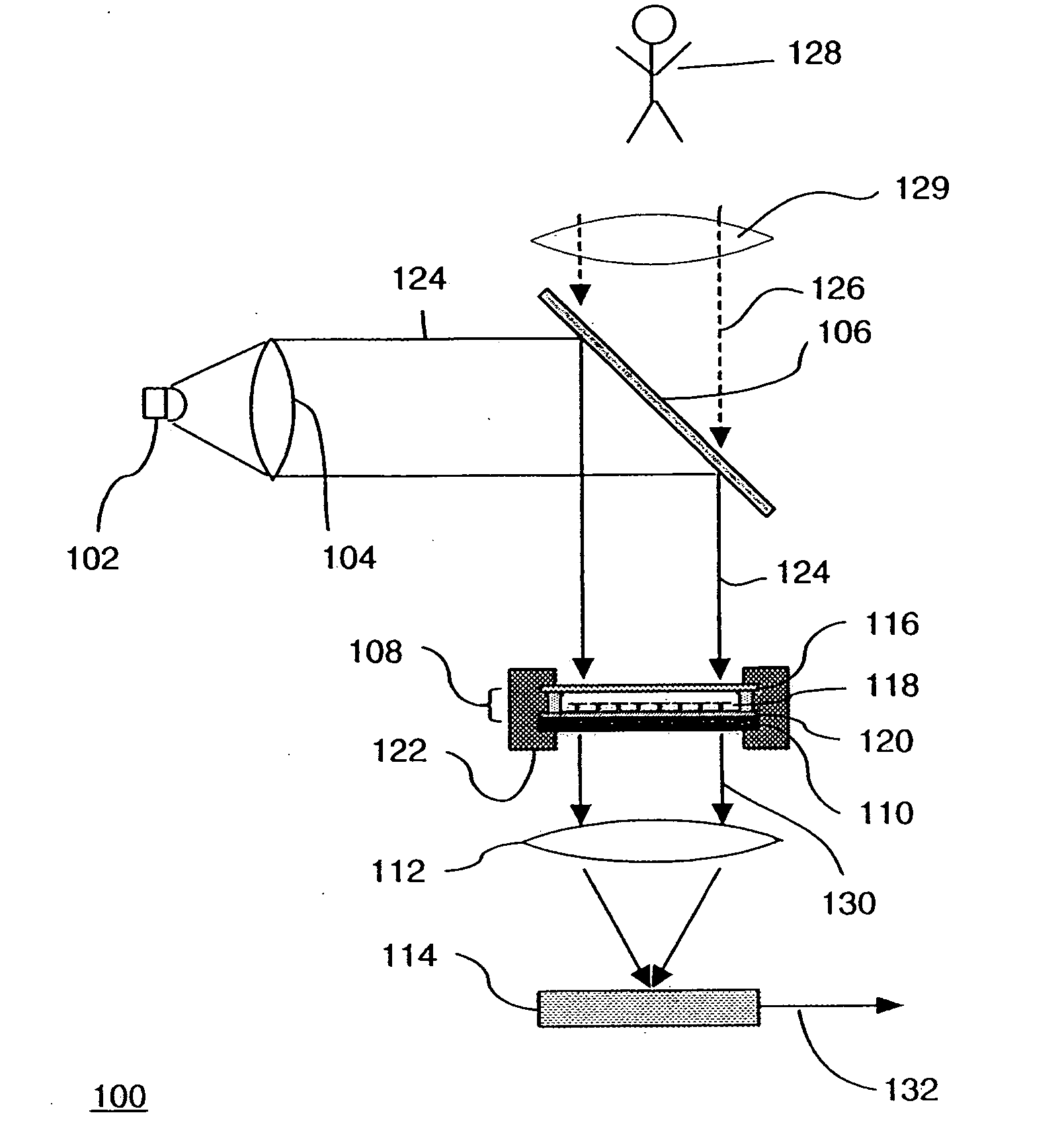
Figure 1 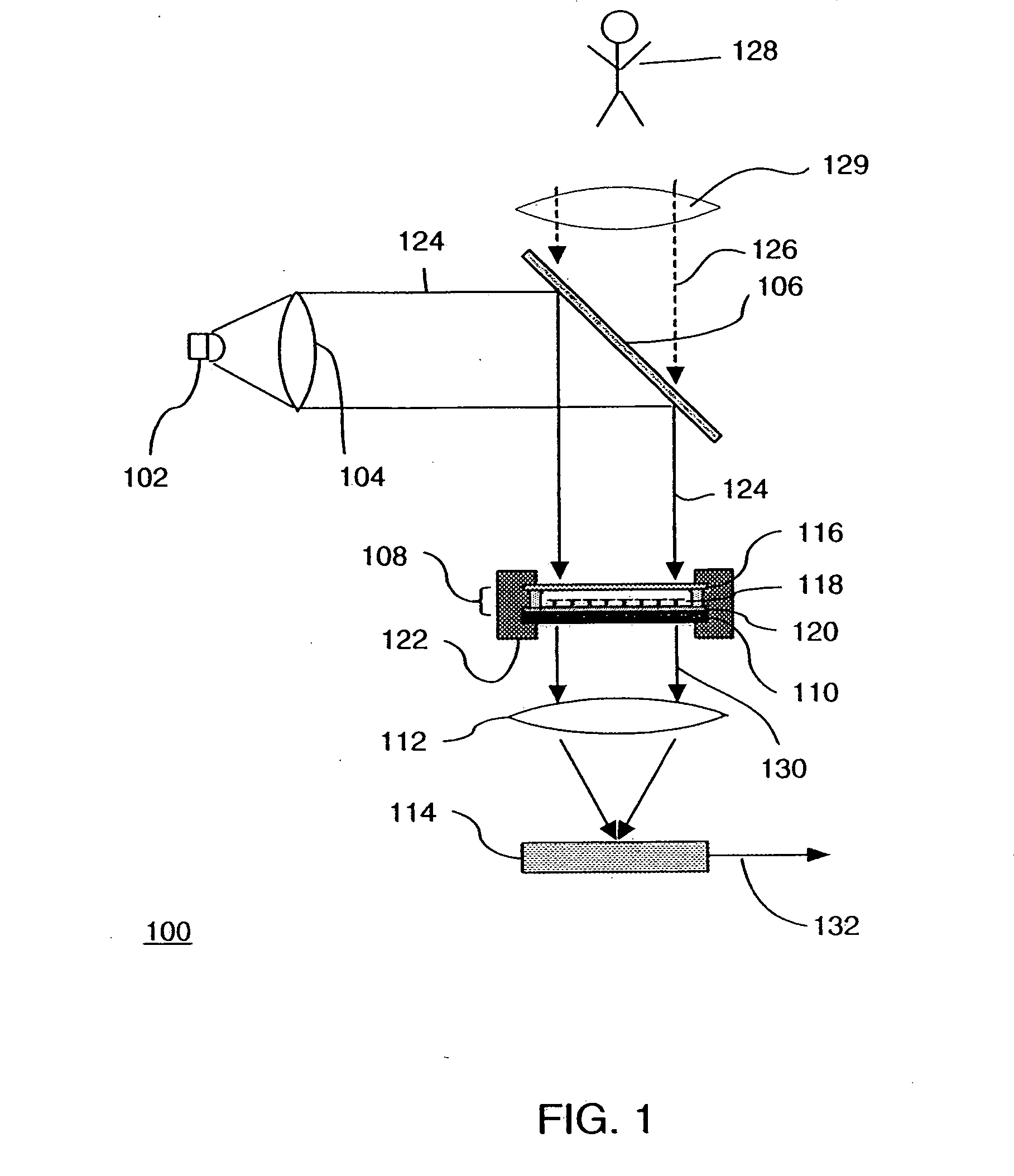
Figure 2 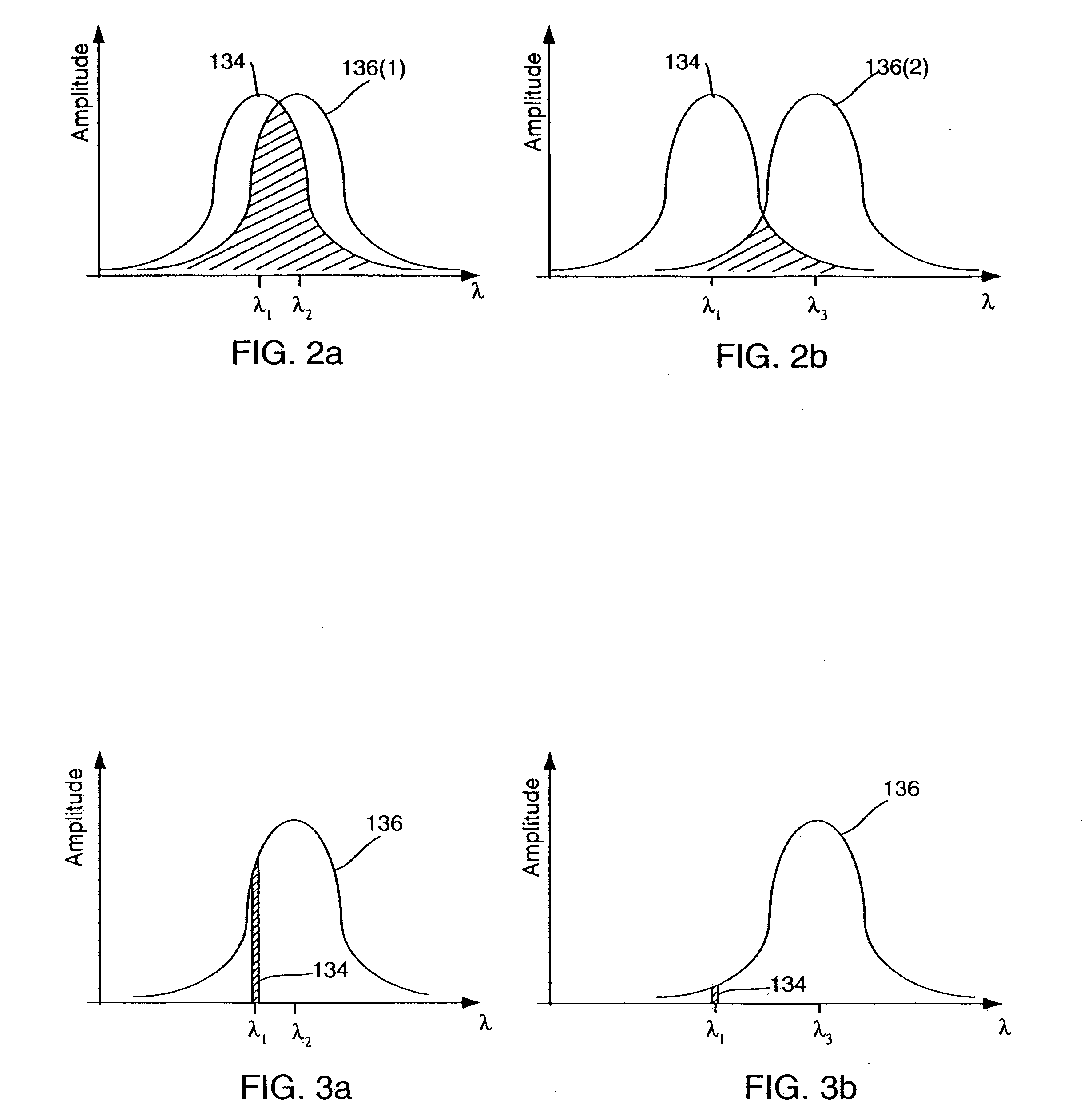
Figure 3
Abstract
Description
CROSS-REFERENCE TO RELATED APPLICATIONS
[0001] This application claims benefit of the following Patent Applications: U.S. Provisional Patent Application Ser. No. 60 / 498,167, filed Aug. 26, 2003; U.S. Provisional Patent Application Ser. No. 60 / 566,610, filed Apr. 28, 2004; U.S. Provisional Patent Application Ser. No. 60 / 506,985, filed Sep. 29, 2003; U.S. Provisional Patent Application Ser. No. 60 / 535,389, filed Jan. 9, 2004; U.S. Provisional Patent Application Ser. No. 60 / 535,391, filed Jan. 9, 2004; U.S. Provisional Patent Application Ser. No. 60 / 583,573, filed Jun. 28, 2004; and U.S. Provisional Patent Application Ser. No. 60 / 583,341, filed Jun. 28, 2004.TECHNICAL FIELD
[0002] This invention relates generally to thermal imagers. BACKGROUND
[0003] The market for infrared cameras is large, and growing quickly, driven by military, security, medical, construction and automotive markets. Of particular interest are the wavelengths between 7 and 15 micrometers, where atmospheric tr...
Examples
Embodiment Construction
[0034] The described embodiment is an uncooled, infrared (IR) camera system that uses thermally-tunable optical filter elements that respond to IR energy (e.g., light with wavelength typically ranging from 8 to 15 μm, although other wavelengths may be considered IR—also referred to herein as IR light and IR radiation) radiated by a scene to be imaged. The filter elements modulate a near-IR (NIR) carrier signal (e.g., light with a wavelength of approximately 850 nm—also referred to as NIR optical signal, NIR light, probe, probe signal or probe light) as a result of changes in the IR energy. The camera system detects the modulated carrier signal with a NIR detector (e.g., a CMOS or CCD based imaging array, or a p-i-n photo diode array).
[0035] The IR camera system is based on a thermal sensor that uses optical readout. The underlying principle of this thermal sensor described herein is simple. A narrowband source generates an “optical carrier signal” with a specific wavelength spectru...