
Portable Wireless Monitoring and Control Station for Use in Connection With a Multi-media Surveillance System Having Enhanced Notification Functions
a multi-media surveillance and control station technology, applied in the field of security and surveillance systems, can solve the problems unable to provide situational data, and affecting the use of video surveillance systems in common use today, so as to improve the utility of the network, limit bandwidth, and avoid the effect of imposing bandwidth penalties
Patent Information
- Authority / Receiving Office
- US · United States
- Patent Type
- Applications(United States)
- Current Assignee / Owner
- Publication Date
- 2007-05-10
- Estimated Expiration
- Not applicable · inactive patent
Smart Images
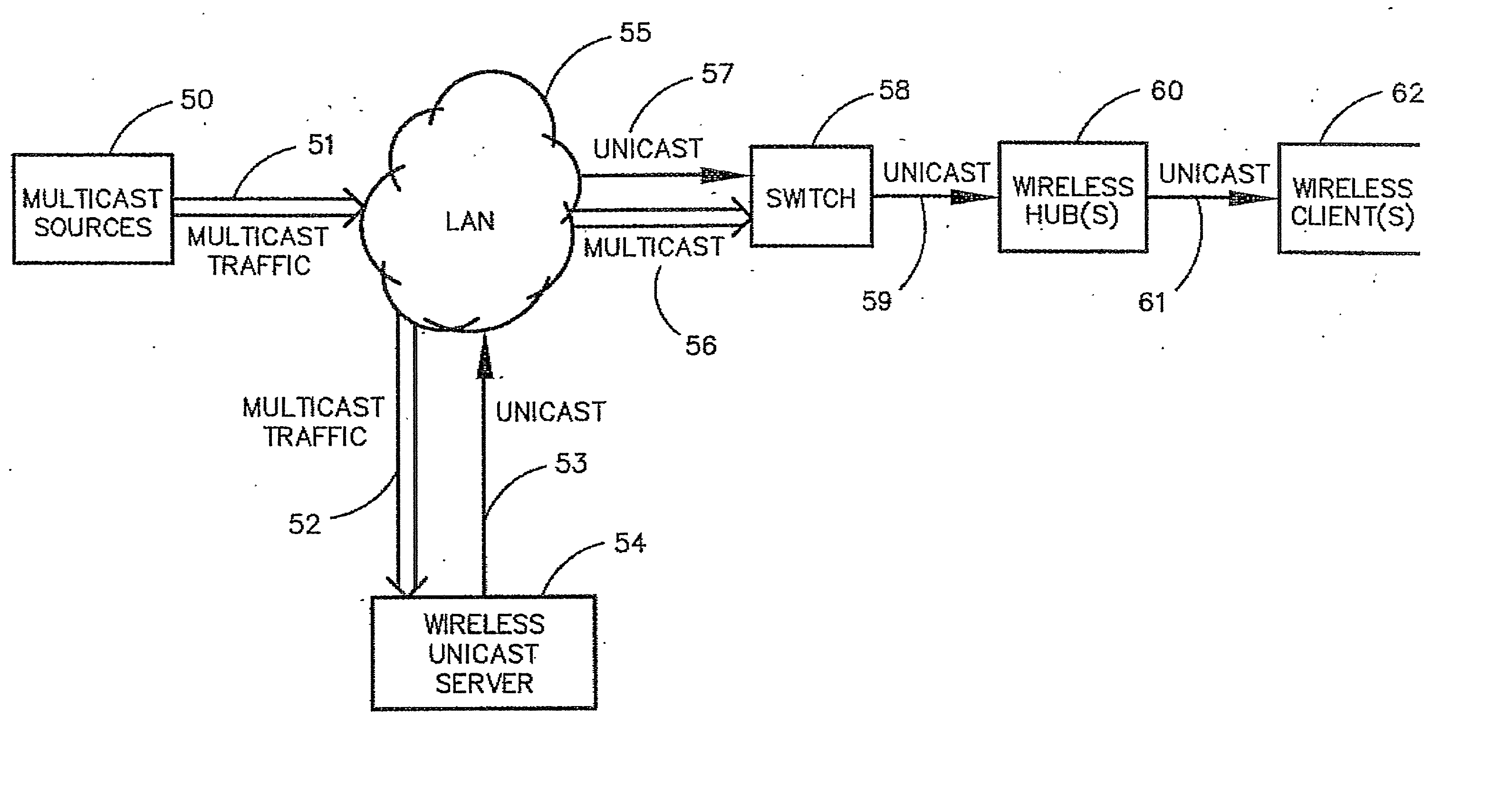
Figure 1 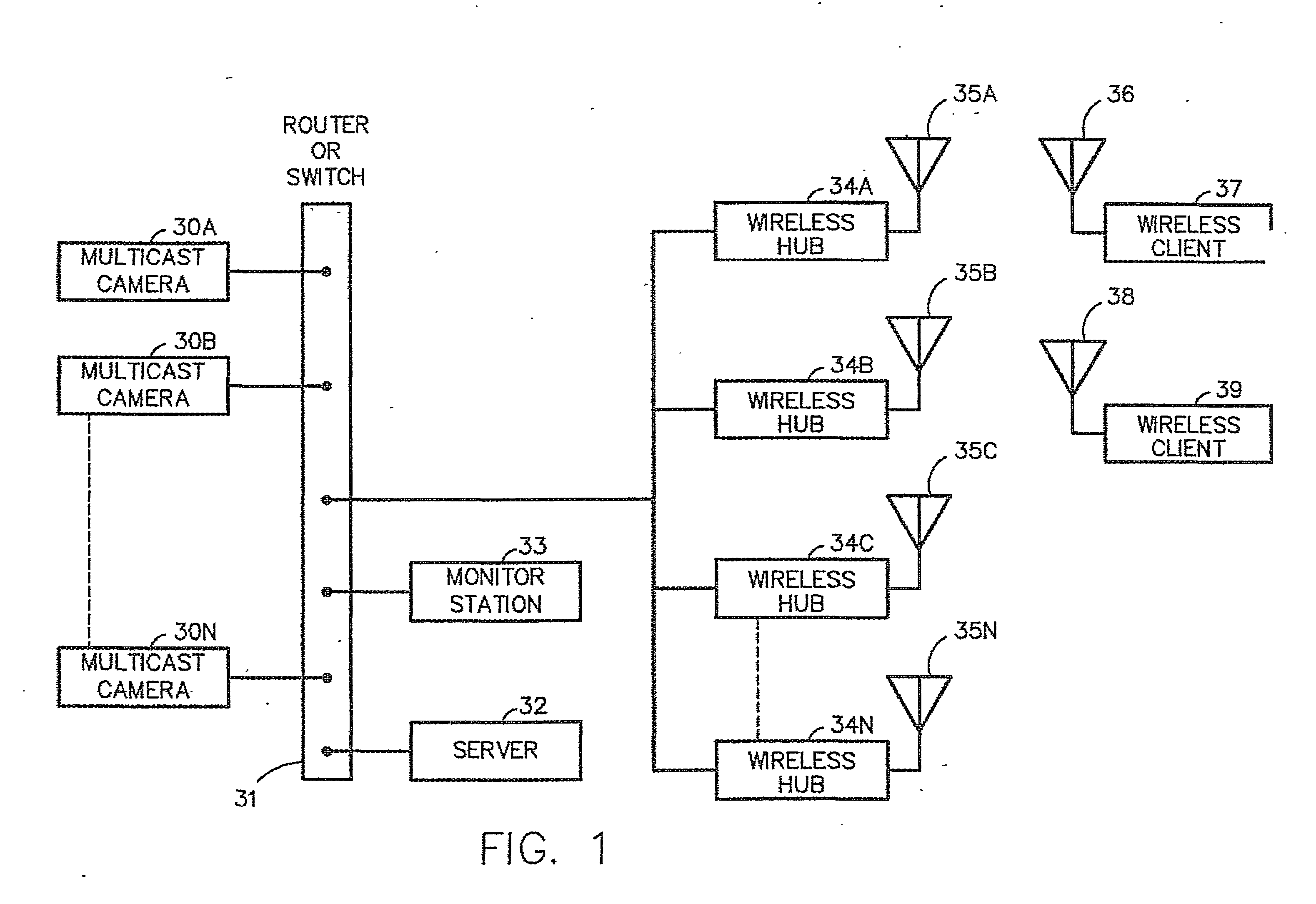
Figure 2 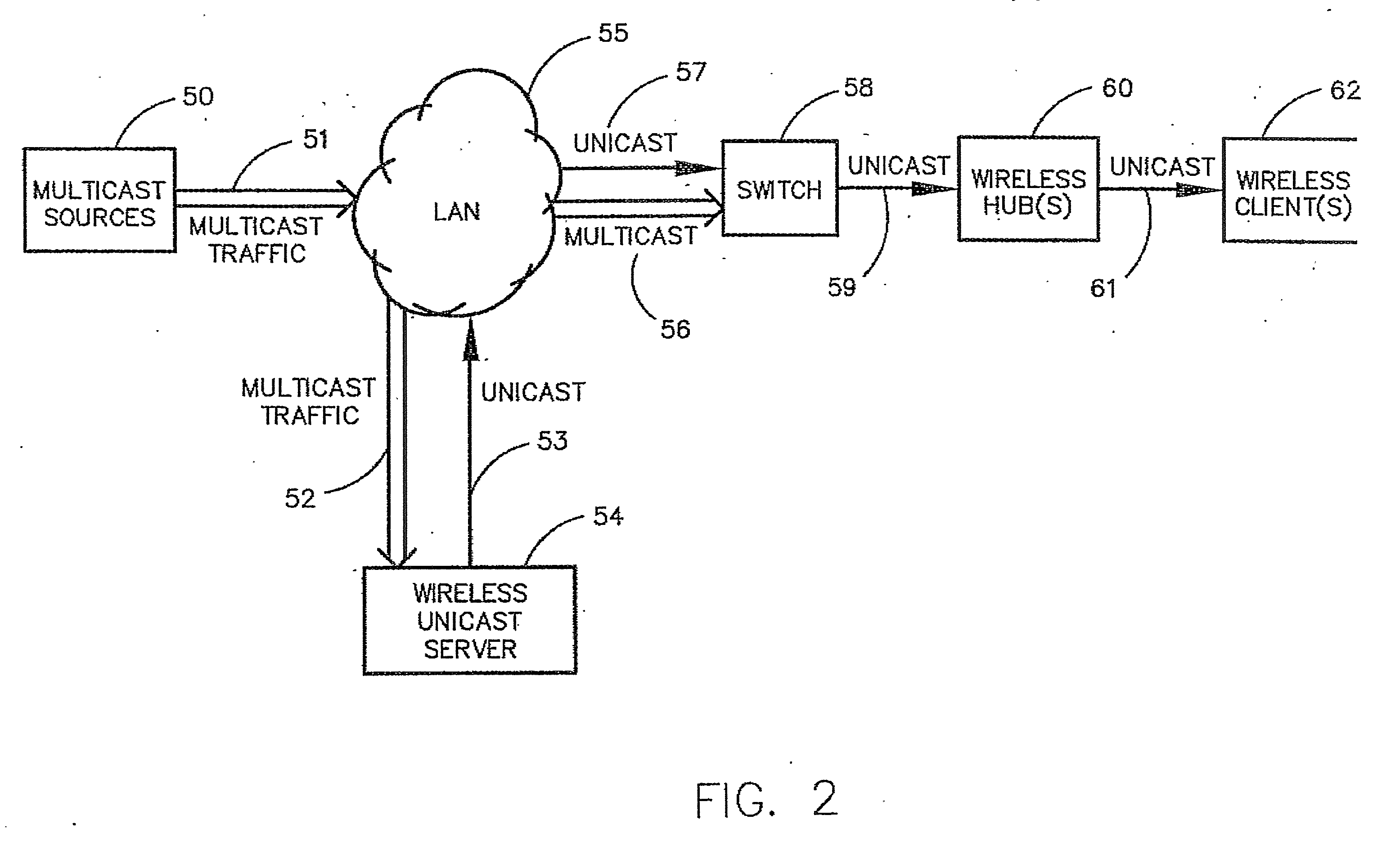
Figure 3
Abstract
Description
BACKGROUND OF THE INVENTION
[0001] 1. Field of the Invention
[0002] The subject invention is related to security and surveillance systems and is specifically directed to a wireless, portable control and display module for a digital wireless surveillance system.
[0003] 2. Discussion of the Prior Art
[0004] It is known to provide a surveillance / security system containing a plurality of video cameras. The earliest of these include closed circuit television systems (CCTV) wherein a plurality of cameras are wired through a multiplexer to a plurality of analog video recorders and to live feed display monitors.
[0005] Security of public facilities such as schools, banks, airports, arenas and the like has been a topic of increasing concern in recent years. Over the past few years, a number of violent incidents including bombings, shootings, arson, and hostage situations have occurred. In addition, agencies responsible for public security in these facilities must cope with more commonplace c...
Examples
Embodiment Construction
[0058] The subject invention is an enhanced, digitized security system providing wireless, portable monitoring and control capability. The system includes a plurality of cameras in a network and connected to a suitable hub. The cameras may be hardwired to the hub, or may themselves be connected to the hub via a wireless network. A transmitter is associated with the hub for transmitting the signals via a wireless network to a portable, handheld receiving station or module, wherein any of the cameras on the network may be accessed and displayed on the portable station display screen. The portable station also includes a transmitter for transmitting control information back to the hub for controlling each of the cameras, permitting full control of the cameras for adjusting contrast, hue, brightness, pan, tilt and zoom, and focus. This facilitates installation by permitting the camera to be installed in a location and then later aimed and focused from the remote control module rather th...