
Composite flexible and conductive catheter electrode
a flexible, conductive and catheter technology, applied in the field of electrophysiological catheter electrode bands, can solve the problems of limiting the flexibility of the catheter, the inability of the catheter to reach a desired area, and the possibility of rigid metal bands sliding off the catheter, and being lost inside the patien
Patent Information
- Authority / Receiving Office
- US · United States
- Patent Type
- Applications(United States)
- Current Assignee / Owner
- Publication Date
- 2007-10-25
- Estimated Expiration
- Not applicable · inactive patent
Smart Images
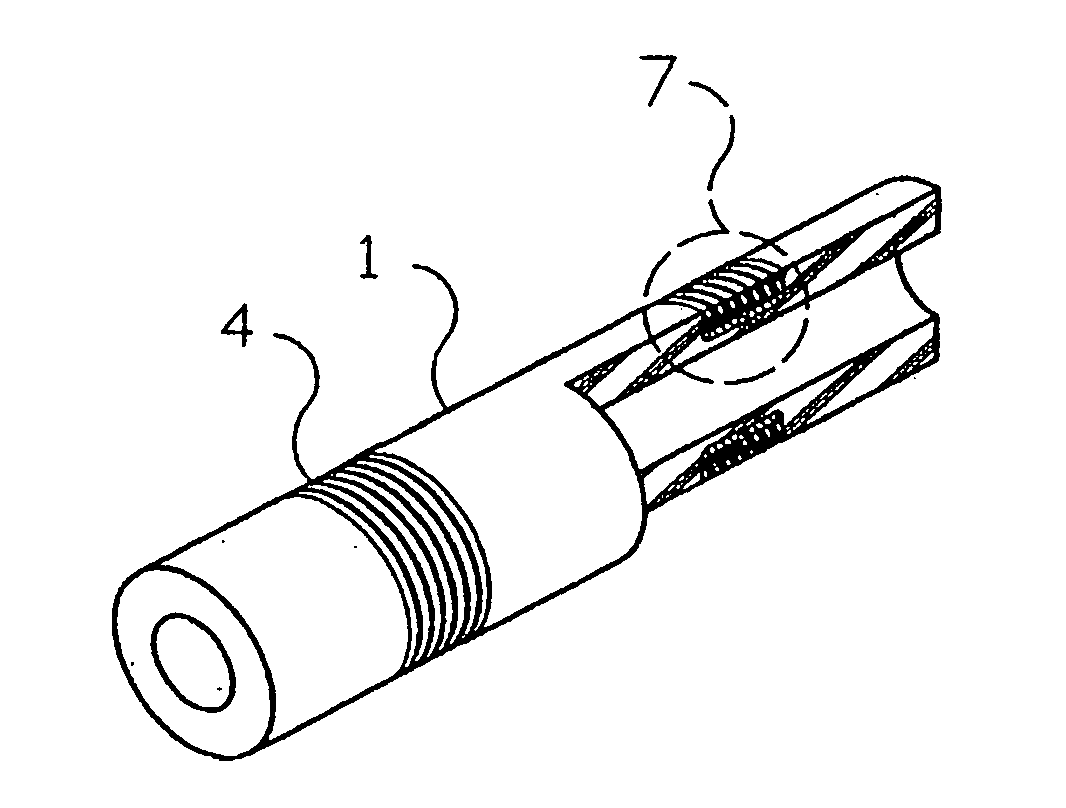
Figure 1 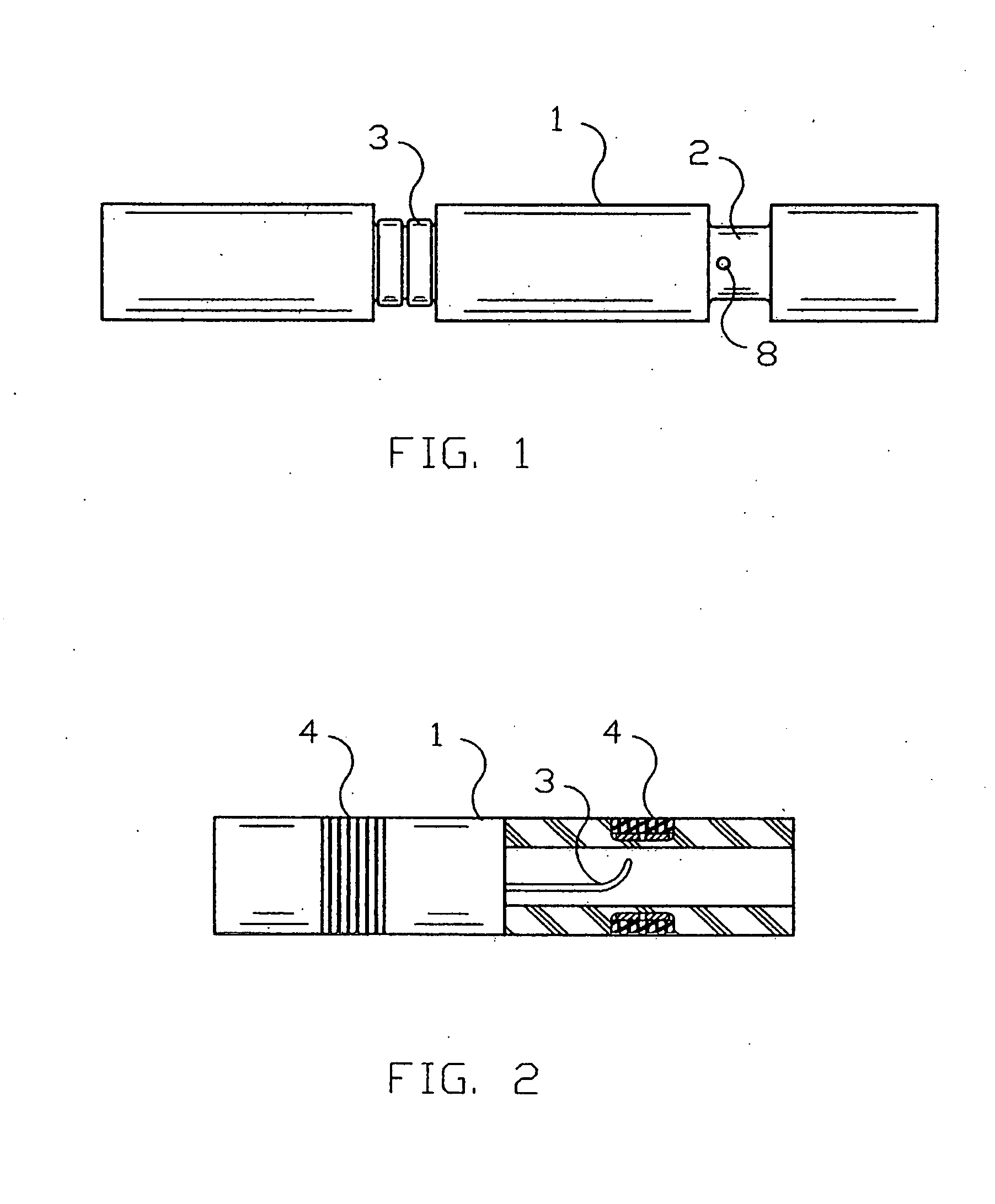
Figure 2 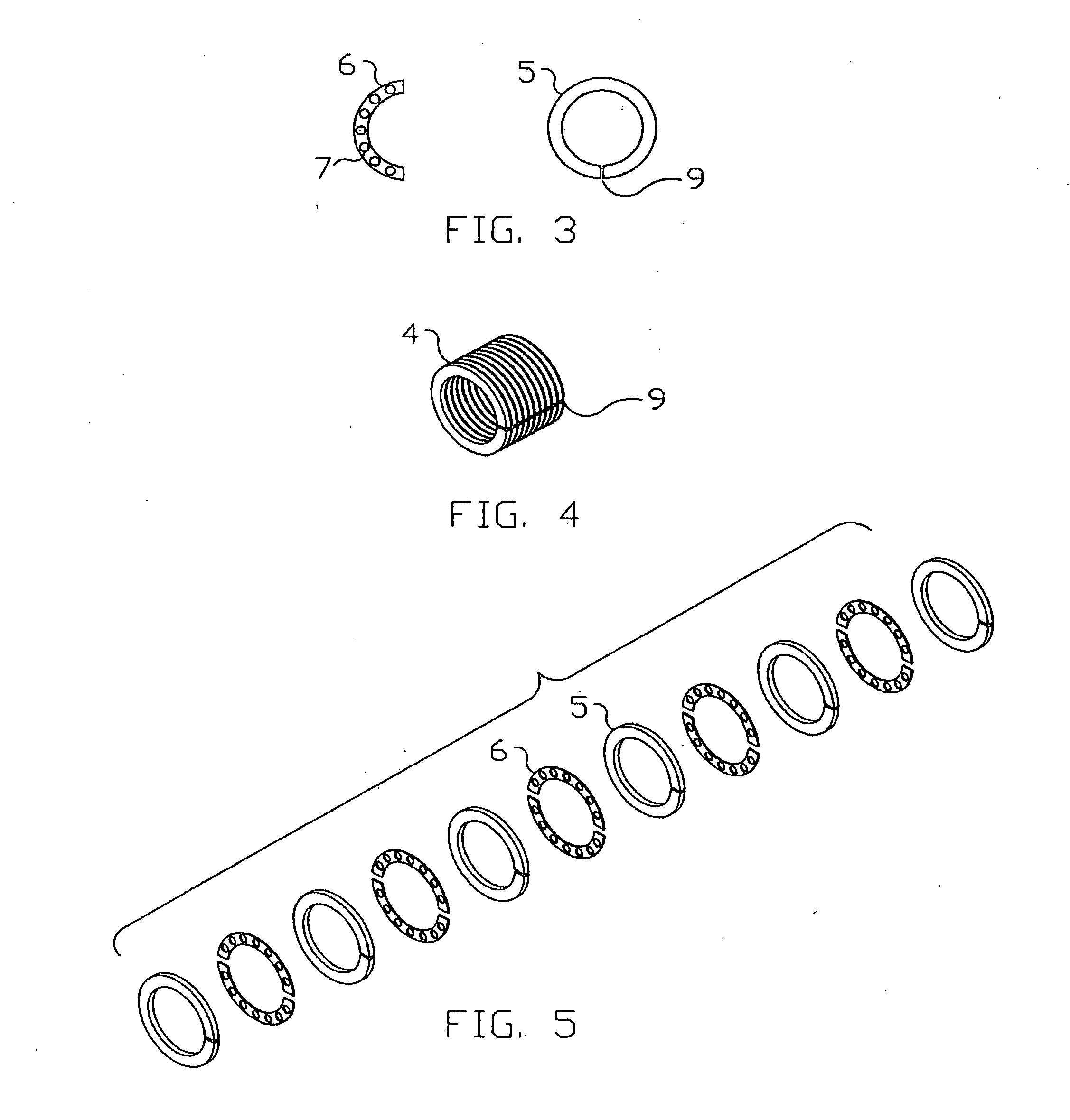
Figure 3
Abstract
Description
RELATED APPLICATION
[0001] This application is a continuation-in-part of U.S. application Ser. No. 10 / 367,034.BACKGROUND OF THE INVENTION
[0002] 1. Field of Invention
[0003] This invention relates to the electrophysiological catheter electrode band used in the mapping (measurement of electrical potential), pacing (stimulation of the muscle tissue by pulsing an electrical current), and ablating (burning the tissue by use of high electrical current) of the heart's inner wall. This invention generally relates to catheters and leads used in sensing electrical activity within a patient and administering therapy, and more particular to such catheter and leads incorporating band electrode configured for flexibility and tractability within the body.
[0004] 2. Discussion of Related Art
[0005] A method of construction of a conductive band electrode is typically now accomplished by using a rigid thin wall, metal tube (example: platinum / iridium alloy, stainless steel) band which is swaged or ad...
Examples
Embodiment Construction
[0038]FIG. 4 illustrates an assembled composite flexible and conductive electrode band 4 shown in perspective view before its assembly onto a cardiac catheter tube 1, where it performs the function of an electrode. The cylindrically shaped band 4 is a composite composed of flexible, ring shaped elements 5 and of ring shaped conductive elements 6, which are shown in FIG. 3. These component elements are arranged in an alternating pattern of flexible elements 5 and conductive elements 6 in the manner as shown in the exploded perspective illustration in FIG. 5. Uninterrupted electrical currents are carried from inside hole 8 through the wall in wire groove 2 to the outside surface of the band 4 by means of conductive element 6. Conductive element 6 is made from a thin metal (examples are gold, platinum, silver, stainless steel, platinum / iridium alloy, plated cooper or other suitable metal) sheet between 0.0005″-0.150″ in thickness, from which the shape that is shown in FIG. 3 is die sta...