
Polynucleotides and methods for the improvement of plants
a technology of polynucleotides and plants, applied in the field of polynucleotides and methods for the improvement of plants, can solve the problems of limiting the effectiveness of selective breeding approaches, and achieve the effects of reducing seed yield, increasing seed yield, and positively modulating seed yield
Patent Information
- Authority / Receiving Office
- US · United States
- Patent Type
- Applications(United States)
- Current Assignee / Owner
- Publication Date
- 2011-12-08
- Estimated Expiration
- Not applicable · inactive patent
Smart Images
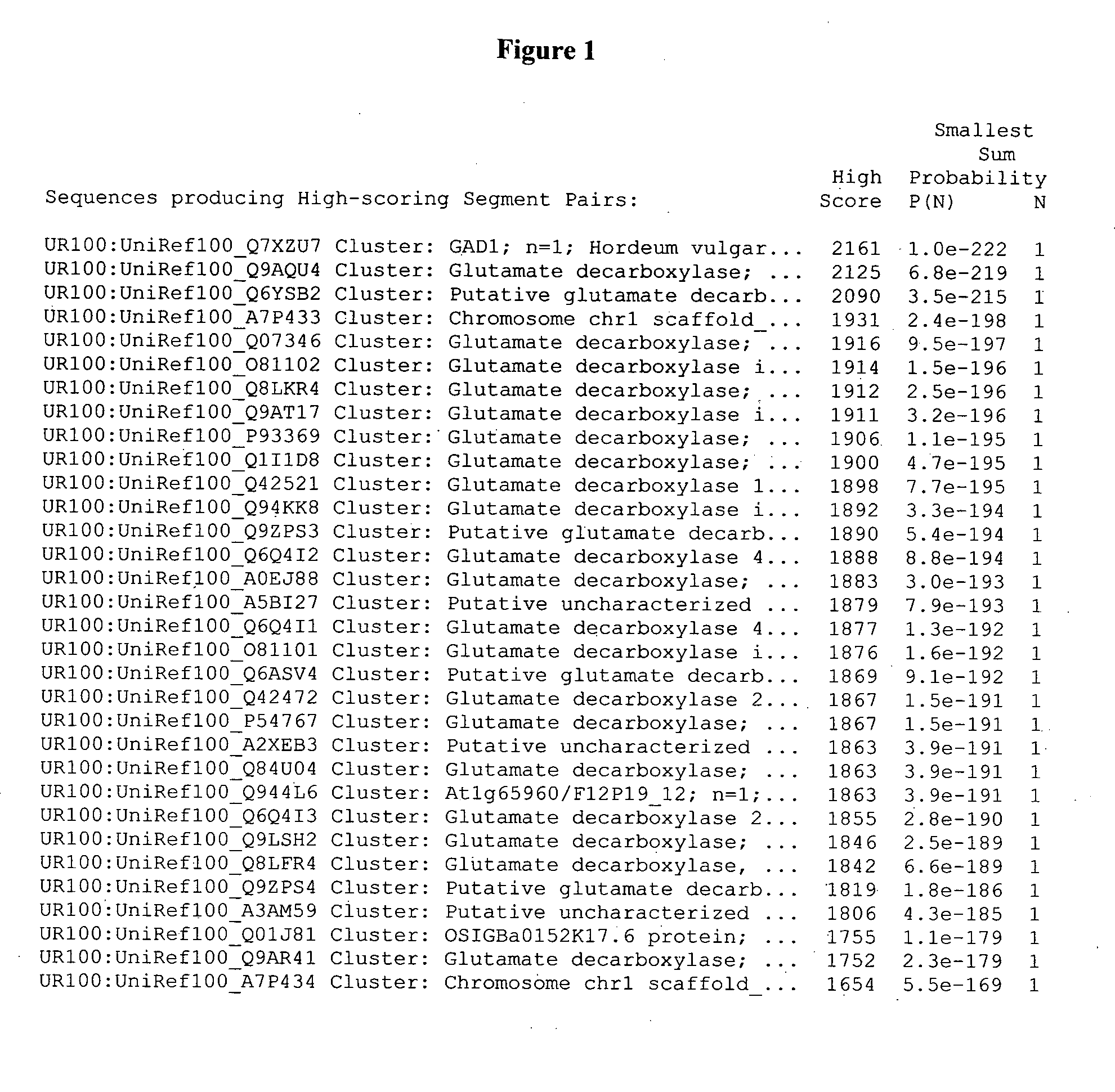
Figure 1 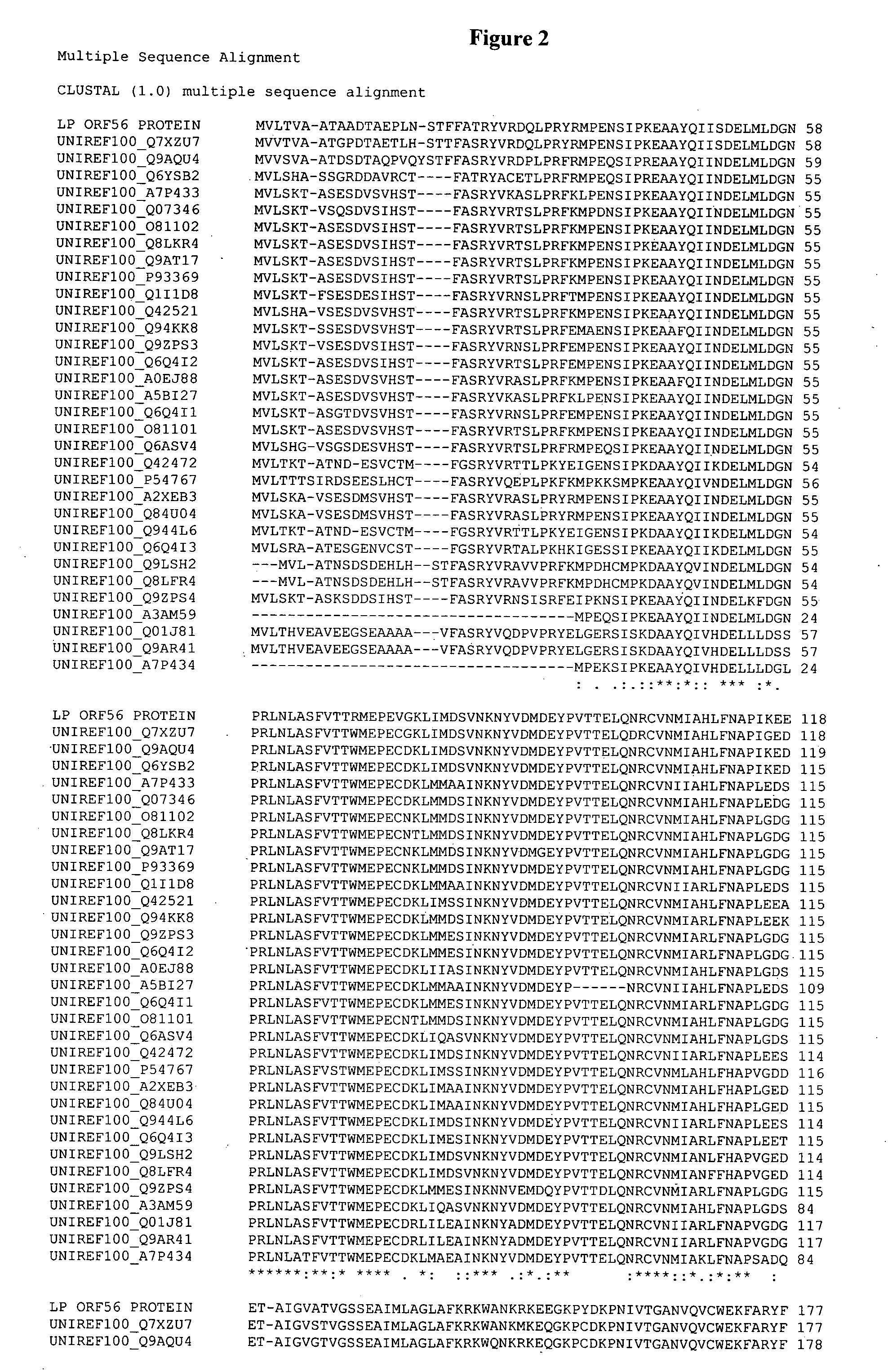
Figure 2 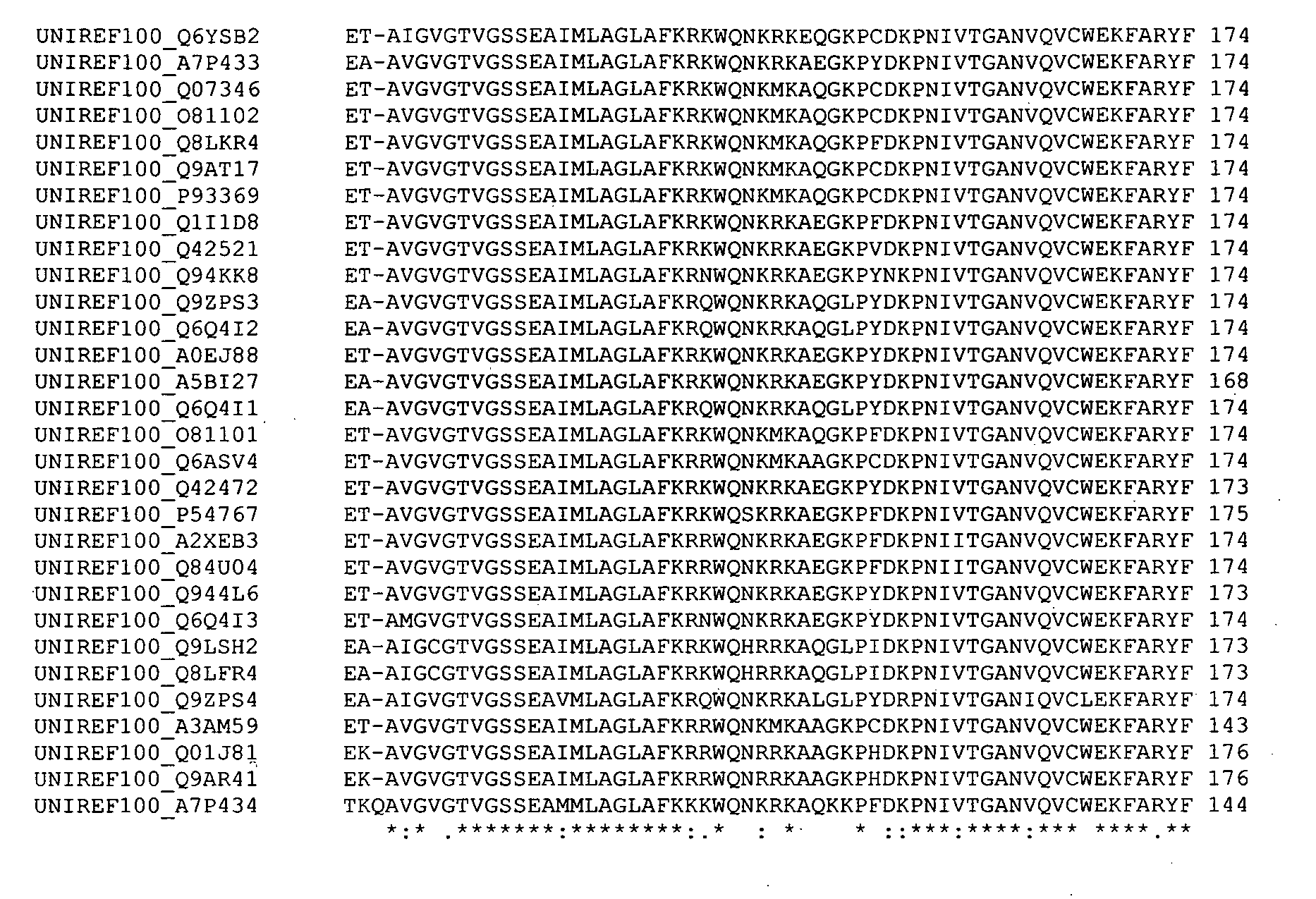
Figure 3
Abstract
Description
TECHNICAL FIELD
[0001] The present invention relates to compositions and methods for producing plants with increased seed yield.BACKGROUND ART
[0002] As the population of the world increases, a major goal of agricultural research is to improve the grain yield of crop plant species.
[0003] Such improvements have until recently depended on selective breeding of plants for desirable characteristics. However for many plants the heterogeneous genetic compliments produced in off-spring do not result in the same desirable traits as those of their parents, thus limiting the effectiveness of selective breeding approaches.
[0004] Advances in molecular biology now make it possible to genetically manipulate the germplasm of both plants and animals. Genetic engineering of plants involves the isolation and manipulation of genetic material and the subsequent introduction of such material into a plant. This technology has led to the development of plants that are capable of expressing pharmaceuticals and o...
Examples
example 1
Altered Seed Yield by in-Plant Expression of a Polynucleotide of the Invention