
Multiple septum port
a multi-septum, port technology, applied in the field of catheters, can solve the problem that ports with more than one septum may be significantly bulkier than ports with a single septum, and achieve the effect of reducing bulk and profil
Patent Information
- Authority / Receiving Office
- US · United States
- Patent Type
- Applications(United States)
- Current Assignee / Owner
- Publication Date
- 2012-07-19
- Estimated Expiration
- Not applicable · inactive patent
Smart Images
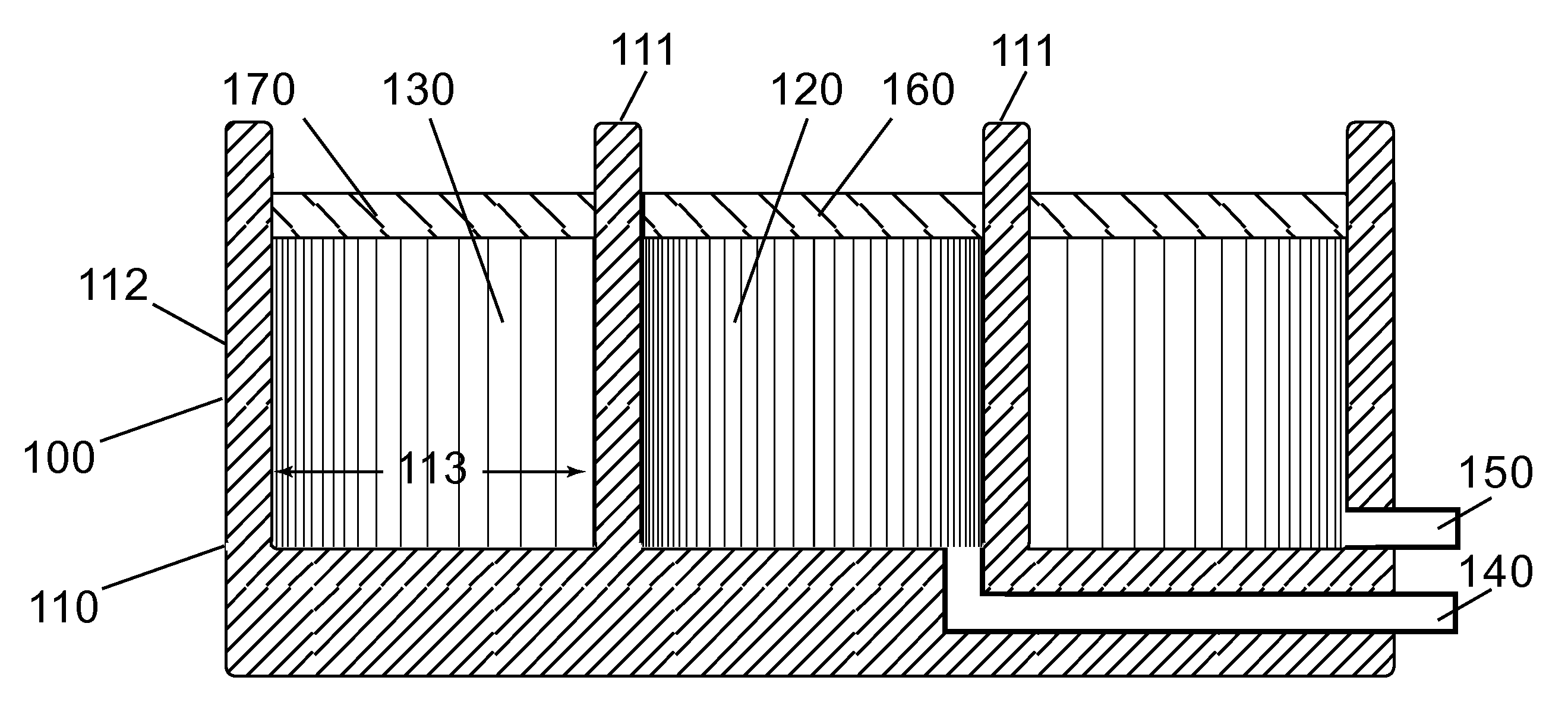
Figure 1 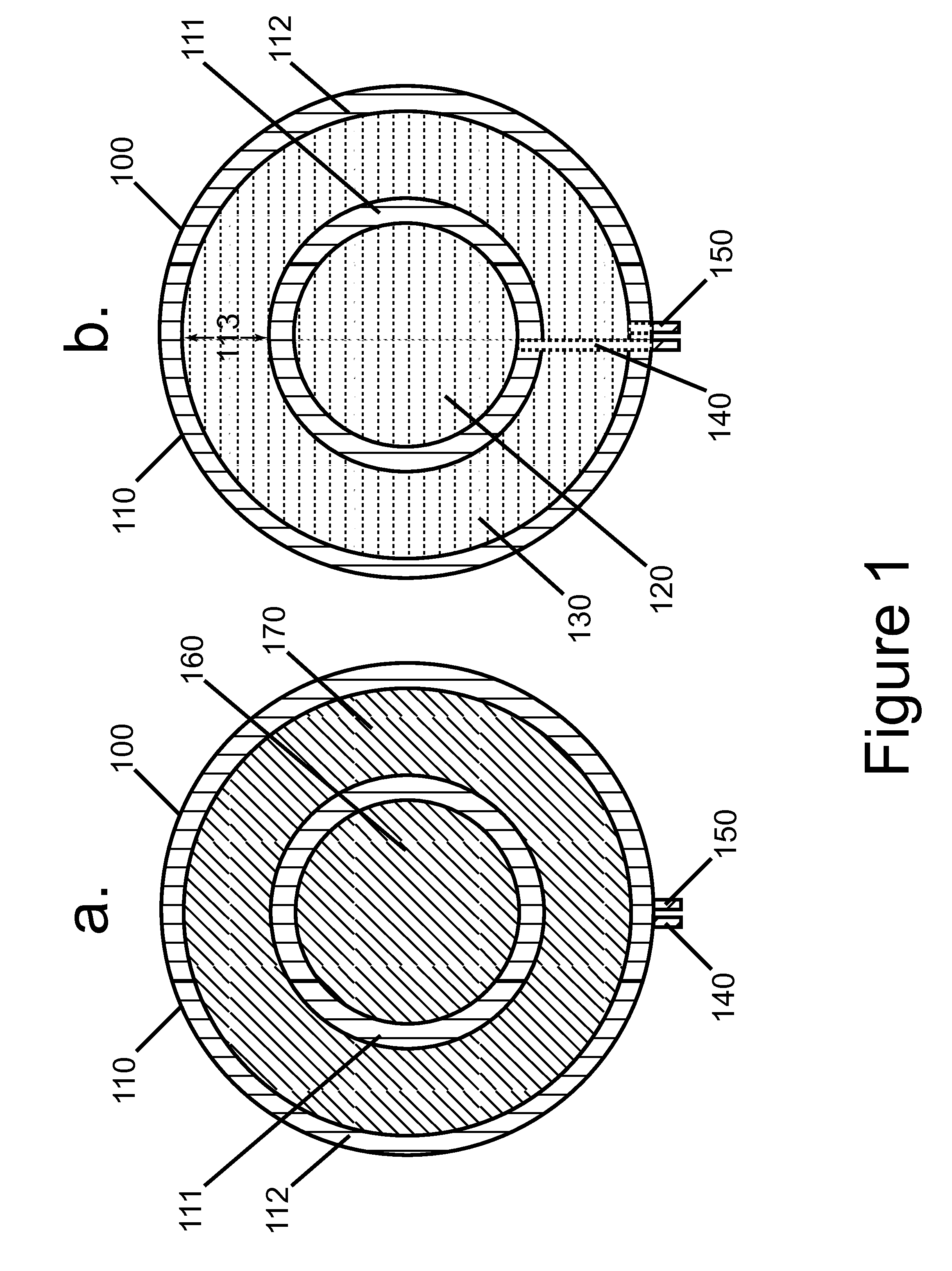
Figure 2 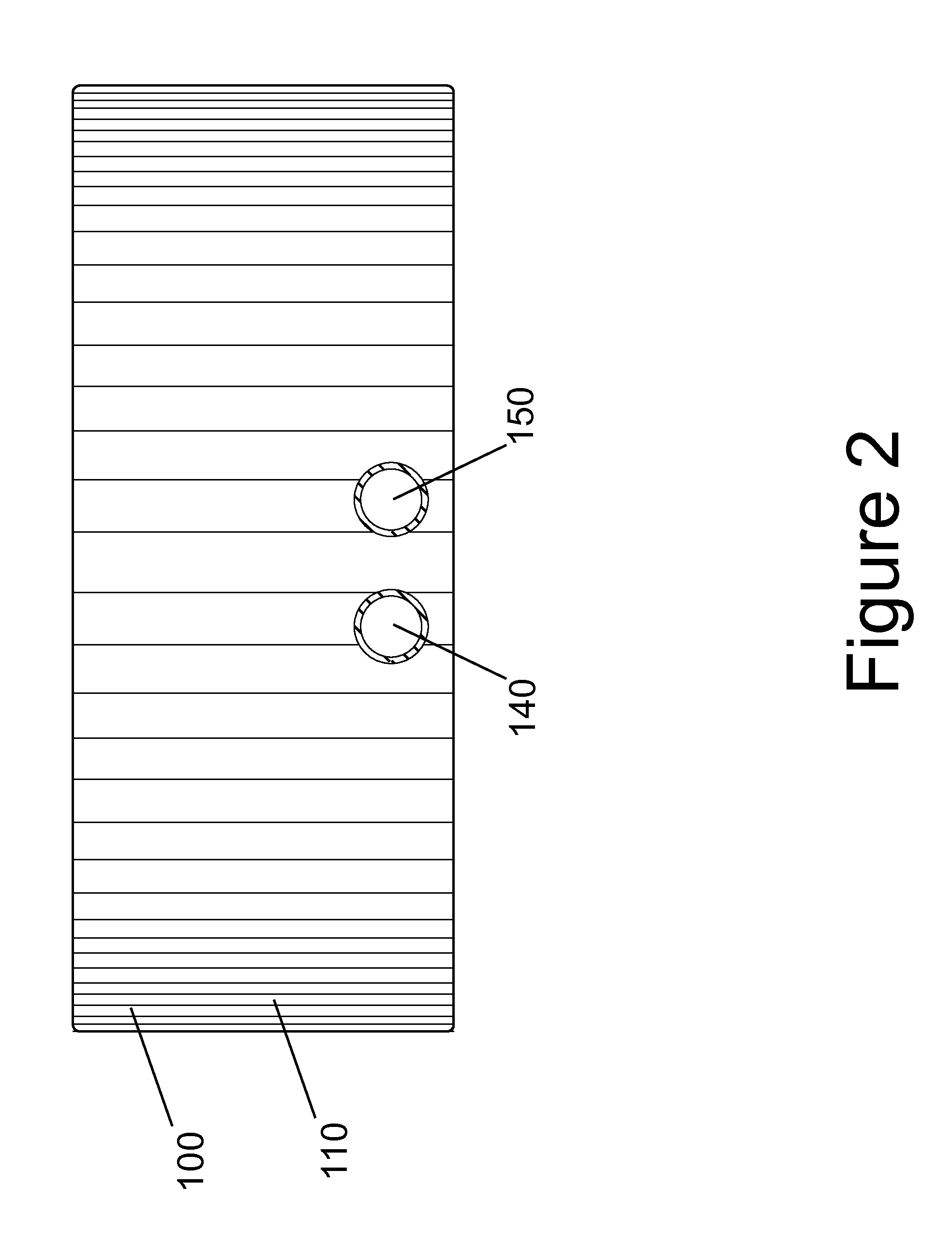
Figure 3
Abstract
Description
FIELD OF THE INVENTION
[0001] The present invention relates to catheters for use in medical applications wherein fluids are repeatedly infused into or sampled from the vascular system and, more specifically, to multiple-septum vascular access ports for use with such catheters.BACKGROUND OF THE INVENTION
[0002] Certain medical treatments require implantation of vascular access ports (“ports”), through which fluids may be injected or removed repeatedly over time, via catheter, from the vascular system. A port is made up of (i) a housing, which defines a reservoir, (ii) a septum, which covers the reservoir and can be punctured by a needle for fluid input or removal, and which typically seals itself once the needle is withdrawn, and (iii) a fluid path through which fluid can pass between the reservoir and a catheter attached to the port. A port will usually be connected to a vascular catheter, which catheter is inserted into the vascular system so that its tip lies in a central vascular loc...
Examples
Embodiment Construction
[0018]FIGS. 1-7 illustrate several embodiments of the present invention. Port 100 is a multiple septum vascular access port with a housing 110 that includes inner and outer walls 111, 112 having a distance therebetween 113, which walls define first and second reservoirs 120, 130. Each of the first and second reservoirs 120, 130 are topped by first and second septa, 160, 170, respectively. The first and second fluid lines, 140, 150, are in fluid communication with the first and second reservoirs, 120, 130, respectively.
[0019]The shape and orientation of inner and outer walls 111, 112, will determine the shape of the reservoirs 120, 130 and the septa 160, 170. In the embodiment shown in FIGS. 1-3, outer wall 112 and inner wall 111 are circular and concentric, such that the first reservoir 120 and the second reservoir 130, and the first septum 160 and the second septum 170 are arranged concentrically about the center of the circle defined by the outer wall 112, and the space 113 betwee...