
Methods and systems for weighting calibration points and updating lag parameters
Patent Information
- Authority / Receiving Office
- US · United States
- Current Assignee / Owner
- Publication Date
- 2019-03-28
Smart Images
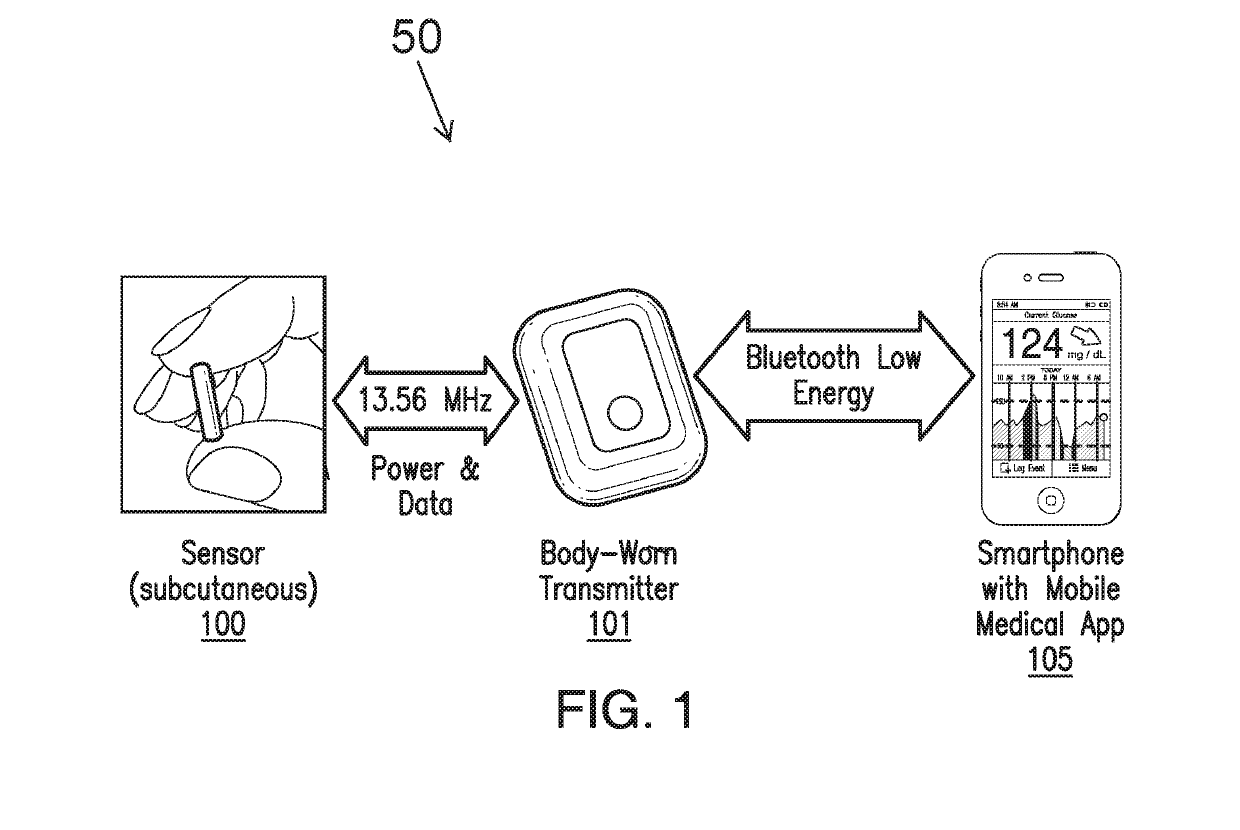
Figure 1 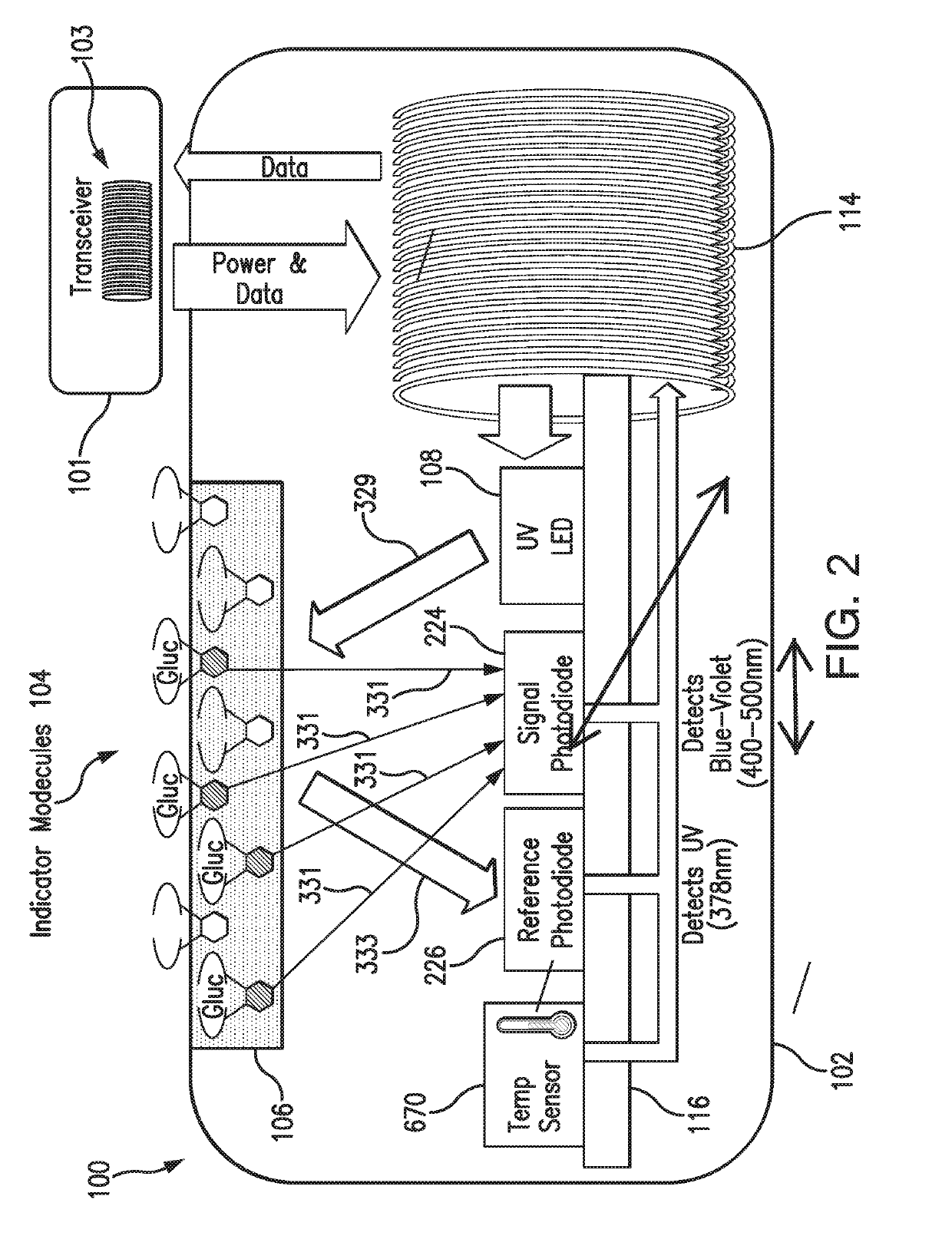
Figure 2 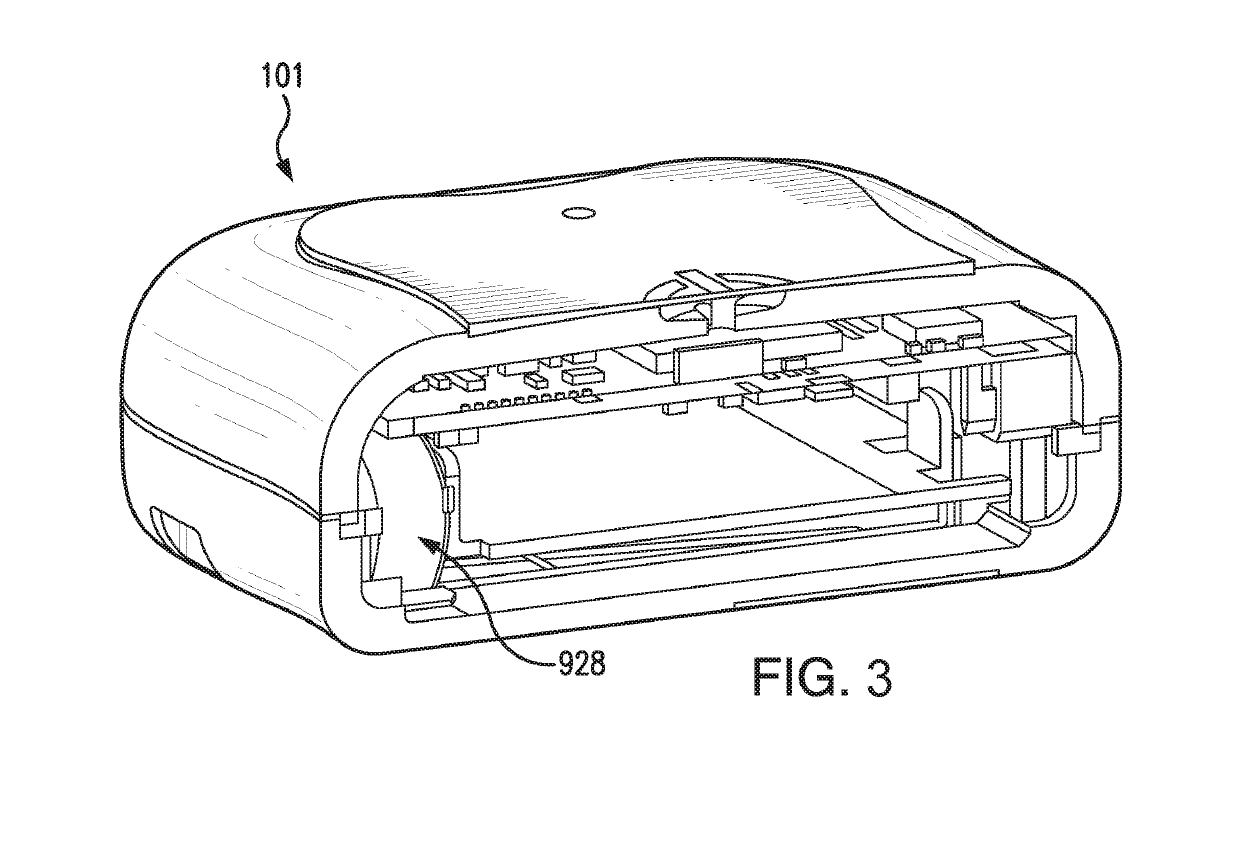
Figure 3
Abstract
Description
CROSS-REFERENCE TO RELATED APPLICATIONS
[0001] The present application claims the benefit of priority to U.S. Provisional Application Ser. No. 62 / 649,329, filed on Mar. 28, 2018, U.S. Provisional Application Ser. No. 62 / 566,846, filed on Oct. 2, 2017, and U.S. Provisional Application Ser. No. 62 / 563,240, filed on Sep. 26, 2017, each of which is incorporated herein by reference in their entireties.BACKGROUNDField of Invention
[0002] The present invention relates to calibrating an analyte sensor of an analyte monitoring system used to calculate analyte levels in a first medium using at least one measurement from a second medium. More specifically, aspects of the present invention relate to weighting calibration points and updating lag parameters at different time periods. Even more specifically, aspects of the present invention relate to calculating blood analyte levels using measurements of interstitial fluid analyte levels and one or more of weighted calibration points and different lag...
Examples
Embodiment Construction
[0064]FIG. 1 is a schematic view of an exemplary analyte monitoring system 50 embodying aspects of the present invention. The analyte monitoring system 50 may be a continuous analyte monitoring system (e.g., a continuous glucose monitoring system). In some embodiments, the analyte monitoring system 50 may include one or more of an analyte sensor 100, a transceiver 101, and a display device 105. In some embodiments, the sensor 100 may be small, fully subcutaneously implantable sensor that measures analyte (e.g., glucose) levels in a medium (e.g., interstitial fluid) of a living animal (e.g., a living human). However, this is not required, and, in some alternative embodiments, the sensor 100 may be a partially implantable (e.g., transcutaneous) sensor or a fully external sensor. In some embodiments, the transceiver 101 may be an externally worn transceiver (e.g., attached via an armband, wristband, waistband, or adhesive patch). In some embodiments, the transceiver 101 may remotely po...