
Hair cleansing composition
a technology for hair and compositions, applied in the field of hair cleansing compositions, can solve the problems of poor hair volume, hair damage, poor hair volume, etc., and achieve the effect of increasing the volume of hair
Patent Information
- Authority / Receiving Office
- US · United States
- Patent Type
- Patents(United States)
- Current Assignee / Owner
- Publication Date
- 2017-02-14
Smart Images
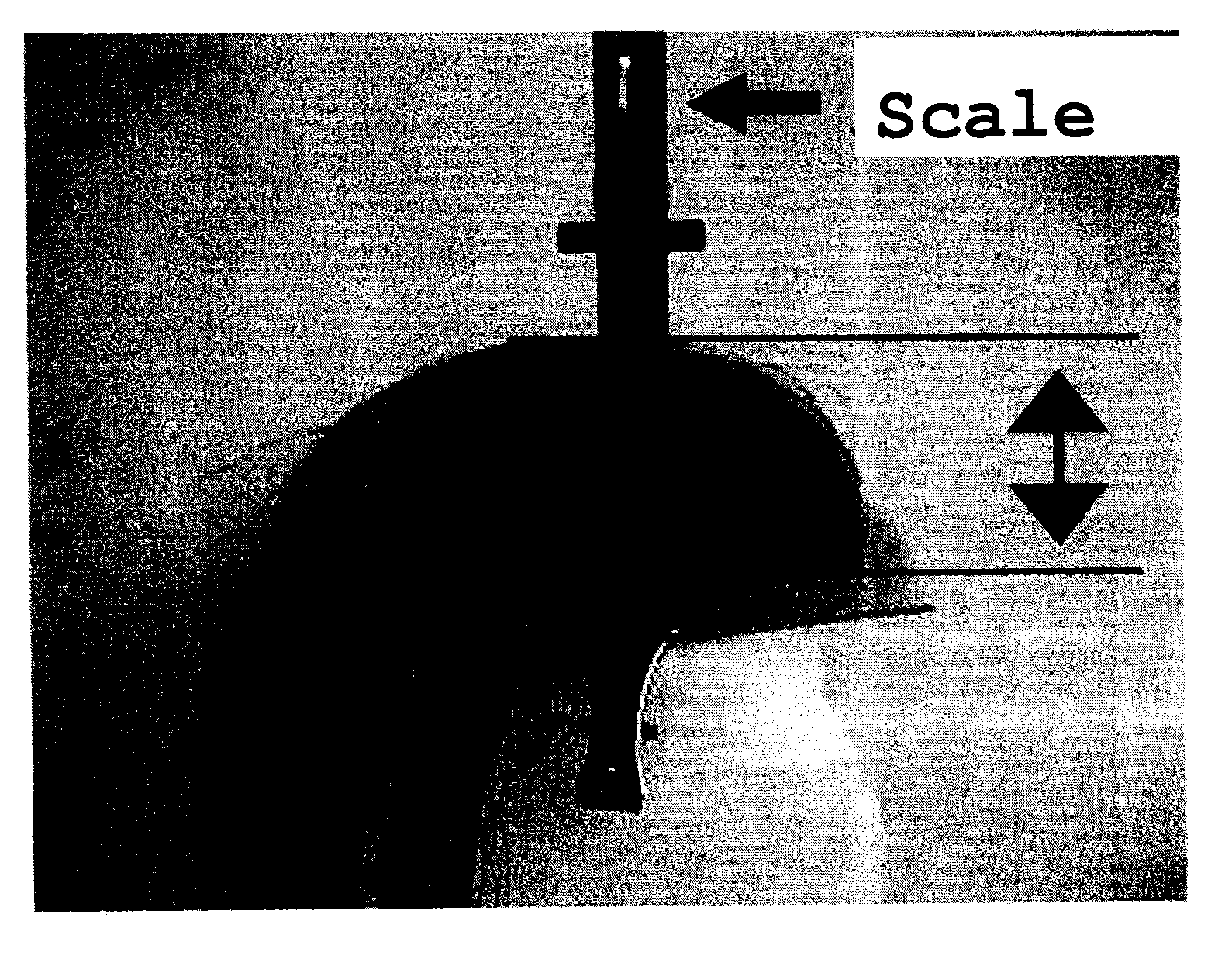
Figure 1 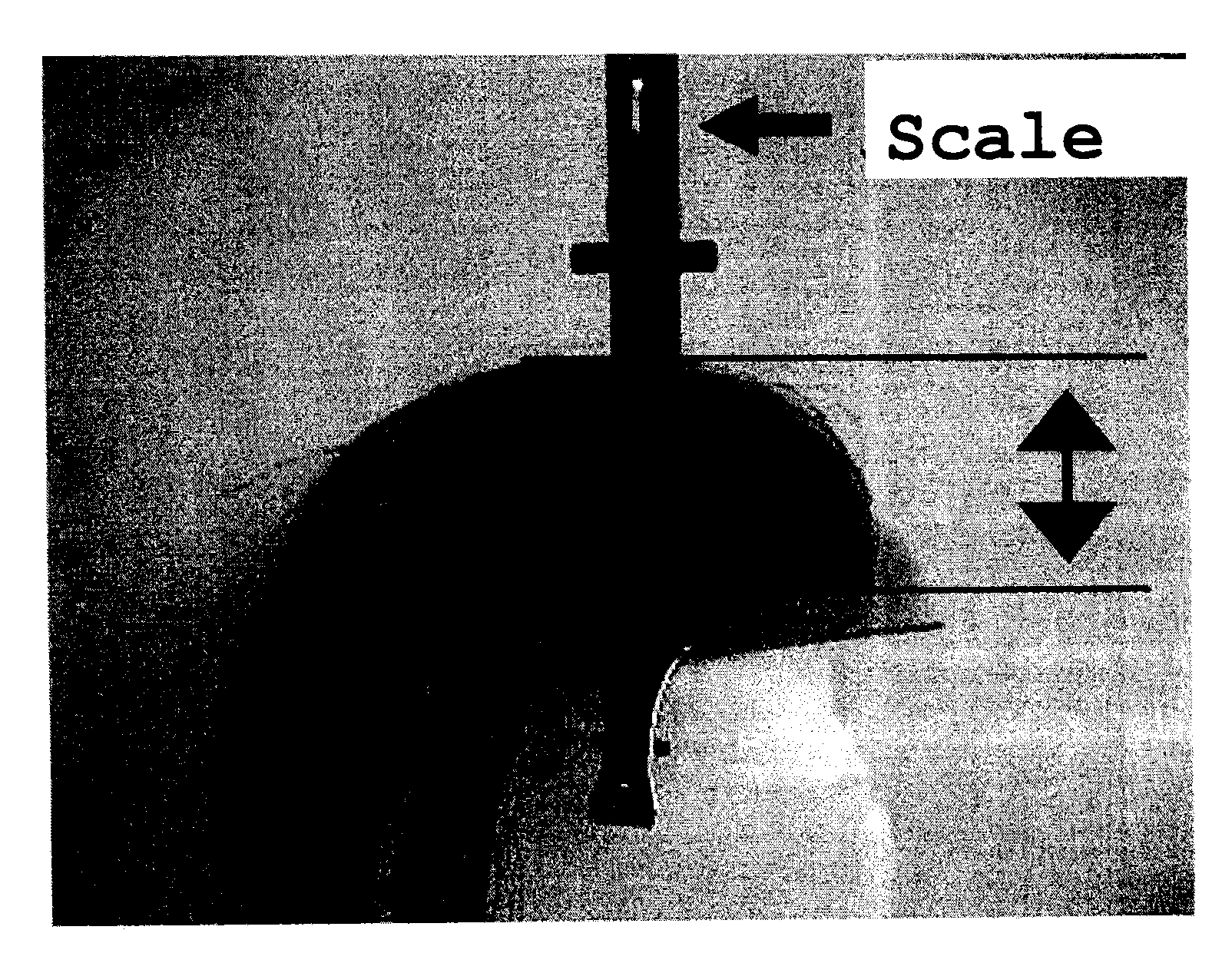
Figure 2
Abstract
Description
CROSS REFERENCE TO RELATED APPLICATION
[0001] This application is a 371 of PCT / JP2013 / 083347, filed on Dec. 12, 2013, and claims priority to Japanese Patent Application 2012-283747, filed on Dec. 26, 2012.FIELD OF THE INVENTION
[0002] The present invention relates to a hair cleansing composition containing a high-molecular-weight polyalkyleneimine derivative or a salt thereof, the polyalkyleneimine derivative having substituents including a long-chain alkyl group or the like with high substitution degree.BACKGROUND OF THE INVENTION
[0003] One of the common troubles in relation to the hair style is poor voluminous sensation of hair (hereinafter may be referred to as volume of hair). Complaints of such poor hair volume are generally heard from people who have thin hair or thin hair filaments. Thinning of hair or hair filaments aggravates with aging, and increases frequent use of a hair dye, which is generally applied to hair roots. Under such circumstances, people who are troubled with poor...
Examples
production example 1
Polyalkyleneimine Derivative (1)
[0123]Polyethyleneimine (EPOMIN SP018, molecular weight: 1,800 (manufacturer's nominal value), product of Nippon Shokubai, Co., Ltd.) (40 g) was heated, and stearic acid (Lunac S-98; product of Kao Corporation) (140 g) was added thereto. Under a stream of nitrogen, the mixture was heated to 180° C. and stirred for 18 hours, to thereby yield polyethyleneimine derivative (1) in which 50 mol % of the nitrogen atoms of polyethyleneimine were acylated.
production example 2
Polyalkyleneimine Derivative (2)
[0124]The procedure of Production Example 1 was repeated, except that polyethyleneimine (Lupasol PR8515, molecular weight: 2,000 (manufacturer's nominal value), product of BASF) (40 g), stearic acid (Lunac S-98, product of Kao Corporation) (86.8 g), isostearic acid (52.1 g) (Isostearic acid EX, product of Kokyu Alcohol Kogyo Co., Ltd.), and acetic acid (11.7 g) were used, to thereby yield polyethyleneimine derivative (2) in which 70% of the nitrogen atoms of polyethyleneimine were acylated. The derivative (2) was found to have a ratio by mole of linear-chain alkyl to branched-chain alkyl of 73: 27.
production examples 3 to 11
Polyalkyleneimine Derivatives (3) to (11)
[0125]The procedures of Production Examples 1 and 2 were repeated, whereby reaction between polyalkyleneimine and fatty acid was performed, to thereby yield polyalkyleneimine derivatives (3) to (11).