
Medical device comprising an artificial contractile structure
a medical device and contractile structure technology, applied in the direction of circulatory assistance devices, prostheses, ligaments, etc., can solve the problems of tissue erosion around the urethra, commercialized artificial sphincters, and enormous impact on health care costs and overall quality of life of patients, so as to reduce corrosion, reduce corrosion, and reduce the effect of corrosion
Patent Information
- Authority / Receiving Office
- US · United States
- Current Assignee / Owner
- Publication Date
- 2017-08-01
Smart Images
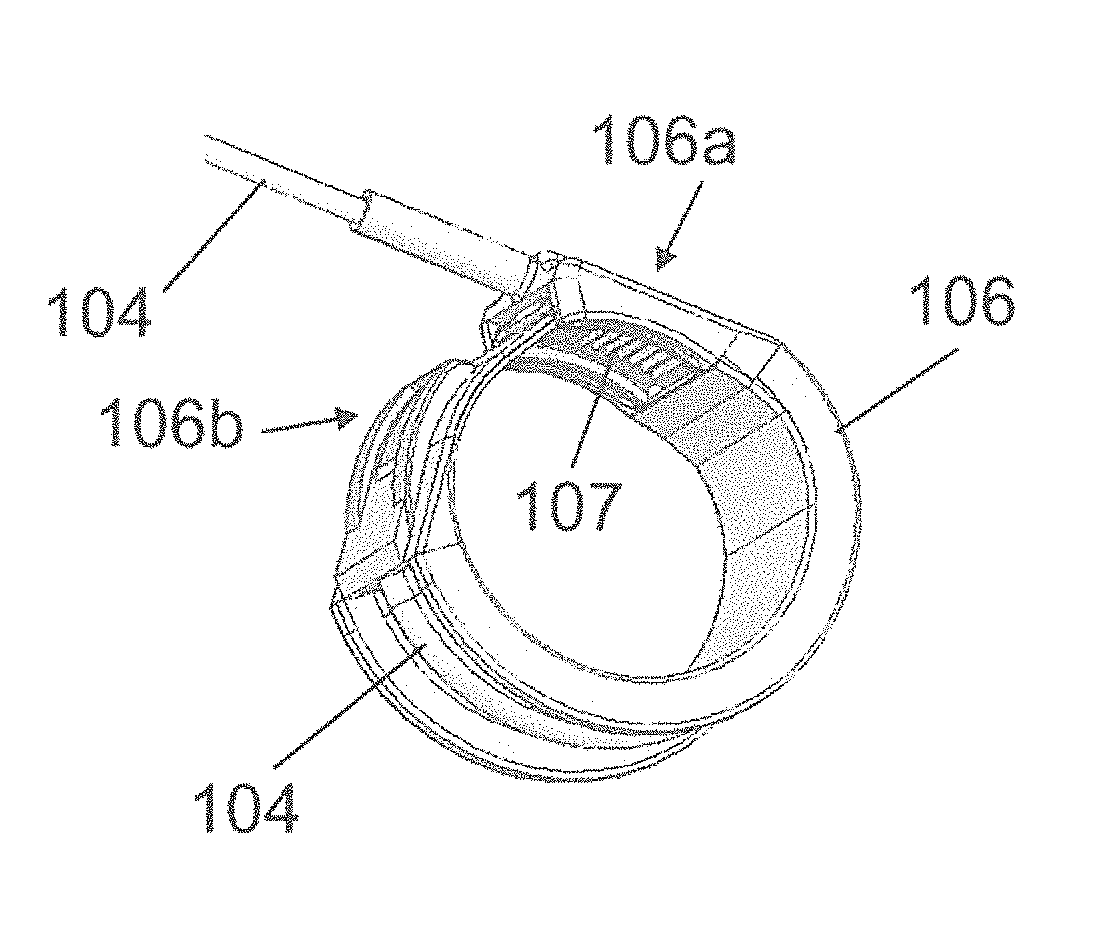
Figure 1 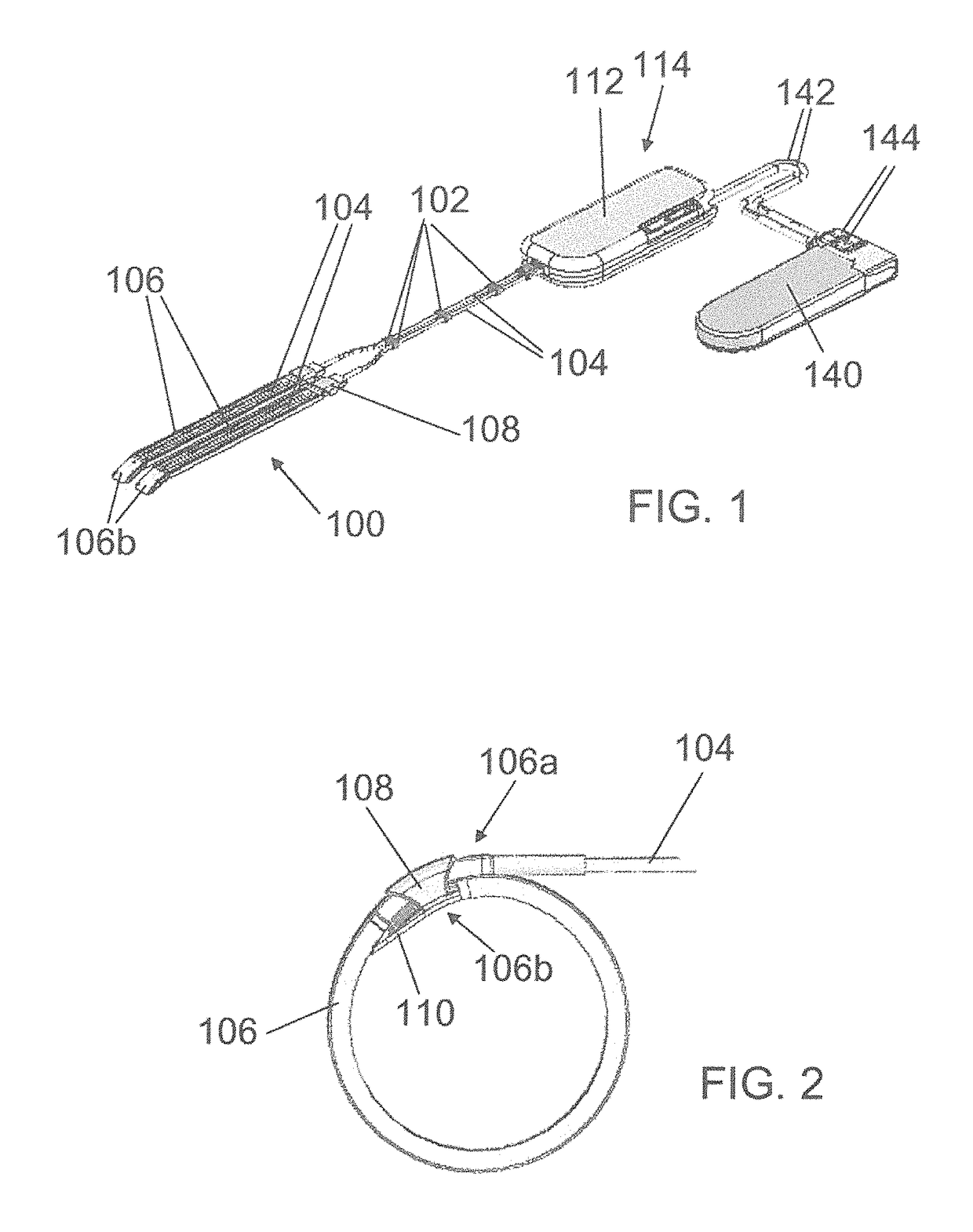
Figure 2 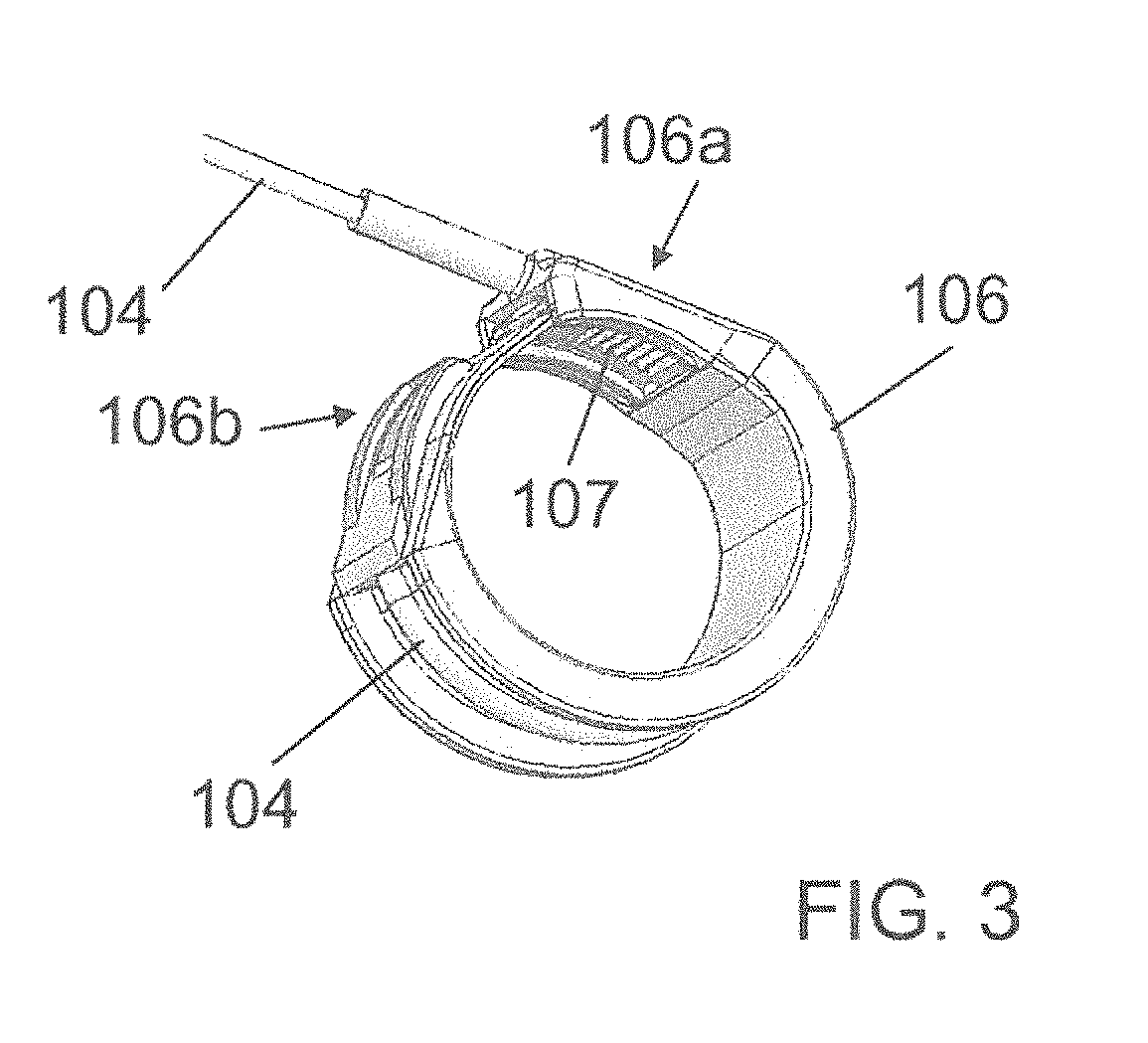
Figure 3
Abstract
Description
TECHNICAL FIELD
[0001] The present invention relates to a medical device comprising an artificial contractile structure activated by an actuator, which may be advantageously used to assist the functioning of an organ, e.g. a sphincter or the heart. More generally, it can be used for moving or constricting a hollow or a tubular part of the body in such a way as to reduce its diameter.BACKGROUND OF THE INVENTION
[0002] It is known to use artificial structures to assist muscular contraction. Such structures are adapted to assist atrial or ventricular contraction, or to assist or replace a natural sphincter. The use of such artificial sphincters has increased in recent years because faecal and urinary incontinences now affects more than 10% of people over 60 years of age and dramatically increases in patients over 80 years of age. Several pharmaceutical or surgical solutions have been developed for treating urinary and faecal incontinences. Generally, the outcome of surgery for treatment of...
Examples
examples
[0206]Referring to FIG. 1, one embodiment of the medical device of the invention, used to treat urinary incontinence, comprises two adjacent contractile elements 100 designed to surround partially a hollow part of the urethra. The contractile elements 100 are indirectly connected by using bars 102, said bars being connecting elements fixed around the transmission means and used to merge said two adjacent transmission means, i.e. the two adjacent cables which are inserted in Teflon® tubes 104 which are covered with silicone (silicone tube or silicone coating).
[0207]The contractile element 100 comprises a U-shaped band 106 designed to surround at least one time the hollow part of the organ to be contracted. The band 106 is made of silicone, PTFE, PLA, PUR, PMMA, (POM), HDPE LDPE or combination thereof to reduce the friction when the band wraps closely around the organ.
[0208]At shown by FIG. 2, the band 106 comprises a first end 106a, in which the tube 104 comprising the cable, is inte...