
Polypropylene fibers and method for producing polypropylene fibers
By employing a method that includes melt-spinning high molecular weight polypropylene and controlling cooling, stretching, and heat-setting processes, the production of polypropylene fibers with high strength, high elongation, and excellent thermal stability is achieved, while suppressing yarn breakage and fiber fusion.
Patent Information
- Application Number
- PCT/JP2024/044560
- Authority / Receiving Office
- WO · WO
- Patent Type
- Applications
- Current Assignee / Owner
- Priority Date
- 2023-12-20
- Filing Date
- 2024-12-17
- Publication Date
- 2025-06-26
AI Technical Summary
Existing methods for producing polypropylene fibers face challenges such as yarn breakage, fiber fusion, low strength, low elongation, and poor thermal stability, particularly due to issues with molecular weight, drawing conditions, and additive usage.
The production of polypropylene fibers involves melt-spinning high molecular weight polypropylene, followed by specific cooling, stretching, and heat-setting processes to suppress yarn breakage and fiber fusion, while achieving high strength, high elongation, and excellent thermal stability.
This method results in polypropylene fibers with a breaking strength of 12.5 cN/dtex or more, a breaking elongation of 15% or more, and excellent thermal stability, effectively addressing the issues of yarn breakage and fiber fusion.
Smart Images
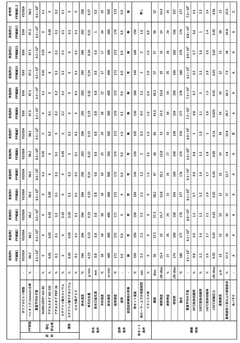
Figure JPOXMLDOC01-APPB-T000001 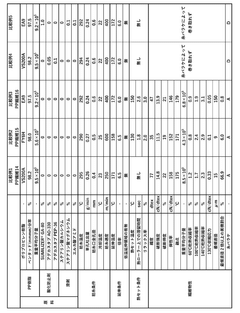
Figure JPOXMLDOC01-APPB-T000002 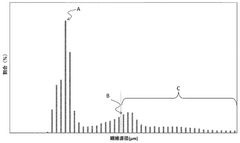
Figure 00000037_0000
Abstract
Description
Polypropylene fiber and method for producing polypropylene fiber
[0001] The present invention relates to a polypropylene fiber in which both yarn breaking and fiber fusion are suppressed and which has high strength and high elongation, preferably a polypropylene fiber in which both yarn breaking and fiber fusion are suppressed and which has high strength, high elongation, and excellent thermal stability, and a method for producing the same.
[0002] Polypropylene fibers are excellent in chemical resistance, heat resistance, light weight, etc., and are widely used in various applications. For example, a method for producing polypropylene fibers is known, as disclosed in Patent Document 1. In Patent Document 1, a polypropylene fiber having a weight average molecular weight of 5.1 × 10 5 The method uses a polymer with a relatively low molecular weight and includes a special process of forming fine crystal nuclei by maintaining at a low temperature, and involves manual drawing and heat setting under tension, resulting in poor productivity and difficulty in industrial application. Furthermore, the weight-average molecular weight of the raw material used is relatively low, the drawing temperature is low, and the heat setting temperature is relatively low (less than 150°C), making it difficult to achieve a high degree of crystallinity. Although the fiber has excellent strength, it is difficult to obtain a fiber with excellent thermal stability. Furthermore, Patent Document 1 does not consider elongation at all.
[0003] In Patent Document 2, a raw material with an extremely high molecular weight, that is, an intrinsic viscosity of at least 5 dL / g, is produced into fiber by employing a solution spinning method using a solvent. Within this molecular weight range, melt spinning is difficult, and the environmental impact of the solvent used and the need for a recovery process are problematic from the perspectives of production cost and environmental impact. The resulting fiber has a high strength of 0.832 to 1.376 GPa, but a low elongation of 8.3 to 10.4%, making it impossible to provide a polypropylene fiber that combines both strength and elongation.
[0004] Although it has been difficult to obtain polypropylene fibers having high strength and high elongation, Patent Document 3 solves this problem by melt-spinning a high molecular weight polypropylene as a raw material and controlling the drawing temperature and deformation speed, thereby providing melt-spun polypropylene fibers having high crystallinity, high strength, high elongation, and high thermal stability. However, Patent Document 3 does not consider the problems of fiber fusion and yarn loosening, which will be described later.
[0005] JP 2013-249554 A JP 6-41814 A International Publication No. 2023 / 074268 A
[0006] When polypropylene fibers are produced by melt spinning, a raw material composition containing polypropylene is melt-spun to form unstretched polypropylene fibers, and the unstretched polypropylene fibers are then stretched to obtain polypropylene fibers. However, depending on the stretching temperature when stretching the unstretched polypropylene fibers, the fibers may fuse together, making it difficult to consistently obtain fiber properties due to the fusion. Furthermore, the fused fibers also pose problems in terms of handleability.
[0007] It is also known that when high-molecular-weight polypropylene raw materials are melt-spun, a rapid decrease in molecular weight occurs due to melt retention, and additives such as antioxidants and lubricants have been added to suppress this. However, it has been newly discovered that, depending on the type of additive, significant yarn breakage, which is thought to be caused by static electricity, occurs when the fiber is wound after high-ratio drawing. This yarn breakage tends to become more pronounced as the draw ratio is increased, and in severe cases, it can even become impossible to wind the fiber.
[0008] Although the cause of this yarn loosening is not yet clear, it is thought to occur when polypropylene fibers become easily charged for some reason, and it tends to become more pronounced with higher molecular weight polypropylene, the addition of antioxidants, and high fiber orientation.It has also been revealed that it becomes more pronounced when fiber fusion during drawing is reduced.In other words, it has been difficult to simultaneously reduce fiber fusion and suppress yarn loosening.
[0009] Therefore, an object of the present invention is to provide a polypropylene fiber in which both yarn loosening and fiber fusion are suppressed and which has high strength and high elongation, preferably a polypropylene fiber in which both yarn loosening and fiber fusion are suppressed and which has high strength, high elongation, and excellent thermal stability, and a method for producing the same.
[0010] As a result of intensive research to solve the above-mentioned problems, the present inventors have found that by melt-spinning high-molecular-weight polypropylene as a raw material, followed by cooling, drawing, and heat-setting under specific conditions, it is possible to suppress both yarn loosening and fiber fusion, and to produce polypropylene fibers having high strength and high elongation, thereby arriving at the present invention.
[0011] That is, the present invention relates to a polypropylene fiber that is suppressed in both yarn loosening and fiber fusion and has high strength and high elongation, and a method for producing the same.
[0012] [1] Breaking strength of 12.5 cN / dtex or more, breaking elongation of 15% or more, elastic modulus of 130 cN / dtex or more, weight average molecular weight of 7.0 × 10 5 [1] A polypropylene fiber having a modal diameter of 5 μm or more and 30 μm or less, and a cumulative proportion of fibers having a fiber diameter of at least twice the modal diameter in the fiber diameter distribution of 50% or less of the total number of fibers in the fiber diameter distribution. [2] The polypropylene fiber according to [1], having a melting point of 170°C or more and a 130°C shrinkage stress of 0.2 cN / dtex or less. [3] The polypropylene fiber according to [1] or [2], having a 60°C dry heat shrinkage rate of 1.2% or less, a 100°C dry heat shrinkage rate of 1.6% or less, and a 140°C dry heat shrinkage rate of 2.4% or less. [4] The polypropylene fiber according to any one of [1] to [3], comprising a polypropylene component, an antioxidant, and a lubricant. [5] The polypropylene fiber according to [1], having a weight average molecular weight after fiberization of 7.0 × 10 5a step of melt-spinning a raw material composition containing polypropylene having a temperature of at least 100°C, a step of cooling the melt-spun polypropylene fiber to a temperature range of -20°C to 50°C, a step of drawing the cooled polypropylene fiber at a drawing temperature of at least 160°C to 180°C, and a step of heat-setting the drawn polypropylene fiber at a temperature of at least 100°C to 165°C. [6] A method for producing a polypropylene fiber according to any one of [1] to [4], characterized in that the raw material composition further contains an antioxidant and a lubricant. [7] A method for producing a polypropylene fiber according to [5] or [6], characterized in that in the drawing step, a low-temperature drawing region, the temperature of which is lowered by 5°C to 30°C from the set drawing temperature, is provided in a range that accounts for 30% or less of the total length of the drawing region.
[0013] The present invention provides a polypropylene fiber in which both yarn loosening and fiber fusion are suppressed and which has high strength and high elongation, preferably a polypropylene fiber in which both yarn loosening and fiber fusion are suppressed and which has high strength, high elongation, and excellent thermal stability.
[0014] FIG. 1 shows a histogram of fiber diameter distribution.
[0015] Hereinafter, embodiments of the present invention will be described, but the present invention is not limited to these embodiments.
[0016] 1. Polypropylene Fiber The polypropylene fiber of the present invention has a breaking strength of 12.5 cN / dtex or more, a breaking elongation of 15% or more, a modulus of elasticity of 130 cN / dtex or more, and a weight average molecular weight of 7.0 × 10 5 The fiber diameter is characterized in that the most frequent diameter of the fibers is 5 μm or more and 30 μm or less, and the cumulative proportion of fibers having a fiber diameter twice or more the most frequent diameter in the fiber diameter distribution is 50% or less of the total number of fibers in the fiber diameter distribution.
[0017] The weight average molecular weight (Mw) of the polypropylene fiber in the present invention is 7.0 × 10 5 or more, 7.2 × 10 5 More than 8.0 × 10 5The weight average molecular weight is more preferably 1.1 × 10 6 Preferably, the value is 1.08×10 or less. 6 More preferably, 1.05×10 or less 6 The number average molecular weight (Mn) of the polypropylene fiber in the present invention is particularly preferably 1.0×10 4 More than 2.0 × 10 4 More preferably, 3.0 × 10 4 More preferably, the number average molecular weight is 5.0×10 5 Preferably, the value is 4.0 x 10 or less. 5 More preferably, 3.0 x 10 5 The following are particularly preferred. If the weight average molecular weight and number average molecular weight are below the above ranges, the number of molecular chain ends contained in the fiber increases, making it difficult to increase strength and to achieve high-temperature drawing. If the weight average molecular weight and number average molecular weight are above the above ranges, the molecular chains become more entangled, making drawing difficult and preventing the molecular chains from being highly oriented, making it difficult to increase strength. In the present invention, the weight average molecular weight and number average molecular weight of the polypropylene fiber are molecular weight values after fiberization, unless otherwise specified. The weight average molecular weight and number average molecular weight can be determined by GPC.
[0018] The breaking strength of the polypropylene fiber in the present invention is 12.5 cN / dtex or more, preferably 13 cN / dtex or more, and more preferably 14 cN / dtex or more. The upper limit is not particularly limited, but from the viewpoint of stretchability, it is preferably 25 cN / dtex or less.
[0019] The breaking elongation of the polypropylene fiber in the present invention is 15% or more, preferably 18% or more, and more preferably 20% or more. There is no particular upper limit, but from the viewpoint of handling, the breaking elongation is preferably 35% or less.
[0020] The polypropylene fiber of the present invention has a breaking strength of 12.5 cN / dtex or more and a breaking elongation of 15% or more, and can achieve both high breaking strength and high breaking elongation, making it applicable to a wide range of uses.
[0021] The elastic modulus of the polypropylene fiber of the present invention is 130 cN / dtex or more, preferably 140 cN / dtex or more, and more preferably 150 cN / dtex or more, from the viewpoint of realizing a high degree of molecular orientation in the fiber axis direction. The upper limit is not particularly limited, but is preferably 240 cN / dtex or less, from the viewpoint of preventing excessive molecular orientation in the fiber axis direction.
[0022] The modal diameter of the polypropylene fiber of the present invention is 5 μm or more and 30 μm or less. The modal diameter is the diameter with the highest frequency (proportion) in a histogram of the fiber diameter distribution of the polypropylene fiber of the present invention (FIG. 1A). The modal diameter is an index of fiber fusion. When fiber fusion is significant, the modal diameter becomes large. When most of the fibers are fused, the modal diameter may be 150 μm or more. The modal diameter is preferably 6 μm or more, more preferably 7 μm or more, and even more preferably 8 μm or more. The upper limit of the modal diameter is preferably 25 μm or less, more preferably 23 μm or less, and even more preferably 22 μm or less.
[0023] In the polypropylene fiber of the present invention, the cumulative proportion of fibers having a fiber diameter of at least twice the mode diameter in the fiber diameter distribution is 50% or less relative to the total number of fibers in the fiber diameter distribution. The cumulative proportion is, for example, the proportion of fibers having a fiber diameter of at least twice the mode diameter (B in FIG. 1) calculated in the histogram of the fiber diameter distribution in FIG. 1, where A is the mode diameter, and all fibers having a fiber diameter of at least twice the mode diameter (C in FIG. 1) are added together (hereinafter also referred to as the "cumulative proportion of at least twice the mode diameter"). This cumulative proportion of at least twice the mode diameter is calculated by summing the proportion of fibers having a diameter of at least twice the mode diameter. Because fusion of fibers tends to result in an apparently larger fiber diameter, fibers having a diameter of at least twice the mode diameter are considered to be fused fibers, and this proportion is calculated. As fusion worsens, this cumulative proportion of at least twice the mode diameter increases. However, if fusion is poor and the majority of fibers are fused, the mode diameter may increase, and the cumulative proportion of at least twice the mode diameter may decrease significantly. Therefore, in order to eliminate these influences and accurately evaluate fiber fusion, the present invention defines the degree of fusion based on both the modal diameter and the cumulative proportion of diameters at least twice the modal diameter. The cumulative proportion of diameters at least twice the modal diameter in the present invention is 50% or less, preferably 45% or less, more preferably 40% or less, and even more preferably 35% or less. There is no particular lower limit for the cumulative proportion of diameters at least twice the modal diameter, but it is substantially 0.1% or more.
[0024] In the present invention, fiber fusion can be quantified by defining it as both the modal diameter and the cumulative proportion of fibers that are twice or more the modal diameter.
[0025] The mode diameter and the cumulative proportion of diameters twice or more the mode diameter can be measured by the method described in the Examples. Specifically, a carbon / glass fiber diameter length measuring device (Diameter Length) manufactured by Fibremetrics Pty Ltd is used to calculate the fiber diameter rounded to the nearest micron, and a histogram of the fiber diameter distribution is calculated, and the diameter can be determined by the above-mentioned method.
[0026] Furthermore, the polypropylene fiber of the present invention is a fiber that is suppressed from breaking apart and is easy to handle. Specifically, a fiber that is suppressed from breaking apart and is easy to handle refers to a fiber that is easy to wind after drawing and that is less likely to break apart in subsequent processes after winding. The subsequent processes refer to a yarn doubling process, false twisting process, knitting process, weaving process, etc., and preparatory processes therefor.
[0027] The degree of crystallinity of the polypropylene fiber in the present invention is preferably 64% or more, more preferably 66% or more, and even more preferably 68% or more. There is no particular upper limit, but a degree of crystallinity of 95% or less is preferred. A high degree of crystallinity leads to improved stability of the fiber structure and reduced defects, and is therefore preferred.
[0028] The melting point of the polypropylene fiber in the present invention is preferably 170° C. or higher, more preferably 175° C. or higher, and even more preferably 177° C. or higher. There is no particular upper limit, but it is preferably 200° C. or lower.
[0029] The polypropylene fiber of the present invention preferably has a shrinkage stress at 130°C of 0.2 cN / dtex or less, more preferably 0.15 cN / dtex or less, even more preferably 0.1 cN / dtex or less, and most preferably 0.05 cN / dtex or less. The lower limit is not particularly limited, but can be about 0.001 cN / dtex.
[0030] The 60°C dry heat shrinkage of the polypropylene fiber in the present invention is preferably 1.2% or less, more preferably 1.1% or less, and even more preferably 1.0% or less. The lower limit is not particularly limited, but can be about 0.1%.
[0031] The 100°C dry heat shrinkage of the polypropylene fiber in the present invention is preferably 1.6% or less, more preferably 1.5% or less, and even more preferably 1.4% or less. The lower limit is not particularly limited, but can be about 0.1%.
[0032] The dry heat shrinkage of the polypropylene fiber of the present invention at 140°C is preferably 2.4% or less, more preferably 2.2% or less, and even more preferably 2.0% or less. The lower limit is not particularly limited, but can be about 0.1%.
[0033] The polypropylene fiber of the present invention may contain components other than the polypropylene component, and may contain various additives described below, such as an antioxidant and a lubricant, as long as the effects of the present invention are not impaired. The content of each additive in the polypropylene fiber is approximately the same as the amount added in the raw material composition.
[0034] The method for producing the polypropylene fiber of the present invention is not particularly limited, but it is preferable that the fiber be produced by the following production method.
[0035] 2. Method for producing polypropylene fiber The method for producing polypropylene fiber according to the present invention comprises the steps of: (1) producing a polypropylene fiber having a weight average molecular weight of 7.0 × 10 after fiberization; 5 The method includes the steps of: (1) melt-spinning a raw material composition containing the above polypropylene (melt-spinning step); (2) cooling the obtained melt-spun fiber to a temperature range of −20° C. or higher and 50° C. or lower (cooling step); (3) drawing the cooled fiber at a drawing temperature of 160° C. or higher and 180° C. or lower (drawing step); and (4) heat-setting the drawn fiber at 100° C. or higher and 165° C. or lower (heat-setting step). Each step of the production method of the present invention and the raw material polypropylene used will be described below.
[0036] <Raw Material Composition> In the method for producing polypropylene fibers of the present invention, a raw material composition containing polypropylene is used, and polypropylene fibers are formed by melt spinning, cooling, drawing, and heat setting.
[0037] The polypropylene in the raw material composition includes isotactic polypropylene, syndiotactic polypropylene, and atactic polypropylene. These may be used alone or in a mixed form of two or more. More specifically, the polypropylene in the raw material composition preferably has a pentad (mmmm) fraction, which is an index of stereoregularity, of 0.8 or more (80% or more), more preferably 0.9 or more (90% or more), even more preferably 0.95 or more (95% or more), and most preferably 0.97 or more (97% or more). A higher pentad fraction is preferable because it increases stereoregularity and reduces defects when made into fibers, thereby increasing strength.
[0038] The polypropylene in the raw material composition may be a homopolymer consisting of only propylene units, a copolymer with other monomers, or a mixture of two or more homopolymers and / or copolymers. Examples of the copolymer include block copolymers and random copolymers. Monomers other than propylene that form the copolymer are not particularly limited, but examples include ethylene and 1-butene. In the present invention, a homopolymer consisting of only propylene units is preferred.
[0039] The weight average molecular weight (Mw) of the polypropylene in the raw material composition after fiberization is 7.0 × 10 5 Specifically, the weight average molecular weight of the raw material polypropylene is not particularly limited, but is preferably 7.0 × 10 5 It is preferable that the ratio is 8.0×10 or more. 5 More preferably, it is 8.5×10 or more. 5 More preferably, it is 9.0 × 10 or more. 5 The upper limit of the weight average molecular weight of the raw material polypropylene is not particularly limited, but from the viewpoint of not impairing the melt molding process, it is preferably 1.1 × 10 6 It is preferable that:
[0040] Furthermore, melt flow rate (MFR) can be used as an index representing molecular weight. The MFR test method uses values measured at a temperature of 230°C and a load of 2.16 kgf, which are the general conditions applied to polypropylene resins in JIS K7210. The MFR of the raw material polypropylene is preferably 2.4 g / 10 min or less, more preferably 2.0 g / 10 min or less, even more preferably 1.5 g / 10 min or less, and most preferably 1.0 g / 10 min or less. The lower limit of the MFR is not particularly limited, but is preferably 0.2 g / 10 min or more.
[0041] Furthermore, the raw material composition used in the present invention contains polypropylene, and the content of polypropylene in the raw material composition is not particularly limited, but from the viewpoint of achieving high crystallinity after fiberization, it is preferably 95% by mass or more, more preferably 98% by mass or more, and even more preferably 99% by mass or more.
[0042] Furthermore, in order to suppress a decrease in molecular weight due to melt retention during melt spinning, it is preferable to add one or more selected from the group consisting of antioxidants and lubricants to the raw material composition used in the present invention, and it is more preferable to add both an antioxidant and a lubricant.
[0043] The antioxidant is not particularly limited, and examples thereof include phenol-based antioxidants, phosphorus-based antioxidants, amine-based antioxidants, and sulfur-based antioxidants. Among these, phenol-based antioxidants or phosphorus-based antioxidants are preferred, and adding both a phenol-based antioxidant and a phosphorus-based antioxidant is more preferred from the viewpoint of suppressing a decrease in molecular weight during melting.
[0044] Examples of the phenolic antioxidant include 3,9-bis[2-{3-(3-t-butyl-4-hydroxy-5-methylphenyl)propionyloxy}-1,1-dimethylethyl]-2,4,8,10-tetraoxaspiro[5.5]undecane, 1,3,5-tris-(3,5-di-tert-butyl-4-hydroxybenzyl)-1,3,5-triazine-2,4,6(1H,3H,5H)-trione, octadecyl-3-(3,5-di-tert-butyl-4-hydroxyphenyl)propionate, and pentaerythritol tetrakis[3-(3,5-di-tert-butyl-4-hydroxyphenyl)propionate]. As the phenol-based antioxidant, commercially available products can also be used, and examples thereof include SUMILIZER (registered trademark) GA-80 manufactured by Sumitomo Chemical Co., Ltd., and Adeka STAB AO-20, Adeka STAB AO-50, Adeka STAB AO-60, Adeka STAB AO-80, and Adeka STAB AO-330 manufactured by ADEKA Corporation.
[0045] Examples of the phosphorus-based antioxidant include tris(2,4-di-tert-butylphenyl)phosphite, 2,2'-methylenebis(4,6-di-t-butylphenyl)2-ethylhexylphosphite, 3,9-bis(2,6-di-tert-butyl-4-methylphenoxy)-2,4,8,10-tetraoxa-3,9-diphosphaspiro[5.5]undecane, etc. Commercially available products can also be used as the phosphorus-based antioxidant, and examples include Adeka STAB 2112, Adeka STAB HP-10, and Adeka STAB PEP-36 manufactured by ADEKA Corporation.
[0046] Among the above antioxidants, from the viewpoints of compatibility with polypropylene and heat resistance, 3,9-bis[2-{3-(3-t-butyl-4-hydroxy-5-methylphenyl)propionyloxy}-1,1-dimethylethyl]-2,4,8,10-tetraoxaspiro[5.5]undecane (for example, SUMILIZER (registered trademark) GA-80 manufactured by Sumitomo Chemical Co., Ltd.), 1,3,5-tris(3,5-di-tert-butyl-4-hydroxyphenyl)propionyloxy, and 1,3,5-tris(3,5-di-tert-butyl-4-hydroxyphenyl)propionyloxy are preferred. The solvent preferably contains one or more, and more preferably two or more, selected from the group consisting of 3,9-bis(2,6-di-tert-butyl-4-methylphenoxy)-2,4,8,10-tetraoxa-3,9-diphosphaspiro[5.5]undecane (e.g., Adekastab PEP-36, manufactured by ADEKA Corporation).
[0047] The amount of antioxidant added is preferably less than 1.0% by mass in the raw material composition (total solid content), since the antioxidant effect is saturated and, for reasons that are unclear, the fiber breakage becomes significant. The amount of antioxidant added is preferably less than 1.0% by mass in the raw material composition (total solid content), more preferably 0.5% by mass or less, and even more preferably 0.3% by mass or less. The lower limit of the amount of antioxidant added is not particularly limited, but is preferably 0.05% by mass or more, more preferably 0.1% by mass or more, from the viewpoint of exhibiting the inherent performance of the antioxidant and suppressing a decrease in molecular weight during melting.
[0048] The lubricant is not particularly limited, but examples thereof include metal soap-based lubricants, aliphatic amide-based lubricants, and ester-based lubricants. Examples of metal soap-based lubricants include calcium stearate, zinc stearate, magnesium stearate, and lead stearate. Examples of aliphatic amide-based lubricants include stearic acid amide, oleic acid amide, erucic acid amide, methylene bisstearic acid amide, and ethylene bisstearic acid amide. Examples of ester-based lubricants include hydrogenated oil, stearic acid monoglyceride, butyl stearate, pentaerythritol tetrastearate, and stearyl stearate. Among these, from the viewpoints of compatibility with polypropylene, heat resistance, and ease of availability, it is preferable to include one or more types selected from the group consisting of calcium stearate, magnesium stearate, and erucic acid amide, and it is more preferable to include two or more types.
[0049] If the amount of lubricant added exceeds 0.5% by mass in total in the raw material composition (based on the total solid content), the effect of the lubricant may become saturated, and defects in the fiber may increase, leading to a decrease in strength. From this perspective, the amount of lubricant added is preferably 0.5% by mass or less in total in the raw material composition (based on the total solid content), more preferably 0.4% by mass or less, and even more preferably 0.3% by mass or less. The lower limit of the amount of lubricant added is not particularly limited, but from the viewpoint of exhibiting the inherent performance of the lubricant, obtaining a viscosity-reducing effect, obtaining surface smoothness, and suppressing yarn loosening, it is preferably 0.05% by mass or more, and more preferably 0.1% by mass or more.
[0050] The amount of lubricant added can improve fiber breakage. This is presumably due to the fact that the viscosity reduction effect obtained during melting suppresses the reduction in molecular weight due to shear in a screw or the like, reduces the amount of antioxidant, which is thought to be one of the causes of fiber breakage, and the presence of the lubricant on the surface after fiberization.
[0051] The addition of a lubricant can also improve fiber fusion. Although the mechanism by which the addition of a lubricant improves fusion is not clear, it is presumed that the localized presence of the lubricant on the fiber surface contributes to suppressing fusion.
[0052] In addition to the antioxidants and lubricants, various additives used in this field can be added to the raw material composition used in the present invention, as long as they do not impair the effects of the present invention. The amount of such additives added is preferably 5% by mass or less, more preferably 2% by mass or less, and even more preferably 1% by mass or less, based on the raw material composition. Examples of additives include neutralizing agents, heat stabilizers, weathering agents, UV absorbers, antistatic agents, antiblocking agents, antifogging agents, anti-foaming agents, dispersants, flame retardants, antibacterial agents, fluorescent brightening agents, crosslinking agents, crosslinking aids, and colorants such as dyes and pigments.
[0053] The various additives described above may be added using any of three methods: a method in which the raw materials and powders are physically mixed by dry blending before melting; a method in which the raw materials are melt-kneaded in advance and mixed in pellets; and a masterbatch method in which a masterbatch containing various additives at a high concentration is prepared, and then the masterbatch and raw materials are dry-blended before melting to dilute to the required concentration.
[0054] <Melt Spinning Step> The method for producing a polypropylene fiber according to the present invention preferably includes a step of first melting a raw material composition containing polypropylene, extruding the molten material through a spinning nozzle having a predetermined hole diameter, and winding the extruded material around a roller set at a predetermined spinning speed to obtain an undrawn yarn.
[0055] The polypropylene can be melt-extruded using melt-extrusion techniques for plastic fibers commonly used in the art, including, but not limited to, an extruder that heats and melts raw plastic and then extrudes the molten material under pressure.
[0056] The spinning temperature of polypropylene is preferably equal to or higher than the melting point of the polypropylene used, i.e., (melting point + 50°C or higher), i.e., a temperature 50°C or higher than the melting point, and more preferably (melting point + 70°C to melting point + 150°C), i.e., a temperature 70°C to 150°C higher than the melting point. To obtain the high-strength, high-elongation melt-spun polypropylene fiber of the present invention, it is necessary to increase the weight-average molecular weight of the undrawn yarn as much as possible. To this end, it is preferable to use raw materials with as high a molecular weight as possible. Furthermore, it is necessary to minimize molecular weight reduction during melt flow. From this perspective, an extruder temperature that is too high is undesirable because it deteriorates the polypropylene and reduces its molecular weight. On the other hand, a temperature that is too low is undesirable because it reduces fluidity, which can lead to equipment damage, melt fracture, and other molding difficulties. The melting point of polypropylene is 150 to 180°C. Furthermore, from the perspective of suppressing molecular weight reduction during melt flow, it is preferable to shorten the melt residence time or add an antioxidant to the raw material composition.
[0057] The upper limit of the single-hole output rate of the spinning nozzle is preferably 1.0 g / min or less, more preferably 0.5 g / min or less. If the single-hole output rate is higher than this range, melt fracture or the like may occur, making spinning unstable. In addition, the lower limit of the single-hole output rate of the spinning nozzle is not particularly limited, but from the viewpoint of productivity, it is preferably 0.05 g / min or more, more preferably 0.1 g / min or more.
[0058] The spinning speed is preferably 50 to 700 m / min, more preferably 100 to 600 m / min. Winding within this speed range is preferred because it makes it possible to control the degree of orientation and crystalline structure in the undrawn yarn, thereby improving the strength of the resulting fiber.
[0059] <Cooling Step> The production method of the present invention includes a step of cooling the obtained melt-spun fiber (undrawn yarn) to a temperature range of -20°C or higher and 50°C or lower.
[0060] The undrawn yarn is preferably rapidly cooled from the heating temperature in the melt extrusion means to −20° C. or higher and 50° C. or lower, and spun while being taken up at −20° C. or higher and 50° C. or lower. The cooling temperature is preferably −20° C. or higher and 25° C. or lower, more preferably 0° C. or higher and 25° C. or lower, and even more preferably 10° C. or higher and 25° C. or lower. Cooling can be performed using forced cooling means such as air cooling or a refrigerant (for example, water, methanol, ethanol, or a mixed solvent thereof), or a combination of air cooling and a refrigerant.
[0061] <Drawing Step> The undrawn yarn obtained in the melt spinning step is cooled and then drawn in the drawing step to obtain the desired polypropylene fiber. In the present invention, the undrawn yarn can be drawn using a drawing means commonly used in the art. For example, the fiber can be continuously drawn by varying the speed difference between the delivery roller and the take-up roller. The draw ratio is determined by the speed difference between the delivery roller and the take-up roller. The undrawn yarn drawn from the delivery roller is heated to a predetermined temperature in an oven of a predetermined length and drawn. Furthermore, drawing may be performed in one stage or multiple stages.
[0062] In this step, there is no particular upper limit to the draw ratio, and it is sufficient as long as the fiber does not break. Specifically, the draw ratio is preferably 2 times or more, and more preferably 3 times or more.
[0063] In this step, the temperature at which the undrawn yarn is drawn is 160° C. or higher and 180° C. or lower, preferably 165° C. or higher and 178° C. or lower, and more preferably 170° C. or higher and 175° C. or lower. By deforming the yarn while applying a temperature, the melting point of the polypropylene fiber is improved, enabling stable drawing near the melting point and making drawing at a relatively high temperature possible.
[0064] The drawing temperature is preferably equal to or higher than the melting point of the undrawn yarn (about 165°C) in order to form a stable crystal structure, but if the temperature is too high at the beginning of drawing, it may exceed the melting point of the undrawn yarn, causing the fibers to fuse together. One method for suppressing such fusion is, for example, a method of setting the drawing temperature in multiple stages in the drawing process, such as using a heat shield or changing the heat transfer medium to provide a low-temperature drawing region so that the drawing temperature at the beginning of drawing is less likely to rise, or a method of changing the drawing profile so that most of the drawing can be performed at the beginning of drawing, and these methods can also be combined. Among these, the method of suppressing the temperature rise at the beginning of drawing by using a heat shield at the beginning of drawing is preferred from an economical standpoint, as it does not require large-scale equipment. Examples of heat-shielding methods include placing a fabric between the heat source and the yarn to block the heat so that heat is transferred slowly from the heat source to the yarn, placing a metal mesh between the yarn and the heat source and changing the mesh opening (metal mesh #50, #100, #200, etc.), placing a ceramic plate between the heat source and the yarn, etc. Implementing these methods makes it possible to provide a low-temperature drawing region in which the temperature at the beginning of drawing is lowered by 5°C to 30°C from the set drawing temperature, which is preferable because it makes it possible to further suppress fiber fusion.
[0065] The range of the low-temperature stretching region is preferably a range from the start of stretching until the stretch ratio reaches about 40 to 80% of the set stretch ratio (for example, if the final stretching ratio is 5 times, the range is until the stretch ratio reaches about 2 to 4 times). Furthermore, this low-temperature stretching region preferably covers 30% or less of the total length of the stretching region, more preferably 25% or less, and even more preferably 20% or less. If this low-temperature stretching region is too long, the efficiency of stretching may decrease, and a longer stretching region may be required overall. There is no particular lower limit for the low-temperature stretching region, but from the viewpoint of both preventing melt fracture and achieving the above-mentioned stretchability, it is preferably 5% or more of the total length of the stretching region. Here, the total length of the stretching region refers to the length of the region stretched at a stretch ratio that substantially involves stretching. When stretching is performed between rollers, the region between the stretching rollers is considered to be the stretching region, and this refers to the total length of that region.
[0066] When a drive roller is used, the drawing profile can be changed by appropriately changing the yarn speed during drawing, from unwinding to winding completion. In a configuration in which the yarn speed cannot be changed during drawing, the drawing profile can be set by appropriately providing a drive roller during drawing. From the viewpoint of improving the melting point of the yarn by drawing, it is preferable to set this drawing profile as early as possible. Furthermore, from the viewpoint of drawability, it is preferable to set the low-temperature drawing region in which heat is shielded by the heat shield plate or the like so as to fall within the region in which the draw ratio is improved.
[0067] The method is preferably designed appropriately from the viewpoint of stably carrying out drawing at a temperature equal to or higher than the melting point of the undrawn yarn and preventing fusion.
[0068] Furthermore, methods for suppressing fusion when drawing an undrawn yarn include the above-mentioned amounts of antioxidants and lubricants added, the above-mentioned method of setting the drawing temperature in multiple stages, the method of changing the drawing profile, etc. In the present invention, it is not necessary to use all of the above-mentioned methods to suppress fusion, and any of the methods may be used alone or in combination.
[0069] If fusion occurs during drawing, yarn loosening is unlikely to occur, but problems may arise such as an unexpected drawing break due to an insufficient drawing, a decrease in the maximum draw ratio, or a significant decrease in the strength and elongation of the drawn yarn.
[0070] <Heat Setting Step> The drawn fiber is heat set at a temperature of 100° C. to 165° C. By heat setting after drawing, it is possible to eliminate residual strain that occurs during drawing.
[0071] In the present invention, yarn loosening can be improved by heat setting. The mechanism by which heat setting improves yarn loosening is not yet clear, but it is presumed that heat setting after drawing eliminates the residual strain generated during drawing, thereby improving yarn loosening and providing a fiber that is easy to handle.
[0072] The heat setting can be carried out on a heated roller, and the heat setting after drawing is carried out at a temperature below the melting point of the drawn yarn, specifically a temperature of 165°C or lower, preferably 160°C or lower, and more preferably 155°C or lower. If the heat setting temperature is too high, even if there was little fusion during drawing, fusion may occur on the heated roller, and the higher-order structure formed by drawing may be partially melted and destroyed when the temperature is close to the melting point, making it difficult to achieve the strength, elongation, mode diameter, and cumulative ratio of at least two times the mode diameter specified in the present invention. On the other hand, if the heat setting temperature is too low, residual strain may not be sufficiently eliminated, and thermal stability such as dry heat shrinkage may be poor.
[0073] Furthermore, if the residence time on the heat roller is too short, residual strain caused by stretching tends to be insufficiently relaxed, so it is preferably 0.1 sec or more, more preferably 0.5 sec or more, even more preferably 1.0 sec or more, and particularly preferably 1.5 sec or more. Although there is no particular upper limit to the residence time on the heat set roller, 10 sec or less is preferred from the viewpoint of productivity and facility constraints.
[0074] The relaxation rate in the heat-setting step is not particularly limited, but is preferably 0 to 6%. If the relaxation rate is less than 0%, the tension in the relaxation step may be excessive, which may result in breakage at the relaxation rate or a decrease in strength and elongation. On the other hand, if the relaxation rate exceeds 6%, the tension in the relaxation step may be too low, which may result in excessive relaxation of the fiber structure, a decrease in strength and elongation, or fusion of the fibers. The relaxation rate can be set as a ratio using the final roller speed (V1) of drawing and the speed of the heat-setting roller (V2) according to the following calculation formula: Relaxation rate (%) = (1 - V2 / V1) x 100
[0075] As described above, the method for producing a polypropylene fiber of the present invention includes the melt spinning step, the cooling step, the drawing step, and the heat setting step, but may also include other steps within a range that does not impair the effects of the present invention.
[0076] By the above-mentioned production method, both yarn loosening and fiber fusion are suppressed, and polypropylene fibers having high strength and high elongation can be obtained. Specifically, the breaking strength is 12.5 cN / dtex or more, the breaking elongation is 15% or more, the elastic modulus is 130 cN / dtex or more, and the weight average molecular weight is 7.0 × 10 5 As described above, polypropylene fibers can be obtained in which the mode diameter of the fibers is 5 μm or more and 30 μm or less, and the cumulative proportion of fibers having a fiber diameter of at least twice the mode diameter in the fiber diameter distribution is 50% or less relative to the total number of fibers in the fiber diameter distribution.
[0077] Furthermore, in the production method of the present invention, a decrease in molecular weight from the starting polypropylene resin to the final fiber is suppressed, and the molecular weight decrease rate ((weight average molecular weight of starting polypropylene resin - weight average molecular weight of final fiber) / weight average molecular weight of starting polypropylene resin x 100) is preferably 25% or less, more preferably 20% or less, and even more preferably 15% or less.
[0078] The present invention will be described in more detail below with reference to examples and comparative examples, but the present invention is not limited to these examples. The physical properties and other properties in the following examples were evaluated using the following methods.
[0079] (1) Weight-average molecular weight The weight-average molecular weight was measured using an HLC-8321GPC / HT (manufactured by Tosoh Corporation) as follows. Column: Waters Styragel HT6E, HT4, HT3 (triplicate). Eluent: ortho-dichlorobenzene (ODCB) to which dibutylhydroxytoluene (BHT) (0.5 g / L) was added. Flow rate: 0.3 mL / min. Injection volume: 200 μL. Measurement temperature: 140°C. Sample concentration: 1 mg / mL. Detector: differential refractometer (RI). Detection conditions: polarity - (-). The molecular weight was calculated in terms of standard polystyrene (PS). Sample pretreatment: The sample was weighed, and a solvent (added to ortho-dichlorobenzene so that the BHT concentration was 0.5 g / L) was added to adjust the sample concentration to the above-mentioned range, and the sample was dissolved at 140°C for approximately 6 hours.
[0080] (2) Fineness The sample was cut into 10 m pieces at five different positions, and the masses were measured. The average value was converted to 10,000 m to give the fineness (dtex).
[0081] (3) Tensile test: Measurements were performed in accordance with JIS L 1013 8.5.1. The gripping distance was 150 mm and the tensile speed was 150 mm / min. The stress at the maximum point was used to determine the breaking strength, the elongation at the maximum stress to determine the breaking elongation, and the elastic modulus was calculated from the tangent line that gave the maximum gradient near the origin of the curve.
[0082] (4) 60°C Dry Heat Shrinkage Rate According to JIS L 1013 8.18.2b), the dry heat shrinkage rate was measured by exposing the sample to air at 60°C for 30 minutes. The dry heat shrinkage rate was measured three times and the average value was used.
[0083] (5) 100°C Dry Heat Shrinkage Rate According to JIS L 1013 8.18.2b), the dry heat shrinkage rate was measured by exposing the sample to air at 100°C for 30 minutes. The dry heat shrinkage rate was measured three times and the average value was used.
[0084] (6) 140°C Dry Heat Shrinkage Rate According to JIS L 1013 8.18.2b), the dry heat shrinkage rate was measured by exposing the sample to air at 140°C for 30 minutes. The dry heat shrinkage rate was measured three times and the average value was used.
[0085] (7) 130°C shrinkage stress: Measurement was performed using a thermomechanical analyzer (TMA7100) manufactured by Hitachi High-Tech Science. An initial load of 0.01764 cN / dtex was applied to a 20 mm long fiber sample, and the initial length was set to zero. The temperature was increased at a rate of 10°C / min, and the load change at a constant displacement (L assembly control) was measured. The shrinkage stress was measured twice at 130°C, and the average value was used.
[0086] (8) Melting point Measurement was performed using a differential scanning calorimeter (DSC25) manufactured by TA Instruments. The sample was cut into pieces of 3 to 5 mm or less, filled and sealed in an aluminum pan (approximately 2 mg). Using a similar empty aluminum pan as a reference, the sample was heated from 30°C to 250°C at a heating rate of 10°C / min under a nitrogen gas atmosphere, and the temperature at the top of the endothermic peak was taken as the melting point. The melting point was determined by the average of the values obtained by measuring twice.
[0087] (9) Pentad (mmmm) fraction Using an NMR device AVANCE-NEO manufactured by BRUKER with a resonance frequency of 600 MHz 13 C-NMR measurement was carried out. The sample was dissolved at 135°C in a mixed solvent (benzene-d6:o-dichlorobenzene = 20:80) so that the sample concentration was 50 mg / 0.6 ml, and the measurement was carried out under the following conditions: measurement mode: proton decoupling method, pulse width: 3.67 usec, pulse repetition time: 2.5 sec, number of accumulations: 1600, measurement temperature: 120°C. The pentad (mmmm) fraction F(mmmm) is expressed as follows: F(mmmm) = Immmm / [Immmm + Immmmr + Irmmr + Immrr + Irmrr + Irmrm + Immrm + Irrrr + Imrrrr + Imrrrm], where Ixxxx (x is m or r) is, 13 In the C-NMR spectrum, when the peaks at the 1st and 2nd positions of o-dichlorobenzene are taken as 132.6 ppm, the chemical shifts assigned to the xxxx pentad show the peak area in the methyl region of 19 to 22 ppm.
[0088] (10) Mode diameter and cumulative proportion of filaments twice or more the mode diameter The sample was cut with a blade to a length of 0.5 mm, and the sample was adjusted to have approximately 60,000 filaments. The adjusted sample was stirred in deionized water for 3 minutes to thoroughly disperse the sample in water. The fiber diameter distribution was measured while stirring so that the sample remained uniformly dispersed. For the measurement, a carbon / glass fiber diameter length measuring instrument, Diameter Length, manufactured by Fibremetrics Pty Ltd., was used. The fiber diameter was calculated by rounding to the nearest micron, and a histogram of the fiber diameter distribution was obtained (Figure 1). The most frequent diameter in this histogram was designated the "mode diameter" (unit: μm, A in Figure 1). The fiber diameter twice the mode diameter (A in FIG. 1) was calculated (B in FIG. 1), and the percentage of all fibers having a fiber diameter twice or more (C in FIG. 1) was calculated as the "cumulative percentage of twice or more the mode diameter" (unit: %).
[0089] (11) Yarn loosening During the production of polypropylene fiber, the case where yarn loosening was suppressed and propylene fiber was obtained was evaluated as "A", the case where polypropylene fiber was obtained although some yarn loosening was observed was evaluated as "B", the case where polypropylene fiber was obtained but the yarn loosened so much that it was difficult to handle was evaluated as "C", and the case where polypropylene fiber could not be obtained because the yarn was loosened and it could not be wound up was evaluated as "D".
[0090] Example 1 A commercially available polypropylene resin (manufactured by SunAllomer Co., Ltd., VS200A, MFR: 0.45 g / 10 min, weight average molecular weight: 9.5 × 10) was used. 5 ), 0.05% by mass of Adeka STAB AO-330 manufactured by ADEKA Corporation, 0.1% by mass of Adeka STAB PEP-36 manufactured by ADEKA Corporation, 0.05% by mass of magnesium stearate, and 0.1% by mass of erucic acid amide were added to the above-mentioned raw material to achieve the respective mass ratios. The raw material was melt-extruded from a spinneret having a hole diameter of φ0.8 mm and 48 holes under conditions of a spinning temperature of 294°C and a single-hole output rate of 0.23 g / min, and the extrusion was cooled and solidified by blowing cooling air having a quench temperature of 18°C from a direction perpendicular to the yarn running direction at a rate of 0.5 m / sec. Thereafter, the extruded material was taken up at a spinning speed of 400 m / min to obtain an undrawn yarn. This undrawn yarn was drawn 5.0 times at a drawing temperature of 171°C, and after drawing, it was heat-set for 2.3 seconds on a heat-setting roller at 150°C and at the same speed as the final drawing roller to obtain Polypropylene Fiber 1. The physical properties are shown in Table 1.
[0091] (Example 2) An undrawn yarn was obtained in the same manner as in Example 1. This undrawn yarn was drawn 5.0 times at a drawing temperature of 171°C, and further drawn in a state where heat was shielded so that heating was gentle in the section (about 20% of the total length of the drawing region) until the draw ratio reached approximately 50% of the total (draw ratio 2.5 times) (temperature in the low-temperature drawing region: about 141°C to 166°C), and after drawing, the yarn was heat-set for 2.3 seconds on a heat-setting roller at 150°C and at the same speed as the final drawing roller, to obtain polypropylene fiber 2. The physical properties are shown in Table 1.
[0092] (Example 3) A commercially available polypropylene resin (manufactured by SunAllomer Co., Ltd., VS200A, MFR: 0.45 g / 10 min, weight average molecular weight: 9.5 × 10) was used.5 ), 0.05% by mass of Adeka STAB AO-330 manufactured by ADEKA Corporation, 0.1% by mass of Adeka STAB PEP-36 manufactured by ADEKA Corporation, 0.05% by mass of calcium stearate, 0.05% by mass of magnesium stearate, and 0.1% by mass of erucamide were added to the above-mentioned raw materials to achieve the respective mass ratios. The raw material was melt-extruded from a spinneret having a hole diameter of φ0.8 mm and 48 holes under conditions of a spinning temperature of 294°C and a single-hole output rate of 0.23 g / min, and the extrusion was cooled and solidified by blowing cooling air having a quench temperature of 18°C from a direction perpendicular to the yarn running direction at a rate of 0.5 m / sec. Thereafter, the extruded material was taken up at a spinning speed of 400 m / min to obtain an undrawn yarn. This undrawn yarn was drawn 5.0 times at a drawing temperature of 171°C, and was drawn in a state where heat was shielded (temperature in the low-temperature drawing region: approximately 141°C to 166°C) so that heating was gentle in the section (approximately 20% of the total length of the drawing region) until the draw ratio reached approximately 50% of the total (draw ratio: 2.5 times), and after drawing, it was heat-set for 2.3 seconds on a heat-setting roller at 150°C at the same speed as the final drawing roller, to obtain polypropylene fiber 3. The physical properties are shown in Table 1.
[0093] (Example 4) A commercially available polypropylene resin (manufactured by SunAllomer Co., Ltd., VS200A, MFR: 0.45 g / 10 min, weight average molecular weight: 9.5 × 10) was used. 5), 0.05 mass % of Adeka STAB AO-330 manufactured by ADEKA Corporation, 0.1 mass % of Adeka STAB PEP-36 manufactured by ADEKA Corporation, 0.1 mass % of magnesium stearate, and 0.1 mass % of erucic acid amide were added to the above-mentioned raw material to achieve the respective mass ratios. The raw material was melt-extruded from a spinneret having a hole diameter of φ0.8 mm and 48 holes under conditions of a spinning temperature of 294°C and a single-hole output rate of 0.23 g / min, and the extrusion was cooled and solidified by blowing cooling air having a quench temperature of 18°C from a direction perpendicular to the yarn running direction at a speed of 0.5 m / sec. Thereafter, the extruded material was taken up at a spinning speed of 400 m / min to obtain an undrawn yarn. This undrawn yarn was drawn 5.0 times at a drawing temperature of 171°C, and drawn in a state where heat was shielded (temperature in the low-temperature drawing region: approximately 141°C to 166°C) so that heating was gentle in the section (approximately 20% of the total length of the drawing region) until the draw ratio reached approximately 50% of the total (draw ratio: 2.5 times), and after drawing, it was heat-set for 2.3 seconds on a heat-setting roller at 150°C and at the same speed as the final drawing roller, to obtain polypropylene fiber 4. The physical properties are shown in Table 1.
[0094] (Example 5) A commercially available polypropylene resin (manufactured by SunAllomer Co., Ltd., VS200A, MFR: 0.45 g / 10 min, weight average molecular weight: 9.5 × 10) was used. 5), 0.1 mass % of SUMILIZER (registered trademark) GA-80 manufactured by Sumitomo Chemical Co., Ltd., 0.1 mass % of Adeka STAB PEP-36 manufactured by ADEKA Corporation, 0.2 mass % of magnesium stearate, and 0.1 mass % of erucic acid amide were added to the above-mentioned raw materials so as to achieve the respective mass ratios. The raw material was melt-extruded from a spinneret having a hole diameter of φ0.6 mm and 48 holes under conditions of a spinning temperature of 295°C and a single-hole output rate of 0.24 g / min, and the extrusion was cooled and solidified by blowing cooling air having a quench temperature of 19°C from a direction perpendicular to the yarn running direction at a speed of 0.5 m / sec. Thereafter, the extruded material was taken up at a spinning speed of 500 m / min to obtain an undrawn yarn. This undrawn yarn was drawn 5.0 times at a drawing temperature of 172°C, and drawn in a heat-shielded state (temperature in the low-temperature drawing region: approximately 142°C to 167°C) so that heating was slowed down in the section (approximately 15% of the total length of the drawing region) until the draw ratio reached approximately 50% of the total (draw ratio: 2.5 times). After drawing, the yarn was heat-set for 1.2 seconds on a 140°C heat-setting roller at a speed 1% slower than that of the final drawing roller, to obtain polypropylene fiber 5. The physical properties are shown in Table 1.
[0095] (Example 6) A commercially available polypropylene resin (manufactured by SunAllomer Co., Ltd., VS200A, MFR: 0.45 g / 10 min, weight average molecular weight: 9.5 × 10) was used. 5), 0.05% by mass of SUMILIZER (registered trademark) GA-80 manufactured by Sumitomo Chemical Co., Ltd., 0.1% by mass of Adeka STAB PEP-36 manufactured by ADEKA Corporation, 0.05% by mass of calcium stearate, and 0.1% by mass of erucic acid amide were added to the above-mentioned raw materials so as to achieve the respective mass ratios. The raw material was melt-extruded from a spinneret having a hole diameter of φ0.6 mm and 48 holes under conditions of a spinning temperature of 293°C and a single-hole output rate of 0.22 g / min, and the extrusion was cooled and solidified by blowing cooling air having a quench temperature of 25°C from a direction perpendicular to the yarn running direction at a rate of 0.45 m / sec., and then the extruded material was taken up at a spinning speed of 350 m / min to obtain an undrawn yarn. This undrawn yarn was drawn 5.0 times at a drawing temperature of 174°C, and drawn in a heat-shielded state (temperature in the low-temperature drawing region: approximately 144°C to 169°C) so that heating was slowed down in the section (approximately 25% of the total length of the drawing region) until the draw ratio reached approximately 60% of the total (draw ratio of 3.0 times), and after drawing, it was heat-set for 2.0 seconds on a 130°C heat-setting roller at a speed 3% slower than that of the final drawing roller, to obtain polypropylene fiber 6. The physical properties are shown in Table 1.
[0096] (Example 7) A commercially available polypropylene resin (manufactured by SunAllomer Co., Ltd., VS200A, MFR: 0.45 g / 10 min, weight average molecular weight: 9.5 × 10) was used. 5 ) to which 0.2% by mass of Adeka Stab AO-330 manufactured by ADEKA Corporation, 0.1% by mass of magnesium stearate, and 0.1% by mass of erucic acid amide were added in the respective mass ratios. The raw material was melt-extruded from a spinneret with a hole diameter of 0.6 mm and 48 holes at a spinning temperature of 296°C and a single-hole throughput of 0.23 g / min. The extrusion was cooled and solidified by blowing cooling air at a quench temperature of 20°C at a speed of 0.6 m / sec perpendicular to the yarn running direction, and then wound at a spinning speed of 300 m / min to obtain an undrawn yarn. This undrawn yarn was stretched 4.5 times at a stretching temperature of 171°C, and after stretching, it was heat-set for 0.3 seconds on a 120°C heat-setting roller at a speed 1% slower than the final stretching roller. Although some yarn loosening was observed, polypropylene fiber 7 was obtained. The physical properties are shown in Table 1.
[0097] (Example 8) A commercially available polypropylene resin (manufactured by Japan Polypropylene Corporation, EA9, MFR: 0.5 g / 10 min, weight average molecular weight: 9.2 × 10 5 A raw material prepared by adding 0.1 mass% of Adeka STAB AO-330 manufactured by ADEKA Corporation, 0.2 mass% of Adeka STAB PEP-36 manufactured by ADEKA Corporation, and 0.2 mass% of calcium stearate to achieve the respective mass ratios was used, and the raw material was melt-extruded from a spinneret with a hole diameter of 0.8 mm and 30 holes at a spinning temperature of 295°C and a single-hole output rate of 0.23 g / min. The extrusion was cooled and solidified by blowing cooling air at a quench temperature of 18°C from a direction perpendicular to the yarn running direction at a speed of 0.6 m / sec, and then wound up at a spinning speed of 300 m / min to obtain an undrawn yarn. This undrawn yarn was drawn 5.5 times at a drawing temperature of 170°C, and after drawing, it was heat-set for 0.4 second on a 130°C heat-set roller at a speed 1% slower than the final drawing roller, to obtain polypropylene fiber 8. The physical properties are shown in Table 1.
[0098] (Example 9) A commercially available polypropylene resin (manufactured by Japan Polypropylene Corporation, EA9, MFR: 0.5 g / 10 min, weight average molecular weight: 9.2 × 10 5 ), 0.1 mass % of SUMILIZER (registered trademark) GA-80 manufactured by Sumitomo Chemical Co., Ltd., 0.2 mass % of Adeka STAB PEP-36 manufactured by ADEKA Corporation, 0.2 mass % of calcium stearate, and 0.1 mass % of erucic acid amide were added to the above-mentioned raw material so as to achieve the respective mass ratios. The raw material was melt-extruded from a spinneret having a hole diameter of φ0.8 mm and 30 holes under conditions of a spinning temperature of 293°C and a single-hole output rate of 0.32 g / min, and the extrusion was cooled and solidified by blowing cooling air having a quench temperature of 22°C from a direction perpendicular to the yarn running direction at a speed of 0.5 m / sec., and then wound up at a spinning speed of 400 m / min to obtain an undrawn yarn. This undrawn yarn was drawn 5.5 times at a drawing temperature of 172°C, and after drawing, it was heat-set for 2.1 seconds on a heat-setting roller at 160°C and at the same speed as the final drawing roller to obtain polypropylene fiber 9. The physical properties are shown in Table 1.
[0099] (Example 10) A commercially available polypropylene resin (manufactured by Japan Polypropylene Corporation, EA9, MFR: 0.5 g / 10 min, weight average molecular weight: 9.2 × 10) was used. 5), 0.05% by mass of SUMILIZER (registered trademark) GA-80 manufactured by Sumitomo Chemical Co., Ltd., 0.1% by mass of Adeka STAB PEP-36 manufactured by ADEKA Corporation, 0.1% by mass of calcium stearate, and 0.1% by mass of erucic acid amide were added to the above-mentioned raw materials so as to achieve the respective mass ratios. The raw material was melt-extruded from a spinneret having a hole diameter of φ0.6 mm and 48 holes under conditions of a spinning temperature of 294°C and a single-hole output rate of 0.24 g / min, and the extrusion was cooled and solidified by blowing cooling air having a quench temperature of 17°C from a direction perpendicular to the yarn running direction at a rate of 0.5 m / sec. Thereafter, the extruded material was taken up at a spinning speed of 400 m / min to obtain an undrawn yarn. This undrawn yarn was drawn 5.0 times at a drawing temperature of 173°C, and drawn in a heat-shielded state (temperature in the low-temperature drawing region: approximately 143°C to 168°C) so that heating was slowed down in the section (approximately 15% of the total length of the drawing region) until the draw ratio reached approximately 65% of the total (draw ratio 3.9 times), and after drawing, it was heat-set for 2.0 seconds on a 140°C heat-setting roller at a speed 2% slower than that of the final drawing roller, to obtain polypropylene fiber 10. The physical properties are shown in Table 1.
[0100] (Example 11) An undrawn yarn was obtained in the same manner as in Example 10. This undrawn yarn was drawn 5.0 times at a drawing temperature of 173°C, and after drawing, it was heat-set for 2.0 seconds on a heat-setting roller at 140°C at a speed 2% slower than that of the final drawing roller, to obtain polypropylene fiber 11. The physical properties are shown in Table 1.
[0101] (Example 12) A commercially available polypropylene resin (manufactured by Japan Polypropylene Corporation, EA9, MFR: 0.5 g / 10 min, weight average molecular weight: 9.2 × 10 5), to which 0.05 mass % of Adeka STAB AO-330 manufactured by ADEKA Corporation, 0.1 mass % of Adeka STAB PEP-36 manufactured by ADEKA Corporation, 0.1 mass % of calcium stearate, 0.1 mass % of magnesium stearate, and 0.1 mass % of erucic acid amide were added so as to achieve the respective mass ratios. This raw material was melt-extruded from a spinneret having a hole diameter of φ1.0 mm and 48 holes under conditions of a spinning temperature of 292°C and a single-hole output rate of 0.31 g / min, and the extrusion was cooled and solidified by blowing cooling air having a quench temperature of 16°C from a direction perpendicular to the yarn running direction at a rate of 0.55 m / sec. Thereafter, the extruded material was taken up at a spinning speed of 300 m / min to obtain an undrawn yarn. This undrawn yarn was drawn 5.5 times at a drawing temperature of 170°C, and after drawing, it was heat-set for 1.6 seconds on a 150°C heat-setting roller at a speed 6% slower than that of the final drawing roller to obtain polypropylene fiber 12. The physical properties are shown in Table 1.
[0102] (Reference Example) A commercially available polypropylene resin (manufactured by SunAllomer Co., Ltd., VS200A, MFR: 0.45 g / 10 min, weight average molecular weight: 9.5 × 10 5 ), 0.1% by mass of SUMILIZER (registered trademark) GA-80 manufactured by Sumitomo Chemical Co., Ltd., 0.2% by mass of Adeka STAB PEP-36 manufactured by ADEKA Corporation, and 0.1% by mass of calcium stearate were added to the above raw materials to achieve the respective mass ratios. The raw material was melt-extruded from a spinneret with a hole diameter of φ0.5 mm and 48 holes at a spinning temperature of 296°C and a single-hole output rate of 0.27 g / min. The extrusion was cooled and solidified by blowing cooling air at a quench temperature of 25°C from a direction perpendicular to the yarn running direction at a speed of 0.55 m / sec, and then wound at a spinning speed of 500 m / min to obtain an undrawn yarn. This undrawn yarn was drawn 5.0 times at a drawing temperature of 173°C to obtain polypropylene fiber 13. The physical properties are shown in Table 1. The obtained fiber had excellent physical properties, but was difficult to handle due to severe yarn loosening.
[0103]
[0104] (Comparative Example 1) A commercially available polypropylene resin (manufactured by SunAllomer Co., Ltd., VS200A, MFR: 0.45 g / 10 min, weight average molecular weight: 9.5 × 10 5), the melt was extruded from a spinneret with a hole diameter of 0.4 mm and 48 holes at a spinning temperature of 295°C and a single-hole output rate of 0.26 g / min, and the extruded material was cooled and solidified by blowing cooling air at a quench temperature of 23°C at a speed of 0.5 m / sec from a direction perpendicular to the yarn running direction, and then wound up at a spinning speed of 250 m / min to obtain an undrawn yarn. This undrawn yarn was drawn 6.5 times at a drawing temperature of 171°C to obtain polypropylene fiber 14. The physical properties are shown in Table 2. The obtained fiber had excellent physical properties, but the majority of the yarn was fused and difficult to handle.
[0105] (Comparative Example 2) A commercially available polypropylene resin (manufactured by Japan Polypropylene Corporation, FY6H, MFR: 2.5 g / 10 min, weight average molecular weight: 5.6 × 10 5 The melt was extruded from a spinneret with 48 holes and a hole diameter of 0.5 mm at a spinning temperature of 290°C and a single-hole throughput of 0.27 g / min, and cooled and solidified by blowing cooling air at a quench temperature of 25°C from a direction perpendicular to the yarn running direction at a speed of 0.50 m / sec. The undrawn yarn was then taken up at a spinning speed of 600 m / min to obtain an undrawn yarn. This undrawn yarn was drawn 6.5 times at a drawing temperature of 158°C, and after drawing, it was heat-set for 1.8 seconds on a 130°C heat-setting roller at a speed 2% slower than the final drawing roller to obtain polypropylene fiber 15. The physical properties are shown in Table 2.
[0106] (Comparative Example 3) A commercially available polypropylene resin (manufactured by Japan Polypropylene Corporation, EA9, MFR: 0.5 g / 10 min, weight average molecular weight: 9.2 × 10 5 The melt was extruded from a spinneret with 48 holes and a hole diameter of 0.6 mm at a spinning temperature of 292°C and a single-hole throughput of 0.24 g / min, and cooled and solidified by blowing cooling air at a quench temperature of 22°C at a speed of 0.5 m / sec from a direction perpendicular to the yarn running direction. The undrawn yarn was then taken up at a spinning speed of 400 m / min to obtain an undrawn yarn. This undrawn yarn was drawn 6.0 times at a drawing temperature of 172°C, and after drawing, it was heat-set for 2.6 seconds on a heat-setting roller at 150°C at a speed 3% slower than the final drawing roller, to obtain polypropylene fiber 16. The physical properties are shown in Table 2.
[0107] (Comparative Example 4) A commercially available polypropylene resin (manufactured by SunAllomer Co., Ltd., VS200A, MFR: 0.45 g / 10 min, weight average molecular weight: 9.5 × 10 5 A raw material prepared by adding 0.05% by mass of Adeka Stab AO-330 manufactured by ADEKA Corporation and 0.1% by mass of Adeka Stab PEP-36 manufactured by ADEKA Corporation to the above raw material was melt-extruded from a spinneret with a hole diameter of 0.6 mm and 48 holes at a spinning temperature of 294°C and a single-hole output rate of 0.24 g / min. The extrusion was cooled and solidified by blowing cooling air at a quench temperature of 22°C from a direction perpendicular to the yarn running direction at a speed of 0.5 m / sec, and then wound up at a spinning speed of 400 m / min to obtain an undrawn yarn. When this undrawn yarn was drawn 6.0 times at a drawing temperature of 172°C, drawing was possible, but after drawing, the yarn loosened poorly from above the final drawing roller to the winding device, and the yarn could not be wound up normally.
[0108] (Comparative Example 5) A commercially available polypropylene resin (manufactured by Japan Polypropylene Corporation, EA9, MFR: 0.5 g / 10 min, weight average molecular weight: 9.2 × 10 5 A raw material prepared by adding 1.0% by mass of SUMILIZER (registered trademark) GA-80 manufactured by Sumitomo Chemical Co., Ltd., 0.1% by mass of magnesium stearate, and 0.1% by mass of erucic acid amide to the raw material was melt-extruded from a spinneret with a hole diameter of 0.6 mm and 48 holes at a spinning temperature of 292°C and a single-hole output rate of 0.24 g / min. The extrusion was cooled and solidified by blowing cooling air at a quench temperature of 22°C from a direction perpendicular to the yarn running direction at a speed of 0.6 m / sec, and then wound up at a spinning speed of 400 m / min to obtain an undrawn yarn. When this undrawn yarn was drawn 6.0 times at a drawing temperature of 172°C, drawing was possible, but the yarn loosening on the final drawing roller after drawing was so poor that the yarn could not be wound up.
[0109]
[0110] As is clear from Table 1, in the examples, melt spinning was performed using raw material compositions prepared from adjusted raw materials. By controlling the drawing conditions, such as the drawing temperature, and the heat-setting conditions, both yarn breakage and fiber fusion were suppressed, resulting in melt-spun polypropylene fibers with high strength, high elongation, and high thermal stability. In the reference examples, heat-setting was not performed, and the resulting polypropylene fibers had excellent physical properties, but severe yarn breakage made them difficult to handle. On the other hand, in comparative example 1, no antioxidant or lubricant was used, so yarn breakage did not occur, but fiber fusion occurred and the cumulative percentage of fibers with a modal diameter of at least two times the modal diameter increased. In comparative example 2, the weight-average molecular weight of the raw polypropylene was low, resulting in a low weight-average molecular weight of the resulting polypropylene fibers and poor strength. Furthermore, the thermal stability was also insufficient. In comparative example 3, no antioxidant or lubricant was used, so yarn breakage did not occur, but fiber fusion was poor and most fibers were fused, resulting in a very large modal diameter and a significantly small cumulative percentage of fibers with a modal diameter of at least two times the modal diameter. In Comparative Example 4, no heat setting was performed, resulting in loosening of the yarn and making it impossible to wind the yarn.In Comparative Example 5, the amount of antioxidant added was as high as 1.0 mass %, resulting in loosening of the yarn and making it impossible to wind the yarn.
[0111] According to the present invention, both yarn loosening and fiber fusion are suppressed, and it is possible to produce polypropylene fibers with high strength and high elongation. The polypropylene fibers of the present invention are suitable for reinforcing fibers for fiber-reinforced resins, ropes, fishing lines, etc.
[0112] A. Mode diameter B. Fiber diameter twice the mode diameter C. Range having fiber diameters twice or more
Claims
1. Breaking strength is 12.5 cN / dtex or more, breaking elongation is 15% or more, elastic modulus is 130 cN / dtex or more, and weight average molecular weight is 7.0 x 10 5 The polypropylene fiber is characterized in that the most frequent fiber diameter is 5 μm or more and 30 μm or less, and the cumulative ratio of fibers having a fiber diameter of at least twice the most frequent diameter in the fiber diameter distribution is 50% or less relative to the total number of fibers in the fiber diameter distribution.
2. Polypropylene fiber according to claim 1, characterized in that it has a melting point of 170°C or higher and a shrinkage stress at 130°C of 0.2 cN / dtex or lower.
3. Polypropylene fiber as described in claim 1 or 2, characterized in that the dry heat shrinkage rate at 60°C is 1.2% or less, the dry heat shrinkage rate at 100°C is 1.6% or less, and the dry heat shrinkage rate at 140°C is 2.4% or less.
4. The polypropylene fiber according to claim 1 or 2, comprising polypropylene, an antioxidant, and a lubricant.
5. Weight average molecular weight after fiberization is 7.0 x 10 5 3. The method for producing a polypropylene fiber according to claim 1 or 2, comprising the steps of: melt-spinning a raw material composition containing a polypropylene having a molecular weight of 100 or more and a molecular weight of 100 or more; cooling the melt-spun polypropylene fiber to a temperature range of -20°C or more and 50°C or less; drawing the cooled polypropylene fiber at a drawing temperature of 160°C or more and 180°C or less; and heat-setting the drawn polypropylene fiber at a temperature of 100°C or more and 165°C or less.
6. The method for producing polypropylene fibers according to claim 5, characterized in that the raw material composition further contains an antioxidant and a lubricant.
7. A method for producing polypropylene fibers as described in claim 5, characterized in that in the drawing process, a low-temperature drawing region in which the temperature is lowered by 5°C to 30°C from the set drawing temperature is provided in an area that accounts for 30% or less of the total length of the drawing region.
Citation Information
Patent Citations
Drawn propylene polymer and production thereof
JP1992108108A
Ultra-high-molecular-weight polypropylene oriented molded body and its manufacturing method
JP1992364923A
Polyolefin gel fiber
JP1993106107A
Propylene polymer composition containing high-melt-strength propylene polymer material
JP1995053797A
High tenacity, high elongation polypropylene fibers, their manufacture, and use
US5846654A