

Active Alignment in Consumer Electronics: Quality Enhancement
APR 15, 20269 MIN READ
Generate Your Research Report Instantly with AI Agent
PatSnap Eureka helps you evaluate technical feasibility & market potential.
Active Alignment Technology Background and Objectives
Active alignment technology has emerged as a critical manufacturing process in the consumer electronics industry, addressing the growing demand for precision optical systems in smartphones, tablets, cameras, and other portable devices. This technology represents a paradigm shift from traditional passive alignment methods, where components are mechanically positioned based on predetermined specifications, to dynamic alignment processes that actively optimize optical performance during assembly.
The evolution of active alignment can be traced back to the early 2000s when the miniaturization of consumer electronics began demanding higher precision in optical component positioning. Traditional passive alignment methods, which relied on mechanical tolerances and fixed positioning, proved insufficient for achieving the optical quality required in compact camera modules and advanced display systems. The inherent limitations of passive alignment, including cumulative tolerance stack-up and inability to compensate for manufacturing variations, created a technological gap that active alignment was designed to fill.
The fundamental principle of active alignment involves real-time measurement and adjustment of optical components during the assembly process. This approach utilizes sophisticated feedback systems that continuously monitor optical performance parameters such as image quality, focus accuracy, and light transmission efficiency. By incorporating closed-loop control mechanisms, active alignment systems can compensate for manufacturing tolerances, material variations, and environmental factors that would otherwise compromise optical performance.
The primary objective of implementing active alignment technology in consumer electronics is to achieve superior optical quality while maintaining cost-effectiveness and manufacturing scalability. This technology aims to optimize key performance indicators including modulation transfer function, optical image stabilization effectiveness, and overall system resolution. Additionally, active alignment seeks to reduce manufacturing yield losses by ensuring consistent optical performance across production batches.
Contemporary active alignment systems target multiple technical objectives simultaneously. These include minimizing optical aberrations, maximizing light coupling efficiency, and ensuring precise focal plane positioning. The technology also addresses the challenge of accommodating increasingly complex optical architectures, such as multi-camera systems and advanced augmented reality displays, which require unprecedented levels of precision and coordination between multiple optical elements.
The strategic importance of active alignment extends beyond immediate quality improvements, positioning manufacturers to meet future market demands for enhanced imaging capabilities, virtual reality applications, and next-generation display technologies that will define the consumer electronics landscape.
The evolution of active alignment can be traced back to the early 2000s when the miniaturization of consumer electronics began demanding higher precision in optical component positioning. Traditional passive alignment methods, which relied on mechanical tolerances and fixed positioning, proved insufficient for achieving the optical quality required in compact camera modules and advanced display systems. The inherent limitations of passive alignment, including cumulative tolerance stack-up and inability to compensate for manufacturing variations, created a technological gap that active alignment was designed to fill.
The fundamental principle of active alignment involves real-time measurement and adjustment of optical components during the assembly process. This approach utilizes sophisticated feedback systems that continuously monitor optical performance parameters such as image quality, focus accuracy, and light transmission efficiency. By incorporating closed-loop control mechanisms, active alignment systems can compensate for manufacturing tolerances, material variations, and environmental factors that would otherwise compromise optical performance.
The primary objective of implementing active alignment technology in consumer electronics is to achieve superior optical quality while maintaining cost-effectiveness and manufacturing scalability. This technology aims to optimize key performance indicators including modulation transfer function, optical image stabilization effectiveness, and overall system resolution. Additionally, active alignment seeks to reduce manufacturing yield losses by ensuring consistent optical performance across production batches.
Contemporary active alignment systems target multiple technical objectives simultaneously. These include minimizing optical aberrations, maximizing light coupling efficiency, and ensuring precise focal plane positioning. The technology also addresses the challenge of accommodating increasingly complex optical architectures, such as multi-camera systems and advanced augmented reality displays, which require unprecedented levels of precision and coordination between multiple optical elements.
The strategic importance of active alignment extends beyond immediate quality improvements, positioning manufacturers to meet future market demands for enhanced imaging capabilities, virtual reality applications, and next-generation display technologies that will define the consumer electronics landscape.
Consumer Electronics Market Demand for Precision Assembly
The consumer electronics industry is experiencing unprecedented demand for precision assembly solutions, driven by the relentless miniaturization of devices and increasing consumer expectations for product quality. Modern smartphones, tablets, wearables, and IoT devices require assembly tolerances measured in micrometers, creating substantial market pressure for advanced alignment technologies. This precision requirement extends beyond traditional manufacturing metrics to encompass optical performance, electromagnetic compatibility, and thermal management considerations.
Market dynamics reveal a significant shift toward premium consumer electronics where precision assembly directly correlates with product differentiation and brand value. High-end smartphone manufacturers increasingly compete on camera quality, display clarity, and overall device reliability, all of which depend heavily on precise component alignment during manufacturing. The proliferation of multi-camera systems, advanced sensors, and high-resolution displays has amplified the importance of active alignment technologies in maintaining competitive positioning.
The automotive electronics segment represents another critical growth driver, where precision assembly requirements intersect with safety-critical applications. Advanced driver assistance systems, autonomous vehicle sensors, and in-vehicle entertainment systems demand exceptional reliability and performance consistency. These applications require assembly processes that can maintain precision across extended temperature ranges and mechanical stress conditions, creating specialized market segments for robust active alignment solutions.
Emerging technologies such as augmented reality devices, foldable displays, and advanced wearables are establishing new precision assembly requirements that traditional passive alignment methods cannot adequately address. These applications often involve complex multi-layer assemblies with optical, mechanical, and electrical interfaces that must be simultaneously optimized. The market demand for such sophisticated assembly capabilities is driving significant investment in active alignment infrastructure across the electronics manufacturing ecosystem.
Supply chain considerations further amplify precision assembly demand as manufacturers seek to reduce yield losses and minimize rework costs. The economic impact of assembly defects in high-volume consumer electronics production creates strong financial incentives for implementing active alignment technologies. Manufacturing efficiency improvements through precision assembly directly translate to competitive advantages in cost-sensitive consumer markets while maintaining quality standards essential for brand reputation and customer satisfaction.
Market dynamics reveal a significant shift toward premium consumer electronics where precision assembly directly correlates with product differentiation and brand value. High-end smartphone manufacturers increasingly compete on camera quality, display clarity, and overall device reliability, all of which depend heavily on precise component alignment during manufacturing. The proliferation of multi-camera systems, advanced sensors, and high-resolution displays has amplified the importance of active alignment technologies in maintaining competitive positioning.
The automotive electronics segment represents another critical growth driver, where precision assembly requirements intersect with safety-critical applications. Advanced driver assistance systems, autonomous vehicle sensors, and in-vehicle entertainment systems demand exceptional reliability and performance consistency. These applications require assembly processes that can maintain precision across extended temperature ranges and mechanical stress conditions, creating specialized market segments for robust active alignment solutions.
Emerging technologies such as augmented reality devices, foldable displays, and advanced wearables are establishing new precision assembly requirements that traditional passive alignment methods cannot adequately address. These applications often involve complex multi-layer assemblies with optical, mechanical, and electrical interfaces that must be simultaneously optimized. The market demand for such sophisticated assembly capabilities is driving significant investment in active alignment infrastructure across the electronics manufacturing ecosystem.
Supply chain considerations further amplify precision assembly demand as manufacturers seek to reduce yield losses and minimize rework costs. The economic impact of assembly defects in high-volume consumer electronics production creates strong financial incentives for implementing active alignment technologies. Manufacturing efficiency improvements through precision assembly directly translate to competitive advantages in cost-sensitive consumer markets while maintaining quality standards essential for brand reputation and customer satisfaction.
Current State and Challenges in Active Alignment Systems
Active alignment technology in consumer electronics has reached a mature implementation stage across multiple product categories, with widespread adoption in smartphones, tablets, laptops, and automotive displays. Current systems predominantly utilize piezoelectric actuators, voice coil motors, and MEMS-based positioning mechanisms to achieve sub-micron precision alignment between optical components, sensors, and display elements. The technology has evolved from basic two-axis correction to sophisticated multi-axis systems capable of real-time compensation for manufacturing tolerances, thermal drift, and mechanical vibrations.
Despite significant technological advances, several critical challenges continue to impede optimal performance and broader market penetration. Power consumption remains a primary concern, particularly in battery-powered devices where continuous alignment correction can reduce operational lifetime by 15-20%. Current systems typically consume 50-150mW during active operation, creating thermal management issues that can paradoxically introduce the very instabilities they aim to correct.
Manufacturing complexity presents another substantial barrier, with active alignment systems requiring specialized assembly equipment and calibration procedures that increase production costs by 25-40% compared to passive alternatives. The integration of multiple sensors, actuators, and control electronics within increasingly compact form factors demands advanced packaging technologies and creates potential reliability vulnerabilities.
Precision limitations persist across different environmental conditions, with temperature variations causing differential thermal expansion that challenges current compensation algorithms. Most systems achieve ±2-5 micron accuracy under controlled conditions, but performance degrades significantly in extreme temperatures or high-vibration environments common in automotive and industrial applications.
Control algorithm sophistication varies considerably among implementations, with many systems relying on basic feedback loops that struggle with dynamic disturbances and multi-variable optimization. Real-time processing requirements often exceed the computational capabilities of embedded controllers, forcing compromises between alignment accuracy and response speed.
Supply chain dependencies have created geographic concentration risks, with critical components predominantly manufactured in East Asia. This concentration has led to vulnerability during global disruptions and limited innovation diversity in fundamental component technologies.
Standardization gaps across the industry result in incompatible interfaces and measurement protocols, hindering interoperability and increasing development costs for manufacturers seeking to integrate multiple supplier solutions. The absence of unified performance metrics makes comparative evaluation difficult and slows technology advancement.
Despite significant technological advances, several critical challenges continue to impede optimal performance and broader market penetration. Power consumption remains a primary concern, particularly in battery-powered devices where continuous alignment correction can reduce operational lifetime by 15-20%. Current systems typically consume 50-150mW during active operation, creating thermal management issues that can paradoxically introduce the very instabilities they aim to correct.
Manufacturing complexity presents another substantial barrier, with active alignment systems requiring specialized assembly equipment and calibration procedures that increase production costs by 25-40% compared to passive alternatives. The integration of multiple sensors, actuators, and control electronics within increasingly compact form factors demands advanced packaging technologies and creates potential reliability vulnerabilities.
Precision limitations persist across different environmental conditions, with temperature variations causing differential thermal expansion that challenges current compensation algorithms. Most systems achieve ±2-5 micron accuracy under controlled conditions, but performance degrades significantly in extreme temperatures or high-vibration environments common in automotive and industrial applications.
Control algorithm sophistication varies considerably among implementations, with many systems relying on basic feedback loops that struggle with dynamic disturbances and multi-variable optimization. Real-time processing requirements often exceed the computational capabilities of embedded controllers, forcing compromises between alignment accuracy and response speed.
Supply chain dependencies have created geographic concentration risks, with critical components predominantly manufactured in East Asia. This concentration has led to vulnerability during global disruptions and limited innovation diversity in fundamental component technologies.
Standardization gaps across the industry result in incompatible interfaces and measurement protocols, hindering interoperability and increasing development costs for manufacturers seeking to integrate multiple supplier solutions. The absence of unified performance metrics makes comparative evaluation difficult and slows technology advancement.
Current Active Alignment Solutions and Methods
01 Active alignment methods using optical feedback control
Active alignment techniques employ real-time optical feedback mechanisms to optimize component positioning during assembly. These methods utilize photodetectors or imaging systems to measure optical coupling efficiency or signal quality while adjusting the position of optical components. The alignment process involves iterative positioning adjustments based on measured optical performance parameters until optimal alignment is achieved. This approach enables precise positioning with sub-micron accuracy for optical assemblies.- Active alignment methods using optical feedback control: Active alignment techniques employ real-time optical feedback to optimize component positioning during assembly. These methods utilize optical power measurements or signal quality metrics to guide precise adjustments of optical elements. The alignment process involves iterative positioning adjustments based on detected optical performance parameters, enabling high-precision coupling between optical components such as lenses, fibers, and photodetectors.
- Quality assessment and measurement systems for active alignment: Quality evaluation systems for active alignment incorporate various measurement techniques to assess alignment accuracy and optical performance. These systems employ sensors and detection mechanisms to quantify alignment quality through parameters such as coupling efficiency, signal strength, and optical loss. Advanced measurement approaches enable real-time monitoring and verification of alignment quality during the manufacturing process, ensuring consistent product performance.
- Automated active alignment equipment and apparatus: Automated alignment equipment integrates mechanical positioning systems with optical detection capabilities to perform high-throughput active alignment operations. These apparatus feature multi-axis motion control, precision actuators, and automated feedback loops that enable efficient alignment of optical components. The equipment designs incorporate specialized fixtures, alignment stages, and control systems optimized for manufacturing environments requiring high accuracy and repeatability.
- Active alignment processes for specific optical device assembly: Specialized active alignment processes are developed for assembling particular optical devices such as optical transceivers, camera modules, and fiber optic connectors. These processes incorporate device-specific alignment strategies, customized fixturing, and tailored quality criteria. The methodologies address unique challenges associated with different optical architectures, including wavelength-specific optimization, multi-element alignment, and thermal considerations during the bonding process.
- Quality control and inspection methods post active alignment: Post-alignment quality control methods verify the stability and performance of actively aligned optical assemblies. These inspection techniques assess alignment retention after adhesive curing, thermal cycling, or mechanical stress. Quality assurance protocols include optical performance testing, positional verification, and long-term reliability assessment to ensure that aligned components maintain their optimal configuration throughout the product lifecycle.
02 Quality assessment and measurement systems for active alignment
Quality evaluation systems for active alignment processes incorporate various measurement techniques to assess alignment accuracy and optical performance. These systems monitor parameters such as coupling efficiency, insertion loss, optical power transmission, and beam alignment during the alignment process. Advanced measurement approaches include automated inspection systems, real-time monitoring algorithms, and statistical process control methods to ensure consistent alignment quality across production batches.Expand Specific Solutions03 Automated active alignment equipment and robotics
Automated alignment systems utilize precision robotics and motion control platforms to perform active alignment operations. These systems integrate multi-axis positioning stages, vision systems, and control algorithms to automate the alignment process. The equipment typically features high-resolution actuators, force sensing capabilities, and programmable alignment sequences to improve throughput and repeatability while reducing manual intervention and human error in optical assembly processes.Expand Specific Solutions04 Active alignment for fiber optic coupling and packaging
Specialized active alignment techniques are employed for fiber optic component assembly and packaging applications. These methods address the challenges of aligning optical fibers to waveguides, lasers, photodetectors, and other photonic devices. The alignment process considers factors such as mode field diameter matching, angular alignment, and gap control. Advanced techniques include multi-fiber alignment, lens-assisted coupling, and hermetic packaging integration to achieve low-loss optical connections.Expand Specific Solutions05 Machine learning and AI-enhanced active alignment optimization
Modern active alignment systems incorporate artificial intelligence and machine learning algorithms to optimize alignment procedures and predict quality outcomes. These intelligent systems analyze historical alignment data to identify optimal alignment parameters, reduce alignment time, and improve yield. Advanced implementations include neural network-based position prediction, adaptive alignment strategies, and real-time defect detection to enhance overall alignment quality and manufacturing efficiency.Expand Specific Solutions
Key Players in Active Alignment Equipment Industry
The active alignment technology in consumer electronics is experiencing rapid growth driven by increasing demand for enhanced image quality in smartphones, cameras, and automotive applications. The market demonstrates significant scale with established players like Sony Group Corp., Samsung Display Co., Ltd., and Apple Inc. leading consumer device integration, while specialized equipment manufacturers such as Automation Engineering Inc. and Ningbo Sunny Opotech Co., Ltd. provide critical assembly solutions. Technology maturity varies across segments, with companies like TDK Corp., Toshiba Corp., and Advanced Semiconductor Engineering Inc. advancing semiconductor-based alignment systems, while automotive leaders including Toyota Motor Corp. and Volvo Lastvagnar AB drive adoption in vehicle camera systems. The competitive landscape shows convergence between traditional electronics manufacturers and emerging automation specialists, indicating a maturing but rapidly evolving technological ecosystem with substantial growth potential across multiple consumer electronics categories.
Sony Group Corp.
Technical Solution: Sony implements advanced active alignment technology in their camera modules and display systems, utilizing precision servo motors and real-time feedback control systems. Their approach combines optical image stabilization (OIS) with electronic image stabilization (EIS) to achieve superior image quality. The company employs machine learning algorithms to predict and compensate for motion blur, achieving alignment accuracy within 0.1 micrometers. Sony's active alignment systems feature adaptive calibration that continuously monitors and adjusts optical components during operation, ensuring consistent performance across varying environmental conditions and usage patterns.
Strengths: Industry-leading optical expertise, advanced sensor technology, comprehensive ecosystem integration. Weaknesses: High implementation costs, complex system architecture requiring specialized maintenance.
Samsung Display Co., Ltd.
Technical Solution: Samsung Display has developed sophisticated active alignment solutions for their OLED and QLED display technologies, focusing on pixel-level precision alignment to enhance color accuracy and reduce visual artifacts. Their system incorporates real-time compensation algorithms that adjust for thermal expansion and mechanical stress during operation. The technology utilizes high-speed actuators capable of sub-pixel adjustments within milliseconds, combined with advanced sensor arrays that monitor display uniformity across the entire panel. Samsung's approach includes predictive maintenance capabilities that anticipate alignment drift before it affects display quality, ensuring consistent performance throughout the product lifecycle.
Strengths: Market-leading display technology, extensive manufacturing scale, integrated supply chain control. Weaknesses: Limited application scope primarily focused on display technology, high energy consumption during active alignment processes.
Core Patents in Active Alignment Quality Enhancement
Active alignment using continuous motion sweeps and temporal interpolation
PatentActiveEP2836869A1
Innovation
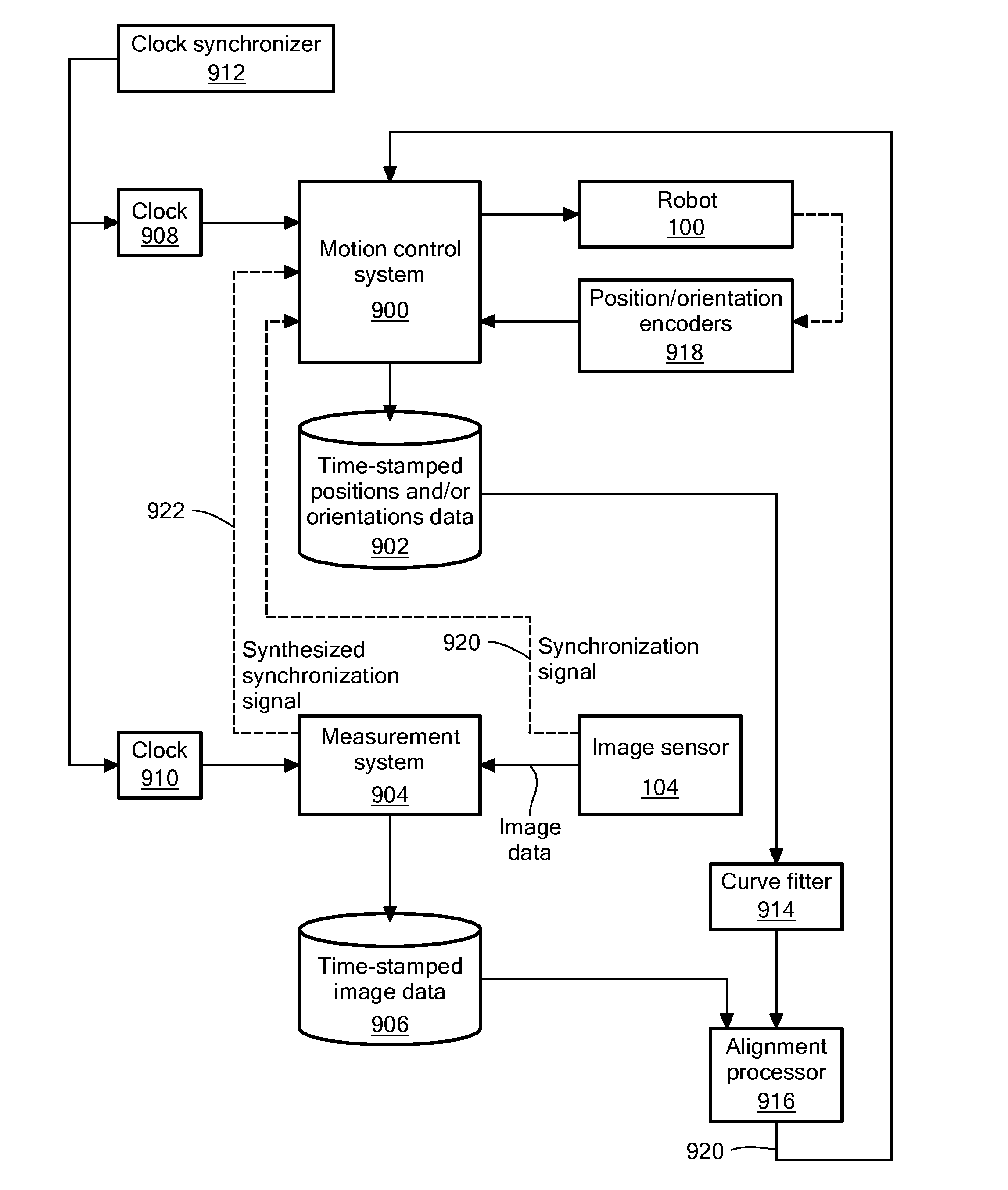
- A computer-implemented method using continuous motion sweeps and temporal interpolation to actively align optical elements by scanning along trajectories, acquiring alignment data, and estimating the desired alignment position based on collected data, allowing for precise positioning and orientation adjustments.
Active Alignment Using Continuous Motion Sweeps and Temporal Interpolation
PatentActiveUS20130274923A1
Innovation
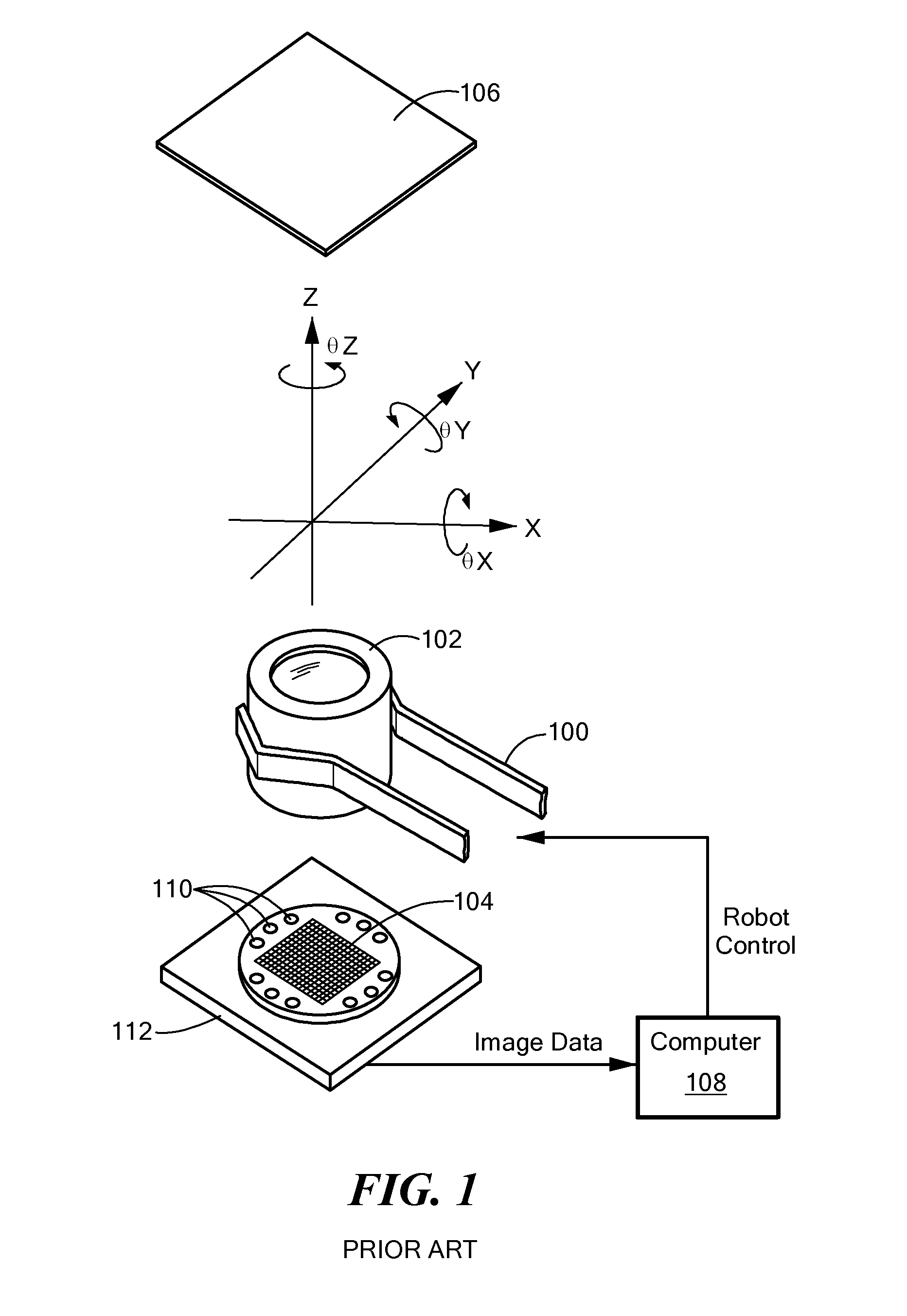
- A computer-implemented method involving continuous motion sweeps of optical elements to collect and analyze alignment data, using a robot to estimate and adjust the position of optical elements based on optical signals and image data from a digital image sensor, allowing for precise alignment across multiple degrees of freedom.

Manufacturing Standards for Active Alignment Quality
Manufacturing standards for active alignment quality in consumer electronics have evolved significantly to address the increasing demands for precision and reliability in optical systems. These standards encompass comprehensive frameworks that define acceptable tolerances, measurement methodologies, and quality control processes throughout the production lifecycle.
The foundation of active alignment manufacturing standards rests on statistical process control principles, where key performance indicators such as optical coupling efficiency, positional accuracy, and angular precision are continuously monitored. Industry-standard metrics typically require coupling efficiency above 85% for fiber-optic components and positional accuracy within ±0.5 micrometers for critical optical elements. These benchmarks ensure consistent product performance across high-volume manufacturing environments.
Quality assurance protocols mandate multi-stage verification processes, beginning with incoming component inspection and extending through final product validation. Real-time feedback systems integrate with automated alignment equipment to maintain process stability and detect deviations before they impact product quality. Temperature compensation algorithms and environmental control measures are standardized to minimize thermal drift effects during alignment procedures.
Traceability requirements establish comprehensive documentation chains linking individual product units to specific manufacturing parameters, equipment calibration records, and operator certifications. This systematic approach enables rapid root cause analysis when quality issues arise and supports continuous improvement initiatives through data-driven process optimization.
International standards organizations, including ISO and IEC, have developed specific guidelines for optical alignment processes in consumer electronics manufacturing. These standards address equipment qualification procedures, measurement uncertainty calculations, and statistical sampling methodologies that ensure representative quality assessment across production batches.
Advanced manufacturing standards now incorporate machine learning algorithms for predictive quality control, enabling proactive adjustments to alignment parameters based on historical performance data. This evolution toward intelligent manufacturing systems represents the next generation of quality enhancement in active alignment processes, promising improved yield rates and reduced manufacturing costs while maintaining stringent quality requirements.
The foundation of active alignment manufacturing standards rests on statistical process control principles, where key performance indicators such as optical coupling efficiency, positional accuracy, and angular precision are continuously monitored. Industry-standard metrics typically require coupling efficiency above 85% for fiber-optic components and positional accuracy within ±0.5 micrometers for critical optical elements. These benchmarks ensure consistent product performance across high-volume manufacturing environments.
Quality assurance protocols mandate multi-stage verification processes, beginning with incoming component inspection and extending through final product validation. Real-time feedback systems integrate with automated alignment equipment to maintain process stability and detect deviations before they impact product quality. Temperature compensation algorithms and environmental control measures are standardized to minimize thermal drift effects during alignment procedures.
Traceability requirements establish comprehensive documentation chains linking individual product units to specific manufacturing parameters, equipment calibration records, and operator certifications. This systematic approach enables rapid root cause analysis when quality issues arise and supports continuous improvement initiatives through data-driven process optimization.
International standards organizations, including ISO and IEC, have developed specific guidelines for optical alignment processes in consumer electronics manufacturing. These standards address equipment qualification procedures, measurement uncertainty calculations, and statistical sampling methodologies that ensure representative quality assessment across production batches.
Advanced manufacturing standards now incorporate machine learning algorithms for predictive quality control, enabling proactive adjustments to alignment parameters based on historical performance data. This evolution toward intelligent manufacturing systems represents the next generation of quality enhancement in active alignment processes, promising improved yield rates and reduced manufacturing costs while maintaining stringent quality requirements.
Cost-Benefit Analysis of Active Alignment Implementation
The implementation of active alignment technology in consumer electronics presents a complex cost-benefit equation that requires careful evaluation across multiple dimensions. Initial capital expenditure represents the most significant upfront investment, encompassing specialized equipment procurement, facility modifications, and integration costs. Active alignment systems typically require precision machinery, advanced optical components, and sophisticated control software, with equipment costs ranging from hundreds of thousands to several million dollars depending on production scale and accuracy requirements.
Operational expenses constitute another critical cost component, including increased energy consumption, specialized maintenance requirements, and skilled technician training programs. The technology demands higher precision environmental controls and more frequent calibration procedures compared to passive alignment methods. Additionally, the complexity of active alignment systems necessitates specialized workforce training, potentially increasing labor costs by 15-25% in the initial implementation phase.
However, the quality enhancement benefits demonstrate substantial long-term value creation. Active alignment implementation typically reduces optical misalignment defects by 60-80%, significantly decreasing warranty claims and product returns. This improvement translates to enhanced customer satisfaction and brand reputation protection, particularly crucial in premium consumer electronics segments where optical performance directly impacts user experience.
Manufacturing efficiency gains provide measurable financial returns through reduced rework rates and improved first-pass yield. Studies indicate that active alignment can increase production yield by 20-35% for complex optical assemblies, offsetting higher operational costs through reduced material waste and shortened production cycles. The technology also enables tighter tolerance control, allowing manufacturers to achieve premium product positioning and command higher market prices.
Return on investment calculations typically show break-even points within 18-24 months for high-volume consumer electronics applications. The cost-benefit ratio becomes increasingly favorable as production volumes scale, with large manufacturers often achieving 200-300% ROI within three years of implementation. Market positioning advantages and competitive differentiation capabilities further enhance the economic justification for active alignment adoption in quality-sensitive consumer electronics segments.
Operational expenses constitute another critical cost component, including increased energy consumption, specialized maintenance requirements, and skilled technician training programs. The technology demands higher precision environmental controls and more frequent calibration procedures compared to passive alignment methods. Additionally, the complexity of active alignment systems necessitates specialized workforce training, potentially increasing labor costs by 15-25% in the initial implementation phase.
However, the quality enhancement benefits demonstrate substantial long-term value creation. Active alignment implementation typically reduces optical misalignment defects by 60-80%, significantly decreasing warranty claims and product returns. This improvement translates to enhanced customer satisfaction and brand reputation protection, particularly crucial in premium consumer electronics segments where optical performance directly impacts user experience.
Manufacturing efficiency gains provide measurable financial returns through reduced rework rates and improved first-pass yield. Studies indicate that active alignment can increase production yield by 20-35% for complex optical assemblies, offsetting higher operational costs through reduced material waste and shortened production cycles. The technology also enables tighter tolerance control, allowing manufacturers to achieve premium product positioning and command higher market prices.
Return on investment calculations typically show break-even points within 18-24 months for high-volume consumer electronics applications. The cost-benefit ratio becomes increasingly favorable as production volumes scale, with large manufacturers often achieving 200-300% ROI within three years of implementation. Market positioning advantages and competitive differentiation capabilities further enhance the economic justification for active alignment adoption in quality-sensitive consumer electronics segments.
Unlock deeper insights with PatSnap Eureka Quick Research — get a full tech report to explore trends and direct your research. Try now!
Generate Your Research Report Instantly with AI Agent
Supercharge your innovation with PatSnap Eureka AI Agent Platform!