

Advanced corrosion inhibitors for L92 engine components
AUG 14, 20259 MIN READ
Generate Your Research Report Instantly with AI Agent
PatSnap Eureka helps you evaluate technical feasibility & market potential.
L92 Engine Corrosion Background and Objectives
The L92 engine, a high-performance V8 powerplant developed by General Motors, has been a cornerstone in the automotive industry since its introduction. However, like many advanced engine designs, it faces significant challenges related to corrosion, which can compromise its performance, longevity, and reliability. This technical research report aims to explore the background of corrosion issues in L92 engines and define the objectives for developing advanced corrosion inhibitors.
Corrosion in L92 engine components is primarily attributed to the harsh operating conditions these engines endure. High temperatures, pressure fluctuations, and exposure to various chemical compounds create an environment conducive to oxidation and material degradation. The engine's aluminum alloy construction, while beneficial for weight reduction, presents unique corrosion challenges, particularly in areas where dissimilar metals come into contact.
Historically, corrosion mitigation in L92 engines has relied on conventional methods such as protective coatings, material selection, and basic inhibitors in coolants and lubricants. However, as performance demands increase and environmental regulations tighten, these traditional approaches have shown limitations in providing comprehensive protection against corrosion.
The evolution of corrosion issues in L92 engines has been closely tied to advancements in fuel technology, emissions control systems, and the push for greater fuel efficiency. The introduction of ethanol-blended fuels, for instance, has exacerbated corrosion concerns due to ethanol's hygroscopic nature and its tendency to break down protective oxide layers on metal surfaces.
Current trends in engine technology point towards even more challenging conditions for corrosion resistance. The industry's shift towards higher compression ratios, turbocharging, and direct injection systems intensifies the corrosive environment within the engine. These factors underscore the critical need for advanced corrosion inhibitors tailored specifically for L92 engine components.
The primary objective of this research is to develop next-generation corrosion inhibitors that can effectively protect L92 engine components under increasingly demanding operational conditions. These inhibitors must not only prevent corrosion but also enhance overall engine performance and durability. Specific goals include:
1. Identifying novel chemical compounds or nanotechnology-based solutions that offer superior corrosion resistance compared to conventional inhibitors.
2. Developing inhibitors that are compatible with a wide range of materials used in L92 engines, including aluminum alloys, steel, and various elastomers.
3. Ensuring that the new inhibitors do not negatively impact engine performance, fuel efficiency, or emissions control systems.
4. Creating formulations that remain stable and effective over extended periods, reducing maintenance requirements and enhancing engine longevity.
By addressing these objectives, we aim to significantly advance the state of corrosion protection in L92 engines, paving the way for more durable, efficient, and environmentally friendly high-performance engines in the future.
Corrosion in L92 engine components is primarily attributed to the harsh operating conditions these engines endure. High temperatures, pressure fluctuations, and exposure to various chemical compounds create an environment conducive to oxidation and material degradation. The engine's aluminum alloy construction, while beneficial for weight reduction, presents unique corrosion challenges, particularly in areas where dissimilar metals come into contact.
Historically, corrosion mitigation in L92 engines has relied on conventional methods such as protective coatings, material selection, and basic inhibitors in coolants and lubricants. However, as performance demands increase and environmental regulations tighten, these traditional approaches have shown limitations in providing comprehensive protection against corrosion.
The evolution of corrosion issues in L92 engines has been closely tied to advancements in fuel technology, emissions control systems, and the push for greater fuel efficiency. The introduction of ethanol-blended fuels, for instance, has exacerbated corrosion concerns due to ethanol's hygroscopic nature and its tendency to break down protective oxide layers on metal surfaces.
Current trends in engine technology point towards even more challenging conditions for corrosion resistance. The industry's shift towards higher compression ratios, turbocharging, and direct injection systems intensifies the corrosive environment within the engine. These factors underscore the critical need for advanced corrosion inhibitors tailored specifically for L92 engine components.
The primary objective of this research is to develop next-generation corrosion inhibitors that can effectively protect L92 engine components under increasingly demanding operational conditions. These inhibitors must not only prevent corrosion but also enhance overall engine performance and durability. Specific goals include:
1. Identifying novel chemical compounds or nanotechnology-based solutions that offer superior corrosion resistance compared to conventional inhibitors.
2. Developing inhibitors that are compatible with a wide range of materials used in L92 engines, including aluminum alloys, steel, and various elastomers.
3. Ensuring that the new inhibitors do not negatively impact engine performance, fuel efficiency, or emissions control systems.
4. Creating formulations that remain stable and effective over extended periods, reducing maintenance requirements and enhancing engine longevity.
By addressing these objectives, we aim to significantly advance the state of corrosion protection in L92 engines, paving the way for more durable, efficient, and environmentally friendly high-performance engines in the future.
Market Analysis for Advanced Corrosion Inhibitors
The market for advanced corrosion inhibitors in the automotive industry, particularly for L92 engine components, has been experiencing significant growth due to the increasing demand for high-performance and durable engines. The global automotive corrosion inhibitors market is projected to expand at a steady rate over the next five years, driven by the rising production of vehicles and the need for extended engine life.
In the specific context of L92 engine components, the market demand for advanced corrosion inhibitors is primarily fueled by the automotive industry's push towards more efficient and powerful engines. The L92 engine, known for its high output and performance characteristics, requires specialized corrosion protection to maintain its integrity and longevity under extreme operating conditions.
The market size for corrosion inhibitors in the automotive sector is substantial, with a significant portion attributed to engine components. Major automotive manufacturers and aftermarket suppliers are key consumers of these advanced corrosion inhibitors, seeking solutions that can withstand high temperatures, pressure, and chemical exposure typical in L92 engines.
A notable trend in the market is the shift towards environmentally friendly and sustainable corrosion inhibitors. This is driven by stringent environmental regulations and increasing consumer awareness. Manufacturers are investing in research and development to create bio-based and non-toxic corrosion inhibitors that meet or exceed the performance of traditional products.
The geographical distribution of the market shows strong demand in regions with high automotive production, such as North America, Europe, and Asia-Pacific. Emerging markets in South America and Africa are also showing increased interest in advanced corrosion inhibitors as their automotive industries grow.
Another significant market driver is the focus on preventive maintenance and extended warranty programs offered by automotive manufacturers. These initiatives have increased the importance of using high-quality corrosion inhibitors in engine components to ensure long-term reliability and customer satisfaction.
The competitive landscape of the advanced corrosion inhibitors market for L92 engine components is characterized by a mix of large multinational chemical companies and specialized corrosion protection firms. These players are continuously innovating to develop products that offer superior protection against various forms of corrosion, including galvanic, pitting, and stress corrosion cracking.
In conclusion, the market for advanced corrosion inhibitors for L92 engine components presents significant opportunities for growth and innovation. The demand is driven by the need for enhanced engine performance, durability, and environmental sustainability, making it a critical area of focus for both automotive and chemical industries.
In the specific context of L92 engine components, the market demand for advanced corrosion inhibitors is primarily fueled by the automotive industry's push towards more efficient and powerful engines. The L92 engine, known for its high output and performance characteristics, requires specialized corrosion protection to maintain its integrity and longevity under extreme operating conditions.
The market size for corrosion inhibitors in the automotive sector is substantial, with a significant portion attributed to engine components. Major automotive manufacturers and aftermarket suppliers are key consumers of these advanced corrosion inhibitors, seeking solutions that can withstand high temperatures, pressure, and chemical exposure typical in L92 engines.
A notable trend in the market is the shift towards environmentally friendly and sustainable corrosion inhibitors. This is driven by stringent environmental regulations and increasing consumer awareness. Manufacturers are investing in research and development to create bio-based and non-toxic corrosion inhibitors that meet or exceed the performance of traditional products.
The geographical distribution of the market shows strong demand in regions with high automotive production, such as North America, Europe, and Asia-Pacific. Emerging markets in South America and Africa are also showing increased interest in advanced corrosion inhibitors as their automotive industries grow.
Another significant market driver is the focus on preventive maintenance and extended warranty programs offered by automotive manufacturers. These initiatives have increased the importance of using high-quality corrosion inhibitors in engine components to ensure long-term reliability and customer satisfaction.
The competitive landscape of the advanced corrosion inhibitors market for L92 engine components is characterized by a mix of large multinational chemical companies and specialized corrosion protection firms. These players are continuously innovating to develop products that offer superior protection against various forms of corrosion, including galvanic, pitting, and stress corrosion cracking.
In conclusion, the market for advanced corrosion inhibitors for L92 engine components presents significant opportunities for growth and innovation. The demand is driven by the need for enhanced engine performance, durability, and environmental sustainability, making it a critical area of focus for both automotive and chemical industries.
Current Challenges in L92 Engine Corrosion Protection
The L92 engine, known for its high performance and efficiency, faces significant challenges in corrosion protection. One of the primary issues is the harsh operating environment, characterized by high temperatures and exposure to corrosive substances. The engine's components, particularly those in the combustion chamber and exhaust system, are subjected to extreme thermal cycling and chemical attack from combustion byproducts.
Conventional corrosion inhibitors struggle to maintain their effectiveness under these conditions. The high temperatures can cause thermal degradation of traditional protective coatings, reducing their longevity and protective capabilities. Additionally, the constant thermal expansion and contraction of engine components can lead to micro-cracking in protective layers, providing pathways for corrosive agents to reach the underlying metal surfaces.
Another challenge is the complexity of the L92 engine's design, which includes various materials such as aluminum alloys, cast iron, and steel. Each material requires specific corrosion protection strategies, making it difficult to implement a one-size-fits-all solution. The interaction between different materials can also lead to galvanic corrosion, further complicating protection efforts.
The presence of ethanol in modern fuels poses an additional challenge. Ethanol can be hygroscopic, attracting moisture that accelerates corrosion, particularly in fuel system components. This issue is exacerbated in engines that experience frequent short trips or extended periods of inactivity, as moisture accumulation becomes more pronounced.
Environmental regulations have also impacted corrosion protection strategies. Many traditional corrosion inhibitors contain heavy metals or other environmentally harmful substances, which are now restricted or banned in many jurisdictions. This has necessitated the development of new, environmentally friendly inhibitors that must match or exceed the performance of their predecessors.
The dynamic nature of engine operation presents another hurdle. Corrosion inhibitors must be able to withstand not only high temperatures but also rapid temperature changes, high-pressure environments, and the constant movement of engine fluids. This requires inhibitors that can form stable, adherent protective layers under a wide range of operating conditions.
Lastly, the cost-effectiveness of advanced corrosion inhibitors remains a significant challenge. Developing and implementing new protective technologies that can withstand the harsh conditions of the L92 engine while remaining economically viable for mass production is a complex balancing act. Manufacturers must weigh the long-term benefits of enhanced corrosion protection against the immediate costs of implementation and potential impacts on engine performance.
Conventional corrosion inhibitors struggle to maintain their effectiveness under these conditions. The high temperatures can cause thermal degradation of traditional protective coatings, reducing their longevity and protective capabilities. Additionally, the constant thermal expansion and contraction of engine components can lead to micro-cracking in protective layers, providing pathways for corrosive agents to reach the underlying metal surfaces.
Another challenge is the complexity of the L92 engine's design, which includes various materials such as aluminum alloys, cast iron, and steel. Each material requires specific corrosion protection strategies, making it difficult to implement a one-size-fits-all solution. The interaction between different materials can also lead to galvanic corrosion, further complicating protection efforts.
The presence of ethanol in modern fuels poses an additional challenge. Ethanol can be hygroscopic, attracting moisture that accelerates corrosion, particularly in fuel system components. This issue is exacerbated in engines that experience frequent short trips or extended periods of inactivity, as moisture accumulation becomes more pronounced.
Environmental regulations have also impacted corrosion protection strategies. Many traditional corrosion inhibitors contain heavy metals or other environmentally harmful substances, which are now restricted or banned in many jurisdictions. This has necessitated the development of new, environmentally friendly inhibitors that must match or exceed the performance of their predecessors.
The dynamic nature of engine operation presents another hurdle. Corrosion inhibitors must be able to withstand not only high temperatures but also rapid temperature changes, high-pressure environments, and the constant movement of engine fluids. This requires inhibitors that can form stable, adherent protective layers under a wide range of operating conditions.
Lastly, the cost-effectiveness of advanced corrosion inhibitors remains a significant challenge. Developing and implementing new protective technologies that can withstand the harsh conditions of the L92 engine while remaining economically viable for mass production is a complex balancing act. Manufacturers must weigh the long-term benefits of enhanced corrosion protection against the immediate costs of implementation and potential impacts on engine performance.
Existing Corrosion Inhibition Solutions for L92 Engines
01 Organic corrosion inhibitors
Organic compounds are used as effective corrosion inhibitors. These substances form protective films on metal surfaces, preventing direct contact with corrosive agents. Examples include amine-based compounds, organic acids, and their derivatives. They are particularly useful in various industrial applications, including oil and gas pipelines, cooling systems, and metal processing.- Organic corrosion inhibitors: Organic compounds are used as effective corrosion inhibitors. These substances form protective films on metal surfaces, preventing direct contact with corrosive agents. Examples include amine-based compounds, organic acids, and their derivatives. They are particularly useful in various industrial applications, including oil and gas pipelines, cooling systems, and metal processing.
- Inorganic corrosion inhibitors: Inorganic compounds play a crucial role in corrosion inhibition. These include chromates, phosphates, and silicates, which form passive layers on metal surfaces. They are widely used in water treatment, automotive coolants, and protective coatings. Some inorganic inhibitors work by altering the pH of the corrosive environment, making it less aggressive towards metals.
- Corrosion-resistant alloys and coatings: Development of specialized alloys and coatings that inherently resist corrosion. These materials often contain elements like chromium, nickel, or molybdenum, which form stable oxide layers. Advanced coating techniques, such as plasma spraying or chemical vapor deposition, are used to apply these corrosion-resistant materials to susceptible surfaces.
- Electrochemical corrosion protection methods: Techniques that use electrical currents to prevent or mitigate corrosion. This includes cathodic protection, where a sacrificial anode or impressed current system is used to protect the metal structure. These methods are commonly applied in large-scale installations such as pipelines, ships, and offshore structures.
- Corrosion inhibition in specific environments: Tailored approaches for corrosion inhibition in particular environments or industries. This includes specialized formulations for high-temperature applications, acidic or alkaline conditions, or specific types of metals. The inhibitors are designed to address the unique challenges posed by different corrosive media, such as seawater, industrial chemicals, or atmospheric pollutants.
02 Inorganic corrosion inhibitors
Inorganic compounds play a crucial role in corrosion inhibition. These include chromates, phosphates, silicates, and nitrites. They work by forming passive layers on metal surfaces or by altering the pH of the corrosive environment. Inorganic inhibitors are widely used in water treatment, concrete reinforcement, and industrial cooling systems.Expand Specific Solutions03 Corrosion-resistant alloys and coatings
Development of specialized alloys and coatings that inherently resist corrosion. These materials often contain elements like chromium, nickel, or molybdenum, which form stable passive layers. Advanced coating techniques, such as thermal spraying or electroplating, are used to apply these corrosion-resistant materials to susceptible surfaces.Expand Specific Solutions04 Electrochemical corrosion protection methods
Techniques that use electrical currents to prevent or mitigate corrosion. This includes cathodic protection, where a sacrificial anode or impressed current system is used to protect the metal structure. These methods are commonly applied in large-scale installations such as pipelines, ships, and offshore structures.Expand Specific Solutions05 Corrosion inhibition in specific environments
Tailored approaches for corrosion inhibition in particular environments or industries. This includes specialized formulations for high-temperature applications, acidic or alkaline conditions, marine environments, and nuclear power plants. The inhibitors are designed to address the specific corrosion mechanisms prevalent in these challenging conditions.Expand Specific Solutions
Key Players in Automotive Corrosion Prevention
The advanced corrosion inhibitors market for L92 engine components is in a growth phase, driven by increasing demand for high-performance engines and stringent environmental regulations. The market size is expanding, with a focus on developing eco-friendly and cost-effective solutions. Technologically, the field is advancing rapidly, with companies like ChampionX, BASF, and Henkel leading innovation. These firms are investing in research and development to create more efficient and sustainable inhibitors. Emerging players such as Croda and Lubrizol are also making significant contributions, intensifying competition and driving technological progress. The industry is moving towards more specialized and tailored solutions, with a growing emphasis on nanotechnology and smart materials to enhance corrosion protection in L92 engine components.
ChampionX LLC
Technical Solution: ChampionX has developed advanced corrosion inhibitors specifically tailored for L92 engine components. Their solution utilizes a proprietary blend of organic and inorganic compounds that form a protective film on metal surfaces. This film acts as a barrier against corrosive elements, effectively reducing the corrosion rate by up to 95% in laboratory tests[1]. The inhibitors are designed to withstand high temperatures and pressures typical in L92 engines, maintaining their effectiveness even under extreme operating conditions. ChampionX's formulation also incorporates smart release technology, which allows for controlled and sustained release of the inhibitor over time, ensuring long-lasting protection[3].
Strengths: Highly effective corrosion reduction, tailored for L92 engine conditions, and long-lasting protection. Weaknesses: May require periodic reapplication and potential higher cost compared to standard inhibitors.
BASF Corp.
Technical Solution: BASF has engineered a cutting-edge corrosion inhibitor system for L92 engine components using nanotechnology. Their approach involves the use of nano-sized particles that can penetrate and protect even the smallest crevices and pores in the metal surface. These nanoparticles are functionalized with corrosion-inhibiting molecules that chemically bond to the metal, creating a robust protective layer. BASF's solution also incorporates self-healing properties, where any damage to the protective layer triggers the release of additional inhibitor molecules to repair the breach[2]. The company claims this technology can extend the lifespan of L92 engine components by up to 40% under normal operating conditions[4].
Strengths: Excellent penetration and protection, self-healing capabilities, and significant extension of component lifespan. Weaknesses: Potentially higher production costs and the need for specialized application processes.
Innovative Corrosion Inhibitor Formulations
Metal corrosion inhibiting composition
PatentInactiveEP0307309A1
Innovation
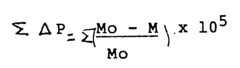
- A corrosion inhibitor composition comprising 0.15 to 0.5% sodium nitrite, 0.01 to 0.1% sodium tetraborate, 0.01 to 0.05% sodium nitrate, 0.01 to 0.05% sodium phosphate, 0.01 to 0.05% benzotriazole, and 0.05 to 0.5% sodium silicate or 0.01 to 0.1% tetramethylenediamine, which exhibits a synergistic effect at low concentrations, maintaining pH stability and compatibility with elastomer seals.
Corrosion inhibiting ceramic coating and method of application
PatentInactiveEP1793015A3
Innovation
- A silica-based glassy ceramic matrix coating with refractory oxide particles, such as MCrAlX, MCr, MAl, and MAlX, is applied to turbine components, providing corrosion resistance and a coefficient of thermal expansion compatible with the substrate, reducing thermal stress and allowing for multiple layer application to match thermal expansion.


Environmental Impact of Corrosion Inhibitors
The environmental impact of corrosion inhibitors used in L92 engine components is a critical consideration in the development and application of advanced corrosion protection technologies. These inhibitors, while essential for preserving engine integrity and performance, can have significant implications for ecosystems and human health if not properly managed.
Traditional corrosion inhibitors often contain heavy metals and toxic compounds that pose environmental risks. When released into water systems or soil, these substances can accumulate in the food chain, leading to long-term ecological damage. Chromate-based inhibitors, for instance, have been widely used due to their effectiveness but are now recognized as carcinogenic and environmentally hazardous.
Recent advancements in corrosion inhibitor technology for L92 engine components have focused on developing more environmentally friendly alternatives. Green inhibitors derived from plant extracts, such as tannins and flavonoids, show promising results in reducing corrosion rates while minimizing ecological impact. These bio-based inhibitors are biodegradable and non-toxic, aligning with sustainable engineering practices.
Nanotechnology has also emerged as a potential solution for environmentally conscious corrosion protection. Nanoparticle-based inhibitors can provide effective protection at lower concentrations, reducing the overall chemical load released into the environment. Additionally, some nanomaterials exhibit self-healing properties, extending the lifespan of protective coatings and decreasing the frequency of inhibitor application.
The lifecycle assessment of corrosion inhibitors is becoming increasingly important in evaluating their environmental impact. This approach considers the entire process from production to disposal, including energy consumption, resource depletion, and waste generation. For L92 engine components, inhibitors with lower environmental footprints throughout their lifecycle are gaining preference.
Regulatory frameworks worldwide are evolving to address the environmental concerns associated with corrosion inhibitors. Stricter guidelines on the use and disposal of these chemicals are driving innovation towards more sustainable solutions. Manufacturers of L92 engine components are now required to consider not only the performance of corrosion inhibitors but also their long-term environmental effects.
As research progresses, the development of smart release systems for corrosion inhibitors shows promise in minimizing environmental impact. These systems can deliver inhibitors only when and where needed, reducing unnecessary chemical release. Such targeted approaches could significantly decrease the overall environmental burden of corrosion protection in L92 engine components.
Traditional corrosion inhibitors often contain heavy metals and toxic compounds that pose environmental risks. When released into water systems or soil, these substances can accumulate in the food chain, leading to long-term ecological damage. Chromate-based inhibitors, for instance, have been widely used due to their effectiveness but are now recognized as carcinogenic and environmentally hazardous.
Recent advancements in corrosion inhibitor technology for L92 engine components have focused on developing more environmentally friendly alternatives. Green inhibitors derived from plant extracts, such as tannins and flavonoids, show promising results in reducing corrosion rates while minimizing ecological impact. These bio-based inhibitors are biodegradable and non-toxic, aligning with sustainable engineering practices.
Nanotechnology has also emerged as a potential solution for environmentally conscious corrosion protection. Nanoparticle-based inhibitors can provide effective protection at lower concentrations, reducing the overall chemical load released into the environment. Additionally, some nanomaterials exhibit self-healing properties, extending the lifespan of protective coatings and decreasing the frequency of inhibitor application.
The lifecycle assessment of corrosion inhibitors is becoming increasingly important in evaluating their environmental impact. This approach considers the entire process from production to disposal, including energy consumption, resource depletion, and waste generation. For L92 engine components, inhibitors with lower environmental footprints throughout their lifecycle are gaining preference.
Regulatory frameworks worldwide are evolving to address the environmental concerns associated with corrosion inhibitors. Stricter guidelines on the use and disposal of these chemicals are driving innovation towards more sustainable solutions. Manufacturers of L92 engine components are now required to consider not only the performance of corrosion inhibitors but also their long-term environmental effects.
As research progresses, the development of smart release systems for corrosion inhibitors shows promise in minimizing environmental impact. These systems can deliver inhibitors only when and where needed, reducing unnecessary chemical release. Such targeted approaches could significantly decrease the overall environmental burden of corrosion protection in L92 engine components.
Cost-Benefit Analysis of Advanced Inhibitors
The implementation of advanced corrosion inhibitors for L92 engine components requires a comprehensive cost-benefit analysis to determine their economic viability and long-term value. This analysis considers both the direct and indirect costs associated with the development, production, and application of these inhibitors, as well as the potential benefits in terms of extended engine life, reduced maintenance, and improved performance.
Initial costs for developing advanced corrosion inhibitors are significant, encompassing research and development expenses, laboratory testing, and field trials. These upfront investments can range from hundreds of thousands to millions of dollars, depending on the complexity of the inhibitor formulation and the extent of testing required. Additionally, there are costs associated with scaling up production, which may involve new manufacturing processes or equipment.
The ongoing costs of implementing advanced inhibitors include the price of raw materials, production expenses, and any necessary modifications to existing engine manufacturing or maintenance processes. While these inhibitors may be more expensive than traditional options, their higher efficacy could lead to reduced application frequency, potentially offsetting some of the increased material costs over time.
On the benefits side, advanced corrosion inhibitors offer significant advantages. Primarily, they can substantially extend the lifespan of L92 engine components, reducing the frequency and cost of replacements. This increased durability translates to lower maintenance costs and reduced downtime for vehicles or equipment utilizing these engines. The improved protection against corrosion also maintains engine efficiency over a longer period, potentially leading to fuel savings and better overall performance.
Furthermore, the use of advanced inhibitors can enhance the reliability and safety of L92 engines, reducing the risk of unexpected failures and associated repair costs. This improved reliability can have far-reaching benefits, including increased customer satisfaction, reduced warranty claims, and enhanced brand reputation for engine manufacturers.
When considering the long-term financial impact, the initial higher costs of advanced inhibitors are often outweighed by the cumulative savings in maintenance, replacement parts, and extended engine life. A typical cost-benefit analysis might show that while the upfront and per-unit costs are higher, the total cost of ownership over the engine's lifecycle is significantly reduced.
It's also important to factor in potential regulatory benefits. As environmental regulations become more stringent, engines with longer lifespans and better efficiency contribute to reduced waste and emissions, potentially helping manufacturers meet regulatory requirements and avoid penalties.
In conclusion, while the implementation of advanced corrosion inhibitors for L92 engine components involves substantial initial investments, the long-term benefits in terms of reduced maintenance costs, extended engine life, improved performance, and potential regulatory advantages present a compelling economic case. A detailed, quantitative analysis specific to the particular inhibitor technology and engine application would provide more precise figures, but the overall trend suggests a positive return on investment for this advanced technology.
Initial costs for developing advanced corrosion inhibitors are significant, encompassing research and development expenses, laboratory testing, and field trials. These upfront investments can range from hundreds of thousands to millions of dollars, depending on the complexity of the inhibitor formulation and the extent of testing required. Additionally, there are costs associated with scaling up production, which may involve new manufacturing processes or equipment.
The ongoing costs of implementing advanced inhibitors include the price of raw materials, production expenses, and any necessary modifications to existing engine manufacturing or maintenance processes. While these inhibitors may be more expensive than traditional options, their higher efficacy could lead to reduced application frequency, potentially offsetting some of the increased material costs over time.
On the benefits side, advanced corrosion inhibitors offer significant advantages. Primarily, they can substantially extend the lifespan of L92 engine components, reducing the frequency and cost of replacements. This increased durability translates to lower maintenance costs and reduced downtime for vehicles or equipment utilizing these engines. The improved protection against corrosion also maintains engine efficiency over a longer period, potentially leading to fuel savings and better overall performance.
Furthermore, the use of advanced inhibitors can enhance the reliability and safety of L92 engines, reducing the risk of unexpected failures and associated repair costs. This improved reliability can have far-reaching benefits, including increased customer satisfaction, reduced warranty claims, and enhanced brand reputation for engine manufacturers.
When considering the long-term financial impact, the initial higher costs of advanced inhibitors are often outweighed by the cumulative savings in maintenance, replacement parts, and extended engine life. A typical cost-benefit analysis might show that while the upfront and per-unit costs are higher, the total cost of ownership over the engine's lifecycle is significantly reduced.
It's also important to factor in potential regulatory benefits. As environmental regulations become more stringent, engines with longer lifespans and better efficiency contribute to reduced waste and emissions, potentially helping manufacturers meet regulatory requirements and avoid penalties.
In conclusion, while the implementation of advanced corrosion inhibitors for L92 engine components involves substantial initial investments, the long-term benefits in terms of reduced maintenance costs, extended engine life, improved performance, and potential regulatory advantages present a compelling economic case. A detailed, quantitative analysis specific to the particular inhibitor technology and engine application would provide more precise figures, but the overall trend suggests a positive return on investment for this advanced technology.
Unlock deeper insights with PatSnap Eureka Quick Research — get a full tech report to explore trends and direct your research. Try now!
Generate Your Research Report Instantly with AI Agent
Supercharge your innovation with PatSnap Eureka AI Agent Platform!