

Data-driven approaches to L92 engine longevity forecasting
AUG 14, 20259 MIN READ
Generate Your Research Report Instantly with AI Agent
PatSnap Eureka helps you evaluate technical feasibility & market potential.
L92 Engine Longevity Forecasting Background
The L92 engine, a prominent V8 powerplant developed by General Motors, has been a cornerstone in the automotive industry since its introduction in the mid-2000s. This engine, known for its robust performance and reliability, has been widely used in various high-performance vehicles, particularly in the Chevrolet and Cadillac lineups. As the automotive landscape evolves towards more sustainable and efficient technologies, understanding and predicting the longevity of these engines has become increasingly crucial.
The concept of engine longevity forecasting has gained significant traction in recent years, driven by the need for improved maintenance strategies, enhanced vehicle reliability, and optimized lifecycle management. Traditionally, engine lifespan predictions relied heavily on historical data and engineering expertise. However, the advent of data-driven approaches has revolutionized this field, offering more accurate and dynamic forecasting capabilities.
Data-driven approaches to engine longevity forecasting leverage advanced analytics, machine learning algorithms, and big data technologies to process and analyze vast amounts of information collected from various sources. These sources include on-board diagnostics systems, maintenance records, operational data, and even environmental factors that may impact engine performance over time.
The L92 engine, with its widespread adoption and years of operational data, presents an ideal candidate for applying these data-driven forecasting techniques. By analyzing patterns in engine wear, performance degradation, and failure modes across a large fleet of vehicles, researchers and engineers can develop sophisticated models to predict the expected lifespan of individual engines with unprecedented accuracy.
This shift towards data-driven forecasting represents a significant departure from traditional methods. It allows for more personalized maintenance schedules, proactive part replacements, and optimized engine management strategies. For vehicle owners and fleet operators, this translates to reduced downtime, lower maintenance costs, and improved overall vehicle reliability.
Moreover, the insights gained from these forecasting models extend beyond individual engine management. They provide valuable feedback to engine designers and manufacturers, enabling continuous improvement in engine design, materials selection, and manufacturing processes. This iterative feedback loop has the potential to significantly extend the overall lifespan of future engine generations.
As we delve deeper into the specifics of data-driven approaches for L92 engine longevity forecasting, it's important to recognize the broader implications of this technology. It not only enhances our understanding of engine performance and degradation but also contributes to more sustainable automotive practices by optimizing resource utilization and reducing unnecessary waste through premature engine replacements or overhauls.
The concept of engine longevity forecasting has gained significant traction in recent years, driven by the need for improved maintenance strategies, enhanced vehicle reliability, and optimized lifecycle management. Traditionally, engine lifespan predictions relied heavily on historical data and engineering expertise. However, the advent of data-driven approaches has revolutionized this field, offering more accurate and dynamic forecasting capabilities.
Data-driven approaches to engine longevity forecasting leverage advanced analytics, machine learning algorithms, and big data technologies to process and analyze vast amounts of information collected from various sources. These sources include on-board diagnostics systems, maintenance records, operational data, and even environmental factors that may impact engine performance over time.
The L92 engine, with its widespread adoption and years of operational data, presents an ideal candidate for applying these data-driven forecasting techniques. By analyzing patterns in engine wear, performance degradation, and failure modes across a large fleet of vehicles, researchers and engineers can develop sophisticated models to predict the expected lifespan of individual engines with unprecedented accuracy.
This shift towards data-driven forecasting represents a significant departure from traditional methods. It allows for more personalized maintenance schedules, proactive part replacements, and optimized engine management strategies. For vehicle owners and fleet operators, this translates to reduced downtime, lower maintenance costs, and improved overall vehicle reliability.
Moreover, the insights gained from these forecasting models extend beyond individual engine management. They provide valuable feedback to engine designers and manufacturers, enabling continuous improvement in engine design, materials selection, and manufacturing processes. This iterative feedback loop has the potential to significantly extend the overall lifespan of future engine generations.
As we delve deeper into the specifics of data-driven approaches for L92 engine longevity forecasting, it's important to recognize the broader implications of this technology. It not only enhances our understanding of engine performance and degradation but also contributes to more sustainable automotive practices by optimizing resource utilization and reducing unnecessary waste through premature engine replacements or overhauls.
Market Demand Analysis
The market demand for data-driven approaches to L92 engine longevity forecasting has been steadily increasing in recent years. This growth is primarily driven by the automotive and heavy machinery industries' need for more accurate and cost-effective methods to predict engine lifespan and optimize maintenance schedules.
Engine manufacturers and fleet operators are particularly interested in these advanced forecasting techniques as they offer significant potential for reducing operational costs and improving overall efficiency. By accurately predicting engine longevity, companies can better plan maintenance schedules, reduce unexpected downtime, and extend the useful life of their assets.
The global market for predictive maintenance in the automotive sector, which includes engine longevity forecasting, is expected to grow substantially over the next five years. This growth is fueled by the increasing adoption of IoT devices and sensors in vehicles, which provide the necessary data for advanced analytics and machine learning algorithms.
Furthermore, stringent environmental regulations and the push for more fuel-efficient vehicles are driving demand for technologies that can optimize engine performance and lifespan. Data-driven approaches to engine longevity forecasting play a crucial role in meeting these regulatory requirements while maintaining cost-effectiveness.
In the commercial vehicle sector, where L92 engines are commonly used, fleet operators are showing increased interest in predictive maintenance solutions. These technologies enable them to reduce maintenance costs, improve vehicle uptime, and optimize their fleet management strategies.
The market demand is also being influenced by the broader trend towards digitalization and Industry 4.0 in the manufacturing sector. As more companies embrace data-driven decision-making processes, the demand for advanced analytics tools, including those for engine longevity forecasting, is expected to rise.
However, the market still faces some challenges. The high initial investment required for implementing data-driven solutions and the need for skilled personnel to interpret and act on the insights generated by these systems can be barriers to adoption, particularly for smaller companies.
Despite these challenges, the overall market outlook for data-driven approaches to L92 engine longevity forecasting remains positive. As the technology continues to mature and demonstrate its value in real-world applications, it is expected to become an increasingly essential tool for engine manufacturers, fleet operators, and maintenance service providers in the coming years.
Engine manufacturers and fleet operators are particularly interested in these advanced forecasting techniques as they offer significant potential for reducing operational costs and improving overall efficiency. By accurately predicting engine longevity, companies can better plan maintenance schedules, reduce unexpected downtime, and extend the useful life of their assets.
The global market for predictive maintenance in the automotive sector, which includes engine longevity forecasting, is expected to grow substantially over the next five years. This growth is fueled by the increasing adoption of IoT devices and sensors in vehicles, which provide the necessary data for advanced analytics and machine learning algorithms.
Furthermore, stringent environmental regulations and the push for more fuel-efficient vehicles are driving demand for technologies that can optimize engine performance and lifespan. Data-driven approaches to engine longevity forecasting play a crucial role in meeting these regulatory requirements while maintaining cost-effectiveness.
In the commercial vehicle sector, where L92 engines are commonly used, fleet operators are showing increased interest in predictive maintenance solutions. These technologies enable them to reduce maintenance costs, improve vehicle uptime, and optimize their fleet management strategies.
The market demand is also being influenced by the broader trend towards digitalization and Industry 4.0 in the manufacturing sector. As more companies embrace data-driven decision-making processes, the demand for advanced analytics tools, including those for engine longevity forecasting, is expected to rise.
However, the market still faces some challenges. The high initial investment required for implementing data-driven solutions and the need for skilled personnel to interpret and act on the insights generated by these systems can be barriers to adoption, particularly for smaller companies.
Despite these challenges, the overall market outlook for data-driven approaches to L92 engine longevity forecasting remains positive. As the technology continues to mature and demonstrate its value in real-world applications, it is expected to become an increasingly essential tool for engine manufacturers, fleet operators, and maintenance service providers in the coming years.
Current Challenges in Engine Lifespan Prediction
Engine lifespan prediction faces several significant challenges in the current technological landscape. One of the primary obstacles is the complexity of engine systems and the multitude of factors that influence their longevity. Modern L92 engines, in particular, are sophisticated machines with numerous interacting components, making it difficult to accurately model their degradation over time.
Data quality and availability present another major hurdle. While sensors and telemetry systems have improved, collecting comprehensive, high-quality data throughout an engine's lifecycle remains challenging. Inconsistencies in data collection methods, sensor calibration, and operational environments can lead to inaccuracies in predictive models.
The dynamic nature of engine operation further complicates prediction efforts. Engines are subject to varying loads, environmental conditions, and usage patterns, which can significantly impact their lifespan. Capturing these diverse operational scenarios in predictive models is a complex task that requires advanced data processing and analysis techniques.
Another challenge lies in the long-term nature of engine lifespan prediction. Engines often have operational lives spanning several years or even decades, making it difficult to validate predictive models in a timely manner. This extended timeframe also means that technological advancements and changes in operational practices may occur during an engine's lifetime, potentially rendering earlier predictions less accurate.
The integration of multiple data sources poses yet another challenge. Effective lifespan prediction often requires combining data from various systems, including engine sensors, maintenance records, and operational logs. Harmonizing these diverse data streams and extracting meaningful insights from them demands sophisticated data integration and analysis capabilities.
Furthermore, the industry faces a shortage of expertise in advanced data analytics and machine learning techniques specific to engine systems. Developing accurate predictive models requires a deep understanding of both engine mechanics and cutting-edge data science methodologies, a combination of skills that is not widely available.
Lastly, the interpretability of machine learning models used in lifespan prediction remains a significant challenge. While complex models may offer improved accuracy, their decision-making processes are often opaque, making it difficult for engineers and operators to trust and act upon their predictions. Balancing model complexity with interpretability is crucial for the practical implementation of data-driven approaches in engine longevity forecasting.
Data quality and availability present another major hurdle. While sensors and telemetry systems have improved, collecting comprehensive, high-quality data throughout an engine's lifecycle remains challenging. Inconsistencies in data collection methods, sensor calibration, and operational environments can lead to inaccuracies in predictive models.
The dynamic nature of engine operation further complicates prediction efforts. Engines are subject to varying loads, environmental conditions, and usage patterns, which can significantly impact their lifespan. Capturing these diverse operational scenarios in predictive models is a complex task that requires advanced data processing and analysis techniques.
Another challenge lies in the long-term nature of engine lifespan prediction. Engines often have operational lives spanning several years or even decades, making it difficult to validate predictive models in a timely manner. This extended timeframe also means that technological advancements and changes in operational practices may occur during an engine's lifetime, potentially rendering earlier predictions less accurate.
The integration of multiple data sources poses yet another challenge. Effective lifespan prediction often requires combining data from various systems, including engine sensors, maintenance records, and operational logs. Harmonizing these diverse data streams and extracting meaningful insights from them demands sophisticated data integration and analysis capabilities.
Furthermore, the industry faces a shortage of expertise in advanced data analytics and machine learning techniques specific to engine systems. Developing accurate predictive models requires a deep understanding of both engine mechanics and cutting-edge data science methodologies, a combination of skills that is not widely available.
Lastly, the interpretability of machine learning models used in lifespan prediction remains a significant challenge. While complex models may offer improved accuracy, their decision-making processes are often opaque, making it difficult for engineers and operators to trust and act upon their predictions. Balancing model complexity with interpretability is crucial for the practical implementation of data-driven approaches in engine longevity forecasting.
Existing Data-Driven Forecasting Solutions
01 Engine performance monitoring and prediction
Advanced systems for monitoring and predicting L92 engine performance and longevity. These systems utilize data analytics, machine learning, and real-time monitoring to assess engine health, predict maintenance needs, and optimize performance over time.- Engine performance monitoring and prediction: Advanced systems for monitoring and predicting L92 engine performance and longevity. These systems utilize data analytics, machine learning, and real-time monitoring to assess engine health, predict maintenance needs, and optimize performance over time. This approach helps extend engine life by identifying potential issues before they become critical.
- Predictive maintenance strategies: Implementation of predictive maintenance strategies specifically tailored for L92 engines. These strategies involve analyzing historical data, current operating conditions, and performance metrics to schedule maintenance activities proactively. By addressing potential issues before they escalate, the overall longevity of the engine can be significantly improved.
- Advanced materials and coatings: Utilization of advanced materials and coatings in L92 engine components to enhance durability and reduce wear. These innovations may include high-performance alloys, ceramic coatings, or nano-engineered surfaces that can withstand higher temperatures and pressures, thereby extending the engine's operational life.
- Optimization of lubrication systems: Enhancements to the L92 engine's lubrication system to improve oil distribution, reduce friction, and minimize wear on critical components. This may involve advanced oil formulations, improved oil circulation designs, or smart lubrication systems that adapt to different operating conditions.
- Thermal management innovations: Development of innovative thermal management solutions for L92 engines to maintain optimal operating temperatures across various conditions. These may include advanced cooling systems, heat-dissipating materials, or intelligent temperature control mechanisms that help prevent overheating and thermal stress, thus contributing to increased engine longevity.
02 Maintenance scheduling and optimization
Intelligent maintenance scheduling systems designed to enhance L92 engine longevity. These systems analyze operational data, predict wear patterns, and recommend optimal maintenance intervals to extend engine life and reduce downtime.Expand Specific Solutions03 Advanced materials and coatings
Utilization of innovative materials and protective coatings to improve L92 engine component durability. These advancements reduce wear, enhance heat resistance, and contribute to overall engine longevity.Expand Specific Solutions04 Fuel efficiency and emissions control
Technologies focused on optimizing fuel efficiency and reducing emissions in L92 engines. These innovations contribute to engine longevity by minimizing stress on components and ensuring compliance with evolving environmental regulations.Expand Specific Solutions05 Adaptive engine control systems
Sophisticated engine control systems that adapt to various operating conditions and driver behaviors. These systems optimize engine performance, reduce wear, and extend the overall lifespan of L92 engines through intelligent management of engine parameters.Expand Specific Solutions
Key Players in Engine Diagnostics
The data-driven approach to L92 engine longevity forecasting is in a nascent stage of development, with the market still emerging and technology maturity varying across players. Key competitors include established aerospace companies like RTX Corp. and Rolls-Royce, as well as emerging players from academia such as Nanjing University of Aeronautics & Astronautics and Beihang University. The market is expected to grow as predictive maintenance becomes more critical in aviation. While some companies have made significant progress, overall technology readiness remains moderate, with ongoing research to improve prediction accuracy and real-world applicability.
Huawei Technologies Co., Ltd.
Technical Solution: Huawei has developed an innovative data-driven approach to L92 engine longevity forecasting, leveraging its expertise in 5G and AI technologies. Their system utilizes edge computing devices installed directly on engines to process data in real-time, reducing latency and enabling immediate response to potential issues[8]. Huawei's approach incorporates federated learning techniques, allowing multiple engines to contribute to a shared predictive model while maintaining data privacy. The company employs advanced neural network architectures, such as Graph Neural Networks (GNNs), to capture complex relationships between different engine components and operating parameters[9]. Huawei's system also integrates with their cloud platform for long-term data storage and analysis, enabling continuous improvement of predictive models.
Strengths: Low-latency edge computing, advanced AI algorithms, and strong data privacy measures. Weaknesses: Relatively new to the engine manufacturing industry, potential challenges in gaining trust from traditional engine manufacturers.
Caterpillar, Inc.
Technical Solution: Caterpillar employs advanced data-driven approaches for L92 engine longevity forecasting. Their method integrates real-time sensor data, historical performance records, and machine learning algorithms to predict engine lifespan accurately. The company utilizes a comprehensive Digital Twin model that simulates engine behavior under various operating conditions[1]. This model is continuously updated with field data from thousands of engines worldwide, allowing for dynamic adjustments and improved accuracy. Caterpillar's approach also incorporates predictive maintenance strategies, using anomaly detection algorithms to identify potential issues before they lead to failures[3]. The system analyzes oil analysis data, vibration patterns, and thermal signatures to provide a holistic view of engine health and predict remaining useful life.
Strengths: Vast amount of real-world data from global fleet, advanced Digital Twin technology, and integrated predictive maintenance. Weaknesses: High implementation cost and complexity, potential over-reliance on historical data for new engine models.
Core Innovations in Engine Longevity Prediction
A method for predicting aircraft engine life based on long short-term memory network
PatentActiveCN111639467B
Innovation
- A method based on long short-term memory network is used, combined with a convolutional neural network, to design an aero-engine remaining life model. By preprocessing and feature extraction of engine historical data, the LSTM network is used to predict the time series data, and the goodness of fit is used. R2 evaluates the prediction results.


Aero-engine residual life prediction method based on transfer learning
PatentActiveCN113297787A
Innovation
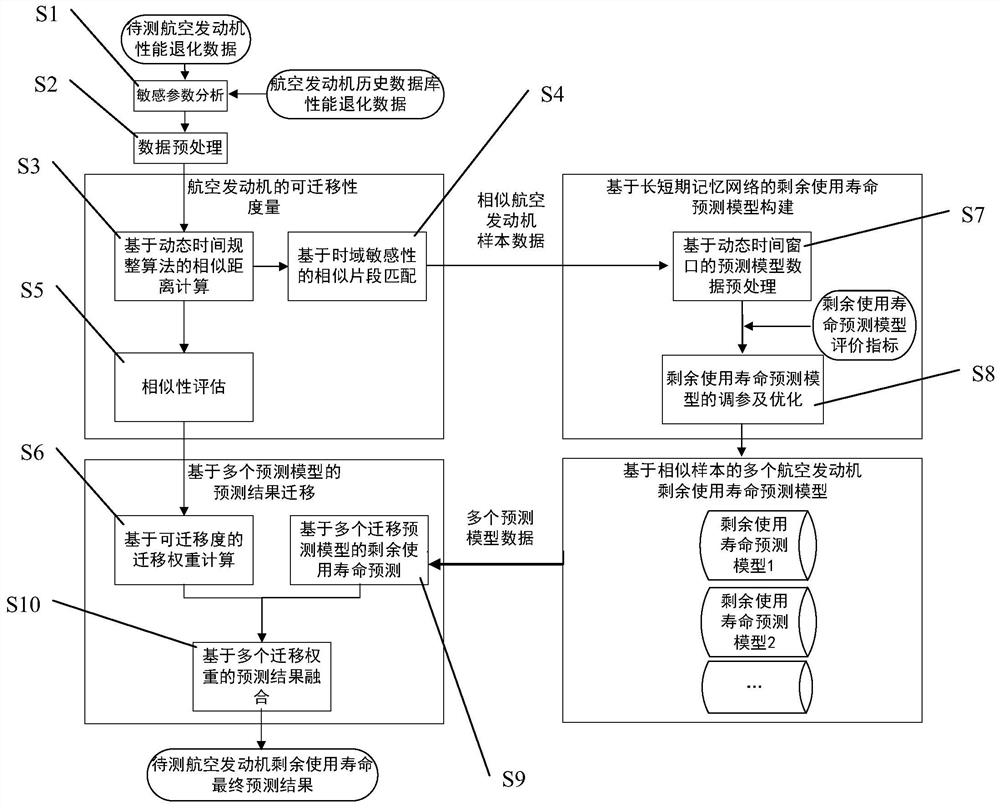
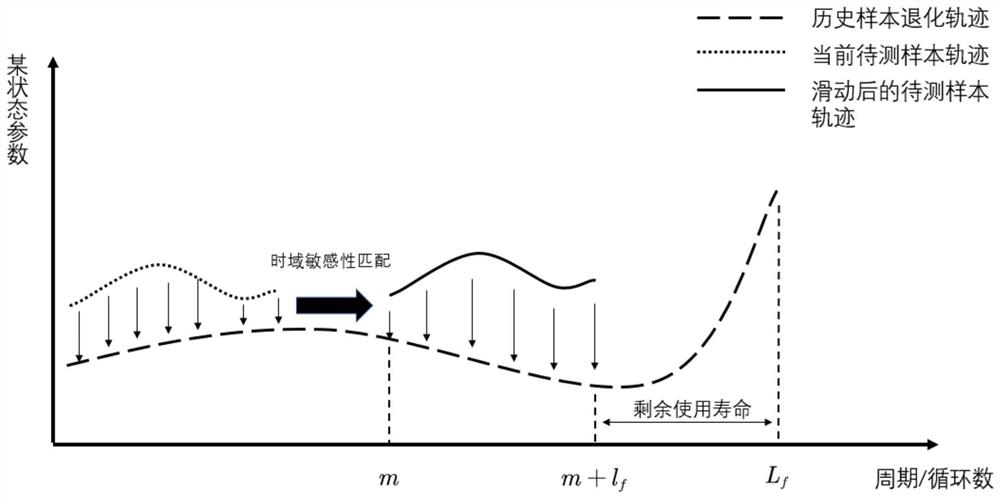
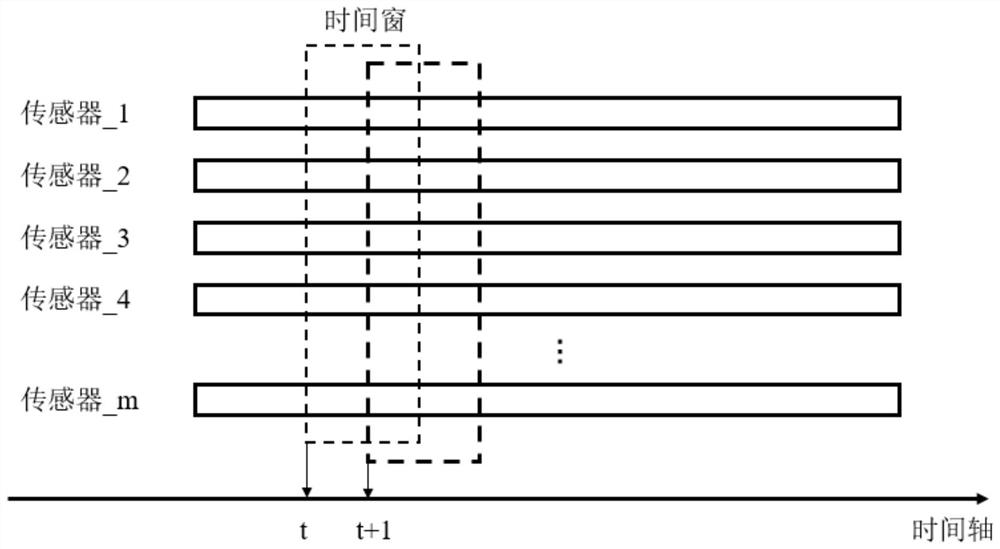
- Using a method based on transfer learning, the remaining service life of the aircraft engine is constructed through sensitive parameter analysis, data preprocessing, similarity distance calculation of dynamic time warping algorithm, similar segment matching, similarity evaluation, migration weight calculation and LSTM neural network prediction model. Predictive models that utilize multidimensional state parameters in historical databases to make accurate predictions.

Regulatory Considerations for Engine Lifespan Claims
Regulatory considerations play a crucial role in the development and implementation of data-driven approaches to L92 engine longevity forecasting. As manufacturers strive to improve engine lifespan and make claims about their products' durability, they must navigate a complex landscape of regulations and standards.
One of the primary regulatory bodies overseeing engine lifespan claims is the Environmental Protection Agency (EPA) in the United States. The EPA sets strict guidelines for emissions and fuel efficiency, which directly impact engine design and longevity. Manufacturers must ensure that their L92 engines not only meet these standards but also maintain compliance throughout their projected lifespan.
The National Highway Traffic Safety Administration (NHTSA) also plays a significant role in regulating engine lifespan claims. NHTSA's focus on vehicle safety extends to engine reliability and durability, requiring manufacturers to provide evidence supporting their longevity claims. This often involves extensive testing and data collection to demonstrate the engine's ability to maintain performance and safety standards over time.
Internationally, manufacturers must consider regulations set by bodies such as the European Union's European Commission and Japan's Ministry of Land, Infrastructure, Transport and Tourism. These organizations have their own sets of standards and requirements for engine performance and longevity, which may differ from those in the United States.
The Society of Automotive Engineers (SAE) provides industry standards and best practices for engine testing and performance evaluation. While not a regulatory body, SAE's guidelines are often referenced by regulatory agencies and can influence the development of data-driven approaches to engine longevity forecasting.
Manufacturers must also be aware of consumer protection laws and regulations that govern advertising claims. Making unsubstantiated or exaggerated claims about engine lifespan can lead to legal challenges and damage to brand reputation. As such, any data-driven forecasting approach must be robust enough to withstand scrutiny from both regulatory bodies and consumer advocacy groups.
In developing data-driven approaches to L92 engine longevity forecasting, manufacturers must consider the long-term implications of their claims. Regulatory bodies may require ongoing monitoring and reporting to ensure that engines continue to meet performance and emissions standards throughout their claimed lifespan. This necessitates the implementation of sophisticated data collection and analysis systems that can track engine performance over extended periods.
Furthermore, as environmental concerns continue to drive regulatory changes, manufacturers must anticipate future standards and design their engines and forecasting models accordingly. This forward-looking approach is essential to ensure compliance with evolving regulations and to maintain the validity of longevity claims in the face of changing environmental and safety requirements.
One of the primary regulatory bodies overseeing engine lifespan claims is the Environmental Protection Agency (EPA) in the United States. The EPA sets strict guidelines for emissions and fuel efficiency, which directly impact engine design and longevity. Manufacturers must ensure that their L92 engines not only meet these standards but also maintain compliance throughout their projected lifespan.
The National Highway Traffic Safety Administration (NHTSA) also plays a significant role in regulating engine lifespan claims. NHTSA's focus on vehicle safety extends to engine reliability and durability, requiring manufacturers to provide evidence supporting their longevity claims. This often involves extensive testing and data collection to demonstrate the engine's ability to maintain performance and safety standards over time.
Internationally, manufacturers must consider regulations set by bodies such as the European Union's European Commission and Japan's Ministry of Land, Infrastructure, Transport and Tourism. These organizations have their own sets of standards and requirements for engine performance and longevity, which may differ from those in the United States.
The Society of Automotive Engineers (SAE) provides industry standards and best practices for engine testing and performance evaluation. While not a regulatory body, SAE's guidelines are often referenced by regulatory agencies and can influence the development of data-driven approaches to engine longevity forecasting.
Manufacturers must also be aware of consumer protection laws and regulations that govern advertising claims. Making unsubstantiated or exaggerated claims about engine lifespan can lead to legal challenges and damage to brand reputation. As such, any data-driven forecasting approach must be robust enough to withstand scrutiny from both regulatory bodies and consumer advocacy groups.
In developing data-driven approaches to L92 engine longevity forecasting, manufacturers must consider the long-term implications of their claims. Regulatory bodies may require ongoing monitoring and reporting to ensure that engines continue to meet performance and emissions standards throughout their claimed lifespan. This necessitates the implementation of sophisticated data collection and analysis systems that can track engine performance over extended periods.
Furthermore, as environmental concerns continue to drive regulatory changes, manufacturers must anticipate future standards and design their engines and forecasting models accordingly. This forward-looking approach is essential to ensure compliance with evolving regulations and to maintain the validity of longevity claims in the face of changing environmental and safety requirements.
Environmental Impact of Extended Engine Life
The environmental impact of extended engine life for L92 engines is a critical consideration in the context of data-driven approaches to longevity forecasting. By increasing the operational lifespan of these engines, significant reductions in resource consumption and waste generation can be achieved, contributing to overall environmental sustainability.
Extended engine life directly correlates with reduced manufacturing demands, as fewer replacement engines need to be produced. This decrease in production leads to lower energy consumption, reduced raw material extraction, and diminished emissions associated with manufacturing processes. Furthermore, the extended use of existing engines minimizes the environmental burden of disposal and recycling of outdated units.
The improved longevity of L92 engines also contributes to enhanced fuel efficiency over time. As engines maintain their optimal performance for longer periods, they consume less fuel and produce fewer emissions per unit of work performed. This efficiency gain translates into reduced carbon footprints and lower overall environmental impact throughout the engine's extended lifecycle.
Data-driven approaches to engine longevity forecasting play a crucial role in maximizing these environmental benefits. By accurately predicting maintenance needs and optimizing service intervals, these methods help prevent premature engine failures and unnecessary replacements. This proactive maintenance strategy not only extends engine life but also ensures that engines operate at peak efficiency, further reducing fuel consumption and emissions.
Moreover, the extended life of L92 engines facilitated by data-driven forecasting contributes to the circular economy concept. By keeping engines in service for longer periods, the need for new resource extraction is delayed, and the overall material footprint of engine production is spread over a longer timeframe. This approach aligns with sustainable development goals and supports the transition towards more environmentally responsible industrial practices.
However, it is important to consider potential trade-offs. While extended engine life generally yields positive environmental outcomes, older engines may not always incorporate the latest emission control technologies. Therefore, a balanced approach is necessary, weighing the benefits of extended use against the potential advantages of newer, more environmentally advanced models.
In conclusion, the environmental impact of extended L92 engine life, enabled by data-driven longevity forecasting, is predominantly positive. It offers substantial benefits in terms of resource conservation, waste reduction, and emissions mitigation. As this approach continues to evolve, it promises to play a significant role in enhancing the sustainability of industrial operations and transportation systems that rely on these engines.
Extended engine life directly correlates with reduced manufacturing demands, as fewer replacement engines need to be produced. This decrease in production leads to lower energy consumption, reduced raw material extraction, and diminished emissions associated with manufacturing processes. Furthermore, the extended use of existing engines minimizes the environmental burden of disposal and recycling of outdated units.
The improved longevity of L92 engines also contributes to enhanced fuel efficiency over time. As engines maintain their optimal performance for longer periods, they consume less fuel and produce fewer emissions per unit of work performed. This efficiency gain translates into reduced carbon footprints and lower overall environmental impact throughout the engine's extended lifecycle.
Data-driven approaches to engine longevity forecasting play a crucial role in maximizing these environmental benefits. By accurately predicting maintenance needs and optimizing service intervals, these methods help prevent premature engine failures and unnecessary replacements. This proactive maintenance strategy not only extends engine life but also ensures that engines operate at peak efficiency, further reducing fuel consumption and emissions.
Moreover, the extended life of L92 engines facilitated by data-driven forecasting contributes to the circular economy concept. By keeping engines in service for longer periods, the need for new resource extraction is delayed, and the overall material footprint of engine production is spread over a longer timeframe. This approach aligns with sustainable development goals and supports the transition towards more environmentally responsible industrial practices.
However, it is important to consider potential trade-offs. While extended engine life generally yields positive environmental outcomes, older engines may not always incorporate the latest emission control technologies. Therefore, a balanced approach is necessary, weighing the benefits of extended use against the potential advantages of newer, more environmentally advanced models.
In conclusion, the environmental impact of extended L92 engine life, enabled by data-driven longevity forecasting, is predominantly positive. It offers substantial benefits in terms of resource conservation, waste reduction, and emissions mitigation. As this approach continues to evolve, it promises to play a significant role in enhancing the sustainability of industrial operations and transportation systems that rely on these engines.
Unlock deeper insights with PatSnap Eureka Quick Research — get a full tech report to explore trends and direct your research. Try now!
Generate Your Research Report Instantly with AI Agent
Supercharge your innovation with PatSnap Eureka AI Agent Platform!