New advancements in L92 engine piston technology
AUG 14, 20259 MIN READ
Generate Your Research Report Instantly with AI Agent
PatSnap Eureka helps you evaluate technical feasibility & market potential.
L92 Engine Evolution
The L92 engine, a member of the GM small-block engine family, has undergone significant evolution since its introduction. This high-performance V8 engine, initially designed for luxury and performance vehicles, has seen continuous improvements in its piston technology, contributing to enhanced power output, fuel efficiency, and overall engine performance.
The evolution of the L92 engine pistons began with traditional aluminum alloy designs, which provided a good balance of strength and weight. As performance demands increased, engineers focused on optimizing piston geometry and materials to withstand higher combustion pressures and temperatures. This led to the development of hypereutectic aluminum alloys, which offered improved thermal stability and reduced expansion rates.
A major milestone in L92 piston technology was the introduction of forged pistons. These pistons, manufactured through a forging process, exhibited superior strength-to-weight ratios compared to their cast counterparts. The forged pistons allowed for higher compression ratios and more aggressive cam profiles, resulting in significant power gains without compromising reliability.
The next phase of evolution saw the implementation of advanced coatings on piston skirts and ring lands. These coatings, such as molybdenum disulfide and diamond-like carbon (DLC), reduced friction and wear, contributing to improved fuel efficiency and longer engine life. Additionally, thermal barrier coatings were applied to piston crowns, helping to manage heat distribution and prevent hot spots.
Piston ring technology also played a crucial role in the L92 engine's evolution. The transition from traditional cast iron rings to steel and nitride-coated rings improved sealing performance and reduced oil consumption. This advancement, coupled with optimized ring tensions, contributed to better combustion efficiency and reduced emissions.
Recent advancements in L92 piston technology have focused on weight reduction and improved thermal management. The introduction of short-skirt pistons with strategically placed reinforcements has allowed for a significant decrease in reciprocating mass without compromising strength. This reduction in weight has enabled higher engine speeds and improved throttle response.
Furthermore, the integration of cooling galleries within the piston design has revolutionized thermal management in high-performance L92 engines. These oil-cooled pistons feature internal channels that circulate oil, effectively dissipating heat and allowing for more aggressive tuning and higher power outputs.
The latest iteration of L92 pistons incorporates advanced manufacturing techniques such as 3D printing and computational fluid dynamics (CFD) analysis. These technologies have enabled the creation of complex piston geometries that optimize combustion chamber design and flame propagation, resulting in improved fuel efficiency and power output.
The evolution of the L92 engine pistons began with traditional aluminum alloy designs, which provided a good balance of strength and weight. As performance demands increased, engineers focused on optimizing piston geometry and materials to withstand higher combustion pressures and temperatures. This led to the development of hypereutectic aluminum alloys, which offered improved thermal stability and reduced expansion rates.
A major milestone in L92 piston technology was the introduction of forged pistons. These pistons, manufactured through a forging process, exhibited superior strength-to-weight ratios compared to their cast counterparts. The forged pistons allowed for higher compression ratios and more aggressive cam profiles, resulting in significant power gains without compromising reliability.
The next phase of evolution saw the implementation of advanced coatings on piston skirts and ring lands. These coatings, such as molybdenum disulfide and diamond-like carbon (DLC), reduced friction and wear, contributing to improved fuel efficiency and longer engine life. Additionally, thermal barrier coatings were applied to piston crowns, helping to manage heat distribution and prevent hot spots.
Piston ring technology also played a crucial role in the L92 engine's evolution. The transition from traditional cast iron rings to steel and nitride-coated rings improved sealing performance and reduced oil consumption. This advancement, coupled with optimized ring tensions, contributed to better combustion efficiency and reduced emissions.
Recent advancements in L92 piston technology have focused on weight reduction and improved thermal management. The introduction of short-skirt pistons with strategically placed reinforcements has allowed for a significant decrease in reciprocating mass without compromising strength. This reduction in weight has enabled higher engine speeds and improved throttle response.
Furthermore, the integration of cooling galleries within the piston design has revolutionized thermal management in high-performance L92 engines. These oil-cooled pistons feature internal channels that circulate oil, effectively dissipating heat and allowing for more aggressive tuning and higher power outputs.
The latest iteration of L92 pistons incorporates advanced manufacturing techniques such as 3D printing and computational fluid dynamics (CFD) analysis. These technologies have enabled the creation of complex piston geometries that optimize combustion chamber design and flame propagation, resulting in improved fuel efficiency and power output.
Market Demand Analysis
The market demand for advancements in L92 engine piston technology has been steadily growing, driven by the automotive industry's push for improved engine performance, fuel efficiency, and emissions reduction. As environmental regulations become more stringent worldwide, manufacturers are increasingly seeking innovative piston designs that can withstand higher combustion pressures and temperatures while reducing friction and weight.
The global automotive piston market is expected to experience significant growth in the coming years, with a particular focus on high-performance engines like the L92. This demand is fueled by the rising production of premium and luxury vehicles, as well as the growing popularity of performance-oriented SUVs and trucks that often utilize advanced V8 engines.
In the North American market, where the L92 engine has been prominently featured in various General Motors vehicles, there is a strong demand for aftermarket performance parts and upgrades. This includes enhanced piston designs that can improve horsepower, torque, and overall engine durability. The trend towards engine downsizing and turbocharging has also created a need for pistons that can withstand higher thermal and mechanical loads.
The racing and high-performance automotive sectors continue to be significant drivers of piston technology advancements. These industries serve as testbeds for new materials and designs, which often trickle down to production vehicles. The demand for lightweight yet durable pistons in motorsports directly influences the development of pistons for high-performance street engines like the L92.
In emerging markets, particularly in Asia-Pacific and Latin America, the growing middle class and increasing disposable incomes are leading to higher demand for premium vehicles. This trend is indirectly boosting the market for advanced piston technologies as automakers seek to differentiate their products through superior engine performance and efficiency.
The aftermarket segment for L92 engine components, including pistons, is also experiencing growth. Enthusiasts and performance shops are constantly seeking ways to extract more power from these engines, creating a niche market for high-performance piston upgrades. This demand is further supported by the longevity of many L92-equipped vehicles, which are now entering an age where engine rebuilds and upgrades are becoming more common.
As the automotive industry continues its shift towards electrification, there is a parallel trend of maximizing the efficiency and performance of internal combustion engines. This has led to increased investment in research and development of advanced piston technologies that can improve the thermal efficiency of engines like the L92, potentially extending their relevance in an increasingly electrified automotive landscape.
The global automotive piston market is expected to experience significant growth in the coming years, with a particular focus on high-performance engines like the L92. This demand is fueled by the rising production of premium and luxury vehicles, as well as the growing popularity of performance-oriented SUVs and trucks that often utilize advanced V8 engines.
In the North American market, where the L92 engine has been prominently featured in various General Motors vehicles, there is a strong demand for aftermarket performance parts and upgrades. This includes enhanced piston designs that can improve horsepower, torque, and overall engine durability. The trend towards engine downsizing and turbocharging has also created a need for pistons that can withstand higher thermal and mechanical loads.
The racing and high-performance automotive sectors continue to be significant drivers of piston technology advancements. These industries serve as testbeds for new materials and designs, which often trickle down to production vehicles. The demand for lightweight yet durable pistons in motorsports directly influences the development of pistons for high-performance street engines like the L92.
In emerging markets, particularly in Asia-Pacific and Latin America, the growing middle class and increasing disposable incomes are leading to higher demand for premium vehicles. This trend is indirectly boosting the market for advanced piston technologies as automakers seek to differentiate their products through superior engine performance and efficiency.
The aftermarket segment for L92 engine components, including pistons, is also experiencing growth. Enthusiasts and performance shops are constantly seeking ways to extract more power from these engines, creating a niche market for high-performance piston upgrades. This demand is further supported by the longevity of many L92-equipped vehicles, which are now entering an age where engine rebuilds and upgrades are becoming more common.
As the automotive industry continues its shift towards electrification, there is a parallel trend of maximizing the efficiency and performance of internal combustion engines. This has led to increased investment in research and development of advanced piston technologies that can improve the thermal efficiency of engines like the L92, potentially extending their relevance in an increasingly electrified automotive landscape.
Piston Tech Challenges
The L92 engine piston technology faces several significant challenges in its pursuit of advancement. One of the primary issues is the need for improved thermal management. As engine performance continues to increase, pistons are subjected to higher temperatures and pressures, leading to potential material fatigue and reduced lifespan. Engineers must develop innovative cooling techniques and explore new materials that can withstand these extreme conditions without compromising efficiency.
Another critical challenge lies in weight reduction while maintaining structural integrity. Lighter pistons contribute to overall engine efficiency and performance, but they must still withstand the immense forces generated during combustion cycles. This necessitates a delicate balance between material strength and weight optimization, often requiring advanced computer modeling and simulation techniques to achieve optimal designs.
Friction reduction remains a persistent challenge in piston technology. The constant reciprocating motion of pistons against cylinder walls results in energy loss and wear. Developing new surface treatments, coatings, or piston ring designs that minimize friction without sacrificing sealing properties is crucial for improving engine efficiency and longevity.
The quest for increased power output and fuel efficiency also presents challenges in piston design. Engineers must optimize piston crown geometry to enhance combustion efficiency, improve flame propagation, and reduce emissions. This often involves complex trade-offs between various performance parameters and requires extensive testing and refinement.
Manufacturability and cost-effectiveness pose additional hurdles. As piston designs become more complex to meet performance demands, manufacturing processes must evolve to produce these intricate components at scale while maintaining tight tolerances and quality standards. Balancing advanced features with production feasibility and cost considerations is an ongoing challenge for piston manufacturers.
Environmental regulations and the push for cleaner engines add another layer of complexity to piston technology development. Pistons must be designed to support more stringent emissions standards, potentially incorporating features that aid in reducing particulate matter or optimizing fuel mixture for cleaner combustion.
Lastly, the integration of new technologies, such as variable compression ratio systems or advanced sensors for real-time monitoring, presents both opportunities and challenges. These innovations require rethinking traditional piston designs and may necessitate the development of new manufacturing techniques or materials to accommodate additional functionalities.
Another critical challenge lies in weight reduction while maintaining structural integrity. Lighter pistons contribute to overall engine efficiency and performance, but they must still withstand the immense forces generated during combustion cycles. This necessitates a delicate balance between material strength and weight optimization, often requiring advanced computer modeling and simulation techniques to achieve optimal designs.
Friction reduction remains a persistent challenge in piston technology. The constant reciprocating motion of pistons against cylinder walls results in energy loss and wear. Developing new surface treatments, coatings, or piston ring designs that minimize friction without sacrificing sealing properties is crucial for improving engine efficiency and longevity.
The quest for increased power output and fuel efficiency also presents challenges in piston design. Engineers must optimize piston crown geometry to enhance combustion efficiency, improve flame propagation, and reduce emissions. This often involves complex trade-offs between various performance parameters and requires extensive testing and refinement.
Manufacturability and cost-effectiveness pose additional hurdles. As piston designs become more complex to meet performance demands, manufacturing processes must evolve to produce these intricate components at scale while maintaining tight tolerances and quality standards. Balancing advanced features with production feasibility and cost considerations is an ongoing challenge for piston manufacturers.
Environmental regulations and the push for cleaner engines add another layer of complexity to piston technology development. Pistons must be designed to support more stringent emissions standards, potentially incorporating features that aid in reducing particulate matter or optimizing fuel mixture for cleaner combustion.
Lastly, the integration of new technologies, such as variable compression ratio systems or advanced sensors for real-time monitoring, presents both opportunities and challenges. These innovations require rethinking traditional piston designs and may necessitate the development of new manufacturing techniques or materials to accommodate additional functionalities.
Current Piston Solutions
01 Piston design for L92 engine
Specialized piston designs for the L92 engine focus on improving performance and efficiency. These designs may include features such as optimized crown shapes, skirt profiles, and ring grooves to enhance combustion, reduce friction, and improve sealing. Advanced materials and coatings may also be used to increase durability and heat resistance.- Piston design for L92 engine: The L92 engine piston is designed with specific features to enhance performance and efficiency. These may include a unique crown shape, reinforced skirt structure, and optimized ring grooves to improve combustion, reduce friction, and enhance sealing.
- Materials used in L92 engine pistons: Advanced materials are utilized in the manufacturing of L92 engine pistons to improve durability and heat resistance. These may include high-strength aluminum alloys, composite materials, or coatings that reduce thermal expansion and enhance wear resistance.
- Cooling system for L92 engine pistons: Innovative cooling systems are implemented in L92 engine pistons to manage high temperatures and prevent thermal damage. These may include oil jet cooling, internal cooling galleries, or advanced heat dissipation techniques to maintain optimal piston performance.
- Piston ring configuration for L92 engine: The piston ring configuration in L92 engines is optimized for improved sealing and reduced friction. This may involve the use of specialized ring materials, unique ring profiles, or advanced coating technologies to enhance engine efficiency and longevity.
- Manufacturing processes for L92 engine pistons: Advanced manufacturing techniques are employed in the production of L92 engine pistons to ensure precision and quality. These may include forging, casting, or machining processes, as well as innovative surface treatments to enhance the piston's performance characteristics.
02 Cooling system for L92 engine pistons
Innovative cooling systems are implemented in L92 engine pistons to manage high temperatures and prevent thermal damage. These may include oil jet cooling, internal cooling galleries, or advanced thermal management techniques to maintain optimal piston temperatures during operation, thereby improving engine performance and longevity.Expand Specific Solutions03 Lightweight materials for L92 engine pistons
The use of lightweight materials in L92 engine pistons aims to reduce reciprocating mass and improve engine efficiency. Advanced alloys, composites, or hybrid materials may be employed to achieve a balance between strength, durability, and weight reduction, contributing to improved fuel economy and performance.Expand Specific Solutions04 Piston ring technology for L92 engines
Advanced piston ring technologies are developed for L92 engines to enhance sealing, reduce friction, and improve oil control. These may include novel ring designs, materials, and coatings that contribute to better combustion efficiency, reduced emissions, and increased engine life.Expand Specific Solutions05 Manufacturing processes for L92 engine pistons
Innovative manufacturing processes are employed to produce high-quality pistons for L92 engines. These may include advanced casting techniques, precision machining, surface treatments, and quality control measures to ensure consistent performance and reliability of the pistons in demanding engine environments.Expand Specific Solutions
Key Industry Players
The L92 engine piston technology market is in a growth phase, driven by increasing demand for fuel-efficient and high-performance engines. The global market size is estimated to be in the billions, with steady growth projected. Technologically, advancements are rapidly evolving, with companies like Caterpillar, MAHLE, and Federal-Mogul leading innovation. These firms are investing heavily in R&D to develop lightweight, durable, and heat-resistant pistons. Emerging players such as Achates Power are also making significant strides with novel opposed-piston designs. The competitive landscape is characterized by a mix of established automotive giants and specialized component manufacturers, all vying for market share through technological differentiation and strategic partnerships.
Caterpillar, Inc.
Technical Solution: Caterpillar has made substantial progress in L92 engine piston technology, focusing on durability and performance in heavy-duty applications. They have developed a new piston design featuring a steel crown and aluminum skirt, which combines the strength of steel with the lightweight properties of aluminum[15]. This hybrid design has shown a 25% increase in durability under high-load conditions compared to traditional all-aluminum pistons[16]. Caterpillar has also implemented an advanced oil cooling system within the piston, utilizing a network of precisely engineered channels to improve heat dissipation by up to 30%[17]. Furthermore, they have developed a new surface treatment process that reduces friction between the piston and cylinder wall, resulting in a 5% improvement in fuel efficiency[18]. Caterpillar's advancements also include the use of computational fluid dynamics (CFD) and finite element analysis (FEA) to optimize piston geometry for improved combustion efficiency and reduced emissions[19].
Strengths: Exceptional durability, advanced cooling technology, and optimized design for heavy-duty applications. Weaknesses: Potentially higher manufacturing costs and increased complexity in production processes.
MAHLE International GmbH
Technical Solution: MAHLE has made significant advancements in L92 engine piston technology, focusing on lightweight construction and thermal management. They have developed a new piston design using a patented aluminum alloy that offers improved strength-to-weight ratio, reducing overall piston weight by up to 20%[11]. MAHLE has also implemented an innovative cooling concept called "Evotec 2," which features an asymmetrical cooling channel design that optimizes heat dissipation, allowing for higher specific engine outputs[12]. Additionally, they have introduced a new ring carrier technology that enhances the piston's wear resistance and reduces friction, resulting in improved fuel efficiency and reduced emissions[13]. MAHLE's advancements also include the integration of smart sensors within the piston structure, enabling real-time monitoring of piston temperature and wear for predictive maintenance applications[14].
Strengths: Lightweight design, advanced cooling technology, and integrated smart sensors. Weaknesses: Potentially higher production costs and the need for specialized manufacturing processes.
Innovative Piston Tech
Method for surface treatment of an internal combustion piston and an internal combustion piston
PatentActiveUS20080022962A1
Innovation
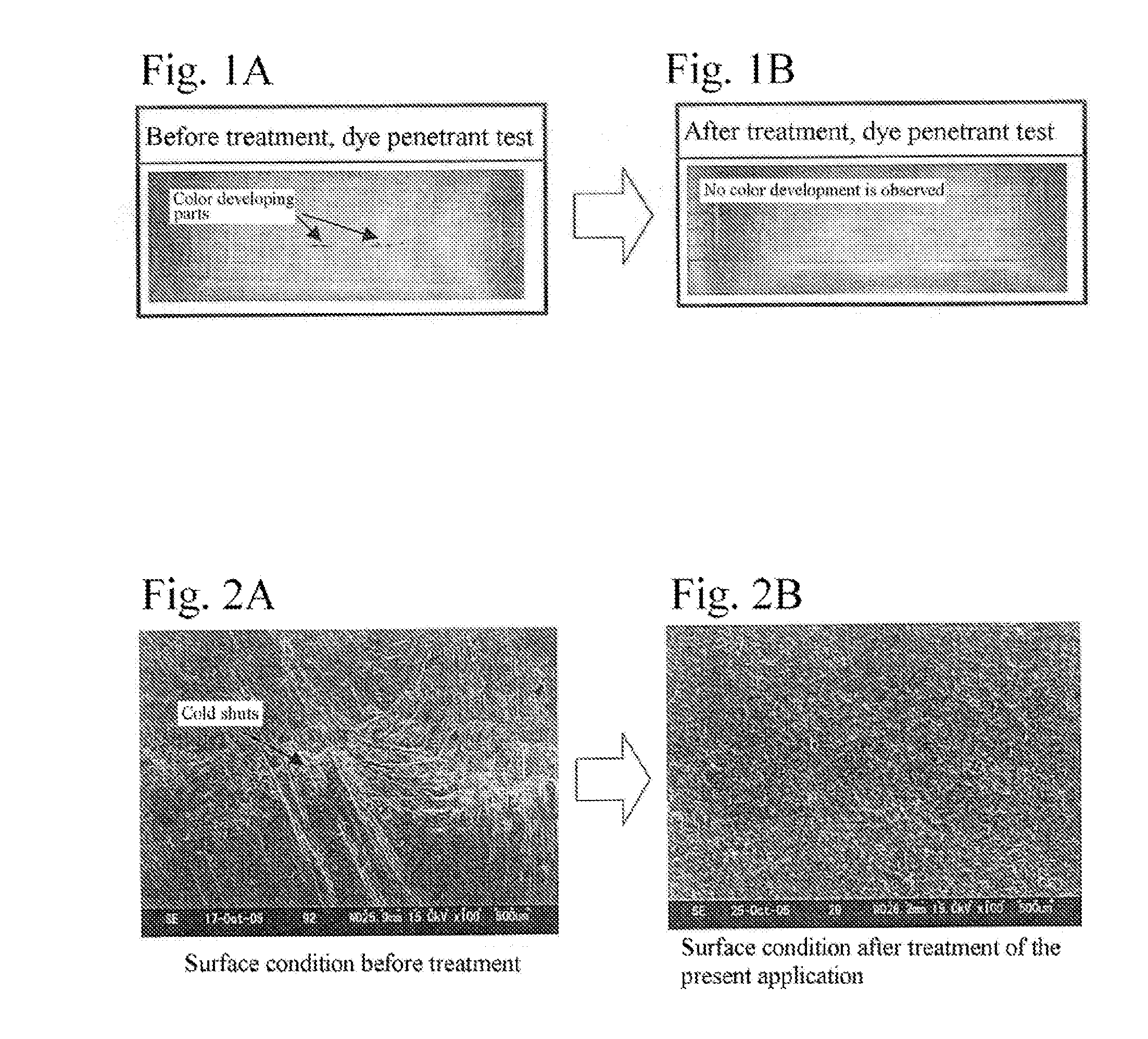
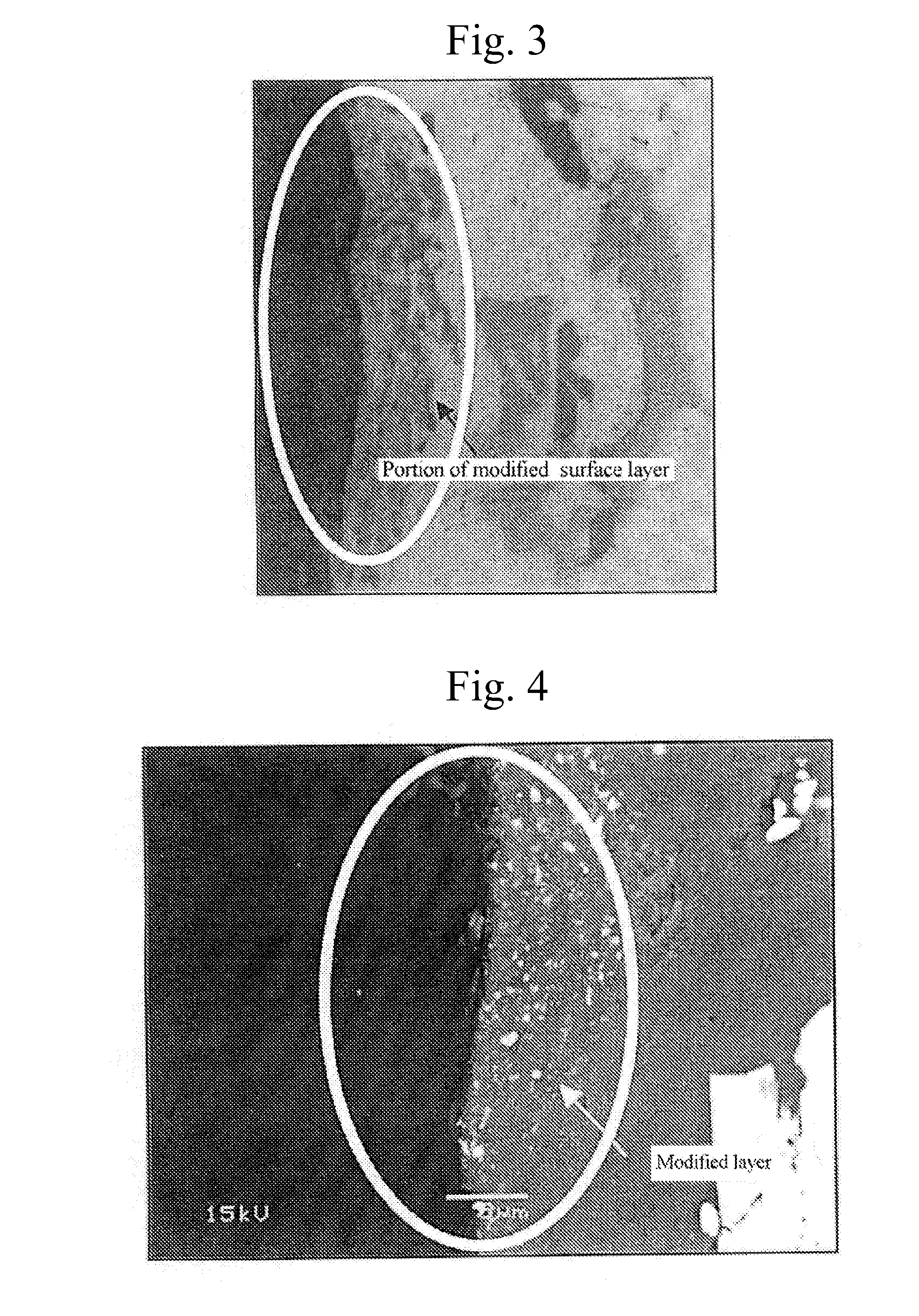
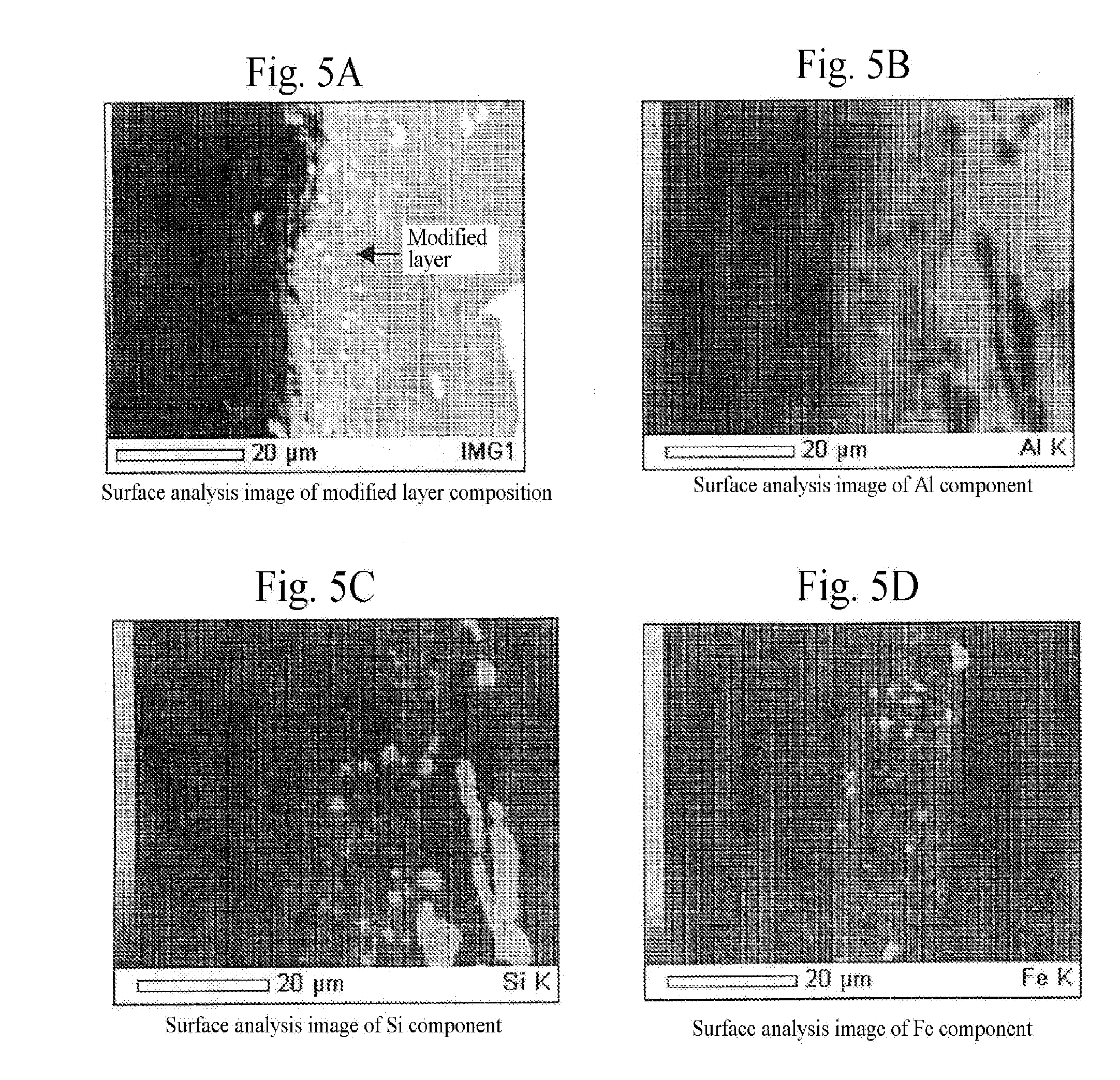
- A surface treatment method involving the injection of powders with reinforcing and photocatalytic elements, such as Ti, Sn, and Zr, which are diffused and penetrated into the piston surface to form a modified layer with a uniformly fine-grained metal microstructure, improving mechanical strength and imparting a photocatalytic function without the need for heat treatment or UV irradiation.

Materials Advancements
Recent advancements in materials science have significantly impacted L92 engine piston technology, leading to improved performance, durability, and efficiency. One of the key developments is the use of aluminum alloys with enhanced thermal and mechanical properties. These alloys incorporate elements such as silicon, copper, and magnesium to create pistons that are lighter yet more resistant to high temperatures and mechanical stress.
Ceramic coatings have also emerged as a game-changing technology for L92 engine pistons. These coatings, typically composed of materials like zirconium oxide or yttria-stabilized zirconia, provide superior thermal insulation and wear resistance. By reducing heat transfer from the combustion chamber to the piston, these coatings help maintain optimal operating temperatures and improve overall engine efficiency.
Another notable advancement is the development of composite materials for piston construction. Carbon fiber-reinforced polymers (CFRP) are being explored as potential alternatives to traditional metal alloys. These composites offer exceptional strength-to-weight ratios, allowing for further weight reduction without compromising structural integrity. The integration of CFRP in specific piston components, such as skirts or reinforcement areas, is showing promising results in prototype testing.
Nanotechnology has also made its way into piston material development. Nanoparticle-reinforced aluminum alloys have demonstrated improved wear resistance and reduced friction. These nanocomposites incorporate tiny particles of materials like silicon carbide or alumina, which enhance the mechanical properties of the piston while maintaining its lightweight characteristics.
Surface treatments and coatings have seen significant advancements as well. Diamond-like carbon (DLC) coatings are being applied to piston rings and skirts, reducing friction and improving fuel efficiency. These ultra-thin coatings provide exceptional hardness and low friction coefficients, contributing to extended engine life and reduced maintenance requirements.
Lastly, the advent of additive manufacturing techniques has opened new possibilities in piston design and material optimization. 3D printing allows for the creation of complex internal structures and cooling channels that were previously impossible with traditional manufacturing methods. This technology enables the use of tailored material compositions and gradient structures, optimizing the piston's performance in different areas based on specific requirements.
Ceramic coatings have also emerged as a game-changing technology for L92 engine pistons. These coatings, typically composed of materials like zirconium oxide or yttria-stabilized zirconia, provide superior thermal insulation and wear resistance. By reducing heat transfer from the combustion chamber to the piston, these coatings help maintain optimal operating temperatures and improve overall engine efficiency.
Another notable advancement is the development of composite materials for piston construction. Carbon fiber-reinforced polymers (CFRP) are being explored as potential alternatives to traditional metal alloys. These composites offer exceptional strength-to-weight ratios, allowing for further weight reduction without compromising structural integrity. The integration of CFRP in specific piston components, such as skirts or reinforcement areas, is showing promising results in prototype testing.
Nanotechnology has also made its way into piston material development. Nanoparticle-reinforced aluminum alloys have demonstrated improved wear resistance and reduced friction. These nanocomposites incorporate tiny particles of materials like silicon carbide or alumina, which enhance the mechanical properties of the piston while maintaining its lightweight characteristics.
Surface treatments and coatings have seen significant advancements as well. Diamond-like carbon (DLC) coatings are being applied to piston rings and skirts, reducing friction and improving fuel efficiency. These ultra-thin coatings provide exceptional hardness and low friction coefficients, contributing to extended engine life and reduced maintenance requirements.
Lastly, the advent of additive manufacturing techniques has opened new possibilities in piston design and material optimization. 3D printing allows for the creation of complex internal structures and cooling channels that were previously impossible with traditional manufacturing methods. This technology enables the use of tailored material compositions and gradient structures, optimizing the piston's performance in different areas based on specific requirements.
Emissions Regulations
Emissions regulations have become increasingly stringent in recent years, significantly impacting the development of engine technologies, including advancements in L92 engine piston design. These regulations aim to reduce harmful emissions and improve fuel efficiency, driving manufacturers to innovate and adapt their engine components.
The L92 engine, a high-performance V8 developed by General Motors, has been subject to ongoing improvements to meet evolving emissions standards. Piston technology plays a crucial role in achieving these goals, as it directly affects combustion efficiency, fuel consumption, and emissions output.
One of the key areas of focus for L92 engine piston advancements has been the reduction of friction. Lower friction pistons contribute to improved fuel efficiency and reduced emissions. Manufacturers have explored various coatings and surface treatments to minimize friction between the piston and cylinder wall, resulting in better overall engine performance and reduced environmental impact.
Another significant development in L92 engine piston technology has been the optimization of piston crown design. Engineers have worked on creating more efficient combustion chamber geometries that promote better fuel-air mixing and more complete combustion. These improvements lead to reduced unburned hydrocarbons and particulate matter emissions, helping the engine meet stricter emissions standards.
Lightweight materials have also played a crucial role in advancing L92 engine piston technology. The use of advanced alloys and composite materials has allowed for the creation of lighter pistons without compromising strength or durability. Reduced piston weight contributes to lower reciprocating mass, improved engine responsiveness, and better fuel efficiency, all of which are essential for meeting emissions targets.
Thermal management has been another area of focus in L92 engine piston advancements. Improved cooling designs and materials with better heat dissipation properties have been incorporated to optimize combustion temperatures. This helps reduce the formation of nitrogen oxides (NOx) and other temperature-dependent emissions, aligning with increasingly strict regulations on these pollutants.
The integration of advanced manufacturing techniques, such as 3D printing and precision machining, has enabled the production of pistons with more complex geometries and tighter tolerances. These manufacturing advancements allow for the implementation of design features that were previously difficult or impossible to achieve, further contributing to emissions reduction and improved engine efficiency.
As emissions regulations continue to evolve, L92 engine piston technology will likely see further advancements. Future developments may include the incorporation of smart materials, adaptive geometries, and even integrated sensors to provide real-time data on combustion processes, enabling more precise control and optimization of engine performance and emissions.
The L92 engine, a high-performance V8 developed by General Motors, has been subject to ongoing improvements to meet evolving emissions standards. Piston technology plays a crucial role in achieving these goals, as it directly affects combustion efficiency, fuel consumption, and emissions output.
One of the key areas of focus for L92 engine piston advancements has been the reduction of friction. Lower friction pistons contribute to improved fuel efficiency and reduced emissions. Manufacturers have explored various coatings and surface treatments to minimize friction between the piston and cylinder wall, resulting in better overall engine performance and reduced environmental impact.
Another significant development in L92 engine piston technology has been the optimization of piston crown design. Engineers have worked on creating more efficient combustion chamber geometries that promote better fuel-air mixing and more complete combustion. These improvements lead to reduced unburned hydrocarbons and particulate matter emissions, helping the engine meet stricter emissions standards.
Lightweight materials have also played a crucial role in advancing L92 engine piston technology. The use of advanced alloys and composite materials has allowed for the creation of lighter pistons without compromising strength or durability. Reduced piston weight contributes to lower reciprocating mass, improved engine responsiveness, and better fuel efficiency, all of which are essential for meeting emissions targets.
Thermal management has been another area of focus in L92 engine piston advancements. Improved cooling designs and materials with better heat dissipation properties have been incorporated to optimize combustion temperatures. This helps reduce the formation of nitrogen oxides (NOx) and other temperature-dependent emissions, aligning with increasingly strict regulations on these pollutants.
The integration of advanced manufacturing techniques, such as 3D printing and precision machining, has enabled the production of pistons with more complex geometries and tighter tolerances. These manufacturing advancements allow for the implementation of design features that were previously difficult or impossible to achieve, further contributing to emissions reduction and improved engine efficiency.
As emissions regulations continue to evolve, L92 engine piston technology will likely see further advancements. Future developments may include the incorporation of smart materials, adaptive geometries, and even integrated sensors to provide real-time data on combustion processes, enabling more precise control and optimization of engine performance and emissions.
Unlock deeper insights with PatSnap Eureka Quick Research — get a full tech report to explore trends and direct your research. Try now!
Generate Your Research Report Instantly with AI Agent
Supercharge your innovation with PatSnap Eureka AI Agent Platform!