

How do variable displacement technologies enhance L92 economy?
AUG 14, 20259 MIN READ
Generate Your Research Report Instantly with AI Agent
PatSnap Eureka helps you evaluate technical feasibility & market potential.
L92 Engine Background
The L92 engine, developed by General Motors, represents a significant advancement in automotive powertrain technology. Introduced in the early 2000s, this V8 engine was designed to deliver high performance while addressing the growing demand for improved fuel efficiency in larger vehicles. The L92 is part of the GM small-block engine family, which has a rich history dating back to 1955.
Initially, the L92 was primarily used in high-performance applications, such as the Cadillac Escalade and GMC Yukon Denali. It featured an all-aluminum construction, which significantly reduced weight compared to its iron-block predecessors. The engine's 6.2-liter displacement provided ample power, typically producing around 403 horsepower and 417 lb-ft of torque in its standard configuration.
One of the key innovations in the L92 engine was the incorporation of variable valve timing (VVT) technology. This system allowed for optimized camshaft timing across different engine speeds and load conditions, resulting in improved performance and efficiency. The VVT system in the L92 could adjust the timing of both intake and exhaust valves, providing a broader power band and better fuel economy.
Another notable feature of the L92 was its high-flow cylinder heads. These heads were designed to maximize airflow, which contributed to the engine's impressive power output. The combustion chamber design, coupled with the VVT system, allowed for a relatively high compression ratio while still being able to run on regular gasoline in most applications.
The L92 engine also incorporated advanced fuel injection technology. Its sequential fuel injection system provided precise fuel delivery, contributing to both power and efficiency. This system, combined with sophisticated engine management software, allowed for better control over the air-fuel mixture across various operating conditions.
As environmental concerns and fuel efficiency standards became more stringent, the L92 engine served as a platform for further technological advancements. It paved the way for the development of more advanced variable displacement technologies, which would later be implemented in subsequent generations of GM engines to further enhance fuel economy without sacrificing performance.
The L92 engine's legacy extends beyond its initial applications. Its design and technologies influenced the development of other engines in GM's lineup, including those used in performance vehicles and trucks. The lessons learned from the L92's development and implementation have continued to shape GM's approach to engine design, balancing power, efficiency, and emissions in an ever-evolving automotive landscape.
Initially, the L92 was primarily used in high-performance applications, such as the Cadillac Escalade and GMC Yukon Denali. It featured an all-aluminum construction, which significantly reduced weight compared to its iron-block predecessors. The engine's 6.2-liter displacement provided ample power, typically producing around 403 horsepower and 417 lb-ft of torque in its standard configuration.
One of the key innovations in the L92 engine was the incorporation of variable valve timing (VVT) technology. This system allowed for optimized camshaft timing across different engine speeds and load conditions, resulting in improved performance and efficiency. The VVT system in the L92 could adjust the timing of both intake and exhaust valves, providing a broader power band and better fuel economy.
Another notable feature of the L92 was its high-flow cylinder heads. These heads were designed to maximize airflow, which contributed to the engine's impressive power output. The combustion chamber design, coupled with the VVT system, allowed for a relatively high compression ratio while still being able to run on regular gasoline in most applications.
The L92 engine also incorporated advanced fuel injection technology. Its sequential fuel injection system provided precise fuel delivery, contributing to both power and efficiency. This system, combined with sophisticated engine management software, allowed for better control over the air-fuel mixture across various operating conditions.
As environmental concerns and fuel efficiency standards became more stringent, the L92 engine served as a platform for further technological advancements. It paved the way for the development of more advanced variable displacement technologies, which would later be implemented in subsequent generations of GM engines to further enhance fuel economy without sacrificing performance.
The L92 engine's legacy extends beyond its initial applications. Its design and technologies influenced the development of other engines in GM's lineup, including those used in performance vehicles and trucks. The lessons learned from the L92's development and implementation have continued to shape GM's approach to engine design, balancing power, efficiency, and emissions in an ever-evolving automotive landscape.
Market Demand Analysis
The market demand for variable displacement technologies in L92 engines has been steadily increasing due to the growing emphasis on fuel efficiency and environmental sustainability in the automotive industry. This technology allows engines to operate more efficiently by adjusting the number of active cylinders based on power requirements, resulting in improved fuel economy and reduced emissions.
Consumer preferences have shifted towards vehicles that offer better fuel economy without compromising performance. This trend has been driven by rising fuel costs, stricter environmental regulations, and increased awareness of carbon footprints. As a result, automakers are under pressure to develop and implement technologies that can meet these demands, making variable displacement a key focus area.
The global market for variable displacement technologies is expected to grow significantly in the coming years. This growth is primarily attributed to the increasing adoption of these technologies in passenger cars, light-duty trucks, and commercial vehicles. The North American market, in particular, has shown strong demand for variable displacement systems, with major automakers incorporating this technology into their flagship models.
In the context of L92 engines, which are primarily used in high-performance vehicles and trucks, the demand for variable displacement technologies is driven by the need to balance power output with fuel efficiency. Consumers in this segment are looking for vehicles that can deliver robust performance when needed while also providing improved fuel economy during regular driving conditions.
The commercial vehicle sector has also shown increasing interest in variable displacement technologies for L92 engines. Fleet operators are seeking ways to reduce fuel consumption and operating costs without sacrificing the power and torque required for heavy-duty applications. This has created a new market segment for variable displacement systems tailored to commercial vehicles.
Government regulations and incentives have played a significant role in shaping market demand. Stricter fuel efficiency standards and emissions regulations have pushed automakers to invest in advanced engine technologies, including variable displacement. Additionally, tax incentives and rebates for fuel-efficient vehicles have encouraged consumers to opt for models equipped with these technologies.
The aftermarket sector has also seen growing demand for variable displacement upgrades for existing L92 engines. This trend is driven by vehicle owners looking to improve the fuel efficiency of their current vehicles without investing in a new one. This has created opportunities for aftermarket manufacturers and service providers to offer retrofit solutions.
As the automotive industry continues to evolve towards electrification, the demand for variable displacement technologies in L92 engines is expected to remain strong in the medium term. These technologies serve as a bridge between traditional internal combustion engines and fully electric powertrains, offering a cost-effective solution for improving fuel economy and reducing emissions in the interim.
Consumer preferences have shifted towards vehicles that offer better fuel economy without compromising performance. This trend has been driven by rising fuel costs, stricter environmental regulations, and increased awareness of carbon footprints. As a result, automakers are under pressure to develop and implement technologies that can meet these demands, making variable displacement a key focus area.
The global market for variable displacement technologies is expected to grow significantly in the coming years. This growth is primarily attributed to the increasing adoption of these technologies in passenger cars, light-duty trucks, and commercial vehicles. The North American market, in particular, has shown strong demand for variable displacement systems, with major automakers incorporating this technology into their flagship models.
In the context of L92 engines, which are primarily used in high-performance vehicles and trucks, the demand for variable displacement technologies is driven by the need to balance power output with fuel efficiency. Consumers in this segment are looking for vehicles that can deliver robust performance when needed while also providing improved fuel economy during regular driving conditions.
The commercial vehicle sector has also shown increasing interest in variable displacement technologies for L92 engines. Fleet operators are seeking ways to reduce fuel consumption and operating costs without sacrificing the power and torque required for heavy-duty applications. This has created a new market segment for variable displacement systems tailored to commercial vehicles.
Government regulations and incentives have played a significant role in shaping market demand. Stricter fuel efficiency standards and emissions regulations have pushed automakers to invest in advanced engine technologies, including variable displacement. Additionally, tax incentives and rebates for fuel-efficient vehicles have encouraged consumers to opt for models equipped with these technologies.
The aftermarket sector has also seen growing demand for variable displacement upgrades for existing L92 engines. This trend is driven by vehicle owners looking to improve the fuel efficiency of their current vehicles without investing in a new one. This has created opportunities for aftermarket manufacturers and service providers to offer retrofit solutions.
As the automotive industry continues to evolve towards electrification, the demand for variable displacement technologies in L92 engines is expected to remain strong in the medium term. These technologies serve as a bridge between traditional internal combustion engines and fully electric powertrains, offering a cost-effective solution for improving fuel economy and reducing emissions in the interim.
Variable Displacement Challenges
Variable displacement technology in L92 engines faces several significant challenges that impact its effectiveness in enhancing fuel economy. One of the primary obstacles is the complexity of the system design. Implementing variable displacement requires sophisticated mechanisms to deactivate and reactivate cylinders seamlessly, which adds to the overall engine complexity and potential points of failure.
The control system for variable displacement is another critical challenge. Precise timing and coordination are essential to ensure smooth transitions between different cylinder configurations. This requires advanced sensors, actuators, and control algorithms, which can be costly to develop and implement. Additionally, the control system must be robust enough to handle various driving conditions and engine loads without compromising performance or fuel efficiency.
Durability and reliability concerns also pose significant challenges. The frequent activation and deactivation of cylinders can lead to increased wear on engine components, particularly valves and lifters. Ensuring that these components can withstand the stress of repeated cycling over the engine's lifetime is crucial for long-term reliability and customer satisfaction.
Noise, vibration, and harshness (NVH) management is another major hurdle in variable displacement technology. When cylinders are deactivated, the engine's balance and vibration characteristics change, potentially leading to increased noise and vibration. Engineers must develop innovative solutions to mitigate these NVH issues, such as active engine mounts or enhanced sound insulation, which can add weight and cost to the vehicle.
Thermal management presents another challenge, as deactivated cylinders can cool down more quickly than active ones. This temperature differential can lead to uneven thermal expansion and contraction, potentially affecting engine longevity and performance. Developing effective thermal management strategies is essential to maintain optimal engine operating conditions across all cylinders.
The integration of variable displacement technology with other fuel-saving technologies, such as turbocharging and direct injection, adds another layer of complexity. Balancing the benefits of these various technologies while minimizing their potential conflicts requires careful engineering and extensive testing.
Lastly, the cost-benefit ratio of implementing variable displacement technology remains a challenge. While the technology can provide significant fuel economy improvements, the added complexity and cost of the system must be justified by the real-world fuel savings. This balance becomes particularly crucial in smaller engines or lower-priced vehicle segments where cost sensitivity is higher.
The control system for variable displacement is another critical challenge. Precise timing and coordination are essential to ensure smooth transitions between different cylinder configurations. This requires advanced sensors, actuators, and control algorithms, which can be costly to develop and implement. Additionally, the control system must be robust enough to handle various driving conditions and engine loads without compromising performance or fuel efficiency.
Durability and reliability concerns also pose significant challenges. The frequent activation and deactivation of cylinders can lead to increased wear on engine components, particularly valves and lifters. Ensuring that these components can withstand the stress of repeated cycling over the engine's lifetime is crucial for long-term reliability and customer satisfaction.
Noise, vibration, and harshness (NVH) management is another major hurdle in variable displacement technology. When cylinders are deactivated, the engine's balance and vibration characteristics change, potentially leading to increased noise and vibration. Engineers must develop innovative solutions to mitigate these NVH issues, such as active engine mounts or enhanced sound insulation, which can add weight and cost to the vehicle.
Thermal management presents another challenge, as deactivated cylinders can cool down more quickly than active ones. This temperature differential can lead to uneven thermal expansion and contraction, potentially affecting engine longevity and performance. Developing effective thermal management strategies is essential to maintain optimal engine operating conditions across all cylinders.
The integration of variable displacement technology with other fuel-saving technologies, such as turbocharging and direct injection, adds another layer of complexity. Balancing the benefits of these various technologies while minimizing their potential conflicts requires careful engineering and extensive testing.
Lastly, the cost-benefit ratio of implementing variable displacement technology remains a challenge. While the technology can provide significant fuel economy improvements, the added complexity and cost of the system must be justified by the real-world fuel savings. This balance becomes particularly crucial in smaller engines or lower-priced vehicle segments where cost sensitivity is higher.
Current VD Solutions
01 Variable displacement pump technology
Variable displacement pumps adjust their output flow rate to match system demands, improving efficiency and reducing energy consumption. This technology allows for precise control of fluid flow in hydraulic systems, enhancing overall system performance and economy.- Variable displacement pump technology: Variable displacement pumps adjust their output flow rate to match system demands, improving efficiency and reducing energy consumption. This technology allows for precise control of fluid flow in hydraulic systems, optimizing performance and economy in various applications.
- Engine cylinder deactivation systems: Cylinder deactivation technology allows engines to selectively shut off cylinders under light load conditions, reducing fuel consumption and emissions. This variable displacement approach improves overall engine efficiency and economy, particularly in larger engines during highway cruising.
- Continuously variable transmission (CVT) systems: CVT systems provide seamless gear ratio changes, allowing engines to operate at their most efficient RPM range. This technology enhances fuel economy by optimizing engine performance across various driving conditions and speeds.
- Variable displacement compressor technology: Variable displacement compressors in air conditioning systems adjust their capacity based on cooling demand. This technology improves energy efficiency and provides better temperature control, resulting in improved fuel economy and comfort in vehicles.
- Hydraulic system optimization: Advanced hydraulic systems incorporate variable displacement technologies to match power output with demand. These systems reduce energy waste, improve efficiency, and contribute to overall machine economy in construction equipment, agricultural machinery, and industrial applications.
02 Engine cylinder deactivation
Cylinder deactivation technology allows engines to selectively shut off cylinders under light load conditions, reducing fuel consumption and improving overall engine efficiency. This variable displacement approach enhances fuel economy in automotive applications.Expand Specific Solutions03 Variable displacement compressor systems
Variable displacement compressors adjust their capacity based on cooling demand, optimizing energy usage in air conditioning and refrigeration systems. This technology improves system efficiency and reduces power consumption, leading to better overall economy.Expand Specific Solutions04 Hydraulic variable displacement systems
Hydraulic systems with variable displacement components allow for adaptive power distribution, improving efficiency in heavy machinery and industrial applications. These systems optimize power usage based on load requirements, enhancing overall system economy.Expand Specific Solutions05 Control strategies for variable displacement technologies
Advanced control strategies and algorithms are developed to optimize the operation of variable displacement technologies. These control systems ensure seamless transitions between displacement modes, maximizing efficiency gains and economic benefits across different operating conditions.Expand Specific Solutions
Key Industry Players
The variable displacement technology market for L92 economy enhancement is in a growth phase, driven by increasing demand for fuel-efficient vehicles. The market size is expanding as more automotive manufacturers adopt this technology to meet stringent emissions regulations. Technologically, the field is advancing rapidly, with companies like Ford Global Technologies LLC, GM Global Technology Operations LLC, and Tula Technology, Inc. leading innovation. These firms are developing sophisticated control systems and algorithms to optimize engine performance and fuel economy. While the technology is maturing, there is still room for significant improvements in efficiency and integration with hybrid powertrains, indicating a competitive landscape with potential for further advancements and market expansion.
Ford Global Technologies LLC
Technical Solution: Ford's variable displacement technology, marketed as "Variable Displacement Engine" (VDE), enhances fuel economy in their large engines, including those comparable to the L92. Ford's system can deactivate half of the cylinders in V8 and V6 engines during light load conditions. The technology uses advanced engine management systems to control valve operation, fuel injection, and ignition timing. Ford's VDE can transition between full and partial cylinder operation in milliseconds, ensuring smooth power delivery[4]. Recent advancements include integration with Ford's EcoBoost technology, combining variable displacement with turbocharging for improved efficiency across a wider range of operating conditions[5].
Strengths: Smooth operation and quick transitions between modes; compatibility with other fuel-saving technologies. Weaknesses: May not be as advanced as some competitors' systems in terms of the number of cylinder deactivation patterns.|
GM Global Technology Operations LLC
Technical Solution: GM's variable displacement technology, known as Active Fuel Management (AFM) or Dynamic Fuel Management (DFM), enhances L92 economy by selectively deactivating cylinders when full engine power is not needed. The L92 engine, a 6.2L V8, can operate on four cylinders during light load conditions, significantly improving fuel efficiency. GM's latest DFM system can alternate between 17 different firing patterns, providing a more refined and efficient operation[1][2]. The system uses sophisticated engine control modules to seamlessly switch between full and partial cylinder operation based on driving conditions and power demands. This technology has shown fuel economy improvements of up to 15% in city driving conditions[3].
Strengths: Significant fuel economy improvements, especially in city driving; seamless operation for driver comfort. Weaknesses: Increased complexity and potential maintenance costs; may not provide as much benefit in highway driving conditions.|
Core VD Innovations
Internal combustion engine control for improved fuel efficiency
PatentActiveUS20180216551A1
Innovation
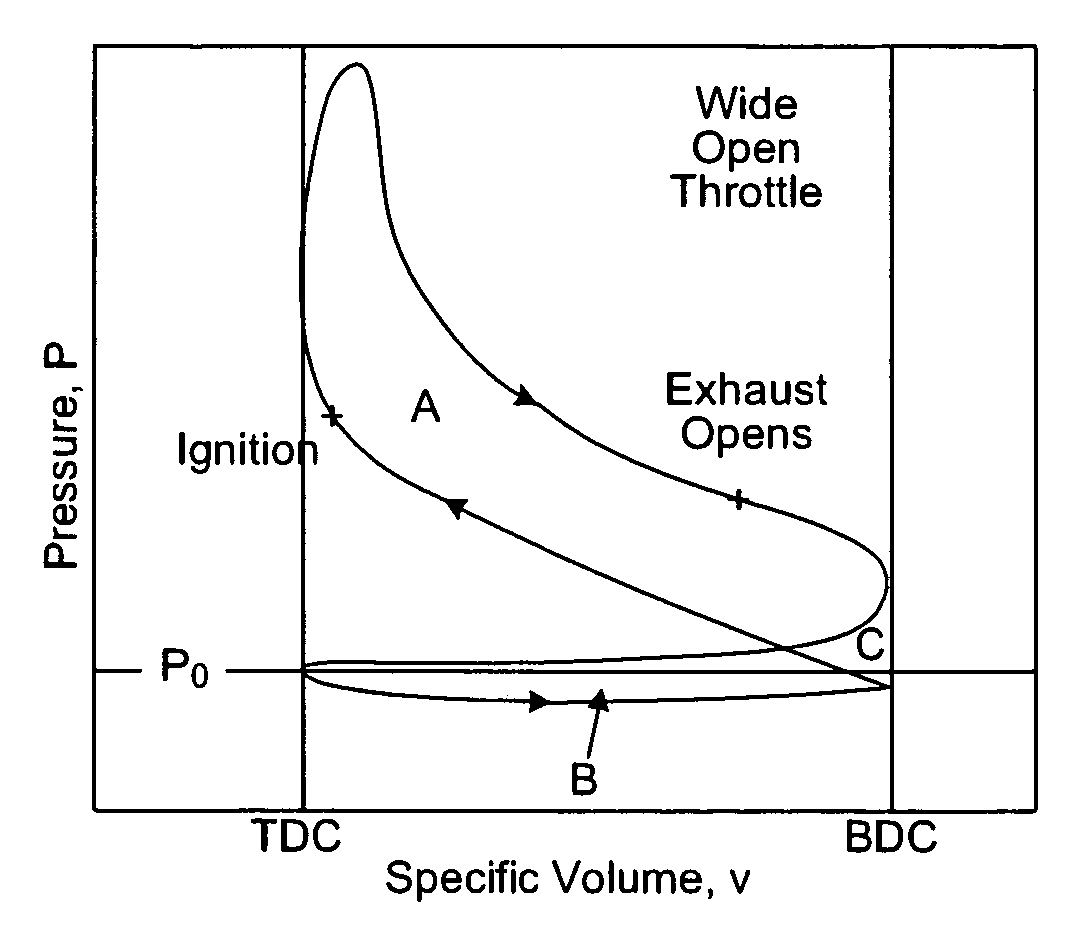
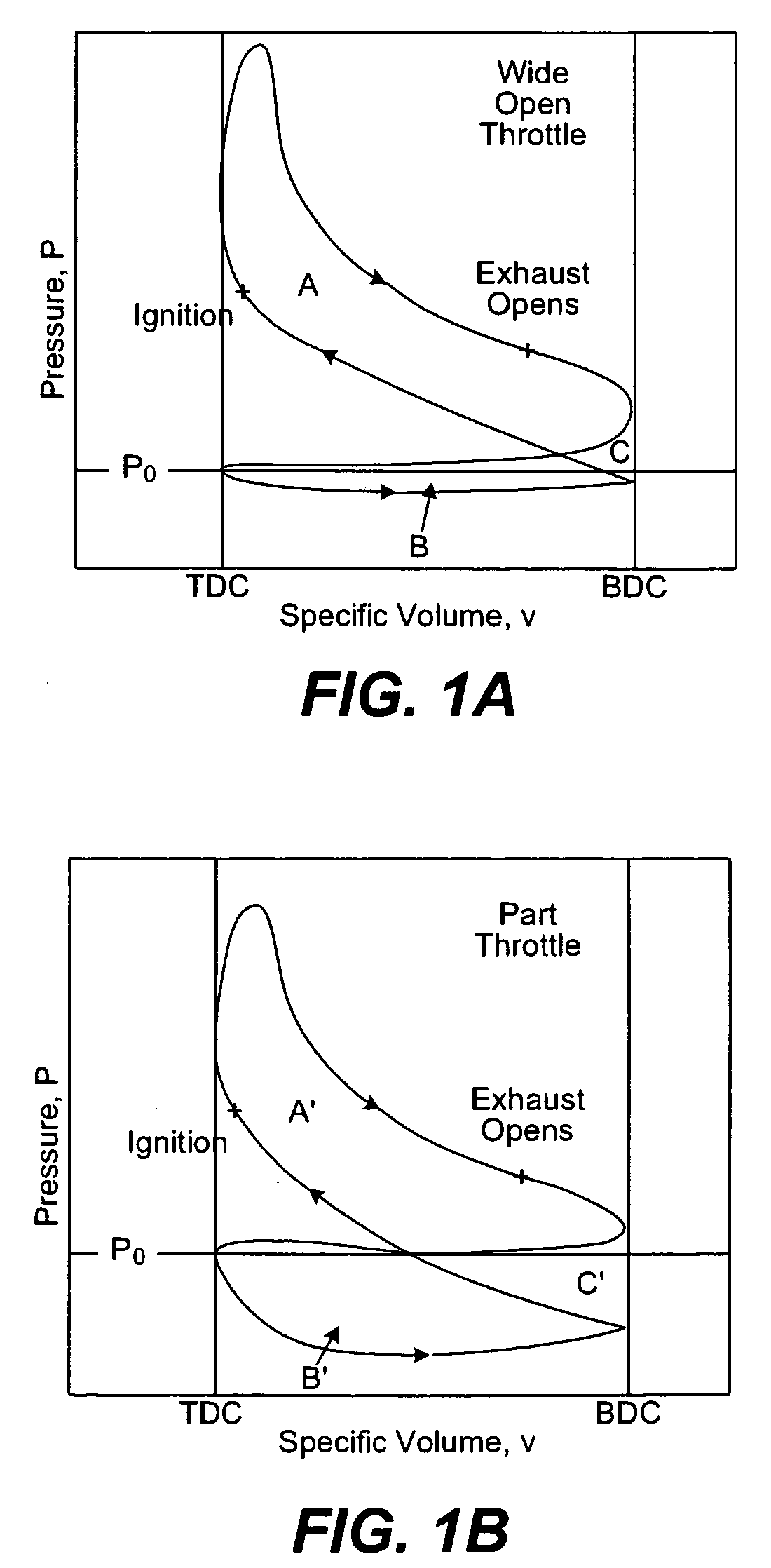
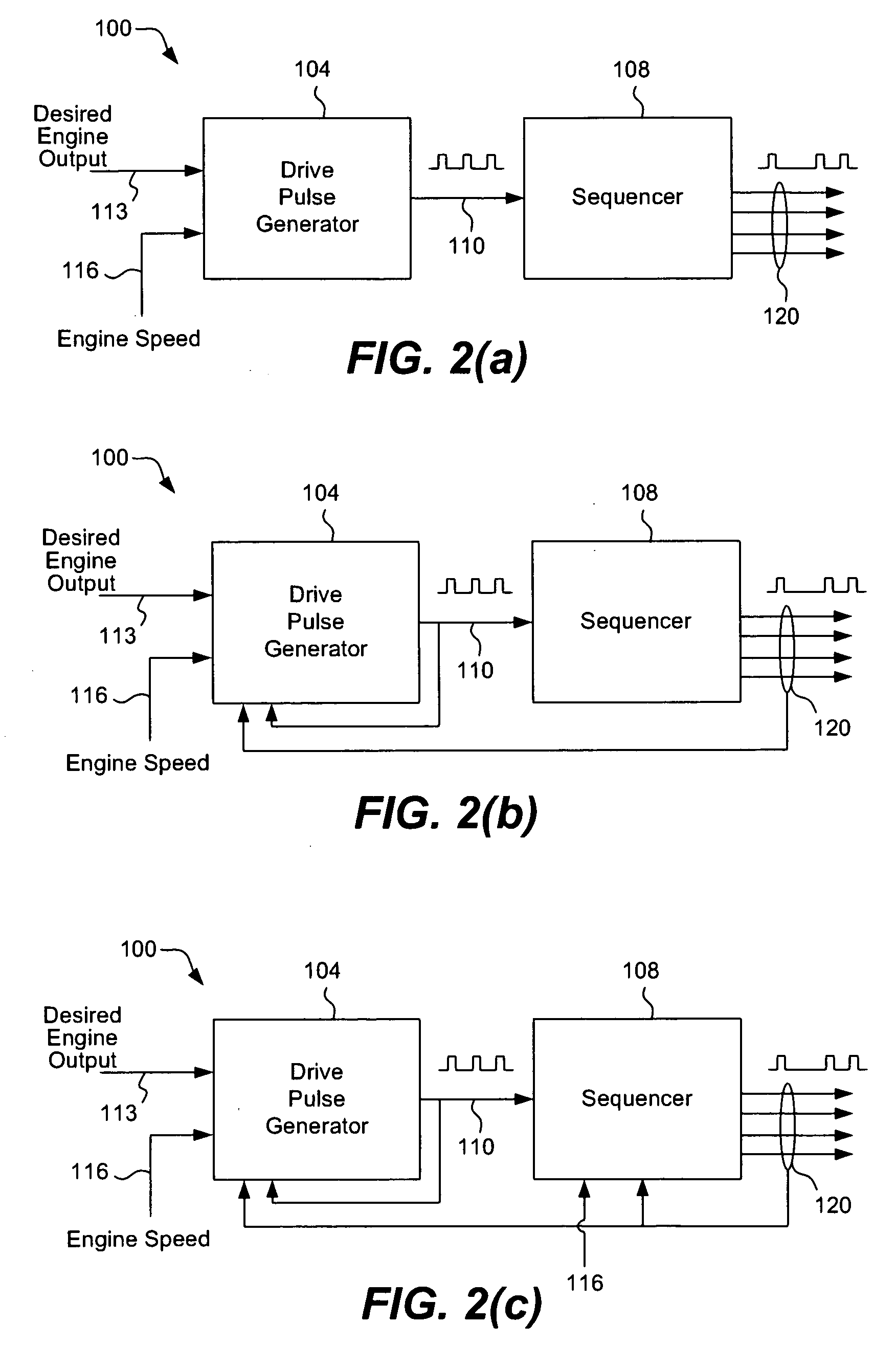
- Implementing a skip fire operation method where selected working cycles are deactivated by holding intake and exhaust valves closed, using a sigma delta controller to dynamically determine cylinder firings and adjust fuel injection quanta based on operating conditions, allowing for continuous variable displacement mode operation.


Internal combustion engine control for improved fuel efficiency
PatentInactiveUS20100006065A1
Innovation
- Implementing a skip fire variable displacement mode with feedback control and predictive adaptive controllers, such as sigma delta controllers, to dynamically determine firing patterns and optimize air and fuel delivery, ensuring active working cycles operate at near optimal efficiency while skipping unnecessary cycles, thereby improving engine efficiency and reducing vibrations.

Fuel Efficiency Metrics
Fuel efficiency metrics play a crucial role in evaluating the performance of variable displacement technologies in enhancing L92 economy. These metrics provide quantifiable measures to assess the impact of such technologies on fuel consumption and overall engine efficiency.
One of the primary metrics used is miles per gallon (MPG), which indicates the distance a vehicle can travel on a single gallon of fuel. Variable displacement technologies aim to improve MPG by selectively deactivating cylinders when full engine power is not required, thereby reducing fuel consumption during low-load conditions.
Another important metric is the brake specific fuel consumption (BSFC), measured in grams of fuel consumed per kilowatt-hour of energy produced. This metric helps evaluate the engine's efficiency in converting fuel energy into mechanical power. Variable displacement technologies can significantly lower BSFC by optimizing fuel usage across different operating conditions.
The Environmental Protection Agency (EPA) fuel economy ratings provide standardized city and highway MPG figures, allowing for consistent comparisons between different vehicles and technologies. These ratings are particularly useful in demonstrating the benefits of variable displacement systems in real-world driving scenarios.
Carbon dioxide (CO2) emissions, measured in grams per kilometer driven, serve as an indirect indicator of fuel efficiency. As variable displacement technologies reduce fuel consumption, they consequently lower CO2 emissions, making this metric valuable for assessing environmental impact.
The fuel consumption index (FCI) is another metric that considers the vehicle's weight and engine displacement to provide a normalized efficiency measure. This index allows for fair comparisons between different vehicle classes and engine sizes, highlighting the effectiveness of variable displacement technologies across various applications.
Engine load percentage is a critical metric for evaluating the performance of variable displacement systems. It helps determine when cylinder deactivation should occur, optimizing the balance between power output and fuel efficiency.
Lastly, the instantaneous fuel consumption rate, typically displayed in liters per 100 kilometers, offers real-time feedback on fuel efficiency. This metric is particularly useful for drivers to understand how variable displacement technologies dynamically affect fuel consumption under different driving conditions.
By analyzing these fuel efficiency metrics, engineers and researchers can quantify the benefits of variable displacement technologies in enhancing L92 economy, guiding further development and optimization of these systems for improved fuel efficiency and reduced environmental impact.
One of the primary metrics used is miles per gallon (MPG), which indicates the distance a vehicle can travel on a single gallon of fuel. Variable displacement technologies aim to improve MPG by selectively deactivating cylinders when full engine power is not required, thereby reducing fuel consumption during low-load conditions.
Another important metric is the brake specific fuel consumption (BSFC), measured in grams of fuel consumed per kilowatt-hour of energy produced. This metric helps evaluate the engine's efficiency in converting fuel energy into mechanical power. Variable displacement technologies can significantly lower BSFC by optimizing fuel usage across different operating conditions.
The Environmental Protection Agency (EPA) fuel economy ratings provide standardized city and highway MPG figures, allowing for consistent comparisons between different vehicles and technologies. These ratings are particularly useful in demonstrating the benefits of variable displacement systems in real-world driving scenarios.
Carbon dioxide (CO2) emissions, measured in grams per kilometer driven, serve as an indirect indicator of fuel efficiency. As variable displacement technologies reduce fuel consumption, they consequently lower CO2 emissions, making this metric valuable for assessing environmental impact.
The fuel consumption index (FCI) is another metric that considers the vehicle's weight and engine displacement to provide a normalized efficiency measure. This index allows for fair comparisons between different vehicle classes and engine sizes, highlighting the effectiveness of variable displacement technologies across various applications.
Engine load percentage is a critical metric for evaluating the performance of variable displacement systems. It helps determine when cylinder deactivation should occur, optimizing the balance between power output and fuel efficiency.
Lastly, the instantaneous fuel consumption rate, typically displayed in liters per 100 kilometers, offers real-time feedback on fuel efficiency. This metric is particularly useful for drivers to understand how variable displacement technologies dynamically affect fuel consumption under different driving conditions.
By analyzing these fuel efficiency metrics, engineers and researchers can quantify the benefits of variable displacement technologies in enhancing L92 economy, guiding further development and optimization of these systems for improved fuel efficiency and reduced environmental impact.
Environmental Regulations
Environmental regulations play a crucial role in shaping the development and adoption of variable displacement technologies in the automotive industry, particularly for engines like the L92. These regulations, aimed at reducing emissions and improving fuel efficiency, have become increasingly stringent over the years, driving manufacturers to innovate and implement advanced technologies.
In the United States, the Corporate Average Fuel Economy (CAFE) standards have been a significant driver for the adoption of variable displacement technologies. These standards set specific fuel economy targets for vehicle manufacturers, encouraging them to develop and implement fuel-saving technologies. The Environmental Protection Agency (EPA) and the National Highway Traffic Safety Administration (NHTSA) jointly administer these standards, which have become progressively more demanding over time.
The European Union has also implemented strict emissions regulations, such as the Euro 6 standards, which limit the amount of pollutants that vehicles can emit. These regulations have pushed manufacturers to explore and refine variable displacement technologies as a means of meeting these stringent requirements while maintaining performance.
China, the world's largest automotive market, has introduced its own set of emissions standards, including the China 6 regulations. These standards are comparable to Euro 6 in terms of stringency and have further accelerated the global adoption of fuel-saving technologies like variable displacement.
Variable displacement technologies, such as those employed in the L92 engine, directly address these regulatory challenges by allowing engines to operate more efficiently under various load conditions. By deactivating cylinders when full power is not required, these engines can significantly reduce fuel consumption and emissions during light-load operations, such as highway cruising.
The implementation of variable displacement technologies has been further incentivized by government programs and tax incentives. Many countries offer tax breaks or subsidies for vehicles that meet certain fuel efficiency or emissions standards, making the adoption of these technologies more economically viable for both manufacturers and consumers.
As environmental regulations continue to evolve, the automotive industry is likely to see further refinement and widespread adoption of variable displacement technologies. Future regulations may focus on lifecycle emissions, including the production and disposal of vehicles, which could further influence the development of these technologies to ensure compliance across the entire product lifecycle.
In the United States, the Corporate Average Fuel Economy (CAFE) standards have been a significant driver for the adoption of variable displacement technologies. These standards set specific fuel economy targets for vehicle manufacturers, encouraging them to develop and implement fuel-saving technologies. The Environmental Protection Agency (EPA) and the National Highway Traffic Safety Administration (NHTSA) jointly administer these standards, which have become progressively more demanding over time.
The European Union has also implemented strict emissions regulations, such as the Euro 6 standards, which limit the amount of pollutants that vehicles can emit. These regulations have pushed manufacturers to explore and refine variable displacement technologies as a means of meeting these stringent requirements while maintaining performance.
China, the world's largest automotive market, has introduced its own set of emissions standards, including the China 6 regulations. These standards are comparable to Euro 6 in terms of stringency and have further accelerated the global adoption of fuel-saving technologies like variable displacement.
Variable displacement technologies, such as those employed in the L92 engine, directly address these regulatory challenges by allowing engines to operate more efficiently under various load conditions. By deactivating cylinders when full power is not required, these engines can significantly reduce fuel consumption and emissions during light-load operations, such as highway cruising.
The implementation of variable displacement technologies has been further incentivized by government programs and tax incentives. Many countries offer tax breaks or subsidies for vehicles that meet certain fuel efficiency or emissions standards, making the adoption of these technologies more economically viable for both manufacturers and consumers.
As environmental regulations continue to evolve, the automotive industry is likely to see further refinement and widespread adoption of variable displacement technologies. Future regulations may focus on lifecycle emissions, including the production and disposal of vehicles, which could further influence the development of these technologies to ensure compliance across the entire product lifecycle.
Unlock deeper insights with PatSnap Eureka Quick Research — get a full tech report to explore trends and direct your research. Try now!
Generate Your Research Report Instantly with AI Agent
Supercharge your innovation with PatSnap Eureka AI Agent Platform!