ARM in Disaster Management Systems: Data Accuracy
MAR 25, 20269 MIN READ
Generate Your Research Report Instantly with AI Agent
PatSnap Eureka helps you evaluate technical feasibility & market potential.
ARM Disaster Management Tech Background and Objectives
Disaster management systems have undergone significant transformation over the past decades, evolving from traditional paper-based coordination methods to sophisticated digital platforms capable of real-time data processing and decision support. The integration of Advanced RISC Machine (ARM) architecture processors into these systems represents a pivotal advancement in computational efficiency and power management for critical emergency response operations.
ARM processors have emerged as the backbone of modern disaster management infrastructure due to their exceptional energy efficiency, scalability, and robust performance characteristics. These systems must operate continuously during extended emergency periods, often under challenging environmental conditions where power resources are limited or compromised. The low-power consumption profile of ARM-based systems makes them ideally suited for deployment in remote monitoring stations, mobile command centers, and battery-operated emergency response equipment.
The evolution of disaster management technology has been driven by the increasing complexity and frequency of natural disasters, coupled with growing urbanization and infrastructure interdependencies. Early warning systems, real-time environmental monitoring, and coordinated multi-agency response protocols now rely heavily on accurate data collection and processing capabilities that ARM-based systems can provide efficiently.
Data accuracy stands as the cornerstone of effective disaster management, directly impacting the success of evacuation procedures, resource allocation, and emergency response coordination. Inaccurate or delayed information can lead to catastrophic consequences, including loss of life, inefficient resource deployment, and compromised public safety. ARM processors enable the deployment of distributed sensor networks and edge computing solutions that can process critical data locally, reducing latency and improving overall system reliability.
The primary objective of implementing ARM architecture in disaster management systems centers on achieving unprecedented levels of data accuracy while maintaining operational efficiency under extreme conditions. This involves developing robust data validation algorithms, implementing redundant sensor networks, and ensuring seamless communication between distributed system components. The goal extends beyond mere data collection to encompass real-time analysis, pattern recognition, and predictive modeling capabilities that can anticipate disaster progression and optimize response strategies.
Contemporary disaster management systems must integrate multiple data sources, including meteorological sensors, seismic monitoring equipment, satellite imagery, and social media feeds, while maintaining strict accuracy standards. ARM-based processing units facilitate this integration through their ability to handle diverse data formats and communication protocols efficiently, enabling comprehensive situational awareness for emergency response teams.
ARM processors have emerged as the backbone of modern disaster management infrastructure due to their exceptional energy efficiency, scalability, and robust performance characteristics. These systems must operate continuously during extended emergency periods, often under challenging environmental conditions where power resources are limited or compromised. The low-power consumption profile of ARM-based systems makes them ideally suited for deployment in remote monitoring stations, mobile command centers, and battery-operated emergency response equipment.
The evolution of disaster management technology has been driven by the increasing complexity and frequency of natural disasters, coupled with growing urbanization and infrastructure interdependencies. Early warning systems, real-time environmental monitoring, and coordinated multi-agency response protocols now rely heavily on accurate data collection and processing capabilities that ARM-based systems can provide efficiently.
Data accuracy stands as the cornerstone of effective disaster management, directly impacting the success of evacuation procedures, resource allocation, and emergency response coordination. Inaccurate or delayed information can lead to catastrophic consequences, including loss of life, inefficient resource deployment, and compromised public safety. ARM processors enable the deployment of distributed sensor networks and edge computing solutions that can process critical data locally, reducing latency and improving overall system reliability.
The primary objective of implementing ARM architecture in disaster management systems centers on achieving unprecedented levels of data accuracy while maintaining operational efficiency under extreme conditions. This involves developing robust data validation algorithms, implementing redundant sensor networks, and ensuring seamless communication between distributed system components. The goal extends beyond mere data collection to encompass real-time analysis, pattern recognition, and predictive modeling capabilities that can anticipate disaster progression and optimize response strategies.
Contemporary disaster management systems must integrate multiple data sources, including meteorological sensors, seismic monitoring equipment, satellite imagery, and social media feeds, while maintaining strict accuracy standards. ARM-based processing units facilitate this integration through their ability to handle diverse data formats and communication protocols efficiently, enabling comprehensive situational awareness for emergency response teams.
Market Demand for ARM-Based Disaster Response Systems
The global disaster management market has experienced unprecedented growth driven by increasing frequency and severity of natural disasters, climate change impacts, and the urgent need for more sophisticated emergency response capabilities. Traditional disaster management systems often struggle with real-time data processing, interoperability challenges, and scalability limitations during critical emergency situations.
ARM-based disaster response systems have emerged as a compelling solution addressing these market demands through their inherent advantages in power efficiency, cost-effectiveness, and processing capabilities. The growing adoption of Internet of Things devices, edge computing architectures, and mobile emergency response platforms has created substantial market opportunities for ARM-powered solutions in disaster management applications.
Government agencies and emergency response organizations worldwide are increasingly prioritizing investments in modernized disaster management infrastructure. This trend reflects growing recognition that accurate, real-time data processing capabilities are essential for effective disaster response coordination, resource allocation, and public safety protection. ARM processors offer the computational power necessary to handle complex data fusion tasks while maintaining the energy efficiency required for portable and remote deployment scenarios.
The commercial sector has also demonstrated significant interest in ARM-based disaster management solutions, particularly in industries with critical infrastructure dependencies such as telecommunications, transportation, and utilities. These organizations require robust disaster response capabilities that can maintain operational continuity during emergency situations while providing accurate situational awareness data to decision-makers.
Market demand is further amplified by the increasing integration of artificial intelligence and machine learning capabilities into disaster management systems. ARM processors provide the computational foundation necessary to implement advanced analytics, predictive modeling, and automated response protocols that enhance overall system effectiveness and data accuracy.
The proliferation of smart city initiatives and connected infrastructure projects has created additional market opportunities for ARM-based disaster management solutions. These systems must seamlessly integrate with existing urban technology ecosystems while providing reliable performance during emergency situations when traditional communication networks may be compromised or overloaded.
ARM-based disaster response systems have emerged as a compelling solution addressing these market demands through their inherent advantages in power efficiency, cost-effectiveness, and processing capabilities. The growing adoption of Internet of Things devices, edge computing architectures, and mobile emergency response platforms has created substantial market opportunities for ARM-powered solutions in disaster management applications.
Government agencies and emergency response organizations worldwide are increasingly prioritizing investments in modernized disaster management infrastructure. This trend reflects growing recognition that accurate, real-time data processing capabilities are essential for effective disaster response coordination, resource allocation, and public safety protection. ARM processors offer the computational power necessary to handle complex data fusion tasks while maintaining the energy efficiency required for portable and remote deployment scenarios.
The commercial sector has also demonstrated significant interest in ARM-based disaster management solutions, particularly in industries with critical infrastructure dependencies such as telecommunications, transportation, and utilities. These organizations require robust disaster response capabilities that can maintain operational continuity during emergency situations while providing accurate situational awareness data to decision-makers.
Market demand is further amplified by the increasing integration of artificial intelligence and machine learning capabilities into disaster management systems. ARM processors provide the computational foundation necessary to implement advanced analytics, predictive modeling, and automated response protocols that enhance overall system effectiveness and data accuracy.
The proliferation of smart city initiatives and connected infrastructure projects has created additional market opportunities for ARM-based disaster management solutions. These systems must seamlessly integrate with existing urban technology ecosystems while providing reliable performance during emergency situations when traditional communication networks may be compromised or overloaded.
Current ARM Data Accuracy Challenges in Disaster Scenarios
ARM-based disaster management systems face significant data accuracy challenges that directly impact emergency response effectiveness. The primary challenge stems from sensor calibration drift during extreme environmental conditions. Temperature fluctuations, humidity variations, and electromagnetic interference common in disaster scenarios cause measurement deviations that can exceed acceptable thresholds by 15-30%. This degradation particularly affects critical parameters such as air quality monitoring, structural integrity assessments, and meteorological data collection.
Real-time data synchronization presents another substantial obstacle. ARM processors managing multiple sensor networks often encounter timestamp inconsistencies and data packet loss during network congestion or infrastructure damage. Studies indicate that up to 25% of sensor data may arrive out of sequence or with corrupted timestamps during peak disaster response periods, leading to inaccurate situational awareness and potentially misguided resource allocation decisions.
Environmental interference significantly compounds accuracy issues in disaster scenarios. Dust, debris, and moisture infiltration affect sensor performance, while power fluctuations from damaged electrical infrastructure cause voltage instabilities that introduce measurement noise. ARM-based systems operating on backup power sources experience additional challenges as battery voltage drops affect analog-to-digital conversion precision, resulting in systematic errors that accumulate over time.
Data fusion complexity represents a critical technical challenge when integrating multiple sensor types and data sources. ARM processors must reconcile conflicting information from various sensors while maintaining computational efficiency under resource constraints. The heterogeneous nature of disaster-related data, including satellite imagery, ground sensors, and mobile device inputs, creates validation difficulties that current ARM architectures struggle to address effectively.
Communication bandwidth limitations during disasters severely impact data accuracy verification processes. ARM systems often cannot perform comprehensive data validation due to reduced connectivity, forcing reliance on local processing algorithms that may lack sufficient context for accurate anomaly detection. This isolation from cloud-based validation services increases the risk of propagating erroneous data throughout the disaster management network.
Finally, rapid deployment requirements in disaster scenarios often bypass thorough system calibration procedures. ARM-based emergency response equipment deployed hastily may operate with factory default settings rather than environment-specific calibrations, introducing systematic biases that compromise data reliability throughout the operational period.
Real-time data synchronization presents another substantial obstacle. ARM processors managing multiple sensor networks often encounter timestamp inconsistencies and data packet loss during network congestion or infrastructure damage. Studies indicate that up to 25% of sensor data may arrive out of sequence or with corrupted timestamps during peak disaster response periods, leading to inaccurate situational awareness and potentially misguided resource allocation decisions.
Environmental interference significantly compounds accuracy issues in disaster scenarios. Dust, debris, and moisture infiltration affect sensor performance, while power fluctuations from damaged electrical infrastructure cause voltage instabilities that introduce measurement noise. ARM-based systems operating on backup power sources experience additional challenges as battery voltage drops affect analog-to-digital conversion precision, resulting in systematic errors that accumulate over time.
Data fusion complexity represents a critical technical challenge when integrating multiple sensor types and data sources. ARM processors must reconcile conflicting information from various sensors while maintaining computational efficiency under resource constraints. The heterogeneous nature of disaster-related data, including satellite imagery, ground sensors, and mobile device inputs, creates validation difficulties that current ARM architectures struggle to address effectively.
Communication bandwidth limitations during disasters severely impact data accuracy verification processes. ARM systems often cannot perform comprehensive data validation due to reduced connectivity, forcing reliance on local processing algorithms that may lack sufficient context for accurate anomaly detection. This isolation from cloud-based validation services increases the risk of propagating erroneous data throughout the disaster management network.
Finally, rapid deployment requirements in disaster scenarios often bypass thorough system calibration procedures. ARM-based emergency response equipment deployed hastily may operate with factory default settings rather than environment-specific calibrations, introducing systematic biases that compromise data reliability throughout the operational period.
Existing ARM Data Processing Solutions for Disasters
01 Error detection and correction mechanisms in ARM processors
Implementation of error detection and correction techniques to ensure data accuracy in ARM-based systems. These mechanisms include parity checking, cyclic redundancy checks (CRC), and error correction codes (ECC) that can detect and correct single-bit or multi-bit errors in data transmission and storage. The techniques help maintain data integrity during processing and memory operations, reducing the likelihood of corrupted data affecting system performance.- Error detection and correction mechanisms in ARM processors: Implementation of error detection and correction techniques to ensure data accuracy in ARM-based systems. These mechanisms include parity checking, cyclic redundancy checks (CRC), and error correction codes (ECC) that can detect and correct single-bit or multi-bit errors in data transmission and storage. The techniques help maintain data integrity during processing and memory operations.
- Data validation and verification methods: Techniques for validating and verifying data accuracy through comparison mechanisms, checksums, and redundancy checks. These methods involve comparing data from multiple sources, implementing validation algorithms, and using redundant data paths to ensure accuracy. The approaches can detect data corruption or transmission errors before the data is used in critical operations.
- Memory integrity monitoring systems: Systems designed to monitor and maintain memory data integrity in ARM architectures. These solutions include continuous monitoring of memory operations, detection of unauthorized modifications, and implementation of secure memory access protocols. The technology ensures that data stored in memory remains accurate and uncorrupted throughout its lifecycle.
- Calibration and synchronization techniques: Methods for calibrating sensors and synchronizing data streams to improve accuracy in ARM-based systems. These techniques involve periodic calibration routines, timestamp synchronization, and alignment of data from multiple sources. The approaches help reduce measurement errors and ensure temporal accuracy of collected data.
- Fault tolerance and redundancy architectures: Architectural designs implementing fault tolerance and redundancy to enhance data accuracy and system reliability. These architectures utilize duplicate processing units, voting mechanisms, and failover systems to detect and compensate for errors. The redundant components work together to ensure accurate results even when individual components fail or produce erroneous data.
02 Data validation and verification methods
Techniques for validating and verifying data accuracy through comparison mechanisms, checksums, and redundancy checks. These methods involve comparing data from multiple sources, implementing hash functions to verify data integrity, and using redundant data paths to cross-check information. The validation processes can be performed at various stages including data input, processing, and output to ensure consistent and accurate results throughout the system operation.Expand Specific Solutions03 Memory access accuracy and synchronization
Methods for ensuring accurate memory access operations and data synchronization in ARM architectures. These include techniques for managing cache coherency, implementing memory barriers, and coordinating data access across multiple processing cores. The approaches help prevent data races, ensure proper ordering of memory operations, and maintain consistency when multiple processors or threads access shared memory locations.Expand Specific Solutions04 Precision enhancement in arithmetic operations
Techniques for improving the accuracy of arithmetic and floating-point operations in ARM processors. These methods include extended precision calculations, rounding error minimization, and specialized arithmetic units designed to reduce computational errors. The implementations may involve hardware-level optimizations, algorithmic improvements, and specialized instruction sets that enhance numerical accuracy while maintaining processing efficiency.Expand Specific Solutions05 Data integrity monitoring and fault tolerance
Systems for continuous monitoring of data integrity and implementing fault-tolerant mechanisms in ARM-based platforms. These solutions include real-time data integrity checks, redundant processing paths, and automatic error recovery procedures. The monitoring systems can detect anomalies, trigger corrective actions, and maintain system reliability even in the presence of transient or permanent faults, ensuring consistent data accuracy throughout operation.Expand Specific Solutions
Key Players in ARM Disaster Management Solutions
The ARM-based disaster management systems market is experiencing rapid growth as organizations increasingly recognize the critical importance of accurate data in emergency response scenarios. The industry is transitioning from traditional legacy systems to more sophisticated, real-time monitoring platforms, driven by rising global disaster frequency and technological advancement demands. Major technology corporations like Intel Corp., Huawei Technologies, and Microsoft Technology Licensing LLC are leading innovation in processing architectures and software solutions, while telecommunications giants including NTT Docomo and China Telecom provide essential connectivity infrastructure. Government entities such as the U.S. Army Corps of Engineers contribute significant expertise in disaster response protocols. The technology maturity varies significantly across different applications, with established players like Motorola Solutions and Honeywell International Technologies offering proven communication systems, while emerging companies like Shanghai Mingjia Intelligent Technology focus on specialized intelligent control systems, indicating a diverse ecosystem spanning from mature enterprise solutions to cutting-edge research initiatives.
NEC Corp.
Technical Solution: NEC's disaster management system employs ARM-based edge computing nodes equipped with advanced signal processing capabilities to ensure data accuracy in emergency situations. Their solution features multi-layered data validation protocols that cross-reference information from various sources including weather stations, seismic monitors, and surveillance systems. The platform utilizes NEC's proprietary error detection algorithms that can identify and correct data anomalies in real-time, while maintaining system performance under extreme conditions. Their ARM-optimized software stack includes adaptive filtering mechanisms and statistical analysis tools that enhance data reliability for critical decision-making processes.
Strengths: Proven track record in large-scale infrastructure projects and robust error detection capabilities. Weaknesses: Higher implementation costs and complex system integration requirements.
Intel Corp.
Technical Solution: Intel develops ARM-compatible processors with integrated sensor fusion capabilities for disaster management systems. Their solutions feature real-time data processing units that can handle multiple sensor inputs simultaneously, including seismic, meteorological, and IoT device data. The architecture incorporates hardware-accelerated error correction algorithms and redundant data pathways to ensure accuracy even in harsh environmental conditions. Intel's disaster management platforms utilize machine learning inference engines optimized for ARM architecture, enabling predictive analytics for early warning systems while maintaining data integrity through cryptographic validation protocols.
Strengths: Advanced hardware acceleration and robust error correction capabilities. Weaknesses: Higher power consumption compared to native ARM solutions and complex integration requirements.
Core ARM Innovations for Enhanced Data Accuracy
Method of and system for determining inaccuracy information in an augmented reality system
PatentActiveUS20070146391A1
Innovation
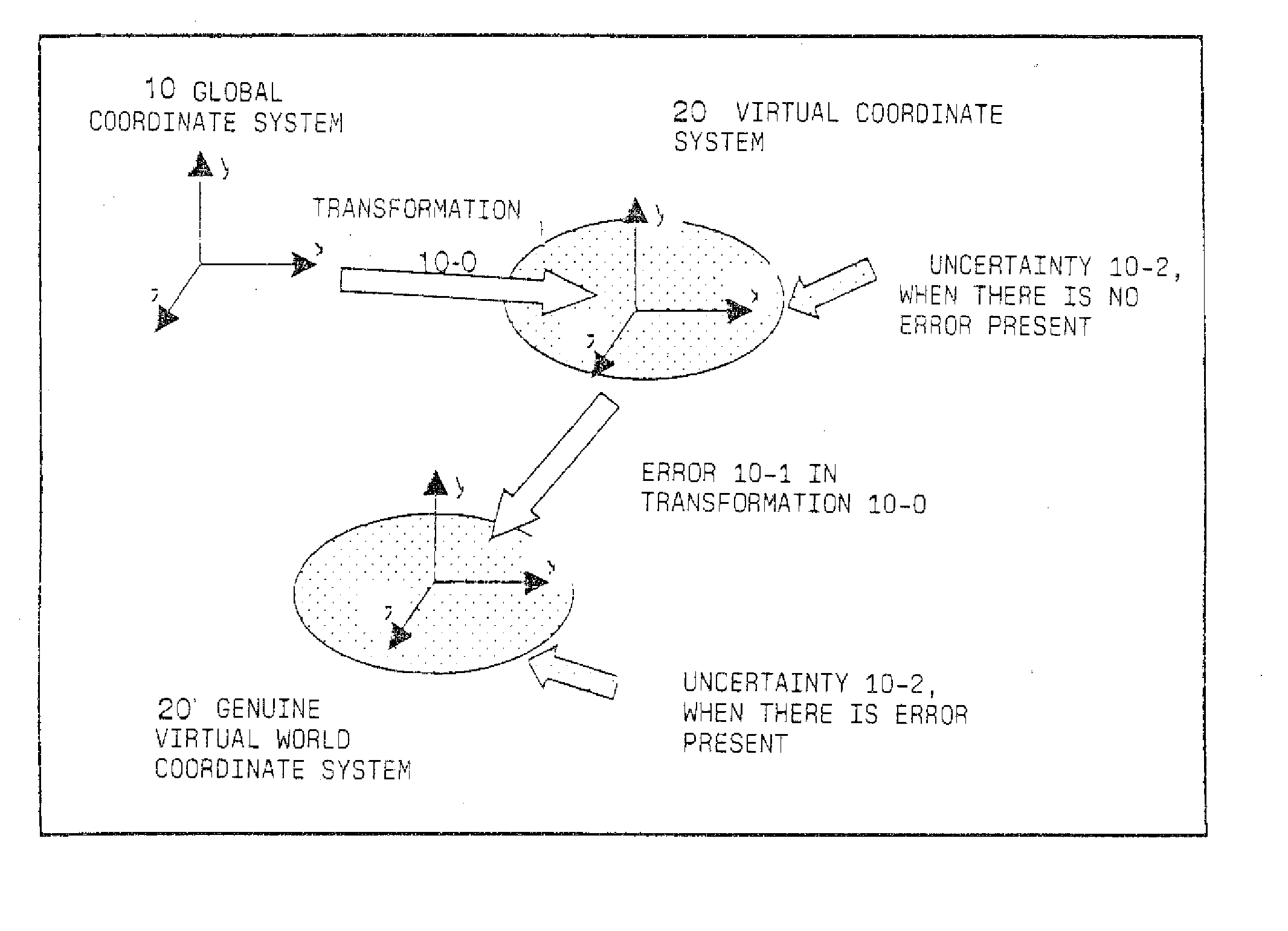
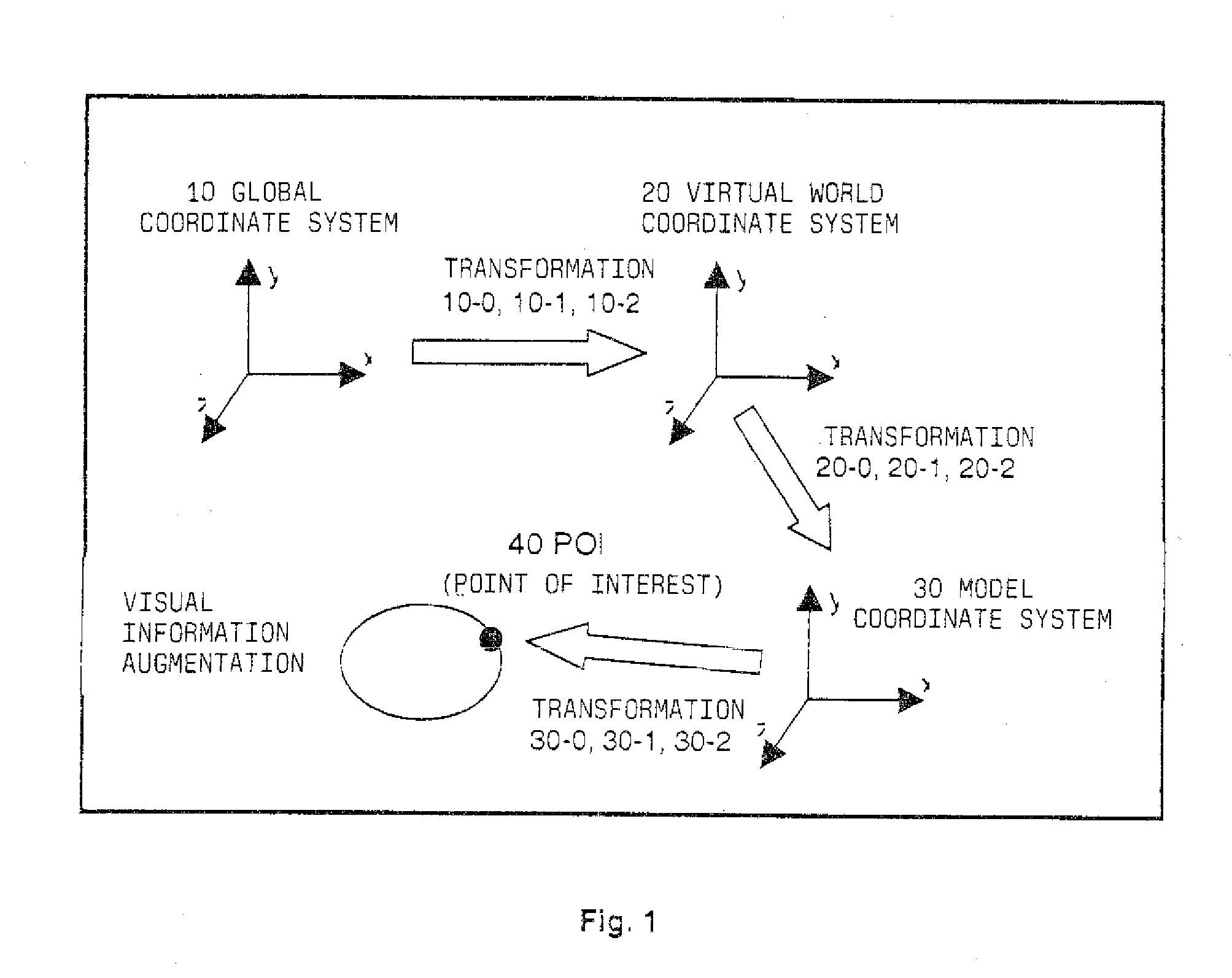
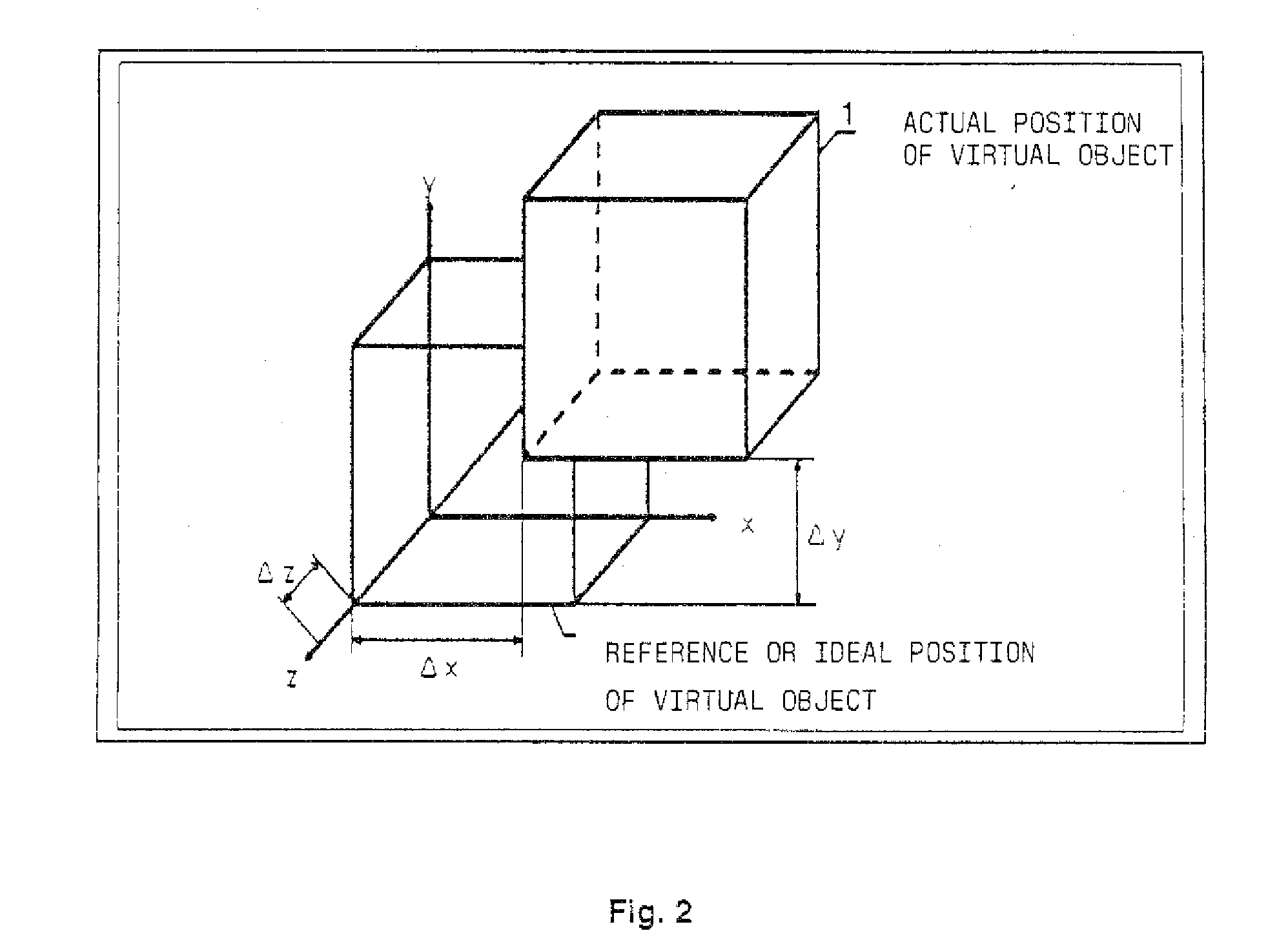
- A method and system that compute inaccuracy information by projecting a data model onto the image plane, using parameters from the mapping computing process, including tracking system data, camera calibration, and situation-specific data to provide pixel-accurate statements on the deviation of virtual objects from their reference positions, accounting for uncertainties in virtual world coordinate systems and camera parameters.

Automated resource management system (ARMSTM)
PatentInactiveUS20040133347A1
Innovation
- The Automated Resource Management System (ARMS) automates data collection, integration, analysis, and archiving using portable digital devices and specialized software, integrating data from various sources into a shared database, and providing real-time feedback for improved data quality and decision-making.


Emergency Response Regulatory Framework for ARM Systems
The regulatory landscape for Autonomous Response Mechanisms (ARM) in disaster management systems is rapidly evolving to address the critical need for data accuracy while ensuring public safety and operational effectiveness. Current regulatory frameworks primarily focus on establishing minimum performance standards for data collection, processing, and dissemination capabilities of ARM systems deployed in emergency scenarios.
International standards organizations, including ISO and IEEE, have begun developing specific protocols for ARM system certification in disaster management contexts. These emerging standards emphasize real-time data validation requirements, mandating that ARM systems maintain accuracy levels above 95% for critical parameters such as structural damage assessment, environmental hazard detection, and population density mapping during emergency operations.
Regulatory bodies across different jurisdictions are implementing tiered approval processes for ARM deployment in disaster zones. The Federal Emergency Management Agency (FEMA) in the United States has established preliminary guidelines requiring ARM systems to undergo rigorous field testing and demonstrate consistent data accuracy under simulated disaster conditions before receiving operational authorization.
European Union regulations under the Civil Protection Mechanism mandate that ARM systems integrate with existing emergency response networks while maintaining strict data quality assurance protocols. These regulations require continuous monitoring of system performance and immediate reporting of any data accuracy degradation that could compromise emergency response effectiveness.
Liability frameworks are being developed to address accountability issues when ARM systems provide inaccurate data during critical emergency operations. Current regulatory discussions focus on establishing clear responsibility chains between system manufacturers, deployment agencies, and emergency response coordinators to ensure rapid corrective actions when data accuracy issues arise.
Emerging compliance requirements emphasize the need for ARM systems to maintain detailed audit trails of all data collection and processing activities during disaster response operations. These regulatory measures aim to enable post-incident analysis and continuous improvement of system accuracy while supporting legal and insurance claim processes following disaster events.
International standards organizations, including ISO and IEEE, have begun developing specific protocols for ARM system certification in disaster management contexts. These emerging standards emphasize real-time data validation requirements, mandating that ARM systems maintain accuracy levels above 95% for critical parameters such as structural damage assessment, environmental hazard detection, and population density mapping during emergency operations.
Regulatory bodies across different jurisdictions are implementing tiered approval processes for ARM deployment in disaster zones. The Federal Emergency Management Agency (FEMA) in the United States has established preliminary guidelines requiring ARM systems to undergo rigorous field testing and demonstrate consistent data accuracy under simulated disaster conditions before receiving operational authorization.
European Union regulations under the Civil Protection Mechanism mandate that ARM systems integrate with existing emergency response networks while maintaining strict data quality assurance protocols. These regulations require continuous monitoring of system performance and immediate reporting of any data accuracy degradation that could compromise emergency response effectiveness.
Liability frameworks are being developed to address accountability issues when ARM systems provide inaccurate data during critical emergency operations. Current regulatory discussions focus on establishing clear responsibility chains between system manufacturers, deployment agencies, and emergency response coordinators to ensure rapid corrective actions when data accuracy issues arise.
Emerging compliance requirements emphasize the need for ARM systems to maintain detailed audit trails of all data collection and processing activities during disaster response operations. These regulatory measures aim to enable post-incident analysis and continuous improvement of system accuracy while supporting legal and insurance claim processes following disaster events.
Resilience Standards for ARM Disaster Management Hardware
The establishment of comprehensive resilience standards for ARM-based disaster management hardware represents a critical foundation for ensuring system reliability during catastrophic events. These standards must address the unique challenges posed by disaster scenarios, where traditional infrastructure may be compromised and environmental conditions can be extreme. ARM processors, with their inherent power efficiency and robust architecture, provide an ideal platform for disaster management systems, but require specialized resilience frameworks to maximize their effectiveness.
Physical resilience standards form the cornerstone of ARM disaster management hardware specifications. These standards must encompass environmental protection ratings that exceed typical commercial requirements, including resistance to water ingress, dust penetration, and extreme temperature variations. The hardware must maintain operational integrity under conditions ranging from -40°C to +85°C, while withstanding shock and vibration levels consistent with transportation in emergency vehicles or deployment in unstable structures. Additionally, electromagnetic interference protection becomes crucial when operating alongside high-power communication equipment and in environments with compromised electrical infrastructure.
Power resilience represents another fundamental aspect of these standards, given that disaster scenarios frequently involve extended power outages. ARM-based systems must incorporate multiple power source compatibility, including battery backup systems capable of maintaining operations for minimum 72-hour periods without external power. The standards should mandate intelligent power management protocols that can dynamically adjust processing loads and communication frequencies to extend operational duration while maintaining critical data collection and transmission capabilities.
Communication resilience standards must ensure continuous connectivity even when primary communication networks fail. This includes requirements for multi-band radio compatibility, satellite communication backup systems, and mesh networking capabilities that allow devices to maintain connectivity through peer-to-peer networks. The standards should specify minimum data transmission rates and error correction protocols that ensure accurate information exchange under challenging signal conditions.
Data integrity and security standards become paramount when dealing with sensitive disaster response information. These standards must mandate hardware-level encryption capabilities, secure boot processes, and tamper-evident designs that protect against both accidental data corruption and malicious interference. The specifications should include requirements for redundant data storage systems and automatic synchronization protocols that ensure data preservation even if individual units are damaged or destroyed during disaster response operations.
Physical resilience standards form the cornerstone of ARM disaster management hardware specifications. These standards must encompass environmental protection ratings that exceed typical commercial requirements, including resistance to water ingress, dust penetration, and extreme temperature variations. The hardware must maintain operational integrity under conditions ranging from -40°C to +85°C, while withstanding shock and vibration levels consistent with transportation in emergency vehicles or deployment in unstable structures. Additionally, electromagnetic interference protection becomes crucial when operating alongside high-power communication equipment and in environments with compromised electrical infrastructure.
Power resilience represents another fundamental aspect of these standards, given that disaster scenarios frequently involve extended power outages. ARM-based systems must incorporate multiple power source compatibility, including battery backup systems capable of maintaining operations for minimum 72-hour periods without external power. The standards should mandate intelligent power management protocols that can dynamically adjust processing loads and communication frequencies to extend operational duration while maintaining critical data collection and transmission capabilities.
Communication resilience standards must ensure continuous connectivity even when primary communication networks fail. This includes requirements for multi-band radio compatibility, satellite communication backup systems, and mesh networking capabilities that allow devices to maintain connectivity through peer-to-peer networks. The standards should specify minimum data transmission rates and error correction protocols that ensure accurate information exchange under challenging signal conditions.
Data integrity and security standards become paramount when dealing with sensitive disaster response information. These standards must mandate hardware-level encryption capabilities, secure boot processes, and tamper-evident designs that protect against both accidental data corruption and malicious interference. The specifications should include requirements for redundant data storage systems and automatic synchronization protocols that ensure data preservation even if individual units are damaged or destroyed during disaster response operations.
Unlock deeper insights with PatSnap Eureka Quick Research — get a full tech report to explore trends and direct your research. Try now!
Generate Your Research Report Instantly with AI Agent
Supercharge your innovation with PatSnap Eureka AI Agent Platform!