ARM vs Intel: Server Application Performance Comparison
MAR 25, 20269 MIN READ
Generate Your Research Report Instantly with AI Agent
PatSnap Eureka helps you evaluate technical feasibility & market potential.
ARM vs Intel Server Architecture Background and Objectives
The server computing landscape has undergone significant transformation over the past two decades, with the traditional dominance of x86 architecture facing unprecedented challenges from ARM-based processors. Intel's x86 architecture has historically maintained supremacy in enterprise server environments since the 1990s, establishing itself as the de facto standard for data centers worldwide. However, the emergence of ARM processors in server applications represents a paradigm shift that began gaining momentum around 2010, driven by the success of ARM designs in mobile computing and the growing demand for energy-efficient server solutions.
The evolution of server architectures reflects broader industry trends toward cloud computing, virtualization, and edge computing deployments. Intel's Complex Instruction Set Computing (CISC) approach has provided robust performance for traditional server workloads, offering high single-thread performance and extensive software ecosystem compatibility. Meanwhile, ARM's Reduced Instruction Set Computing (RISC) philosophy emphasizes power efficiency and scalability, characteristics that have become increasingly valuable in modern data center operations where energy consumption and total cost of ownership are critical considerations.
Recent technological developments have accelerated this architectural competition. ARM's introduction of 64-bit server-class processors, coupled with major cloud providers' adoption of custom ARM chips, has legitimized ARM as a viable alternative to Intel in server environments. Companies like Amazon with their Graviton processors, Apple with M-series chips, and various other semiconductor manufacturers have demonstrated ARM's capability to deliver competitive performance while maintaining superior power efficiency ratios.
The primary objective of comparing ARM versus Intel server architectures centers on evaluating performance characteristics across diverse application workloads. This analysis aims to quantify the performance differences in compute-intensive tasks, memory bandwidth utilization, I/O operations, and specialized workloads such as machine learning inference, web serving, and database operations. Understanding these performance variations is crucial for enterprise decision-making regarding infrastructure investments and application deployment strategies.
Furthermore, this comparative analysis seeks to establish benchmarks for total cost of ownership considerations, including initial hardware costs, operational expenses related to power consumption and cooling requirements, and long-term scalability implications. The evaluation will provide insights into optimal use cases for each architecture, enabling organizations to make informed decisions based on their specific workload requirements and operational constraints.
The evolution of server architectures reflects broader industry trends toward cloud computing, virtualization, and edge computing deployments. Intel's Complex Instruction Set Computing (CISC) approach has provided robust performance for traditional server workloads, offering high single-thread performance and extensive software ecosystem compatibility. Meanwhile, ARM's Reduced Instruction Set Computing (RISC) philosophy emphasizes power efficiency and scalability, characteristics that have become increasingly valuable in modern data center operations where energy consumption and total cost of ownership are critical considerations.
Recent technological developments have accelerated this architectural competition. ARM's introduction of 64-bit server-class processors, coupled with major cloud providers' adoption of custom ARM chips, has legitimized ARM as a viable alternative to Intel in server environments. Companies like Amazon with their Graviton processors, Apple with M-series chips, and various other semiconductor manufacturers have demonstrated ARM's capability to deliver competitive performance while maintaining superior power efficiency ratios.
The primary objective of comparing ARM versus Intel server architectures centers on evaluating performance characteristics across diverse application workloads. This analysis aims to quantify the performance differences in compute-intensive tasks, memory bandwidth utilization, I/O operations, and specialized workloads such as machine learning inference, web serving, and database operations. Understanding these performance variations is crucial for enterprise decision-making regarding infrastructure investments and application deployment strategies.
Furthermore, this comparative analysis seeks to establish benchmarks for total cost of ownership considerations, including initial hardware costs, operational expenses related to power consumption and cooling requirements, and long-term scalability implications. The evaluation will provide insights into optimal use cases for each architecture, enabling organizations to make informed decisions based on their specific workload requirements and operational constraints.
Market Demand Analysis for ARM and Intel Server Solutions
The server processor market is experiencing a fundamental shift driven by evolving computational demands and energy efficiency requirements. Traditional x86-based Intel processors have dominated enterprise server environments for decades, but ARM-based solutions are gaining significant traction across various market segments. This transformation reflects changing priorities in data center operations, where performance-per-watt metrics increasingly influence procurement decisions.
Cloud service providers represent the largest and most influential market segment driving ARM adoption in server applications. Major hyperscale operators are actively diversifying their processor architectures to optimize workload-specific performance and reduce operational costs. The demand stems from the need to handle massive parallel processing tasks, web services, and containerized applications where ARM's architectural advantages become apparent.
Enterprise customers are demonstrating growing interest in ARM-based server solutions, particularly for specific use cases such as web serving, content delivery, and microservices architectures. The market demand is primarily driven by total cost of ownership considerations, including reduced power consumption and competitive pricing models. However, adoption rates vary significantly based on application compatibility requirements and existing infrastructure investments.
Edge computing applications present another rapidly expanding market segment where ARM processors show strong competitive positioning. The demand for low-power, high-efficiency computing solutions in edge deployments aligns well with ARM's architectural strengths. Industries such as telecommunications, manufacturing, and retail are increasingly evaluating ARM-based servers for distributed computing scenarios.
High-performance computing workloads represent a specialized but growing market segment where both ARM and Intel solutions compete based on specific performance characteristics. Scientific computing, artificial intelligence training, and data analytics applications drive demand for processors that can deliver optimal performance for particular computational patterns.
The geographic distribution of market demand shows notable variations, with Asian markets demonstrating higher ARM adoption rates compared to traditional enterprise markets in North America and Europe. This regional difference reflects varying cost sensitivities, infrastructure modernization cycles, and local vendor preferences that influence processor selection decisions across different market territories.
Cloud service providers represent the largest and most influential market segment driving ARM adoption in server applications. Major hyperscale operators are actively diversifying their processor architectures to optimize workload-specific performance and reduce operational costs. The demand stems from the need to handle massive parallel processing tasks, web services, and containerized applications where ARM's architectural advantages become apparent.
Enterprise customers are demonstrating growing interest in ARM-based server solutions, particularly for specific use cases such as web serving, content delivery, and microservices architectures. The market demand is primarily driven by total cost of ownership considerations, including reduced power consumption and competitive pricing models. However, adoption rates vary significantly based on application compatibility requirements and existing infrastructure investments.
Edge computing applications present another rapidly expanding market segment where ARM processors show strong competitive positioning. The demand for low-power, high-efficiency computing solutions in edge deployments aligns well with ARM's architectural strengths. Industries such as telecommunications, manufacturing, and retail are increasingly evaluating ARM-based servers for distributed computing scenarios.
High-performance computing workloads represent a specialized but growing market segment where both ARM and Intel solutions compete based on specific performance characteristics. Scientific computing, artificial intelligence training, and data analytics applications drive demand for processors that can deliver optimal performance for particular computational patterns.
The geographic distribution of market demand shows notable variations, with Asian markets demonstrating higher ARM adoption rates compared to traditional enterprise markets in North America and Europe. This regional difference reflects varying cost sensitivities, infrastructure modernization cycles, and local vendor preferences that influence processor selection decisions across different market territories.
Current Performance Status and Technical Challenges
The server processor landscape has undergone significant transformation over the past decade, with ARM-based processors emerging as formidable competitors to Intel's long-standing x86 dominance. Intel's Xeon series has traditionally maintained market leadership through superior single-threaded performance and extensive software ecosystem compatibility. However, recent benchmarks reveal that ARM processors, particularly Amazon's Graviton3 and Ampere's Altra series, have achieved competitive performance levels while offering substantial advantages in power efficiency and cost-effectiveness.
Current performance metrics demonstrate that Intel processors typically excel in legacy enterprise applications and workloads requiring high single-core performance, with Xeon processors delivering 15-25% better performance in traditional database operations and compute-intensive tasks. Conversely, ARM processors show superior performance in cloud-native applications, containerized workloads, and distributed computing scenarios, often achieving 20-40% better performance-per-watt ratios.
The primary technical challenge facing ARM adoption lies in software compatibility and optimization. Many enterprise applications remain optimized for x86 architecture, requiring significant recompilation and optimization efforts for ARM deployment. This creates performance gaps in specific workloads where software hasn't been properly adapted, particularly in specialized enterprise software and legacy systems integration.
Memory subsystem architecture presents another critical performance differentiator. Intel's processors benefit from mature memory controller designs and extensive cache hierarchies, while ARM processors often implement more distributed memory architectures that excel in multi-threaded scenarios but may underperform in memory-intensive single-threaded applications.
Virtualization and containerization performance represents an evolving battleground. ARM processors demonstrate exceptional efficiency in container orchestration and microservices architectures, while Intel maintains advantages in traditional virtualization environments and mixed workload scenarios. The performance gap continues narrowing as ARM-specific optimizations mature.
Power efficiency remains ARM's most significant advantage, with ARM-based servers typically consuming 30-50% less power for equivalent computational throughput. This efficiency translates directly into operational cost savings and improved data center density, making ARM particularly attractive for hyperscale cloud deployments and edge computing applications where power constraints are critical factors.
Current performance metrics demonstrate that Intel processors typically excel in legacy enterprise applications and workloads requiring high single-core performance, with Xeon processors delivering 15-25% better performance in traditional database operations and compute-intensive tasks. Conversely, ARM processors show superior performance in cloud-native applications, containerized workloads, and distributed computing scenarios, often achieving 20-40% better performance-per-watt ratios.
The primary technical challenge facing ARM adoption lies in software compatibility and optimization. Many enterprise applications remain optimized for x86 architecture, requiring significant recompilation and optimization efforts for ARM deployment. This creates performance gaps in specific workloads where software hasn't been properly adapted, particularly in specialized enterprise software and legacy systems integration.
Memory subsystem architecture presents another critical performance differentiator. Intel's processors benefit from mature memory controller designs and extensive cache hierarchies, while ARM processors often implement more distributed memory architectures that excel in multi-threaded scenarios but may underperform in memory-intensive single-threaded applications.
Virtualization and containerization performance represents an evolving battleground. ARM processors demonstrate exceptional efficiency in container orchestration and microservices architectures, while Intel maintains advantages in traditional virtualization environments and mixed workload scenarios. The performance gap continues narrowing as ARM-specific optimizations mature.
Power efficiency remains ARM's most significant advantage, with ARM-based servers typically consuming 30-50% less power for equivalent computational throughput. This efficiency translates directly into operational cost savings and improved data center density, making ARM particularly attractive for hyperscale cloud deployments and edge computing applications where power constraints are critical factors.
Current Performance Optimization Solutions
01 ARM processor architecture and instruction set optimization
ARM processors utilize RISC (Reduced Instruction Set Computing) architecture that emphasizes simplified instructions for improved efficiency. The architecture focuses on power efficiency through streamlined instruction execution, pipeline optimization, and reduced complexity in instruction decoding. This design approach enables better performance per watt compared to traditional complex instruction set architectures, making it particularly suitable for mobile and embedded applications.- ARM processor architecture and instruction set optimization: ARM processors utilize RISC (Reduced Instruction Set Computing) architecture with optimized instruction sets that enable efficient processing with lower power consumption. The architecture focuses on simplified instructions that can be executed in fewer clock cycles, making them suitable for mobile and embedded applications. Performance enhancements include pipeline optimization, branch prediction, and cache management techniques specifically designed for ARM's architecture.
- Intel x86 processor performance enhancement technologies: Intel processors employ complex instruction set computing (CISC) architecture with advanced performance features including hyper-threading, turbo boost, and multi-core processing capabilities. These processors integrate sophisticated cache hierarchies, out-of-order execution, and speculative execution to maximize throughput. The architecture supports high-frequency operation and parallel processing for compute-intensive applications.
- Power efficiency and thermal management comparison: Different processor architectures implement distinct power management strategies affecting overall performance. Energy-efficient designs incorporate dynamic voltage and frequency scaling, power gating, and thermal throttling mechanisms. These technologies balance performance requirements with power consumption constraints, particularly important for battery-powered devices and data center applications where thermal dissipation is critical.
- Multi-core processing and parallel computing capabilities: Modern processors from both architectures feature multiple cores with varying configurations to handle parallel workloads. Implementation includes symmetric and asymmetric multi-processing designs, core interconnect technologies, and shared cache architectures. Performance scaling depends on workload characteristics, thread-level parallelism, and the efficiency of inter-core communication mechanisms.
- Benchmark testing and performance evaluation methods: Performance comparison requires standardized testing methodologies that measure various metrics including computational throughput, memory bandwidth, instruction execution rates, and real-world application performance. Evaluation frameworks assess single-threaded and multi-threaded performance, power efficiency ratios, and performance per watt metrics. Testing environments must account for different optimization levels, compiler variations, and operating system implementations.
02 Intel x86 processor performance enhancement techniques
Intel processors employ complex instruction set computing with advanced features including out-of-order execution, speculative execution, and sophisticated branch prediction mechanisms. These processors integrate multiple optimization layers including microcode translation, large cache hierarchies, and hyper-threading technology to maximize instruction throughput and computational performance for demanding workloads.Expand Specific Solutions03 Heterogeneous computing systems combining ARM and x86 architectures
Hybrid computing platforms integrate both ARM and x86 processors to leverage the strengths of each architecture. These systems implement intelligent task scheduling and workload distribution mechanisms that assign computationally intensive tasks to high-performance cores while delegating power-sensitive operations to energy-efficient cores. This approach optimizes overall system performance while managing thermal and power constraints.Expand Specific Solutions04 Performance benchmarking and comparison methodologies
Standardized testing frameworks evaluate processor performance across multiple dimensions including integer and floating-point operations, memory bandwidth, cache efficiency, and multi-threaded workload handling. These methodologies employ synthetic benchmarks and real-world application testing to provide comprehensive performance metrics that account for architectural differences and enable objective comparisons between processor families.Expand Specific Solutions05 Power efficiency and thermal management in processor design
Modern processor designs incorporate dynamic voltage and frequency scaling, advanced power gating techniques, and thermal monitoring systems to optimize performance within power and thermal envelopes. These technologies enable processors to adapt their operating parameters in real-time based on workload demands, ambient conditions, and system constraints, balancing peak performance capabilities with sustained operation requirements.Expand Specific Solutions
Major Players in ARM and Intel Server Ecosystem
The ARM vs Intel server application performance comparison represents a mature and intensely competitive market segment within the broader data center processor industry. The market has reached a significant scale, driven by cloud computing expansion and enterprise digital transformation initiatives. Technology maturity varies significantly across key players, with Intel Corp. maintaining established x86 dominance through decades of optimization, while ARM LIMITED and Arm Technology (China) Co., Ltd. demonstrate rapidly advancing RISC-based architectures gaining substantial traction. Major cloud infrastructure providers like Alibaba Group Holding Ltd. and system integrators including Huawei Technologies Co., Ltd., Inspur companies, and VMware LLC are actively evaluating and deploying both architectures. The competitive landscape shows Intel's traditional performance leadership being challenged by ARM's superior power efficiency and cost-effectiveness, particularly in cloud-native workloads, creating a dynamic environment where technology selection increasingly depends on specific application requirements and total cost of ownership considerations.
Microsoft Technology Licensing LLC
Technical Solution: Microsoft has developed comprehensive server optimization strategies supporting both ARM and Intel architectures through their Azure cloud platform. The company has implemented ARM-based virtual machines using Ampere Altra processors alongside traditional Intel Xeon-based instances, providing customers with architecture choice based on workload requirements. Microsoft's approach includes extensive performance benchmarking, workload migration tools, and optimization frameworks that enable seamless deployment across different processor architectures. Their server solutions incorporate advanced virtualization technologies, container orchestration, and hybrid cloud capabilities that leverage the strengths of both ARM and Intel processors for different application scenarios.
Strengths: Multi-architecture support flexibility, extensive cloud services integration, comprehensive migration and optimization tools. Weaknesses: Dependency on third-party processor vendors, complexity in managing multi-architecture environments, potential performance variations across different processor types.
ARM LIMITED
Technical Solution: ARM's server architecture focuses on energy-efficient multi-core designs through their Neoverse platform, offering processors with up to 128 cores per socket. ARM-based servers utilize RISC instruction set architecture that provides better performance per watt ratios compared to traditional x86 systems. The Neoverse V1 and V2 cores deliver significant improvements in compute density and power efficiency, making them ideal for cloud-native applications, microservices, and containerized workloads. ARM's approach emphasizes scalable performance through higher core counts rather than individual core complexity, resulting in superior performance for highly parallel server applications and modern distributed computing environments.
Strengths: Excellent power efficiency, superior multi-threaded performance, lower total cost of ownership for scale-out workloads. Weaknesses: Limited software ecosystem maturity, potential compatibility issues with legacy applications, fewer optimization tools available.
Core Technologies in ARM vs Intel Performance Analysis
Test method of RACK-ARM (Advanced RISC Machines) server
PatentInactiveCN105354119A
Innovation
- Use the lmbench open source benchmark tool, compile the source code on the host machine through the cross-compilation compiler arm-linux-gcc, and copy it to the target machine, run the configuration script, execute the test items, and generate a test result report, including bandwidth evaluation and response time Benchmarks and processor clock ratio calculations and many other performance assessments.
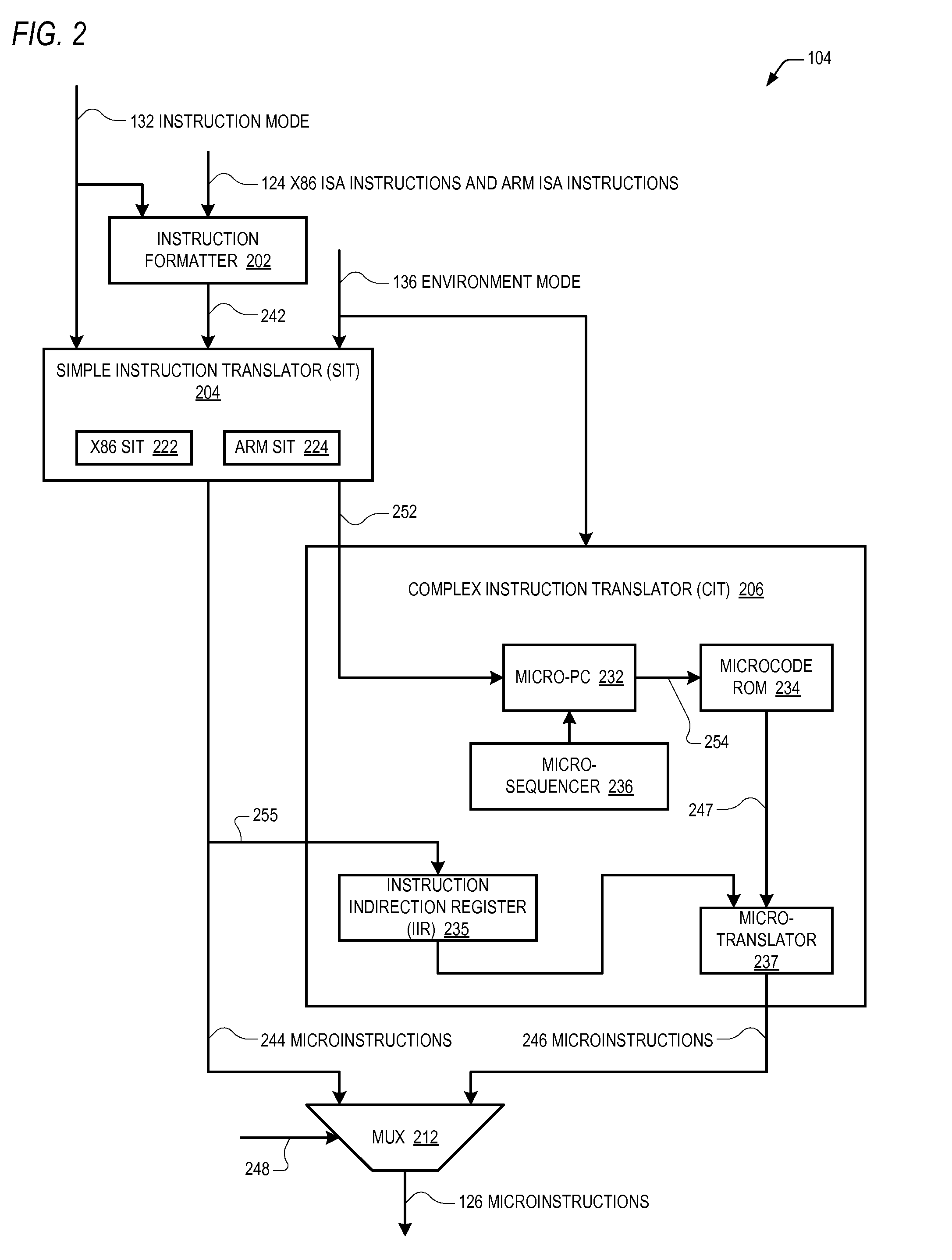
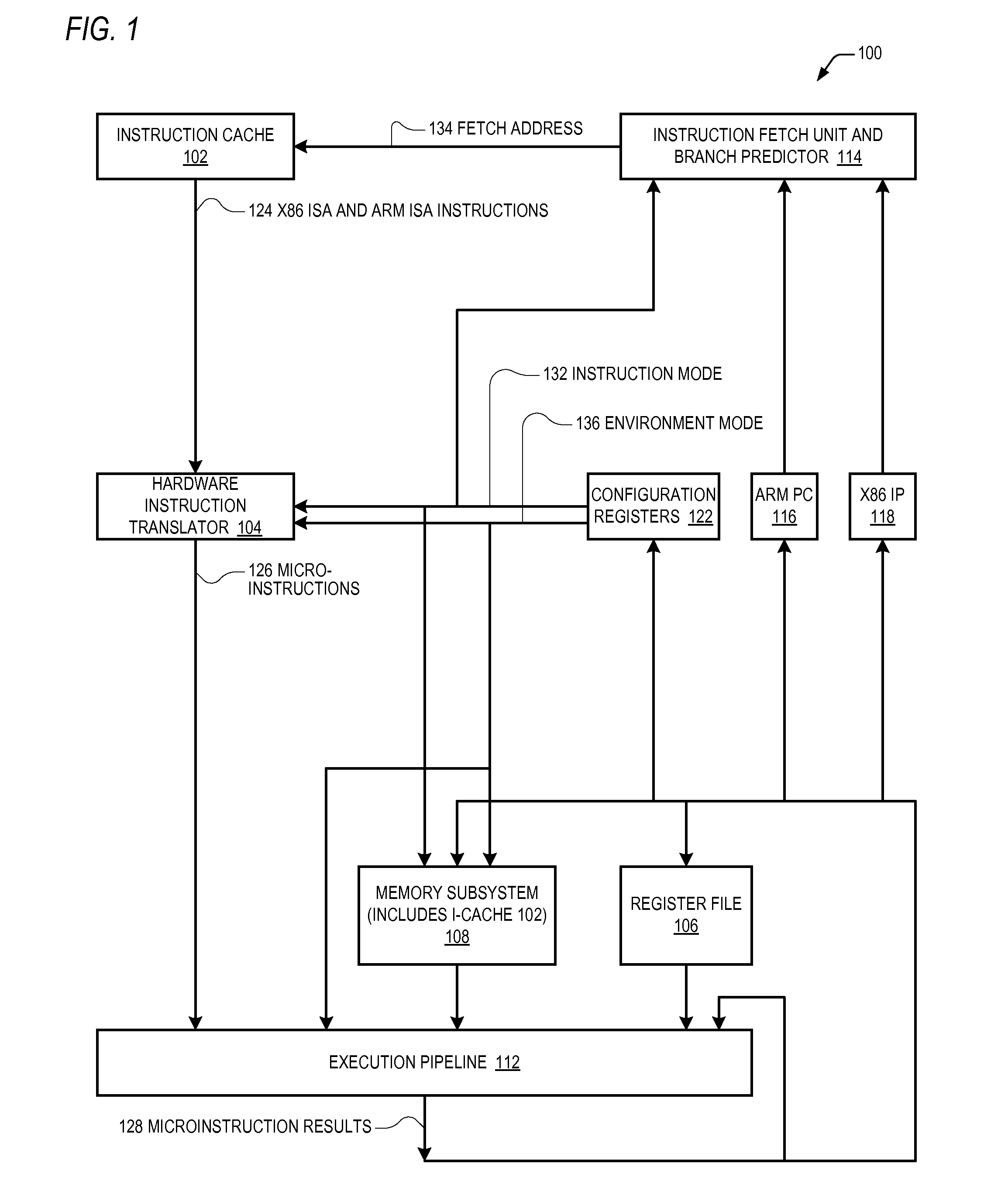
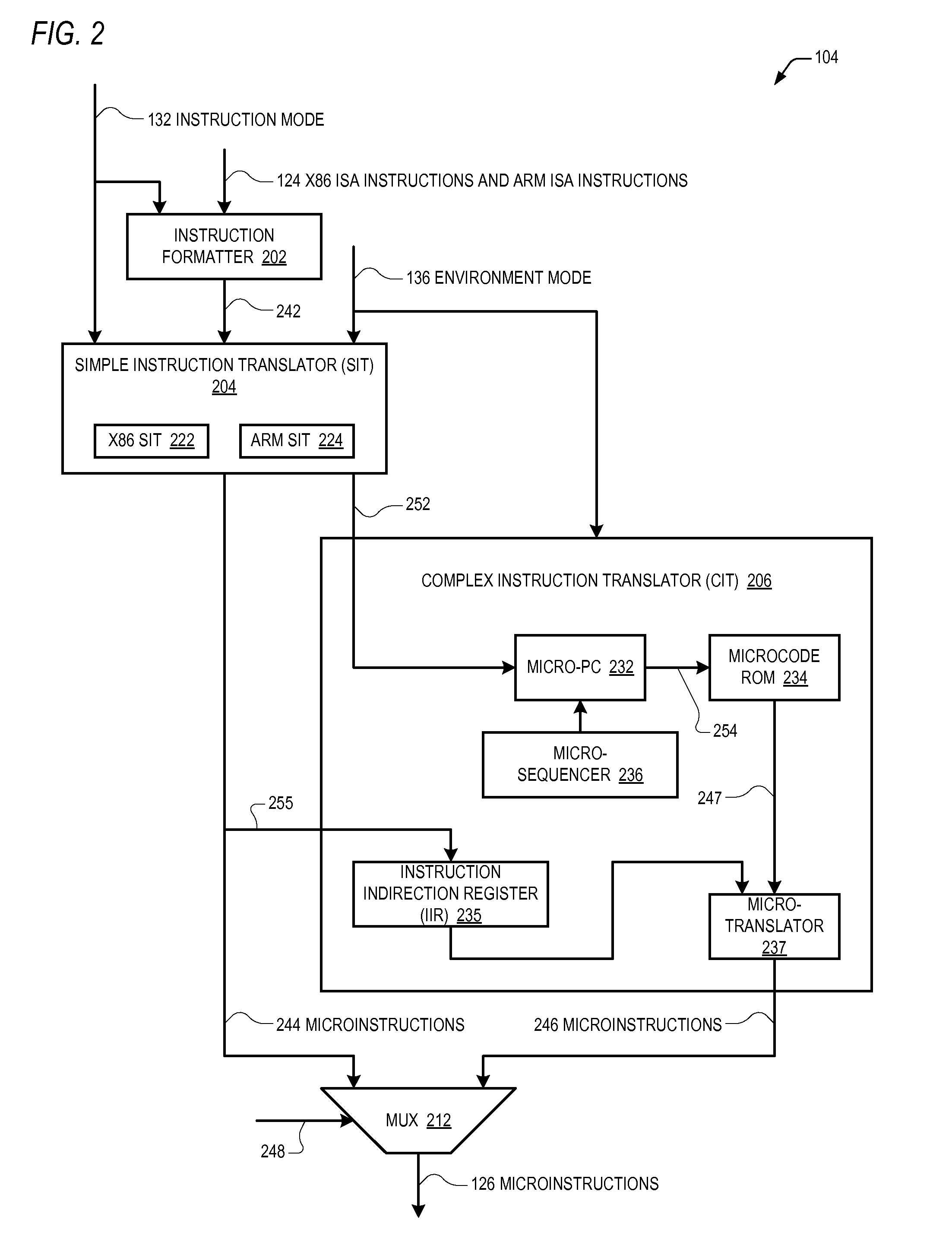
Multi-core microprocessor that performs x86 isa and arm isa machine language program instructions by hardware translation into microinstructions executed by common execution pipeline
PatentActiveUS20120260065A1
Innovation
- A multi-core processor design that includes hardware instruction translators to translate x86 and ARM instruction set architecture (ISA) machine language programs into microinstructions, which are then executed by a common execution pipeline, allowing the processor to run both x86 and ARM ISA programs.

Energy Efficiency and Sustainability Considerations
Energy efficiency has emerged as a critical differentiator in the ARM versus Intel server processor comparison, fundamentally reshaping data center economics and environmental impact assessments. ARM-based processors, built on RISC architecture principles, demonstrate superior performance-per-watt ratios across numerous server workloads, typically consuming 20-40% less power than comparable Intel x86 processors while maintaining equivalent computational throughput. This efficiency advantage stems from ARM's streamlined instruction set and optimized silicon design, which reduces unnecessary power consumption during typical server operations.
The sustainability implications extend beyond immediate power consumption to encompass total cost of ownership and carbon footprint considerations. ARM processors generate significantly less heat during operation, reducing cooling infrastructure requirements and associated energy overhead. Data centers deploying ARM-based servers report 15-25% reductions in overall facility power usage effectiveness, translating to substantial operational cost savings and reduced environmental impact over the hardware lifecycle.
Intel has responded to these challenges through architectural innovations in their latest Xeon processors, incorporating advanced power management features and process node improvements. However, the fundamental architectural differences continue to favor ARM in energy-constrained environments, particularly for cloud-native applications and containerized workloads that can leverage ARM's efficiency advantages without significant software modification overhead.
The growing emphasis on corporate sustainability mandates and carbon neutrality commitments has accelerated ARM adoption in hyperscale data centers. Major cloud providers increasingly prioritize energy efficiency metrics alongside raw performance, recognizing that long-term operational sustainability requires balancing computational capability with environmental responsibility. This shift represents a fundamental transformation in server processor evaluation criteria, where energy efficiency considerations now carry equal weight with traditional performance benchmarks in procurement decisions.
The sustainability implications extend beyond immediate power consumption to encompass total cost of ownership and carbon footprint considerations. ARM processors generate significantly less heat during operation, reducing cooling infrastructure requirements and associated energy overhead. Data centers deploying ARM-based servers report 15-25% reductions in overall facility power usage effectiveness, translating to substantial operational cost savings and reduced environmental impact over the hardware lifecycle.
Intel has responded to these challenges through architectural innovations in their latest Xeon processors, incorporating advanced power management features and process node improvements. However, the fundamental architectural differences continue to favor ARM in energy-constrained environments, particularly for cloud-native applications and containerized workloads that can leverage ARM's efficiency advantages without significant software modification overhead.
The growing emphasis on corporate sustainability mandates and carbon neutrality commitments has accelerated ARM adoption in hyperscale data centers. Major cloud providers increasingly prioritize energy efficiency metrics alongside raw performance, recognizing that long-term operational sustainability requires balancing computational capability with environmental responsibility. This shift represents a fundamental transformation in server processor evaluation criteria, where energy efficiency considerations now carry equal weight with traditional performance benchmarks in procurement decisions.
Cloud Infrastructure Migration Strategies
The transition from Intel x86 to ARM-based server architectures represents a fundamental shift in cloud infrastructure design, requiring comprehensive migration strategies that address both technical and operational challenges. Organizations must carefully evaluate their existing workloads, application dependencies, and performance requirements before initiating any migration process.
A phased migration approach proves most effective for large-scale cloud deployments. The initial phase should focus on stateless applications and microservices that demonstrate natural compatibility with ARM processors. Web servers, content delivery networks, and containerized applications typically exhibit excellent performance characteristics on ARM platforms while requiring minimal code modifications. This approach allows organizations to gain operational experience with ARM infrastructure before migrating more complex workloads.
Containerization emerges as a critical enabler for ARM migration strategies. Docker containers and Kubernetes orchestration platforms provide abstraction layers that simplify the transition between processor architectures. Organizations should prioritize containerizing legacy applications during the pre-migration phase, ensuring that container images are built for multi-architecture support. This strategy significantly reduces migration complexity and enables seamless workload portability between Intel and ARM environments.
Database migration requires specialized attention due to performance-critical nature and data integrity requirements. ARM-optimized database engines, including MySQL, PostgreSQL, and NoSQL solutions, demonstrate competitive performance metrics compared to Intel counterparts. However, migration strategies must account for potential differences in memory management, I/O patterns, and query optimization behaviors. Comprehensive testing environments should validate database performance under realistic workload conditions before production migration.
Application recompilation and optimization represent essential components of ARM migration strategies. While many modern applications compile natively for ARM64 architecture, legacy software may require source code modifications or dependency updates. Organizations should establish automated build pipelines that support cross-compilation for both architectures, enabling parallel testing and gradual migration processes.
Cost optimization strategies must balance migration expenses against long-term operational savings. ARM-based cloud instances typically offer superior price-performance ratios for specific workload types, particularly those emphasizing energy efficiency and sustained performance. Migration planning should include detailed cost modeling that accounts for retraining expenses, testing infrastructure, and potential performance optimization requirements.
A phased migration approach proves most effective for large-scale cloud deployments. The initial phase should focus on stateless applications and microservices that demonstrate natural compatibility with ARM processors. Web servers, content delivery networks, and containerized applications typically exhibit excellent performance characteristics on ARM platforms while requiring minimal code modifications. This approach allows organizations to gain operational experience with ARM infrastructure before migrating more complex workloads.
Containerization emerges as a critical enabler for ARM migration strategies. Docker containers and Kubernetes orchestration platforms provide abstraction layers that simplify the transition between processor architectures. Organizations should prioritize containerizing legacy applications during the pre-migration phase, ensuring that container images are built for multi-architecture support. This strategy significantly reduces migration complexity and enables seamless workload portability between Intel and ARM environments.
Database migration requires specialized attention due to performance-critical nature and data integrity requirements. ARM-optimized database engines, including MySQL, PostgreSQL, and NoSQL solutions, demonstrate competitive performance metrics compared to Intel counterparts. However, migration strategies must account for potential differences in memory management, I/O patterns, and query optimization behaviors. Comprehensive testing environments should validate database performance under realistic workload conditions before production migration.
Application recompilation and optimization represent essential components of ARM migration strategies. While many modern applications compile natively for ARM64 architecture, legacy software may require source code modifications or dependency updates. Organizations should establish automated build pipelines that support cross-compilation for both architectures, enabling parallel testing and gradual migration processes.
Cost optimization strategies must balance migration expenses against long-term operational savings. ARM-based cloud instances typically offer superior price-performance ratios for specific workload types, particularly those emphasizing energy efficiency and sustained performance. Migration planning should include detailed cost modeling that accounts for retraining expenses, testing infrastructure, and potential performance optimization requirements.
Unlock deeper insights with PatSnap Eureka Quick Research — get a full tech report to explore trends and direct your research. Try now!
Generate Your Research Report Instantly with AI Agent
Supercharge your innovation with PatSnap Eureka AI Agent Platform!