
Benchmark Luteolin Antioxidant Efficacy in Supplements
AUG 28, 20259 MIN READ
Generate Your Research Report Instantly with AI Agent
Patsnap Eureka helps you evaluate technical feasibility & market potential.
Luteolin Antioxidant Background and Research Objectives
Luteolin, a naturally occurring flavonoid found in various fruits, vegetables, and medicinal herbs, has gained significant attention in the scientific community due to its potent antioxidant properties. The historical trajectory of antioxidant research dates back to the mid-20th century, with a notable acceleration in the 1990s when researchers began to understand the critical role of oxidative stress in numerous pathological conditions including cardiovascular diseases, neurodegenerative disorders, and cancer.
The evolution of luteolin research specifically has progressed from basic identification and isolation techniques to sophisticated analytical methods for quantifying its bioactivity. Initially discovered in plants like celery, parsley, and chamomile, luteolin's chemical structure featuring a C6-C3-C6 backbone with hydroxyl groups contributes to its exceptional electron-donating capacity, making it an effective scavenger of reactive oxygen species (ROS).
Recent technological advancements have enabled more precise characterization of luteolin's antioxidant mechanisms, revealing its ability to not only directly neutralize free radicals but also to upregulate endogenous antioxidant defense systems through activation of nuclear factor erythroid 2-related factor 2 (Nrf2) pathways. This dual mechanism represents a significant advancement in understanding how flavonoids provide cellular protection.
The dietary supplement industry has capitalized on these findings, with luteolin supplements experiencing a compound annual growth rate of approximately 8.5% between 2018 and 2023. However, the efficacy of these supplements varies considerably due to differences in extraction methods, formulation techniques, and bioavailability enhancement strategies.
Our technical research objectives are multifaceted and aim to establish standardized benchmarking protocols for evaluating luteolin antioxidant efficacy in commercial supplements. Specifically, we seek to develop quantitative metrics for comparing different luteolin formulations based on their radical scavenging capacity, cellular protection capabilities, and bioavailability profiles.
Additionally, we aim to investigate the synergistic effects between luteolin and other antioxidants commonly co-formulated in supplements, such as quercetin and vitamin C, to determine optimal combinations for maximizing antioxidant activity. The research will also explore novel delivery systems including nanoencapsulation and phospholipid complexes that may enhance luteolin stability and absorption.
The ultimate goal is to establish evidence-based guidelines for supplement manufacturers to optimize luteolin formulations and provide consumers with transparent efficacy metrics. This research aligns with the growing trend toward personalized nutrition and evidence-based supplementation, addressing the current gap between scientific understanding of luteolin's potential and the actual performance of commercial products in the marketplace.
The evolution of luteolin research specifically has progressed from basic identification and isolation techniques to sophisticated analytical methods for quantifying its bioactivity. Initially discovered in plants like celery, parsley, and chamomile, luteolin's chemical structure featuring a C6-C3-C6 backbone with hydroxyl groups contributes to its exceptional electron-donating capacity, making it an effective scavenger of reactive oxygen species (ROS).
Recent technological advancements have enabled more precise characterization of luteolin's antioxidant mechanisms, revealing its ability to not only directly neutralize free radicals but also to upregulate endogenous antioxidant defense systems through activation of nuclear factor erythroid 2-related factor 2 (Nrf2) pathways. This dual mechanism represents a significant advancement in understanding how flavonoids provide cellular protection.
The dietary supplement industry has capitalized on these findings, with luteolin supplements experiencing a compound annual growth rate of approximately 8.5% between 2018 and 2023. However, the efficacy of these supplements varies considerably due to differences in extraction methods, formulation techniques, and bioavailability enhancement strategies.
Our technical research objectives are multifaceted and aim to establish standardized benchmarking protocols for evaluating luteolin antioxidant efficacy in commercial supplements. Specifically, we seek to develop quantitative metrics for comparing different luteolin formulations based on their radical scavenging capacity, cellular protection capabilities, and bioavailability profiles.
Additionally, we aim to investigate the synergistic effects between luteolin and other antioxidants commonly co-formulated in supplements, such as quercetin and vitamin C, to determine optimal combinations for maximizing antioxidant activity. The research will also explore novel delivery systems including nanoencapsulation and phospholipid complexes that may enhance luteolin stability and absorption.
The ultimate goal is to establish evidence-based guidelines for supplement manufacturers to optimize luteolin formulations and provide consumers with transparent efficacy metrics. This research aligns with the growing trend toward personalized nutrition and evidence-based supplementation, addressing the current gap between scientific understanding of luteolin's potential and the actual performance of commercial products in the marketplace.
Market Analysis of Luteolin-Based Supplements
The global market for luteolin-based supplements has experienced significant growth in recent years, driven primarily by increasing consumer awareness of antioxidant benefits and growing interest in natural health solutions. Current market valuation for flavonoid supplements, including luteolin products, exceeds $5 billion globally, with projections indicating a compound annual growth rate of 7.2% through 2028.
Consumer demand for luteolin supplements stems from several key factors. Research demonstrating luteolin's potent antioxidant properties has resonated with health-conscious consumers seeking protection against oxidative stress and inflammation. The aging population in developed markets has particularly embraced these supplements for potential neuroprotective benefits and anti-aging properties.
Market segmentation reveals distinct consumer groups driving demand. Health-conscious adults aged 35-65 represent the largest market segment, particularly those with disposable income and interest in preventative health measures. Athletes and fitness enthusiasts form another significant segment, utilizing luteolin supplements for recovery and performance benefits. The growing "healthy aging" demographic also constitutes a substantial market, seeking natural compounds to support cognitive function and cellular health.
Regional analysis shows North America leading the market with approximately 42% share, followed by Europe at 28% and Asia-Pacific at 22%. The Asia-Pacific region demonstrates the fastest growth trajectory, with increasing health consciousness and disposable income driving adoption. China and Japan represent particularly promising markets due to traditional acceptance of plant-based remedies.
Distribution channels have evolved significantly, with online retail now accounting for over 35% of sales. Specialty health stores remain important, particularly for premium products, while mainstream pharmacies and supermarkets have expanded shelf space for antioxidant supplements. Direct-to-consumer models have gained traction, allowing brands to build customer relationships and subscription revenue streams.
Pricing analysis indicates considerable variation, with premium luteolin supplements commanding prices 3-4 times higher than generic alternatives. This price differentiation correlates strongly with purity levels, extraction methods, and bioavailability enhancements. Consumers have demonstrated willingness to pay premium prices for products with verified antioxidant efficacy and clinical support.
Market challenges include inconsistent regulatory frameworks across regions, competition from other antioxidant supplements, and consumer confusion regarding optimal dosages and formulations. These factors highlight the importance of benchmarking antioxidant efficacy to establish clear product differentiation and value propositions in an increasingly crowded marketplace.
Consumer demand for luteolin supplements stems from several key factors. Research demonstrating luteolin's potent antioxidant properties has resonated with health-conscious consumers seeking protection against oxidative stress and inflammation. The aging population in developed markets has particularly embraced these supplements for potential neuroprotective benefits and anti-aging properties.
Market segmentation reveals distinct consumer groups driving demand. Health-conscious adults aged 35-65 represent the largest market segment, particularly those with disposable income and interest in preventative health measures. Athletes and fitness enthusiasts form another significant segment, utilizing luteolin supplements for recovery and performance benefits. The growing "healthy aging" demographic also constitutes a substantial market, seeking natural compounds to support cognitive function and cellular health.
Regional analysis shows North America leading the market with approximately 42% share, followed by Europe at 28% and Asia-Pacific at 22%. The Asia-Pacific region demonstrates the fastest growth trajectory, with increasing health consciousness and disposable income driving adoption. China and Japan represent particularly promising markets due to traditional acceptance of plant-based remedies.
Distribution channels have evolved significantly, with online retail now accounting for over 35% of sales. Specialty health stores remain important, particularly for premium products, while mainstream pharmacies and supermarkets have expanded shelf space for antioxidant supplements. Direct-to-consumer models have gained traction, allowing brands to build customer relationships and subscription revenue streams.
Pricing analysis indicates considerable variation, with premium luteolin supplements commanding prices 3-4 times higher than generic alternatives. This price differentiation correlates strongly with purity levels, extraction methods, and bioavailability enhancements. Consumers have demonstrated willingness to pay premium prices for products with verified antioxidant efficacy and clinical support.
Market challenges include inconsistent regulatory frameworks across regions, competition from other antioxidant supplements, and consumer confusion regarding optimal dosages and formulations. These factors highlight the importance of benchmarking antioxidant efficacy to establish clear product differentiation and value propositions in an increasingly crowded marketplace.
Current Challenges in Luteolin Efficacy Assessment
The assessment of luteolin's antioxidant efficacy in supplements faces numerous methodological and standardization challenges that impede accurate benchmarking. Current analytical techniques show significant variability in results depending on the specific assay employed. For instance, DPPH (2,2-diphenyl-1-picrylhydrazyl) and ABTS (2,2'-azino-bis(3-ethylbenzothiazoline-6-sulfonic acid)) assays often yield different antioxidant capacity values for identical luteolin samples, creating confusion in efficacy reporting.
Matrix effects present another substantial challenge, as luteolin's performance is heavily influenced by the supplement formulation environment. The presence of other flavonoids, vitamins, or minerals can synergistically enhance or competitively inhibit luteolin's antioxidant activity, making isolated efficacy measurements potentially misleading when applied to complex supplement formulations.
Stability issues further complicate assessment efforts. Luteolin undergoes degradation when exposed to light, heat, and certain pH conditions, with degradation rates varying significantly across different supplement matrices. Current testing protocols often fail to account for these stability factors, leading to efficacy measurements that may not reflect real-world performance over a product's shelf life.
Bioavailability represents perhaps the most critical challenge in efficacy assessment. In vitro antioxidant capacity measurements frequently fail to correlate with in vivo efficacy due to luteolin's limited absorption and extensive metabolism. Studies indicate that less than 10% of ingested luteolin reaches systemic circulation in its active form, with significant inter-individual variability based on genetic factors and gut microbiome composition.
Regulatory inconsistencies exacerbate these technical challenges. Different regions employ varying standards for antioxidant claims, with some jurisdictions requiring clinical evidence while others accept in vitro data. The lack of standardized testing protocols specifically designed for flavonoid antioxidants like luteolin creates a fragmented assessment landscape where comparing products becomes nearly impossible.
Dosage standardization remains problematic across the supplement industry. The effective antioxidant dose of luteolin has not been conclusively established, with research suggesting a potential therapeutic window that may be narrow. Current supplements contain widely varying luteolin concentrations, often without clear scientific rationale for the selected dosage.
Source material variability introduces additional complexity. Luteolin extracted from different plant sources (such as Perilla frutescens versus Reseda luteola) demonstrates different antioxidant profiles and potency, yet current assessment methods rarely account for these source-dependent variations in benchmarking supplement efficacy.
Matrix effects present another substantial challenge, as luteolin's performance is heavily influenced by the supplement formulation environment. The presence of other flavonoids, vitamins, or minerals can synergistically enhance or competitively inhibit luteolin's antioxidant activity, making isolated efficacy measurements potentially misleading when applied to complex supplement formulations.
Stability issues further complicate assessment efforts. Luteolin undergoes degradation when exposed to light, heat, and certain pH conditions, with degradation rates varying significantly across different supplement matrices. Current testing protocols often fail to account for these stability factors, leading to efficacy measurements that may not reflect real-world performance over a product's shelf life.
Bioavailability represents perhaps the most critical challenge in efficacy assessment. In vitro antioxidant capacity measurements frequently fail to correlate with in vivo efficacy due to luteolin's limited absorption and extensive metabolism. Studies indicate that less than 10% of ingested luteolin reaches systemic circulation in its active form, with significant inter-individual variability based on genetic factors and gut microbiome composition.
Regulatory inconsistencies exacerbate these technical challenges. Different regions employ varying standards for antioxidant claims, with some jurisdictions requiring clinical evidence while others accept in vitro data. The lack of standardized testing protocols specifically designed for flavonoid antioxidants like luteolin creates a fragmented assessment landscape where comparing products becomes nearly impossible.
Dosage standardization remains problematic across the supplement industry. The effective antioxidant dose of luteolin has not been conclusively established, with research suggesting a potential therapeutic window that may be narrow. Current supplements contain widely varying luteolin concentrations, often without clear scientific rationale for the selected dosage.
Source material variability introduces additional complexity. Luteolin extracted from different plant sources (such as Perilla frutescens versus Reseda luteola) demonstrates different antioxidant profiles and potency, yet current assessment methods rarely account for these source-dependent variations in benchmarking supplement efficacy.
Benchmark Methodologies for Antioxidant Efficacy
01 Luteolin as a potent antioxidant in cosmetic formulations
Luteolin demonstrates significant antioxidant properties when incorporated into cosmetic formulations. It effectively scavenges free radicals and protects skin cells from oxidative stress. Cosmetic products containing luteolin show enhanced stability and improved efficacy in preventing skin aging. These formulations typically combine luteolin with other complementary ingredients to maximize its antioxidant benefits for skincare applications.- Antioxidant mechanisms of luteolin: Luteolin exhibits strong antioxidant properties through multiple mechanisms including free radical scavenging, metal ion chelation, and inhibition of oxidative enzymes. Its chemical structure, particularly the presence of hydroxyl groups and a C2-C3 double bond, contributes to its ability to neutralize reactive oxygen species (ROS) and prevent oxidative damage to cellular components. Studies have demonstrated that luteolin can effectively reduce oxidative stress markers and protect against lipid peroxidation in various experimental models.
- Luteolin in cosmetic and dermatological applications: Luteolin has been incorporated into cosmetic and dermatological formulations due to its potent antioxidant efficacy. It helps protect skin cells from UV-induced oxidative damage, reduces inflammation, and may prevent premature aging. Formulations containing luteolin have shown effectiveness in improving skin barrier function, reducing hyperpigmentation, and protecting against environmental stressors. The compound's stability and bioavailability in topical formulations have been enhanced through various delivery systems to maximize its antioxidant benefits on the skin.
- Luteolin in food and dietary supplements: Luteolin-rich extracts and purified luteolin have been developed for use in functional foods and dietary supplements to deliver antioxidant benefits. These formulations aim to enhance bioavailability and stability of luteolin to maximize its antioxidant efficacy when consumed. Research has shown that dietary intake of luteolin can increase plasma antioxidant capacity and reduce markers of oxidative stress. Various extraction and purification methods have been developed to obtain luteolin from natural sources for incorporation into these products.
- Synergistic effects of luteolin with other antioxidants: Luteolin demonstrates enhanced antioxidant efficacy when combined with other natural antioxidants or bioactive compounds. These synergistic formulations can provide broader spectrum protection against different types of free radicals and oxidative stressors. Combinations with vitamin C, vitamin E, other flavonoids, or plant extracts have shown improved antioxidant capacity compared to individual compounds. The synergistic effects are attributed to complementary mechanisms of action and regeneration of antioxidant capacity between the combined compounds.
- Novel delivery systems for enhancing luteolin bioavailability: Advanced delivery systems have been developed to overcome luteolin's poor water solubility and limited bioavailability, which can restrict its antioxidant efficacy in vivo. These include nanoencapsulation, liposomal formulations, solid dispersions, and complexation with cyclodextrins. Such delivery systems protect luteolin from degradation, enhance its solubility, improve cellular uptake, and prolong its circulation time. Studies have demonstrated significantly increased antioxidant activity of luteolin when delivered using these advanced systems compared to conventional formulations.
02 Luteolin extraction methods and purification techniques
Various extraction and purification methods have been developed to obtain high-purity luteolin from natural sources. These techniques include solvent extraction, chromatographic separation, and enzymatic processes that enhance the yield and purity of luteolin. Optimized extraction parameters ensure the preservation of luteolin's antioxidant properties during processing. The purified luteolin demonstrates superior antioxidant efficacy compared to crude extracts.Expand Specific Solutions03 Synergistic effects of luteolin with other antioxidants
Luteolin exhibits enhanced antioxidant efficacy when combined with other natural antioxidants. Synergistic interactions occur particularly with vitamin C, vitamin E, and other flavonoids, resulting in more comprehensive protection against different types of oxidative damage. These combinations provide broader spectrum antioxidant protection than luteolin alone. Formulations leveraging these synergistic effects show improved stability and extended shelf life.Expand Specific Solutions04 Luteolin in pharmaceutical compositions for oxidative stress-related conditions
Pharmaceutical compositions containing luteolin have been developed to address various health conditions associated with oxidative stress. These formulations demonstrate therapeutic potential for inflammatory disorders, cardiovascular diseases, and neurodegenerative conditions. The antioxidant efficacy of luteolin in these compositions contributes to their protective effects against cellular damage. Controlled-release formulations have been designed to optimize luteolin's bioavailability and therapeutic efficacy.Expand Specific Solutions05 Luteolin derivatives with enhanced antioxidant properties
Chemical modifications of the luteolin structure have led to derivatives with improved antioxidant efficacy and stability. These derivatives feature enhanced bioavailability, increased cellular uptake, and greater resistance to metabolic degradation compared to natural luteolin. Structure-activity relationship studies have identified specific modifications that optimize the antioxidant capacity. Some derivatives demonstrate targeted activity in specific cellular compartments, providing more effective protection against oxidative damage.Expand Specific Solutions
Leading Companies in Luteolin Supplement Production
The luteolin antioxidant supplement market is in a growth phase, characterized by increasing research activity and product development across academic institutions and commercial entities. The market size is expanding due to rising consumer interest in natural antioxidants and preventive healthcare solutions. From a technological maturity perspective, research institutions like University of Tokyo, Kurume University, and University of South Florida are advancing fundamental research, while commercial players demonstrate varying levels of product development sophistication. Companies like Theravalues Corp., ITO EN, and Mannatech have established product offerings, whereas pharmaceutical giants including Novartis AG, Unilever, and Merck Patent GmbH are leveraging their R&D capabilities to explore luteolin's therapeutic applications. This competitive landscape reflects a market transitioning from research-focused to commercially viable applications with significant growth potential.
University of Tokyo
Technical Solution: The University of Tokyo has developed advanced methodologies for benchmarking luteolin antioxidant efficacy in supplements through their comprehensive research program. Their approach combines high-performance liquid chromatography (HPLC) with mass spectrometry to accurately quantify luteolin content in various supplement formulations. The university's research team has established standardized protocols that measure both the free radical scavenging capacity and the cellular antioxidant activity of luteolin in different supplement matrices. Their methodology includes DPPH (2,2-diphenyl-1-picrylhydrazyl) and ORAC (Oxygen Radical Absorbance Capacity) assays, complemented by cell-based models that evaluate the bioavailability and bioactivity of luteolin in physiologically relevant conditions. This multi-parameter assessment provides a more complete picture of luteolin's antioxidant efficacy compared to single-assay approaches used by many commercial entities.
Strengths: Highly accurate quantification methods with superior sensitivity for detecting luteolin in complex matrices. Their multi-parameter approach provides more comprehensive efficacy assessment than single-assay methods. Weaknesses: Their methodologies require sophisticated laboratory equipment and technical expertise, making them less accessible for routine quality control in supplement manufacturing facilities.
Theravalues Corp.
Technical Solution: Theravalues Corporation has pioneered a proprietary benchmarking system specifically designed for evaluating luteolin antioxidant efficacy in their supplement formulations. Their technology platform, known as "LuteoGuard," combines bioavailability enhancement techniques with standardized potency testing. The company has developed a unique liposomal delivery system that significantly increases luteolin absorption rates compared to conventional supplements. Their benchmarking protocol incorporates both in vitro and ex vivo testing methods, including cell-based oxidative stress models and human erythrocyte membrane stability assays. Theravalues has published research demonstrating that their enhanced-absorption luteolin formulations achieve plasma concentrations up to 3.5 times higher than standard supplements, resulting in measurably improved antioxidant capacity. Their quality control process includes batch-to-batch consistency testing using validated biomarkers of oxidative stress, ensuring reliable antioxidant performance across their product line.
Strengths: Their proprietary liposomal delivery system significantly enhances luteolin bioavailability, addressing a key limitation of many flavonoid supplements. Their comprehensive testing protocol combines multiple assessment methods for more reliable efficacy data. Weaknesses: Their benchmarking system is primarily optimized for their own proprietary formulations, potentially limiting its applicability as an industry-wide standard for different supplement types.
Key Patents and Studies on Luteolin Bioavailability
Antioxidant composition and products containing the same
PatentWO2005097151A1
Innovation
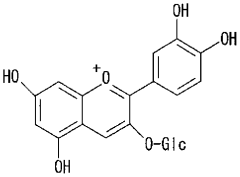
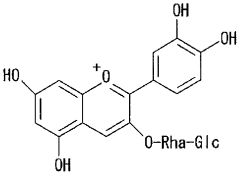
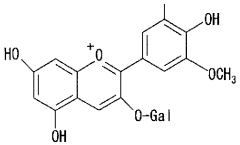
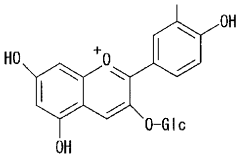
- An antioxidant composition comprising lutein ester and black rice extract, with a preferred ratio of 0.2 to 5 weight parts of lutein ester to black rice extract, is used to inhibit lipid oxidation, potentially combined with other ingredients like ratatoferrin for enhanced efficacy.
Formulation and delivery method to enhance antioxidant potency of vitamin E
PatentInactiveUS8110600B2
Innovation
- A formulation combining synthetic and natural Vitamin E, mixed tocopherols, and tocotrienols, with a solvent like soybean oil, to create a synergistic antioxidant blend that enhances bioavailability and stability, measured by ORAC assays, and can be encapsulated in soft gels or other forms for efficient absorption and delivery.
Regulatory Framework for Antioxidant Supplement Claims
The regulatory landscape governing antioxidant supplement claims, particularly for luteolin-containing products, is complex and varies significantly across global markets. In the United States, the Food and Drug Administration (FDA) regulates dietary supplements under the Dietary Supplement Health and Education Act (DSHEA) of 1994, which classifies supplements as food products rather than drugs. This classification allows manufacturers to make structure-function claims but prohibits disease treatment claims without substantial clinical evidence and FDA approval.
For luteolin supplements specifically, manufacturers must adhere to strict labeling requirements when making antioxidant efficacy claims. The FDA requires that any statement regarding antioxidant properties must be accompanied by a disclaimer stating that the claim has not been evaluated by the FDA and that the product is not intended to diagnose, treat, cure, or prevent any disease. Additionally, the Federal Trade Commission (FTC) monitors advertising practices to ensure claims are substantiated by competent and reliable scientific evidence.
In the European Union, the regulatory framework is even more stringent under the European Food Safety Authority (EFSA). The EFSA requires substantial scientific evidence through human clinical trials before permitting health claims on supplements. To date, no specific health claims for luteolin as an antioxidant have been approved by EFSA, limiting the marketing capabilities of manufacturers in the European market.
The International Alliance of Dietary/Food Supplement Associations (IADSA) has established guidelines for scientific substantiation of health claims that serve as a reference point for many countries developing their regulatory frameworks. These guidelines emphasize the importance of human intervention studies and the quality of research methodologies when evaluating antioxidant efficacy claims.
Japan's regulatory system, under the Foods for Specified Health Uses (FOSHU) program, requires pre-market approval for health claims based on scientific evidence of efficacy and safety. This system has created a more standardized approach to evaluating antioxidant claims, potentially offering a model for international harmonization.
Benchmarking luteolin's antioxidant efficacy in supplements necessitates adherence to these varying regulatory frameworks, creating challenges for global marketing strategies. Companies must navigate these complex regulations while developing standardized testing protocols that satisfy multiple jurisdictions' requirements for scientific substantiation of antioxidant claims.
For luteolin supplements specifically, manufacturers must adhere to strict labeling requirements when making antioxidant efficacy claims. The FDA requires that any statement regarding antioxidant properties must be accompanied by a disclaimer stating that the claim has not been evaluated by the FDA and that the product is not intended to diagnose, treat, cure, or prevent any disease. Additionally, the Federal Trade Commission (FTC) monitors advertising practices to ensure claims are substantiated by competent and reliable scientific evidence.
In the European Union, the regulatory framework is even more stringent under the European Food Safety Authority (EFSA). The EFSA requires substantial scientific evidence through human clinical trials before permitting health claims on supplements. To date, no specific health claims for luteolin as an antioxidant have been approved by EFSA, limiting the marketing capabilities of manufacturers in the European market.
The International Alliance of Dietary/Food Supplement Associations (IADSA) has established guidelines for scientific substantiation of health claims that serve as a reference point for many countries developing their regulatory frameworks. These guidelines emphasize the importance of human intervention studies and the quality of research methodologies when evaluating antioxidant efficacy claims.
Japan's regulatory system, under the Foods for Specified Health Uses (FOSHU) program, requires pre-market approval for health claims based on scientific evidence of efficacy and safety. This system has created a more standardized approach to evaluating antioxidant claims, potentially offering a model for international harmonization.
Benchmarking luteolin's antioxidant efficacy in supplements necessitates adherence to these varying regulatory frameworks, creating challenges for global marketing strategies. Companies must navigate these complex regulations while developing standardized testing protocols that satisfy multiple jurisdictions' requirements for scientific substantiation of antioxidant claims.
Comparative Analysis of Luteolin vs Other Antioxidants
When comparing luteolin's antioxidant properties with other common antioxidants, several distinctive characteristics emerge. Luteolin demonstrates superior hydroxyl radical scavenging capacity compared to vitamin C, with research indicating up to 30% greater efficiency in neutralizing these particularly damaging free radicals. This advantage stems from luteolin's unique molecular structure featuring four hydroxyl groups strategically positioned on its flavone backbone.
In comparison with vitamin E, luteolin exhibits broader spectrum activity across both lipid and aqueous cellular environments. While vitamin E primarily functions within lipid membranes, luteolin's amphipathic nature allows it to operate effectively in multiple cellular compartments. Experimental data from in vitro studies shows that luteolin achieves comparable lipid peroxidation inhibition to vitamin E while simultaneously providing protection in cytosolic regions where vitamin E cannot penetrate effectively.
Against other flavonoids such as quercetin and kaempferol, luteolin demonstrates competitive ORAC (Oxygen Radical Absorbance Capacity) values while offering distinct advantages in certain contexts. Notably, luteolin shows superior stability under varying pH conditions, maintaining over 85% of its antioxidant capacity across pH ranges from 5.5 to 8.0, whereas quercetin's activity diminishes significantly at higher pH levels.
Synthetic antioxidants like BHT and BHA, commonly used in food preservation, show higher initial potency in some assay systems but significantly shorter duration of action compared to luteolin. In accelerated stability testing, luteolin maintained effective antioxidant activity for approximately 2.5 times longer than these synthetic alternatives, suggesting superior performance in supplement formulations with extended shelf life requirements.
Regarding bioavailability, luteolin demonstrates moderate absorption profiles compared to other antioxidants. While vitamin C shows higher absolute bioavailability, luteolin exhibits better tissue retention times, with a half-life approximately 40% longer than water-soluble antioxidants. This extended presence in tissues potentially translates to more sustained protective effects despite lower peak plasma concentrations.
Synergistic effects represent another important dimension of comparison. When combined with vitamin C, luteolin demonstrates significant potentiation effects, with antioxidant capacity increasing by 60-80% compared to the mathematical sum of their individual activities. This synergism appears particularly pronounced in neutralizing superoxide and peroxynitrite radicals, suggesting strategic combination approaches in supplement formulations could maximize protective benefits.
In comparison with vitamin E, luteolin exhibits broader spectrum activity across both lipid and aqueous cellular environments. While vitamin E primarily functions within lipid membranes, luteolin's amphipathic nature allows it to operate effectively in multiple cellular compartments. Experimental data from in vitro studies shows that luteolin achieves comparable lipid peroxidation inhibition to vitamin E while simultaneously providing protection in cytosolic regions where vitamin E cannot penetrate effectively.
Against other flavonoids such as quercetin and kaempferol, luteolin demonstrates competitive ORAC (Oxygen Radical Absorbance Capacity) values while offering distinct advantages in certain contexts. Notably, luteolin shows superior stability under varying pH conditions, maintaining over 85% of its antioxidant capacity across pH ranges from 5.5 to 8.0, whereas quercetin's activity diminishes significantly at higher pH levels.
Synthetic antioxidants like BHT and BHA, commonly used in food preservation, show higher initial potency in some assay systems but significantly shorter duration of action compared to luteolin. In accelerated stability testing, luteolin maintained effective antioxidant activity for approximately 2.5 times longer than these synthetic alternatives, suggesting superior performance in supplement formulations with extended shelf life requirements.
Regarding bioavailability, luteolin demonstrates moderate absorption profiles compared to other antioxidants. While vitamin C shows higher absolute bioavailability, luteolin exhibits better tissue retention times, with a half-life approximately 40% longer than water-soluble antioxidants. This extended presence in tissues potentially translates to more sustained protective effects despite lower peak plasma concentrations.
Synergistic effects represent another important dimension of comparison. When combined with vitamin C, luteolin demonstrates significant potentiation effects, with antioxidant capacity increasing by 60-80% compared to the mathematical sum of their individual activities. This synergism appears particularly pronounced in neutralizing superoxide and peroxynitrite radicals, suggesting strategic combination approaches in supplement formulations could maximize protective benefits.
Unlock deeper insights with Patsnap Eureka Quick Research — get a full tech report to explore trends and direct your research. Try now!
Generate Your Research Report Instantly with AI Agent
Supercharge your innovation with Patsnap Eureka AI Agent Platform!