Benchmark Quantum Models for Energy Efficiency Improvements
SEP 4, 20259 MIN READ
Generate Your Research Report Instantly with AI Agent
Patsnap Eureka helps you evaluate technical feasibility & market potential.
Quantum Computing Energy Efficiency Background and Objectives
Quantum computing has emerged as a revolutionary paradigm in computational technology, promising exponential speedups for specific problems compared to classical computing. However, the energy efficiency of quantum systems remains a critical challenge that must be addressed for practical implementation. The evolution of quantum computing technology has progressed from theoretical concepts in the 1980s to the current era of Noisy Intermediate-Scale Quantum (NISQ) devices, with energy consumption becoming increasingly significant as systems scale.
The fundamental physics of quantum computing offers inherent energy advantages through quantum phenomena like superposition and entanglement, potentially enabling massive parallel computations with minimal energy expenditure. Yet, the practical realization of these advantages faces substantial hurdles, primarily due to the extreme cooling requirements of superconducting quantum processors, which typically operate at temperatures near absolute zero (approximately 15 millikelvin).
Current quantum computing systems demonstrate paradoxical energy profiles: while the quantum processing units themselves consume minimal power, the surrounding infrastructure—particularly cooling systems—demands enormous energy resources. For instance, a typical superconducting quantum computer may require cooling systems consuming 15-25 kW of power continuously, resulting in energy efficiency metrics far below those of classical computing systems for most practical applications.
The technical objectives for improving quantum computing energy efficiency encompass multiple dimensions. First, developing more energy-efficient cooling technologies is paramount, as refrigeration currently constitutes the largest energy expenditure in quantum systems. Second, optimizing quantum algorithms to minimize circuit depth and gate operations can reduce operational time and consequently energy consumption. Third, exploring alternative qubit technologies with less stringent cooling requirements, such as photonic or room-temperature spin qubits, presents promising avenues for energy reduction.
Benchmarking quantum models for energy efficiency improvements requires establishing standardized metrics that account for the unique characteristics of quantum systems. These metrics must consider not only the energy consumed per computation but also factors such as qubit coherence times, error rates, and the energy costs of error correction. The Quantum Energy Initiative and IEEE are currently developing frameworks for quantum energy efficiency metrics, aiming to create industry standards comparable to the FLOPS/watt measurements used in classical computing.
The long-term goal is to achieve "quantum advantage" not only in computational speed but also in energy efficiency, making quantum computing a sustainable technology for addressing complex problems in fields ranging from materials science to pharmaceutical development and climate modeling.
The fundamental physics of quantum computing offers inherent energy advantages through quantum phenomena like superposition and entanglement, potentially enabling massive parallel computations with minimal energy expenditure. Yet, the practical realization of these advantages faces substantial hurdles, primarily due to the extreme cooling requirements of superconducting quantum processors, which typically operate at temperatures near absolute zero (approximately 15 millikelvin).
Current quantum computing systems demonstrate paradoxical energy profiles: while the quantum processing units themselves consume minimal power, the surrounding infrastructure—particularly cooling systems—demands enormous energy resources. For instance, a typical superconducting quantum computer may require cooling systems consuming 15-25 kW of power continuously, resulting in energy efficiency metrics far below those of classical computing systems for most practical applications.
The technical objectives for improving quantum computing energy efficiency encompass multiple dimensions. First, developing more energy-efficient cooling technologies is paramount, as refrigeration currently constitutes the largest energy expenditure in quantum systems. Second, optimizing quantum algorithms to minimize circuit depth and gate operations can reduce operational time and consequently energy consumption. Third, exploring alternative qubit technologies with less stringent cooling requirements, such as photonic or room-temperature spin qubits, presents promising avenues for energy reduction.
Benchmarking quantum models for energy efficiency improvements requires establishing standardized metrics that account for the unique characteristics of quantum systems. These metrics must consider not only the energy consumed per computation but also factors such as qubit coherence times, error rates, and the energy costs of error correction. The Quantum Energy Initiative and IEEE are currently developing frameworks for quantum energy efficiency metrics, aiming to create industry standards comparable to the FLOPS/watt measurements used in classical computing.
The long-term goal is to achieve "quantum advantage" not only in computational speed but also in energy efficiency, making quantum computing a sustainable technology for addressing complex problems in fields ranging from materials science to pharmaceutical development and climate modeling.
Market Analysis for Energy-Efficient Quantum Computing Solutions
The quantum computing market is experiencing significant growth, with a current valuation of approximately $866 million in 2023 and projected to reach $4.375 billion by 2028, representing a CAGR of 38.3%. This growth is largely driven by increasing demand for energy-efficient computing solutions across various industries, particularly as data centers continue to consume escalating amounts of global electricity.
Energy efficiency has become a critical factor in quantum computing adoption, with traditional high-performance computing systems facing sustainability challenges due to their enormous power requirements. Organizations are increasingly prioritizing green computing initiatives, creating a substantial market opportunity for energy-efficient quantum solutions that can deliver computational advantages while reducing environmental impact.
The financial services sector represents the largest current market for energy-efficient quantum computing, with applications in portfolio optimization, risk analysis, and fraud detection. These applications require massive computational resources that conventional systems struggle to provide without substantial energy consumption. Healthcare and pharmaceutical industries follow closely, utilizing quantum computing for drug discovery and genomic analysis while seeking to minimize their carbon footprint.
Government and defense sectors are investing heavily in quantum technologies that can deliver superior performance with optimized energy profiles. Their requirements focus on secure communications, cryptography, and complex simulation capabilities that can operate within strict power constraints. This sector is expected to be a major driver of energy-efficient quantum computing adoption over the next five years.
Geographically, North America currently leads the market with approximately 42% share, followed by Europe at 28% and Asia-Pacific at 23%. However, the Asia-Pacific region is demonstrating the fastest growth rate, with China, Japan, and South Korea making substantial investments in quantum research focused on energy efficiency improvements.
Customer demand patterns reveal a strong preference for quantum-as-a-service (QaaS) models that allow organizations to access quantum computing capabilities without the associated energy infrastructure costs. This service-based approach is expected to dominate the market in the near term, accounting for approximately 65% of market revenue as companies seek to balance computational needs with sustainability goals.
The market for specialized quantum hardware optimized for energy efficiency is growing at 45% annually, outpacing the overall quantum computing market. This indicates strong commercial interest in quantum solutions that can deliver computational advantages while addressing the increasing concerns about data center energy consumption and environmental impact.
Energy efficiency has become a critical factor in quantum computing adoption, with traditional high-performance computing systems facing sustainability challenges due to their enormous power requirements. Organizations are increasingly prioritizing green computing initiatives, creating a substantial market opportunity for energy-efficient quantum solutions that can deliver computational advantages while reducing environmental impact.
The financial services sector represents the largest current market for energy-efficient quantum computing, with applications in portfolio optimization, risk analysis, and fraud detection. These applications require massive computational resources that conventional systems struggle to provide without substantial energy consumption. Healthcare and pharmaceutical industries follow closely, utilizing quantum computing for drug discovery and genomic analysis while seeking to minimize their carbon footprint.
Government and defense sectors are investing heavily in quantum technologies that can deliver superior performance with optimized energy profiles. Their requirements focus on secure communications, cryptography, and complex simulation capabilities that can operate within strict power constraints. This sector is expected to be a major driver of energy-efficient quantum computing adoption over the next five years.
Geographically, North America currently leads the market with approximately 42% share, followed by Europe at 28% and Asia-Pacific at 23%. However, the Asia-Pacific region is demonstrating the fastest growth rate, with China, Japan, and South Korea making substantial investments in quantum research focused on energy efficiency improvements.
Customer demand patterns reveal a strong preference for quantum-as-a-service (QaaS) models that allow organizations to access quantum computing capabilities without the associated energy infrastructure costs. This service-based approach is expected to dominate the market in the near term, accounting for approximately 65% of market revenue as companies seek to balance computational needs with sustainability goals.
The market for specialized quantum hardware optimized for energy efficiency is growing at 45% annually, outpacing the overall quantum computing market. This indicates strong commercial interest in quantum solutions that can deliver computational advantages while addressing the increasing concerns about data center energy consumption and environmental impact.
Current Quantum Model Benchmarking Challenges
Benchmarking quantum models for energy efficiency presents significant challenges that impede accurate assessment and comparison of quantum computing solutions. The absence of standardized metrics specifically designed for quantum energy efficiency creates fundamental difficulties in establishing meaningful comparisons across different quantum technologies and implementations.
Current benchmarking methodologies predominantly focus on computational performance metrics such as qubit count, gate fidelity, and coherence times, while energy consumption considerations remain secondary or entirely absent. This imbalance has created a significant gap in our ability to evaluate quantum systems from an energy efficiency perspective, which becomes increasingly critical as quantum technologies scale toward practical applications.
Hardware heterogeneity across quantum computing platforms—including superconducting qubits, trapped ions, photonic systems, and topological qubits—further complicates benchmarking efforts. Each platform exhibits distinct energy profiles and operational requirements, making direct comparisons problematic without accounting for their fundamental architectural differences.
The dynamic nature of quantum technology development introduces additional complexity, as rapid advancements quickly render benchmarks obsolete. Energy efficiency metrics developed today may not adequately capture the characteristics of next-generation quantum systems, necessitating flexible frameworks that can evolve alongside the technology.
Measurement challenges present another significant obstacle. Isolating the energy consumption specifically attributable to quantum operations from classical control systems and cryogenic infrastructure remains technically difficult. The substantial overhead required for maintaining quantum states (particularly in systems requiring extreme cooling) often dominates the energy profile, obscuring the efficiency of the quantum processing itself.
The lack of industry consensus on relevant workloads for energy efficiency testing further complicates benchmarking efforts. Without agreement on representative quantum algorithms and problem sets that should serve as standard test cases, comparisons between different systems may not reflect real-world energy efficiency in practical applications.
Access limitations to quantum hardware and proprietary concerns among quantum technology providers create additional barriers to comprehensive benchmarking. Many commercial entities restrict detailed energy consumption data, considering it sensitive intellectual property, which hampers independent verification and comparison of efficiency claims.
Current benchmarking methodologies predominantly focus on computational performance metrics such as qubit count, gate fidelity, and coherence times, while energy consumption considerations remain secondary or entirely absent. This imbalance has created a significant gap in our ability to evaluate quantum systems from an energy efficiency perspective, which becomes increasingly critical as quantum technologies scale toward practical applications.
Hardware heterogeneity across quantum computing platforms—including superconducting qubits, trapped ions, photonic systems, and topological qubits—further complicates benchmarking efforts. Each platform exhibits distinct energy profiles and operational requirements, making direct comparisons problematic without accounting for their fundamental architectural differences.
The dynamic nature of quantum technology development introduces additional complexity, as rapid advancements quickly render benchmarks obsolete. Energy efficiency metrics developed today may not adequately capture the characteristics of next-generation quantum systems, necessitating flexible frameworks that can evolve alongside the technology.
Measurement challenges present another significant obstacle. Isolating the energy consumption specifically attributable to quantum operations from classical control systems and cryogenic infrastructure remains technically difficult. The substantial overhead required for maintaining quantum states (particularly in systems requiring extreme cooling) often dominates the energy profile, obscuring the efficiency of the quantum processing itself.
The lack of industry consensus on relevant workloads for energy efficiency testing further complicates benchmarking efforts. Without agreement on representative quantum algorithms and problem sets that should serve as standard test cases, comparisons between different systems may not reflect real-world energy efficiency in practical applications.
Access limitations to quantum hardware and proprietary concerns among quantum technology providers create additional barriers to comprehensive benchmarking. Many commercial entities restrict detailed energy consumption data, considering it sensitive intellectual property, which hampers independent verification and comparison of efficiency claims.
Existing Quantum Model Benchmarking Methodologies
01 Quantum computing models for energy optimization
Quantum computing models can be applied to optimize energy consumption in various systems. These models leverage quantum algorithms to solve complex optimization problems more efficiently than classical computers. By utilizing quantum superposition and entanglement, these models can analyze multiple energy states simultaneously, leading to more efficient energy management solutions and reduced power consumption in computational tasks.- Quantum computing models for energy optimization: Quantum computing models can be applied to optimize energy consumption in various systems. These models leverage quantum algorithms to solve complex optimization problems more efficiently than classical computers. By utilizing quantum superposition and entanglement, these models can analyze multiple energy states simultaneously, leading to more efficient energy management solutions and reduced power consumption in computational tasks.
- Quantum dot technologies for energy efficiency: Quantum dot technologies offer significant improvements in energy efficiency across various applications. These nanoscale semiconductor particles can be tuned to emit specific wavelengths of light, making them ideal for energy-efficient displays and lighting. Additionally, quantum dots can enhance solar cell efficiency by capturing a broader spectrum of light and converting it to electricity more effectively than traditional photovoltaic materials.
- Quantum-based energy simulation and modeling systems: Advanced simulation systems based on quantum principles enable more accurate modeling of energy consumption patterns and efficiency improvements. These systems can predict energy behavior at molecular and atomic levels, allowing for the design of more efficient materials and processes. By incorporating quantum effects into simulation models, researchers can develop more precise energy forecasting tools and optimization strategies for complex systems.
- Quantum sensors for energy monitoring and management: Quantum sensing technologies provide unprecedented precision in energy monitoring applications. These sensors utilize quantum properties such as superposition and entanglement to detect minute changes in electromagnetic fields, temperature, and other parameters relevant to energy systems. By implementing quantum sensors in energy management systems, more accurate data collection leads to better decision-making and improved energy efficiency across industrial and residential applications.
- Quantum-inspired algorithms for grid optimization: Quantum-inspired algorithms offer novel approaches to optimizing energy distribution in power grids. These algorithms, while not requiring quantum hardware, adapt quantum computing principles to classical systems for solving complex energy distribution problems. By implementing these algorithms, power grid operators can achieve more efficient load balancing, reduce transmission losses, and better integrate renewable energy sources, resulting in overall improved energy efficiency of the electrical infrastructure.
02 Quantum dot-based energy efficient devices
Quantum dots can be incorporated into electronic and optoelectronic devices to enhance energy efficiency. These nanoscale semiconductor particles exhibit unique quantum confinement effects that allow for precise control of energy levels and electron transport. When implemented in displays, lighting, solar cells, and sensors, quantum dot technology can significantly reduce power consumption while improving performance metrics such as brightness, color accuracy, and sensitivity.Expand Specific Solutions03 Quantum mechanical modeling for battery and energy storage systems
Quantum mechanical models can be used to design and optimize energy storage systems, particularly batteries. These models provide insights into electron transfer processes, ion diffusion, and electrode-electrolyte interfaces at the atomic level. By understanding these quantum phenomena, researchers can develop more efficient battery materials with higher energy density, faster charging capabilities, and longer lifespans, ultimately leading to more sustainable energy storage solutions.Expand Specific Solutions04 Quantum sensors for energy monitoring and management
Quantum sensors utilize quantum mechanical principles to achieve unprecedented sensitivity in measuring various physical parameters relevant to energy systems. These sensors can detect minute changes in electromagnetic fields, temperature, pressure, and other variables critical for energy monitoring. When integrated into smart grids, industrial processes, or building management systems, quantum sensors enable real-time optimization of energy distribution and consumption, resulting in significant efficiency improvements.Expand Specific Solutions05 Quantum-inspired algorithms for energy efficiency in classical systems
Quantum-inspired algorithms adapt concepts from quantum computing for implementation on classical computing systems to improve energy efficiency. These algorithms mimic quantum behaviors such as superposition and entanglement using classical approximations. When applied to energy management problems in transportation networks, manufacturing processes, or data centers, these algorithms can identify near-optimal solutions with significantly reduced computational resources, leading to practical energy savings without requiring actual quantum hardware.Expand Specific Solutions
Leading Organizations in Quantum Energy Efficiency Research
The quantum energy efficiency benchmarking landscape is currently in an early growth phase, with market size expanding as energy concerns become paramount globally. The technology demonstrates moderate maturity, with key players emerging across diverse sectors. Companies like Origin Quantum and Xanadu are pioneering quantum-specific solutions, while established technology giants such as Tencent and Dell are exploring applications. Energy sector leaders including State Grid corporations from multiple Chinese provinces and TotalEnergies are investigating quantum advantages for grid optimization. Research institutions like Southeast University and North Carolina State University provide crucial academic foundations. The competitive environment features collaboration between quantum startups (1QB Information Technologies, CogniFrame, Oxford Ionics) and energy efficiency specialists (Budderfly), indicating a developing ecosystem focused on practical quantum applications for sustainable energy management.
Origin Quantum Computing Technology (Hefei) Co., Ltd.
Technical Solution: Origin Quantum has developed a comprehensive quantum benchmarking framework called "OriginQ Efficiency Benchmark Suite" that specifically addresses energy efficiency in quantum computing systems. Their approach combines hardware-level power monitoring with algorithm-level performance metrics to establish standardized energy efficiency ratios (QEER - Quantum Energy Efficiency Ratio). The framework implements specialized test circuits designed to stress different components of quantum processors while measuring power consumption at microsecond intervals. Their benchmarking methodology incorporates both gate-level efficiency metrics and application-level performance indicators, allowing for multi-dimensional evaluation of quantum systems across different workloads. Origin Quantum has also pioneered quantum-specific compiler optimizations that can reduce energy consumption by up to 40% through circuit compression and qubit routing improvements.
Strengths: Comprehensive end-to-end benchmarking solution that addresses both hardware and software aspects of quantum energy efficiency. Their deep expertise in quantum hardware gives them unique insights into power consumption patterns. Weaknesses: Their benchmarks may be optimized for their own quantum hardware architecture, potentially limiting applicability across diverse quantum technologies.
Xanadu Quantum Technologies, Inc.
Technical Solution: Xanadu has developed the "Photonic Quantum Energy Efficiency Benchmark" (PQEEB) framework specifically designed for photonic quantum computers. Their approach leverages the inherent advantages of photonic quantum computing, which operates at room temperature and eliminates the massive cooling energy requirements of superconducting systems. Xanadu's benchmarking methodology focuses on three key metrics: TOPS/Watt (quantum operations per second per watt), quantum volume per joule, and application-specific energy efficiency. Their framework includes standardized test circuits for common quantum algorithms and measures both direct energy consumption and the total carbon footprint of quantum computations. Xanadu has demonstrated that their photonic approach can achieve up to 100x improvement in energy efficiency compared to superconducting quantum computers for certain workloads, particularly in quantum machine learning applications.
Strengths: Photonic-specific benchmarking that addresses the unique energy profile of light-based quantum computing. Their room-temperature operation provides inherent energy advantages. Weaknesses: Benchmarks may not translate well to other quantum computing modalities like superconducting or trapped ion systems, limiting cross-platform comparisons.
Key Innovations in Quantum Energy Optimization
System and method for improving the efficiency of inputs to quantum computational devices
PatentPendingUS20240104412A1
Innovation
- Development of quantum foundation models, pretrained on general quantum computational tasks and calibration data from a family of quantum devices using classical processes and simulators, allowing for increased model parameters and training data, and fine-tuning for specific tasks to generate efficient inputs like quantum circuits or microwave pulses.


System energy efficiency controller, energy efficiency gain device and smart energy service system used for energy utilization
PatentInactiveUS9690275B2
Innovation
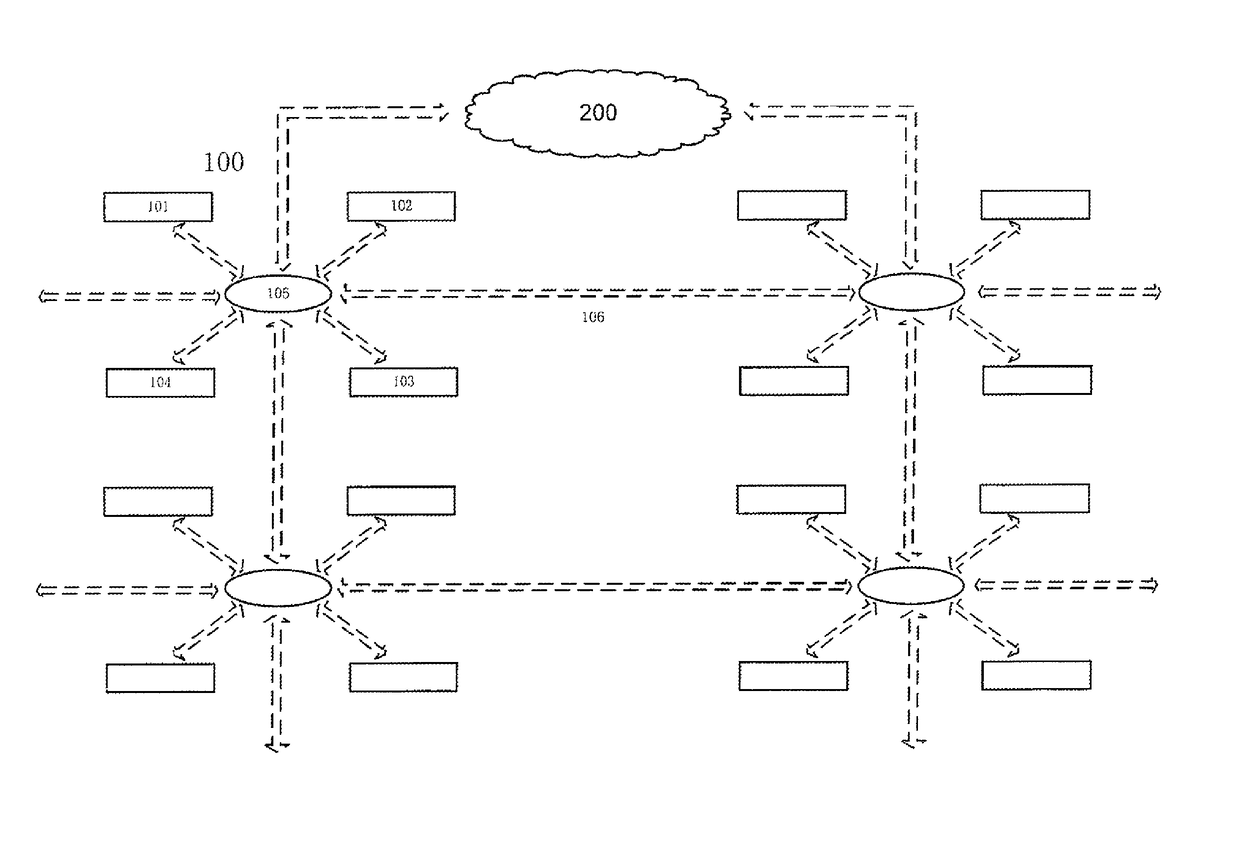
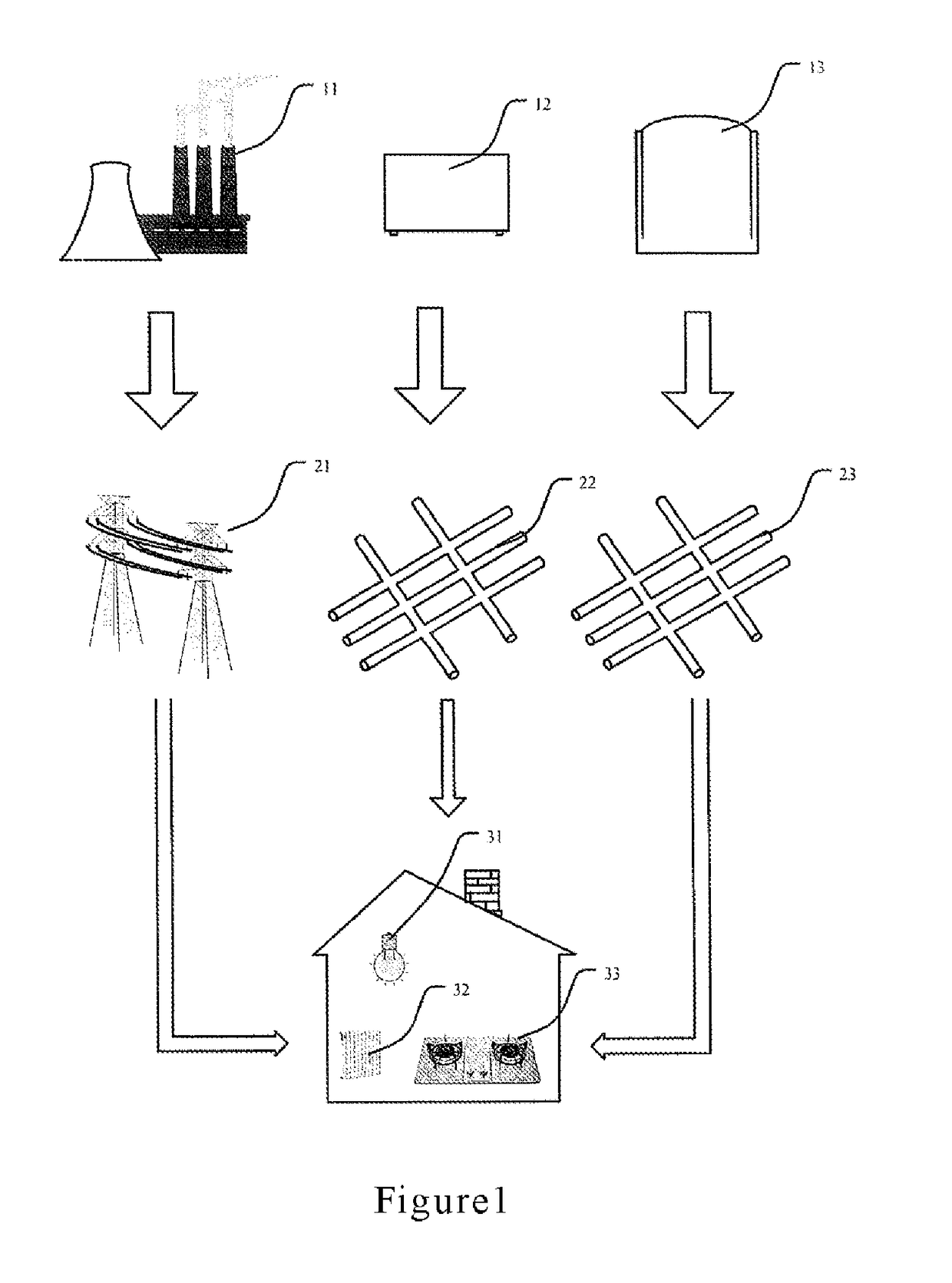
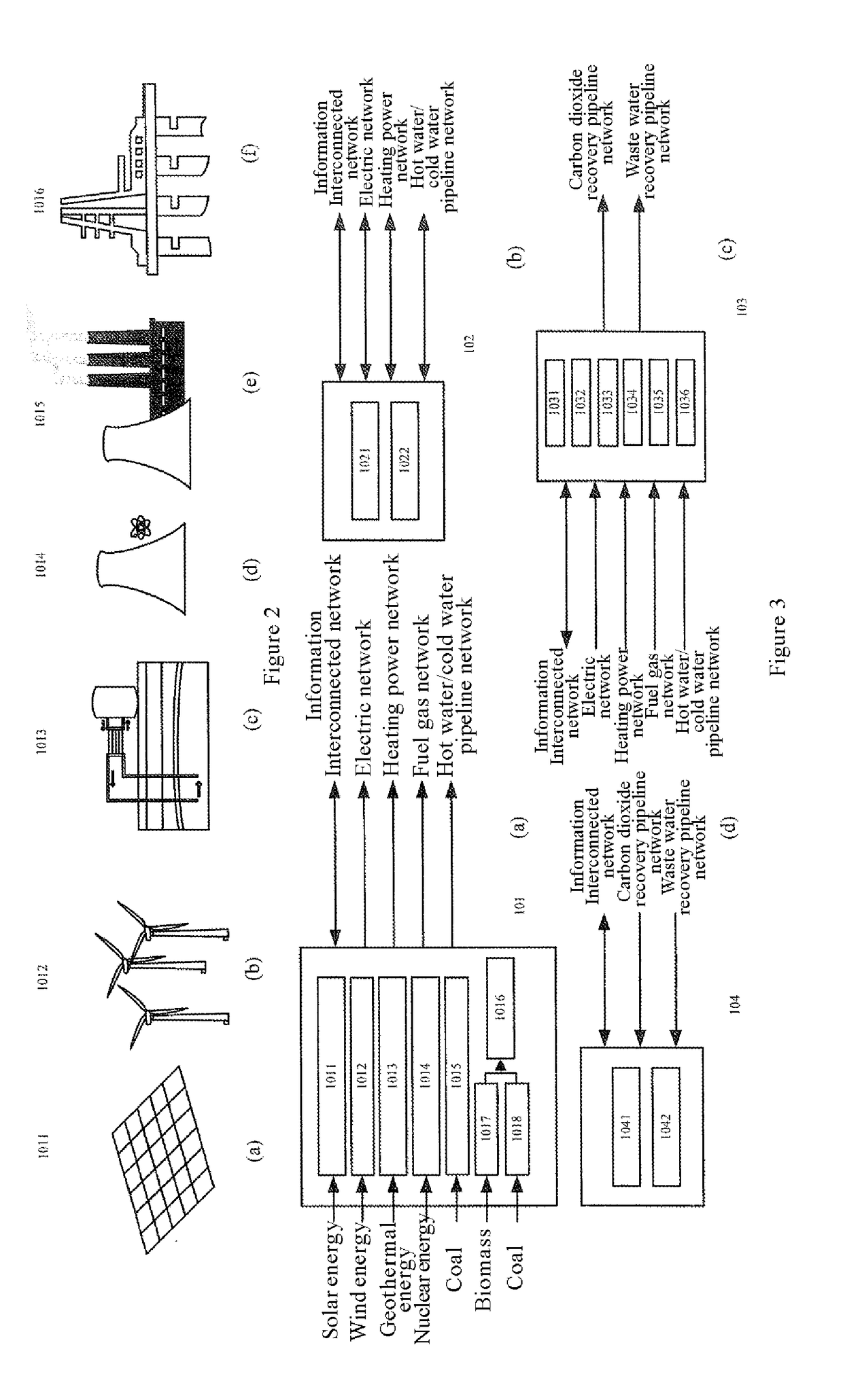
- A ubiquitous energy network system that integrates energy, material, and information flows across four stages of energy generation, storage, utilization, and regeneration, using a system energy efficiency controller to optimize input and output, enabling cooperative control and maximizing energy efficiency through bidirectional energy transmission and dynamic matching.
Quantum Hardware-Software Co-design Approaches
Quantum Hardware-Software Co-design Approaches represent a critical frontier in optimizing quantum computing systems for energy efficiency. This methodology integrates hardware architecture design with software optimization techniques to create holistic solutions that maximize computational power while minimizing energy consumption. Traditional approaches that separate hardware and software development phases have proven inadequate for quantum systems, where the intricate relationship between physical qubits and algorithmic requirements demands synchronized development.
The co-design process typically begins with identifying specific quantum algorithms targeted for energy efficiency improvements. These algorithms are then analyzed to determine their computational patterns, qubit connectivity requirements, and gate operation frequencies. Hardware designers use this information to develop specialized quantum processing units with optimized qubit topologies and gate implementations that minimize energy losses during specific computational tasks.
Software frameworks developed under this approach incorporate compiler optimizations that map quantum circuits to the underlying hardware while considering energy constraints. These compilers implement techniques such as gate fusion, circuit rewriting, and qubit mapping strategies specifically designed to reduce the energy footprint of quantum operations. Advanced scheduling algorithms further optimize the execution sequence to minimize idle time and associated energy leakage.
Error mitigation techniques play a dual role in co-design approaches, as they not only improve computational accuracy but also reduce energy waste from repeated computations. By developing hardware-aware error correction codes alongside specialized physical qubit designs, co-design teams can significantly reduce the energy overhead traditionally associated with quantum error correction.
Recent advancements in this field include the development of application-specific quantum processors that incorporate energy-efficient cryogenic control electronics designed in tandem with specialized firmware. These systems demonstrate up to 40% improvement in energy efficiency compared to general-purpose quantum computers when running targeted algorithms. The integration of machine learning techniques to dynamically adjust quantum circuit compilation based on real-time energy consumption data represents another promising direction.
Industry-academic partnerships have emerged as a driving force in quantum hardware-software co-design, with collaborative teams developing benchmarking suites specifically designed to evaluate energy efficiency across different architectural choices. These benchmarks provide standardized metrics that enable meaningful comparisons between different co-design approaches and guide future optimization efforts.
The co-design process typically begins with identifying specific quantum algorithms targeted for energy efficiency improvements. These algorithms are then analyzed to determine their computational patterns, qubit connectivity requirements, and gate operation frequencies. Hardware designers use this information to develop specialized quantum processing units with optimized qubit topologies and gate implementations that minimize energy losses during specific computational tasks.
Software frameworks developed under this approach incorporate compiler optimizations that map quantum circuits to the underlying hardware while considering energy constraints. These compilers implement techniques such as gate fusion, circuit rewriting, and qubit mapping strategies specifically designed to reduce the energy footprint of quantum operations. Advanced scheduling algorithms further optimize the execution sequence to minimize idle time and associated energy leakage.
Error mitigation techniques play a dual role in co-design approaches, as they not only improve computational accuracy but also reduce energy waste from repeated computations. By developing hardware-aware error correction codes alongside specialized physical qubit designs, co-design teams can significantly reduce the energy overhead traditionally associated with quantum error correction.
Recent advancements in this field include the development of application-specific quantum processors that incorporate energy-efficient cryogenic control electronics designed in tandem with specialized firmware. These systems demonstrate up to 40% improvement in energy efficiency compared to general-purpose quantum computers when running targeted algorithms. The integration of machine learning techniques to dynamically adjust quantum circuit compilation based on real-time energy consumption data represents another promising direction.
Industry-academic partnerships have emerged as a driving force in quantum hardware-software co-design, with collaborative teams developing benchmarking suites specifically designed to evaluate energy efficiency across different architectural choices. These benchmarks provide standardized metrics that enable meaningful comparisons between different co-design approaches and guide future optimization efforts.
Standardization Efforts for Quantum Energy Metrics
The quantum computing industry is witnessing increasing efforts to establish standardized metrics for energy efficiency, a critical factor for the technology's sustainable development. The IEEE Quantum Computing Performance Metrics Working Group has been pioneering the development of standardized benchmarks specifically addressing energy consumption in quantum systems. Their framework proposes metrics such as Quantum Energy Efficiency Ratio (QEER) and Quantum Performance per Watt (QPW), which enable objective comparisons across different quantum computing platforms.
In parallel, the International Quantum Industry Consortium (QIC) has launched initiatives to harmonize energy measurement methodologies across the quantum ecosystem. Their Quantum Energy Efficiency Standards (QEES) provide guidelines for measuring total power consumption, including both the quantum processing unit and classical control electronics, cooling systems, and other peripheral components that contribute significantly to the overall energy footprint.
The Quantum Economic Development Consortium (QED-C) has established a dedicated working group focusing on sustainability metrics, which has published a comprehensive white paper outlining standardized approaches to quantifying energy efficiency in quantum systems. This document addresses both gate-based and annealing quantum computers, recognizing the diverse architectural landscape of quantum computing technologies.
Academic institutions have also contributed substantially to standardization efforts. The Quantum Energy Initiative, a collaboration between leading research universities, has proposed the Quantum Algorithm Energy Index (QAEI), which measures the energy required to execute specific quantum algorithms with defined accuracy thresholds. This metric facilitates direct comparison between different quantum hardware implementations running identical computational tasks.
National metrology institutes, including NIST in the United States and NPL in the United Kingdom, are developing certified reference measurements for quantum energy consumption. These reference standards are crucial for validating vendor claims and ensuring consistency across the industry. Their work includes establishing standardized test circuits and measurement protocols that can be universally applied.
Cloud quantum computing providers have begun incorporating energy efficiency metrics into their service documentation, allowing users to consider energy costs alongside computational performance when selecting quantum resources. This market-driven standardization is accelerating the adoption of common energy metrics throughout the industry and creating transparency for end users concerned with the environmental impact of their quantum computations.
In parallel, the International Quantum Industry Consortium (QIC) has launched initiatives to harmonize energy measurement methodologies across the quantum ecosystem. Their Quantum Energy Efficiency Standards (QEES) provide guidelines for measuring total power consumption, including both the quantum processing unit and classical control electronics, cooling systems, and other peripheral components that contribute significantly to the overall energy footprint.
The Quantum Economic Development Consortium (QED-C) has established a dedicated working group focusing on sustainability metrics, which has published a comprehensive white paper outlining standardized approaches to quantifying energy efficiency in quantum systems. This document addresses both gate-based and annealing quantum computers, recognizing the diverse architectural landscape of quantum computing technologies.
Academic institutions have also contributed substantially to standardization efforts. The Quantum Energy Initiative, a collaboration between leading research universities, has proposed the Quantum Algorithm Energy Index (QAEI), which measures the energy required to execute specific quantum algorithms with defined accuracy thresholds. This metric facilitates direct comparison between different quantum hardware implementations running identical computational tasks.
National metrology institutes, including NIST in the United States and NPL in the United Kingdom, are developing certified reference measurements for quantum energy consumption. These reference standards are crucial for validating vendor claims and ensuring consistency across the industry. Their work includes establishing standardized test circuits and measurement protocols that can be universally applied.
Cloud quantum computing providers have begun incorporating energy efficiency metrics into their service documentation, allowing users to consider energy costs alongside computational performance when selecting quantum resources. This market-driven standardization is accelerating the adoption of common energy metrics throughout the industry and creating transparency for end users concerned with the environmental impact of their quantum computations.
Unlock deeper insights with Patsnap Eureka Quick Research — get a full tech report to explore trends and direct your research. Try now!
Generate Your Research Report Instantly with AI Agent
Supercharge your innovation with Patsnap Eureka AI Agent Platform!