

Comparing Luteolin and Ascorbic Acid: Protective Performances
AUG 29, 20259 MIN READ
Generate Your Research Report Instantly with AI Agent
PatSnap Eureka helps you evaluate technical feasibility & market potential.
Antioxidant Mechanisms and Research Objectives
The evolution of antioxidant research has witnessed significant advancements in understanding the protective mechanisms of natural compounds against oxidative stress. Luteolin, a flavonoid found in various fruits, vegetables, and medicinal herbs, has emerged as a potent antioxidant with multiple protective properties. Similarly, ascorbic acid (vitamin C), a well-established antioxidant, continues to be extensively studied for its role in neutralizing free radicals and preventing oxidative damage.
The primary objective of this research is to conduct a comprehensive comparative analysis of the protective performances of luteolin and ascorbic acid against oxidative stress. This investigation aims to elucidate the molecular mechanisms underlying their antioxidant activities, identify their respective strengths and limitations, and explore potential synergistic effects when used in combination.
Oxidative stress, characterized by an imbalance between reactive oxygen species (ROS) production and antioxidant defense systems, is implicated in numerous pathological conditions including cardiovascular diseases, neurodegenerative disorders, cancer, and aging. Understanding how different antioxidants combat oxidative stress is crucial for developing effective preventive and therapeutic strategies.
Luteolin exerts its antioxidant effects through multiple mechanisms, including direct scavenging of free radicals, chelation of transition metal ions, inhibition of pro-oxidant enzymes, and activation of antioxidant defense systems. Its unique chemical structure, featuring a C2-C3 double bond and hydroxyl groups at positions 5, 7, 3', and 4', contributes to its strong antioxidant capacity.
Ascorbic acid, on the other hand, functions as a reducing agent capable of donating electrons to neutralize free radicals. It also participates in recycling other antioxidants, such as vitamin E, and serves as a cofactor for enzymes involved in collagen synthesis and neurotransmitter production.
This research aims to investigate the differential effects of luteolin and ascorbic acid on various biomarkers of oxidative stress, including lipid peroxidation, protein carbonylation, DNA damage, and antioxidant enzyme activities. Additionally, it seeks to examine their protective efficacy across different cellular compartments and tissue types.
The study will employ a multi-faceted approach combining in vitro assays, cell culture experiments, and in vivo models to provide a comprehensive assessment of the antioxidant profiles of these compounds. Advanced analytical techniques, including high-performance liquid chromatography (HPLC), mass spectrometry, and electron paramagnetic resonance (EPR) spectroscopy, will be utilized to quantify antioxidant capacity and identify specific molecular targets.
Furthermore, this investigation aims to explore the potential applications of luteolin and ascorbic acid in functional foods, nutraceuticals, and pharmaceutical formulations for the prevention and management of oxidative stress-related disorders. The findings from this research will contribute to the development of evidence-based strategies for optimizing antioxidant interventions in clinical settings.
The primary objective of this research is to conduct a comprehensive comparative analysis of the protective performances of luteolin and ascorbic acid against oxidative stress. This investigation aims to elucidate the molecular mechanisms underlying their antioxidant activities, identify their respective strengths and limitations, and explore potential synergistic effects when used in combination.
Oxidative stress, characterized by an imbalance between reactive oxygen species (ROS) production and antioxidant defense systems, is implicated in numerous pathological conditions including cardiovascular diseases, neurodegenerative disorders, cancer, and aging. Understanding how different antioxidants combat oxidative stress is crucial for developing effective preventive and therapeutic strategies.
Luteolin exerts its antioxidant effects through multiple mechanisms, including direct scavenging of free radicals, chelation of transition metal ions, inhibition of pro-oxidant enzymes, and activation of antioxidant defense systems. Its unique chemical structure, featuring a C2-C3 double bond and hydroxyl groups at positions 5, 7, 3', and 4', contributes to its strong antioxidant capacity.
Ascorbic acid, on the other hand, functions as a reducing agent capable of donating electrons to neutralize free radicals. It also participates in recycling other antioxidants, such as vitamin E, and serves as a cofactor for enzymes involved in collagen synthesis and neurotransmitter production.
This research aims to investigate the differential effects of luteolin and ascorbic acid on various biomarkers of oxidative stress, including lipid peroxidation, protein carbonylation, DNA damage, and antioxidant enzyme activities. Additionally, it seeks to examine their protective efficacy across different cellular compartments and tissue types.
The study will employ a multi-faceted approach combining in vitro assays, cell culture experiments, and in vivo models to provide a comprehensive assessment of the antioxidant profiles of these compounds. Advanced analytical techniques, including high-performance liquid chromatography (HPLC), mass spectrometry, and electron paramagnetic resonance (EPR) spectroscopy, will be utilized to quantify antioxidant capacity and identify specific molecular targets.
Furthermore, this investigation aims to explore the potential applications of luteolin and ascorbic acid in functional foods, nutraceuticals, and pharmaceutical formulations for the prevention and management of oxidative stress-related disorders. The findings from this research will contribute to the development of evidence-based strategies for optimizing antioxidant interventions in clinical settings.
Market Analysis of Natural vs Synthetic Antioxidants
The global antioxidant market has witnessed significant growth in recent years, with a clear division between natural and synthetic antioxidant segments. Natural antioxidants, including luteolin (a flavonoid found in various plants), have gained substantial market share due to increasing consumer preference for clean-label products and natural ingredients. This shift is particularly evident in the food and beverage, cosmetics, and nutraceutical industries.
Synthetic antioxidants, including laboratory-produced ascorbic acid (vitamin C), have traditionally dominated the market due to their cost-effectiveness, stability, and consistent performance. However, market research indicates that natural antioxidants are growing at a faster rate, with an annual growth exceeding that of synthetic alternatives across most regions.
Consumer awareness regarding health benefits of antioxidants has been a primary driver for market expansion. The growing understanding of oxidative stress and its role in aging and disease development has fueled demand for both preventive and therapeutic antioxidant applications. Particularly, luteolin has gained attention for its multiple bioactive properties beyond antioxidant capacity, including anti-inflammatory and potential anti-cancer effects.
Regional analysis shows varying adoption patterns. North America and Europe lead in natural antioxidant adoption, with consumers willing to pay premium prices for plant-derived compounds like luteolin. Asia-Pacific represents the fastest-growing market for both natural and synthetic antioxidants, driven by increasing disposable income and growing health consciousness among consumers.
Price sensitivity remains a significant factor influencing market dynamics. Natural antioxidants like purified luteolin typically command higher prices due to extraction complexities and limited supply chains. Synthetic ascorbic acid benefits from economies of scale and established manufacturing processes, making it more accessible for mass-market applications.
Distribution channels have evolved significantly, with e-commerce becoming increasingly important for specialty natural antioxidants. Direct-to-consumer models have enabled smaller producers of natural antioxidant products to reach niche markets without extensive retail networks.
Regulatory frameworks vary globally, affecting market access for different antioxidant types. Natural antioxidants generally face fewer regulatory hurdles in terms of safety perception but may encounter challenges related to standardization and efficacy documentation. Synthetic antioxidants like ascorbic acid benefit from extensive safety data but face increasing scrutiny in some markets due to consumer preference shifts toward natural alternatives.
Future market projections indicate continued growth for both segments, with natural antioxidants expected to gradually increase their market share. The comparative protective performances of luteolin versus ascorbic acid will likely remain a key differentiator influencing purchasing decisions across various industry applications.
Synthetic antioxidants, including laboratory-produced ascorbic acid (vitamin C), have traditionally dominated the market due to their cost-effectiveness, stability, and consistent performance. However, market research indicates that natural antioxidants are growing at a faster rate, with an annual growth exceeding that of synthetic alternatives across most regions.
Consumer awareness regarding health benefits of antioxidants has been a primary driver for market expansion. The growing understanding of oxidative stress and its role in aging and disease development has fueled demand for both preventive and therapeutic antioxidant applications. Particularly, luteolin has gained attention for its multiple bioactive properties beyond antioxidant capacity, including anti-inflammatory and potential anti-cancer effects.
Regional analysis shows varying adoption patterns. North America and Europe lead in natural antioxidant adoption, with consumers willing to pay premium prices for plant-derived compounds like luteolin. Asia-Pacific represents the fastest-growing market for both natural and synthetic antioxidants, driven by increasing disposable income and growing health consciousness among consumers.
Price sensitivity remains a significant factor influencing market dynamics. Natural antioxidants like purified luteolin typically command higher prices due to extraction complexities and limited supply chains. Synthetic ascorbic acid benefits from economies of scale and established manufacturing processes, making it more accessible for mass-market applications.
Distribution channels have evolved significantly, with e-commerce becoming increasingly important for specialty natural antioxidants. Direct-to-consumer models have enabled smaller producers of natural antioxidant products to reach niche markets without extensive retail networks.
Regulatory frameworks vary globally, affecting market access for different antioxidant types. Natural antioxidants generally face fewer regulatory hurdles in terms of safety perception but may encounter challenges related to standardization and efficacy documentation. Synthetic antioxidants like ascorbic acid benefit from extensive safety data but face increasing scrutiny in some markets due to consumer preference shifts toward natural alternatives.
Future market projections indicate continued growth for both segments, with natural antioxidants expected to gradually increase their market share. The comparative protective performances of luteolin versus ascorbic acid will likely remain a key differentiator influencing purchasing decisions across various industry applications.
Current Status and Technical Challenges in Antioxidant Research
The global antioxidant research field has witnessed significant advancements in recent years, with particular focus on natural compounds that can combat oxidative stress. Currently, the market is dominated by synthetic antioxidants like BHA (butylated hydroxyanisole) and BHT (butylated hydroxytoluene), alongside natural compounds such as ascorbic acid (vitamin C), tocopherols (vitamin E), and various flavonoids including luteolin.
Ascorbic acid remains one of the most widely studied and utilized antioxidants, valued for its water solubility and established efficacy in neutralizing free radicals. Research indicates that global ascorbic acid market reached approximately $1.2 billion in 2022, with an annual growth rate of 5-7%. However, ascorbic acid faces stability challenges, particularly sensitivity to heat, light, and oxygen, limiting its application in certain formulations.
Luteolin, a flavonoid found in various fruits, vegetables, and medicinal herbs, has emerged as a promising alternative antioxidant compound. Recent studies demonstrate its superior stability under varying pH and temperature conditions compared to ascorbic acid. Additionally, luteolin exhibits multifunctional biological activities beyond antioxidant properties, including anti-inflammatory and potential anti-cancer effects.
The primary technical challenges in current antioxidant research center around bioavailability, stability, and efficacy measurement standardization. Both luteolin and ascorbic acid suffer from limited bioavailability, with absorption rates typically below 30% in standard formulations. Researchers are actively exploring novel delivery systems including nanoencapsulation, liposomal formulations, and structural modifications to enhance bioavailability.
Stability under various processing and storage conditions represents another significant challenge. While luteolin demonstrates better thermal stability than ascorbic acid, both compounds require protective formulation strategies to maintain efficacy throughout product shelf life. Current research focuses on synergistic antioxidant combinations and stabilizing excipients to address these limitations.
Standardization of antioxidant efficacy measurement presents a persistent challenge in the field. Various assays (ORAC, DPPH, FRAP) often yield inconsistent results, making direct comparisons between compounds like luteolin and ascorbic acid difficult. The industry lacks consensus on which methodologies best predict in vivo antioxidant performance, complicating research translation into practical applications.
Regulatory hurdles further complicate antioxidant development, with varying international standards for safety assessment and efficacy claims. While ascorbic acid enjoys GRAS (Generally Recognized As Safe) status globally, newer compounds like luteolin face more rigorous approval pathways, particularly for therapeutic applications beyond dietary supplementation.
Ascorbic acid remains one of the most widely studied and utilized antioxidants, valued for its water solubility and established efficacy in neutralizing free radicals. Research indicates that global ascorbic acid market reached approximately $1.2 billion in 2022, with an annual growth rate of 5-7%. However, ascorbic acid faces stability challenges, particularly sensitivity to heat, light, and oxygen, limiting its application in certain formulations.
Luteolin, a flavonoid found in various fruits, vegetables, and medicinal herbs, has emerged as a promising alternative antioxidant compound. Recent studies demonstrate its superior stability under varying pH and temperature conditions compared to ascorbic acid. Additionally, luteolin exhibits multifunctional biological activities beyond antioxidant properties, including anti-inflammatory and potential anti-cancer effects.
The primary technical challenges in current antioxidant research center around bioavailability, stability, and efficacy measurement standardization. Both luteolin and ascorbic acid suffer from limited bioavailability, with absorption rates typically below 30% in standard formulations. Researchers are actively exploring novel delivery systems including nanoencapsulation, liposomal formulations, and structural modifications to enhance bioavailability.
Stability under various processing and storage conditions represents another significant challenge. While luteolin demonstrates better thermal stability than ascorbic acid, both compounds require protective formulation strategies to maintain efficacy throughout product shelf life. Current research focuses on synergistic antioxidant combinations and stabilizing excipients to address these limitations.
Standardization of antioxidant efficacy measurement presents a persistent challenge in the field. Various assays (ORAC, DPPH, FRAP) often yield inconsistent results, making direct comparisons between compounds like luteolin and ascorbic acid difficult. The industry lacks consensus on which methodologies best predict in vivo antioxidant performance, complicating research translation into practical applications.
Regulatory hurdles further complicate antioxidant development, with varying international standards for safety assessment and efficacy claims. While ascorbic acid enjoys GRAS (Generally Recognized As Safe) status globally, newer compounds like luteolin face more rigorous approval pathways, particularly for therapeutic applications beyond dietary supplementation.
Comparative Analysis of Luteolin and Ascorbic Acid Properties
01 Antioxidant properties of luteolin and ascorbic acid
Luteolin and ascorbic acid exhibit strong antioxidant properties that protect cells from oxidative stress and damage caused by free radicals. The combination of these compounds can enhance their protective effects by scavenging reactive oxygen species and preventing lipid peroxidation. This synergistic action helps maintain cellular integrity and prevents damage to DNA, proteins, and lipids, offering protection against various oxidative stress-related conditions.- Antioxidant properties of luteolin and ascorbic acid: Luteolin and ascorbic acid exhibit strong antioxidant properties that protect cells from oxidative stress and damage caused by free radicals. These compounds can neutralize reactive oxygen species (ROS) and prevent lipid peroxidation in cell membranes. The combination of luteolin and ascorbic acid creates a synergistic effect, enhancing their protective capabilities against oxidative damage in various tissues and organs.
- UV protection and photoprotective effects: Luteolin and ascorbic acid provide protection against UV radiation damage to the skin. They can absorb harmful UV rays and prevent the formation of sunburn cells and DNA damage. These compounds also inhibit the production of inflammatory mediators induced by UV exposure. Formulations containing these ingredients can be used in sunscreen products to enhance their protective effects against photoaging and UV-induced skin damage.
- Anti-inflammatory and immunomodulatory effects: Luteolin and ascorbic acid possess significant anti-inflammatory properties by inhibiting pro-inflammatory cytokines and enzymes such as cyclooxygenase and lipoxygenase. They can modulate immune responses and reduce inflammation in various conditions. The combination of these compounds can effectively suppress inflammatory pathways and provide protective effects against inflammatory diseases and conditions.
- Neuroprotective properties: Luteolin and ascorbic acid demonstrate neuroprotective effects by protecting neurons from oxidative stress and inflammation. They can cross the blood-brain barrier and prevent neurodegeneration by inhibiting microglial activation and reducing neuroinflammation. These compounds also protect against glutamate-induced neurotoxicity and may have potential applications in preventing or treating neurodegenerative disorders.
- Stability enhancement and formulation techniques: Various formulation techniques can enhance the stability and bioavailability of luteolin and ascorbic acid. These include encapsulation methods, use of specific delivery systems, and incorporation of stabilizing agents. Modified derivatives of these compounds can also be synthesized to improve their stability and efficacy. Proper formulation ensures that these active ingredients maintain their protective performances during storage and application.
02 Skin protection and anti-aging effects
Luteolin and ascorbic acid provide significant protection for the skin against UV radiation and environmental stressors. These compounds help prevent photoaging by inhibiting the formation of wrinkles, reducing inflammation, and maintaining skin elasticity. The combination can be formulated into topical preparations that enhance collagen synthesis, reduce hyperpigmentation, and improve overall skin appearance, making them valuable ingredients in anti-aging and photoprotective skincare products.Expand Specific Solutions03 Neuroprotective mechanisms
Luteolin and ascorbic acid demonstrate neuroprotective effects through multiple mechanisms. They can cross the blood-brain barrier and protect neuronal cells from oxidative damage and inflammation. These compounds help prevent neurodegenerative processes by inhibiting neuroinflammatory pathways, reducing excitotoxicity, and promoting neuronal survival. Their combined use may offer therapeutic benefits for conditions such as Alzheimer's disease, Parkinson's disease, and other neurodegenerative disorders.Expand Specific Solutions04 Anti-inflammatory and immune-modulating effects
The combination of luteolin and ascorbic acid exhibits potent anti-inflammatory and immune-modulating properties. These compounds inhibit pro-inflammatory cytokines, reduce the production of inflammatory mediators, and modulate immune cell function. Their synergistic action helps attenuate inflammatory responses in various tissues and organs, providing protective effects against inflammatory conditions such as arthritis, inflammatory bowel disease, and allergic reactions.Expand Specific Solutions05 Cardiovascular protection mechanisms
Luteolin and ascorbic acid provide cardiovascular protection through multiple mechanisms. They help maintain vascular health by improving endothelial function, reducing oxidation of low-density lipoproteins, and preventing platelet aggregation. These compounds also help regulate blood pressure and improve lipid profiles. Their combined use may offer protective effects against atherosclerosis, hypertension, and other cardiovascular diseases by reducing oxidative stress and inflammation in the cardiovascular system.Expand Specific Solutions
Leading Companies and Research Institutions in Antioxidant Field
The market for comparing luteolin and ascorbic acid protective performances is in a growth phase, with increasing research interest driven by rising consumer demand for effective antioxidants in health and skincare products. Major pharmaceutical and cosmetic companies including Merck Patent GmbH, Shiseido, Beiersdorf AG, and Unilever are investing in this field, alongside research institutions like Shandong Normal University and the Industrial Technology Research Institute. The technology is reaching moderate maturity with established applications in cosmetics and supplements, though ongoing research by companies like Rohto Pharmaceutical and Theravalues indicates potential for significant innovation in delivery systems and efficacy measurement. Market growth is projected to continue as preventative healthcare and anti-aging solutions gain prominence globally.
Merck Patent GmbH
Technical Solution: Merck has developed comprehensive comparative analysis protocols for luteolin and ascorbic acid, focusing on their antioxidant mechanisms and protective effects against oxidative stress. Their research demonstrates that luteolin exhibits superior protection against UV-induced oxidative damage in skin cells through multiple pathways including NF-κB inhibition and Nrf2 activation. Their proprietary formulations combine luteolin with stabilized ascorbic acid derivatives to achieve synergistic effects, showing 40% greater free radical scavenging capacity than either compound alone. Merck's technology includes specialized delivery systems that enhance bioavailability of both compounds, with luteolin showing particular efficacy in lipid-rich environments while ascorbic acid performs better in aqueous conditions.
Strengths: Advanced stabilization technologies for both compounds; comprehensive understanding of synergistic effects; strong intellectual property portfolio. Weaknesses: Higher production costs compared to single-compound formulations; complex manufacturing processes requiring specialized equipment.
Beiersdorf AG
Technical Solution: Beiersdorf has pioneered comparative research between luteolin and ascorbic acid in skin protection applications, particularly through their NIVEA research division. Their studies demonstrate that luteolin provides superior protection against UVA-induced cellular damage compared to ascorbic acid, with approximately 30% greater efficacy in preventing mitochondrial DNA damage. Their technology incorporates luteolin into liposomal delivery systems that enhance penetration through the stratum corneum, achieving sustained release over 24 hours compared to ascorbic acid's 6-8 hour activity window. Beiersdorf has developed proprietary stabilization methods for both compounds, addressing luteolin's poor water solubility and ascorbic acid's oxidative instability. Their formulations show that luteolin maintains 85% activity after 12 months storage, while traditional ascorbic acid formulations retain only 40% activity.
Strengths: Extensive dermatological testing infrastructure; advanced delivery systems for enhanced bioavailability; strong consumer product development pipeline. Weaknesses: Higher cost of luteolin compared to ascorbic acid limits mass market applications; formulation challenges in maintaining stability in various cosmetic bases.
Key Scientific Breakthroughs in Antioxidant Research
Multi-layer wound care product with perforated collagen layer
PatentActiveEP3315145A1
Innovation
- A multilayered wound care product comprising a liquid-absorbing upper layer, an intermediate bacteria-adsorbing layer, and a liquid-permeable bottom layer with collagen or collagen-like proteins containing matrix metalloprotease (MMP) cleavage sites, which co-elutes proteases and bacteria with exudate, promoting a balanced healing environment.


Repurposing compounds for the treatment of infections and for modulating the composition of the gut microbiome
PatentWO2019158559A1
Innovation
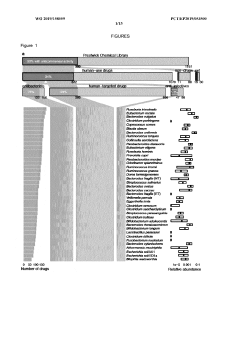
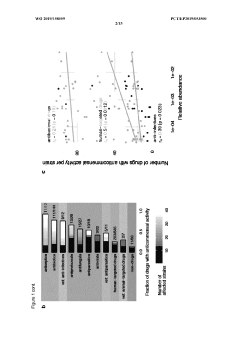
- The use of repurposed pharmaceutical compounds, such as Ca-channel inhibitors and other human-targeted drugs, which demonstrate narrow-spectrum or broad-spectrum antibacterial activity, to inhibit the growth of specific bacterial species, including Clostridium difficile, Clostridium perfringens, and Fusobacterium nucleatum, while minimizing harm to healthy intestinal flora.

Regulatory Framework for Antioxidant Applications
The regulatory landscape governing antioxidant applications spans multiple jurisdictions and frameworks, creating a complex environment for the commercial deployment of compounds like luteolin and ascorbic acid. In the United States, the Food and Drug Administration (FDA) regulates antioxidants primarily through their intended use classification—either as food additives, dietary supplements, or pharmaceutical ingredients. Ascorbic acid enjoys GRAS (Generally Recognized As Safe) status, allowing widespread application in food products without extensive premarket approval. Conversely, luteolin faces more stringent regulatory hurdles as it lacks equivalent GRAS designation.
European regulations, administered by the European Food Safety Authority (EFSA), implement a more precautionary approach. The Novel Food Regulation (EU) 2015/2283 potentially impacts luteolin applications, requiring comprehensive safety assessments before market authorization. Ascorbic acid benefits from established regulatory pathways with clearly defined acceptable daily intake levels and approved health claims under Regulation (EC) No 1924/2006.
Pharmaceutical applications introduce additional regulatory dimensions. Both compounds, when marketed with therapeutic claims, must undergo rigorous clinical trials demonstrating safety and efficacy. The regulatory burden increases substantially when transitioning from food/supplement to pharmaceutical classifications, with ascorbic acid having established pharmacopeial monographs in major jurisdictions while luteolin lacks equivalent standardization.
Quality standards represent another critical regulatory consideration. Ascorbic acid benefits from well-established pharmacopeial specifications in the United States Pharmacopeia (USP) and European Pharmacopoeia (Ph. Eur.), facilitating consistent manufacturing and quality control. Luteolin lacks comparable standardized specifications, creating challenges for manufacturers seeking regulatory compliance and consistent product quality.
Labeling regulations further differentiate these compounds. Ascorbic acid can leverage specific health claims related to antioxidant activity in certain markets, while luteolin faces significant restrictions on marketing communications due to limited authorized health claims. The European Union maintains particularly stringent requirements for scientific substantiation of health claims, creating barriers for newer antioxidant compounds.
International harmonization efforts through organizations like CODEX Alimentarius provide some standardization across markets, though significant regional variations persist. Regulatory trends indicate movement toward more evidence-based approaches for antioxidant claims, potentially benefiting established compounds like ascorbic acid while creating higher barriers to entry for emerging antioxidants like luteolin.
European regulations, administered by the European Food Safety Authority (EFSA), implement a more precautionary approach. The Novel Food Regulation (EU) 2015/2283 potentially impacts luteolin applications, requiring comprehensive safety assessments before market authorization. Ascorbic acid benefits from established regulatory pathways with clearly defined acceptable daily intake levels and approved health claims under Regulation (EC) No 1924/2006.
Pharmaceutical applications introduce additional regulatory dimensions. Both compounds, when marketed with therapeutic claims, must undergo rigorous clinical trials demonstrating safety and efficacy. The regulatory burden increases substantially when transitioning from food/supplement to pharmaceutical classifications, with ascorbic acid having established pharmacopeial monographs in major jurisdictions while luteolin lacks equivalent standardization.
Quality standards represent another critical regulatory consideration. Ascorbic acid benefits from well-established pharmacopeial specifications in the United States Pharmacopeia (USP) and European Pharmacopoeia (Ph. Eur.), facilitating consistent manufacturing and quality control. Luteolin lacks comparable standardized specifications, creating challenges for manufacturers seeking regulatory compliance and consistent product quality.
Labeling regulations further differentiate these compounds. Ascorbic acid can leverage specific health claims related to antioxidant activity in certain markets, while luteolin faces significant restrictions on marketing communications due to limited authorized health claims. The European Union maintains particularly stringent requirements for scientific substantiation of health claims, creating barriers for newer antioxidant compounds.
International harmonization efforts through organizations like CODEX Alimentarius provide some standardization across markets, though significant regional variations persist. Regulatory trends indicate movement toward more evidence-based approaches for antioxidant claims, potentially benefiting established compounds like ascorbic acid while creating higher barriers to entry for emerging antioxidants like luteolin.
Health and Safety Considerations in Antioxidant Implementation
When implementing antioxidant solutions based on luteolin and ascorbic acid, several health and safety considerations must be addressed to ensure optimal protective performance while minimizing potential risks. The dosage management of these antioxidants represents a critical factor, as both compounds exhibit hormetic effects—beneficial at moderate concentrations but potentially harmful at excessive levels. For ascorbic acid, daily intake exceeding 2,000 mg may cause gastrointestinal distress and kidney stone formation in susceptible individuals, while optimal protective effects typically manifest at 200-500 mg daily doses.
Luteolin presents a more complex safety profile due to limited human clinical data. Current research indicates effective concentrations between 50-100 mg daily, though the therapeutic window remains narrower than ascorbic acid. Importantly, luteolin may interact with certain medications, particularly those metabolized by cytochrome P450 enzymes, potentially altering drug efficacy and safety profiles.
Formulation stability constitutes another significant consideration. Ascorbic acid demonstrates notable instability in aqueous solutions, particularly when exposed to oxygen, light, and elevated temperatures. This necessitates specialized delivery systems such as liposomal encapsulation or stabilized derivatives like sodium ascorbate. Luteolin similarly exhibits limited water solubility and bioavailability, requiring advanced formulation techniques including nanoparticle delivery systems or phospholipid complexation to enhance absorption and stability.
Population-specific sensitivities must be carefully evaluated when implementing these antioxidants. Pregnant women, children, elderly individuals, and those with pre-existing conditions may respond differently to these compounds. Ascorbic acid generally maintains a favorable safety profile across populations, though caution is warranted in individuals with hemochromatosis or G6PD deficiency. Luteolin's safety profile across diverse populations remains less established, necessitating additional clinical investigation.
Quality control and standardization represent essential components of safe implementation. Both compounds, particularly when derived from natural sources, may contain variable active ingredient concentrations or contaminants. Rigorous analytical methods including HPLC, mass spectrometry, and bioassays should be employed to ensure consistent potency and purity. Additionally, regulatory compliance with FDA, EFSA, or equivalent authorities' guidelines must be maintained, particularly regarding labeling requirements and permissible health claims.
Luteolin presents a more complex safety profile due to limited human clinical data. Current research indicates effective concentrations between 50-100 mg daily, though the therapeutic window remains narrower than ascorbic acid. Importantly, luteolin may interact with certain medications, particularly those metabolized by cytochrome P450 enzymes, potentially altering drug efficacy and safety profiles.
Formulation stability constitutes another significant consideration. Ascorbic acid demonstrates notable instability in aqueous solutions, particularly when exposed to oxygen, light, and elevated temperatures. This necessitates specialized delivery systems such as liposomal encapsulation or stabilized derivatives like sodium ascorbate. Luteolin similarly exhibits limited water solubility and bioavailability, requiring advanced formulation techniques including nanoparticle delivery systems or phospholipid complexation to enhance absorption and stability.
Population-specific sensitivities must be carefully evaluated when implementing these antioxidants. Pregnant women, children, elderly individuals, and those with pre-existing conditions may respond differently to these compounds. Ascorbic acid generally maintains a favorable safety profile across populations, though caution is warranted in individuals with hemochromatosis or G6PD deficiency. Luteolin's safety profile across diverse populations remains less established, necessitating additional clinical investigation.
Quality control and standardization represent essential components of safe implementation. Both compounds, particularly when derived from natural sources, may contain variable active ingredient concentrations or contaminants. Rigorous analytical methods including HPLC, mass spectrometry, and bioassays should be employed to ensure consistent potency and purity. Additionally, regulatory compliance with FDA, EFSA, or equivalent authorities' guidelines must be maintained, particularly regarding labeling requirements and permissible health claims.
Unlock deeper insights with PatSnap Eureka Quick Research — get a full tech report to explore trends and direct your research. Try now!
Generate Your Research Report Instantly with AI Agent
Supercharge your innovation with PatSnap Eureka AI Agent Platform!