

Exploring Dimethyl Ether in Renewable Energy Applications
JUL 1, 20259 MIN READ
Generate Your Research Report Instantly with AI Agent
PatSnap Eureka helps you evaluate technical feasibility & market potential.
DME Technology Background and Objectives
Dimethyl ether (DME) has emerged as a promising alternative fuel in the renewable energy landscape. Its journey began in the early 20th century as a laboratory curiosity, but it has since evolved into a potential game-changer in the quest for sustainable energy solutions. The primary objective of exploring DME in renewable energy applications is to develop a clean, efficient, and versatile fuel that can significantly reduce greenhouse gas emissions and dependence on fossil fuels.
DME's unique properties make it an attractive option for various energy applications. It is a colorless gas at room temperature and pressure, easily liquefied under moderate pressure, making it convenient for storage and transportation. Its high cetane number and clean-burning characteristics position it as an excellent substitute for diesel fuel in compression ignition engines. Moreover, DME can be produced from a wide range of feedstocks, including biomass, natural gas, and coal, offering flexibility in production methods and potential for renewable sourcing.
The technology behind DME production has seen significant advancements over the years. Traditional methods involved the dehydration of methanol, but recent innovations have focused on direct synthesis from syngas, which can be derived from renewable sources. This shift towards more sustainable production processes aligns with the global push for greener energy solutions and circular economy principles.
One of the key objectives in DME technology development is to optimize its production efficiency and reduce costs. Researchers are exploring novel catalysts and reactor designs to improve conversion rates and selectivity in DME synthesis. Additionally, efforts are being made to integrate DME production with existing industrial processes, such as biogas upgrading or carbon capture systems, to create more sustainable and economically viable production pathways.
Another critical goal is to expand DME's application beyond its traditional use as a propellant in aerosol products. The focus is on developing and refining DME-powered vehicles, particularly in the heavy-duty transport sector where electrification faces challenges. Concurrently, research is underway to explore DME's potential as a hydrogen carrier, leveraging its ease of storage and transport to overcome some of the logistical hurdles associated with hydrogen fuel infrastructure.
As the world grapples with the urgent need to transition away from fossil fuels, DME technology stands at a crucial juncture. The objectives for its development in renewable energy applications are multifaceted: to establish efficient and sustainable production methods, to broaden its use across various sectors, and to create the necessary infrastructure for its widespread adoption. These goals are driven by the overarching aim of contributing to a more sustainable and environmentally friendly energy ecosystem.
DME's unique properties make it an attractive option for various energy applications. It is a colorless gas at room temperature and pressure, easily liquefied under moderate pressure, making it convenient for storage and transportation. Its high cetane number and clean-burning characteristics position it as an excellent substitute for diesel fuel in compression ignition engines. Moreover, DME can be produced from a wide range of feedstocks, including biomass, natural gas, and coal, offering flexibility in production methods and potential for renewable sourcing.
The technology behind DME production has seen significant advancements over the years. Traditional methods involved the dehydration of methanol, but recent innovations have focused on direct synthesis from syngas, which can be derived from renewable sources. This shift towards more sustainable production processes aligns with the global push for greener energy solutions and circular economy principles.
One of the key objectives in DME technology development is to optimize its production efficiency and reduce costs. Researchers are exploring novel catalysts and reactor designs to improve conversion rates and selectivity in DME synthesis. Additionally, efforts are being made to integrate DME production with existing industrial processes, such as biogas upgrading or carbon capture systems, to create more sustainable and economically viable production pathways.
Another critical goal is to expand DME's application beyond its traditional use as a propellant in aerosol products. The focus is on developing and refining DME-powered vehicles, particularly in the heavy-duty transport sector where electrification faces challenges. Concurrently, research is underway to explore DME's potential as a hydrogen carrier, leveraging its ease of storage and transport to overcome some of the logistical hurdles associated with hydrogen fuel infrastructure.
As the world grapples with the urgent need to transition away from fossil fuels, DME technology stands at a crucial juncture. The objectives for its development in renewable energy applications are multifaceted: to establish efficient and sustainable production methods, to broaden its use across various sectors, and to create the necessary infrastructure for its widespread adoption. These goals are driven by the overarching aim of contributing to a more sustainable and environmentally friendly energy ecosystem.
Renewable Energy Market Demand Analysis
The renewable energy market has experienced significant growth in recent years, driven by increasing environmental concerns, government policies, and technological advancements. Within this context, dimethyl ether (DME) has emerged as a promising alternative fuel with potential applications in various renewable energy sectors.
The global renewable energy market is projected to reach $1.1 trillion by 2027, growing at a compound annual growth rate (CAGR) of 8.4% from 2020 to 2027. This growth is primarily attributed to the increasing demand for clean energy sources and the declining costs of renewable technologies. As countries worldwide strive to meet their carbon reduction targets, the demand for innovative and sustainable energy solutions continues to rise.
In the transportation sector, which accounts for a significant portion of global energy consumption, there is a growing need for cleaner fuel alternatives. DME has garnered attention as a potential substitute for diesel fuel due to its clean-burning properties and ability to be produced from renewable sources. The global DME market is expected to reach $14.4 billion by 2025, with a CAGR of 15.6% from 2020 to 2025.
The power generation sector also presents opportunities for DME applications. As the world transitions towards decentralized and distributed energy systems, DME can play a role in small-scale power generation and combined heat and power (CHP) systems. The global distributed energy generation market is forecasted to grow at a CAGR of 11.4% from 2020 to 2027, reaching $404.1 billion by 2027.
In the industrial sector, there is a growing demand for cleaner process heat and feedstock alternatives. DME's potential as a renewable substitute for liquefied petroleum gas (LPG) in industrial applications aligns with this trend. The global industrial energy management systems market, which includes solutions for improving energy efficiency and reducing emissions, is expected to reach $35.6 billion by 2024, growing at a CAGR of 12.9% from 2019 to 2024.
The residential and commercial sectors are also showing increased interest in renewable energy solutions, including clean-burning fuels for heating and cooking. DME's properties make it suitable for these applications, potentially replacing traditional fossil fuels in household and commercial settings. The global market for renewable heating and cooling is projected to grow at a CAGR of 11.7% from 2020 to 2025.
As the renewable energy landscape continues to evolve, the demand for versatile and sustainable energy carriers like DME is expected to grow. The ability of DME to be produced from various renewable feedstocks, including biomass and waste materials, aligns with the circular economy principles gaining traction in the energy sector. This versatility positions DME as a potential key player in the transition towards a more sustainable and diversified energy mix.
The global renewable energy market is projected to reach $1.1 trillion by 2027, growing at a compound annual growth rate (CAGR) of 8.4% from 2020 to 2027. This growth is primarily attributed to the increasing demand for clean energy sources and the declining costs of renewable technologies. As countries worldwide strive to meet their carbon reduction targets, the demand for innovative and sustainable energy solutions continues to rise.
In the transportation sector, which accounts for a significant portion of global energy consumption, there is a growing need for cleaner fuel alternatives. DME has garnered attention as a potential substitute for diesel fuel due to its clean-burning properties and ability to be produced from renewable sources. The global DME market is expected to reach $14.4 billion by 2025, with a CAGR of 15.6% from 2020 to 2025.
The power generation sector also presents opportunities for DME applications. As the world transitions towards decentralized and distributed energy systems, DME can play a role in small-scale power generation and combined heat and power (CHP) systems. The global distributed energy generation market is forecasted to grow at a CAGR of 11.4% from 2020 to 2027, reaching $404.1 billion by 2027.
In the industrial sector, there is a growing demand for cleaner process heat and feedstock alternatives. DME's potential as a renewable substitute for liquefied petroleum gas (LPG) in industrial applications aligns with this trend. The global industrial energy management systems market, which includes solutions for improving energy efficiency and reducing emissions, is expected to reach $35.6 billion by 2024, growing at a CAGR of 12.9% from 2019 to 2024.
The residential and commercial sectors are also showing increased interest in renewable energy solutions, including clean-burning fuels for heating and cooking. DME's properties make it suitable for these applications, potentially replacing traditional fossil fuels in household and commercial settings. The global market for renewable heating and cooling is projected to grow at a CAGR of 11.7% from 2020 to 2025.
As the renewable energy landscape continues to evolve, the demand for versatile and sustainable energy carriers like DME is expected to grow. The ability of DME to be produced from various renewable feedstocks, including biomass and waste materials, aligns with the circular economy principles gaining traction in the energy sector. This versatility positions DME as a potential key player in the transition towards a more sustainable and diversified energy mix.
DME Technical Challenges and Limitations
Despite the promising potential of dimethyl ether (DME) in renewable energy applications, several technical challenges and limitations hinder its widespread adoption. One of the primary obstacles is the production process of DME from renewable sources. While DME can be synthesized from biomass or other renewable feedstocks, the conversion efficiency and scalability of these processes remain suboptimal. The current production methods often require significant energy inputs, reducing the overall environmental benefits of DME as a renewable fuel.
Another challenge lies in the storage and distribution infrastructure for DME. As a gas at room temperature and atmospheric pressure, DME requires specialized handling and storage facilities. This necessitates modifications to existing fuel distribution networks and the development of new storage technologies, which can be costly and time-consuming to implement on a large scale.
The compatibility of DME with existing engine technologies presents another hurdle. While DME can be used in modified diesel engines, significant adaptations are required to accommodate its different combustion characteristics. These modifications include changes to fuel injection systems, seals, and other engine components, which can be expensive and may limit the widespread adoption of DME as a drop-in fuel replacement.
Furthermore, the lower energy density of DME compared to conventional diesel fuel poses challenges for vehicle range and performance. This limitation necessitates larger fuel tanks or more frequent refueling, which can be a significant drawback for long-distance transportation applications.
The purity and quality control of DME production also present technical challenges. Impurities in DME can affect its combustion properties and potentially damage engine components. Developing robust purification processes and maintaining consistent quality standards across different production methods and feedstocks is crucial for the reliable use of DME in energy applications.
Additionally, the long-term effects of DME usage on engine durability and emissions control systems are not yet fully understood. More extensive research and long-duration field trials are needed to assess the impact of DME on engine components and to optimize emission control strategies for DME-fueled vehicles.
Lastly, the lack of standardization in DME production, handling, and usage presents a barrier to its widespread adoption. Establishing international standards for DME quality, safety protocols, and engine compatibility is essential for creating a cohesive global market and ensuring consistent performance across different applications and regions.
Another challenge lies in the storage and distribution infrastructure for DME. As a gas at room temperature and atmospheric pressure, DME requires specialized handling and storage facilities. This necessitates modifications to existing fuel distribution networks and the development of new storage technologies, which can be costly and time-consuming to implement on a large scale.
The compatibility of DME with existing engine technologies presents another hurdle. While DME can be used in modified diesel engines, significant adaptations are required to accommodate its different combustion characteristics. These modifications include changes to fuel injection systems, seals, and other engine components, which can be expensive and may limit the widespread adoption of DME as a drop-in fuel replacement.
Furthermore, the lower energy density of DME compared to conventional diesel fuel poses challenges for vehicle range and performance. This limitation necessitates larger fuel tanks or more frequent refueling, which can be a significant drawback for long-distance transportation applications.
The purity and quality control of DME production also present technical challenges. Impurities in DME can affect its combustion properties and potentially damage engine components. Developing robust purification processes and maintaining consistent quality standards across different production methods and feedstocks is crucial for the reliable use of DME in energy applications.
Additionally, the long-term effects of DME usage on engine durability and emissions control systems are not yet fully understood. More extensive research and long-duration field trials are needed to assess the impact of DME on engine components and to optimize emission control strategies for DME-fueled vehicles.
Lastly, the lack of standardization in DME production, handling, and usage presents a barrier to its widespread adoption. Establishing international standards for DME quality, safety protocols, and engine compatibility is essential for creating a cohesive global market and ensuring consistent performance across different applications and regions.
Current DME Production Methods
01 Production of dimethyl ether
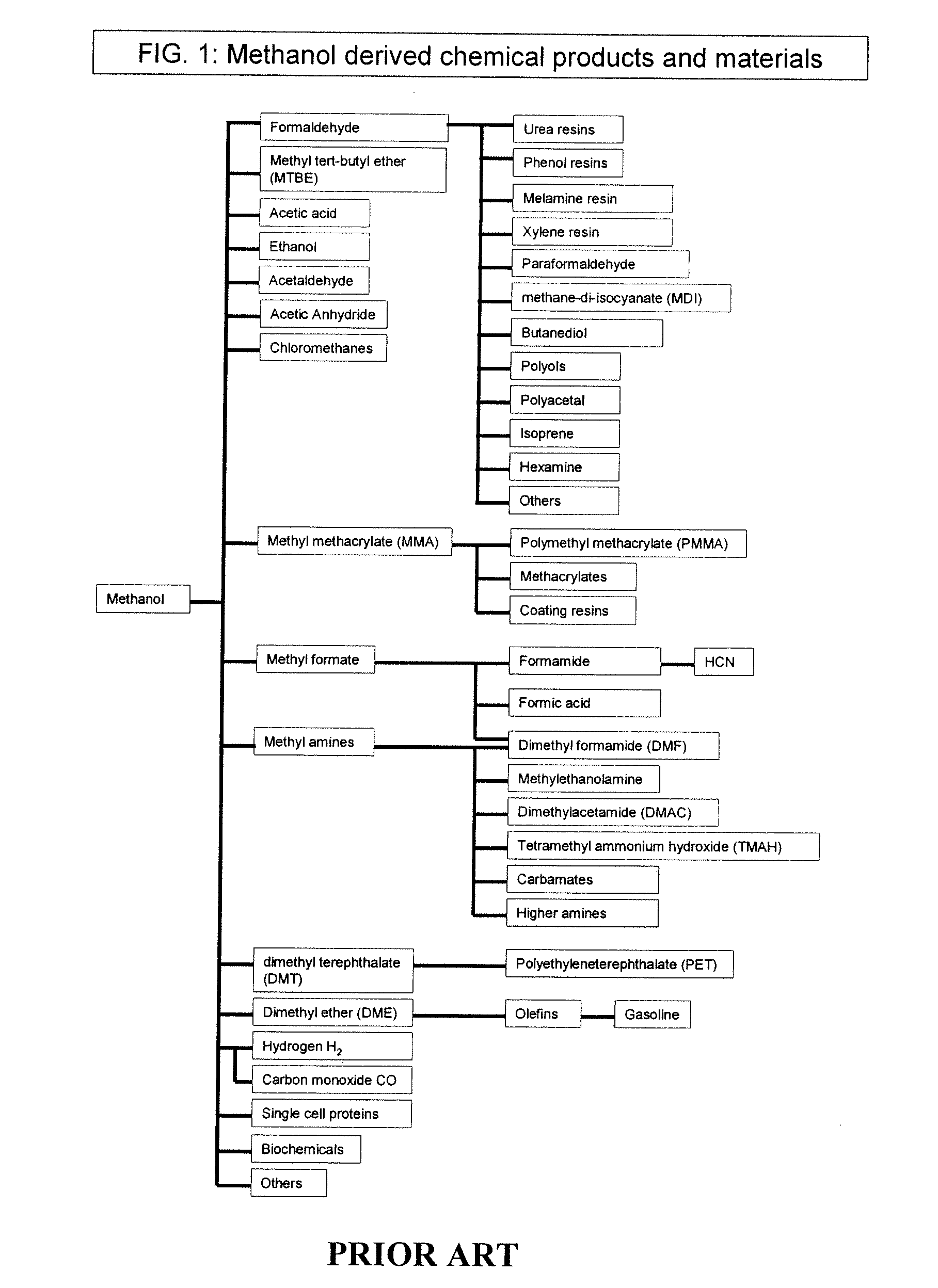
Various methods for producing dimethyl ether are described, including catalytic dehydration of methanol, direct synthesis from syngas, and conversion of other hydrocarbons. These processes often involve specific catalysts and reaction conditions to optimize yield and selectivity.- Production of dimethyl ether: Various methods for producing dimethyl ether are described, including catalytic dehydration of methanol, direct synthesis from syngas, and conversion of other hydrocarbons. These processes often involve specific catalysts and reaction conditions to optimize yield and selectivity.
- Catalysts for dimethyl ether synthesis: Different types of catalysts are used in the production of dimethyl ether, including zeolites, metal oxides, and composite catalysts. The choice of catalyst can significantly affect the reaction efficiency, selectivity, and overall process economics.
- Applications of dimethyl ether: Dimethyl ether has various applications, including use as a fuel additive, aerosol propellant, and refrigerant. It is also being explored as an alternative fuel for diesel engines and in the production of other chemicals.
- Purification and separation of dimethyl ether: Methods for purifying and separating dimethyl ether from reaction mixtures or other compounds are described. These processes often involve distillation, adsorption, or membrane separation techniques to achieve high-purity dimethyl ether.
- Environmental and safety considerations: Research on the environmental impact and safety aspects of dimethyl ether production and use is ongoing. This includes studies on emissions reduction, handling procedures, and risk assessments associated with its use as a fuel or chemical feedstock.
02 Catalysts for dimethyl ether synthesis
Different types of catalysts are used in the production of dimethyl ether, including zeolites, metal oxides, and composite catalysts. The choice and preparation of catalysts significantly influence the efficiency and selectivity of the dimethyl ether synthesis process.Expand Specific Solutions03 Applications of dimethyl ether
Dimethyl ether has various applications, including use as a fuel additive, propellant, refrigerant, and chemical intermediate. Its properties make it suitable for use in diesel engines, aerosol products, and as a building block for other chemicals.Expand Specific Solutions04 Purification and separation of dimethyl ether
Methods for purifying and separating dimethyl ether from reaction mixtures or other compounds are described. These processes often involve distillation, adsorption, or membrane separation techniques to obtain high-purity dimethyl ether.Expand Specific Solutions05 Environmental and safety considerations
Research on the environmental impact and safety aspects of dimethyl ether production and use is conducted. This includes studies on emissions reduction, handling procedures, and risk assessments associated with its use as an alternative fuel or chemical feedstock.Expand Specific Solutions
Key Players in DME Industry
The exploration of Dimethyl Ether (DME) in renewable energy applications is gaining momentum, with the market currently in its growth phase. The global DME market size is projected to expand significantly in the coming years, driven by increasing demand for clean energy alternatives. Technologically, DME production is advancing, with major players like China Petroleum & Chemical Corp., SK Energy Co., Ltd., and BASF Corp. investing in research and development. Academic institutions such as the University of Southern California and Zhejiang University are contributing to technological advancements. The involvement of research organizations like Fraunhofer-Gesellschaft and the Chinese Academy of Science Guangzhou Energy Research Institute indicates a growing focus on improving DME production efficiency and expanding its applications in the renewable energy sector.
China Petroleum & Chemical Corp.
Technical Solution: China Petroleum & Chemical Corp. (Sinopec) has been at the forefront of dimethyl ether (DME) research and application in renewable energy. They have developed a proprietary process for large-scale DME production from syngas derived from coal or natural gas[1]. Their technology involves a single-step synthesis process, which improves efficiency and reduces production costs. Sinopec has also been exploring the use of DME as a clean alternative fuel for vehicles and household cooking[2]. They have conducted extensive field trials of DME-powered buses and trucks in several Chinese cities, demonstrating the fuel's potential to reduce emissions and improve air quality[3]. Additionally, Sinopec has been investigating the production of renewable DME from biomass feedstocks, aligning with global efforts to decrease reliance on fossil fuels[4].
Strengths: Established infrastructure for large-scale production; extensive experience in field trials and practical applications. Weaknesses: Heavy reliance on coal-based DME production may face challenges in a carbon-constrained future.
BASF Corp.
Technical Solution: BASF Corp. has been actively involved in the development of DME technology for renewable energy applications. They have patented a novel catalytic process for the direct synthesis of DME from syngas, which offers higher conversion rates and selectivity compared to traditional methods[5]. BASF's approach integrates CO2 utilization in the DME production process, contributing to carbon capture efforts[6]. The company has also been exploring the use of DME as a hydrogen carrier for fuel cell applications, potentially revolutionizing energy storage and transport[7]. BASF's research extends to the development of advanced catalysts that can efficiently convert biomass-derived syngas to DME, enhancing the renewable aspect of DME production[8].
Strengths: Strong R&D capabilities in catalysis and process integration; global presence for technology deployment. Weaknesses: May face competition in scaling up new technologies against established petrochemical processes.
DME Catalysis and Synthesis Innovations
Energy supply method and system
PatentWO2006004140A1
Innovation
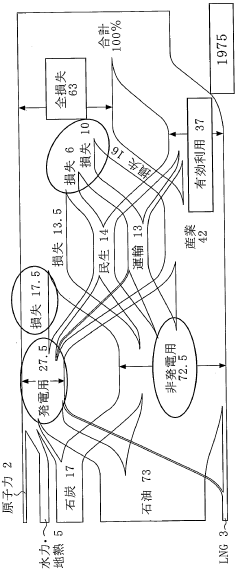
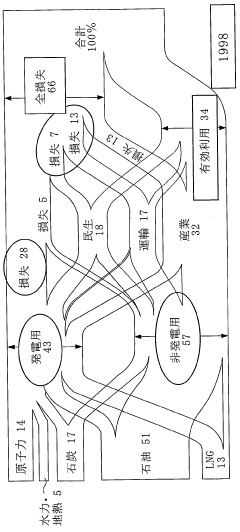
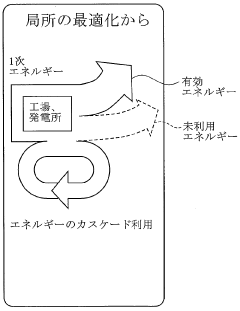
- The introduction of Dimethyl Ether (DME) as a versatile energy circulation medium, which can be derived from biomass, waste, and petroleum residues, and used for power generation, transportation, and heating, allowing for efficient energy storage and distribution without relying on pipelines, and enabling the conversion of waste heat into usable energy.
Conversion of carbon dioxide to methanol and/or dimethyl ether using BI-reforming of methane or natural gas
PatentActiveUS20080319093A1
Innovation
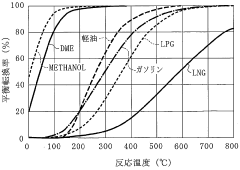
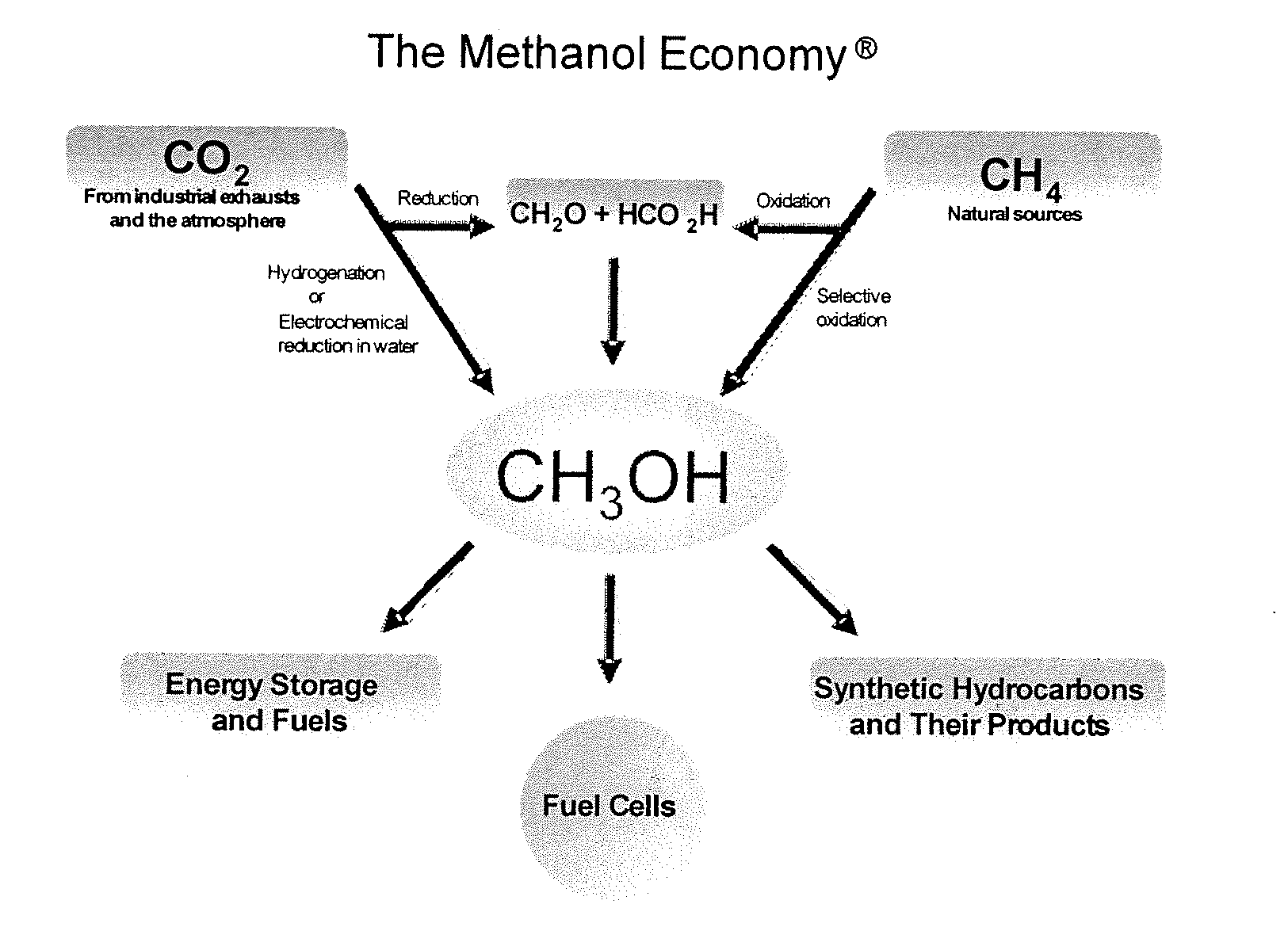
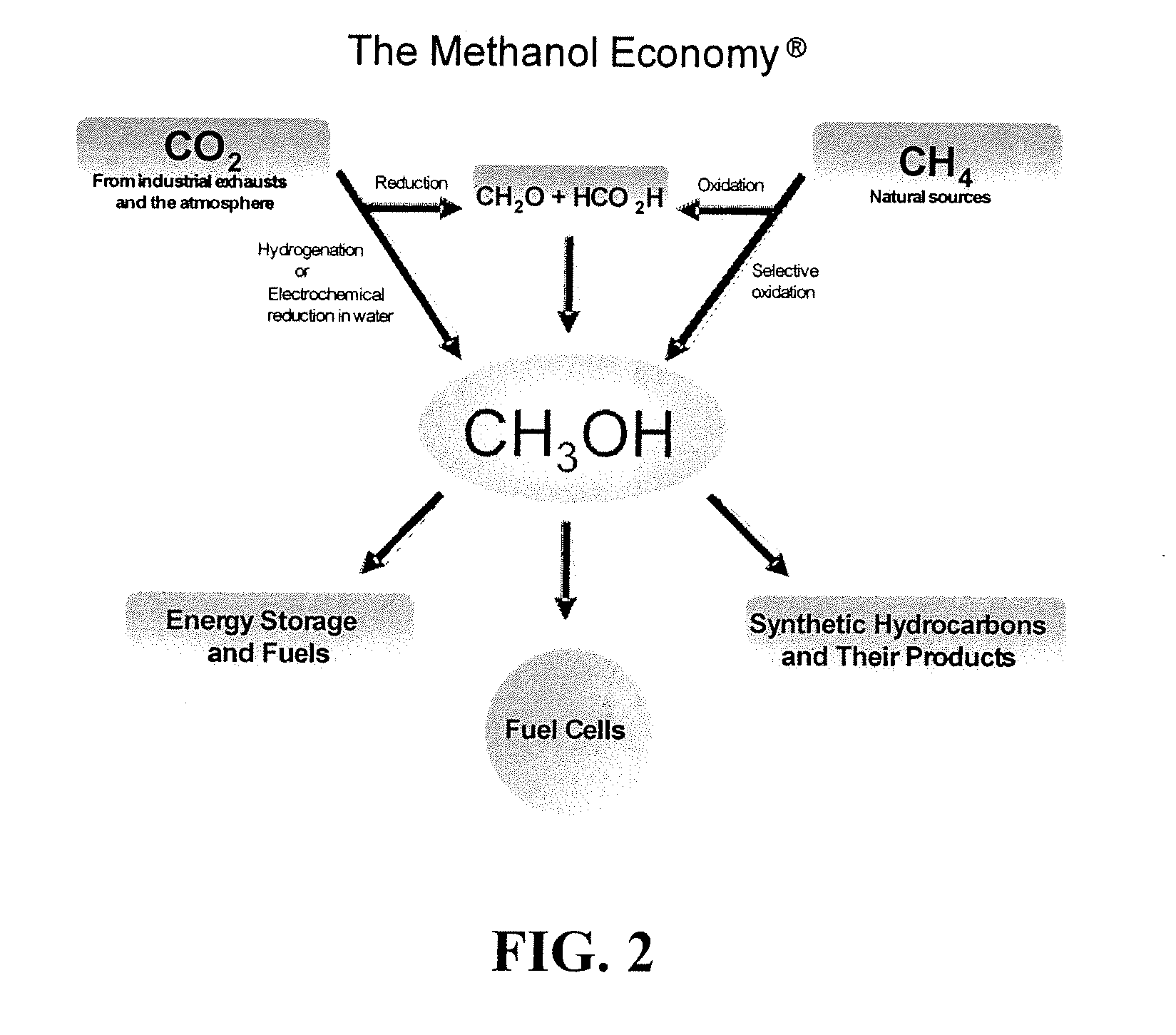
- A bi-reforming process combining steam and dry reforming of methane to achieve a specific CO/H2 ratio, allowing for the efficient conversion of carbon dioxide and methane into methanol and dimethyl ether without producing CO2 or unwanted by-products, using a catalyst such as V2O5 and NiO on a silica carrier.

Environmental Impact of DME Usage
The environmental impact of Dimethyl Ether (DME) usage in renewable energy applications is a critical aspect to consider when evaluating its potential as an alternative fuel. DME offers several environmental advantages compared to conventional fossil fuels, particularly in terms of reduced emissions and improved air quality.
One of the primary benefits of DME is its clean-burning properties. When used as a fuel, DME produces significantly lower levels of particulate matter, nitrogen oxides (NOx), and sulfur oxides (SOx) compared to diesel fuel. This reduction in harmful emissions can lead to improved air quality, especially in urban areas where air pollution is a major concern. The lower particulate matter emissions also contribute to reduced smog formation, which can have positive effects on public health and the environment.
Furthermore, DME has a lower carbon footprint compared to traditional fossil fuels. When produced from renewable sources such as biomass or captured carbon dioxide, DME can be considered a carbon-neutral fuel. This characteristic aligns with global efforts to reduce greenhouse gas emissions and combat climate change. The potential for DME to be produced from waste materials or renewable feedstocks also contributes to its environmental appeal, as it can help reduce reliance on fossil fuel resources.
In terms of ozone depletion potential, DME has a negligible impact. It does not contain chlorine or bromine, which are known to deplete the ozone layer. This makes DME a more environmentally friendly option compared to some other alternative fuels or refrigerants that may have ozone-depleting properties.
However, it is important to consider the full lifecycle environmental impact of DME production and use. The environmental benefits of DME can vary depending on the production method and feedstock used. For instance, DME produced from coal or natural gas may have a higher carbon footprint compared to DME derived from renewable sources. Therefore, the overall environmental impact should be assessed on a case-by-case basis, taking into account the specific production pathway and energy mix used in the manufacturing process.
Another environmental consideration is the potential for DME leakage during storage and transportation. While DME is not toxic and does not persist in the environment, it is a volatile organic compound (VOC) that can contribute to ground-level ozone formation if released in significant quantities. Proper handling and storage practices are essential to minimize any potential negative environmental impacts associated with DME usage.
In conclusion, the environmental impact of DME usage in renewable energy applications is generally positive, particularly when compared to conventional fossil fuels. Its clean-burning properties, potential for carbon neutrality, and reduced emissions of harmful pollutants make it an attractive option from an environmental perspective. However, careful consideration of production methods and lifecycle assessments is necessary to fully realize the environmental benefits of DME as a renewable energy solution.
One of the primary benefits of DME is its clean-burning properties. When used as a fuel, DME produces significantly lower levels of particulate matter, nitrogen oxides (NOx), and sulfur oxides (SOx) compared to diesel fuel. This reduction in harmful emissions can lead to improved air quality, especially in urban areas where air pollution is a major concern. The lower particulate matter emissions also contribute to reduced smog formation, which can have positive effects on public health and the environment.
Furthermore, DME has a lower carbon footprint compared to traditional fossil fuels. When produced from renewable sources such as biomass or captured carbon dioxide, DME can be considered a carbon-neutral fuel. This characteristic aligns with global efforts to reduce greenhouse gas emissions and combat climate change. The potential for DME to be produced from waste materials or renewable feedstocks also contributes to its environmental appeal, as it can help reduce reliance on fossil fuel resources.
In terms of ozone depletion potential, DME has a negligible impact. It does not contain chlorine or bromine, which are known to deplete the ozone layer. This makes DME a more environmentally friendly option compared to some other alternative fuels or refrigerants that may have ozone-depleting properties.
However, it is important to consider the full lifecycle environmental impact of DME production and use. The environmental benefits of DME can vary depending on the production method and feedstock used. For instance, DME produced from coal or natural gas may have a higher carbon footprint compared to DME derived from renewable sources. Therefore, the overall environmental impact should be assessed on a case-by-case basis, taking into account the specific production pathway and energy mix used in the manufacturing process.
Another environmental consideration is the potential for DME leakage during storage and transportation. While DME is not toxic and does not persist in the environment, it is a volatile organic compound (VOC) that can contribute to ground-level ozone formation if released in significant quantities. Proper handling and storage practices are essential to minimize any potential negative environmental impacts associated with DME usage.
In conclusion, the environmental impact of DME usage in renewable energy applications is generally positive, particularly when compared to conventional fossil fuels. Its clean-burning properties, potential for carbon neutrality, and reduced emissions of harmful pollutants make it an attractive option from an environmental perspective. However, careful consideration of production methods and lifecycle assessments is necessary to fully realize the environmental benefits of DME as a renewable energy solution.
DME Infrastructure Requirements
The implementation of dimethyl ether (DME) as a renewable energy source requires significant infrastructure development to support its production, distribution, and utilization. A comprehensive DME infrastructure network encompasses several key components, including production facilities, storage systems, transportation networks, and end-use equipment modifications.
DME production facilities need to be strategically located near feedstock sources, such as biomass or natural gas, to minimize transportation costs and maximize efficiency. These facilities require specialized equipment for the synthesis and purification of DME, including reactors, distillation columns, and storage tanks. The scale of production facilities can vary from small-scale units for localized use to large-scale plants capable of supplying regional or national markets.
Storage infrastructure for DME is critical due to its unique physical properties. DME is typically stored as a liquefied gas under moderate pressure, necessitating the use of pressurized tanks similar to those used for liquefied petroleum gas (LPG). Storage facilities must be designed to maintain the appropriate pressure and temperature conditions to keep DME in its liquid state, ensuring efficient storage and distribution.
Transportation of DME requires a dedicated network of pipelines, tanker trucks, and rail cars equipped to handle pressurized liquids. Existing LPG infrastructure can be adapted for DME transport, but modifications may be necessary to accommodate DME's specific properties. The development of a robust transportation network is essential for ensuring reliable supply to end-users across various sectors.
Fueling stations for DME-powered vehicles represent a crucial component of the infrastructure. These stations require specialized dispensing equipment capable of handling pressurized DME and maintaining safety standards. The widespread adoption of DME as a transportation fuel would necessitate the conversion or construction of numerous fueling stations to create a viable network for consumers.
End-use equipment, particularly in the transportation and industrial sectors, requires modifications to utilize DME effectively. For vehicles, this includes adapting engines, fuel systems, and storage tanks to accommodate DME's properties. Industrial applications may require the retrofitting of boilers, turbines, and other equipment to optimize DME combustion and maximize efficiency.
The development of DME infrastructure also necessitates the establishment of safety protocols, training programs, and regulatory frameworks to ensure the safe handling and use of DME across the supply chain. This includes implementing appropriate safety measures at production facilities, during transportation, and at end-use locations.
DME production facilities need to be strategically located near feedstock sources, such as biomass or natural gas, to minimize transportation costs and maximize efficiency. These facilities require specialized equipment for the synthesis and purification of DME, including reactors, distillation columns, and storage tanks. The scale of production facilities can vary from small-scale units for localized use to large-scale plants capable of supplying regional or national markets.
Storage infrastructure for DME is critical due to its unique physical properties. DME is typically stored as a liquefied gas under moderate pressure, necessitating the use of pressurized tanks similar to those used for liquefied petroleum gas (LPG). Storage facilities must be designed to maintain the appropriate pressure and temperature conditions to keep DME in its liquid state, ensuring efficient storage and distribution.
Transportation of DME requires a dedicated network of pipelines, tanker trucks, and rail cars equipped to handle pressurized liquids. Existing LPG infrastructure can be adapted for DME transport, but modifications may be necessary to accommodate DME's specific properties. The development of a robust transportation network is essential for ensuring reliable supply to end-users across various sectors.
Fueling stations for DME-powered vehicles represent a crucial component of the infrastructure. These stations require specialized dispensing equipment capable of handling pressurized DME and maintaining safety standards. The widespread adoption of DME as a transportation fuel would necessitate the conversion or construction of numerous fueling stations to create a viable network for consumers.
End-use equipment, particularly in the transportation and industrial sectors, requires modifications to utilize DME effectively. For vehicles, this includes adapting engines, fuel systems, and storage tanks to accommodate DME's properties. Industrial applications may require the retrofitting of boilers, turbines, and other equipment to optimize DME combustion and maximize efficiency.
The development of DME infrastructure also necessitates the establishment of safety protocols, training programs, and regulatory frameworks to ensure the safe handling and use of DME across the supply chain. This includes implementing appropriate safety measures at production facilities, during transportation, and at end-use locations.
Unlock deeper insights with PatSnap Eureka Quick Research — get a full tech report to explore trends and direct your research. Try now!
Generate Your Research Report Instantly with AI Agent
Supercharge your innovation with PatSnap Eureka AI Agent Platform!