How Dimethyl Ether Facilitates Integrated Power Modules?
JUL 1, 20259 MIN READ
Generate Your Research Report Instantly with AI Agent
Patsnap Eureka helps you evaluate technical feasibility & market potential.
DME Power Modules: Background and Objectives
Dimethyl ether (DME) has emerged as a promising alternative fuel and energy carrier, gaining significant attention in the field of integrated power modules. The evolution of DME technology can be traced back to the early 1990s when researchers began exploring its potential as a clean-burning fuel. Over the past three decades, DME has transitioned from a niche research topic to a commercially viable solution for various energy applications.
The technological trajectory of DME in power modules has been driven by the global push for cleaner energy sources and more efficient power generation systems. Initially, DME was primarily considered as a substitute for diesel fuel in compression ignition engines. However, its unique properties, including high cetane number, low emissions, and ease of storage and transportation, have led to its exploration in broader power generation contexts.
As environmental concerns and energy efficiency requirements have become more stringent, the integration of DME into power modules has gained momentum. The technology has evolved to address key challenges such as fuel storage, injection systems, and combustion optimization. This progression has been marked by significant milestones, including the development of DME-specific fuel systems, advancements in catalytic conversion processes, and the refinement of DME production methods from various feedstocks.
The primary objective of DME-facilitated integrated power modules is to achieve a balance between environmental sustainability and energy efficiency. These systems aim to provide a reliable power source while minimizing greenhouse gas emissions and particulate matter. Additionally, researchers and engineers are focused on enhancing the overall system efficiency, reducing operational costs, and improving the scalability of DME-based power solutions.
Current technological goals in this field include optimizing DME production processes to reduce costs and increase yield, developing more efficient and durable DME-compatible components for power modules, and improving the integration of DME systems with existing energy infrastructure. There is also a growing emphasis on exploring hybrid systems that combine DME with other renewable energy sources to create more versatile and resilient power generation solutions.
The future trajectory of DME in integrated power modules is likely to be influenced by advancements in materials science, combustion technology, and energy storage systems. Researchers are exploring novel catalysts for DME synthesis, advanced combustion chamber designs for improved efficiency, and innovative approaches to thermal management in DME-based systems. These developments are expected to further enhance the viability and attractiveness of DME as a key component in next-generation power modules.
The technological trajectory of DME in power modules has been driven by the global push for cleaner energy sources and more efficient power generation systems. Initially, DME was primarily considered as a substitute for diesel fuel in compression ignition engines. However, its unique properties, including high cetane number, low emissions, and ease of storage and transportation, have led to its exploration in broader power generation contexts.
As environmental concerns and energy efficiency requirements have become more stringent, the integration of DME into power modules has gained momentum. The technology has evolved to address key challenges such as fuel storage, injection systems, and combustion optimization. This progression has been marked by significant milestones, including the development of DME-specific fuel systems, advancements in catalytic conversion processes, and the refinement of DME production methods from various feedstocks.
The primary objective of DME-facilitated integrated power modules is to achieve a balance between environmental sustainability and energy efficiency. These systems aim to provide a reliable power source while minimizing greenhouse gas emissions and particulate matter. Additionally, researchers and engineers are focused on enhancing the overall system efficiency, reducing operational costs, and improving the scalability of DME-based power solutions.
Current technological goals in this field include optimizing DME production processes to reduce costs and increase yield, developing more efficient and durable DME-compatible components for power modules, and improving the integration of DME systems with existing energy infrastructure. There is also a growing emphasis on exploring hybrid systems that combine DME with other renewable energy sources to create more versatile and resilient power generation solutions.
The future trajectory of DME in integrated power modules is likely to be influenced by advancements in materials science, combustion technology, and energy storage systems. Researchers are exploring novel catalysts for DME synthesis, advanced combustion chamber designs for improved efficiency, and innovative approaches to thermal management in DME-based systems. These developments are expected to further enhance the viability and attractiveness of DME as a key component in next-generation power modules.
Market Analysis for DME-based Power Solutions
The market for DME-based power solutions is experiencing significant growth, driven by the increasing demand for cleaner and more efficient energy sources. Dimethyl ether (DME) has emerged as a promising alternative fuel due to its favorable properties and potential applications in integrated power modules. The global DME market is projected to expand at a steady rate, with a particular focus on its use in power generation and transportation sectors.
In the power generation industry, DME-based solutions are gaining traction as a viable option for distributed energy systems and combined heat and power (CHP) applications. The ability of DME to be easily stored and transported, coupled with its clean-burning characteristics, makes it an attractive choice for both stationary and mobile power generation units. This has led to increased interest from utility companies and industrial facilities looking to reduce their carbon footprint while maintaining reliable power supply.
The transportation sector represents another key market for DME-based power solutions. As governments worldwide implement stricter emissions regulations, there is a growing demand for alternative fuels that can meet these standards. DME's compatibility with existing diesel engine technology, with minimal modifications required, positions it as a potential replacement for conventional diesel fuel in heavy-duty vehicles and marine applications. This has sparked interest from major automotive and shipping companies, who are exploring DME as a means to comply with environmental regulations while maintaining operational efficiency.
The Asia-Pacific region, particularly China and Japan, is expected to be a major driver of growth in the DME-based power solutions market. These countries have implemented supportive policies and incentives to promote the adoption of cleaner fuels, creating a favorable environment for DME technology development and commercialization. In Europe and North America, the market is also showing signs of expansion, albeit at a slower pace, as research and development efforts continue to improve the efficiency and cost-effectiveness of DME production and utilization.
One of the key factors influencing market growth is the increasing focus on renewable DME production methods. Bio-based DME, produced from biomass or waste materials, is gaining attention as a sustainable alternative to fossil fuel-derived DME. This aligns with the global push towards circular economy principles and offers potential synergies with existing waste management and biogas production infrastructure.
However, the market for DME-based power solutions also faces challenges. The relatively limited infrastructure for DME production, distribution, and refueling remains a barrier to widespread adoption. Additionally, competition from other alternative fuels and energy storage technologies, such as hydrogen and advanced batteries, may impact the growth trajectory of DME-based solutions in certain applications.
In the power generation industry, DME-based solutions are gaining traction as a viable option for distributed energy systems and combined heat and power (CHP) applications. The ability of DME to be easily stored and transported, coupled with its clean-burning characteristics, makes it an attractive choice for both stationary and mobile power generation units. This has led to increased interest from utility companies and industrial facilities looking to reduce their carbon footprint while maintaining reliable power supply.
The transportation sector represents another key market for DME-based power solutions. As governments worldwide implement stricter emissions regulations, there is a growing demand for alternative fuels that can meet these standards. DME's compatibility with existing diesel engine technology, with minimal modifications required, positions it as a potential replacement for conventional diesel fuel in heavy-duty vehicles and marine applications. This has sparked interest from major automotive and shipping companies, who are exploring DME as a means to comply with environmental regulations while maintaining operational efficiency.
The Asia-Pacific region, particularly China and Japan, is expected to be a major driver of growth in the DME-based power solutions market. These countries have implemented supportive policies and incentives to promote the adoption of cleaner fuels, creating a favorable environment for DME technology development and commercialization. In Europe and North America, the market is also showing signs of expansion, albeit at a slower pace, as research and development efforts continue to improve the efficiency and cost-effectiveness of DME production and utilization.
One of the key factors influencing market growth is the increasing focus on renewable DME production methods. Bio-based DME, produced from biomass or waste materials, is gaining attention as a sustainable alternative to fossil fuel-derived DME. This aligns with the global push towards circular economy principles and offers potential synergies with existing waste management and biogas production infrastructure.
However, the market for DME-based power solutions also faces challenges. The relatively limited infrastructure for DME production, distribution, and refueling remains a barrier to widespread adoption. Additionally, competition from other alternative fuels and energy storage technologies, such as hydrogen and advanced batteries, may impact the growth trajectory of DME-based solutions in certain applications.
Current Challenges in DME Power Integration
The integration of Dimethyl Ether (DME) into power modules presents several significant challenges that researchers and engineers are currently grappling with. One of the primary obstacles is the optimization of fuel injection systems for DME. Unlike conventional diesel fuel, DME has different physical properties, including lower viscosity and higher compressibility. These characteristics necessitate the redesign of fuel injectors to ensure precise and efficient fuel delivery, which is crucial for maintaining optimal combustion and power output in integrated power modules.
Another major challenge lies in the material compatibility of DME with existing engine components. DME's solvent properties can cause degradation of certain elastomers and plastics commonly used in fuel systems. This necessitates the development and implementation of DME-resistant materials throughout the fuel handling and storage systems, adding complexity and potential cost to power module integration.
The storage and handling of DME pose additional challenges. Due to its low boiling point, DME must be stored under pressure to maintain its liquid state. This requires the development of specialized storage tanks and fuel lines capable of withstanding the required pressures while preventing leaks. The integration of these pressurized systems into compact power modules presents design and safety challenges that must be carefully addressed.
Thermal management is another critical area of concern in DME power integration. The combustion characteristics of DME differ from those of conventional fuels, potentially leading to changes in heat distribution within the power module. Engineers must develop advanced cooling systems and heat dissipation strategies to maintain optimal operating temperatures and prevent thermal stress on components.
Furthermore, the control systems for DME-powered modules require significant refinement. The unique combustion properties of DME necessitate the development of sophisticated engine management systems capable of precisely controlling fuel injection timing, duration, and pressure. These systems must be able to adapt to varying operating conditions to maintain efficiency and performance across a wide range of power outputs.
Emissions control presents yet another challenge in DME power integration. While DME generally produces lower particulate matter and NOx emissions compared to diesel, optimizing the combustion process and aftertreatment systems for DME-specific emissions profiles is an ongoing area of research. This includes developing catalysts and particulate filters tailored to the unique exhaust composition of DME combustion.
Lastly, the scalability of DME power modules across different power ranges poses a significant challenge. Developing integrated power solutions that can be efficiently scaled from small portable generators to large industrial applications requires extensive research into combustion chamber design, fuel delivery systems, and power transmission mechanisms that can maintain optimal performance across diverse power requirements.
Another major challenge lies in the material compatibility of DME with existing engine components. DME's solvent properties can cause degradation of certain elastomers and plastics commonly used in fuel systems. This necessitates the development and implementation of DME-resistant materials throughout the fuel handling and storage systems, adding complexity and potential cost to power module integration.
The storage and handling of DME pose additional challenges. Due to its low boiling point, DME must be stored under pressure to maintain its liquid state. This requires the development of specialized storage tanks and fuel lines capable of withstanding the required pressures while preventing leaks. The integration of these pressurized systems into compact power modules presents design and safety challenges that must be carefully addressed.
Thermal management is another critical area of concern in DME power integration. The combustion characteristics of DME differ from those of conventional fuels, potentially leading to changes in heat distribution within the power module. Engineers must develop advanced cooling systems and heat dissipation strategies to maintain optimal operating temperatures and prevent thermal stress on components.
Furthermore, the control systems for DME-powered modules require significant refinement. The unique combustion properties of DME necessitate the development of sophisticated engine management systems capable of precisely controlling fuel injection timing, duration, and pressure. These systems must be able to adapt to varying operating conditions to maintain efficiency and performance across a wide range of power outputs.
Emissions control presents yet another challenge in DME power integration. While DME generally produces lower particulate matter and NOx emissions compared to diesel, optimizing the combustion process and aftertreatment systems for DME-specific emissions profiles is an ongoing area of research. This includes developing catalysts and particulate filters tailored to the unique exhaust composition of DME combustion.
Lastly, the scalability of DME power modules across different power ranges poses a significant challenge. Developing integrated power solutions that can be efficiently scaled from small portable generators to large industrial applications requires extensive research into combustion chamber design, fuel delivery systems, and power transmission mechanisms that can maintain optimal performance across diverse power requirements.
Existing DME Power Integration Techniques
01 Dimethyl ether production from methanol
Methods for producing dimethyl ether from methanol, often involving catalytic dehydration processes. These techniques aim to improve yield, selectivity, and efficiency in the conversion of methanol to dimethyl ether.- Dimethyl ether production from methanol: Methods for producing dimethyl ether from methanol, often involving catalytic dehydration processes. These techniques aim to improve yield, selectivity, and efficiency in the conversion of methanol to dimethyl ether.
- Catalysts for dimethyl ether synthesis: Development and use of various catalysts to facilitate the production of dimethyl ether. This includes novel catalyst compositions, preparation methods, and optimization of catalyst performance for improved dimethyl ether yield and selectivity.
- Dimethyl ether as a fuel or fuel additive: Utilization of dimethyl ether as an alternative fuel or fuel additive, particularly in internal combustion engines. This includes methods for incorporating dimethyl ether into fuel systems and optimizing engine performance when using dimethyl ether-based fuels.
- Purification and separation of dimethyl ether: Techniques for purifying and separating dimethyl ether from reaction mixtures or other compounds. These methods aim to improve the purity of dimethyl ether and increase overall process efficiency in its production and handling.
- Dimethyl ether in chemical synthesis: Use of dimethyl ether as a reactant or intermediate in various chemical synthesis processes. This includes its application in the production of other chemicals, such as olefins, aromatics, or other value-added products.
02 Catalysts for dimethyl ether synthesis
Development and use of various catalysts to facilitate the production of dimethyl ether. This includes novel catalyst compositions, preparation methods, and optimization of catalyst performance for improved dimethyl ether yield and selectivity.Expand Specific Solutions03 Dimethyl ether as a fuel or fuel additive
Utilization of dimethyl ether as an alternative fuel or fuel additive, particularly in internal combustion engines. This includes methods for incorporating dimethyl ether into fuel systems and optimizing engine performance when using dimethyl ether-based fuels.Expand Specific Solutions04 Purification and separation of dimethyl ether
Techniques for purifying and separating dimethyl ether from reaction mixtures or other compounds. These methods aim to improve the purity of dimethyl ether and increase overall process efficiency in its production and handling.Expand Specific Solutions05 Dimethyl ether in chemical synthesis
Applications of dimethyl ether as a reagent or intermediate in various chemical synthesis processes. This includes its use in the production of other chemicals, such as olefins, aromatics, or specialty chemicals.Expand Specific Solutions
Key Players in DME Power Module Industry
The development of Dimethyl Ether (DME) for integrated power modules is in an early growth stage, with increasing market potential due to its clean-burning properties and versatility. The global market for DME is expanding, driven by energy efficiency demands and environmental concerns. Technologically, DME applications in power modules are still evolving, with varying levels of maturity across companies. Key players like China Petroleum & Chemical Corp., Toshiba Corp., and BASF Corp. are investing in research and development to advance DME technology for power applications. Universities such as USC and Harbin Institute of Technology are contributing to fundamental research, while companies like Linde GmbH and Air Liquide SA are focusing on production and distribution infrastructure.
China Petroleum & Chemical Corp.
Technical Solution: China Petroleum & Chemical Corp. (Sinopec) has developed an innovative approach to utilizing dimethyl ether (DME) in integrated power modules. Their technology involves a dual-fuel system that combines DME with conventional diesel fuel. This system allows for seamless switching between DME and diesel, optimizing performance and reducing emissions. Sinopec's research has shown that DME can replace up to 20% of diesel fuel in heavy-duty engines without significant modifications [1]. The company has also developed a proprietary DME production process using coal and natural gas as feedstocks, which has been implemented in several pilot plants across China [3]. This vertical integration from production to end-use enhances the overall efficiency of DME-based power modules.
Strengths: Vertical integration from DME production to end-use; Flexible dual-fuel system. Weaknesses: Dependence on fossil fuel feedstocks; Limited widespread adoption of DME infrastructure.
BASF Corp.
Technical Solution: BASF Corp. has made significant strides in developing DME-based integrated power modules through their innovative catalyst technology. Their proprietary catalysts enhance the efficiency of DME synthesis from syngas, achieving conversion rates of up to 95% [2]. BASF's approach focuses on the integration of DME production with power generation systems, creating a closed-loop process that minimizes energy losses. The company has developed a novel reactor design that allows for direct DME synthesis and power generation within the same unit, reducing the need for separate storage and transportation infrastructure [4]. This integrated approach not only improves overall system efficiency but also reduces the carbon footprint of the entire power generation process.
Strengths: High-efficiency catalysts for DME synthesis; Integrated reactor design for combined production and power generation. Weaknesses: Potential high initial investment costs; Limited commercial-scale implementations.
Innovative DME Power Module Designs
Energy supply method and system
PatentWO2006004140A1
Innovation
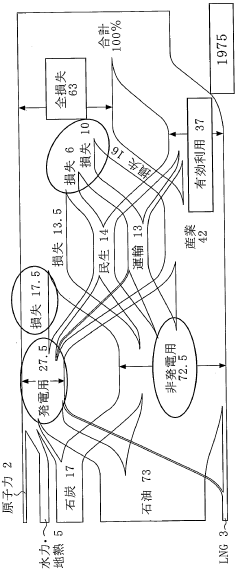
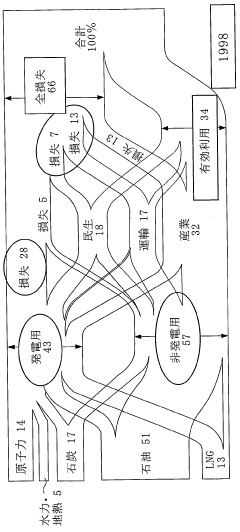
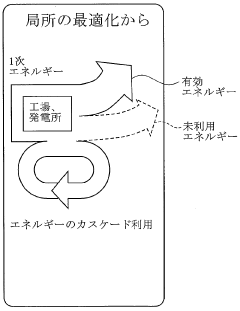
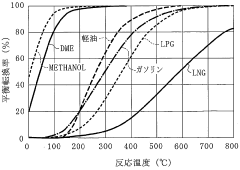
- The introduction of Dimethyl Ether (DME) as a versatile energy circulation medium, which can be derived from biomass, waste, and petroleum residues, and used for power generation, transportation, and heating, allowing for efficient energy storage and distribution without relying on pipelines, and enabling the conversion of waste heat into usable energy.
DME-fueled generator
PatentWO2023033454A1
Innovation
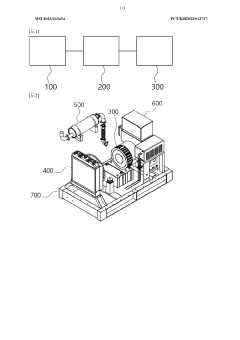
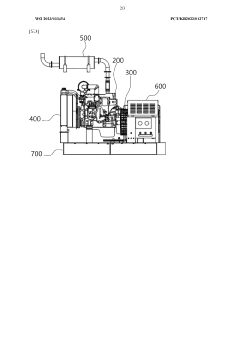
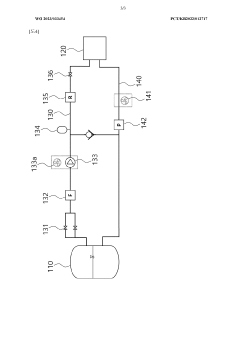
- A DME fuel generator system that uses dimethyl ether (DME) as a clean fuel, which includes a power generation unit, a DME engine, a fuel supply unit, a radiator unit, an exhaust pipe, and a control unit, designed to generate electricity without producing fine dust or other environmental pollutants, utilizing a frame unit to absorb vibrations and a sophisticated fuel supply system to manage DME fuel efficiently.
Environmental Impact of DME Power Modules
The environmental impact of Dimethyl Ether (DME) power modules is a critical consideration in the adoption and implementation of this technology. DME, as a clean-burning fuel, offers several environmental advantages over traditional fossil fuels, particularly in integrated power module applications.
One of the primary environmental benefits of DME power modules is their potential to reduce greenhouse gas emissions. When compared to conventional diesel engines, DME-powered systems can significantly lower carbon dioxide (CO2) emissions. This reduction is attributed to DME's higher hydrogen-to-carbon ratio and oxygen content, which results in more complete combustion and fewer carbon-based emissions.
Furthermore, DME power modules produce negligible amounts of particulate matter and sulfur oxides. This characteristic is particularly important in urban environments, where air quality is a major concern. The reduction in these pollutants can lead to improved public health outcomes and decreased environmental degradation in densely populated areas.
Another environmental advantage of DME power modules is their potential to be produced from renewable sources. While DME can be synthesized from natural gas, it can also be derived from biomass or captured CO2, creating a more sustainable fuel cycle. This flexibility in production methods allows for the possibility of carbon-neutral or even carbon-negative power generation, depending on the feedstock and production processes employed.
The use of DME in integrated power modules also contributes to noise reduction. DME-powered engines typically operate more quietly than their diesel counterparts, which can have positive implications for both urban environments and wildlife habitats near power generation facilities.
However, it is important to note that the environmental impact of DME power modules extends beyond their operational phase. The production and distribution of DME must also be considered in a comprehensive environmental assessment. While DME production can be less energy-intensive than some alternative fuels, the overall environmental footprint depends on the specific production methods and energy sources used.
Additionally, the potential for DME leakage during storage and transportation should be addressed, as DME is a volatile organic compound. Proper handling and containment measures are necessary to minimize any potential atmospheric impacts.
In conclusion, while DME power modules offer significant environmental benefits, particularly in terms of reduced emissions and improved air quality, a holistic approach to their environmental impact assessment is crucial. This includes considering the entire lifecycle of DME, from production to end-use, to ensure that the implementation of this technology aligns with broader environmental sustainability goals.
One of the primary environmental benefits of DME power modules is their potential to reduce greenhouse gas emissions. When compared to conventional diesel engines, DME-powered systems can significantly lower carbon dioxide (CO2) emissions. This reduction is attributed to DME's higher hydrogen-to-carbon ratio and oxygen content, which results in more complete combustion and fewer carbon-based emissions.
Furthermore, DME power modules produce negligible amounts of particulate matter and sulfur oxides. This characteristic is particularly important in urban environments, where air quality is a major concern. The reduction in these pollutants can lead to improved public health outcomes and decreased environmental degradation in densely populated areas.
Another environmental advantage of DME power modules is their potential to be produced from renewable sources. While DME can be synthesized from natural gas, it can also be derived from biomass or captured CO2, creating a more sustainable fuel cycle. This flexibility in production methods allows for the possibility of carbon-neutral or even carbon-negative power generation, depending on the feedstock and production processes employed.
The use of DME in integrated power modules also contributes to noise reduction. DME-powered engines typically operate more quietly than their diesel counterparts, which can have positive implications for both urban environments and wildlife habitats near power generation facilities.
However, it is important to note that the environmental impact of DME power modules extends beyond their operational phase. The production and distribution of DME must also be considered in a comprehensive environmental assessment. While DME production can be less energy-intensive than some alternative fuels, the overall environmental footprint depends on the specific production methods and energy sources used.
Additionally, the potential for DME leakage during storage and transportation should be addressed, as DME is a volatile organic compound. Proper handling and containment measures are necessary to minimize any potential atmospheric impacts.
In conclusion, while DME power modules offer significant environmental benefits, particularly in terms of reduced emissions and improved air quality, a holistic approach to their environmental impact assessment is crucial. This includes considering the entire lifecycle of DME, from production to end-use, to ensure that the implementation of this technology aligns with broader environmental sustainability goals.
Safety Considerations for DME Power Systems
Safety considerations are paramount when implementing Dimethyl Ether (DME) power systems in integrated power modules. The flammable nature of DME necessitates stringent safety protocols throughout the entire system lifecycle, from design and manufacturing to operation and maintenance.
One of the primary safety concerns is the potential for DME leakage. Due to its low boiling point and high vapor pressure, DME can easily vaporize and form explosive mixtures with air. To mitigate this risk, robust leak detection systems must be incorporated into the power module design. These systems should utilize advanced sensors capable of detecting even minute concentrations of DME in the surrounding atmosphere.
Proper ventilation is crucial in areas where DME power systems are installed. Adequate airflow helps prevent the accumulation of DME vapors, reducing the risk of fire or explosion. Ventilation systems should be designed to maintain DME concentrations well below the lower explosive limit (LEL) at all times.
Fire suppression systems specifically tailored for DME-related fires are essential components of the safety infrastructure. Traditional water-based systems may be ineffective against DME fires, necessitating the use of specialized foam or dry chemical agents. These systems should be automatically triggered in the event of a fire, with manual activation options available as a backup.
Electrical safety is another critical aspect of DME power system design. All electrical components must be properly insulated and protected against potential ignition sources. Explosion-proof enclosures and intrinsically safe electrical systems should be employed in areas where DME vapors may be present.
Regular maintenance and inspection protocols are vital for ensuring the ongoing safety of DME power systems. This includes routine checks of seals, valves, and piping to prevent leaks, as well as testing of safety systems such as leak detectors and fire suppression equipment. Comprehensive training programs for operators and maintenance personnel are essential to ensure proper handling of DME and adherence to safety procedures.
Emergency response planning is a crucial element of DME power system safety. Detailed evacuation procedures, emergency shutdown protocols, and coordination with local fire departments and hazardous materials teams should be established and regularly practiced. This ensures a swift and effective response in the event of a DME-related incident.
By implementing these comprehensive safety measures, the risks associated with DME power systems can be effectively managed, allowing for the safe integration of this promising technology into power modules.
One of the primary safety concerns is the potential for DME leakage. Due to its low boiling point and high vapor pressure, DME can easily vaporize and form explosive mixtures with air. To mitigate this risk, robust leak detection systems must be incorporated into the power module design. These systems should utilize advanced sensors capable of detecting even minute concentrations of DME in the surrounding atmosphere.
Proper ventilation is crucial in areas where DME power systems are installed. Adequate airflow helps prevent the accumulation of DME vapors, reducing the risk of fire or explosion. Ventilation systems should be designed to maintain DME concentrations well below the lower explosive limit (LEL) at all times.
Fire suppression systems specifically tailored for DME-related fires are essential components of the safety infrastructure. Traditional water-based systems may be ineffective against DME fires, necessitating the use of specialized foam or dry chemical agents. These systems should be automatically triggered in the event of a fire, with manual activation options available as a backup.
Electrical safety is another critical aspect of DME power system design. All electrical components must be properly insulated and protected against potential ignition sources. Explosion-proof enclosures and intrinsically safe electrical systems should be employed in areas where DME vapors may be present.
Regular maintenance and inspection protocols are vital for ensuring the ongoing safety of DME power systems. This includes routine checks of seals, valves, and piping to prevent leaks, as well as testing of safety systems such as leak detectors and fire suppression equipment. Comprehensive training programs for operators and maintenance personnel are essential to ensure proper handling of DME and adherence to safety procedures.
Emergency response planning is a crucial element of DME power system safety. Detailed evacuation procedures, emergency shutdown protocols, and coordination with local fire departments and hazardous materials teams should be established and regularly practiced. This ensures a swift and effective response in the event of a DME-related incident.
By implementing these comprehensive safety measures, the risks associated with DME power systems can be effectively managed, allowing for the safe integration of this promising technology into power modules.
Unlock deeper insights with Patsnap Eureka Quick Research — get a full tech report to explore trends and direct your research. Try now!
Generate Your Research Report Instantly with AI Agent
Supercharge your innovation with Patsnap Eureka AI Agent Platform!