

How LDAC Improves User Experience in Portable Devices?
JUL 4, 20259 MIN READ
Generate Your Research Report Instantly with AI Agent
Patsnap Eureka helps you evaluate technical feasibility & market potential.
LDAC Technology Evolution
LDAC (Low Latency Audio Codec) technology has undergone significant evolution since its introduction by Sony in 2015. Initially developed to address the limitations of existing Bluetooth audio codecs, LDAC has continuously improved to enhance the user experience in portable devices.
The first generation of LDAC focused on achieving high-resolution audio transmission over Bluetooth. It introduced adaptive bit rate technology, allowing for transmission rates up to 990 kbps, a substantial improvement over previous codecs. This initial version laid the foundation for superior audio quality in wireless devices.
As the technology matured, LDAC 2.0 brought refinements in power efficiency and connection stability. These improvements were crucial for portable devices, where battery life and consistent performance are paramount. The codec's ability to dynamically adjust its bit rate based on connection quality became more sophisticated, ensuring a smoother listening experience even in challenging wireless environments.
The third iteration, LDAC 3.0, marked a significant leap forward in latency reduction. This was particularly important for gaming and video applications on portable devices, where audio-visual synchronization is critical. The reduced latency, combined with maintained high-quality audio, greatly enhanced the overall user experience across various multimedia applications.
Recent developments in LDAC technology have focused on integration with other audio enhancement technologies. For instance, its compatibility with Sony's 360 Reality Audio format has opened new possibilities for immersive sound experiences on portable devices. This integration demonstrates LDAC's adaptability to emerging audio trends and technologies.
The latest versions of LDAC have also seen improvements in energy efficiency, a crucial factor for portable devices. By optimizing the codec's processing algorithms, developers have managed to reduce power consumption without compromising audio quality. This evolution has directly contributed to extended battery life in LDAC-enabled devices, addressing a key concern for mobile users.
Furthermore, LDAC's evolution has been closely tied to advancements in Bluetooth technology. As Bluetooth standards have progressed, LDAC has adapted to leverage these improvements, resulting in better range, stability, and overall performance. This symbiotic relationship between LDAC and Bluetooth has been a driving force in the codec's continuous enhancement.
The most recent iterations of LDAC have also focused on broader device compatibility. While initially limited to Sony products, the technology has gradually expanded its reach, becoming available on a wider range of devices and platforms. This expansion has significantly contributed to LDAC's growing influence in the portable audio market.
The first generation of LDAC focused on achieving high-resolution audio transmission over Bluetooth. It introduced adaptive bit rate technology, allowing for transmission rates up to 990 kbps, a substantial improvement over previous codecs. This initial version laid the foundation for superior audio quality in wireless devices.
As the technology matured, LDAC 2.0 brought refinements in power efficiency and connection stability. These improvements were crucial for portable devices, where battery life and consistent performance are paramount. The codec's ability to dynamically adjust its bit rate based on connection quality became more sophisticated, ensuring a smoother listening experience even in challenging wireless environments.
The third iteration, LDAC 3.0, marked a significant leap forward in latency reduction. This was particularly important for gaming and video applications on portable devices, where audio-visual synchronization is critical. The reduced latency, combined with maintained high-quality audio, greatly enhanced the overall user experience across various multimedia applications.
Recent developments in LDAC technology have focused on integration with other audio enhancement technologies. For instance, its compatibility with Sony's 360 Reality Audio format has opened new possibilities for immersive sound experiences on portable devices. This integration demonstrates LDAC's adaptability to emerging audio trends and technologies.
The latest versions of LDAC have also seen improvements in energy efficiency, a crucial factor for portable devices. By optimizing the codec's processing algorithms, developers have managed to reduce power consumption without compromising audio quality. This evolution has directly contributed to extended battery life in LDAC-enabled devices, addressing a key concern for mobile users.
Furthermore, LDAC's evolution has been closely tied to advancements in Bluetooth technology. As Bluetooth standards have progressed, LDAC has adapted to leverage these improvements, resulting in better range, stability, and overall performance. This symbiotic relationship between LDAC and Bluetooth has been a driving force in the codec's continuous enhancement.
The most recent iterations of LDAC have also focused on broader device compatibility. While initially limited to Sony products, the technology has gradually expanded its reach, becoming available on a wider range of devices and platforms. This expansion has significantly contributed to LDAC's growing influence in the portable audio market.
Market Demand Analysis
The market demand for LDAC technology in portable devices has been steadily increasing, driven by the growing consumer appetite for high-quality audio experiences. As music streaming services continue to offer higher bitrate options and lossless audio formats, users are seeking devices that can deliver superior sound quality. This trend is particularly evident in the premium segment of portable audio devices, including wireless headphones, earbuds, and portable speakers.
LDAC's ability to transmit audio at up to 990 kbps over Bluetooth has positioned it as a key technology for meeting this demand. The technology addresses the limitations of standard Bluetooth codecs, which often compress audio to lower bitrates, resulting in a loss of audio fidelity. This improvement in audio quality is especially noticeable for audiophiles and music enthusiasts who demand a more immersive listening experience from their portable devices.
The market for LDAC-enabled devices has seen significant growth in recent years. Major smartphone manufacturers have incorporated LDAC support into their flagship devices, recognizing the technology's appeal to consumers who prioritize audio quality. This integration has expanded the potential user base for LDAC-compatible audio accessories, creating a ripple effect in the portable audio market.
In the wireless headphone and earbud segment, manufacturers have been quick to adopt LDAC technology in their premium offerings. This has led to a proliferation of high-end audio products that cater to the discerning listener, with LDAC often being marketed as a key feature. The technology's ability to transmit high-resolution audio wirelessly has become a significant selling point, differentiating products in a crowded market.
The portable speaker market has also seen an uptick in demand for LDAC-enabled devices. As consumers increasingly use portable speakers for outdoor activities and home entertainment, the desire for better audio quality has grown. LDAC's superior bitrate capabilities allow these speakers to deliver a more robust and detailed sound, appealing to users who want a premium audio experience without sacrificing portability.
The automotive industry has shown interest in LDAC technology as well, with some car manufacturers integrating LDAC support into their in-vehicle entertainment systems. This development indicates a broader market potential for LDAC beyond traditional portable devices, extending into connected car audio systems and potentially other IoT applications where high-quality wireless audio transmission is valued.
As the demand for high-quality audio experiences continues to grow, the market for LDAC-enabled devices is expected to expand further. This trend is likely to drive innovation in portable audio technology, with manufacturers competing to offer the best possible sound quality in compact, wireless form factors. The increasing availability of high-resolution audio content and the ongoing improvements in Bluetooth technology are expected to further fuel this market demand, positioning LDAC as a key technology in the evolving landscape of portable audio devices.
LDAC's ability to transmit audio at up to 990 kbps over Bluetooth has positioned it as a key technology for meeting this demand. The technology addresses the limitations of standard Bluetooth codecs, which often compress audio to lower bitrates, resulting in a loss of audio fidelity. This improvement in audio quality is especially noticeable for audiophiles and music enthusiasts who demand a more immersive listening experience from their portable devices.
The market for LDAC-enabled devices has seen significant growth in recent years. Major smartphone manufacturers have incorporated LDAC support into their flagship devices, recognizing the technology's appeal to consumers who prioritize audio quality. This integration has expanded the potential user base for LDAC-compatible audio accessories, creating a ripple effect in the portable audio market.
In the wireless headphone and earbud segment, manufacturers have been quick to adopt LDAC technology in their premium offerings. This has led to a proliferation of high-end audio products that cater to the discerning listener, with LDAC often being marketed as a key feature. The technology's ability to transmit high-resolution audio wirelessly has become a significant selling point, differentiating products in a crowded market.
The portable speaker market has also seen an uptick in demand for LDAC-enabled devices. As consumers increasingly use portable speakers for outdoor activities and home entertainment, the desire for better audio quality has grown. LDAC's superior bitrate capabilities allow these speakers to deliver a more robust and detailed sound, appealing to users who want a premium audio experience without sacrificing portability.
The automotive industry has shown interest in LDAC technology as well, with some car manufacturers integrating LDAC support into their in-vehicle entertainment systems. This development indicates a broader market potential for LDAC beyond traditional portable devices, extending into connected car audio systems and potentially other IoT applications where high-quality wireless audio transmission is valued.
As the demand for high-quality audio experiences continues to grow, the market for LDAC-enabled devices is expected to expand further. This trend is likely to drive innovation in portable audio technology, with manufacturers competing to offer the best possible sound quality in compact, wireless form factors. The increasing availability of high-resolution audio content and the ongoing improvements in Bluetooth technology are expected to further fuel this market demand, positioning LDAC as a key technology in the evolving landscape of portable audio devices.
LDAC Technical Challenges
LDAC, while offering significant improvements in audio quality, faces several technical challenges in its implementation and widespread adoption in portable devices. One of the primary hurdles is the increased power consumption associated with high-bitrate audio transmission. The complex encoding and decoding processes required for LDAC's advanced audio compression algorithm demand more computational resources, potentially leading to faster battery drain in portable devices.
Another challenge lies in maintaining consistent audio quality across various wireless environments. LDAC's adaptive bitrate feature, which allows it to switch between different quality modes based on connection stability, can sometimes result in noticeable fluctuations in audio quality during playback. This variability may detract from the overall user experience, particularly in areas with high electromagnetic interference or when the device is at the edge of its Bluetooth range.
Compatibility issues also pose a significant challenge for LDAC adoption. As a proprietary technology developed by Sony, LDAC is not universally supported across all Bluetooth devices. This limitation restricts its widespread implementation and creates fragmentation in the market, where consumers must specifically seek out LDAC-compatible devices to benefit from the technology.
The complexity of LDAC's codec also presents challenges in terms of hardware implementation. Integrating LDAC support into portable devices requires specialized hardware components and optimized software, which can increase manufacturing costs and complexity. This factor may deter some manufacturers from adopting the technology, particularly in lower-end or budget-friendly devices.
Latency is another technical challenge that LDAC must address. While LDAC offers superior audio quality, the high-bitrate transmission can introduce slight delays in audio playback. This latency, although minimal, can be noticeable in certain applications such as gaming or video playback, where precise audio-visual synchronization is crucial.
Furthermore, the increased data throughput required by LDAC can strain the Bluetooth connection, potentially leading to connectivity issues or dropouts in challenging wireless environments. This challenge becomes more pronounced as users expect seamless audio experiences across various scenarios, from crowded urban areas to open spaces.
Lastly, the trade-off between audio quality and device compatibility presents an ongoing challenge. While LDAC aims to deliver near-lossless audio quality, achieving this goal while maintaining broad compatibility with existing Bluetooth infrastructure and diverse device ecosystems remains a complex balancing act for developers and manufacturers.
Another challenge lies in maintaining consistent audio quality across various wireless environments. LDAC's adaptive bitrate feature, which allows it to switch between different quality modes based on connection stability, can sometimes result in noticeable fluctuations in audio quality during playback. This variability may detract from the overall user experience, particularly in areas with high electromagnetic interference or when the device is at the edge of its Bluetooth range.
Compatibility issues also pose a significant challenge for LDAC adoption. As a proprietary technology developed by Sony, LDAC is not universally supported across all Bluetooth devices. This limitation restricts its widespread implementation and creates fragmentation in the market, where consumers must specifically seek out LDAC-compatible devices to benefit from the technology.
The complexity of LDAC's codec also presents challenges in terms of hardware implementation. Integrating LDAC support into portable devices requires specialized hardware components and optimized software, which can increase manufacturing costs and complexity. This factor may deter some manufacturers from adopting the technology, particularly in lower-end or budget-friendly devices.
Latency is another technical challenge that LDAC must address. While LDAC offers superior audio quality, the high-bitrate transmission can introduce slight delays in audio playback. This latency, although minimal, can be noticeable in certain applications such as gaming or video playback, where precise audio-visual synchronization is crucial.
Furthermore, the increased data throughput required by LDAC can strain the Bluetooth connection, potentially leading to connectivity issues or dropouts in challenging wireless environments. This challenge becomes more pronounced as users expect seamless audio experiences across various scenarios, from crowded urban areas to open spaces.
Lastly, the trade-off between audio quality and device compatibility presents an ongoing challenge. While LDAC aims to deliver near-lossless audio quality, achieving this goal while maintaining broad compatibility with existing Bluetooth infrastructure and diverse device ecosystems remains a complex balancing act for developers and manufacturers.
Current LDAC Solutions
01 Enhanced audio streaming experience
LDAC technology improves the user experience in audio streaming by providing high-quality, low-latency audio transmission. It enables a wider frequency range and higher bit rates compared to standard Bluetooth codecs, resulting in better sound quality for wireless audio devices.- User interface optimization for LDAC audio streaming: Enhancing the user experience of LDAC (Low Delay Audio Codec) through improved user interfaces. This includes designing intuitive controls for audio quality selection, displaying real-time codec information, and providing seamless integration with various audio devices and applications.
- Adaptive LDAC streaming based on network conditions: Implementing adaptive streaming techniques for LDAC to optimize audio quality based on network conditions. This involves dynamically adjusting bitrates, buffer sizes, and error correction methods to maintain a consistent and high-quality audio experience even in challenging network environments.
- Integration of LDAC with smart home and IoT devices: Expanding LDAC compatibility to smart home and Internet of Things (IoT) devices, enabling high-quality audio streaming across a wide range of connected devices. This includes developing protocols for device discovery, pairing, and seamless audio handoff between different LDAC-enabled devices in a smart home ecosystem.
- LDAC optimization for mobile and wearable devices: Tailoring LDAC technology for optimal performance on mobile phones and wearable devices. This involves power-efficient implementations, touch-friendly controls, and integration with device-specific features like voice assistants and motion sensors to enhance the overall audio experience.
- LDAC integration with virtual and augmented reality applications: Incorporating LDAC technology into virtual and augmented reality applications to provide high-quality, low-latency audio that complements immersive visual experiences. This includes spatial audio processing, head-tracking integration, and optimized rendering for VR/AR environments.
02 User interface optimization for LDAC-enabled devices
Improved user interfaces are designed specifically for LDAC-enabled devices, allowing users to easily control and customize their audio experience. These interfaces may include visual indicators of LDAC connection status, audio quality settings, and seamless device pairing options.Expand Specific Solutions03 Integration with smart home and IoT ecosystems
LDAC technology is integrated into smart home and Internet of Things (IoT) ecosystems, enhancing the overall user experience by providing high-quality audio across various connected devices. This integration allows for seamless audio streaming and control throughout the user's environment.Expand Specific Solutions04 Adaptive audio quality based on user context
LDAC-enabled devices implement adaptive audio quality features that adjust based on the user's context, such as location, activity, or device battery life. This ensures an optimal balance between audio quality and power consumption, enhancing the overall user experience.Expand Specific Solutions05 Cross-platform compatibility and seamless switching
LDAC technology is designed to work across multiple platforms and devices, allowing users to seamlessly switch between different audio sources without compromising quality. This cross-platform compatibility enhances the user experience by providing consistent high-quality audio across various devices and operating systems.Expand Specific Solutions
Key LDAC Industry Players
The LDAC technology market is in a growth phase, with increasing adoption in portable devices to enhance audio quality. The market size is expanding as more consumers seek high-fidelity wireless audio experiences. Technologically, LDAC is relatively mature, with major players like Sony (the developer of LDAC) leading implementation. Companies such as Apple, Samsung, and LG Electronics are integrating LDAC into their devices, while audio specialists like Qualcomm and Cirrus Logic are developing complementary technologies. The competitive landscape is dynamic, with various firms innovating to improve wireless audio transmission and user experience in portable devices.
Apple, Inc.
Technical Solution: While Apple has not directly implemented LDAC, the company has developed its own high-quality wireless audio codec called AAC (Advanced Audio Coding). AAC offers improved audio quality over standard Bluetooth codecs, supporting bit rates up to 256 kbps[4]. Apple has further enhanced user experience in portable devices through its proprietary H1 and W1 chips, which facilitate seamless pairing and stable connections with Apple devices[5]. The company's focus on vertical integration allows for optimized performance and battery life in its ecosystem of products.
Strengths: Seamless integration within Apple ecosystem, optimized battery life. Weaknesses: Lack of LDAC support limits high-resolution audio options for users.
Samsung Electronics Co., Ltd.
Technical Solution: Samsung has embraced LDAC technology in its Galaxy series of smartphones and tablets, significantly enhancing the audio experience for users. The company's implementation of LDAC allows for high-resolution audio streaming up to 24-bit/96kHz, providing near CD-quality sound over Bluetooth[6]. Samsung has also integrated LDAC with its Scalable Codec technology, which dynamically adjusts the bit rate based on the RF environment, ensuring stable connections and optimal audio quality[7]. Additionally, Samsung's Galaxy Buds series supports LDAC, offering a complete ecosystem for high-quality wireless audio.
Strengths: Wide range of LDAC-compatible devices, integration with proprietary audio technologies. Weaknesses: Performance may vary across different device models.
LDAC Core Innovations
Enhanced ldacs that uses doppler shifts in carrier signals for positioning and navigation
PatentPendingUS20220317290A1
Innovation
- The enhanced LDACS system employs a network architecture that includes multiple LDACS ground stations transmitting carrier signals with offset frequencies, allowing airborne stations to determine position information using Doppler shifts, and uses this information for navigation and communication, while also implementing channel aggregation and dynamic resource allocation to optimize spectrum use and interference management.
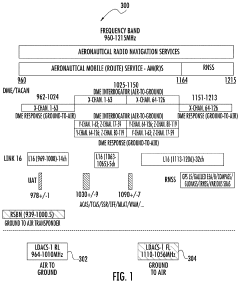
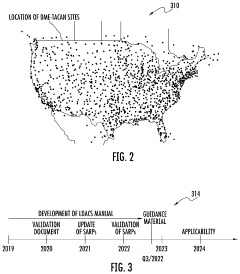
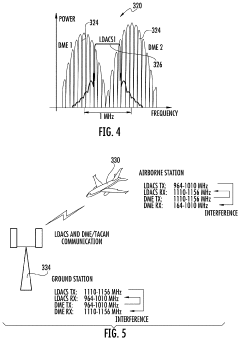
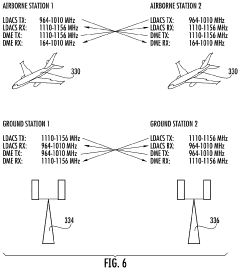
Portable terminal with multipurpose earjack
PatentInactiveUS20040116005A1
Innovation
- A multipurpose earjack with an analog-to-digital conversion (ADC) section, memory for storing ADC values, and a controller to identify and enable functions of plugged-in accessories by converting resistance values into ADC values and comparing them with stored values, allowing multiple accessories to be used with a portable terminal.


LDAC Compatibility Issues
LDAC compatibility issues present significant challenges for the widespread adoption and seamless integration of this advanced audio codec in portable devices. One of the primary concerns is the limited support across different operating systems and hardware platforms. While LDAC is natively supported on Android devices running version 8.0 (Oreo) and above, it lacks native support on iOS devices, creating a fragmented user experience across ecosystems.
The implementation of LDAC in various Bluetooth audio devices also varies, leading to inconsistent performance and compatibility issues. Some devices may support LDAC but fail to utilize its full potential due to hardware limitations or improper implementation. This can result in suboptimal audio quality or connection stability, undermining the codec's intended benefits.
Another compatibility challenge lies in the power consumption requirements of LDAC. The codec's high-quality audio transmission demands more processing power and energy, which can be problematic for portable devices with limited battery capacity. This issue is particularly pronounced in smaller form factor devices like true wireless earbuds, where battery life is a critical factor in user experience.
Interoperability between LDAC-enabled devices and non-LDAC devices is also a concern. In scenarios where one device supports LDAC and the other doesn't, the connection defaults to a lower-quality codec, negating the advantages of LDAC. This can lead to user confusion and dissatisfaction, especially when expectations for high-quality audio are not met.
The complexity of LDAC's adaptive bitrate system can also cause compatibility issues. While designed to optimize audio quality based on connection stability, this feature may not always function as intended across different device combinations, leading to inconsistent audio experiences.
Furthermore, the licensing and certification process for LDAC implementation can be a barrier for some manufacturers, limiting its availability in certain devices and potentially creating market fragmentation. This can result in a lack of LDAC support in otherwise high-end audio products, disappointing consumers who prioritize audio quality.
Addressing these compatibility issues is crucial for maximizing the potential of LDAC in improving user experience across a wide range of portable devices. Efforts to standardize implementation, expand cross-platform support, and optimize power efficiency will be key in overcoming these challenges and ensuring a more consistent and high-quality audio experience for users of LDAC-enabled devices.
The implementation of LDAC in various Bluetooth audio devices also varies, leading to inconsistent performance and compatibility issues. Some devices may support LDAC but fail to utilize its full potential due to hardware limitations or improper implementation. This can result in suboptimal audio quality or connection stability, undermining the codec's intended benefits.
Another compatibility challenge lies in the power consumption requirements of LDAC. The codec's high-quality audio transmission demands more processing power and energy, which can be problematic for portable devices with limited battery capacity. This issue is particularly pronounced in smaller form factor devices like true wireless earbuds, where battery life is a critical factor in user experience.
Interoperability between LDAC-enabled devices and non-LDAC devices is also a concern. In scenarios where one device supports LDAC and the other doesn't, the connection defaults to a lower-quality codec, negating the advantages of LDAC. This can lead to user confusion and dissatisfaction, especially when expectations for high-quality audio are not met.
The complexity of LDAC's adaptive bitrate system can also cause compatibility issues. While designed to optimize audio quality based on connection stability, this feature may not always function as intended across different device combinations, leading to inconsistent audio experiences.
Furthermore, the licensing and certification process for LDAC implementation can be a barrier for some manufacturers, limiting its availability in certain devices and potentially creating market fragmentation. This can result in a lack of LDAC support in otherwise high-end audio products, disappointing consumers who prioritize audio quality.
Addressing these compatibility issues is crucial for maximizing the potential of LDAC in improving user experience across a wide range of portable devices. Efforts to standardize implementation, expand cross-platform support, and optimize power efficiency will be key in overcoming these challenges and ensuring a more consistent and high-quality audio experience for users of LDAC-enabled devices.
LDAC Energy Efficiency
LDAC technology, developed by Sony, has made significant strides in improving energy efficiency for portable devices. This advancement addresses a critical challenge in the wireless audio industry, where battery life and power consumption are paramount concerns for users.
The energy efficiency of LDAC is primarily achieved through its adaptive bit rate system. This system dynamically adjusts the audio quality based on the available bandwidth and device capabilities, ensuring optimal performance while minimizing power consumption. By intelligently managing data transmission, LDAC reduces the overall energy requirements for wireless audio streaming.
One of the key factors contributing to LDAC's energy efficiency is its high compression ratio. The codec can compress audio data up to 4 times more efficiently than conventional Bluetooth codecs, resulting in reduced data transmission and, consequently, lower power consumption. This compression is achieved without significant loss in audio quality, maintaining a balance between fidelity and energy conservation.
LDAC also implements advanced power management techniques at the hardware level. The technology utilizes low-power DSP (Digital Signal Processing) chips specifically designed for audio processing. These chips are optimized to handle the complex algorithms required for LDAC encoding and decoding while consuming minimal energy.
Furthermore, LDAC incorporates intelligent buffer management to minimize unnecessary data transmission. By efficiently managing audio data buffers, the technology reduces the frequency of data packets sent between devices, leading to decreased power consumption in both the transmitting and receiving devices.
The energy efficiency of LDAC extends to its integration with Bluetooth Low Energy (BLE) technology. This combination allows for reduced power consumption during device discovery and connection establishment phases, further contributing to overall energy savings in portable devices.
LDAC's energy efficiency has a direct impact on the user experience of portable devices. By reducing power consumption, it extends the battery life of both the audio source (e.g., smartphones) and the receiving device (e.g., wireless headphones). This translates to longer listening sessions and reduced charging frequency, enhancing user convenience and satisfaction.
Moreover, the energy-efficient nature of LDAC allows device manufacturers to design smaller, lighter products with more compact batteries without compromising on audio quality or playback time. This aspect is particularly beneficial for wearable audio devices, where size and weight are critical factors in user comfort and adoption.
The energy efficiency of LDAC is primarily achieved through its adaptive bit rate system. This system dynamically adjusts the audio quality based on the available bandwidth and device capabilities, ensuring optimal performance while minimizing power consumption. By intelligently managing data transmission, LDAC reduces the overall energy requirements for wireless audio streaming.
One of the key factors contributing to LDAC's energy efficiency is its high compression ratio. The codec can compress audio data up to 4 times more efficiently than conventional Bluetooth codecs, resulting in reduced data transmission and, consequently, lower power consumption. This compression is achieved without significant loss in audio quality, maintaining a balance between fidelity and energy conservation.
LDAC also implements advanced power management techniques at the hardware level. The technology utilizes low-power DSP (Digital Signal Processing) chips specifically designed for audio processing. These chips are optimized to handle the complex algorithms required for LDAC encoding and decoding while consuming minimal energy.
Furthermore, LDAC incorporates intelligent buffer management to minimize unnecessary data transmission. By efficiently managing audio data buffers, the technology reduces the frequency of data packets sent between devices, leading to decreased power consumption in both the transmitting and receiving devices.
The energy efficiency of LDAC extends to its integration with Bluetooth Low Energy (BLE) technology. This combination allows for reduced power consumption during device discovery and connection establishment phases, further contributing to overall energy savings in portable devices.
LDAC's energy efficiency has a direct impact on the user experience of portable devices. By reducing power consumption, it extends the battery life of both the audio source (e.g., smartphones) and the receiving device (e.g., wireless headphones). This translates to longer listening sessions and reduced charging frequency, enhancing user convenience and satisfaction.
Moreover, the energy-efficient nature of LDAC allows device manufacturers to design smaller, lighter products with more compact batteries without compromising on audio quality or playback time. This aspect is particularly beneficial for wearable audio devices, where size and weight are critical factors in user comfort and adoption.
Unlock deeper insights with Patsnap Eureka Quick Research — get a full tech report to explore trends and direct your research. Try now!
Generate Your Research Report Instantly with AI Agent
Supercharge your innovation with Patsnap Eureka AI Agent Platform!