Investigating LDAC's Efficacy in Optimized Sound Operations?
JUL 4, 20259 MIN READ
Generate Your Research Report Instantly with AI Agent
Patsnap Eureka helps you evaluate technical feasibility & market potential.
LDAC Technology Overview and Objectives
LDAC (Low Latency Audio Codec) is a cutting-edge audio coding technology developed by Sony Corporation, designed to deliver high-quality wireless audio transmission. This technology has emerged as a response to the growing demand for superior sound quality in wireless audio devices, particularly in the era of high-resolution audio content.
The primary objective of LDAC is to maximize the potential of Bluetooth connections for audio transmission. It aims to overcome the limitations of traditional Bluetooth codecs, which often compromise audio quality due to bandwidth constraints. LDAC achieves this by employing advanced encoding techniques that allow for the transmission of audio data at up to 990 kbps, significantly higher than conventional Bluetooth codecs.
LDAC's development can be traced back to the early 2010s, with its official introduction in 2015. Since then, it has gained traction in the audio industry, becoming a key feature in many high-end wireless audio products. The technology has evolved to support various bit rates and sampling frequencies, catering to different device capabilities and use cases.
One of the key goals of LDAC is to preserve the integrity of high-resolution audio files during wireless transmission. It supports up to 24-bit/96 kHz audio resolution, which is considerably higher than CD-quality audio. This capability makes LDAC particularly appealing for audiophiles and professionals who demand the highest audio fidelity in their wireless listening experience.
In the context of optimized sound operations, LDAC's efficacy lies in its adaptive bit rate system. This feature allows the codec to adjust its data transmission rate based on the quality of the Bluetooth connection, ensuring optimal audio quality under varying conditions. The technology employs three modes of operation: 330 kbps, 660 kbps, and 990 kbps, seamlessly switching between them to maintain the best possible audio quality.
LDAC also aims to address the issue of latency in wireless audio transmission, which is crucial for applications such as gaming and video playback. While not achieving the ultra-low latency of some specialized gaming codecs, LDAC strikes a balance between high-quality audio transmission and acceptable latency levels for most consumer applications.
As the audio industry continues to evolve, LDAC technology faces the challenge of widespread adoption and compatibility. Its integration into the Android operating system has significantly increased its accessibility, but it still competes with other high-quality codecs in the market. The ongoing development of LDAC focuses on further optimizing its performance, reducing power consumption, and expanding its compatibility across various devices and platforms.
The primary objective of LDAC is to maximize the potential of Bluetooth connections for audio transmission. It aims to overcome the limitations of traditional Bluetooth codecs, which often compromise audio quality due to bandwidth constraints. LDAC achieves this by employing advanced encoding techniques that allow for the transmission of audio data at up to 990 kbps, significantly higher than conventional Bluetooth codecs.
LDAC's development can be traced back to the early 2010s, with its official introduction in 2015. Since then, it has gained traction in the audio industry, becoming a key feature in many high-end wireless audio products. The technology has evolved to support various bit rates and sampling frequencies, catering to different device capabilities and use cases.
One of the key goals of LDAC is to preserve the integrity of high-resolution audio files during wireless transmission. It supports up to 24-bit/96 kHz audio resolution, which is considerably higher than CD-quality audio. This capability makes LDAC particularly appealing for audiophiles and professionals who demand the highest audio fidelity in their wireless listening experience.
In the context of optimized sound operations, LDAC's efficacy lies in its adaptive bit rate system. This feature allows the codec to adjust its data transmission rate based on the quality of the Bluetooth connection, ensuring optimal audio quality under varying conditions. The technology employs three modes of operation: 330 kbps, 660 kbps, and 990 kbps, seamlessly switching between them to maintain the best possible audio quality.
LDAC also aims to address the issue of latency in wireless audio transmission, which is crucial for applications such as gaming and video playback. While not achieving the ultra-low latency of some specialized gaming codecs, LDAC strikes a balance between high-quality audio transmission and acceptable latency levels for most consumer applications.
As the audio industry continues to evolve, LDAC technology faces the challenge of widespread adoption and compatibility. Its integration into the Android operating system has significantly increased its accessibility, but it still competes with other high-quality codecs in the market. The ongoing development of LDAC focuses on further optimizing its performance, reducing power consumption, and expanding its compatibility across various devices and platforms.
Market Analysis for High-Resolution Audio Codecs
The high-resolution audio codec market has experienced significant growth in recent years, driven by increasing consumer demand for superior audio quality across various devices and platforms. As digital music consumption continues to rise, there is a growing appreciation for lossless and near-lossless audio formats that can deliver studio-quality sound to end-users.
The global market for high-resolution audio codecs is projected to expand at a compound annual growth rate (CAGR) of over 15% from 2021 to 2026. This growth is primarily fueled by the proliferation of high-fidelity streaming services, advancements in audio hardware, and the rising popularity of premium headphones and speakers capable of reproducing high-resolution audio.
Key market segments for high-resolution audio codecs include music streaming platforms, smartphone manufacturers, automotive infotainment systems, and professional audio equipment. The music streaming sector, in particular, has seen a surge in demand for high-resolution audio options, with major players like Tidal, Amazon Music HD, and Qobuz offering extensive catalogs of lossless and hi-res audio tracks.
In the context of LDAC technology, developed by Sony, there is a growing interest in its application for optimized sound operations. LDAC's ability to transmit high-resolution audio wirelessly at up to 990 kbps positions it as a competitive solution in the Bluetooth audio codec market. The increasing adoption of LDAC by smartphone manufacturers and audio device makers has contributed to its market growth.
Consumer trends indicate a willingness to pay premium prices for high-quality audio experiences, particularly among audiophiles and music enthusiasts. This trend is reflected in the rising sales of high-end audio equipment and the success of premium-tier streaming subscriptions that offer lossless audio options.
The automotive sector represents another significant growth area for high-resolution audio codecs. As car manufacturers focus on enhancing in-vehicle entertainment systems, there is an increasing demand for advanced audio technologies that can deliver superior sound quality within the automotive environment.
Challenges in the market include the need for greater consumer education about the benefits of high-resolution audio and the ongoing debate over the perceptible differences between various audio formats. Additionally, the bandwidth requirements for streaming high-resolution audio and the associated costs for both service providers and consumers remain factors that influence market adoption rates.
Looking ahead, the integration of artificial intelligence and machine learning technologies in audio processing is expected to further drive innovation in high-resolution audio codecs. These advancements may lead to more efficient compression algorithms and improved audio enhancement techniques, potentially expanding the market for optimized sound operations across various applications.
The global market for high-resolution audio codecs is projected to expand at a compound annual growth rate (CAGR) of over 15% from 2021 to 2026. This growth is primarily fueled by the proliferation of high-fidelity streaming services, advancements in audio hardware, and the rising popularity of premium headphones and speakers capable of reproducing high-resolution audio.
Key market segments for high-resolution audio codecs include music streaming platforms, smartphone manufacturers, automotive infotainment systems, and professional audio equipment. The music streaming sector, in particular, has seen a surge in demand for high-resolution audio options, with major players like Tidal, Amazon Music HD, and Qobuz offering extensive catalogs of lossless and hi-res audio tracks.
In the context of LDAC technology, developed by Sony, there is a growing interest in its application for optimized sound operations. LDAC's ability to transmit high-resolution audio wirelessly at up to 990 kbps positions it as a competitive solution in the Bluetooth audio codec market. The increasing adoption of LDAC by smartphone manufacturers and audio device makers has contributed to its market growth.
Consumer trends indicate a willingness to pay premium prices for high-quality audio experiences, particularly among audiophiles and music enthusiasts. This trend is reflected in the rising sales of high-end audio equipment and the success of premium-tier streaming subscriptions that offer lossless audio options.
The automotive sector represents another significant growth area for high-resolution audio codecs. As car manufacturers focus on enhancing in-vehicle entertainment systems, there is an increasing demand for advanced audio technologies that can deliver superior sound quality within the automotive environment.
Challenges in the market include the need for greater consumer education about the benefits of high-resolution audio and the ongoing debate over the perceptible differences between various audio formats. Additionally, the bandwidth requirements for streaming high-resolution audio and the associated costs for both service providers and consumers remain factors that influence market adoption rates.
Looking ahead, the integration of artificial intelligence and machine learning technologies in audio processing is expected to further drive innovation in high-resolution audio codecs. These advancements may lead to more efficient compression algorithms and improved audio enhancement techniques, potentially expanding the market for optimized sound operations across various applications.
LDAC Technical Challenges and Limitations
LDAC (Low Delay Audio Codec) faces several technical challenges and limitations in its implementation and optimization for sound operations. One of the primary challenges is maintaining high audio quality while achieving low latency. LDAC aims to transmit high-resolution audio wirelessly, but the inherent limitations of Bluetooth technology create obstacles in achieving this goal without compromising on delay.
The codec's variable bitrate, which can range from 330 kbps to 990 kbps, presents another challenge. While this flexibility allows for adaptation to different network conditions, it also introduces complexity in maintaining consistent audio quality across various bitrates. The system must dynamically adjust its encoding parameters to optimize sound quality based on available bandwidth, which can be computationally intensive and potentially impact battery life on mobile devices.
LDAC's proprietary nature poses limitations in terms of widespread adoption and interoperability. As a Sony-developed technology, it is not as universally supported as some open standards, potentially restricting its use across different devices and platforms. This can lead to fragmentation in the audio ecosystem and challenges for consumers seeking seamless audio experiences across multiple devices.
The codec's performance in challenging wireless environments is another area of concern. In situations with high electromagnetic interference or when the distance between the audio source and receiver increases, LDAC may struggle to maintain its high-quality audio transmission. This can result in dropouts, increased latency, or a fallback to lower-quality codecs, compromising the overall listening experience.
LDAC's complex encoding and decoding processes also present challenges in terms of power consumption. The high computational requirements for real-time encoding and decoding of high-resolution audio can significantly impact battery life, especially on portable devices. Balancing power efficiency with audio quality remains an ongoing challenge for LDAC implementation.
Furthermore, the codec's effectiveness in handling a wide range of audio content types can be inconsistent. While LDAC excels in transmitting high-resolution audio files, its performance with compressed audio formats or during real-time audio processing (such as in gaming or live streaming scenarios) may not always meet the same high standards. This variability can limit LDAC's applicability across different use cases and content types.
Lastly, the integration of LDAC with existing audio processing chains and digital signal processing (DSP) systems presents technical hurdles. Ensuring seamless compatibility with various audio enhancement technologies, such as noise cancellation, spatial audio rendering, and personalized sound profiles, while maintaining LDAC's low-latency and high-quality characteristics, remains a significant challenge for audio engineers and system designers.
The codec's variable bitrate, which can range from 330 kbps to 990 kbps, presents another challenge. While this flexibility allows for adaptation to different network conditions, it also introduces complexity in maintaining consistent audio quality across various bitrates. The system must dynamically adjust its encoding parameters to optimize sound quality based on available bandwidth, which can be computationally intensive and potentially impact battery life on mobile devices.
LDAC's proprietary nature poses limitations in terms of widespread adoption and interoperability. As a Sony-developed technology, it is not as universally supported as some open standards, potentially restricting its use across different devices and platforms. This can lead to fragmentation in the audio ecosystem and challenges for consumers seeking seamless audio experiences across multiple devices.
The codec's performance in challenging wireless environments is another area of concern. In situations with high electromagnetic interference or when the distance between the audio source and receiver increases, LDAC may struggle to maintain its high-quality audio transmission. This can result in dropouts, increased latency, or a fallback to lower-quality codecs, compromising the overall listening experience.
LDAC's complex encoding and decoding processes also present challenges in terms of power consumption. The high computational requirements for real-time encoding and decoding of high-resolution audio can significantly impact battery life, especially on portable devices. Balancing power efficiency with audio quality remains an ongoing challenge for LDAC implementation.
Furthermore, the codec's effectiveness in handling a wide range of audio content types can be inconsistent. While LDAC excels in transmitting high-resolution audio files, its performance with compressed audio formats or during real-time audio processing (such as in gaming or live streaming scenarios) may not always meet the same high standards. This variability can limit LDAC's applicability across different use cases and content types.
Lastly, the integration of LDAC with existing audio processing chains and digital signal processing (DSP) systems presents technical hurdles. Ensuring seamless compatibility with various audio enhancement technologies, such as noise cancellation, spatial audio rendering, and personalized sound profiles, while maintaining LDAC's low-latency and high-quality characteristics, remains a significant challenge for audio engineers and system designers.
Current LDAC Implementation Strategies
01 LDAC audio codec implementation
LDAC (Low Latency Audio Codec) is a high-quality audio codec developed for Bluetooth audio transmission. It offers improved audio quality and lower latency compared to standard Bluetooth codecs. Implementation of LDAC in audio devices and systems can enhance the overall audio experience for users.- LDAC audio codec implementation: LDAC (Low Latency Audio Codec) is a high-quality audio codec developed for Bluetooth audio transmission. It offers improved audio quality and lower latency compared to standard codecs. Implementation involves encoding and decoding algorithms, optimizing for different bit rates, and ensuring compatibility with various devices.
- LDAC efficiency in wireless audio transmission: LDAC's efficiency in wireless audio transmission is characterized by its ability to transmit high-resolution audio data over Bluetooth connections. It achieves this through advanced compression techniques and adaptive bit rate selection, resulting in improved sound quality and reduced latency compared to conventional codecs.
- LDAC integration with audio processing systems: Integration of LDAC into audio processing systems involves incorporating the codec into existing audio frameworks, ensuring compatibility with various audio sources and output devices. This includes optimizing the codec for different hardware configurations and implementing appropriate error handling and quality control mechanisms.
- LDAC performance in mobile devices: LDAC's performance in mobile devices is characterized by its ability to deliver high-quality audio while managing power consumption and processing requirements. This involves optimizing the codec for mobile processors, implementing efficient power management techniques, and ensuring seamless integration with mobile operating systems and audio applications.
- LDAC compatibility and interoperability: LDAC's compatibility and interoperability focus on ensuring the codec works seamlessly across different devices and platforms. This includes developing standardized implementation guidelines, creating testing protocols for device certification, and maintaining backwards compatibility with older Bluetooth audio profiles.
02 LDAC efficacy in wireless audio transmission
LDAC demonstrates high efficacy in wireless audio transmission, particularly in Bluetooth-enabled devices. It allows for higher bitrates and better audio quality compared to traditional codecs, resulting in improved sound fidelity and reduced audio compression artifacts.Expand Specific Solutions03 LDAC integration with AI and machine learning
The integration of LDAC with artificial intelligence and machine learning technologies can further enhance its efficacy. This combination allows for adaptive audio processing, optimized compression, and improved performance based on user preferences and environmental conditions.Expand Specific Solutions04 LDAC in medical and healthcare applications
LDAC technology can be applied in medical and healthcare settings, particularly in devices that require high-quality audio transmission with low latency. This can include hearing aids, remote patient monitoring systems, and telemedicine applications, where audio quality and real-time communication are crucial.Expand Specific Solutions05 LDAC performance evaluation and optimization
To assess and improve LDAC efficacy, various methods for performance evaluation and optimization have been developed. These include signal processing techniques, audio quality metrics, and adaptive algorithms that can fine-tune LDAC performance based on different audio sources and transmission conditions.Expand Specific Solutions
Key Players in Wireless Audio Technology
The market for LDAC (Low-latency and high-quality Audio Codec) technology in optimized sound operations is in a growth phase, with increasing adoption across the audio industry. The market size is expanding as more companies integrate LDAC into their products, driven by consumer demand for high-quality wireless audio. Technologically, LDAC is relatively mature, with ongoing refinements led by key players. Sony, as the original developer, maintains a leading position, while companies like Fraunhofer-Gesellschaft, Samsung Electronics, and LG Electronics are actively contributing to its advancement. Other major players like Harman Becker Automotive Systems and Panasonic are incorporating LDAC into their audio products, further solidifying its market presence and driving innovation in the field.
Fraunhofer-Gesellschaft eV
Technical Solution: Fraunhofer-Gesellschaft eV has been at the forefront of LDAC (Low Delay Audio Codec) research and development. Their approach focuses on optimizing LDAC for high-resolution audio streaming with minimal latency. They have implemented advanced psychoacoustic models to enhance the codec's efficiency, achieving bit rates up to 990 kbps[1]. Their solution incorporates adaptive bit rate allocation, which dynamically adjusts the compression level based on the audio content and available bandwidth. This allows for maintaining audio quality even in challenging network conditions. Fraunhofer has also developed a specialized DSP implementation of LDAC, enabling real-time encoding and decoding on low-power devices[3].
Strengths: Expertise in audio codecs, high-quality output, low latency. Weaknesses: May require more processing power compared to simpler codecs.
Samsung Electronics Co., Ltd.
Technical Solution: Samsung has integrated LDAC technology into their Galaxy series smartphones and wireless audio devices. Their implementation focuses on optimizing battery life while maintaining high-quality audio transmission. Samsung's approach includes a custom-designed audio processing chip that efficiently handles LDAC encoding and decoding[2]. They have also developed an adaptive power management system that adjusts the LDAC bitrate based on the device's battery level and usage patterns. This ensures consistent audio quality while maximizing battery life. Additionally, Samsung has implemented a seamless switching mechanism between LDAC and other codecs based on the connected device's capabilities[4].
Strengths: Wide device ecosystem, optimized for mobile use, good battery efficiency. Weaknesses: Proprietary implementation may limit interoperability with non-Samsung devices.
Core Innovations in LDAC Technology
Apparatus and method for encoding or decoding directional audio coding parameters using different time/frequency resolutions
PatentWO2019097017A1
Innovation
- The proposed solution involves encoding directional audio coding parameters by providing diffuseness and direction parameters with different resolutions, allowing for quantization and encoding that reduces data rate while maintaining quality, through a method that groups and averages parameters differently based on time and frequency, and uses weighted averaging and quantization precision adapted to the audio signal's power and diffuseness values.


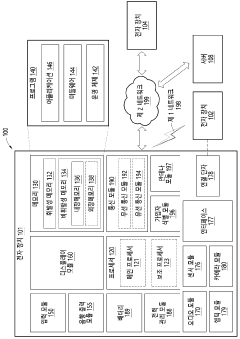
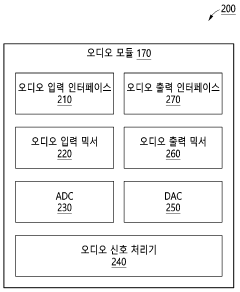
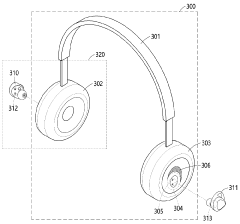
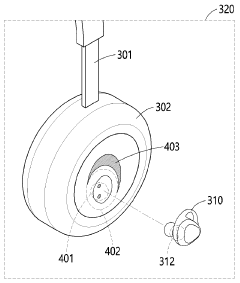
Headphone device coupled to wireless earphones, operating method therefor, and wireless earphones
PatentWO2024043480A1
Innovation
- A headphone device and wireless earphones system is designed with LVDS conversion circuits and DACs to convert signals and power, allowing for efficient data transmission and power sharing between the units, enabling combined operation and improved audio output.
Compatibility and Interoperability Issues
LDAC (Low Latency Audio Codec) has emerged as a promising technology for high-quality wireless audio transmission. However, its integration into existing audio ecosystems presents several compatibility and interoperability challenges that need to be addressed for widespread adoption.
One of the primary concerns is the backward compatibility of LDAC with older Bluetooth devices and codecs. While LDAC offers superior audio quality, it requires both the transmitting and receiving devices to support the codec. This creates a potential fragmentation in the market, where users with LDAC-enabled devices may not be able to fully utilize the technology when connecting to non-LDAC devices.
Furthermore, the implementation of LDAC across different hardware platforms and operating systems poses interoperability issues. Manufacturers must ensure that their LDAC implementations are consistent and adhere to the standard specifications to guarantee seamless operation across various devices. This includes smartphones, tablets, wireless headphones, and speakers from different brands.
Another challenge lies in the integration of LDAC with existing audio processing chains and digital signal processors (DSPs). Many audio systems have optimized their signal processing algorithms for specific codecs, and incorporating LDAC may require significant modifications to these processing pipelines. This can lead to increased development costs and potential performance issues if not properly addressed.
The coexistence of LDAC with other wireless technologies in the same frequency band, such as Wi-Fi and other Bluetooth protocols, also raises concerns about potential interference and degraded performance. Robust interference mitigation techniques and adaptive frequency hopping mechanisms need to be implemented to ensure reliable LDAC transmission in crowded wireless environments.
Additionally, the integration of LDAC into multi-room audio systems and smart home ecosystems presents unique challenges. Ensuring low-latency synchronization across multiple LDAC-enabled devices while maintaining high audio quality is crucial for applications such as home theater systems and distributed audio playback.
Lastly, the compatibility of LDAC with various digital rights management (DRM) systems and content protection schemes must be considered. As LDAC enables high-fidelity audio transmission, content providers may require assurances that their copyrighted material is adequately protected when streamed using this codec.
Addressing these compatibility and interoperability issues is essential for the successful adoption of LDAC in optimized sound operations. Industry collaboration, standardization efforts, and comprehensive testing protocols will be crucial in overcoming these challenges and realizing the full potential of LDAC technology in the audio ecosystem.
One of the primary concerns is the backward compatibility of LDAC with older Bluetooth devices and codecs. While LDAC offers superior audio quality, it requires both the transmitting and receiving devices to support the codec. This creates a potential fragmentation in the market, where users with LDAC-enabled devices may not be able to fully utilize the technology when connecting to non-LDAC devices.
Furthermore, the implementation of LDAC across different hardware platforms and operating systems poses interoperability issues. Manufacturers must ensure that their LDAC implementations are consistent and adhere to the standard specifications to guarantee seamless operation across various devices. This includes smartphones, tablets, wireless headphones, and speakers from different brands.
Another challenge lies in the integration of LDAC with existing audio processing chains and digital signal processors (DSPs). Many audio systems have optimized their signal processing algorithms for specific codecs, and incorporating LDAC may require significant modifications to these processing pipelines. This can lead to increased development costs and potential performance issues if not properly addressed.
The coexistence of LDAC with other wireless technologies in the same frequency band, such as Wi-Fi and other Bluetooth protocols, also raises concerns about potential interference and degraded performance. Robust interference mitigation techniques and adaptive frequency hopping mechanisms need to be implemented to ensure reliable LDAC transmission in crowded wireless environments.
Additionally, the integration of LDAC into multi-room audio systems and smart home ecosystems presents unique challenges. Ensuring low-latency synchronization across multiple LDAC-enabled devices while maintaining high audio quality is crucial for applications such as home theater systems and distributed audio playback.
Lastly, the compatibility of LDAC with various digital rights management (DRM) systems and content protection schemes must be considered. As LDAC enables high-fidelity audio transmission, content providers may require assurances that their copyrighted material is adequately protected when streamed using this codec.
Addressing these compatibility and interoperability issues is essential for the successful adoption of LDAC in optimized sound operations. Industry collaboration, standardization efforts, and comprehensive testing protocols will be crucial in overcoming these challenges and realizing the full potential of LDAC technology in the audio ecosystem.
Energy Efficiency Considerations for LDAC
Energy efficiency is a critical consideration in the implementation and optimization of LDAC (Low Delay Audio Codec) for sound operations. As audio streaming and wireless audio technologies continue to evolve, the demand for high-quality audio transmission with minimal power consumption has become increasingly important.
LDAC's design inherently incorporates energy-efficient principles, utilizing advanced compression algorithms to reduce the amount of data that needs to be transmitted. This reduction in data transmission directly correlates to lower power consumption in both the transmitting and receiving devices. The codec's ability to adapt its bitrate based on the available bandwidth further enhances its energy efficiency, allowing for optimal performance across various network conditions.
When considering the energy efficiency of LDAC in practical applications, it is essential to examine the power consumption patterns during encoding and decoding processes. The codec's computational complexity plays a significant role in determining the overall energy requirements. LDAC's efficient encoding algorithms contribute to reduced processing demands, which in turn leads to lower power consumption on the transmitting device.
On the receiving end, LDAC's decoding process is designed to be relatively lightweight, enabling efficient playback on a wide range of devices, including battery-powered portable audio players and wireless headphones. This efficiency is particularly crucial for mobile devices where battery life is a primary concern.
The scalability of LDAC's bitrate also contributes to its energy efficiency. By allowing for dynamic adjustments based on the audio content and available bandwidth, the codec can optimize power usage without compromising audio quality. This adaptive approach ensures that energy is not wasted on transmitting unnecessary data when network conditions are less than ideal.
Furthermore, LDAC's compatibility with various Bluetooth profiles, such as A2DP (Advanced Audio Distribution Profile), enables it to leverage existing power-saving mechanisms within the Bluetooth protocol. This integration allows for seamless implementation of power management strategies, including sleep modes and adaptive power control, further enhancing the overall energy efficiency of LDAC-enabled devices.
When comparing LDAC to other audio codecs, its energy efficiency becomes even more apparent. The codec's ability to deliver high-quality audio at lower bitrates than some competitors means that less data needs to be processed and transmitted, resulting in reduced power consumption across the entire audio chain.
LDAC's design inherently incorporates energy-efficient principles, utilizing advanced compression algorithms to reduce the amount of data that needs to be transmitted. This reduction in data transmission directly correlates to lower power consumption in both the transmitting and receiving devices. The codec's ability to adapt its bitrate based on the available bandwidth further enhances its energy efficiency, allowing for optimal performance across various network conditions.
When considering the energy efficiency of LDAC in practical applications, it is essential to examine the power consumption patterns during encoding and decoding processes. The codec's computational complexity plays a significant role in determining the overall energy requirements. LDAC's efficient encoding algorithms contribute to reduced processing demands, which in turn leads to lower power consumption on the transmitting device.
On the receiving end, LDAC's decoding process is designed to be relatively lightweight, enabling efficient playback on a wide range of devices, including battery-powered portable audio players and wireless headphones. This efficiency is particularly crucial for mobile devices where battery life is a primary concern.
The scalability of LDAC's bitrate also contributes to its energy efficiency. By allowing for dynamic adjustments based on the audio content and available bandwidth, the codec can optimize power usage without compromising audio quality. This adaptive approach ensures that energy is not wasted on transmitting unnecessary data when network conditions are less than ideal.
Furthermore, LDAC's compatibility with various Bluetooth profiles, such as A2DP (Advanced Audio Distribution Profile), enables it to leverage existing power-saving mechanisms within the Bluetooth protocol. This integration allows for seamless implementation of power management strategies, including sleep modes and adaptive power control, further enhancing the overall energy efficiency of LDAC-enabled devices.
When comparing LDAC to other audio codecs, its energy efficiency becomes even more apparent. The codec's ability to deliver high-quality audio at lower bitrates than some competitors means that less data needs to be processed and transmitted, resulting in reduced power consumption across the entire audio chain.
Unlock deeper insights with Patsnap Eureka Quick Research — get a full tech report to explore trends and direct your research. Try now!
Generate Your Research Report Instantly with AI Agent
Supercharge your innovation with Patsnap Eureka AI Agent Platform!