

How LDAC Technology Enhances Acoustic Precision?
JUL 4, 20258 MIN READ
Generate Your Research Report Instantly with AI Agent
Patsnap Eureka helps you evaluate technical feasibility & market potential.
LDAC Technology Evolution
LDAC (Low Latency Audio Codec) technology has undergone significant evolution since its inception, marking key milestones in the pursuit of high-quality wireless audio transmission. Initially developed by Sony in 2015, LDAC was designed to address the limitations of existing Bluetooth audio codecs, particularly in terms of audio quality and bandwidth efficiency.
The early stages of LDAC development focused on increasing the data transfer rate over Bluetooth connections. The first iteration of LDAC achieved a maximum bitrate of 990 kbps, a substantial improvement over the standard SBC codec used in most Bluetooth audio devices at the time. This breakthrough allowed for the transmission of high-resolution audio files without significant quality loss.
As the technology matured, LDAC introduced adaptive bitrate capabilities. This feature enabled the codec to dynamically adjust its bitrate based on the connection quality and device capabilities, ensuring optimal performance across various scenarios. The adaptive nature of LDAC contributed to its widespread adoption, as it could maintain high audio quality while accommodating different network conditions.
In subsequent years, LDAC underwent further refinements to enhance its efficiency and compatibility. The codec's encoding and decoding algorithms were optimized to reduce power consumption, addressing concerns about battery life in wireless audio devices. Additionally, efforts were made to improve LDAC's integration with a wider range of hardware platforms and operating systems.
A significant milestone in LDAC's evolution was its inclusion in the Android Open Source Project (AOSP) in 2017. This integration made LDAC accessible to a broader range of device manufacturers and developers, fostering its adoption beyond Sony's ecosystem. The move also facilitated interoperability between different brands of audio devices and smartphones.
Recent developments in LDAC technology have focused on reducing latency while maintaining high audio quality. This advancement is particularly crucial for applications such as gaming and video streaming, where synchronization between audio and visual elements is critical. The latest iterations of LDAC have achieved latency levels comparable to wired connections, further bridging the gap between wireless and traditional audio systems.
Looking ahead, the evolution of LDAC is likely to continue in several directions. Efforts are underway to further increase the maximum bitrate, potentially surpassing the current 990 kbps limit. Research is also being conducted to improve LDAC's performance in challenging wireless environments, such as areas with high interference or multiple connected devices.
The early stages of LDAC development focused on increasing the data transfer rate over Bluetooth connections. The first iteration of LDAC achieved a maximum bitrate of 990 kbps, a substantial improvement over the standard SBC codec used in most Bluetooth audio devices at the time. This breakthrough allowed for the transmission of high-resolution audio files without significant quality loss.
As the technology matured, LDAC introduced adaptive bitrate capabilities. This feature enabled the codec to dynamically adjust its bitrate based on the connection quality and device capabilities, ensuring optimal performance across various scenarios. The adaptive nature of LDAC contributed to its widespread adoption, as it could maintain high audio quality while accommodating different network conditions.
In subsequent years, LDAC underwent further refinements to enhance its efficiency and compatibility. The codec's encoding and decoding algorithms were optimized to reduce power consumption, addressing concerns about battery life in wireless audio devices. Additionally, efforts were made to improve LDAC's integration with a wider range of hardware platforms and operating systems.
A significant milestone in LDAC's evolution was its inclusion in the Android Open Source Project (AOSP) in 2017. This integration made LDAC accessible to a broader range of device manufacturers and developers, fostering its adoption beyond Sony's ecosystem. The move also facilitated interoperability between different brands of audio devices and smartphones.
Recent developments in LDAC technology have focused on reducing latency while maintaining high audio quality. This advancement is particularly crucial for applications such as gaming and video streaming, where synchronization between audio and visual elements is critical. The latest iterations of LDAC have achieved latency levels comparable to wired connections, further bridging the gap between wireless and traditional audio systems.
Looking ahead, the evolution of LDAC is likely to continue in several directions. Efforts are underway to further increase the maximum bitrate, potentially surpassing the current 990 kbps limit. Research is also being conducted to improve LDAC's performance in challenging wireless environments, such as areas with high interference or multiple connected devices.
High-Res Audio Market Demand
The high-resolution audio market has experienced significant growth in recent years, driven by increasing consumer demand for superior sound quality and immersive listening experiences. This trend is particularly evident in the premium audio segment, where discerning listeners seek audio equipment and content that can reproduce sound with greater fidelity and detail.
The market for high-resolution audio encompasses various product categories, including digital audio players, headphones, speakers, and streaming services. As consumers become more aware of the benefits of high-resolution audio, there has been a notable shift towards higher-quality audio formats and devices capable of reproducing them accurately.
One of the key drivers of this market growth is the proliferation of streaming services offering high-resolution audio content. Major players like Tidal, Amazon Music HD, and Qobuz have introduced lossless and hi-res streaming tiers, catering to audiophiles and music enthusiasts who demand superior sound quality. This has led to increased adoption of high-resolution audio technologies across the industry.
The automotive sector has also emerged as a significant market for high-resolution audio, with luxury car manufacturers integrating advanced audio systems into their vehicles. This trend has further expanded the reach of high-resolution audio technologies beyond traditional home and personal audio applications.
In terms of geographic distribution, North America and Europe currently lead the high-resolution audio market, with Asia-Pacific showing rapid growth potential. Japan, in particular, has been at the forefront of high-resolution audio adoption, with a strong consumer base and technological innovation in this field.
The COVID-19 pandemic has further accelerated the demand for high-quality audio experiences, as people spent more time at home and invested in premium audio equipment for entertainment and work-from-home setups. This has led to increased sales of high-resolution audio devices and a surge in streaming service subscriptions.
Looking ahead, the high-resolution audio market is expected to continue its growth trajectory, driven by technological advancements, increasing consumer awareness, and the expanding ecosystem of compatible devices and content. As wireless technologies like LDAC improve, enabling high-quality audio transmission over Bluetooth, the market for wireless high-resolution audio devices is likely to see substantial growth in the coming years.
The market for high-resolution audio encompasses various product categories, including digital audio players, headphones, speakers, and streaming services. As consumers become more aware of the benefits of high-resolution audio, there has been a notable shift towards higher-quality audio formats and devices capable of reproducing them accurately.
One of the key drivers of this market growth is the proliferation of streaming services offering high-resolution audio content. Major players like Tidal, Amazon Music HD, and Qobuz have introduced lossless and hi-res streaming tiers, catering to audiophiles and music enthusiasts who demand superior sound quality. This has led to increased adoption of high-resolution audio technologies across the industry.
The automotive sector has also emerged as a significant market for high-resolution audio, with luxury car manufacturers integrating advanced audio systems into their vehicles. This trend has further expanded the reach of high-resolution audio technologies beyond traditional home and personal audio applications.
In terms of geographic distribution, North America and Europe currently lead the high-resolution audio market, with Asia-Pacific showing rapid growth potential. Japan, in particular, has been at the forefront of high-resolution audio adoption, with a strong consumer base and technological innovation in this field.
The COVID-19 pandemic has further accelerated the demand for high-quality audio experiences, as people spent more time at home and invested in premium audio equipment for entertainment and work-from-home setups. This has led to increased sales of high-resolution audio devices and a surge in streaming service subscriptions.
Looking ahead, the high-resolution audio market is expected to continue its growth trajectory, driven by technological advancements, increasing consumer awareness, and the expanding ecosystem of compatible devices and content. As wireless technologies like LDAC improve, enabling high-quality audio transmission over Bluetooth, the market for wireless high-resolution audio devices is likely to see substantial growth in the coming years.
LDAC Technical Challenges
LDAC (Low Latency Audio Codec) technology, while offering significant advancements in wireless audio transmission, faces several technical challenges that need to be addressed to further enhance its acoustic precision. One of the primary challenges is maintaining high-quality audio transmission while minimizing latency. LDAC aims to deliver near-lossless audio quality over Bluetooth, but achieving this while keeping latency low enough for real-time applications remains a significant hurdle.
The codec's variable bitrate, which can reach up to 990 kbps, presents another challenge. While this high bitrate allows for excellent audio quality, it also demands more power and processing capabilities from both the transmitting and receiving devices. This can lead to increased battery drain, particularly in smaller, portable devices with limited power resources. Balancing power efficiency with high-quality audio transmission is a critical area for improvement.
Interference and signal stability pose additional challenges for LDAC technology. Bluetooth operates in the crowded 2.4 GHz spectrum, which is susceptible to interference from various sources such as Wi-Fi networks, microwave ovens, and other Bluetooth devices. Ensuring consistent, high-quality audio transmission in environments with significant electromagnetic interference requires sophisticated error correction and adaptive transmission techniques.
The complexity of the LDAC codec itself presents challenges in terms of implementation and compatibility. As a proprietary technology developed by Sony, widespread adoption across different manufacturers and devices can be limited. This fragmentation in the market can lead to interoperability issues and inconsistent user experiences across different audio ecosystems.
Another significant challenge lies in adapting LDAC technology to diverse audio content and listening environments. Different types of audio content, from music to voice calls, have varying requirements for optimal transmission. Similarly, listening environments can range from quiet rooms to noisy outdoor spaces. Developing adaptive algorithms that can optimize LDAC's performance across these diverse scenarios while maintaining acoustic precision is a complex technical challenge.
Lastly, as consumer expectations for audio quality continue to rise, LDAC faces the ongoing challenge of pushing the boundaries of what's possible in wireless audio transmission. This includes not only improving audio fidelity but also expanding support for advanced audio formats, such as high-resolution audio and 3D spatial audio, while still operating within the constraints of Bluetooth technology.
The codec's variable bitrate, which can reach up to 990 kbps, presents another challenge. While this high bitrate allows for excellent audio quality, it also demands more power and processing capabilities from both the transmitting and receiving devices. This can lead to increased battery drain, particularly in smaller, portable devices with limited power resources. Balancing power efficiency with high-quality audio transmission is a critical area for improvement.
Interference and signal stability pose additional challenges for LDAC technology. Bluetooth operates in the crowded 2.4 GHz spectrum, which is susceptible to interference from various sources such as Wi-Fi networks, microwave ovens, and other Bluetooth devices. Ensuring consistent, high-quality audio transmission in environments with significant electromagnetic interference requires sophisticated error correction and adaptive transmission techniques.
The complexity of the LDAC codec itself presents challenges in terms of implementation and compatibility. As a proprietary technology developed by Sony, widespread adoption across different manufacturers and devices can be limited. This fragmentation in the market can lead to interoperability issues and inconsistent user experiences across different audio ecosystems.
Another significant challenge lies in adapting LDAC technology to diverse audio content and listening environments. Different types of audio content, from music to voice calls, have varying requirements for optimal transmission. Similarly, listening environments can range from quiet rooms to noisy outdoor spaces. Developing adaptive algorithms that can optimize LDAC's performance across these diverse scenarios while maintaining acoustic precision is a complex technical challenge.
Lastly, as consumer expectations for audio quality continue to rise, LDAC faces the ongoing challenge of pushing the boundaries of what's possible in wireless audio transmission. This includes not only improving audio fidelity but also expanding support for advanced audio formats, such as high-resolution audio and 3D spatial audio, while still operating within the constraints of Bluetooth technology.
Current LDAC Implementations
01 LDAC codec implementation for high-quality audio transmission
LDAC technology is a high-resolution audio codec developed for Bluetooth audio transmission. It enables the transfer of high-quality audio data at higher bit rates, resulting in improved acoustic precision. The codec utilizes advanced encoding and decoding algorithms to maintain audio fidelity while optimizing bandwidth usage.- LDAC codec implementation for high-quality audio transmission: LDAC technology is a high-resolution audio codec developed for Bluetooth audio transmission. It enables the transfer of high-quality audio data at higher bit rates, resulting in improved acoustic precision. The codec uses adaptive bit rate allocation and efficient encoding techniques to maximize audio quality while maintaining compatibility with Bluetooth devices.
- Acoustic precision enhancement through signal processing: Various signal processing techniques are employed to enhance acoustic precision in LDAC technology. These may include advanced digital signal processing algorithms, noise reduction, and frequency response optimization. Such techniques help in preserving the original audio quality and minimizing distortions during transmission and playback.
- Integration of LDAC with audio hardware components: LDAC technology is integrated with various audio hardware components to achieve optimal acoustic precision. This includes the design of specialized digital-to-analog converters (DACs), amplifiers, and speaker systems that can fully utilize the high-resolution audio capabilities of LDAC. The integration ensures that the audio quality is maintained throughout the signal chain.
- Adaptive bit rate and encoding optimization: LDAC technology incorporates adaptive bit rate allocation and encoding optimization techniques to maximize acoustic precision. The system dynamically adjusts the bit rate and encoding parameters based on the audio content and available bandwidth, ensuring the best possible audio quality under varying conditions.
- Compatibility and interoperability with audio devices: LDAC technology is designed to be compatible and interoperable with a wide range of audio devices. This includes smartphones, headphones, speakers, and other Bluetooth-enabled audio equipment. The technology ensures that high-quality audio can be transmitted and reproduced accurately across different devices, maintaining acoustic precision throughout the ecosystem.
02 Acoustic precision enhancement through signal processing
Various signal processing techniques are employed to enhance acoustic precision in LDAC technology. These may include advanced filtering, noise reduction, and dynamic range optimization. Such techniques help to preserve the original audio characteristics and minimize distortion during transmission and playback.Expand Specific Solutions03 Integration of LDAC with audio devices and systems
LDAC technology is integrated into various audio devices and systems to improve overall acoustic performance. This integration involves hardware and software modifications to support the LDAC codec, ensuring compatibility and optimal utilization of the technology's capabilities for enhanced audio precision.Expand Specific Solutions04 Acoustic measurement and calibration for LDAC systems
To achieve high acoustic precision, LDAC systems incorporate advanced measurement and calibration techniques. These may include real-time analysis of audio signals, adaptive equalization, and automatic adjustments to optimize sound quality based on environmental factors and device characteristics.Expand Specific Solutions05 Power efficiency and latency optimization in LDAC technology
LDAC technology focuses on optimizing power efficiency and reducing latency while maintaining high acoustic precision. This involves developing energy-efficient encoding and decoding algorithms, implementing smart power management techniques, and minimizing processing delays to ensure a seamless audio experience.Expand Specific Solutions
Key LDAC Industry Players
The LDAC technology market is in a growth phase, with increasing demand for high-quality audio streaming solutions. The competitive landscape is characterized by a mix of established electronics giants and specialized audio technology firms. Companies like Sony, Qualcomm, and Samsung are leading players, leveraging their extensive R&D capabilities and market presence. The technology's adoption is driven by the growing popularity of wireless audio devices and high-resolution streaming services. While LDAC is relatively mature, ongoing innovations in codec efficiency and integration with emerging wireless standards continue to shape the market. Smaller firms and research institutions are also contributing to advancements, fostering a dynamic and competitive environment in the pursuit of enhanced acoustic precision.
Panasonic Holdings Corp.
Technical Solution: Panasonic, as a member of the Japan Audio Society, has been actively involved in the development and implementation of LDAC technology. The company has incorporated LDAC into its high-end audio products, particularly its wireless headphones and home audio systems. Panasonic's approach focuses on leveraging LDAC to deliver studio-quality sound in wireless audio devices. Their implementation supports the full 990 kbps bitrate of LDAC, allowing for transmission of 24-bit/96kHz audio[5]. Panasonic has also worked on optimizing the power consumption of LDAC-enabled devices, addressing one of the key challenges of high-bitrate audio transmission. The company's LDAC-enabled products often feature advanced noise-cancellation technologies to complement the high-fidelity audio transmission[6].
Strengths: High-quality audio products, integration with noise-cancellation technology. Weaknesses: Limited to premium product lines, potentially higher power consumption.
Samsung Electronics Co., Ltd.
Technical Solution: Samsung has implemented LDAC technology in its high-end audio products, particularly in its Galaxy Buds series. The company's approach focuses on optimizing the codec for mobile devices, ensuring high-quality audio transmission while managing power consumption. Samsung's implementation of LDAC allows for transmission of audio at up to 990 kbps, which is significantly higher than standard Bluetooth codecs[1]. This enables near-lossless audio quality, preserving the nuances and details in music that are often lost with lower bitrate codecs. Samsung has also worked on improving the stability of LDAC connections, addressing one of the technology's known challenges[2].
Strengths: Seamless integration with Samsung ecosystem, optimized for mobile devices. Weaknesses: Limited to high-end products, potential compatibility issues with non-Samsung devices.
LDAC Core Innovations
Audio enhancement system
PatentInactiveUS7302062B2
Innovation
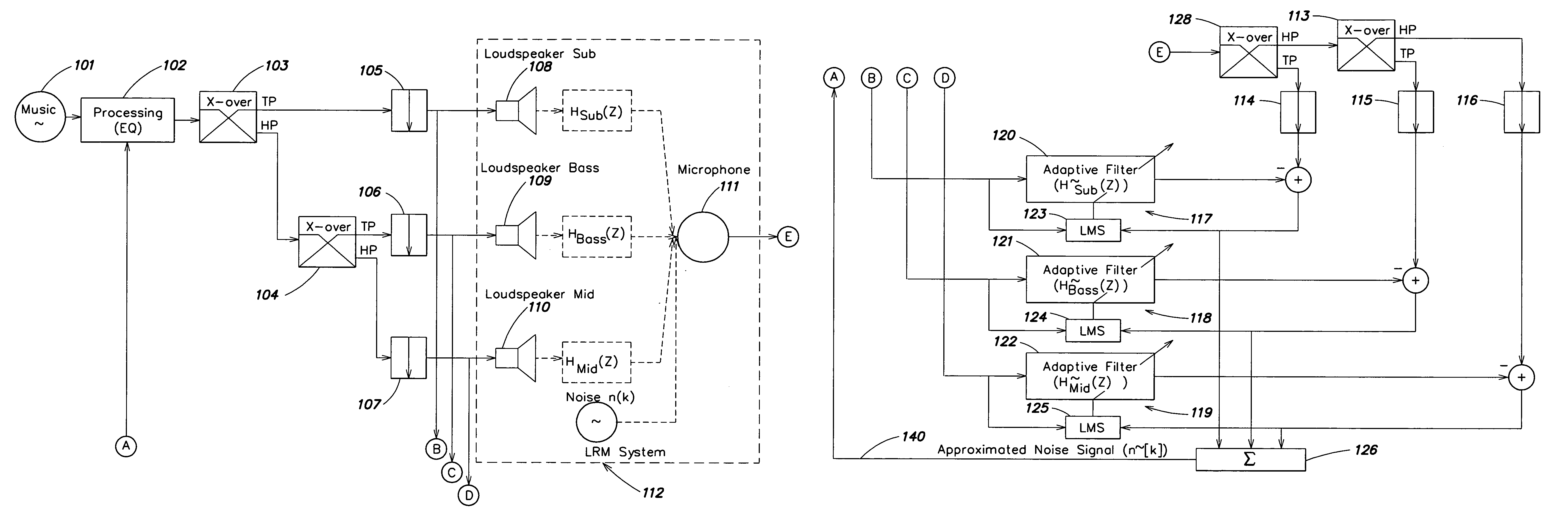
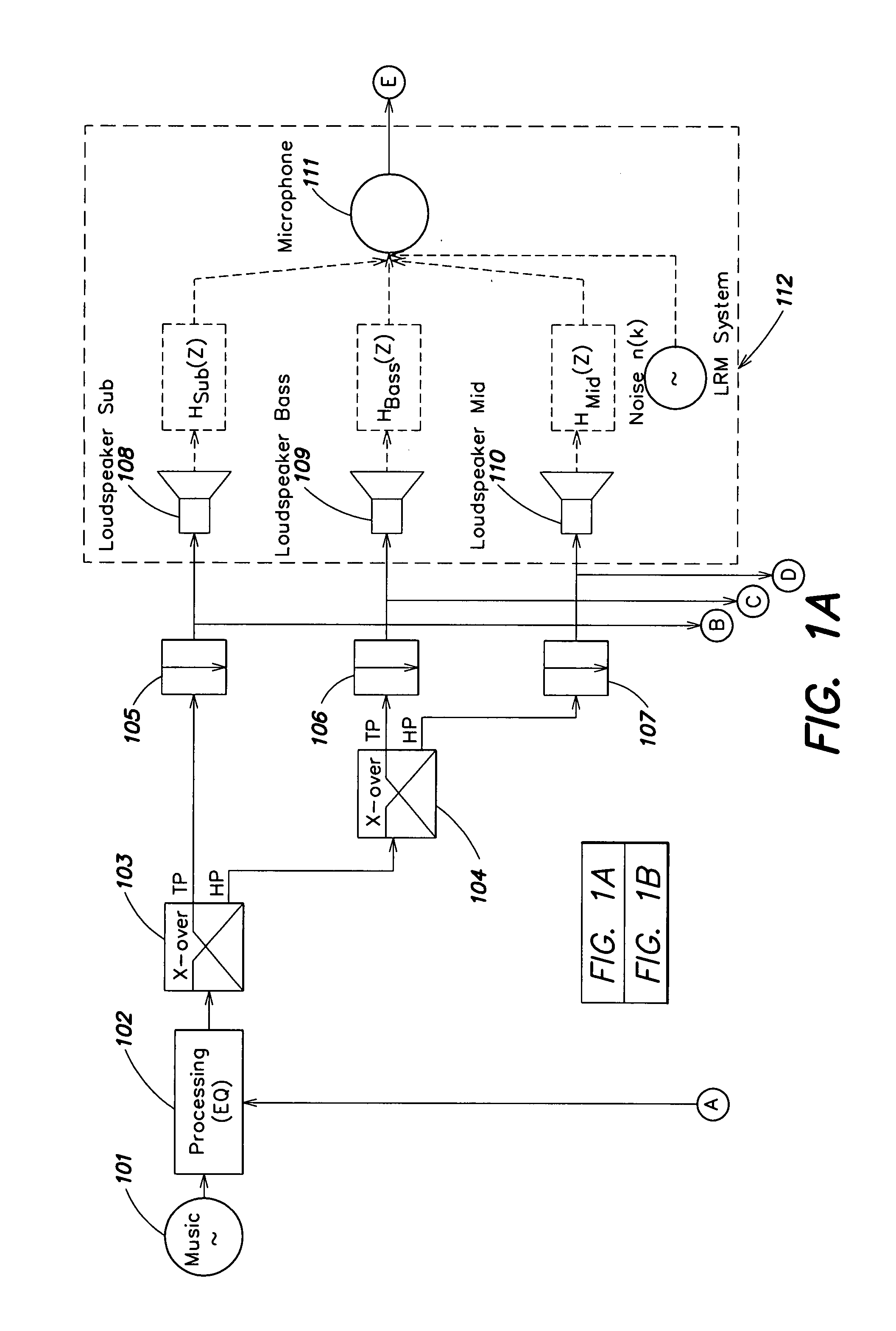
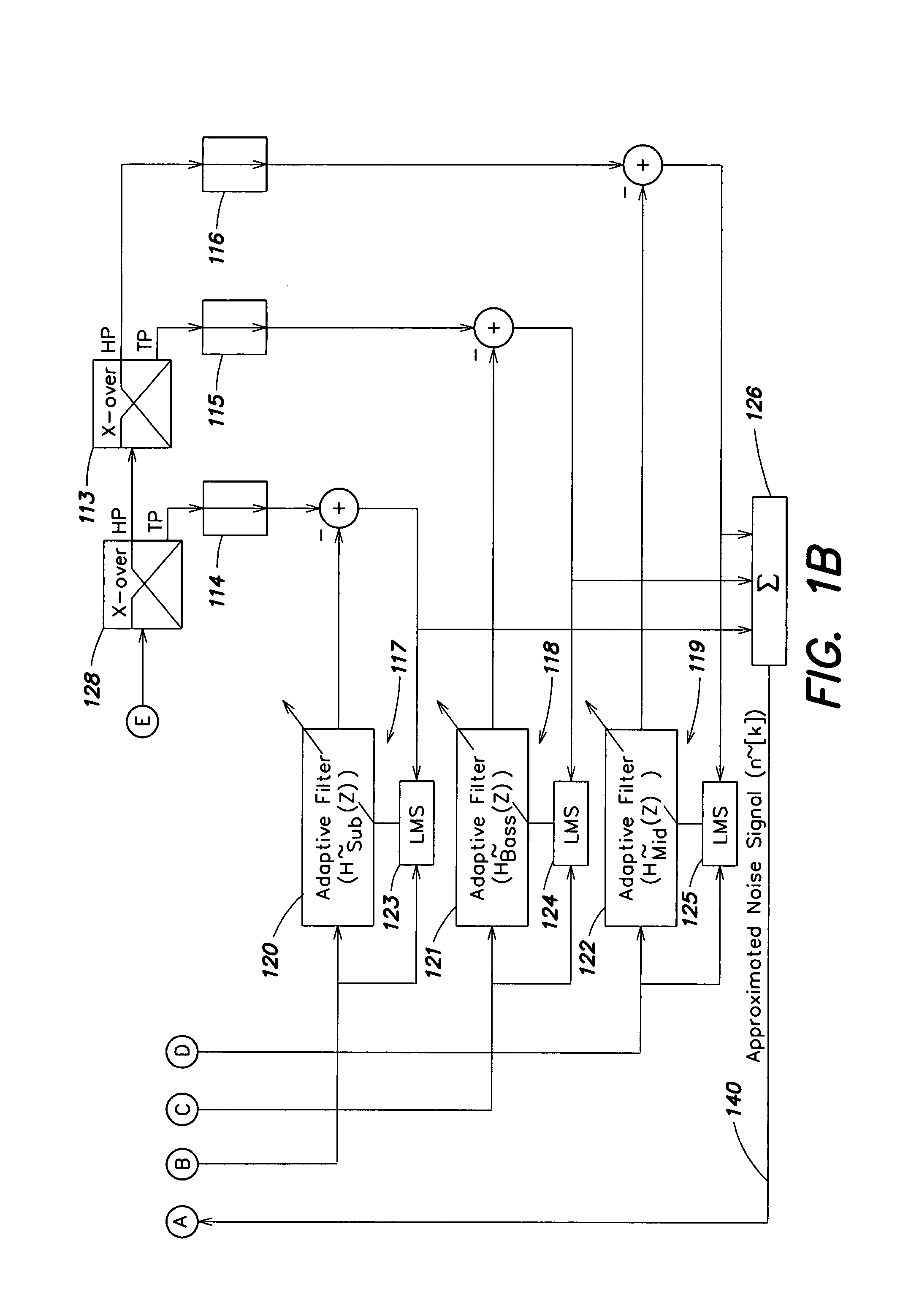
- A dynamic equalizer control system that uses linear predictive coding (LPC) to analyze ambient noise and adjust sound output, considering the spectral distribution of noise and psychoacoustic aspects, to enhance the audio listening experience by boosting music levels and controlling gain and equalization accordingly.
Audio enhancement system and method
PatentInactiveUS8170221B2
Innovation
- A dynamic equalizer control system that uses linear predictive coding (LPC) to analyze ambient noise and adjust sound output, considering the spectral distribution of noise and psychoacoustic aspects, to enhance the audio listening experience by boosting music levels and controlling equalization.


Bluetooth Audio Standards
Bluetooth audio standards have evolved significantly over the years, with each iteration bringing improvements in audio quality, latency, and power efficiency. The most widely adopted standards include SBC (Sub-Band Coding), AAC (Advanced Audio Coding), aptX, and LDAC. These codecs play a crucial role in determining the overall audio experience for Bluetooth devices.
SBC, the mandatory codec for all Bluetooth audio devices, offers basic audio quality and wide compatibility. However, its limited bitrate often results in noticeable compression artifacts. AAC, developed by the MPEG group, provides better audio quality than SBC and is particularly efficient for iOS devices. aptX, created by Qualcomm, aims to deliver CD-like audio quality over Bluetooth connections, with variants such as aptX HD and aptX Adaptive offering even higher bitrates and lower latency.
LDAC, developed by Sony, stands out as one of the most advanced Bluetooth audio codecs available. It supports transmission rates of up to 990 kbps, significantly higher than other codecs, allowing for near-lossless audio quality. LDAC's adaptive bitrate feature enables it to adjust transmission rates based on connection stability, ensuring optimal performance across various environments.
The Bluetooth Special Interest Group (SIG) has also introduced LE Audio, a new standard that operates on the Bluetooth Low Energy (LE) radio. LE Audio brings several improvements, including the LC3 codec, which offers better audio quality at lower bitrates compared to SBC. This new standard also introduces features like Multi-Stream Audio and Broadcast Audio, enabling new use cases and enhancing the overall Bluetooth audio experience.
As wireless audio continues to gain popularity, these standards are constantly evolving to meet the increasing demands for high-quality audio transmission. The development of codecs like LDAC and the introduction of LE Audio demonstrate the industry's commitment to pushing the boundaries of what's possible with Bluetooth audio technology.
SBC, the mandatory codec for all Bluetooth audio devices, offers basic audio quality and wide compatibility. However, its limited bitrate often results in noticeable compression artifacts. AAC, developed by the MPEG group, provides better audio quality than SBC and is particularly efficient for iOS devices. aptX, created by Qualcomm, aims to deliver CD-like audio quality over Bluetooth connections, with variants such as aptX HD and aptX Adaptive offering even higher bitrates and lower latency.
LDAC, developed by Sony, stands out as one of the most advanced Bluetooth audio codecs available. It supports transmission rates of up to 990 kbps, significantly higher than other codecs, allowing for near-lossless audio quality. LDAC's adaptive bitrate feature enables it to adjust transmission rates based on connection stability, ensuring optimal performance across various environments.
The Bluetooth Special Interest Group (SIG) has also introduced LE Audio, a new standard that operates on the Bluetooth Low Energy (LE) radio. LE Audio brings several improvements, including the LC3 codec, which offers better audio quality at lower bitrates compared to SBC. This new standard also introduces features like Multi-Stream Audio and Broadcast Audio, enabling new use cases and enhancing the overall Bluetooth audio experience.
As wireless audio continues to gain popularity, these standards are constantly evolving to meet the increasing demands for high-quality audio transmission. The development of codecs like LDAC and the introduction of LE Audio demonstrate the industry's commitment to pushing the boundaries of what's possible with Bluetooth audio technology.
LDAC Energy Efficiency
LDAC technology, developed by Sony, has made significant strides in enhancing acoustic precision while maintaining energy efficiency. This codec's approach to energy management is a crucial factor in its widespread adoption and success in the high-resolution audio market.
LDAC employs adaptive bit rate allocation, which allows it to dynamically adjust its data transmission rate based on the available bandwidth and signal strength. This adaptability ensures that the codec can maintain optimal performance while minimizing power consumption. In scenarios where bandwidth is limited or signal strength is weak, LDAC can reduce its bit rate to conserve energy without significantly compromising audio quality.
The codec's efficient compression algorithm plays a vital role in its energy-saving capabilities. By utilizing advanced psychoacoustic modeling and optimized quantization techniques, LDAC can compress audio data more effectively than traditional codecs. This results in reduced data transmission requirements, which in turn leads to lower power consumption during wireless audio streaming.
LDAC's implementation of variable bit depth and sampling rate further contributes to its energy efficiency. The codec can adjust these parameters based on the audio content and available resources, ensuring that only the necessary amount of data is processed and transmitted. This flexibility allows devices to optimize their power usage while still delivering high-quality audio output.
The codec's integration with Bluetooth Low Energy (BLE) technology is another key factor in its energy efficiency. BLE is designed to provide significantly reduced power consumption compared to classic Bluetooth, and LDAC leverages this advantage to minimize the energy impact of wireless audio transmission on mobile devices and headphones.
LDAC also incorporates advanced error correction and concealment techniques, which help maintain audio quality even in challenging wireless environments. By reducing the need for retransmissions and data recovery operations, these features indirectly contribute to improved energy efficiency.
Furthermore, LDAC's compatibility with various audio formats and its ability to handle high-resolution audio efficiently means that devices can process and transmit audio data with minimal additional computational overhead. This efficiency translates to reduced CPU usage and, consequently, lower power consumption on both the transmitting and receiving devices.
In conclusion, LDAC's energy efficiency is a result of its adaptive nature, efficient compression, flexible bit depth and sampling rate, integration with low-power wireless technologies, and advanced error handling capabilities. These features collectively enable LDAC to deliver high-quality audio while minimizing power consumption, making it an attractive choice for manufacturers and consumers alike in the realm of wireless audio technology.
LDAC employs adaptive bit rate allocation, which allows it to dynamically adjust its data transmission rate based on the available bandwidth and signal strength. This adaptability ensures that the codec can maintain optimal performance while minimizing power consumption. In scenarios where bandwidth is limited or signal strength is weak, LDAC can reduce its bit rate to conserve energy without significantly compromising audio quality.
The codec's efficient compression algorithm plays a vital role in its energy-saving capabilities. By utilizing advanced psychoacoustic modeling and optimized quantization techniques, LDAC can compress audio data more effectively than traditional codecs. This results in reduced data transmission requirements, which in turn leads to lower power consumption during wireless audio streaming.
LDAC's implementation of variable bit depth and sampling rate further contributes to its energy efficiency. The codec can adjust these parameters based on the audio content and available resources, ensuring that only the necessary amount of data is processed and transmitted. This flexibility allows devices to optimize their power usage while still delivering high-quality audio output.
The codec's integration with Bluetooth Low Energy (BLE) technology is another key factor in its energy efficiency. BLE is designed to provide significantly reduced power consumption compared to classic Bluetooth, and LDAC leverages this advantage to minimize the energy impact of wireless audio transmission on mobile devices and headphones.
LDAC also incorporates advanced error correction and concealment techniques, which help maintain audio quality even in challenging wireless environments. By reducing the need for retransmissions and data recovery operations, these features indirectly contribute to improved energy efficiency.
Furthermore, LDAC's compatibility with various audio formats and its ability to handle high-resolution audio efficiently means that devices can process and transmit audio data with minimal additional computational overhead. This efficiency translates to reduced CPU usage and, consequently, lower power consumption on both the transmitting and receiving devices.
In conclusion, LDAC's energy efficiency is a result of its adaptive nature, efficient compression, flexible bit depth and sampling rate, integration with low-power wireless technologies, and advanced error handling capabilities. These features collectively enable LDAC to deliver high-quality audio while minimizing power consumption, making it an attractive choice for manufacturers and consumers alike in the realm of wireless audio technology.
Unlock deeper insights with Patsnap Eureka Quick Research — get a full tech report to explore trends and direct your research. Try now!
Generate Your Research Report Instantly with AI Agent
Supercharge your innovation with Patsnap Eureka AI Agent Platform!