How to Boost Audio System Performance with LDAC?
JUL 4, 20258 MIN READ
Generate Your Research Report Instantly with AI Agent
Patsnap Eureka helps you evaluate technical feasibility & market potential.
LDAC Technology Overview and Objectives
LDAC, developed by Sony in 2015, represents a significant advancement in wireless audio technology. This codec aims to deliver high-resolution audio over Bluetooth connections, addressing the limitations of previous wireless audio transmission methods. LDAC's primary objective is to enhance the overall performance of audio systems by enabling the transmission of high-quality audio data at higher bit rates than conventional Bluetooth codecs.
The technology behind LDAC is designed to maximize the potential of Bluetooth connections, utilizing adaptive bit rate technology to adjust the transmission rate based on the wireless environment. This adaptability allows LDAC to maintain optimal audio quality even in challenging signal conditions. The codec supports bit rates up to 990 kbps, which is significantly higher than the standard SBC codec used in most Bluetooth audio devices.
LDAC's development was driven by the growing demand for high-fidelity audio in wireless devices. As consumers increasingly adopt wireless audio solutions, there has been a parallel increase in expectations for sound quality. LDAC addresses this market need by offering near-lossless audio transmission, bridging the gap between wired and wireless audio performance.
The evolution of LDAC technology has been marked by continuous improvements and wider adoption across the audio industry. Initially exclusive to Sony devices, LDAC has since been integrated into the Android Open Source Project (AOSP), making it available to a broader range of devices and manufacturers. This expansion has further solidified LDAC's position as a leading high-resolution audio codec in the wireless audio market.
One of the key technical goals of LDAC is to preserve the integrity of high-resolution audio files during wireless transmission. Traditional Bluetooth codecs often necessitate significant compression, resulting in a loss of audio fidelity. LDAC aims to minimize this loss by employing advanced encoding techniques that allow for the transmission of a wider range of frequencies and greater dynamic range.
Looking ahead, the objectives for LDAC technology include further improvements in energy efficiency, compatibility with emerging Bluetooth standards, and potential integration with other audio enhancement technologies. As the demand for high-quality wireless audio continues to grow, LDAC is positioned to play a crucial role in shaping the future of audio system performance in wireless devices.
The technology behind LDAC is designed to maximize the potential of Bluetooth connections, utilizing adaptive bit rate technology to adjust the transmission rate based on the wireless environment. This adaptability allows LDAC to maintain optimal audio quality even in challenging signal conditions. The codec supports bit rates up to 990 kbps, which is significantly higher than the standard SBC codec used in most Bluetooth audio devices.
LDAC's development was driven by the growing demand for high-fidelity audio in wireless devices. As consumers increasingly adopt wireless audio solutions, there has been a parallel increase in expectations for sound quality. LDAC addresses this market need by offering near-lossless audio transmission, bridging the gap between wired and wireless audio performance.
The evolution of LDAC technology has been marked by continuous improvements and wider adoption across the audio industry. Initially exclusive to Sony devices, LDAC has since been integrated into the Android Open Source Project (AOSP), making it available to a broader range of devices and manufacturers. This expansion has further solidified LDAC's position as a leading high-resolution audio codec in the wireless audio market.
One of the key technical goals of LDAC is to preserve the integrity of high-resolution audio files during wireless transmission. Traditional Bluetooth codecs often necessitate significant compression, resulting in a loss of audio fidelity. LDAC aims to minimize this loss by employing advanced encoding techniques that allow for the transmission of a wider range of frequencies and greater dynamic range.
Looking ahead, the objectives for LDAC technology include further improvements in energy efficiency, compatibility with emerging Bluetooth standards, and potential integration with other audio enhancement technologies. As the demand for high-quality wireless audio continues to grow, LDAC is positioned to play a crucial role in shaping the future of audio system performance in wireless devices.
Market Demand for High-Quality Audio Streaming
The demand for high-quality audio streaming has been steadily increasing in recent years, driven by several key factors. Consumers are becoming more discerning about audio quality, particularly as they invest in premium audio equipment and high-end headphones. This trend has been further accelerated by the widespread adoption of lossless audio formats and the growing popularity of high-resolution audio content.
Streaming services have recognized this shift in consumer preferences and are responding by offering higher quality audio tiers. Major players like Spotify, Apple Music, and Amazon Music have all introduced lossless and high-resolution audio options to cater to audiophiles and music enthusiasts. This move has created a ripple effect across the industry, pushing other services to improve their audio quality to remain competitive.
The rise of wireless audio devices, particularly true wireless earbuds and Bluetooth speakers, has also contributed to the demand for better audio streaming technologies. As these devices become more sophisticated, consumers expect audio quality that matches or exceeds that of wired alternatives. This has led to increased interest in advanced audio codecs like LDAC, which can deliver near-lossless audio quality over Bluetooth connections.
In the automotive sector, there's a growing emphasis on in-car audio systems, with manufacturers partnering with premium audio brands to deliver high-fidelity sound experiences. This trend has created additional demand for high-quality audio streaming solutions that can integrate seamlessly with these advanced in-car systems.
The gaming industry has also played a significant role in driving demand for superior audio streaming. With the rise of competitive gaming and immersive virtual reality experiences, high-quality audio has become a crucial component of the overall gaming experience. Gamers are increasingly seeking audio solutions that can provide precise spatial awareness and crystal-clear communication.
Professional audio applications, such as music production and live streaming, have further fueled the need for high-quality audio streaming technologies. As remote collaboration becomes more common in the music industry, there's a growing demand for solutions that can transmit high-fidelity audio with minimal latency and compression artifacts.
The market for high-quality audio streaming is expected to continue growing as 5G networks become more widespread, enabling faster and more reliable data transmission. This infrastructure improvement will support the delivery of higher bitrate audio streams, further driving consumer expectations for audio quality.
As the demand for high-quality audio streaming continues to rise, technologies like LDAC are well-positioned to play a crucial role in meeting consumer expectations and pushing the boundaries of wireless audio performance. The market's trajectory suggests that audio quality will remain a key differentiator for streaming services, device manufacturers, and content creators in the coming years.
Streaming services have recognized this shift in consumer preferences and are responding by offering higher quality audio tiers. Major players like Spotify, Apple Music, and Amazon Music have all introduced lossless and high-resolution audio options to cater to audiophiles and music enthusiasts. This move has created a ripple effect across the industry, pushing other services to improve their audio quality to remain competitive.
The rise of wireless audio devices, particularly true wireless earbuds and Bluetooth speakers, has also contributed to the demand for better audio streaming technologies. As these devices become more sophisticated, consumers expect audio quality that matches or exceeds that of wired alternatives. This has led to increased interest in advanced audio codecs like LDAC, which can deliver near-lossless audio quality over Bluetooth connections.
In the automotive sector, there's a growing emphasis on in-car audio systems, with manufacturers partnering with premium audio brands to deliver high-fidelity sound experiences. This trend has created additional demand for high-quality audio streaming solutions that can integrate seamlessly with these advanced in-car systems.
The gaming industry has also played a significant role in driving demand for superior audio streaming. With the rise of competitive gaming and immersive virtual reality experiences, high-quality audio has become a crucial component of the overall gaming experience. Gamers are increasingly seeking audio solutions that can provide precise spatial awareness and crystal-clear communication.
Professional audio applications, such as music production and live streaming, have further fueled the need for high-quality audio streaming technologies. As remote collaboration becomes more common in the music industry, there's a growing demand for solutions that can transmit high-fidelity audio with minimal latency and compression artifacts.
The market for high-quality audio streaming is expected to continue growing as 5G networks become more widespread, enabling faster and more reliable data transmission. This infrastructure improvement will support the delivery of higher bitrate audio streams, further driving consumer expectations for audio quality.
As the demand for high-quality audio streaming continues to rise, technologies like LDAC are well-positioned to play a crucial role in meeting consumer expectations and pushing the boundaries of wireless audio performance. The market's trajectory suggests that audio quality will remain a key differentiator for streaming services, device manufacturers, and content creators in the coming years.
Current LDAC Implementation Challenges
Despite LDAC's significant advancements in high-quality audio transmission, several challenges persist in its current implementation. One of the primary issues is the high computational complexity required for encoding and decoding LDAC streams. This complexity can lead to increased power consumption and potential latency, particularly on devices with limited processing capabilities.
Another challenge lies in maintaining consistent audio quality across varying network conditions. While LDAC offers adaptive bitrate switching, the transition between different quality modes can sometimes result in audible artifacts or momentary disruptions in the audio stream. This issue becomes more pronounced in environments with fluctuating wireless connectivity.
Compatibility and widespread adoption remain ongoing concerns for LDAC. As a proprietary technology developed by Sony, its integration into a broader range of devices and platforms has been limited compared to more open standards. This restriction can hinder the overall ecosystem growth and user accessibility to high-quality audio experiences.
The current LDAC implementation also faces challenges in terms of battery life impact, especially on portable devices. The high data rates and processing requirements of LDAC can lead to faster battery drain, which may deter some users from utilizing the technology in mobile scenarios.
Furthermore, there are limitations in multi-device support and seamless switching between audio sources. LDAC's current implementation does not fully address the growing demand for effortless audio sharing and quick transitions between multiple connected devices, which has become increasingly important in modern audio ecosystems.
Lastly, while LDAC offers impressive audio quality, there is an ongoing challenge to further reduce the gap between wireless and wired audio performance. Audiophiles and professional users continue to demand even higher fidelity and lower latency, pushing the boundaries of what current LDAC implementations can deliver.
Addressing these challenges will be crucial for the continued evolution and adoption of LDAC technology, ensuring its relevance in the rapidly advancing landscape of high-quality audio transmission.
Another challenge lies in maintaining consistent audio quality across varying network conditions. While LDAC offers adaptive bitrate switching, the transition between different quality modes can sometimes result in audible artifacts or momentary disruptions in the audio stream. This issue becomes more pronounced in environments with fluctuating wireless connectivity.
Compatibility and widespread adoption remain ongoing concerns for LDAC. As a proprietary technology developed by Sony, its integration into a broader range of devices and platforms has been limited compared to more open standards. This restriction can hinder the overall ecosystem growth and user accessibility to high-quality audio experiences.
The current LDAC implementation also faces challenges in terms of battery life impact, especially on portable devices. The high data rates and processing requirements of LDAC can lead to faster battery drain, which may deter some users from utilizing the technology in mobile scenarios.
Furthermore, there are limitations in multi-device support and seamless switching between audio sources. LDAC's current implementation does not fully address the growing demand for effortless audio sharing and quick transitions between multiple connected devices, which has become increasingly important in modern audio ecosystems.
Lastly, while LDAC offers impressive audio quality, there is an ongoing challenge to further reduce the gap between wireless and wired audio performance. Audiophiles and professional users continue to demand even higher fidelity and lower latency, pushing the boundaries of what current LDAC implementations can deliver.
Addressing these challenges will be crucial for the continued evolution and adoption of LDAC technology, ensuring its relevance in the rapidly advancing landscape of high-quality audio transmission.
Existing LDAC Performance Optimization Techniques
01 LDAC codec implementation and optimization
LDAC is a high-quality audio codec developed for Bluetooth audio transmission. It offers improved audio quality through efficient encoding and transmission techniques. The implementation and optimization of LDAC in audio systems focus on maximizing sound quality while maintaining low latency and efficient power consumption.- LDAC codec implementation and optimization: LDAC is a high-quality audio codec developed for Bluetooth audio transmission. It offers improved audio quality through efficient encoding and transmission techniques. The implementation and optimization of LDAC in audio systems focus on maximizing sound quality while maintaining low latency and efficient power consumption.
- Audio signal processing for LDAC systems: Advanced signal processing techniques are employed in LDAC audio systems to enhance performance. These include noise reduction, echo cancellation, and adaptive equalization. Such processing helps to maintain audio quality in various environments and improves the overall listening experience.
- LDAC integration with other audio technologies: LDAC can be integrated with other audio technologies to create comprehensive audio solutions. This includes compatibility with various audio formats, integration with voice recognition systems, and seamless operation with different audio devices and platforms.
- Power management in LDAC audio systems: Efficient power management is crucial for LDAC audio systems, especially in portable devices. Techniques are implemented to optimize power consumption while maintaining high audio quality, including adaptive power scaling and intelligent sleep modes.
- Performance evaluation and testing of LDAC systems: Rigorous testing and evaluation methods are employed to assess the performance of LDAC audio systems. This includes measuring audio quality, latency, power efficiency, and compatibility across different devices and scenarios to ensure optimal user experience.
02 Audio signal processing for LDAC systems
Advanced signal processing techniques are employed in LDAC audio systems to enhance performance. These include noise reduction, echo cancellation, and dynamic range compression. Such processing helps to improve audio clarity, reduce distortion, and optimize the overall listening experience in various acoustic environments.Expand Specific Solutions03 LDAC integration with wireless audio devices
LDAC technology is integrated into various wireless audio devices, including headphones, speakers, and car audio systems. This integration involves optimizing the wireless connection, managing power consumption, and ensuring compatibility with different Bluetooth-enabled source devices to deliver high-quality audio streaming.Expand Specific Solutions04 Adaptive bit rate and quality control in LDAC
LDAC systems employ adaptive bit rate and quality control mechanisms to maintain optimal audio performance under varying network conditions. These features allow the system to dynamically adjust the audio quality and transmission parameters based on available bandwidth and connection stability, ensuring a consistent listening experience.Expand Specific Solutions05 User experience and interface design for LDAC audio systems
The performance of LDAC audio systems is also influenced by user experience and interface design. This includes developing intuitive controls, providing real-time feedback on audio quality, and offering customization options for audio preferences. These aspects contribute to the overall user satisfaction and perceived performance of LDAC-enabled devices.Expand Specific Solutions
Key Players in LDAC Ecosystem
The LDAC audio codec market is in a growth phase, driven by increasing demand for high-quality wireless audio solutions. Major players like Sony, Harman Becker Automotive Systems, and Analog Devices are competing to enhance audio system performance using LDAC technology. The market size is expanding rapidly, particularly in the consumer electronics and automotive sectors. Technologically, LDAC is maturing, with companies like Huawei, Samsung, and MediaTek incorporating it into their devices. However, there's still room for innovation in areas such as power efficiency and compatibility across different platforms.
Samsung Electronics Co., Ltd.
Technical Solution: Samsung has implemented LDAC technology in their high-end audio products, particularly in their Galaxy Buds series. Their approach involves integrating LDAC codec support into their custom Exynos chipsets, allowing for high-resolution audio streaming up to 990 kbps[1]. Samsung's implementation includes adaptive bit rate technology, which dynamically adjusts the audio quality based on the connection stability, ensuring consistent performance even in challenging wireless environments[2]. They have also optimized their audio DSP (Digital Signal Processor) to work in tandem with LDAC, applying advanced noise reduction and sound enhancement algorithms to further improve the audio quality[3].
Strengths: Seamless integration with Samsung ecosystem, adaptive bit rate for stable performance. Weaknesses: Limited to high-end devices, potential compatibility issues with non-Samsung products.
MediaTek, Inc.
Technical Solution: MediaTek has developed a comprehensive LDAC solution for their mobile and audio chipsets. Their approach focuses on power efficiency while maintaining high-quality audio transmission. MediaTek's implementation includes dedicated hardware acceleration for LDAC encoding and decoding, reducing CPU load and power consumption[4]. They have also integrated LDAC support into their Bluetooth audio SoCs, enabling seamless adoption by various audio device manufacturers. MediaTek's solution supports the full LDAC bit rate range from 330 kbps to 990 kbps, with adaptive switching based on connection quality[5]. Additionally, they have implemented advanced error concealment techniques to minimize audio artifacts in poor RF conditions.
Strengths: Wide adoption in mid-range devices, power-efficient implementation. Weaknesses: May lack some advanced features found in premium solutions.
Core LDAC Innovations and Patents
Audio enhancement system and method
PatentInactiveUS8170221B2
Innovation
- A dynamic equalizer control system that uses linear predictive coding (LPC) to analyze ambient noise and adjust sound output, considering the spectral distribution of noise and psychoacoustic aspects, to enhance the audio listening experience by boosting music levels and controlling equalization.


Differential front-end continuous-time sigma-delta ADC using chopper stabilization
PatentActiveUS7193545B2
Innovation
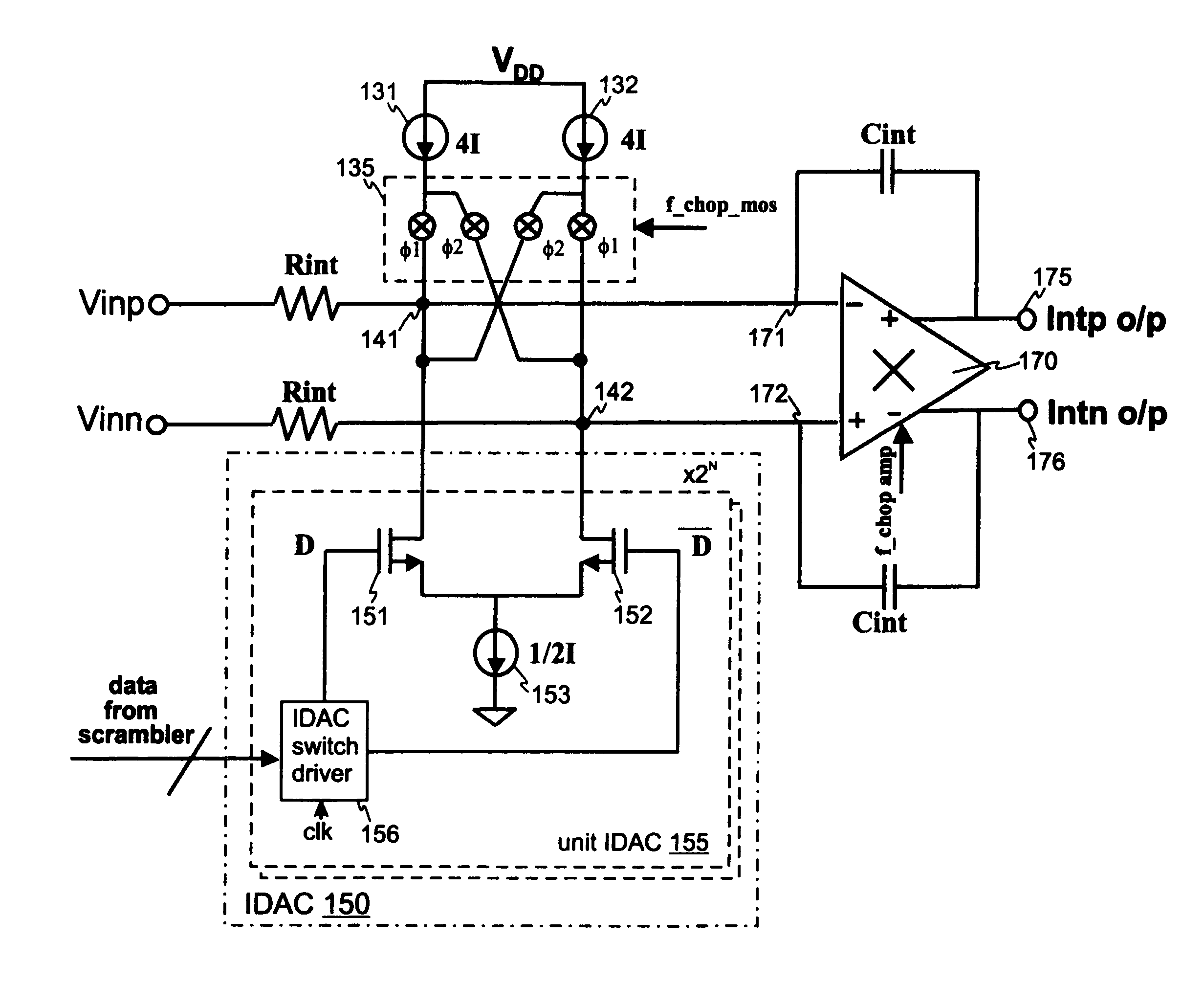
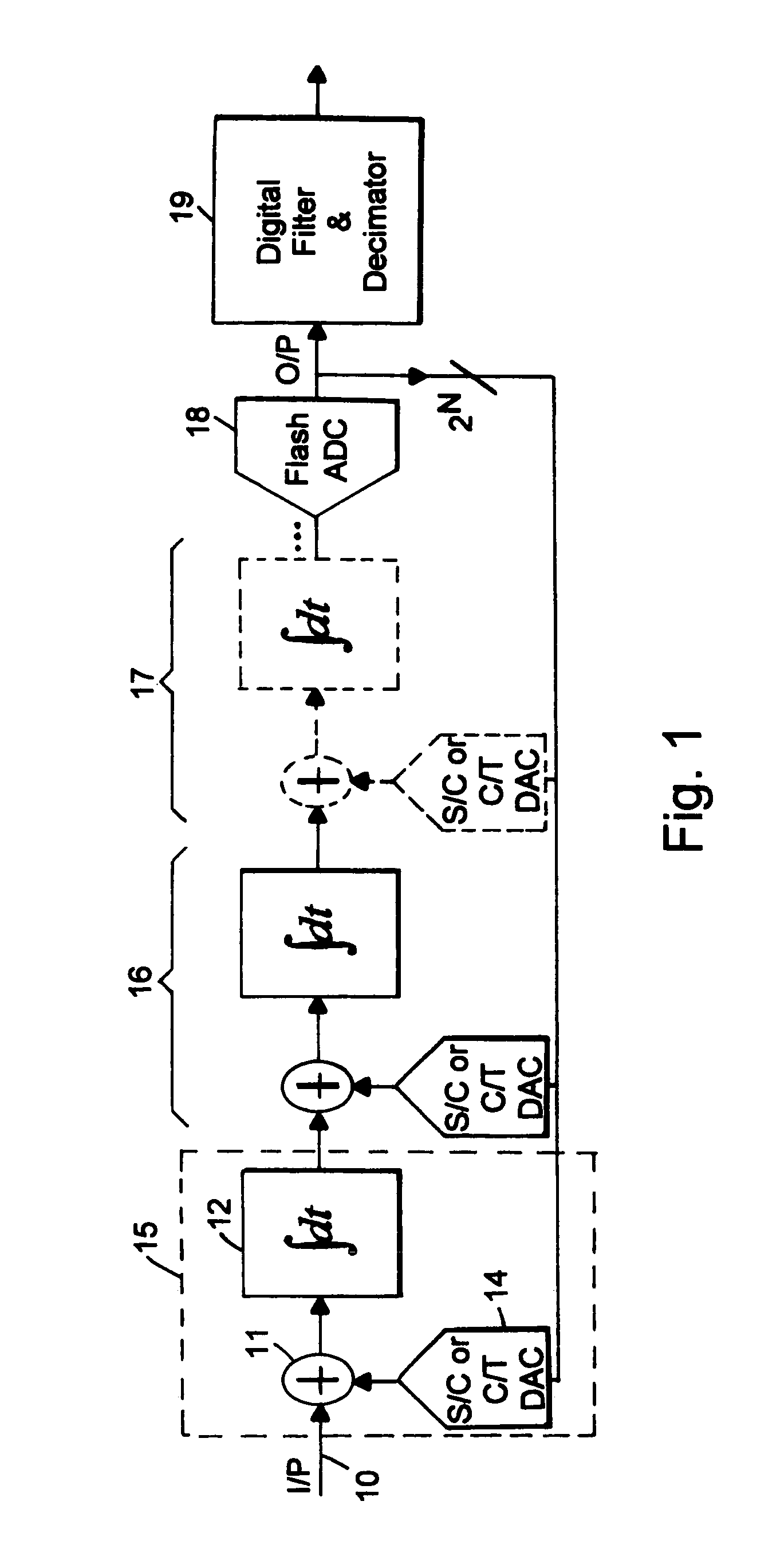
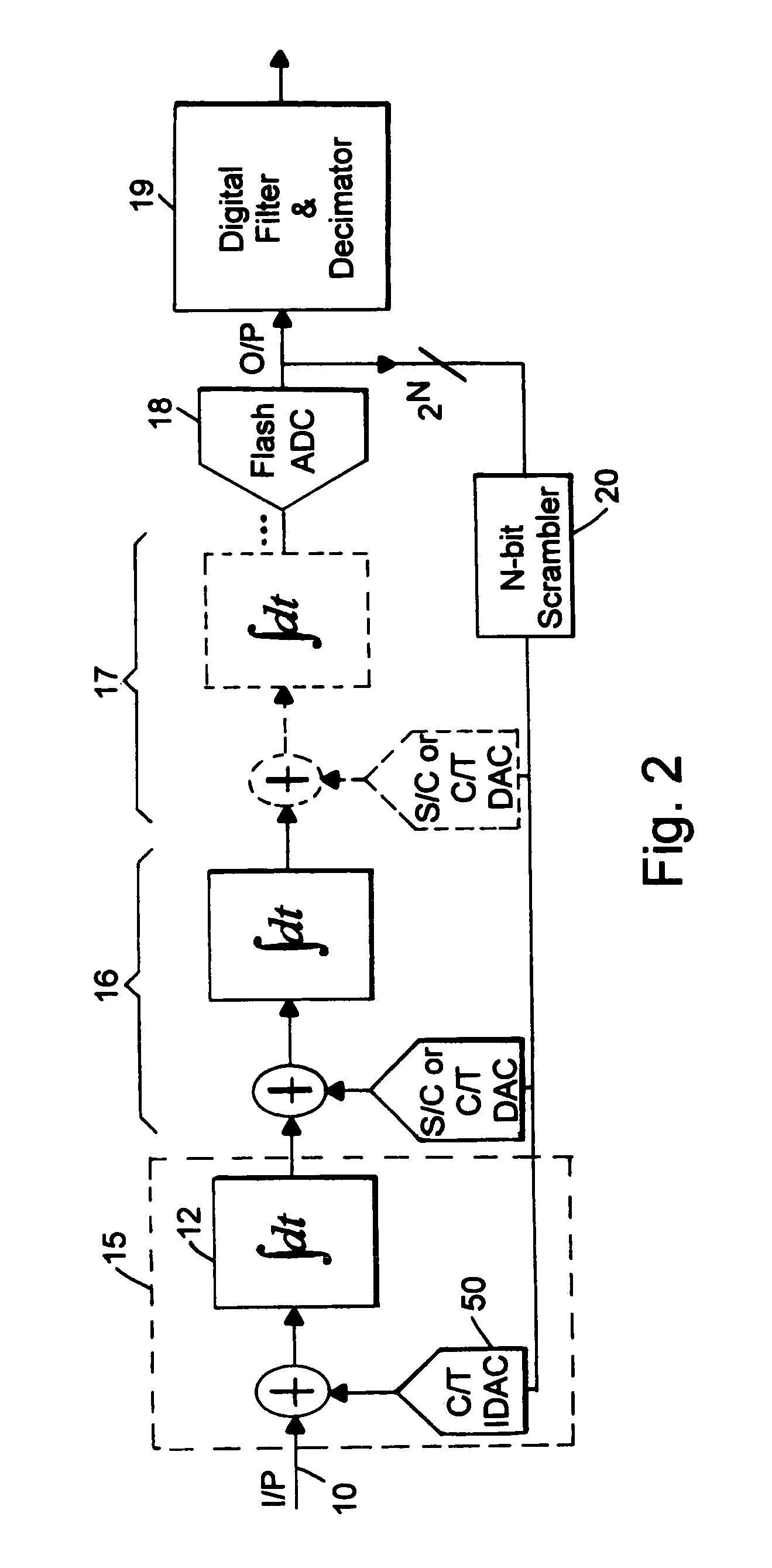
- A multi-bit continuous-time sigma-delta ADC with a front-end integrator stage that includes chopping switches and a scrambler to modulate flicker noise, reducing the device area and improving noise performance, and a two-stage chopper-stabilized amplifier to enhance noise immunity.
LDAC Compatibility and Integration Strategies
LDAC compatibility and integration strategies are crucial for maximizing the performance of audio systems utilizing this advanced codec. To ensure seamless integration, device manufacturers must first obtain the necessary licenses from Sony, the developer of LDAC technology. This process involves meeting specific hardware and software requirements to maintain the codec's high-quality audio transmission capabilities.
For hardware compatibility, devices must support Bluetooth 4.0 or later versions, with sufficient processing power to handle LDAC's complex algorithms. The implementation of dedicated digital signal processors (DSPs) can significantly enhance the encoding and decoding processes, reducing latency and improving overall system performance.
On the software side, integration of LDAC requires careful optimization of the audio stack. This includes implementing efficient buffer management techniques to handle the high bitrate streams and ensuring proper synchronization between the transmitter and receiver. Manufacturers should also consider implementing adaptive bitrate selection algorithms to dynamically adjust the audio quality based on the connection stability and device capabilities.
To maximize LDAC's potential, it is essential to optimize the entire audio signal chain. This involves careful selection of high-quality digital-to-analog converters (DACs) and amplifiers that can handle the wide frequency range and dynamic content that LDAC can transmit. Additionally, implementing effective error concealment techniques can help maintain audio quality in less-than-ideal wireless environments.
Interoperability testing is a critical aspect of LDAC integration. Manufacturers should conduct extensive compatibility tests with a wide range of LDAC-enabled devices to ensure consistent performance across different platforms. This includes testing various audio formats, bitrates, and connection scenarios to identify and address any potential issues.
User experience considerations are also vital for successful LDAC integration. Implementing intuitive controls for switching between different Bluetooth codecs, including LDAC, can enhance user satisfaction. Clear indication of when LDAC is active and providing options for users to prioritize audio quality or connection stability can further improve the overall experience.
Lastly, staying updated with the latest LDAC specifications and firmware updates is crucial for maintaining optimal performance and compatibility. Regular software updates can introduce improvements in encoding efficiency, connection stability, and overall audio quality, ensuring that LDAC-enabled devices continue to deliver superior audio experiences over time.
For hardware compatibility, devices must support Bluetooth 4.0 or later versions, with sufficient processing power to handle LDAC's complex algorithms. The implementation of dedicated digital signal processors (DSPs) can significantly enhance the encoding and decoding processes, reducing latency and improving overall system performance.
On the software side, integration of LDAC requires careful optimization of the audio stack. This includes implementing efficient buffer management techniques to handle the high bitrate streams and ensuring proper synchronization between the transmitter and receiver. Manufacturers should also consider implementing adaptive bitrate selection algorithms to dynamically adjust the audio quality based on the connection stability and device capabilities.
To maximize LDAC's potential, it is essential to optimize the entire audio signal chain. This involves careful selection of high-quality digital-to-analog converters (DACs) and amplifiers that can handle the wide frequency range and dynamic content that LDAC can transmit. Additionally, implementing effective error concealment techniques can help maintain audio quality in less-than-ideal wireless environments.
Interoperability testing is a critical aspect of LDAC integration. Manufacturers should conduct extensive compatibility tests with a wide range of LDAC-enabled devices to ensure consistent performance across different platforms. This includes testing various audio formats, bitrates, and connection scenarios to identify and address any potential issues.
User experience considerations are also vital for successful LDAC integration. Implementing intuitive controls for switching between different Bluetooth codecs, including LDAC, can enhance user satisfaction. Clear indication of when LDAC is active and providing options for users to prioritize audio quality or connection stability can further improve the overall experience.
Lastly, staying updated with the latest LDAC specifications and firmware updates is crucial for maintaining optimal performance and compatibility. Regular software updates can introduce improvements in encoding efficiency, connection stability, and overall audio quality, ensuring that LDAC-enabled devices continue to deliver superior audio experiences over time.
LDAC Energy Efficiency Considerations
Energy efficiency is a critical consideration in the implementation of LDAC (Low Delay Audio Codec) technology for boosting audio system performance. As a high-resolution audio codec, LDAC requires significant processing power, which can impact battery life in portable devices. To address this challenge, several strategies have been developed to optimize LDAC's energy consumption.
One key approach is the implementation of adaptive bit rate selection. LDAC can dynamically adjust its bit rate based on the available bandwidth and device capabilities. This feature allows the codec to scale its performance and power consumption according to the current operating conditions, ensuring an optimal balance between audio quality and energy efficiency.
Another important aspect of LDAC's energy efficiency is its efficient encoding and decoding algorithms. These algorithms are designed to minimize computational complexity while maintaining high audio quality. By reducing the number of calculations required for audio processing, LDAC can significantly lower power consumption compared to less optimized codecs.
Hardware acceleration plays a crucial role in improving LDAC's energy efficiency. Many modern mobile processors include dedicated hardware for audio processing, which can offload LDAC encoding and decoding tasks from the main CPU. This not only reduces power consumption but also improves overall system performance by freeing up CPU resources for other tasks.
Power management techniques are also employed to enhance LDAC's energy efficiency. These include intelligent sleep modes that can quickly power down unused components of the audio processing chain when not in use, and wake them up rapidly when needed. Such techniques help minimize idle power consumption without compromising audio performance or introducing noticeable latency.
The integration of LDAC with other power-saving features in mobile devices is another important consideration. For example, coordinating LDAC operation with the device's overall power management system can ensure that audio processing is optimized in conjunction with other power-hungry components like displays and wireless radios.
Continuous optimization of the LDAC codec through software updates is essential for maintaining and improving its energy efficiency over time. As new hardware platforms emerge and usage patterns evolve, updates to the codec can take advantage of these changes to further reduce power consumption while maintaining or even improving audio quality.
In conclusion, LDAC's energy efficiency considerations encompass a wide range of strategies, from adaptive performance scaling to hardware acceleration and intelligent power management. These approaches collectively ensure that LDAC can deliver high-quality audio while minimizing its impact on device battery life, making it a viable option for enhancing audio system performance in portable devices.
One key approach is the implementation of adaptive bit rate selection. LDAC can dynamically adjust its bit rate based on the available bandwidth and device capabilities. This feature allows the codec to scale its performance and power consumption according to the current operating conditions, ensuring an optimal balance between audio quality and energy efficiency.
Another important aspect of LDAC's energy efficiency is its efficient encoding and decoding algorithms. These algorithms are designed to minimize computational complexity while maintaining high audio quality. By reducing the number of calculations required for audio processing, LDAC can significantly lower power consumption compared to less optimized codecs.
Hardware acceleration plays a crucial role in improving LDAC's energy efficiency. Many modern mobile processors include dedicated hardware for audio processing, which can offload LDAC encoding and decoding tasks from the main CPU. This not only reduces power consumption but also improves overall system performance by freeing up CPU resources for other tasks.
Power management techniques are also employed to enhance LDAC's energy efficiency. These include intelligent sleep modes that can quickly power down unused components of the audio processing chain when not in use, and wake them up rapidly when needed. Such techniques help minimize idle power consumption without compromising audio performance or introducing noticeable latency.
The integration of LDAC with other power-saving features in mobile devices is another important consideration. For example, coordinating LDAC operation with the device's overall power management system can ensure that audio processing is optimized in conjunction with other power-hungry components like displays and wireless radios.
Continuous optimization of the LDAC codec through software updates is essential for maintaining and improving its energy efficiency over time. As new hardware platforms emerge and usage patterns evolve, updates to the codec can take advantage of these changes to further reduce power consumption while maintaining or even improving audio quality.
In conclusion, LDAC's energy efficiency considerations encompass a wide range of strategies, from adaptive performance scaling to hardware acceleration and intelligent power management. These approaches collectively ensure that LDAC can deliver high-quality audio while minimizing its impact on device battery life, making it a viable option for enhancing audio system performance in portable devices.
Unlock deeper insights with Patsnap Eureka Quick Research — get a full tech report to explore trends and direct your research. Try now!
Generate Your Research Report Instantly with AI Agent
Supercharge your innovation with Patsnap Eureka AI Agent Platform!