How to Boost Silicone Rubber's Surface Texture?
JUL 9, 20259 MIN READ
Generate Your Research Report Instantly with AI Agent
PatSnap Eureka helps you evaluate technical feasibility & market potential.
Silicone Rubber Texturing Background and Objectives
Silicone rubber has been a cornerstone material in various industries for decades, prized for its unique combination of flexibility, durability, and chemical resistance. The quest to enhance its surface texture has been an ongoing challenge, driven by the ever-increasing demands of modern applications. From automotive components to medical devices, the need for silicone rubber with improved surface properties has become more pronounced.
The evolution of silicone rubber texturing techniques can be traced back to the mid-20th century when simple mechanical methods were first employed. As technology advanced, more sophisticated approaches emerged, including chemical etching and plasma treatments. These developments have been fueled by the growing recognition of surface texture's critical role in determining a material's performance characteristics, such as friction, wear resistance, and adhesion properties.
In recent years, the focus has shifted towards achieving precise control over micro and nano-scale surface features. This trend is largely driven by the miniaturization of devices and the need for enhanced functionality at smaller scales. The ability to manipulate silicone rubber's surface at these levels opens up new possibilities for applications in fields like microfluidics, soft robotics, and advanced medical implants.
The objectives of current research in silicone rubber texturing are multifaceted. Primarily, there is a push to develop methods that can create highly customizable surface patterns with unprecedented precision and repeatability. This includes the ability to produce complex, hierarchical structures that mimic natural surfaces known for their unique properties, such as lotus leaves for superhydrophobicity or gecko feet for enhanced adhesion.
Another key goal is to improve the durability and longevity of textured surfaces. While many existing techniques can create impressive initial textures, maintaining these features over time, especially under harsh conditions or repeated use, remains a significant challenge. Researchers are exploring ways to integrate the texturing process more deeply into the material structure, rather than treating it as a superficial modification.
Sustainability is also becoming an increasingly important objective in silicone rubber texturing research. There is a growing emphasis on developing environmentally friendly texturing methods that minimize the use of harmful chemicals and reduce energy consumption. This aligns with broader industry trends towards more sustainable manufacturing practices and materials.
As we look to the future, the field of silicone rubber texturing is poised for significant advancements. The convergence of nanotechnology, advanced manufacturing techniques, and computational modeling is expected to yield novel approaches that can precisely tailor surface properties to meet specific application requirements. These developments will not only enhance the performance of existing silicone rubber products but also enable entirely new applications across various industries.
The evolution of silicone rubber texturing techniques can be traced back to the mid-20th century when simple mechanical methods were first employed. As technology advanced, more sophisticated approaches emerged, including chemical etching and plasma treatments. These developments have been fueled by the growing recognition of surface texture's critical role in determining a material's performance characteristics, such as friction, wear resistance, and adhesion properties.
In recent years, the focus has shifted towards achieving precise control over micro and nano-scale surface features. This trend is largely driven by the miniaturization of devices and the need for enhanced functionality at smaller scales. The ability to manipulate silicone rubber's surface at these levels opens up new possibilities for applications in fields like microfluidics, soft robotics, and advanced medical implants.
The objectives of current research in silicone rubber texturing are multifaceted. Primarily, there is a push to develop methods that can create highly customizable surface patterns with unprecedented precision and repeatability. This includes the ability to produce complex, hierarchical structures that mimic natural surfaces known for their unique properties, such as lotus leaves for superhydrophobicity or gecko feet for enhanced adhesion.
Another key goal is to improve the durability and longevity of textured surfaces. While many existing techniques can create impressive initial textures, maintaining these features over time, especially under harsh conditions or repeated use, remains a significant challenge. Researchers are exploring ways to integrate the texturing process more deeply into the material structure, rather than treating it as a superficial modification.
Sustainability is also becoming an increasingly important objective in silicone rubber texturing research. There is a growing emphasis on developing environmentally friendly texturing methods that minimize the use of harmful chemicals and reduce energy consumption. This aligns with broader industry trends towards more sustainable manufacturing practices and materials.
As we look to the future, the field of silicone rubber texturing is poised for significant advancements. The convergence of nanotechnology, advanced manufacturing techniques, and computational modeling is expected to yield novel approaches that can precisely tailor surface properties to meet specific application requirements. These developments will not only enhance the performance of existing silicone rubber products but also enable entirely new applications across various industries.
Market Demand for Enhanced Silicone Rubber Surfaces
The market demand for enhanced silicone rubber surfaces has been steadily growing across various industries, driven by the need for improved performance, durability, and functionality. Silicone rubber, known for its excellent thermal stability, flexibility, and chemical resistance, is widely used in automotive, medical, electronics, and consumer goods sectors. However, the increasing demand for specialized surface properties has created a significant market opportunity for enhanced silicone rubber surfaces.
In the automotive industry, there is a growing need for silicone rubber components with improved grip, wear resistance, and aesthetic appeal. This demand is particularly evident in interior applications such as steering wheel covers, dashboard components, and sealing systems. The market for these enhanced surfaces is expected to expand as automakers focus on creating more luxurious and durable interiors.
The medical sector presents another substantial market for enhanced silicone rubber surfaces. With the rising emphasis on infection control and patient comfort, there is an increasing demand for silicone rubber products with antimicrobial properties and improved tactile characteristics. This includes medical devices, implants, and prosthetics that require specific surface textures to enhance biocompatibility and reduce the risk of infections.
In the electronics industry, the miniaturization trend and the need for better thermal management have created a demand for silicone rubber surfaces with enhanced heat dissipation properties. This is particularly important in the production of smartphones, wearables, and other compact electronic devices where efficient heat transfer is crucial for optimal performance.
The consumer goods sector has also shown a growing interest in enhanced silicone rubber surfaces. Products such as kitchenware, personal care items, and sports equipment benefit from improved grip, easy-to-clean surfaces, and enhanced durability. This market segment is driven by consumer preferences for high-quality, long-lasting products with superior tactile properties.
Furthermore, the industrial sector has identified a need for silicone rubber surfaces with enhanced chemical resistance and anti-fouling properties. This is particularly relevant in applications such as gaskets, seals, and protective coatings used in harsh environments or processes involving aggressive chemicals.
The global market for enhanced silicone rubber surfaces is projected to grow significantly in the coming years, with Asia-Pacific region expected to witness the highest growth rate. This growth is attributed to the rapid industrialization, increasing automotive production, and the expanding electronics manufacturing sector in countries like China and India.
As environmental concerns gain prominence, there is also an emerging demand for sustainable and eco-friendly methods to enhance silicone rubber surfaces. This trend is likely to drive innovation in surface modification techniques that minimize environmental impact while meeting performance requirements.
In the automotive industry, there is a growing need for silicone rubber components with improved grip, wear resistance, and aesthetic appeal. This demand is particularly evident in interior applications such as steering wheel covers, dashboard components, and sealing systems. The market for these enhanced surfaces is expected to expand as automakers focus on creating more luxurious and durable interiors.
The medical sector presents another substantial market for enhanced silicone rubber surfaces. With the rising emphasis on infection control and patient comfort, there is an increasing demand for silicone rubber products with antimicrobial properties and improved tactile characteristics. This includes medical devices, implants, and prosthetics that require specific surface textures to enhance biocompatibility and reduce the risk of infections.
In the electronics industry, the miniaturization trend and the need for better thermal management have created a demand for silicone rubber surfaces with enhanced heat dissipation properties. This is particularly important in the production of smartphones, wearables, and other compact electronic devices where efficient heat transfer is crucial for optimal performance.
The consumer goods sector has also shown a growing interest in enhanced silicone rubber surfaces. Products such as kitchenware, personal care items, and sports equipment benefit from improved grip, easy-to-clean surfaces, and enhanced durability. This market segment is driven by consumer preferences for high-quality, long-lasting products with superior tactile properties.
Furthermore, the industrial sector has identified a need for silicone rubber surfaces with enhanced chemical resistance and anti-fouling properties. This is particularly relevant in applications such as gaskets, seals, and protective coatings used in harsh environments or processes involving aggressive chemicals.
The global market for enhanced silicone rubber surfaces is projected to grow significantly in the coming years, with Asia-Pacific region expected to witness the highest growth rate. This growth is attributed to the rapid industrialization, increasing automotive production, and the expanding electronics manufacturing sector in countries like China and India.
As environmental concerns gain prominence, there is also an emerging demand for sustainable and eco-friendly methods to enhance silicone rubber surfaces. This trend is likely to drive innovation in surface modification techniques that minimize environmental impact while meeting performance requirements.
Current Challenges in Silicone Rubber Surface Modification
Silicone rubber, known for its versatility and excellent properties, faces several challenges in surface modification to enhance its texture. One of the primary obstacles is the inherent low surface energy of silicone rubber, which makes it difficult for coatings or other modifying agents to adhere effectively. This characteristic limits the range of surface textures that can be achieved and maintained over time.
Another significant challenge is the need for durable and long-lasting surface modifications. Many current techniques for altering silicone rubber surfaces result in temporary changes that degrade quickly under normal use conditions. This lack of permanence is particularly problematic in applications requiring consistent surface properties over extended periods.
The complexity of achieving precise and uniform surface textures across large or irregularly shaped silicone rubber components presents an additional hurdle. Current methods often struggle to produce consistent results, especially on complex geometries or when scaling up for industrial production.
Environmental concerns also pose challenges in silicone rubber surface modification. Many traditional surface treatment methods involve the use of harsh chemicals or energy-intensive processes, which are increasingly scrutinized for their environmental impact. Developing eco-friendly alternatives that maintain effectiveness while reducing environmental footprint is a pressing need in the field.
Furthermore, the biocompatibility of modified silicone rubber surfaces is a critical concern, particularly for medical and food-grade applications. Ensuring that surface modifications do not introduce toxic elements or compromise the material's biocompatibility is essential but often challenging to achieve alongside desired texture enhancements.
The integration of smart or responsive surface textures into silicone rubber presents another frontier of challenges. Creating surfaces that can dynamically change texture or properties in response to external stimuli (such as temperature, pH, or electrical signals) is an area of growing interest but faces significant technical hurdles in implementation.
Lastly, the cost-effectiveness of surface modification techniques remains a challenge, especially for large-scale industrial applications. Many advanced surface texturing methods are currently too expensive or time-consuming for widespread adoption, limiting their practical implementation in various industries.
Another significant challenge is the need for durable and long-lasting surface modifications. Many current techniques for altering silicone rubber surfaces result in temporary changes that degrade quickly under normal use conditions. This lack of permanence is particularly problematic in applications requiring consistent surface properties over extended periods.
The complexity of achieving precise and uniform surface textures across large or irregularly shaped silicone rubber components presents an additional hurdle. Current methods often struggle to produce consistent results, especially on complex geometries or when scaling up for industrial production.
Environmental concerns also pose challenges in silicone rubber surface modification. Many traditional surface treatment methods involve the use of harsh chemicals or energy-intensive processes, which are increasingly scrutinized for their environmental impact. Developing eco-friendly alternatives that maintain effectiveness while reducing environmental footprint is a pressing need in the field.
Furthermore, the biocompatibility of modified silicone rubber surfaces is a critical concern, particularly for medical and food-grade applications. Ensuring that surface modifications do not introduce toxic elements or compromise the material's biocompatibility is essential but often challenging to achieve alongside desired texture enhancements.
The integration of smart or responsive surface textures into silicone rubber presents another frontier of challenges. Creating surfaces that can dynamically change texture or properties in response to external stimuli (such as temperature, pH, or electrical signals) is an area of growing interest but faces significant technical hurdles in implementation.
Lastly, the cost-effectiveness of surface modification techniques remains a challenge, especially for large-scale industrial applications. Many advanced surface texturing methods are currently too expensive or time-consuming for widespread adoption, limiting their practical implementation in various industries.
Existing Surface Texturing Solutions for Silicone Rubber
01 Molding techniques for textured silicone rubber surfaces
Various molding techniques can be employed to create textured surfaces on silicone rubber products. These methods include compression molding, injection molding, and transfer molding. The mold surface can be designed with specific patterns or textures that will be imparted to the silicone rubber during the curing process. This allows for the creation of a wide range of surface textures, from smooth to highly detailed patterns.- Molding techniques for textured silicone rubber surfaces: Various molding techniques can be employed to create textured surfaces on silicone rubber products. These methods include compression molding, injection molding, and transfer molding. The mold surface can be designed with specific patterns or textures that will be transferred to the silicone rubber during the curing process. This allows for the creation of a wide range of surface textures, from smooth to highly detailed patterns.
- Surface modification of cured silicone rubber: Post-curing surface modification techniques can be applied to alter the texture of silicone rubber surfaces. These methods include mechanical abrasion, chemical etching, and plasma treatment. Such processes can create micro or nano-scale textures on the silicone rubber surface, enhancing its properties such as hydrophobicity, adhesion, or optical characteristics.
- Incorporation of fillers for textured silicone rubber: The addition of fillers to silicone rubber formulations can significantly influence the surface texture of the final product. Various types of fillers, such as silica, carbon black, or microspheres, can be used to create different surface textures and properties. The type, size, and concentration of fillers can be adjusted to achieve desired surface characteristics, including roughness, hardness, and wear resistance.
- Silicone rubber coatings with textured surfaces: Textured silicone rubber surfaces can be created through the application of specialized coatings. These coatings may incorporate particles or utilize specific application techniques to produce textured finishes. The coatings can be applied to various substrates, including other silicone rubber products, to impart desired surface textures and properties such as improved grip, aesthetic appeal, or functional characteristics.
- Biomimetic textures in silicone rubber surfaces: Inspired by nature, biomimetic textures can be incorporated into silicone rubber surfaces to achieve specific functional properties. These textures mimic structures found in biological systems, such as lotus leaves for superhydrophobicity or shark skin for drag reduction. Advanced manufacturing techniques, including 3D printing and micro-molding, are used to create these complex surface patterns in silicone rubber materials.
02 Surface modification of cured silicone rubber
Post-curing surface modification techniques can be applied to alter the texture of silicone rubber surfaces. These methods include mechanical abrasion, chemical etching, and plasma treatment. Such processes can create micro or nano-scale textures on the silicone surface, enhancing properties like hydrophobicity, adhesion, or optical characteristics. The degree of surface modification can be controlled to achieve desired texture and functionality.Expand Specific Solutions03 Incorporation of fillers for textured silicone rubber
Fillers can be added to silicone rubber formulations to create textured surfaces. These fillers can include particles of various sizes, shapes, and materials such as silica, carbon black, or polymeric microspheres. The type, size, and concentration of fillers can be adjusted to achieve different surface textures and properties. This method allows for the creation of both visual and tactile textures in the final silicone rubber product.Expand Specific Solutions04 Silicone rubber coatings with textured surfaces
Textured silicone rubber surfaces can be created by applying silicone coatings with specific formulations or application techniques. These coatings can be sprayed, brushed, or otherwise applied to substrates to create textured surfaces. The coating formulation may include additives or be applied in multiple layers to achieve the desired texture. This method is particularly useful for creating textured silicone rubber surfaces on existing products or complex geometries.Expand Specific Solutions05 Biomimetic textures in silicone rubber
Silicone rubber surfaces can be engineered to mimic textures found in nature, such as plant leaves, animal skin, or insect wings. These biomimetic textures can be achieved through a combination of molding techniques, surface modifications, and material formulations. The resulting surfaces often exhibit unique properties like self-cleaning, drag reduction, or enhanced grip. This approach combines materials science with biological inspiration to create functional textured silicone rubber surfaces.Expand Specific Solutions
Key Players in Silicone Rubber Industry
The market for enhancing silicone rubber's surface texture is in a growth phase, driven by increasing demand across industries like automotive, electronics, and healthcare. The global silicone rubber market size is projected to reach $9.34 billion by 2027, with a CAGR of 6.3%. Technologically, the field is moderately mature but continues to evolve. Key players like Shin-Etsu Chemical, Dow Silicones, and Wacker Chemie are leading innovation, focusing on advanced surface modification techniques, nano-texturing, and bio-inspired designs. Emerging companies and research institutions, such as Sichuan University and Southeast University, are also contributing to technological advancements, particularly in areas like plasma treatment and composite materials.
Shin-Etsu Chemical Co., Ltd.
Technical Solution: Shin-Etsu Chemical has developed advanced silicone rubber formulations with enhanced surface textures. Their approach involves incorporating specialized silica fillers and utilizing proprietary cross-linking technologies to create micro and nano-scale surface structures. This method allows for precise control over the rubber's surface roughness and pattern[1]. Additionally, they have implemented plasma treatment techniques to modify the surface chemistry, improving adhesion properties and creating hydrophobic or hydrophilic surfaces as needed[3]. The company has also explored the use of 3D-printable silicone formulations, enabling the creation of complex textured surfaces with high precision[5].
Strengths: Precise control over surface texture, versatile applications, and advanced manufacturing capabilities. Weaknesses: Potentially higher production costs and complexity in scaling up for mass production.
Evonik Operations GmbH
Technical Solution: Evonik Operations GmbH has developed a novel approach to enhancing silicone rubber surface texture through their TEGOMER® technology. Their method involves the incorporation of specialty silicone additives that modify the surface properties of the rubber during the curing process. These additives create a controlled phase separation, resulting in a micro-textured surface with improved tactile and functional characteristics[8]. Evonik has also pioneered a technique using reactive silicone fluids that can be applied to cured silicone surfaces, creating a secondary texture layer with enhanced durability and chemical resistance[10]. Furthermore, they have developed a bio-inspired surface modification process that mimics natural textures, such as lotus leaves, to create super-hydrophobic or super-hydrophilic silicone surfaces[12].
Strengths: Innovative bio-inspired designs, ability to modify both uncured and cured silicone surfaces, and enhanced functional properties. Weaknesses: Some techniques may require additional processing steps, potentially increasing production time and costs.
Innovative Approaches to Silicone Rubber Surface Enhancement
Method for modifying a silicone rubber surface
PatentWO2006122744A1
Innovation
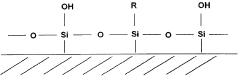
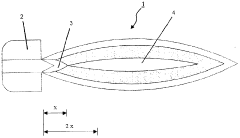
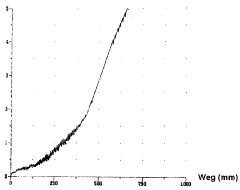
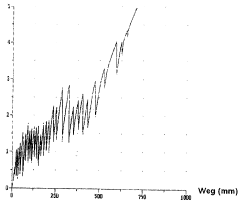
- A pyrolytic method deposits a 40-100 nm thick silanol/siloxane layer on silicone rubber surfaces using a silicon-organic compound under atmospheric pressure, reducing adhesion and stickiness, suitable for both profiles and molded parts, and can be integrated into production lines.
Surface-modified silicas
PatentWO2008043635A1
Innovation
- Surface-modified, highly structured potassium oxide-doped silicas with specific BET surface area, particle size, and pH ranges are developed, using various organosilanes as surface modifiers and thermal treatment methods to enhance filler properties, and these are integrated into silicone rubber compositions.


Environmental Impact of Silicone Rubber Surface Treatments
The environmental impact of silicone rubber surface treatments is a critical consideration in the development and application of enhanced surface textures. These treatments, while effective in boosting the surface properties of silicone rubber, can have significant implications for the environment throughout their lifecycle.
One of the primary environmental concerns is the use of chemical agents in surface modification processes. Many treatments involve the application of solvents, acids, or other reactive compounds that can potentially harm ecosystems if not properly managed. The production and disposal of these chemicals contribute to the overall environmental footprint of silicone rubber products.
Plasma treatments, a popular method for enhancing surface texture, present a mixed environmental profile. While they can be more environmentally friendly than chemical treatments, plasma processes often require significant energy input, potentially increasing the carbon footprint of the manufacturing process. However, advancements in plasma technology are gradually improving energy efficiency.
The durability of surface treatments also plays a role in their environmental impact. More durable treatments may extend the lifespan of silicone rubber products, reducing waste and the need for frequent replacements. Conversely, less durable treatments might lead to increased product turnover and waste generation.
Water-based surface treatments have gained attention as a more environmentally friendly alternative. These treatments typically use fewer harmful chemicals and produce less hazardous waste. However, they may require larger volumes of water, raising concerns about water consumption and potential contamination if not properly treated before disposal.
The end-of-life considerations for treated silicone rubber products are also crucial. Some surface treatments may complicate recycling processes or render the material non-recyclable, contributing to landfill waste. Developing treatments that maintain the recyclability of silicone rubber is an ongoing challenge for researchers and manufacturers.
Biodegradability is another factor to consider. While silicone rubber itself is not biodegradable, certain surface treatments may affect the material's persistence in the environment. Treatments that promote faster degradation could potentially reduce long-term environmental impact, but may also compromise the material's durability and performance.
As environmental regulations become more stringent, there is a growing emphasis on developing eco-friendly surface treatment methods. This includes exploring bio-based treatments derived from renewable resources and investigating physical modification techniques that minimize chemical usage and waste generation.
One of the primary environmental concerns is the use of chemical agents in surface modification processes. Many treatments involve the application of solvents, acids, or other reactive compounds that can potentially harm ecosystems if not properly managed. The production and disposal of these chemicals contribute to the overall environmental footprint of silicone rubber products.
Plasma treatments, a popular method for enhancing surface texture, present a mixed environmental profile. While they can be more environmentally friendly than chemical treatments, plasma processes often require significant energy input, potentially increasing the carbon footprint of the manufacturing process. However, advancements in plasma technology are gradually improving energy efficiency.
The durability of surface treatments also plays a role in their environmental impact. More durable treatments may extend the lifespan of silicone rubber products, reducing waste and the need for frequent replacements. Conversely, less durable treatments might lead to increased product turnover and waste generation.
Water-based surface treatments have gained attention as a more environmentally friendly alternative. These treatments typically use fewer harmful chemicals and produce less hazardous waste. However, they may require larger volumes of water, raising concerns about water consumption and potential contamination if not properly treated before disposal.
The end-of-life considerations for treated silicone rubber products are also crucial. Some surface treatments may complicate recycling processes or render the material non-recyclable, contributing to landfill waste. Developing treatments that maintain the recyclability of silicone rubber is an ongoing challenge for researchers and manufacturers.
Biodegradability is another factor to consider. While silicone rubber itself is not biodegradable, certain surface treatments may affect the material's persistence in the environment. Treatments that promote faster degradation could potentially reduce long-term environmental impact, but may also compromise the material's durability and performance.
As environmental regulations become more stringent, there is a growing emphasis on developing eco-friendly surface treatment methods. This includes exploring bio-based treatments derived from renewable resources and investigating physical modification techniques that minimize chemical usage and waste generation.
Regulatory Compliance for Modified Silicone Rubber Products
Regulatory compliance is a critical aspect of developing and marketing modified silicone rubber products with enhanced surface textures. As manufacturers seek to boost silicone rubber's surface properties, they must navigate a complex landscape of regulations and standards to ensure product safety and legal compliance.
In the United States, the Food and Drug Administration (FDA) plays a crucial role in regulating silicone rubber products, especially those intended for food contact or medical applications. Manufacturers must ensure that their modified silicone rubber products comply with FDA regulations, including 21 CFR 177.2600 for rubber articles intended for repeated use. This regulation specifies the permissible ingredients and manufacturing processes for silicone rubber products.
The European Union's regulatory framework is equally stringent, with the Registration, Evaluation, Authorization, and Restriction of Chemicals (REACH) regulation governing the use of chemical substances in products. Manufacturers must register any new substances used in surface texture modification and provide safety data to the European Chemicals Agency (ECHA).
For medical applications, compliance with ISO 10993 standards is essential. This series of standards evaluates the biocompatibility of medical devices, including those made from modified silicone rubber. Manufacturers must conduct thorough testing to ensure that surface texture modifications do not adversely affect the material's biocompatibility.
Environmental regulations also come into play when modifying silicone rubber surfaces. The use of certain chemicals or processes may be restricted under environmental protection laws, such as the EU's Restriction of Hazardous Substances (RoHS) Directive or California's Proposition 65.
Manufacturers must also consider industry-specific standards, such as those set by the American Society for Testing and Materials (ASTM) or the International Organization for Standardization (ISO). These standards often provide guidelines for testing and characterizing surface properties, ensuring consistency and quality across different products and manufacturers.
Compliance with workplace safety regulations is another crucial aspect. Occupational Safety and Health Administration (OSHA) standards in the US and similar regulations in other countries govern the safe handling of chemicals and processes used in surface texture modification.
As the field of surface texture modification for silicone rubber evolves, manufacturers must stay abreast of changing regulations and emerging standards. This may involve ongoing communication with regulatory bodies, participation in industry working groups, and regular updates to compliance strategies.
In the United States, the Food and Drug Administration (FDA) plays a crucial role in regulating silicone rubber products, especially those intended for food contact or medical applications. Manufacturers must ensure that their modified silicone rubber products comply with FDA regulations, including 21 CFR 177.2600 for rubber articles intended for repeated use. This regulation specifies the permissible ingredients and manufacturing processes for silicone rubber products.
The European Union's regulatory framework is equally stringent, with the Registration, Evaluation, Authorization, and Restriction of Chemicals (REACH) regulation governing the use of chemical substances in products. Manufacturers must register any new substances used in surface texture modification and provide safety data to the European Chemicals Agency (ECHA).
For medical applications, compliance with ISO 10993 standards is essential. This series of standards evaluates the biocompatibility of medical devices, including those made from modified silicone rubber. Manufacturers must conduct thorough testing to ensure that surface texture modifications do not adversely affect the material's biocompatibility.
Environmental regulations also come into play when modifying silicone rubber surfaces. The use of certain chemicals or processes may be restricted under environmental protection laws, such as the EU's Restriction of Hazardous Substances (RoHS) Directive or California's Proposition 65.
Manufacturers must also consider industry-specific standards, such as those set by the American Society for Testing and Materials (ASTM) or the International Organization for Standardization (ISO). These standards often provide guidelines for testing and characterizing surface properties, ensuring consistency and quality across different products and manufacturers.
Compliance with workplace safety regulations is another crucial aspect. Occupational Safety and Health Administration (OSHA) standards in the US and similar regulations in other countries govern the safe handling of chemicals and processes used in surface texture modification.
As the field of surface texture modification for silicone rubber evolves, manufacturers must stay abreast of changing regulations and emerging standards. This may involve ongoing communication with regulatory bodies, participation in industry working groups, and regular updates to compliance strategies.
Unlock deeper insights with PatSnap Eureka Quick Research — get a full tech report to explore trends and direct your research. Try now!
Generate Your Research Report Instantly with AI Agent
Supercharge your innovation with PatSnap Eureka AI Agent Platform!