

How to Configure Devices for Maximum LDAC Performance?
JUL 4, 20259 MIN READ
Generate Your Research Report Instantly with AI Agent
PatSnap Eureka helps you evaluate technical feasibility & market potential.
LDAC Technology Overview
LDAC is a cutting-edge audio coding technology developed by Sony Corporation, designed to enable high-quality wireless audio transmission over Bluetooth connections. Introduced in 2015, LDAC represents a significant advancement in wireless audio technology, offering near-lossless audio quality at transmission rates up to 990 kbps.
The primary goal of LDAC is to overcome the limitations of traditional Bluetooth audio codecs, which often compromise sound quality due to bandwidth constraints. By utilizing advanced encoding algorithms and adaptive bit rate technology, LDAC can transmit audio data at up to three times the bitrate of conventional Bluetooth audio codecs, such as SBC (Sub-Band Coding).
LDAC supports various sampling rates, including 44.1 kHz, 48 kHz, 88.2 kHz, and 96 kHz, with bit depths of 16-bit, 24-bit, and 32-bit. This flexibility allows for the transmission of high-resolution audio files without significant quality loss, preserving the nuances and details of the original recordings.
One of the key features of LDAC is its adaptive bitrate capability. The technology can dynamically adjust the transmission rate based on the wireless environment and signal strength, ensuring optimal performance and stability. LDAC offers three quality settings: 330 kbps, 660 kbps, and 990 kbps, allowing users to prioritize either sound quality or connection stability based on their preferences and environmental conditions.
LDAC has gained widespread adoption in the audio industry since its introduction. It has been integrated into numerous devices, including smartphones, wireless headphones, speakers, and car audio systems. The technology has also been recognized by the Bluetooth Special Interest Group (SIG) and is now part of the Android Open Source Project (AOSP), making it available to a wide range of Android devices.
While LDAC offers superior audio quality compared to many other Bluetooth codecs, it's important to note that both the transmitting device (e.g., smartphone) and the receiving device (e.g., headphones) must support LDAC for the technology to be utilized. This requirement has driven manufacturers to increasingly incorporate LDAC support in their products, contributing to the overall improvement of wireless audio experiences for consumers.
As the demand for high-quality wireless audio continues to grow, LDAC plays a crucial role in bridging the gap between wired and wireless audio performance. Its ability to transmit high-resolution audio wirelessly opens up new possibilities for audiophiles and casual listeners alike, paving the way for more immersive and faithful audio reproduction in various mobile and home entertainment scenarios.
The primary goal of LDAC is to overcome the limitations of traditional Bluetooth audio codecs, which often compromise sound quality due to bandwidth constraints. By utilizing advanced encoding algorithms and adaptive bit rate technology, LDAC can transmit audio data at up to three times the bitrate of conventional Bluetooth audio codecs, such as SBC (Sub-Band Coding).
LDAC supports various sampling rates, including 44.1 kHz, 48 kHz, 88.2 kHz, and 96 kHz, with bit depths of 16-bit, 24-bit, and 32-bit. This flexibility allows for the transmission of high-resolution audio files without significant quality loss, preserving the nuances and details of the original recordings.
One of the key features of LDAC is its adaptive bitrate capability. The technology can dynamically adjust the transmission rate based on the wireless environment and signal strength, ensuring optimal performance and stability. LDAC offers three quality settings: 330 kbps, 660 kbps, and 990 kbps, allowing users to prioritize either sound quality or connection stability based on their preferences and environmental conditions.
LDAC has gained widespread adoption in the audio industry since its introduction. It has been integrated into numerous devices, including smartphones, wireless headphones, speakers, and car audio systems. The technology has also been recognized by the Bluetooth Special Interest Group (SIG) and is now part of the Android Open Source Project (AOSP), making it available to a wide range of Android devices.
While LDAC offers superior audio quality compared to many other Bluetooth codecs, it's important to note that both the transmitting device (e.g., smartphone) and the receiving device (e.g., headphones) must support LDAC for the technology to be utilized. This requirement has driven manufacturers to increasingly incorporate LDAC support in their products, contributing to the overall improvement of wireless audio experiences for consumers.
As the demand for high-quality wireless audio continues to grow, LDAC plays a crucial role in bridging the gap between wired and wireless audio performance. Its ability to transmit high-resolution audio wirelessly opens up new possibilities for audiophiles and casual listeners alike, paving the way for more immersive and faithful audio reproduction in various mobile and home entertainment scenarios.
Market Demand Analysis
The market demand for LDAC (Low Delay Audio Codec) technology has been steadily increasing, driven by the growing consumer appetite for high-quality wireless audio experiences. As more users seek premium audio solutions for their portable devices, the demand for LDAC-enabled products has surged across various segments of the consumer electronics market.
In the smartphone sector, flagship devices from major manufacturers have increasingly incorporated LDAC support as a key feature. This trend is expected to continue, with mid-range smartphones also adopting LDAC capabilities to meet consumer expectations for superior audio quality. The integration of LDAC in smartphones has become a significant differentiator in the highly competitive mobile device market.
The wireless headphone and earbuds market has witnessed substantial growth, with LDAC-compatible products gaining traction among audiophiles and discerning consumers. Premium audio brands have been quick to adopt LDAC technology in their high-end offerings, catering to users who demand lossless audio quality in wireless form factors. This segment is projected to expand further as awareness of high-resolution audio codecs increases among mainstream consumers.
In the automotive industry, there is a growing interest in implementing LDAC technology in in-car entertainment systems. As vehicle manufacturers focus on enhancing the overall driving experience, the integration of high-quality audio codecs like LDAC is becoming a priority. This trend is particularly evident in luxury and electric vehicle segments, where advanced audio features are seen as key selling points.
The smart home and IoT (Internet of Things) market also presents significant opportunities for LDAC technology. As smart speakers and multi-room audio systems become more sophisticated, the demand for high-fidelity wireless audio transmission is increasing. LDAC's ability to deliver near-lossless audio quality over Bluetooth makes it an attractive option for manufacturers looking to differentiate their products in this competitive space.
The professional audio and music production industry has shown interest in LDAC technology for its potential applications in wireless studio monitoring and live performance scenarios. While wired solutions still dominate in professional settings, the convenience and improving quality of wireless options are driving exploration of LDAC-enabled professional audio equipment.
Market analysts predict that the global market for LDAC-enabled devices will continue to grow at a compound annual growth rate (CAGR) of over 15% in the next five years. This growth is attributed to increasing consumer awareness of audio quality, the proliferation of high-resolution music streaming services, and the ongoing improvements in Bluetooth technology that complement LDAC's capabilities.
In the smartphone sector, flagship devices from major manufacturers have increasingly incorporated LDAC support as a key feature. This trend is expected to continue, with mid-range smartphones also adopting LDAC capabilities to meet consumer expectations for superior audio quality. The integration of LDAC in smartphones has become a significant differentiator in the highly competitive mobile device market.
The wireless headphone and earbuds market has witnessed substantial growth, with LDAC-compatible products gaining traction among audiophiles and discerning consumers. Premium audio brands have been quick to adopt LDAC technology in their high-end offerings, catering to users who demand lossless audio quality in wireless form factors. This segment is projected to expand further as awareness of high-resolution audio codecs increases among mainstream consumers.
In the automotive industry, there is a growing interest in implementing LDAC technology in in-car entertainment systems. As vehicle manufacturers focus on enhancing the overall driving experience, the integration of high-quality audio codecs like LDAC is becoming a priority. This trend is particularly evident in luxury and electric vehicle segments, where advanced audio features are seen as key selling points.
The smart home and IoT (Internet of Things) market also presents significant opportunities for LDAC technology. As smart speakers and multi-room audio systems become more sophisticated, the demand for high-fidelity wireless audio transmission is increasing. LDAC's ability to deliver near-lossless audio quality over Bluetooth makes it an attractive option for manufacturers looking to differentiate their products in this competitive space.
The professional audio and music production industry has shown interest in LDAC technology for its potential applications in wireless studio monitoring and live performance scenarios. While wired solutions still dominate in professional settings, the convenience and improving quality of wireless options are driving exploration of LDAC-enabled professional audio equipment.
Market analysts predict that the global market for LDAC-enabled devices will continue to grow at a compound annual growth rate (CAGR) of over 15% in the next five years. This growth is attributed to increasing consumer awareness of audio quality, the proliferation of high-resolution music streaming services, and the ongoing improvements in Bluetooth technology that complement LDAC's capabilities.
Technical Challenges
LDAC, as a high-resolution audio codec developed by Sony, faces several technical challenges in achieving maximum performance across various devices. One of the primary obstacles is the bandwidth limitation of Bluetooth technology. LDAC requires a significant amount of data transfer to maintain its high-quality audio transmission, which can be constrained by the available Bluetooth bandwidth, especially in environments with high interference.
Another challenge lies in the power consumption of devices utilizing LDAC. The codec's high bitrate and complex encoding/decoding processes demand substantial computational resources, leading to increased power drain on both transmitting and receiving devices. This can be particularly problematic for portable devices with limited battery capacity, potentially compromising the user experience.
Device compatibility presents an additional hurdle for LDAC implementation. While Sony has made efforts to license the technology to other manufacturers, not all devices support LDAC natively. This fragmentation in the market creates inconsistencies in user experiences and limits the widespread adoption of the codec.
The dynamic nature of wireless connections also poses challenges for LDAC performance. Environmental factors such as physical obstacles, distance between devices, and electromagnetic interference can cause fluctuations in connection quality. LDAC must adapt to these changing conditions while maintaining audio fidelity, which requires sophisticated adaptive algorithms and robust error correction mechanisms.
Latency is another critical issue that LDAC must address. High-resolution audio transmission inherently introduces some delay, which can be problematic for applications requiring precise audio-visual synchronization, such as gaming or video playback. Minimizing this latency while preserving audio quality is a delicate balance that engineers must strike.
Furthermore, the complexity of LDAC's encoding and decoding processes presents challenges in terms of hardware requirements. Devices must have sufficient processing power to handle the codec efficiently, which can be a limiting factor for lower-end or older devices. This complexity also impacts the implementation of LDAC in various software environments, requiring careful optimization and integration.
Lastly, the interoperability between LDAC and other audio codecs remains a challenge. As devices often support multiple codecs, ensuring seamless switching and maintaining consistent audio quality across different transmission standards is crucial for a smooth user experience. This requires sophisticated codec negotiation protocols and intelligent audio management systems within devices.
Another challenge lies in the power consumption of devices utilizing LDAC. The codec's high bitrate and complex encoding/decoding processes demand substantial computational resources, leading to increased power drain on both transmitting and receiving devices. This can be particularly problematic for portable devices with limited battery capacity, potentially compromising the user experience.
Device compatibility presents an additional hurdle for LDAC implementation. While Sony has made efforts to license the technology to other manufacturers, not all devices support LDAC natively. This fragmentation in the market creates inconsistencies in user experiences and limits the widespread adoption of the codec.
The dynamic nature of wireless connections also poses challenges for LDAC performance. Environmental factors such as physical obstacles, distance between devices, and electromagnetic interference can cause fluctuations in connection quality. LDAC must adapt to these changing conditions while maintaining audio fidelity, which requires sophisticated adaptive algorithms and robust error correction mechanisms.
Latency is another critical issue that LDAC must address. High-resolution audio transmission inherently introduces some delay, which can be problematic for applications requiring precise audio-visual synchronization, such as gaming or video playback. Minimizing this latency while preserving audio quality is a delicate balance that engineers must strike.
Furthermore, the complexity of LDAC's encoding and decoding processes presents challenges in terms of hardware requirements. Devices must have sufficient processing power to handle the codec efficiently, which can be a limiting factor for lower-end or older devices. This complexity also impacts the implementation of LDAC in various software environments, requiring careful optimization and integration.
Lastly, the interoperability between LDAC and other audio codecs remains a challenge. As devices often support multiple codecs, ensuring seamless switching and maintaining consistent audio quality across different transmission standards is crucial for a smooth user experience. This requires sophisticated codec negotiation protocols and intelligent audio management systems within devices.
Current Configuration Methods
01 LDAC codec optimization
Improvements in LDAC (Low Delay Audio Codec) performance focus on optimizing the codec for better audio quality and efficiency. This includes enhancing compression algorithms, reducing latency, and improving bit rate adaptation for various network conditions.- LDAC codec optimization: Improvements in LDAC (Low Delay Audio Codec) performance focus on optimizing the codec for better audio quality and reduced latency. This includes enhancing encoding and decoding algorithms, improving compression efficiency, and fine-tuning the codec for various audio sources and playback devices.
- Adaptive bit rate control: LDAC performance is enhanced through adaptive bit rate control mechanisms. These systems dynamically adjust the bit rate based on network conditions, device capabilities, and audio content complexity, ensuring optimal audio quality while maintaining low latency.
- Error correction and packet loss concealment: Techniques for improving LDAC performance include advanced error correction methods and packet loss concealment algorithms. These enhancements help maintain audio quality in challenging network conditions and minimize the impact of data loss on the listening experience.
- Hardware acceleration for LDAC processing: Implementation of hardware acceleration techniques for LDAC encoding and decoding processes. This approach utilizes specialized hardware components or optimized processor instructions to improve processing speed and efficiency, resulting in better overall codec performance and reduced power consumption.
- Multi-channel audio support: Enhancements to LDAC performance include improved support for multi-channel audio formats. This involves optimizing the codec for efficient encoding and transmission of surround sound and spatial audio content while maintaining high quality and low latency across multiple audio channels.
02 Power consumption reduction
Efforts to enhance LDAC performance involve reducing power consumption in devices implementing the codec. This is achieved through more efficient signal processing, optimized hardware implementations, and improved power management techniques.Expand Specific Solutions03 Integration with audio systems
LDAC performance improvements include better integration with various audio systems and devices. This involves developing compatible hardware designs, improving driver implementations, and enhancing interoperability with different operating systems and audio platforms.Expand Specific Solutions04 Error resilience and stability
Enhancing LDAC performance involves improving error resilience and stability of the codec. This includes developing better error correction mechanisms, implementing robust packet loss concealment techniques, and improving overall codec stability under various network conditions.Expand Specific Solutions05 Adaptive bit rate control
LDAC performance enhancements focus on implementing adaptive bit rate control mechanisms. This allows the codec to dynamically adjust its bit rate based on network conditions, device capabilities, and audio content complexity, ensuring optimal audio quality and transmission efficiency.Expand Specific Solutions
Key Industry Players
The LDAC (Low Latency Audio Codec) technology market is in a growth phase, with increasing adoption in high-end audio devices. The market size is expanding as more consumers seek premium audio experiences. Technologically, LDAC is relatively mature, with ongoing refinements. Key players like Sony (developer of LDAC), Qualcomm, and Samsung are driving innovation in this space. Other companies such as Apple, Huawei, and Intel are also contributing to the broader high-resolution audio ecosystem. The competitive landscape is characterized by a mix of established tech giants and specialized audio companies, each working to optimize device performance for LDAC and similar advanced audio codecs.
QUALCOMM, Inc.
Technical Solution: Qualcomm has integrated LDAC support into their Snapdragon Sound technology platform, which is designed to optimize wireless audio performance. Their implementation focuses on reducing latency and improving power efficiency[7]. Qualcomm's approach includes a dedicated hardware block for LDAC processing within their mobile SoCs, which offloads processing from the main CPU and reduces power consumption[8]. They have also developed adaptive antenna tuning technology to improve Bluetooth signal strength and stability, which is crucial for maintaining high-quality LDAC streaming[9].
Strengths: Widespread adoption in Android devices, hardware-level optimization. Weaknesses: Dependent on device manufacturers for implementation, potential licensing costs.
Huawei Technologies Co., Ltd.
Technical Solution: Huawei has implemented LDAC support in their HiSilicon Kirin chipsets, focusing on optimizing audio quality and power efficiency. Their approach includes a custom audio DSP that works in tandem with LDAC to enhance sound processing[10]. Huawei has also developed an AI-powered noise cancellation technology that complements LDAC streaming by improving audio clarity in various environments[11]. Additionally, they have implemented a feature called "Smart Audio Switch" that automatically selects the best codec, including LDAC, based on the connected device and network conditions[12].
Strengths: AI-enhanced audio processing, seamless integration with Huawei devices. Weaknesses: Limited availability outside of Huawei ecosystem, potential geopolitical challenges affecting global adoption.
Core LDAC Innovations
Method of optimizing CMOS IDAC linearity performance using golden ratio
PatentInactiveUS20170201269A1
Innovation
- Current sources in CMOS DACs are arranged uniformly using a golden ratio in a one-dimensional array to optimize linearity performance and area efficiency, with the placement determined by a computerized method that adjusts attributes and recalculates performance parameters to meet predefined standards.
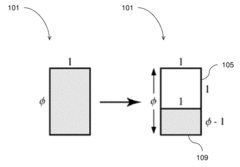
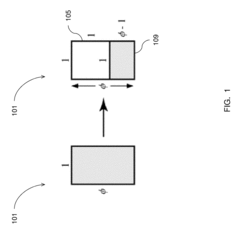
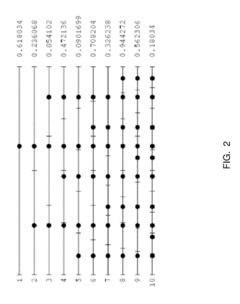
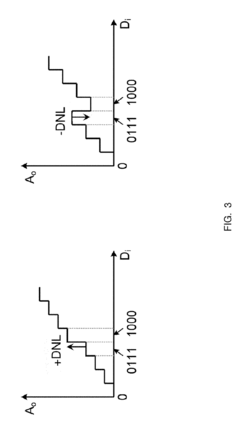
Linear regulator device and configuration method thereof
PatentPendingUS20250138562A1
Innovation
- The proposed linear regulator device and configuration method control the current inversion point by adjusting the fixed current value in the digital-to-analog converter (DAC) and selecting the reference voltage of the operational amplifier, thereby simplifying the circuit area while ensuring accurate linear voltage conversion at specific relationship points.


Compatibility Considerations
When considering compatibility for maximum LDAC performance, several key factors must be taken into account. First and foremost, device support is crucial. Both the transmitting device (typically a smartphone or digital audio player) and the receiving device (such as wireless headphones or speakers) must support the LDAC codec. This requirement limits the pool of compatible devices, as LDAC is primarily found in Sony products and select Android devices.
Operating system compatibility is another important consideration. While LDAC is natively supported on Android 8.0 (Oreo) and later versions, iOS devices do not currently support LDAC. This creates a significant divide in the mobile device ecosystem, potentially influencing consumer choices and market adoption rates.
Hardware specifications also play a vital role in LDAC performance. Devices must have sufficient processing power to handle the high-bitrate audio encoding and decoding processes. This is particularly important for the transmitting device, which needs to encode the audio in real-time. Older or less powerful devices may struggle to maintain optimal LDAC performance, potentially resulting in audio dropouts or forced downgrading to lower quality codecs.
Bluetooth version compatibility is another critical factor. While LDAC can theoretically work with Bluetooth 4.0 and above, optimal performance is achieved with Bluetooth 5.0 or later. The newer Bluetooth versions offer improved data transfer rates and more stable connections, which are essential for maintaining the high-bitrate audio streams that LDAC is capable of.
Environmental factors and interference can also impact LDAC performance. Dense urban environments with numerous wireless signals or physical obstacles can degrade Bluetooth connectivity, potentially forcing the codec to adapt to lower bitrates or causing connection instability. Users must consider their typical usage environments when configuring devices for maximum LDAC performance.
Firmware and software updates are crucial for maintaining compatibility and optimal performance. Both transmitting and receiving devices should be kept up-to-date with the latest firmware to ensure they have the most recent LDAC optimizations and bug fixes. This is particularly important as the LDAC technology continues to evolve and improve over time.
Lastly, the compatibility of audio content itself must be considered. While LDAC can transmit high-resolution audio up to 24-bit/96kHz, the source material must be of sufficient quality to take full advantage of this capability. Users should ensure they have access to high-resolution audio files or streaming services that provide compatible content to fully leverage LDAC's potential.
Operating system compatibility is another important consideration. While LDAC is natively supported on Android 8.0 (Oreo) and later versions, iOS devices do not currently support LDAC. This creates a significant divide in the mobile device ecosystem, potentially influencing consumer choices and market adoption rates.
Hardware specifications also play a vital role in LDAC performance. Devices must have sufficient processing power to handle the high-bitrate audio encoding and decoding processes. This is particularly important for the transmitting device, which needs to encode the audio in real-time. Older or less powerful devices may struggle to maintain optimal LDAC performance, potentially resulting in audio dropouts or forced downgrading to lower quality codecs.
Bluetooth version compatibility is another critical factor. While LDAC can theoretically work with Bluetooth 4.0 and above, optimal performance is achieved with Bluetooth 5.0 or later. The newer Bluetooth versions offer improved data transfer rates and more stable connections, which are essential for maintaining the high-bitrate audio streams that LDAC is capable of.
Environmental factors and interference can also impact LDAC performance. Dense urban environments with numerous wireless signals or physical obstacles can degrade Bluetooth connectivity, potentially forcing the codec to adapt to lower bitrates or causing connection instability. Users must consider their typical usage environments when configuring devices for maximum LDAC performance.
Firmware and software updates are crucial for maintaining compatibility and optimal performance. Both transmitting and receiving devices should be kept up-to-date with the latest firmware to ensure they have the most recent LDAC optimizations and bug fixes. This is particularly important as the LDAC technology continues to evolve and improve over time.
Lastly, the compatibility of audio content itself must be considered. While LDAC can transmit high-resolution audio up to 24-bit/96kHz, the source material must be of sufficient quality to take full advantage of this capability. Users should ensure they have access to high-resolution audio files or streaming services that provide compatible content to fully leverage LDAC's potential.
User Experience Impact
The impact of LDAC configuration on user experience is significant, as it directly affects the quality of audio transmission in Bluetooth devices. When properly configured, LDAC can deliver high-resolution audio that closely resembles wired connections, providing users with a superior listening experience. This is particularly noticeable in music playback, where LDAC's high bitrate allows for more detailed and nuanced sound reproduction.
One of the key factors influencing user experience is the stability of the LDAC connection. Optimal configuration ensures a consistent and uninterrupted audio stream, reducing dropouts and maintaining audio quality even in challenging environments. This stability is crucial for users who rely on their Bluetooth devices for extended listening sessions or in professional settings where audio quality is paramount.
The adaptive nature of LDAC, when correctly set up, can also enhance user experience by dynamically adjusting the bitrate based on the connection quality. This adaptability means that users can enjoy high-quality audio in various scenarios, from stationary listening at home to mobile use in crowded urban areas. The seamless transition between different bitrates helps maintain a consistent audio experience without noticeable degradation.
Battery life is another aspect of user experience that is influenced by LDAC configuration. While LDAC can consume more power than lower-quality codecs, proper optimization can strike a balance between audio quality and battery longevity. Users benefit from extended listening times without sacrificing sound quality, which is especially important for portable devices like smartphones and wireless headphones.
The initial pairing and connection process also plays a role in user satisfaction. Devices configured for maximum LDAC performance should establish connections quickly and reliably, minimizing user frustration. This smooth setup process contributes to a positive first impression and ongoing user experience.
For audiophiles and music enthusiasts, the ability to discern subtle details in their audio content is a critical aspect of the listening experience. LDAC's high bitrate capability, when fully utilized, allows for the transmission of a wider range of frequencies and dynamics. This results in a more immersive and engaging audio experience, with improved soundstage, instrument separation, and overall clarity.
Lastly, the compatibility of LDAC with various audio formats and streaming services impacts user flexibility. A well-configured LDAC setup should seamlessly handle different audio sources, from local high-resolution files to streaming platforms, without requiring constant user intervention. This versatility enhances the overall user experience by providing a consistent high-quality audio output across different use cases and content types.
One of the key factors influencing user experience is the stability of the LDAC connection. Optimal configuration ensures a consistent and uninterrupted audio stream, reducing dropouts and maintaining audio quality even in challenging environments. This stability is crucial for users who rely on their Bluetooth devices for extended listening sessions or in professional settings where audio quality is paramount.
The adaptive nature of LDAC, when correctly set up, can also enhance user experience by dynamically adjusting the bitrate based on the connection quality. This adaptability means that users can enjoy high-quality audio in various scenarios, from stationary listening at home to mobile use in crowded urban areas. The seamless transition between different bitrates helps maintain a consistent audio experience without noticeable degradation.
Battery life is another aspect of user experience that is influenced by LDAC configuration. While LDAC can consume more power than lower-quality codecs, proper optimization can strike a balance between audio quality and battery longevity. Users benefit from extended listening times without sacrificing sound quality, which is especially important for portable devices like smartphones and wireless headphones.
The initial pairing and connection process also plays a role in user satisfaction. Devices configured for maximum LDAC performance should establish connections quickly and reliably, minimizing user frustration. This smooth setup process contributes to a positive first impression and ongoing user experience.
For audiophiles and music enthusiasts, the ability to discern subtle details in their audio content is a critical aspect of the listening experience. LDAC's high bitrate capability, when fully utilized, allows for the transmission of a wider range of frequencies and dynamics. This results in a more immersive and engaging audio experience, with improved soundstage, instrument separation, and overall clarity.
Lastly, the compatibility of LDAC with various audio formats and streaming services impacts user flexibility. A well-configured LDAC setup should seamlessly handle different audio sources, from local high-resolution files to streaming platforms, without requiring constant user intervention. This versatility enhances the overall user experience by providing a consistent high-quality audio output across different use cases and content types.
Unlock deeper insights with PatSnap Eureka Quick Research — get a full tech report to explore trends and direct your research. Try now!
Generate Your Research Report Instantly with AI Agent
Supercharge your innovation with PatSnap Eureka AI Agent Platform!